
The Scots Pine, also known as Scotch Pine, is a versatile conifer native to Eurasia and recognized for its ecological significance and distinctive characteristics. This guide delves into its properties, care tips, and ecological roles, making it an essential resource for anyone interested in this remarkable tree.
Understanding Scots Pine (Scotch Pine)
The Scots Pine, or Scotch Pine, is a popular conifer known for its resilience and ecological importance. Let’s dive into its scientific classification and historical background.

Scientific Classification of Scots Pine
- Scientific Name: Pinus sylvestris
- Family: Pinaceae
- Common Names: Scots Pine, Scotch Pine, Baltic Pine, European Red Pine
This tree is widely recognized for its distinctive blue-green needles and orange-red bark. It’s one of the most distributed pine species globally, thriving in various climates.
Historical Background and Common Names
The Scots Pine has a rich history, primarily found across Europe and Asia. It originated around 10,000 years ago after the last Ice Age. As glaciers retreated, it began to recolonize northern Europe.
In North America, Scots Pine was introduced in the 18th century. It became popular due to its adaptability and use in forestry. Today, it’s commonly seen in landscapes, parks, and even as a Christmas tree.
Cultural Significance
The Scots Pine holds cultural importance, especially in Scotland, where it is a national symbol. Its wood is valued for construction and furniture, making it an economic asset.
When considering Scots Pine for your garden or landscaping, remember its historical ties and ecological benefits. It’s not just a tree; it’s a part of our natural heritage!
Table of Contents
Key Characteristics of Scots Pine
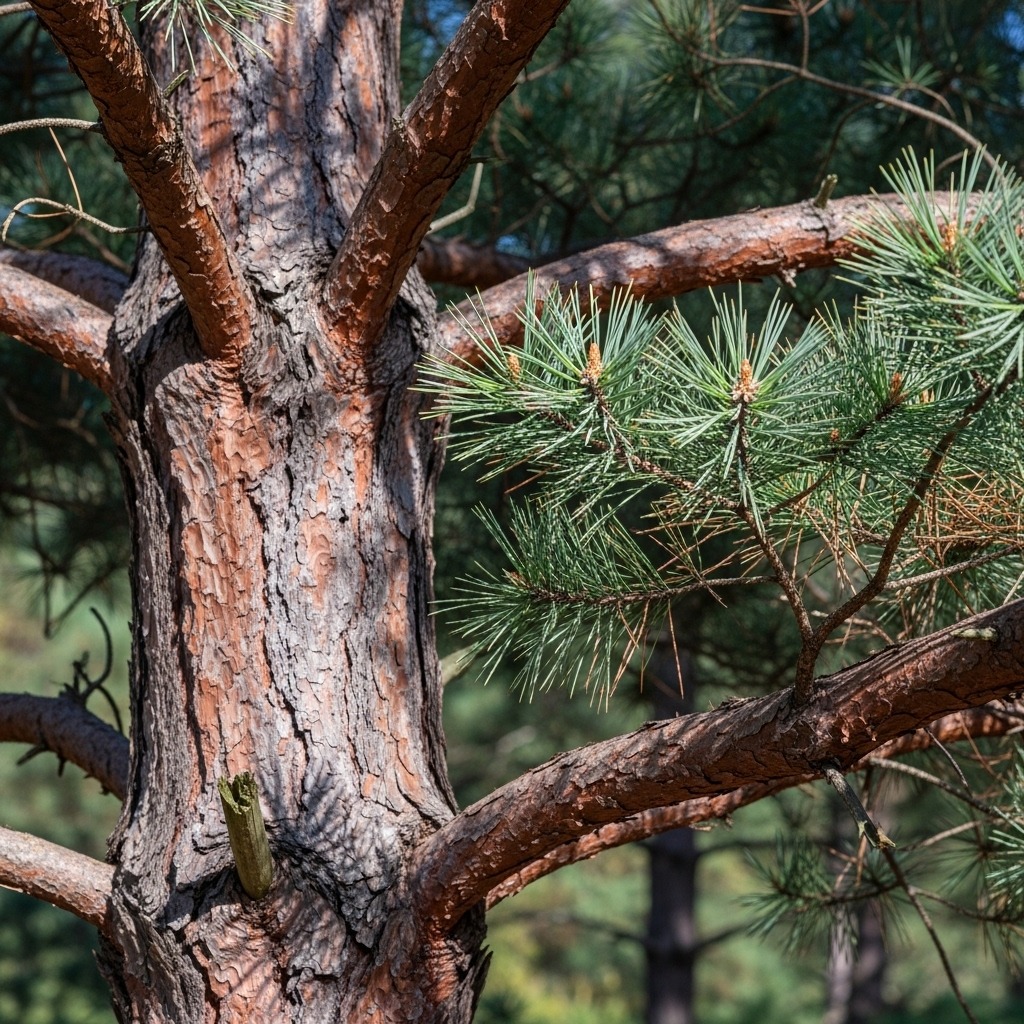
The Scots Pine, or Scotch Pine, is a fascinating tree with distinctive features. Let’s delve into its physical traits and biological characteristics.
Size and Growth Rate
Scots Pine is known for its impressive size. It can reach heights of 40 to 60 feet, with a spread of about 20 to 30 feet.
- Growth Rate: It grows moderately fast, typically adding 1 to 2 feet per year under ideal conditions.
- Mature Size: Expect a mature Scots Pine to stand tall and proud, often seen towering over other trees in the landscape.
Leaf and Bark Description
The leaves and bark of the Scots Pine are key identifiers.
- Leaves: The needles are typically 1.5 to 3 inches long, grouped in pairs. They have a blue-green color, giving the tree a unique hue.
- Bark: The bark is quite striking with its orange-red color, especially on mature trees. It develops into thick, scaly plates, adding to its character.
Here’s a quick comparison of Scots Pine characteristics versus other common pines:
| Characteristic | Scots Pine | Eastern White Pine | Norway Pine |
|---|---|---|---|
| Height at Maturity | 40-60 ft | 50-80 ft | 50-70 ft |
| Needle Length | 1.5-3 in | 3-5 in | 4-6 in |
| Bark Color | Orange-red | Grayish-brown | Reddish-brown |
| Growth Rate | Moderate | Fast | Moderate |
| Needle Arrangement | Pairs | Groups of five | Groups of two |
Understanding these characteristics can help you choose the right pine for your landscaping needs. Whether you’re aiming for a majestic shade tree or a unique focal point, Scots Pine is a solid choice.
Growth Conditions and Care for Scots Pine

Scots Pine, also known as Scotch Pine, thrives in a variety of conditions. Understanding its needs can help you create the ideal environment for this beautiful tree.
Soil and Sunlight Requirements
Scots Pine is quite adaptable when it comes to soil. Here’s what you need to know:
- Soil Type: Prefers well-draining soil but can tolerate poor conditions. It grows well in sandy, clay, or loamy soils.
- Sunlight: Needs full sun for optimal growth. Aim for at least 6 hours of sunlight daily.
Soil Preferences Checklist:
- Well-draining soil
- pH level: 5.0 to 7.0 (slightly acidic to neutral)
- Drought-tolerant once established
Watering and Fertilization Tips
Watering is crucial, especially for young Scots Pines. Here’s how to keep them healthy:
- Watering Needs: Water deeply but infrequently. Ensure the soil is moist but not soggy.
- Fertilization: Generally, Scots Pine doesn’t require fertilization. If you decide to fertilize, do it once in spring with a slow-release formula.
Watering Schedule Example:
- Spring: Water once a week as the tree comes out of dormancy.
- Summer: Increase frequency during hot spells.
- Fall: Water less as the tree prepares for dormancy.
Seasonal Care Calendar for Scots Pine
Managing care throughout the year can help your Scots Pine thrive. Here’s a simple seasonal calendar:
- Spring: Water regularly; apply fertilizer if desired.
- Summer: Monitor for pests; maintain watering schedule.
- Fall: Prepare for winter; mulch around the base to retain moisture.
- Winter: Check for snow load; gently remove excess snow from branches.
By following these guidelines, your Scots Pine can flourish and provide beauty for years to come.
Ecological Importance of Scots Pine
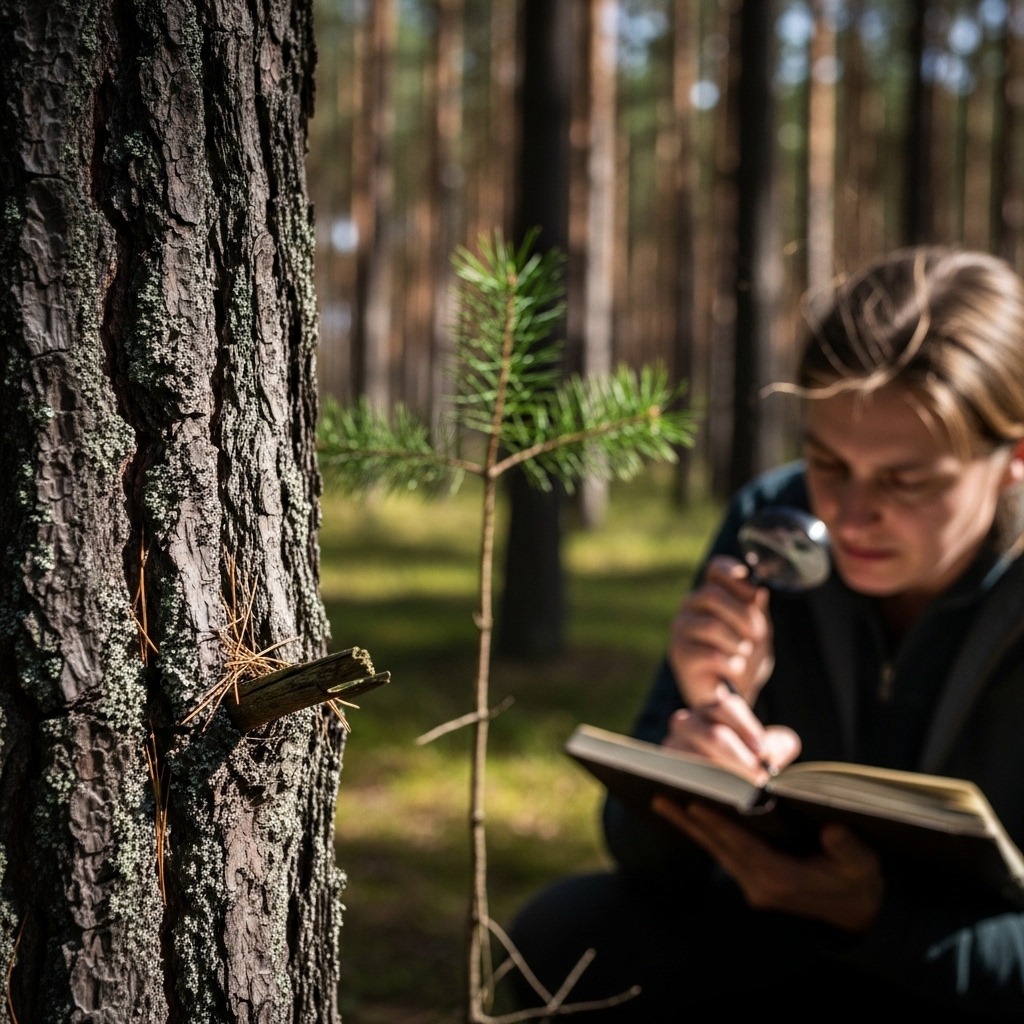
The Scots Pine plays a vital role in its ecosystem. It contributes significantly to biodiversity and helps maintain soil health. Let’s dive into how this tree benefits wildlife and the environment.
Habitat for Wildlife
Scots Pine stands provide shelter and food for various species. Birds, mammals, and insects all thrive in these habitats. Birds like woodpeckers and crossbills nest in its branches. Small mammals, such as squirrels, rely on its seeds for nutrition.
- Bird Habitat: Offers nesting sites for diverse bird species.
- Mammal Foraging: Supplies food for small mammals, aiding in their survival.
- Insect Biodiversity: Supports a variety of insects that contribute to the ecosystem.
Role in Soil Stabilization
Scots Pine is a champion when it comes to soil health. Its extensive root system helps prevent soil erosion. This tree anchors the soil, especially in areas prone to heavy rainfall or wind.
- Erosion Control: Roots hold the soil together, reducing erosion.
- Nutrient Cycling: Fallen needles enrich the soil with nutrients, promoting healthier growth for surrounding plants.
- Water Retention: Can enhance soil moisture retention, benefiting other nearby flora.
Case Study Insight
In regions like Scotland and Scandinavia, Scots Pine forests have been shown to improve soil quality. They enhance biodiversity by providing a rich habitat for various plants and animals. This, in turn, creates a balanced ecosystem that supports life at multiple levels.
By choosing to plant Scots Pine in reforestation projects, communities can foster biodiversity and improve soil stability. This tree is more than just a pretty face in the landscape; it’s a cornerstone of ecological health.
Common Problems and Pest Management for Scots Pine
Scots Pine, while generally hardy, can face several challenges. Pests and diseases can affect their health and growth. Let’s explore some common issues and how to manage them effectively.
Common Pests Affecting Scots Pine
Scots Pine trees can attract a few pesky insects. Here’s a list of the most common culprits:
- Pine Bark Beetle: These beetles bore into the bark, which can kill branches.
- Sucking Insects: Aphids and scale insects suck sap, weakening the tree.
- Sawflies: Their larvae can defoliate the tree, impacting its health.
Managing Diseases and Other Issues
Diseases can also plague Scots Pine. Identifying symptoms early is crucial. Here’s a quick guide:
- Needle Yellowing: This can indicate root rot or needle cast. Check soil moisture and drainage.
- Pine Wilt Disease: Look for yellowing needles on a single branch. If confirmed, removal of the affected tree is necessary.
- Gall Rust: This fungal issue can deform branches. Regular inspections help catch it early.
Troubleshooting Guide
1. Inspect Regularly: Check branches and needles for unusual signs.
2. Adjust Watering: Ensure the soil isn’t too wet or too dry to prevent root issues.
3. Prune Dead Branches: This helps improve air circulation and overall health.
By keeping an eye on your Scots Pine and acting fast, you can maintain its beauty and health.
Comparing Scots Pine with Other Conifers
When it comes to choosing the right conifer for your landscape, understanding the differences can help you make the best decision. Let’s dive into how Scots Pine compares with two popular options: Eastern White Pine and Douglas Fir.
Scots Pine vs. Eastern White Pine
| Feature | Scots Pine | Eastern White Pine |
|---|---|---|
| Growth Rate | Moderate to fast | Fast |
| Height | 60-100 feet | 50-80 feet |
| Needle Color | Blue-green | Soft green |
| Soil Preference | Tolerates poor soil | Prefers well-drained, sandy soil |
| Ecological Benefits | Soil stabilization | Wildlife habitat |
| Common Uses | Windbreaks, Christmas trees | Timber, ornamental |
Key Takeaway: Scots Pine is more adaptable to poor soil conditions. If you have rocky or sandy areas, it’s a solid choice. On the other hand, Eastern White Pine is faster-growing and can provide timber more quickly.
Scots Pine vs. Douglas Fir
| Feature | Scots Pine | Douglas Fir |
|---|---|---|
| Growth Rate | Moderate to fast | Fast |
| Height | 60-100 feet | 70-100 feet |
| Needle Color | Blue-green | Dark green |
| Soil Preference | Tolerates drought | Prefers moist, well-drained soil |
| Ecological Benefits | Contributes to biodiversity | Excellent timber producer |
| Common Uses | Windbreaks, Christmas trees | Construction, landscaping |
Key Takeaway: Scots Pine offers good drought tolerance, making it a great option for drier areas. Douglas Fir is a go-to for timber, but it needs more moisture to thrive.
Decision Framework for Selecting Scots Pine
When deciding if Scots Pine is right for your landscape, consider these factors:
- Soil Quality: Poor or rocky? Scots Pine can thrive here.
- Space: Have a large area? Scots Pine grows tall and wide.
- Maintenance: Looking for low care? Scots Pine needs less attention once established.
By comparing these traits, you can see where Scots Pine stands out. Whether you want a strong windbreak or a tree that tolerates challenging conditions, Scots Pine might be your best bet!
Conclusion and Final Thoughts on Scots Pine
Scots Pine, or Pinus sylvestris, is a remarkable tree with numerous benefits. It thrives in various conditions and plays a significant role in the ecosystem. Here’s a quick recap of what makes Scots Pine special.
Key Characteristics of Scots Pine
- Scientific Classification: Scots Pine belongs to the Pinaceae family and is easily recognized by its blue-green leaves and orange-red bark.
- Growth Conditions: This tree tolerates poor soils and drought, making it ideal for challenging areas.
- Ecological Importance: Scots Pine contributes to biodiversity and helps stabilize soil, supporting a healthy environment.
Cultivation and Care Tips
- Planting: Use seeds or stem cuttings for propagation.
- Maintenance: Once established, Scots Pine requires minimal care.
- Pest Management: Watch out for pests like the pine root tip weevil that can affect growth.
Future of Scots Pine
As landscapes evolve, Scots Pine remains a top choice for conservation and landscaping projects. Its adaptability and ecological benefits make it a valuable addition to any garden. Whether you’re planning a windbreak or restoring a natural area, Scots Pine is versatile and resilient.
By understanding these properties and care tips, you can make informed decisions about including Scots Pine in your outdoor spaces.
Frequently Asked Questions
These quick answers cover the most common questions about this topic, including key details, practical tips, and common concerns.
What is Scots pine good for?
Scots Pine is valued for its timber, which is used in construction, furniture, and flooring. It is also popular as a Christmas tree and for landscaping due to its attractive appearance and resilience. Additionally, it plays a vital ecological role by supporting wildlife and stabilizing soil.
What is killing Scotch pine?
Scotch Pine can be affected by pests like pine bark beetles, aphids, and sawflies. Diseases such as needle cast, pine wilt, and gall rust can also harm the tree. Environmental stressors like drought, poor drainage, and extreme weather can weaken it and make it more susceptible to these issues.
What is the lifespan of a Scots pine?
A Scots Pine typically lives between 150 and 300 years, with some specimens reaching over 400 years. Its longevity depends on growing conditions, care, and environmental factors. Proper maintenance can help maximize its lifespan and health.
Is Scotch pine a fast growing tree?
Scots Pine is considered a moderately fast-growing tree. Under ideal conditions, it can grow about 1 to 2 feet per year. It reaches maturity in around 40 to 60 years, making it suitable for both short-term and long-term landscaping projects.
How to propagate Scots Pine?
Scots Pine can be propagated through seeds or stem cuttings. Seeds should be collected from mature cones and sown in well-draining soil in early spring. For cuttings, take semi-hardwood stems in late summer, root them in a moist medium, and keep them in a warm, bright location until established.
What are the common diseases affecting Scots Pine?
Common diseases include needle cast, which causes yellowing and browning of needles; pine wilt, a fatal disease caused by nematodes; and gall rust, which creates deformities on branches. Regular inspection and proper care help prevent and manage these issues.
How to identify a healthy Scots Pine tree?
A healthy Scots Pine has vibrant blue-green needles, firm and intact bark, and no signs of pests or disease. It should have a balanced, symmetrical shape with no dead or browning branches. Consistent growth and good needle color indicate good health.
What are the best soil conditions for Scots Pine?
Scots Pine prefers well-draining soil with a pH of 5.0 to 7.0. It tolerates poor soils, including sandy or rocky types, and is drought-tolerant once established. Avoid waterlogged or overly compacted soils to prevent root rot and other issues.