
American bison can be found in various habitats, including coniferous forests. These majestic mammals play a crucial role in their ecosystems, contributing to biodiversity and environmental health.
Table of Contents
Habitat of American Bison in Coniferous Forests
American bison thrive in various habitats, and coniferous forests are one of their unique homes. These forests provide a rich environment that supports their needs for grazing and shelter.
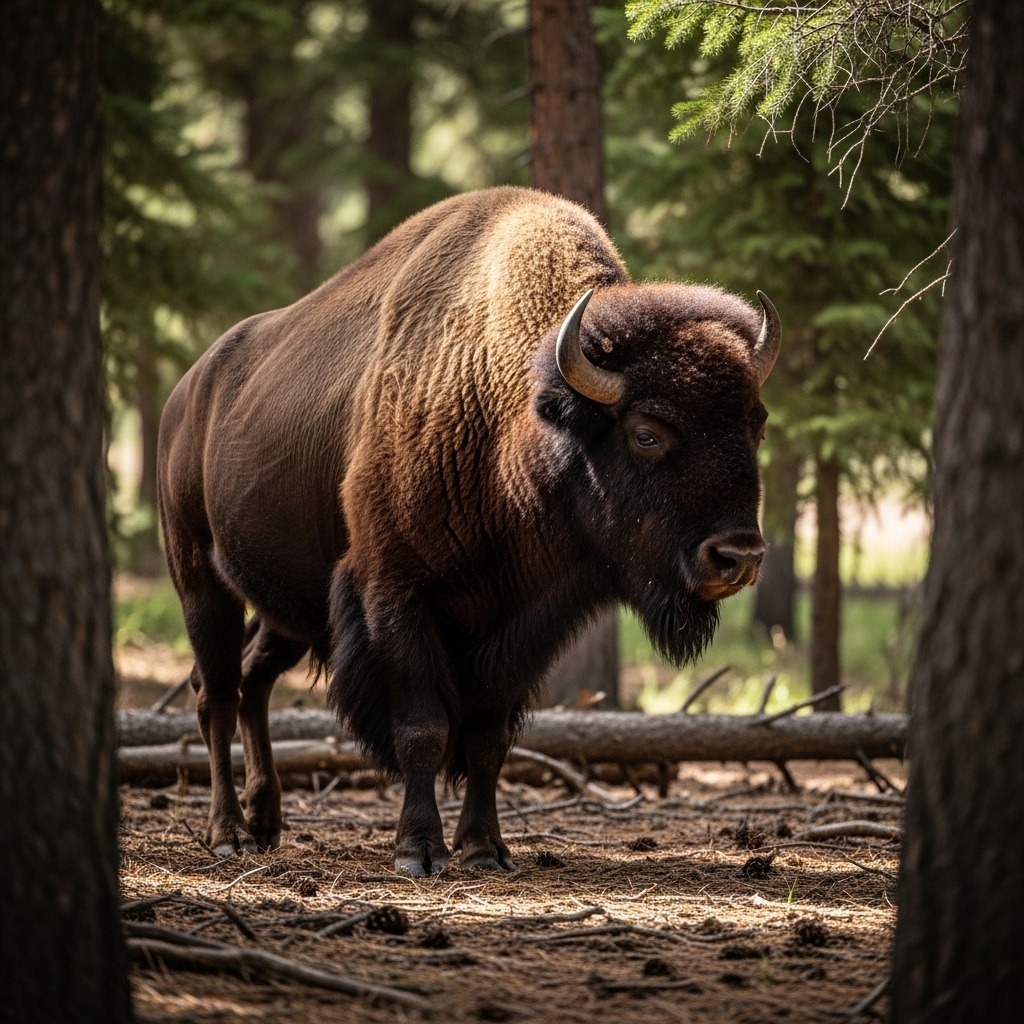
Geographic Range of Bison in Forests
Bison are primarily associated with the Great Plains, but they can also inhabit coniferous forests. This habitat is mostly found in northern regions, like parts of Canada and the United States. Here are some key areas where bison are spotted in coniferous forests:
- Wood Buffalo National Park: Located in Canada, this park is home to the wood bison subspecies.
- Yellowstone National Park: While known for its grasslands, bison also forage in the forested areas of the park.
- National Forests in Montana and Wyoming: These forests provide a mix of coniferous trees and open spaces for bison.
Ecological Characteristics of Coniferous Forests
Coniferous forests are characterized by trees like pines, spruces, and firs. These forests have distinct features that affect the bison’s lifestyle:
- Dense Canopy: The thick tree cover offers shade and shelter.
- Understory Vegetation: Bison feed on grasses, shrubs, and other plants found beneath the trees.
- Seasonal Changes: In winter, snow can cover food sources, which challenges bison to find sustenance. However, they adapt by digging through the snow to reach grasses.
Adaptations of Bison to Forest Environments
Bison have developed several adaptations that help them thrive in coniferous forests:
- Foraging Behavior: In forests, bison use their strong heads to push through snow and reach hidden food.
- Social Structure: Bison often travel in groups. This behavior helps them protect each other from predators, such as wolves.
- Mobility: Their massive size and strength allow bison to move through dense underbrush, making them agile foragers.
An interesting case study from Wood Buffalo National Park shows how bison interact with their forest environment. Researchers noted that bison help maintain the health of the forest by trampling down shrubs, which promotes the growth of grasses. This behavior enhances biodiversity and supports other wildlife species in the area.
In summary, coniferous forests provide a unique habitat for American bison. Their adaptations and behaviors illustrate the important role these animals play in maintaining ecological balance in their forested homes.
Behavior and Ecology of American Bison
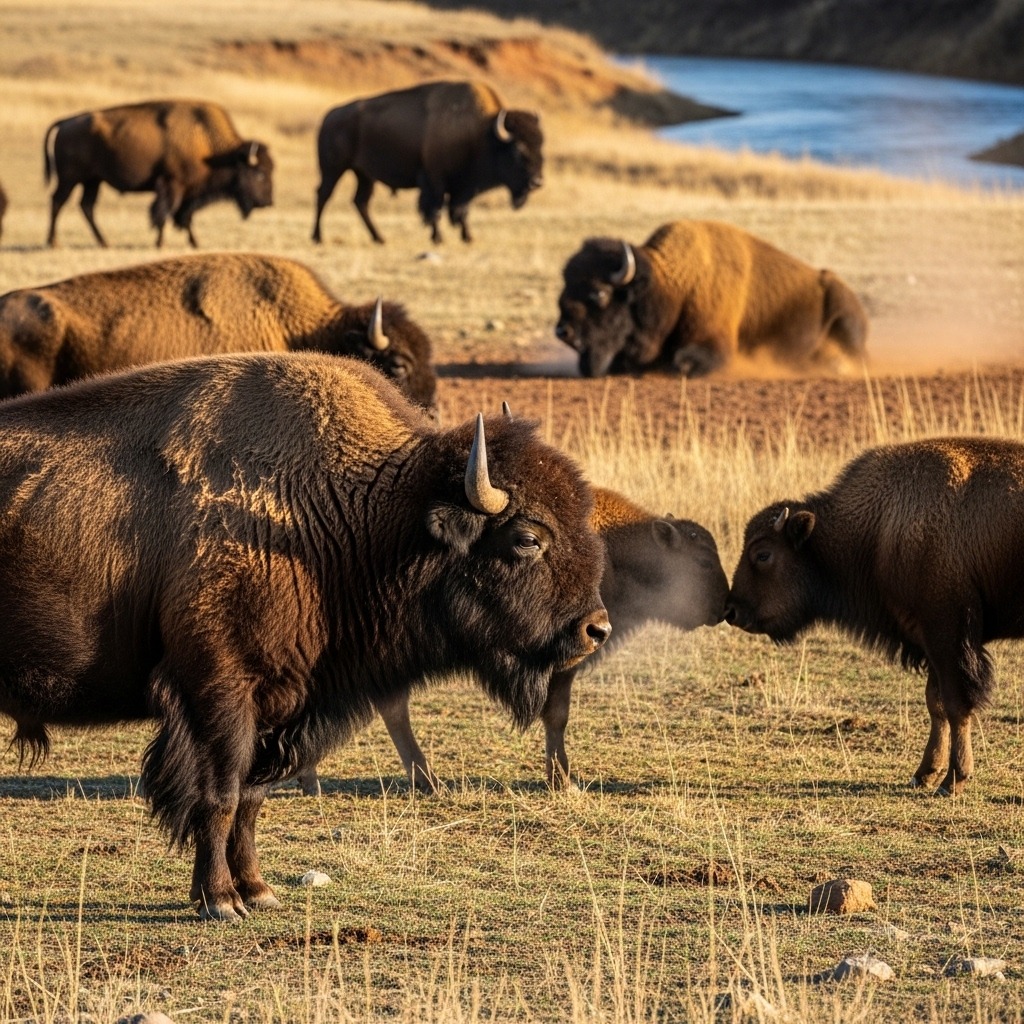
American bison are fascinating creatures with complex social structures and behaviors, especially in the unique environment of coniferous forests. Their interactions with this habitat are essential for both their survival and the overall health of the forest ecosystem.
Social Structure and Herd Dynamics
Bison are social animals that live in herds. These herds can consist of various sizes, from a few individuals to hundreds.
- Matriarchal Leadership: Herds are typically led by older females, known as matriarchs. They guide the herd to food and water sources.
- Strong Bonds: Bison form strong social bonds. They communicate through vocalizations, body language, and even smell.
- Protection in Numbers: Being in a herd offers safety. When threatened, bison will often form a circle, facing outward to protect the young and vulnerable.
This social structure helps bison thrive in the dense underbrush of coniferous forests, where they can navigate together and find resources more efficiently.
Grazing and Foraging Habits
Bison are herbivores, primarily grazing on grasses, but in coniferous forests, their diet can include shrubs and tree bark.
- Selective Foraging: They choose plants based on availability and nutritional value. In forests, they often target younger, tender shoots.
- Impact on Vegetation: As they graze, bison help shape the forest landscape. Their foraging encourages the growth of diverse plant species, which benefits other wildlife.
- Seasonal Changes: Bison adjust their grazing habits with the seasons. In winter, they dig through snow to access grass, showcasing their strength and adaptability.
This behavior not only nourishes the bison but also supports the forest ecosystem by promoting biodiversity.
Breeding Behavior and Calving
Breeding season for bison typically occurs in late summer to early fall.
- Courtship Displays: Males engage in displays of strength to attract females. This often includes wallowing and vocalizing to showcase their health and vitality.
- Gestation and Calving: After a gestation period of about nine months, females give birth to a single calf, usually in late spring. This timing aligns with the availability of abundant food, crucial for the mother’s recovery and the calf’s growth.
- Maternal Care: Mothers are incredibly protective of their young. Calves learn essential survival skills by observing their mothers and the herd.
In coniferous forests, the shelter provided by trees can offer protection for calves during their early, vulnerable days. This nurturing environment is vital for the species’ continuation.
Understanding these behaviors highlights the important role American bison play in their coniferous forest habitats. They are not just residents; they are key players in maintaining the ecological balance.
Importance of American Bison to Ecosystems
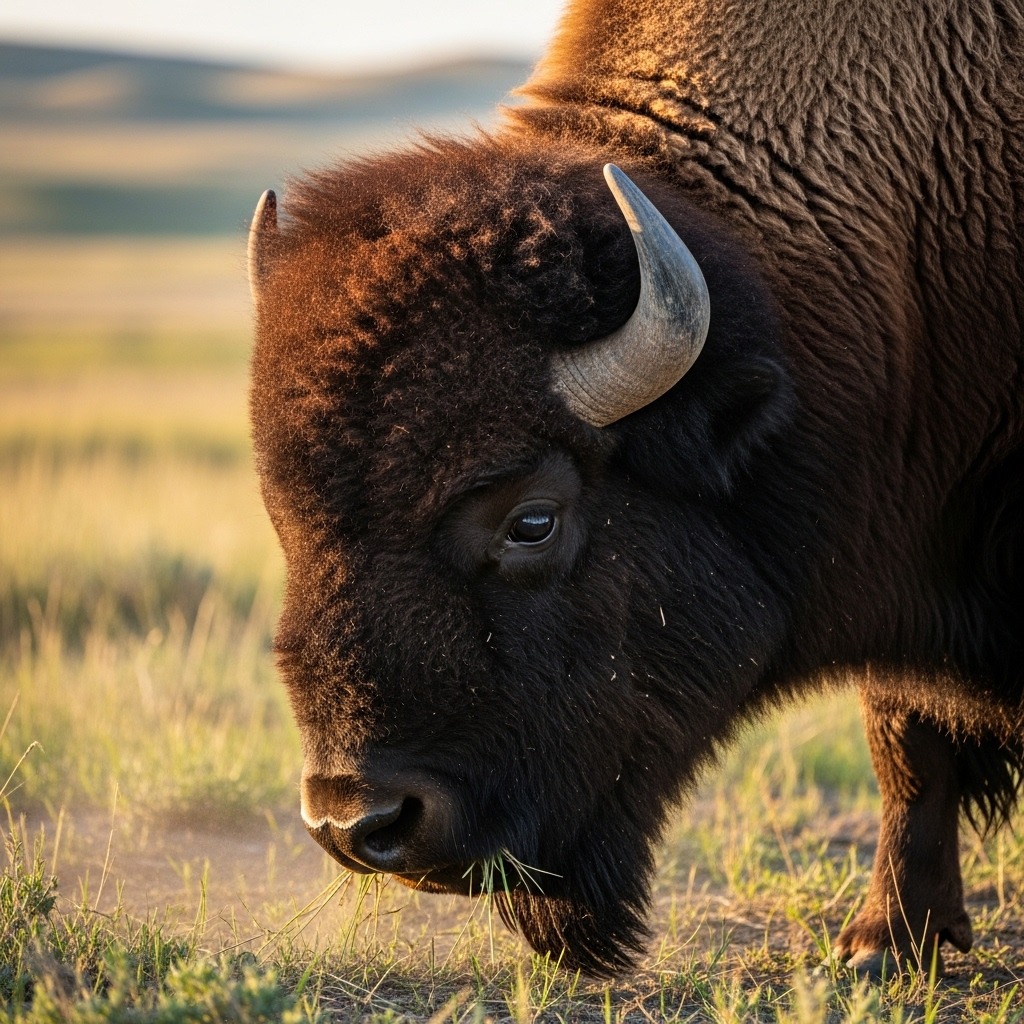
American bison play a vital role in the health of coniferous forest ecosystems. Their grazing habits and behaviors contribute to maintaining biodiversity and soil health. Let’s dive into how these majestic animals impact their environment.
Role in Biodiversity
Bison are known as “keystone species.” This means they have a significant effect on their environment. By grazing on grasses and shrubs, they help control plant growth. This creates space for various other species to thrive, promoting a diverse ecosystem.
- Grazing Patterns: Bison prefer to graze on certain grasses. This selective feeding helps maintain a balance of plant species.
- Nutrient Cycling: Their waste provides essential nutrients for the soil. This supports other plant life and contributes to a healthy ecosystem.
Impact on Vegetation and Soil Health
Bison impact vegetation in ways that benefit the entire forest. Their movement through the forest helps aerate the soil, allowing water and nutrients to penetrate deeper. This leads to healthier plants and a more resilient forest.
- Soil Aeration: As bison roam, they disturb the ground. This process helps with water retention and improves soil structure.
- Vegetation Regeneration: Bison grazing can stimulate new growth. This keeps the ecosystem dynamic and vibrant.
Interactions with Other Species
Bison don’t just live in isolation. They interact with numerous other species in coniferous forests, creating a web of relationships.
- Mutual Benefits: Birds often follow bison to feed on insects disturbed by their movement. This relationship benefits both species.
- Habitat Creation: Their grazing creates open spaces. This allows smaller animals and plants to flourish.
In summary, the American bison’s presence in coniferous forests is crucial. They support biodiversity, enhance soil health, and interact positively with other forest species. Their ecological contributions are essential for the health and sustainability of these ecosystems.
Conservation Efforts for American Bison
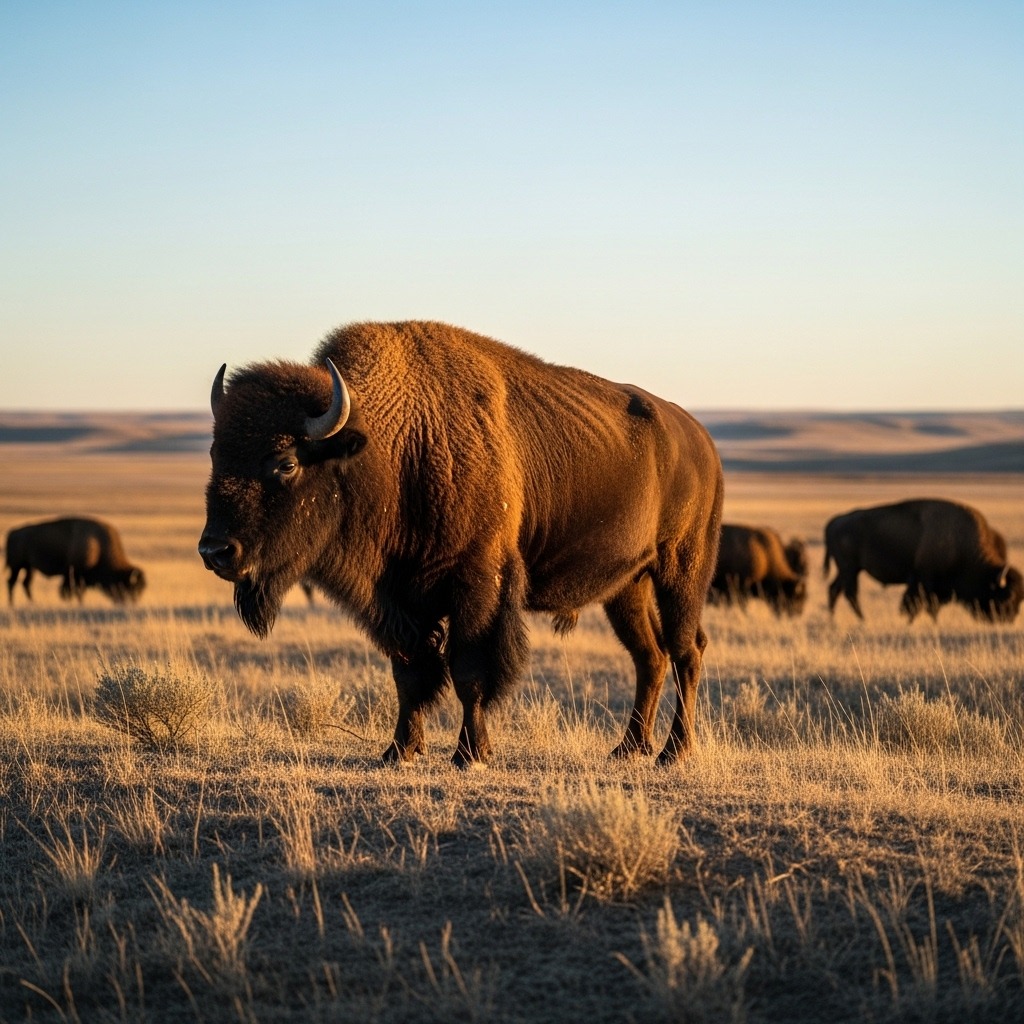
Conserving American bison in coniferous forests is vital for their survival. Various initiatives aim to protect these majestic creatures and their habitats. Let’s explore some of the key strategies and challenges.
Current Conservation Strategies
Efforts to conserve bison focus on habitat preservation and population management. Here are some effective strategies:
- Protected Areas: Establishing national parks and reserves helps safeguard bison habitats. These areas provide safe spaces for bison to roam, graze, and thrive.
- Habitat Restoration: Restoring coniferous forests and grasslands is crucial. This includes removing invasive species and promoting native flora. Healthy ecosystems support bison populations.
- Genetic Management: Maintaining genetic diversity is essential. Conservationists monitor breeding programs to ensure a robust gene pool among bison herds.
Success Stories in Bison Recovery
Bison have made a remarkable comeback in several regions. Here are a couple of success stories:
- Yellowstone National Park: Once on the brink of extinction, the bison population here has grown substantially. Successful management practices have led to a thriving community of bison within the park.
- Wood Bison Reintroduction: In Canada, efforts to reintroduce wood bison into their native habitats have seen positive results. Conservationists have worked tirelessly to adapt their management strategies to forest ecosystems.
Ongoing Challenges
Despite these successes, bison face ongoing challenges in coniferous forests:
- Climate Change: Shifts in climate affect food availability and habitat conditions. Bison may struggle to adapt to these rapid changes.
- Human Encroachment: Development and land use changes can fragment habitats. This reduces the space available for bison to roam and find food.
- Disease Management: Bison are susceptible to diseases, which can spread rapidly in dense populations. Maintaining health is crucial for their survival.
These conservation efforts are essential to ensure that American bison continue to thrive in coniferous forests. By addressing challenges and implementing effective strategies, we can help maintain these iconic animals for future generations.
Cultural Significance of American Bison
The American bison holds great cultural importance, especially for Indigenous peoples. These majestic animals are deeply woven into the fabric of many Native American traditions and beliefs.
Historical Connections to Indigenous Cultures
Bison were more than just animals to Indigenous cultures; they were a lifeline. Tribes relied on them for food, clothing, and tools. The bison provided meat for sustenance, hides for warmth, and bones for making tools.
Many Indigenous tribes, like the Lakota and Cheyenne, view the bison as sacred. They performed rituals and ceremonies to honor these animals. For instance, the bison jump was a traditional hunting method where a group would drive bison over a cliff. This practice demonstrated not just hunting skills but also a profound respect for the animal’s life.
Bison as a National Symbol
The bison is an enduring symbol of the American West. It represents strength, resilience, and the spirit of the frontier. You can find bison on our national parks’ logos and even on the back of the U.S. nickel. This symbol reflects America’s connection to its natural heritage.
Bison also play a role in contemporary movements. Many Indigenous groups advocate for bison restoration as part of their cultural revival. They recognize that bringing bison back to their ancestral lands can heal both the land and their communities.
Modern Conservation Efforts and Cultural Revitalization
Today, conservation efforts are crucial for bison survival. Organizations work to restore bison populations in coniferous forests and other ecosystems. These efforts often involve collaboration with Indigenous communities.
For example, the InterTribal Buffalo Council helps tribes manage bison herds and promote sustainable practices. These initiatives not only improve biodiversity but also reconnect tribes with their cultural heritage.
Here’s a quick overview of how bison conservation ties into cultural significance:
- Food Source: Bison meat is a nutritious food option for many tribes.
- Cultural Practices: Bison are central to various rituals and traditions.
- Community Healing: Restoring bison populations helps revive cultural practices and strengthen community ties.
The American bison is more than just an animal; it is a symbol of cultural identity and a bridge to the past for many Indigenous peoples.
Frequently Asked Questions
These quick answers cover the most common questions about this topic, including key details, practical tips, and common concerns.
Do American bison live in forests?
Yes, American bison can inhabit coniferous forests, especially in northern regions like parts of Canada and the northern United States. While they are most famous for their plains habitat, they are adaptable and often forage in forested areas such as Yellowstone and Wood Buffalo National Park.
What is Canada’s largest animal?
Canada’s largest animal is the wood bison, a subspecies of the American bison. Wood bison are larger than plains bison and primarily inhabit boreal and coniferous forests in northern Canada.
Could a grizzly bear beat a bison?
In a direct encounter, a grizzly bear is unlikely to defeat a healthy adult bison. Bison are large, powerful animals with thick skulls and horns, capable of defending themselves effectively. Grizzlies may scavenge or target calves, but adult bison are formidable opponents.
Do bisons like to be petted?
No, bison are wild animals and should not be approached or petted. They are unpredictable and can be dangerous, especially if they feel threatened or are protecting calves. Observing from a safe distance is best for safety and conservation.
How do bison impact forest ecosystems?
Bison play a key ecological role by grazing on grasses and shrubs, which promotes plant diversity. Their movement helps aerate the soil, aiding water absorption and nutrient cycling. This activity supports other plant and animal species in coniferous forests.
What are the main threats to American bison?
Major threats include habitat loss due to human development, climate change affecting food availability, disease transmission, and genetic bottlenecks from small populations. Conservation efforts aim to address these challenges and protect their habitats.
How do bison adapt to forest environments?
Bison adapt by using their strong heads to dig through snow for food, traveling in herds for protection, and foraging on a variety of plants, including shrubs and tree bark. Their size and social behavior help them navigate dense underbrush and seasonal changes.
What conservation efforts are in place for bison?
Conservation strategies include establishing protected reserves, restoring habitats, managing genetic diversity, and collaborating with Indigenous communities. Successful programs in Yellowstone and Canada have helped increase bison populations significantly.
What is the habitat of the American bison?
The American bison primarily inhabit grasslands and open plains but are also found in coniferous forests and mixed habitats in northern regions. These habitats provide grazing opportunities and shelter essential for their survival.
How do bison affect their ecosystem?
Bison influence their ecosystem by maintaining plant diversity through grazing, promoting soil health via trampling, and creating open spaces that benefit other wildlife. Their ecological activities help sustain the health and resilience of coniferous forest environments.