
The Cedar Tree of Lebanon, scientifically known as Cedrus libani, is a majestic species known for its cultural significance and ecological value. This guide provides a comprehensive overview of its identification, uses, and fascinating facts.
Introduction to the Cedar Tree of Lebanon
The Cedar Tree of Lebanon, or Cedrus libani, is a stunning evergreen that holds a special place in the heart of Lebanese culture. This tree is not just a beautiful sight; it’s a powerful symbol of national pride.
Identification Characteristics
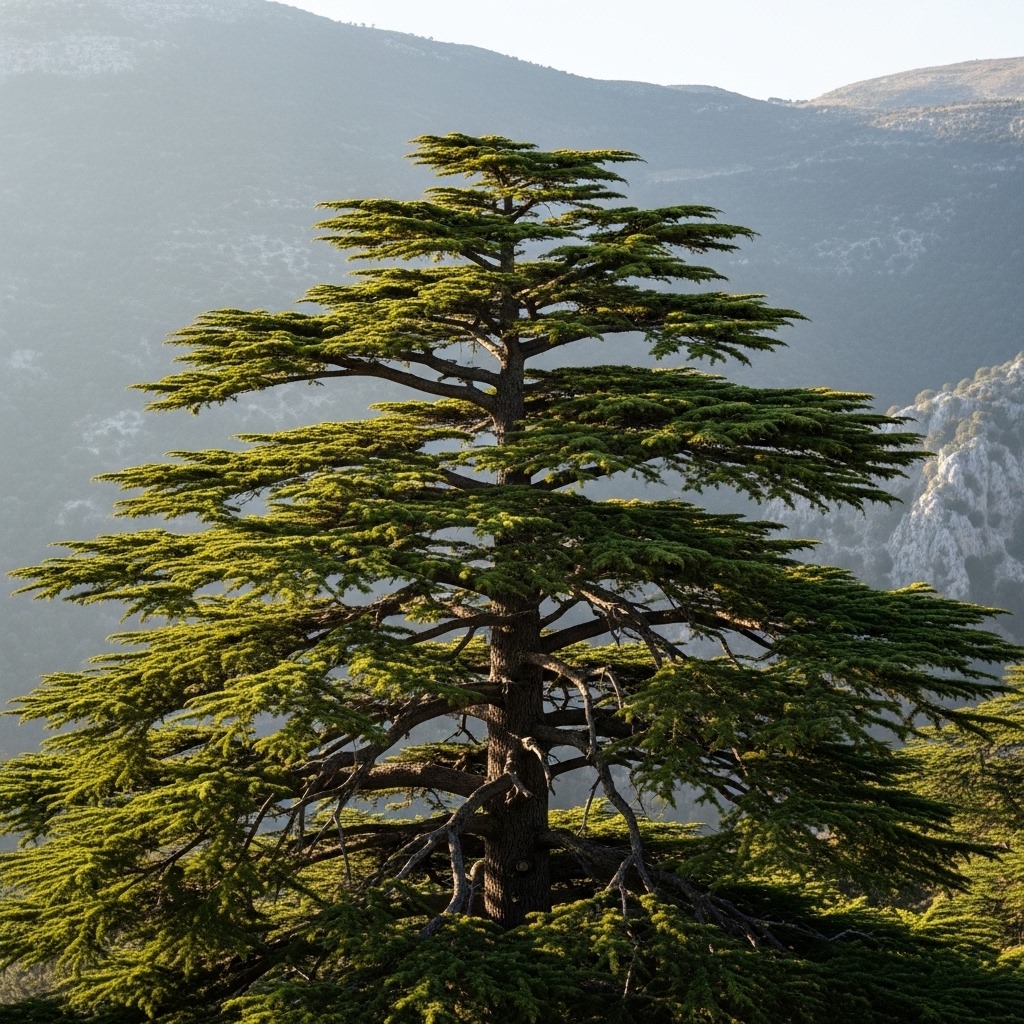
Identifying the Cedar of Lebanon is straightforward. Here are key features to look for:
- Height: These trees can reach impressive heights of up to 40 meters (about 130 feet).
- Leaves: The leaves are needle-like, clustered in groups of 20 to 30.
- Bark: The bark is thick and deeply fissured, often with a reddish-brown hue.
- Cones: The mature cones are barrel-shaped and can be up to 10 cm long.
Cultural Significance
The Cedar Tree is the national emblem of Lebanon. It appears on the Lebanese flag and symbolizes strength and resilience. Historically, these trees were prized by ancient civilizations. For instance, they were used to build temples and ships, showcasing their durability and importance in trade.
Historical Uses
Throughout history, the Cedar of Lebanon has served many purposes:
- Construction: Ancient Egyptians used Cedar wood for shipbuilding and temples.
- Trade: The Phoenicians traded Cedar wood, which was highly valued across the Mediterranean.
- Medicinal Uses: Some cultures used parts of the tree for traditional medicine, believing in its healing properties.
This majestic tree is more than just a plant; it’s a vital part of Lebanon’s heritage and identity.
Physical Characteristics of the Cedar Tree
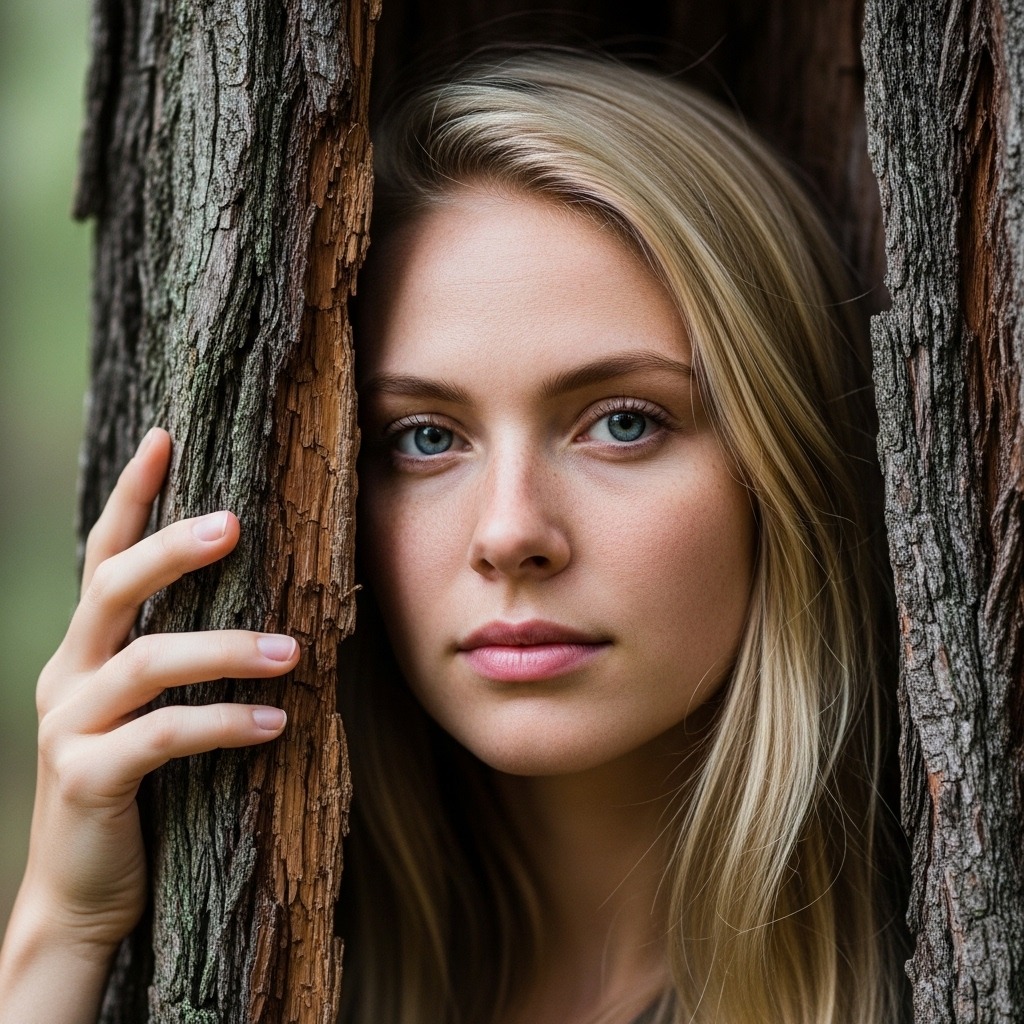
Identifying the Cedar Tree of Lebanon can be a delightful adventure. With its distinct features, you can spot this majestic tree in no time. Let’s break down its key characteristics.
Table of Contents
Leaf Structure and Color
The leaves of the Cedar of Lebanon are needle-like and arranged in clusters. Here are some details to help you identify them:
- Shape: Flat, needle-like leaves.
- Color: Dark green, with a slightly bluish tint.
- Length: Typically 2 to 5 centimeters long.
Cone Characteristics
The cones of the Cedar Tree are another telltale sign. They have unique features:
- Shape: Cylindrical and upright.
- Size: About 5 to 10 centimeters long.
- Color: Initially green, turning brown as they mature.
Height and Shape
Cedar Trees are impressive in stature. Here’s what you can expect:
- Height: They can grow between 20 to 40 meters tall.
- Crown: The tree has a broad, spreading crown that can be quite flat.
- Bark: The bark is thick and deeply furrowed, typically greyish-brown in color.
Quick Identification Checklist
Here’s a handy checklist for spotting the Cedar of Lebanon:
- [ ] Needle-like leaves, dark green with a bluish tint
- [ ] Cylindrical cones, 5 to 10 cm long
- [ ] Height ranging from 20 to 40 meters
- [ ] Thick, furrowed, greyish-brown bark
Use this checklist when you’re out and about. The Cedar Tree of Lebanon is a striking sight, and knowing these features will make your identification a breeze!
Historical and Cultural Significance

The Cedar Tree of Lebanon is more than just a beautiful tree; it’s a symbol deeply rooted in history and culture. Its significance spans ancient civilizations to modern-day Lebanon.
Biblical References and Ancient Texts
The Cedar of Lebanon appears frequently in ancient texts, especially the Bible. It symbolizes strength and endurance. For example, King Solomon used cedar wood to build the First Temple in Jerusalem, showcasing its importance in religious history.
Here are some key mentions:
- The Epic of Gilgamesh: This ancient text features a divine Cedar Forest, highlighting the tree’s revered status.
- Psalms: Psalm 92:12 compares the righteous to a flourishing cedar, emphasizing its association with virtue and longevity.
- Prophet Isaiah: He referred to the cedar as the “glory of Lebanon,” illustrating its majesty.
These references show just how significant the cedar has been through the ages.
National Emblem of Lebanon
Today, the Cedar of Lebanon stands as the national emblem of Lebanon. It holds a special place on the Lebanese flag, representing the country’s rich history and identity.
- Symbol of Resilience: The cedar signifies strength and unity, especially in challenging times.
- Cedar Revolution: It became a powerful symbol during Lebanon’s Cedar Revolution in 2005, reflecting the people’s desire for freedom and democracy.
The tree is not just a part of Lebanon’s landscape; it embodies the spirit and pride of the Lebanese people.
Uses of the Cedar Tree
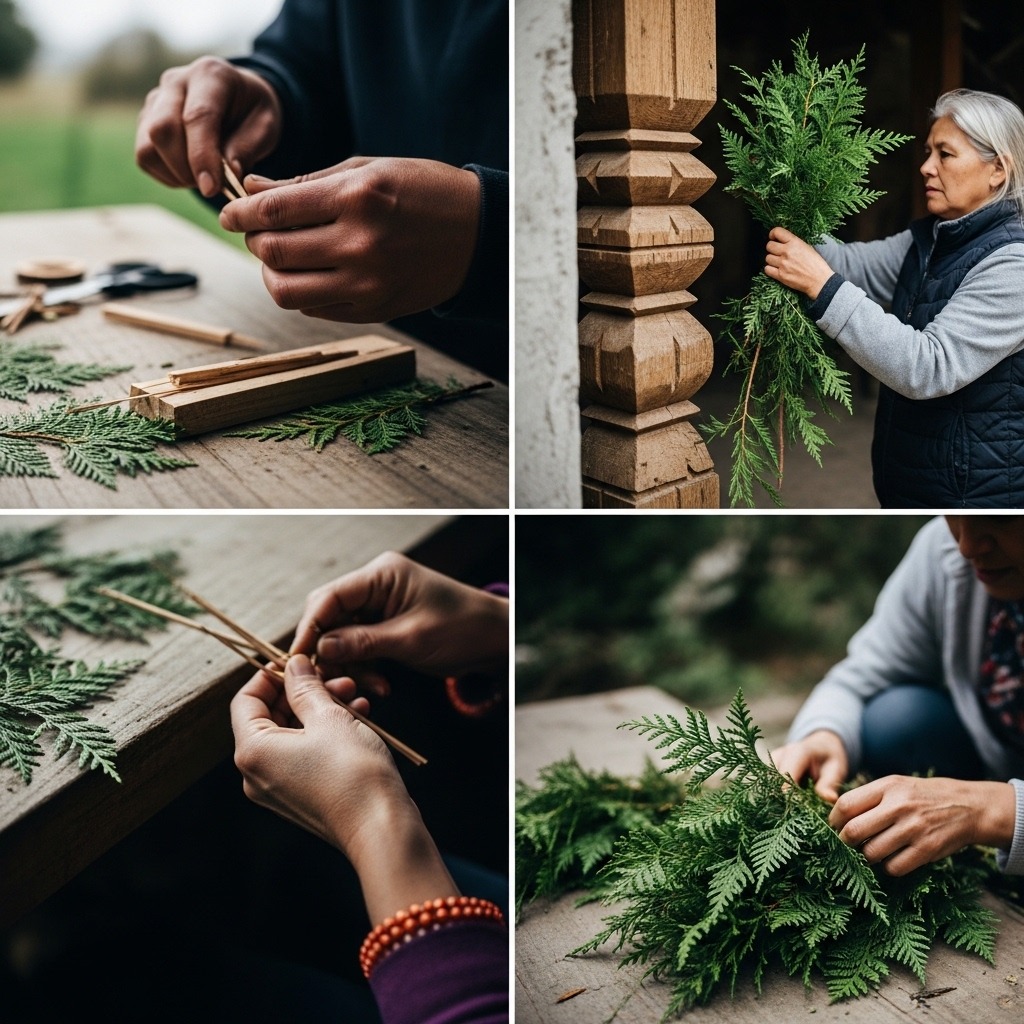
Cedar trees are incredibly versatile and have been valued for their unique properties for centuries. From ancient times to the modern era, their wood and other byproducts have served various essential functions.
Historical Uses
The Cedar of Lebanon has a rich history of use, especially in construction and shipbuilding. Here are some key historical applications:
- Construction: Ancient civilizations, like the Egyptians and Phoenicians, used cedar wood to build temples, palaces, and ships. Its durability made it an ideal choice for long-lasting structures.
- Trade: The Phoenicians traded cedar wood extensively. It helped them establish a dominant trading empire in the Mediterranean.
- Religious Significance: In biblical texts, cedar wood was used to construct important religious buildings, including King Solomon’s Temple in Jerusalem.
Modern Applications
Today, the Cedar of Lebanon is still highly regarded, but its uses have expanded. Here are some modern applications:
- Furniture: Cedar wood is popular for making high-quality furniture due to its attractive grain and natural resistance to insects.
- Essential Oils: Cedar oil, extracted from the wood and cones, is used in aromatherapy and natural health products. It’s known for its calming properties.
- Construction: Modern architecture still values cedar for its strength and aesthetic appeal. It’s used in both residential and commercial buildings.
Quick Comparison: Historical vs. Modern Uses
| Aspect | Historical Uses | Modern Applications |
|---|---|---|
| Primary Use | Construction and shipbuilding | Furniture making and essential oils |
| Significance | Symbol of trade and durability | Valued for aesthetics and health benefits |
| Cultural Role | Religious and national importance | Contemporary craftsmanship and wellness |
The transformation of cedar wood uses over time showcases its lasting value. Whether it’s for building a temple or crafting a piece of furniture, the Cedar of Lebanon continues to be a symbol of strength and resilience.
Health Benefits of Cedar Products
Cedar products, especially cedarwood essential oil, are gaining attention for their potential health benefits. From promoting relaxation to supporting skin health, these natural extracts have a lot to offer.
Aromatherapy and Stress Relief
Cedarwood essential oil is a favorite in aromatherapy. Its warm, woodsy scent is known for promoting relaxation. Many people use it to alleviate stress and anxiety.
- Calming Effects: Inhaling cedarwood oil can create a sense of calm. Some users report better sleep and reduced tension.
- Hormonal Balance: It may help balance hormones, which can be beneficial during PMS or menopause.
- Aphrodisiac Qualities: Some believe cedarwood oil has aphrodisiac properties, enhancing mood and intimacy.
Potential Skin Benefits
Cedar products also offer benefits for skin health. Cedarwood oil’s properties make it a popular choice in skincare.
- Anti-inflammatory: It can soothe irritated skin, making it useful for conditions like eczema.
- Wound Healing: Its antiseptic qualities help promote healing and protect against infections.
- Hair Care: Cedarwood oil is often included in hair care products for its ability to reduce hair loss and combat dandruff.
These benefits highlight why cedar products are valued in both wellness and beauty industries. With its rich history and versatile uses, the Cedar Tree of Lebanon truly stands out in the natural world.
Ecological Role of Cedar Trees
Cedar Trees of Lebanon play a vital role in their native ecosystems. They provide essential support for local wildlife and contribute to biodiversity.
Impact on Local Wildlife
Cedar trees create a unique habitat for various species. Birds, insects, and small mammals thrive in their branches and trunks. Here are some key benefits:
- Habitat: The dense canopy offers shelter and nesting sites for birds.
- Food Source: Insects and small mammals find food in the foliage and bark.
- Pollinators: The flowers attract bees and other pollinators, essential for plant reproduction.
Contribution to Biodiversity
Cedar Trees contribute significantly to the overall health of their environment. Their presence helps maintain a balanced ecosystem. Here’s how:
- Soil Stabilization: Cedar roots help prevent soil erosion, especially on steep slopes.
- Water Retention: They improve water retention in the soil, benefiting surrounding plants.
- Microclimate Creation: Their shade creates a cooler environment for understory plants.
By supporting various forms of life, Cedar Trees of Lebanon are indispensable to their ecosystems. They not only enrich biodiversity but also help sustain the natural balance in their mountainous habitats.
Conservation Status and Efforts
The Cedar Tree of Lebanon is facing significant threats, but various conservation efforts are underway to protect and restore its populations. Let’s dive into the current challenges and the actions being taken to save this iconic tree.
Current Threats
The Cedar of Lebanon, or Cedrus libani, has seen its numbers dwindle due to several factors:
- Deforestation: Overlogging has stripped vast areas of cedar forests.
- Climate Change: Higher temperatures and shorter snow coverage disrupt their growth cycles.
- Pests and Diseases: Invasive species like the cedar web-spinning sawfly weaken the trees.
- Human Activities: Urban expansion and overgrazing continue to threaten remaining populations.
These issues have led to fragmented populations, making conservation even more crucial.
Conservation Programs
Efforts to save the Cedar Tree of Lebanon are gaining momentum. Here are some key initiatives:
- Protected Areas: The Cedars of God grove and Al Shouf Cedar Nature Reserve are vital sanctuaries for these trees.
- Reforestation Projects: Local organizations are planting new cedars to restore their numbers.
- Community Engagement: Programs educate locals on the importance of cedar trees and involve them in conservation.
- Research Initiatives: Scientists are studying natural defenses against pests and the impacts of climate change.
One notable example is the Al Shouf Cedar Nature Reserve, which houses about 25% of Lebanon’s remaining cedars. Through these programs, Lebanon aims to not only preserve its national symbol but also restore its ecological balance.
Common Diseases and Pests Affecting Cedar Trees
Cedar Trees, particularly the Cedar of Lebanon, can face various challenges from diseases and pests. Identifying these issues early can help maintain the health and beauty of these majestic trees.
Common Pests
1. Cedar Bark Beetle: This tiny pest tunnels into the bark, weakening the tree. Keep an eye out for small holes in the bark and sawdust-like debris.
2. Lebanese Cedar Shoot Moth: The larvae feed on young leaves and buds. Look for wilting or stunted growth in new shoots.
3. Cedar Aphid: These insects suck sap from the leaves, leading to yellowing. Check for sticky residue on leaves, often attracting sooty mold.
Signs of Disease
1. Needle Drop: If your cedar’s needles are falling off, it may be experiencing stress or disease. Look for yellow or browning needles.
2. Fungal Infections: Trees may develop fungal issues like Botrytis, which causes needle yellowing and dropping. Inspect for any mold-like growth on needles.
3. Root Rot: Often caused by overwatering, root rot can lead to wilting and dieback. Check for mushy roots when inspecting the soil.
Treatment and Prevention Tips
- Regular Inspections: Check your cedar trees at least once a month for any signs of pests or disease.
- Proper Watering: Avoid overwatering. Ensure your tree has good drainage to prevent root rot.
- Pest Control: Use insecticidal soap or neem oil to tackle pests. Apply it thoroughly, especially on the undersides of leaves.
- Healthy Practices: Prune dead or infected branches to improve air circulation. This helps reduce the risk of fungal infections.
- Professional Help: If you notice severe infestation or disease, consult an arborist for targeted treatments.
By staying vigilant and proactive, you can help your Cedar of Lebanon thrive in your garden or landscape.
Practical Care Tips for Cedar Trees
Cedar Trees of Lebanon are impressive and majestic, but they do need some care to thrive. Here’s how to keep your cedar tree healthy and happy.
Ideal Growing Conditions
Cedar Trees love specific environments. They prefer:
- Sunlight: Full sun is best. Aim for at least 6 hours of direct sunlight daily.
- Soil: Well-drained soil is a must. They don’t like sitting in water.
- Space: Give them room. These trees can grow quite large, so plant them away from buildings and other trees.
Watering and Fertilization
Watering and fertilization are key to a healthy Cedar Tree. Here’s what to do:
- Watering: Water young trees regularly, especially during dry spells. Once established, they are more drought-tolerant.
- Fertilization: Use a balanced fertilizer in early spring. Follow the package instructions for the right amount.
Seasonal Planting and Care Calendar
Keeping a seasonal calendar helps with maintenance. Here’s a quick guide:
| Season | Task |
|---|---|
| Spring | Fertilize and check for pests |
| Summer | Water regularly, especially during drought |
| Fall | Prune any dead branches |
| Winter | Protect young trees from harsh weather |
By following these practical tips, your Cedar of Lebanon can flourish and bring beauty to your landscape.
Visual Identification Guide: Pictures of Cedar Trees
Identifying the Cedar Tree of Lebanon is straightforward when you know what to look for. Below, we’ll explore its unique features at different growth stages, along with high-quality images to help you recognize this majestic tree.
Young Cedar Trees
Young Lebanon Cedars are quite distinctive. Here are key traits to look for:
- Shape: Initially, they have a narrow, conical shape.
- Needles: Soft, needle-like leaves that are grouped in clusters.
- Bark: Smooth and grayish-brown, becoming rougher as they mature.

Mature Cedar Trees
As they grow, Cedar Trees of Lebanon develop more prominent features:
- Shape: Mature trees have a broad, spreading crown.
- Needles: Longer and sturdier needles that can reach up to 3 inches.
- Bark: Thick, fissured bark that is reddish-brown in color.

Distinguishing Features
To help you spot a Cedar Tree of Lebanon, here’s a quick checklist:
| Feature | Young Trees | Mature Trees |
|---|---|---|
| Height | Up to 30 feet | Can exceed 100 feet |
| Crown Shape | Narrow and conical | Broad and irregular |
| Needle Length | 1-2 inches | Up to 3 inches |
| Bark Texture | Smooth | Fissured and rugged |
Knowing these characteristics will make identifying the Cedar Tree of Lebanon easier. Look for its grandeur and unique traits whether you’re hiking in its native habitat or spotting it in a garden.
Interesting Facts About the Cedar of Lebanon
The Cedar Tree of Lebanon is more than just a beautiful tree. It’s rich in history and culture. Here are some fascinating facts that highlight its significance.
Historical Significance
- Ancient Building Material: The wood from the Cedar of Lebanon was used to build the Temple of Solomon in Jerusalem. It’s a symbol of strength and durability.
- Trade and Influence: Ancient civilizations, like the Phoenicians, used Cedar wood for shipbuilding. They traded it widely, influencing many cultures around the Mediterranean.
Cultural Symbolism
- National Emblem: The Cedar of Lebanon is featured on the national flag and coat of arms of Lebanon. It represents resilience and national pride.
- Biblical References: This tree is mentioned multiple times in the Bible, symbolizing strength and longevity. It’s often associated with righteousness and prosperity.
Ecological Role
- Habitat Provider: These trees support various wildlife. Birds and insects thrive in their branches, making them essential for local ecosystems.
- Climate Resilience: Cedar trees can withstand harsh weather conditions. They help prevent soil erosion, maintaining the stability of mountainous terrains.
Fun Trivia
- Mythical Status: In some cultures, the Cedar of Lebanon is considered a “world tree,” believed to play a role in the balance of nature. Some legends even suggest that its extinction could signal an apocalypse.
- Longevity: These trees can live for over a thousand years, making them some of the oldest living organisms on Earth. Imagine the history they’ve witnessed!
These facts showcase the Cedar Tree of Lebanon’s incredible heritage and ecological importance. Whether you’re an enthusiast or a casual observer, there’s so much to appreciate about this majestic tree!
Frequently Asked Questions
These quick answers cover the most common questions about this topic, including key details, practical tips, and common concerns.
How do you identify a Lebanese cedar?
The Lebanese cedar (Cedrus libani) is identifiable by its tall stature, often reaching up to 40 meters, with a broad, spreading crown. Its needle-like leaves are dark green with a bluish tint, clustered in groups of 20 to 30. The bark is thick, deeply fissured, and reddish-brown. Mature cones are barrel-shaped, about 5 to 10 cm long, and turn brown as they mature. These features make it distinguishable from other conifers.
What are the uses of cedar tree in Lebanon?
Historically, cedar wood has been used for building temples, ships, and furniture due to its durability and aromatic qualities. It played a vital role in trade, especially in ancient Egypt and Phoenicia. Today, cedar wood is still valued for furniture, flooring, and decorative items. Cedar oil, extracted from the wood and cones, is used in aromatherapy and natural health products.
How to identify a cedar tree?
To identify a cedar tree, look for its needle-like leaves arranged in clusters, a conical or broad crown, and thick, fissured bark. The tree’s height can range from 20 to over 40 meters. Cylindrical cones, about 5 to 10 cm long, are also characteristic. The overall shape, needle arrangement, and cone structure are key clues to recognition.
What are the interesting facts about cedar of Lebanon?
The Cedar of Lebanon is mentioned frequently in ancient texts, symbolizing strength and endurance. It is featured on Lebanon’s national flag and has been used since biblical times in religious and architectural contexts. These trees can live over a thousand years and support diverse wildlife. They are considered a symbol of resilience and cultural pride.
Is the Cedar of Lebanon endangered?
Yes, the Cedar of Lebanon is classified as endangered due to deforestation, climate change, pests, and overharvesting. Large areas of native forests have been lost over centuries. Conservation efforts, including protected reserves and reforestation projects, aim to preserve and restore these iconic trees for future generations.
What are common pests and diseases affecting Cedar trees?
Common pests include cedar bark beetles, cedar shoot moths, and cedar aphids. These insects can weaken or damage the tree if not managed. Diseases such as needle blight, fungal infections, and root rot also pose threats. Regular inspections, proper watering, and pruning help prevent and control these issues.
How do I care for a Cedar of Lebanon tree?
Plant in full sun with well-drained soil. Water young trees regularly, especially during dry periods, but avoid overwatering. Fertilize in early spring with a balanced fertilizer. Prune dead or diseased branches to promote healthy growth. Protect young trees from harsh winter conditions and ensure ample space for mature growth.
What are the health benefits of Cedar of Lebanon?
Cedar products, particularly cedarwood oil, are valued for their calming and antimicrobial properties. The oil can help reduce stress, improve sleep, and support skin health by acting as an antiseptic and anti-inflammatory agent. Its natural scent also makes it popular in aromatherapy for relaxation and mood enhancement.