
The meadow vole, scientifically known as Microtus pennsylvanicus, is an active rodent recognized for its distinctive burrowing behaviors and significant ecological role. This guide explores their characteristics, behavior, habitat, and the importance of these fascinating creatures.
Identification and Physical Characteristics of Meadow Voles
Meadow voles are small and lively rodents that catch your eye with their unique features. Understanding their physical traits helps in identifying them in the wild.
Size and Coloration
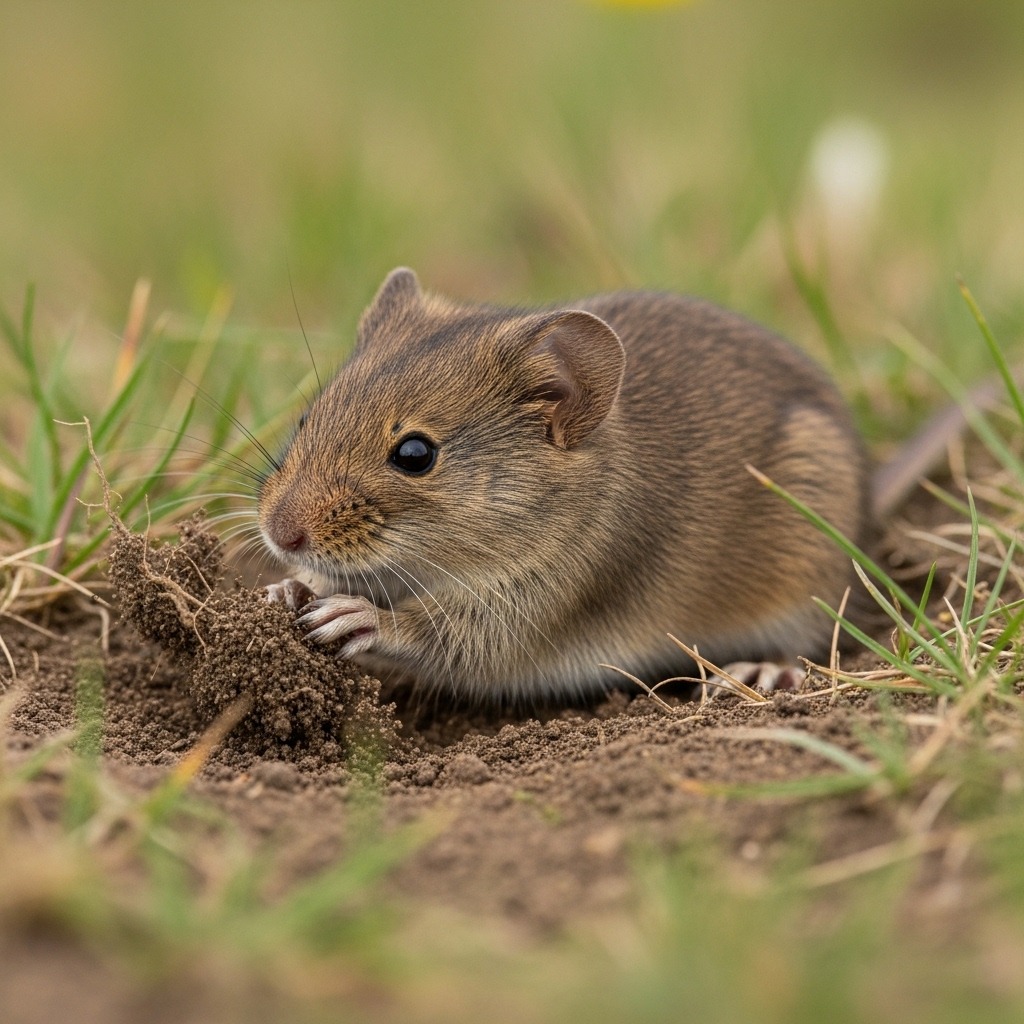
Meadow voles typically measure around 140 to 195 mm in length. Their tails are about one-third to one-half of their body length, ranging from 33 to 64 mm.
- Weight: Adult males average around 44.2 grams, while females are close behind at 44.0 grams.
- Color: These voles have soft, tricolored coats. The fur on their backs usually features dark gray roots, with orange and yellow midsections, and darker tips. Their underbelly tends to be lighter, fading to white at the tips.
Distinguishing Features from Other Rodents
Meadow voles have several characteristics that set them apart from similar rodents.
- Ears: Their ears are relatively short, measuring 12 to 16 mm.
- Feet: The hind feet measure 18 to 24 mm, giving them agility in their grassy habitats.
- Dental Formula: They have a specific dental arrangement – I 1/1, C 0/0, P 0/0, M 3/3 = 16. This helps them thrive on their herbivorous diet.
Geographic Variations in Appearance
The appearance of meadow voles can vary based on their geographic location.
- Habitat Influence: Voles in moist grassy areas may exhibit different fur textures and colors compared to those in drier regions.
- Maturity Changes: As they mature, their fur color can shift, offering a unique chance to spot the differences between young and adult voles.
When observing meadow voles, noting these physical traits can enhance your experience. Keep an eye out for their quick movements and distinctive fur patterns as they scurry through their habitats!
Behavior and Activity Patterns of Meadow Voles
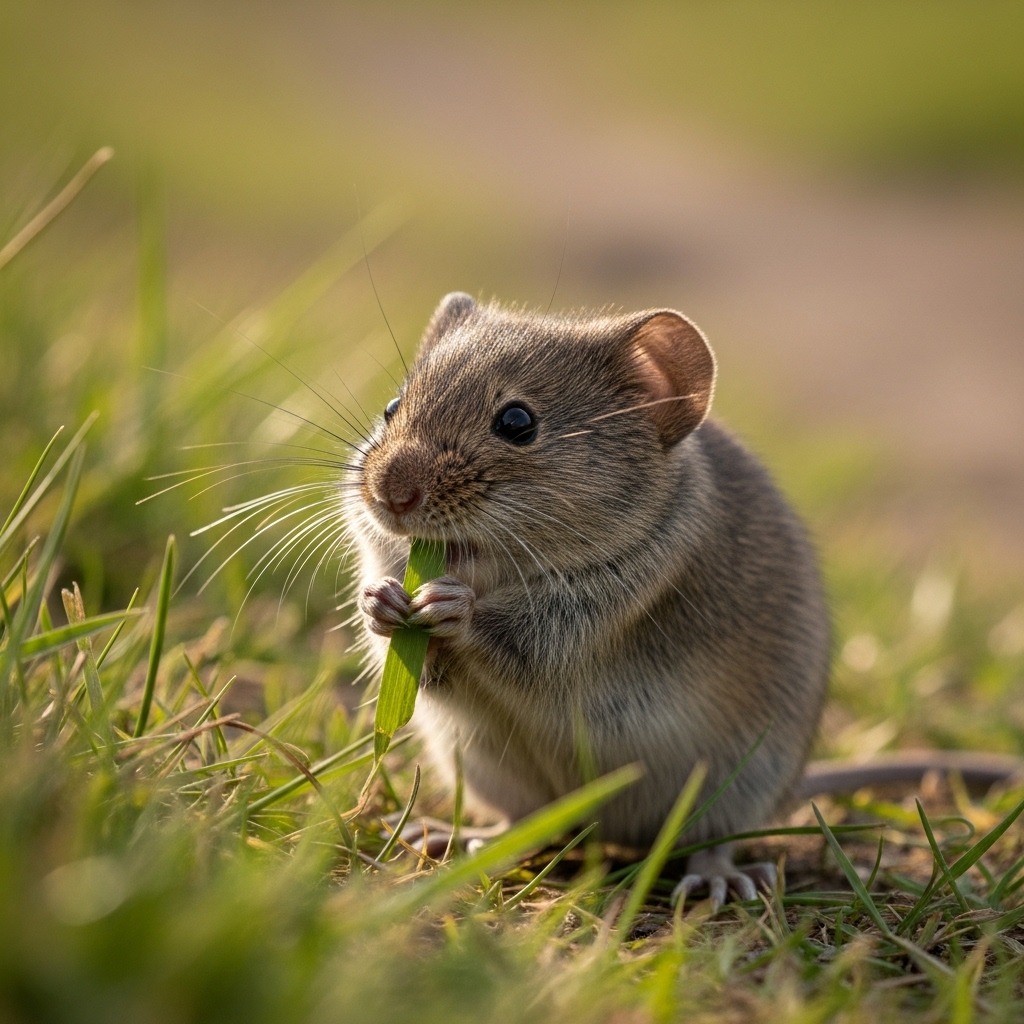
Meadow voles are lively little creatures. Their behaviors change with the seasons, making them fascinating to observe. Let’s dive into their activity levels, social structures, and unique burrowing habits.
Table of Contents
Activity Levels Throughout the Seasons
Meadow voles are active throughout the year, but their patterns shift with the seasons.
- Spring and Summer: During these warmer months, they tend to be more nocturnal. They come out at night to forage and mate. This helps them avoid daytime heat and predators.
- Fall and Winter: As temperatures drop, they become more diurnal. You’ll see them out and about during the day, gathering food and maintaining their burrows. In winter, they may even nest together to stay warm.
This adaptability allows meadow voles to thrive in various conditions. Their ability to switch between day and night activity helps them find food and avoid becoming a meal themselves.
Social Structure and Territorial Behavior
Social dynamics among meadow voles are quite interesting. Here’s how it works:
- Females: They are the territorial ones. During the breeding season, female voles fiercely defend their small territories, which average about 38 square meters. They can be aggressive, especially towards other females.
- Males: Male voles are less territorial and have larger home ranges. Their territories often overlap with multiple females. Occasionally, males might engage in brief confrontations over a female, but these are usually short-lived.
This social structure helps maintain the population and ensures that mating opportunities are available.
Burrowing and Nesting Habits
Meadow voles are exceptional diggers. Their burrowing behaviors play a crucial role in their survival.
- Burrows: They create extensive underground tunnels. These serve as travel routes, protection from predators, and places to store food.
- Nesting: In colder months, voles will nest together in family groups. These nests are usually made of grasses and located underground, providing warmth and safety for the young.
The burrowing habits of meadow voles not only protect them but also impact the ecosystem by aerating the soil and helping plant growth. Their tunnels can create pathways for other small animals, fostering a vibrant community in their habitat.
In summary, meadow voles exhibit unique behaviors that are closely tied to their environment. Their active lifestyles and social structures adapt to seasonal changes, ensuring they thrive in the wild.
Unique Burrowing Behaviors of Meadow Voles
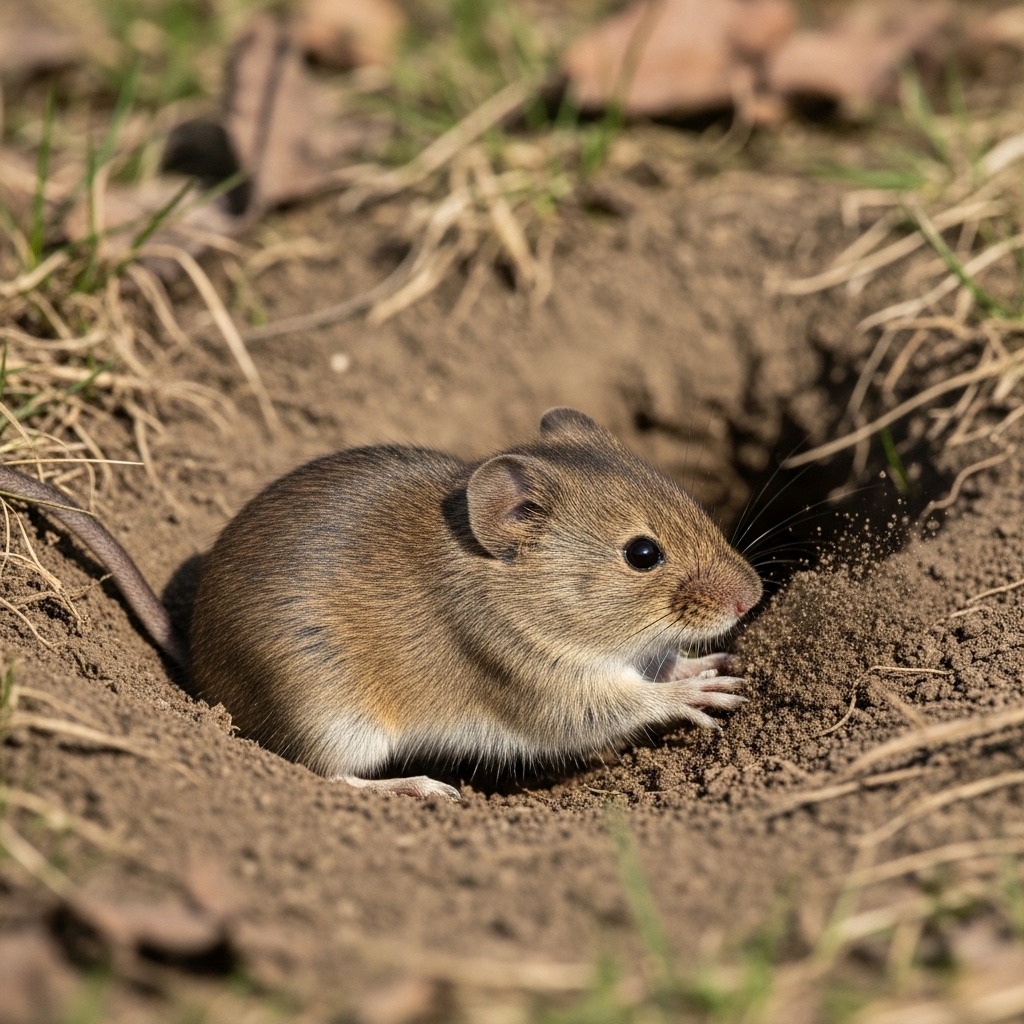
Meadow voles are expert burrowers. Their unique burrowing behaviors serve multiple purposes, from shelter to ecosystem enrichment. Let’s dig into how they build their homes and the ecological impact of their tunnels.
Construction of Burrows and Tunnels
Meadow voles construct intricate burrow systems. These tunnels vary in depth and complexity. Here’s how they do it:
- Materials: They use grasses, leaves, and other plant materials.
- Design: Burrows typically have multiple entrances, allowing quick escapes from predators.
- Location: They prefer moist areas, often found in fields, marshes, and along stream banks.
These burrows provide safety and warmth. Moreover, they are built with an understanding of their habitat. For instance, voles in wetter regions may dig deeper to avoid flooding. This adaptability is crucial for their survival.
Role of Burrows in Ecosystem Health
The burrowing behaviors of meadow voles play a significant role in their ecosystems. Here’s how:
- Soil Aeration: Their tunnels help aerate the soil, improving drainage and nutrient flow.
- Plant Growth: By disturbing the soil, voles encourage new plant growth. This can help maintain biodiversity in their habitat.
- Habitat for Others: Their burrows often serve as homes for other small animals, creating a community of organisms.
In some cases, these tunnels can even help prevent soil erosion. For example, in areas prone to flooding, vole burrows can help direct water flow and reduce damage to plants.
How Burrowing Affects Soil and Vegetation
Burrowing has a direct impact on both soil quality and vegetation. Here are some specific effects:
- Nutrient Cycling: Vole burrows facilitate the mixing of organic matter into the soil. This promotes healthy plant growth.
- Vegetation Patterns: The presence of voles can influence the types of plants that thrive in an area. Certain plants may flourish in the nutrient-rich soil created by their burrowing activities.
- Predation Dynamics: Their burrows provide shelter from predators, allowing populations to grow. This can lead to increased vegetation consumption, affecting local flora.
In summary, the burrowing behaviors of meadow voles are not just about creating homes; they are vital for maintaining ecological balance. Their actions contribute to healthier soils and a richer plant community, showcasing the interconnectedness of species in their environment.
Reproductive Habits and Life Cycle of Meadow Voles
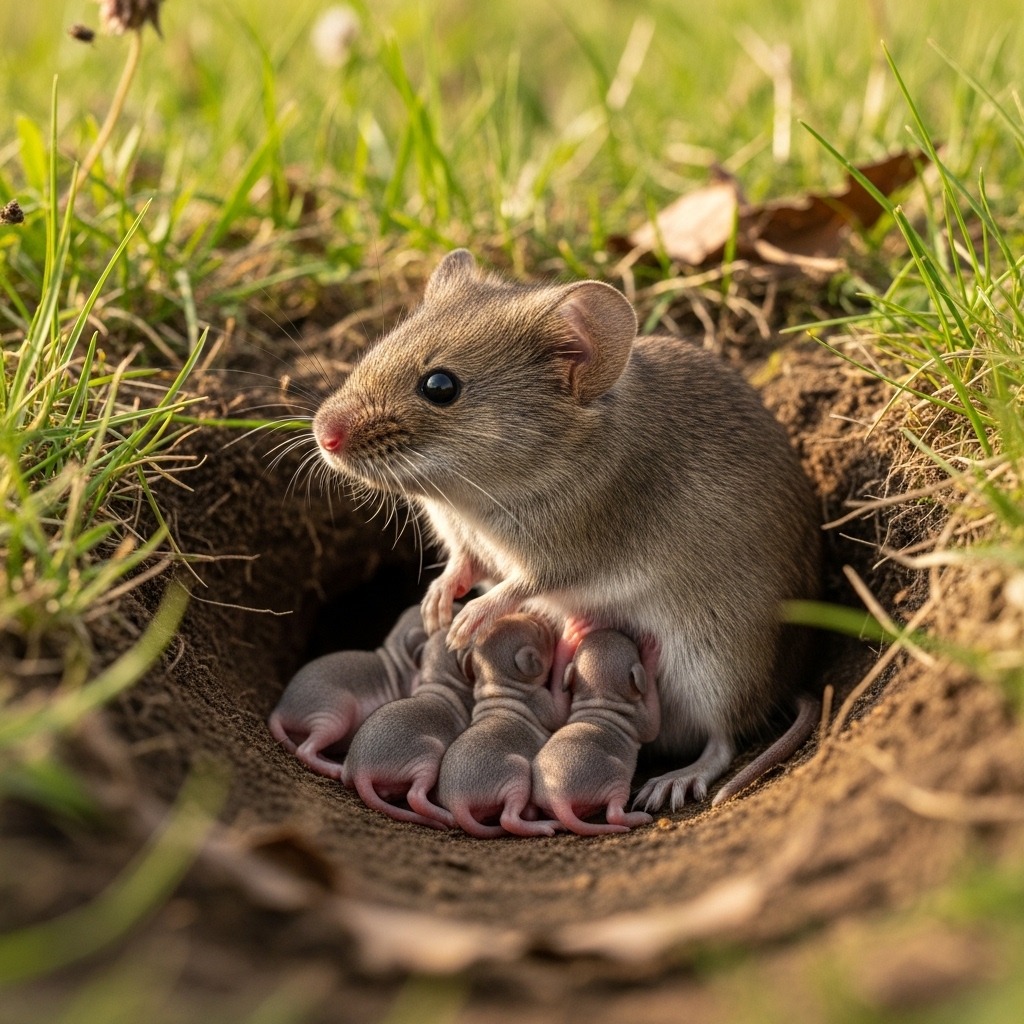
Meadow voles are fascinating when it comes to reproduction. They have a unique mating system and rapid breeding cycles. This is crucial for their population dynamics and ecological impact.
Mating and Breeding Seasons
Meadow voles are known for their polygynandrous mating system. This means both males and females have multiple partners. Breeding occurs year-round, but peaks in spring and autumn. During the mating season, female voles become very territorial. They fiercely protect their space from other females. Males, on the other hand, roam larger areas and can mate with several females at once.
- Breeding Peak: March to November
- Territorial Behavior: Aggressive females defend their territory; males overlap territories.
Gestation Period and Litter Sizes
The gestation period for meadow voles is quite short, lasting around 20 to 21 days. After this, females can give birth to litters ranging from 1 to 11 pups, with an average of 4 to 6. Interestingly, females can mate again shortly after giving birth, allowing for multiple litters in a single breeding season.
- Gestation: 20-21 days
- Litter Size: Average 4-6, ranging from 1-11
- Reproductive Maturity: Females can breed as early as three weeks old.
Development Stages of Young Voles
Young meadow voles are born hairless and blind. They rely on their mothers for warmth and nutrition. Within a week, they start to grow fur and open their eyes. By 12 to 14 days, these little ones are weaned and ready to explore the world. Their rapid growth is vital for ensuring population stability, especially in the face of predation.
- Birth: Hairless, eyes and ears closed
- Fur Growth: Within 4-7 days
- Weaning: 12-14 days
This rapid reproductive cycle helps meadow voles maintain their populations, especially given their role in the ecosystem. As prey for various predators, their numbers can fluctuate significantly, making their life cycle and breeding habits essential for ecological balance.
Ecological Role and Importance of Meadow Voles
Meadow voles play a vital role in their ecosystems. They contribute to the food web, impact soil health, and influence plant communities. Let’s dive into the specifics of their ecological importance.
Meadow Voles as a Food Source for Predators
Meadow voles are a key food source for many predators. Hawks, owls, foxes, and snakes all feast on these small rodents. This relationship helps balance predator populations. When meadow vole numbers rise, predators thrive too. Conversely, fewer voles can lead to a decline in predator species.
- Predators of Meadow Voles:
- Hawks
- Owls
- Foxes
- Snakes
- Domestic Cats
This dynamic shows how meadow voles contribute to the stability of their ecosystems.
Contribution to Soil Aeration and Nutrient Cycling
Burrowing is a signature behavior of meadow voles. Their tunnels aerate the soil, which benefits plant growth. When voles dig, they create pathways for air and water. This process enriches the soil and enhances nutrient cycling.
- Benefits of Vole Burrowing:
- Increases soil aeration
- Promotes water absorption
- Enhances root growth for plants
These activities help maintain healthy ecosystems, supporting a wide variety of plant and animal life.
Impact on Plant Communities and Succession
Meadow voles significantly impact plant communities. They primarily feed on grasses and other vegetation, shaping plant dynamics. By grazing, they prevent certain species from dominating, allowing for a diversity of plants to thrive.
- Plant Species Affected:
- Grasses like Canada bluegrass
- Herbaceous plants
Their foraging can influence plant succession, promoting a balanced ecosystem. As voles consume vegetation, they also stimulate new growth. This interaction fosters biodiversity in their habitats.
Case Study Insight
In a study of meadow vole populations in a wetland area, researchers found that increased vole numbers led to a rise in plant diversity. More voles meant more grazing, which prevented any single species from taking over. This showcases their role in maintaining ecological balance through their feeding habits.
Understanding the ecological role of meadow voles helps highlight their importance beyond just being small rodents. Their behaviors and interactions create ripple effects throughout their habitats, promoting a thriving ecosystem.
Common Issues with Meadow Voles in Human Environments
Meadow voles can be quite the challenge for gardeners and farmers. Their burrowing habits and appetite for vegetation can lead to significant damage. Let’s dive into the common issues they cause and how to manage them effectively.
Signs of Meadow Vole Infestation
Identifying a meadow vole problem early can save you a lot of headaches. Here are some signs to look out for:
- Tunnels and Runways: Look for small, well-worn paths through grass or vegetation. These are often a telltale sign of vole activity.
- Gnaw Marks: Check for nibble marks on plants, roots, and garden structures. Voles have a sharp set of teeth that can quickly munch through most plants.
- Droppings: Small, dark droppings scattered around the area can indicate a vole presence.
Damage to Gardens and Crops
Meadow voles love to feast on garden plants. Their preferred diet includes grasses, herbs, and even the tender roots of young plants. This can result in:
- Plant Loss: They can decimate entire patches of vegetables or flowers in a matter of days.
- Root Damage: Voles can tunnel underground and eat roots, leading to wilting or death in plants.
- Soil Erosion: Their burrowing can compromise soil structure, leading to erosion issues.
Natural and Effective Management Strategies
Managing meadow voles doesn’t have to mean resorting to harsh chemicals. Here are some practical, natural strategies to keep them at bay:
- Habitat Modification: Reduce tall grasses and weeds around your garden. This makes it less inviting for voles.
- Physical Barriers: Use wire mesh or hardware cloth around the base of plants to protect them from gnawing.
- Companion Planting: Certain plants, like mint or marigolds, can deter voles. Plant these around your garden to create a natural barrier.
- Predator Support: Encourage natural predators, like owls or hawks, by installing nesting boxes. They can help keep vole populations in check.
By being proactive and implementing these strategies, you can manage meadow voles effectively while keeping your garden healthy and thriving.
Comparing Meadow Voles with Other Rodent Species
Meadow voles share their homes with several other rodents, but they stand out in their behaviors and ecological roles. Let’s take a closer look at how they compare to mice and rats.
Differences Between Meadow Voles and Mice
- Size: Meadow voles are generally larger than house mice. Adults can reach about 7 to 8 inches long, while mice usually max out at around 4 inches.
- Tail Length: Meadow voles have shorter tails relative to their body length. Mice have long, slender tails that help them balance.
- Behavior: Meadow voles are known for their burrowing habits. They dig extensive tunnel systems for shelter and food storage. Mice, on the other hand, tend to nest in hidden spots and don’t dig as deeply.
Similarities with Other Vole Species
- Burrowing Habits: Like other voles, meadow voles dig intricate networks of tunnels. This behavior helps them escape predators and store food.
- Diet: They share a herbivorous diet with other vole species, primarily munching on grasses and seeds.
- Reproduction: Meadow voles and other voles have similar reproductive strategies, often producing multiple litters each year.
Ecological Comparison with Rats
- Habitat: Meadow voles prefer moist grassy areas, while rats are more versatile and can thrive in urban environments.
- Predation: Both are preyed upon by similar predators like hawks and foxes. However, meadow voles are often more vulnerable due to their open habitats.
- Impact on Ecosystem: Meadow voles play a crucial role in their ecosystems by aiding plant succession. Rats, while also part of the food chain, can sometimes disrupt local environments due to their scavenging habits.
Understanding these differences and similarities helps clarify common misconceptions. For instance, while both meadow voles and rats are rodents, their ecological roles and habitat preferences differ significantly. This knowledge can guide garden management strategies and promote a healthier ecosystem.
Frequently Asked Questions
These quick answers cover the most common questions about this topic, including key details, practical tips, and common concerns.
Are voles bad to have around?
Voles can be problematic in gardens and lawns because they feed on roots, bulbs, and young plants. Their burrowing can also damage soil structure and create unsightly tunnels. However, they are also important for ecosystems, providing food for predators and aiding soil health.
Why do I suddenly have voles?
Voles often appear when their habitat provides abundant food and cover, such as tall grasses or dense vegetation. Changes in land use, like clearing or planting, can also attract them. Mild winters and increased food sources can lead to population booms, making their presence more noticeable.
Is a meadow vole a rat?
No, meadow voles are not rats. They are small rodents belonging to the vole family (Cricetidae), with distinct behaviors and physical traits. Rats are generally larger, more adaptable to urban environments, and have different social and burrowing habits.
Do coffee grounds get rid of voles?
There is no scientific evidence that coffee grounds effectively repel voles. Some gardeners use them as a natural deterrent, but results vary. More reliable methods include physical barriers, habitat modification, and encouraging natural predators.
What do meadow voles eat?
Meadow voles primarily eat grasses, herbs, seeds, and roots. They prefer tender, young vegetation and can cause damage by gnawing on plant stems and underground roots. Their diet plays a key role in their ecological niche.
How can I tell if I have meadow voles in my yard?
Look for small, well-worn runways through grass or soil, gnaw marks on plants and roots, and small droppings. Their burrow entrances are usually round and located in moist, grassy areas. Active tunneling and frequent sightings indicate their presence.
What is the lifespan of a meadow vole?
Meadow voles typically live around 3 to 6 months in the wild. Their short lifespan is due to high predation rates and environmental stresses. Despite this, their rapid reproductive cycle helps maintain their populations.
Do meadow voles hibernate?
No, meadow voles do not hibernate. They remain active year-round, adapting their activity patterns seasonally. In winter, they often stay in their burrows and may gather in groups to stay warm, but they continue foraging throughout the year.
Are meadow voles harmful to gardens?
Yes, they can cause significant damage by feeding on roots, bulbs, and young plants. Their tunneling can also disturb soil and lead to plant wilting or death. Managing their activity is important to protect garden health.
How do I get rid of meadow voles naturally?
Use habitat modification by removing tall grasses and weeds. Install physical barriers like wire mesh around plants. Plant vole-repelling plants such as mint or marigolds. Encouraging natural predators, like owls, can also help control their numbers.