
The Eurasian lynx is a solitary predator renowned for its unique hunting skills. This medium-sized wildcat plays a crucial role in maintaining the ecological balance of its habitat, which spans across Europe and Asia. Discover the fascinating characteristics, hunting techniques, and conservation efforts surrounding this elusive feline.
Understanding the Eurasian Lynx
The Eurasian lynx is a captivating creature with unique traits that help it thrive as a solitary predator. Let’s dive into its physical characteristics and explore the different subspecies that make this wildcat so remarkable.
Physical Characteristics
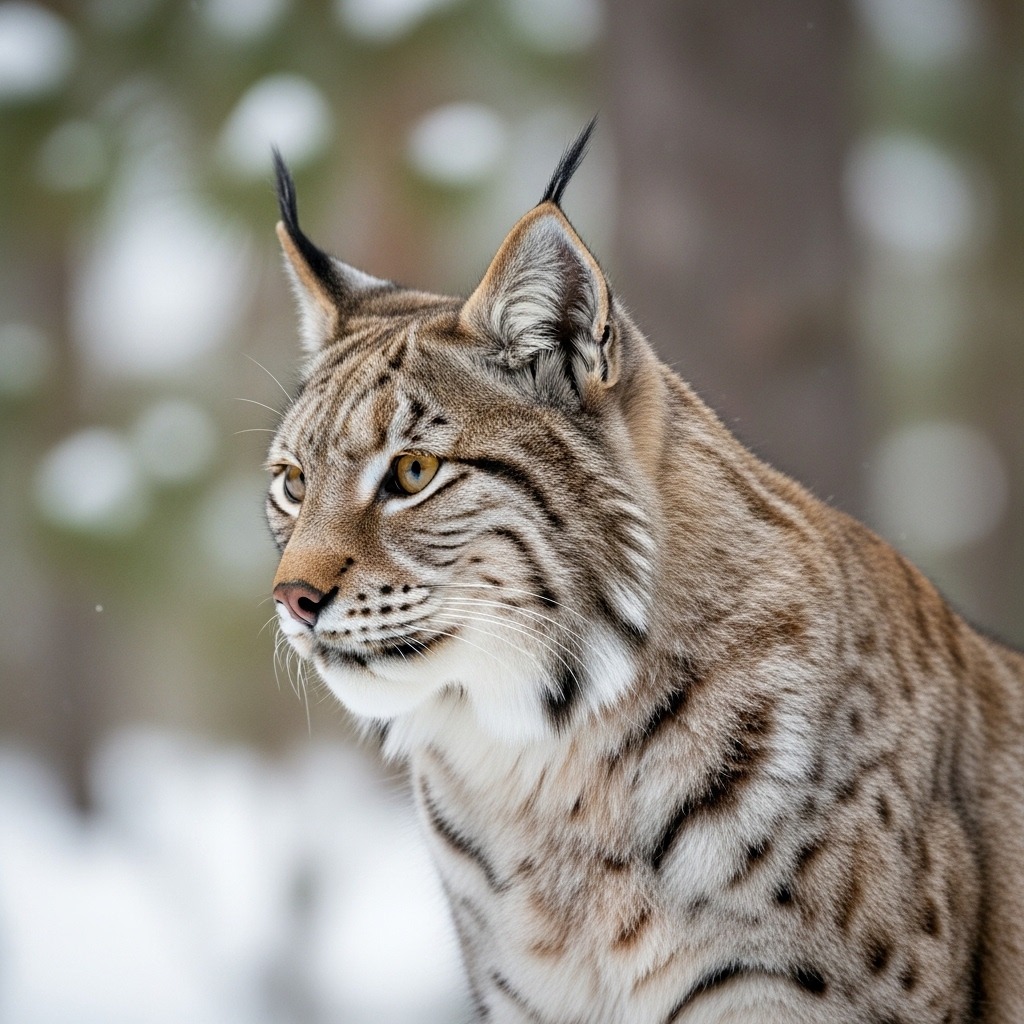
The Eurasian lynx is the largest of all lynx species. Here are some of its standout features:
- Size: Adult males typically weigh between 40 to 70 pounds (18.1 to 31.8 kg). Some may even tip the scales at up to 85 pounds (38.6 kg).
- Ears: One of its most recognizable traits is its tufted ears, which enhance its hearing abilities.
- Paws: Its large, padded paws allow for stealthy movement, crucial for hunting in various terrains.
- Fur: The lynx sports a thick coat that changes with the seasons. In winter, it becomes denser and lighter in color for better camouflage in snow.
Subspecies Overview
The Eurasian lynx has several recognized subspecies, each adapted to its specific habitat. Here’s a quick rundown:
- Northern Lynx (Lynx lynx lynx): Found in Scandinavia and Eastern Europe, this subspecies thrives in boreal forests.
- Carpathian Lynx (Lynx lynx carpathicus): Native to the Carpathian Mountains and central Europe, it’s known for its adaptability to mountainous terrains.
- Balkan Lynx (Lynx lynx martinoi): This rare subspecies resides in the Balkans, facing habitat loss challenges.
- Caucasian Lynx (Lynx lynx dinniki): Found in the Caucasus region, it has a robust build suited for rugged landscapes.
- Turkestan Lynx (Lynx lynx isabellinus): Inhabiting Central Asia, this lynx has a lighter coat to blend into its arid environment.
Taxonomic Classification
The Eurasian lynx belongs to the Felidae family. Here’s a simple breakdown:
- Kingdom: Animalia
- Phylum: Chordata
- Class: Mammalia
- Order: Carnivora
- Family: Felidae
- Genus: Lynx
- Species: Lynx lynx
Understanding these classifications helps highlight the lynx’s evolutionary adaptations. Each subspecies has developed unique traits suited for survival in its specific habitat.
By exploring both the physical traits and subspecies of the Eurasian lynx, we can better appreciate its role as a solitary predator in diverse ecosystems.
Table of Contents
Unique Hunting Skills of the Eurasian Lynx
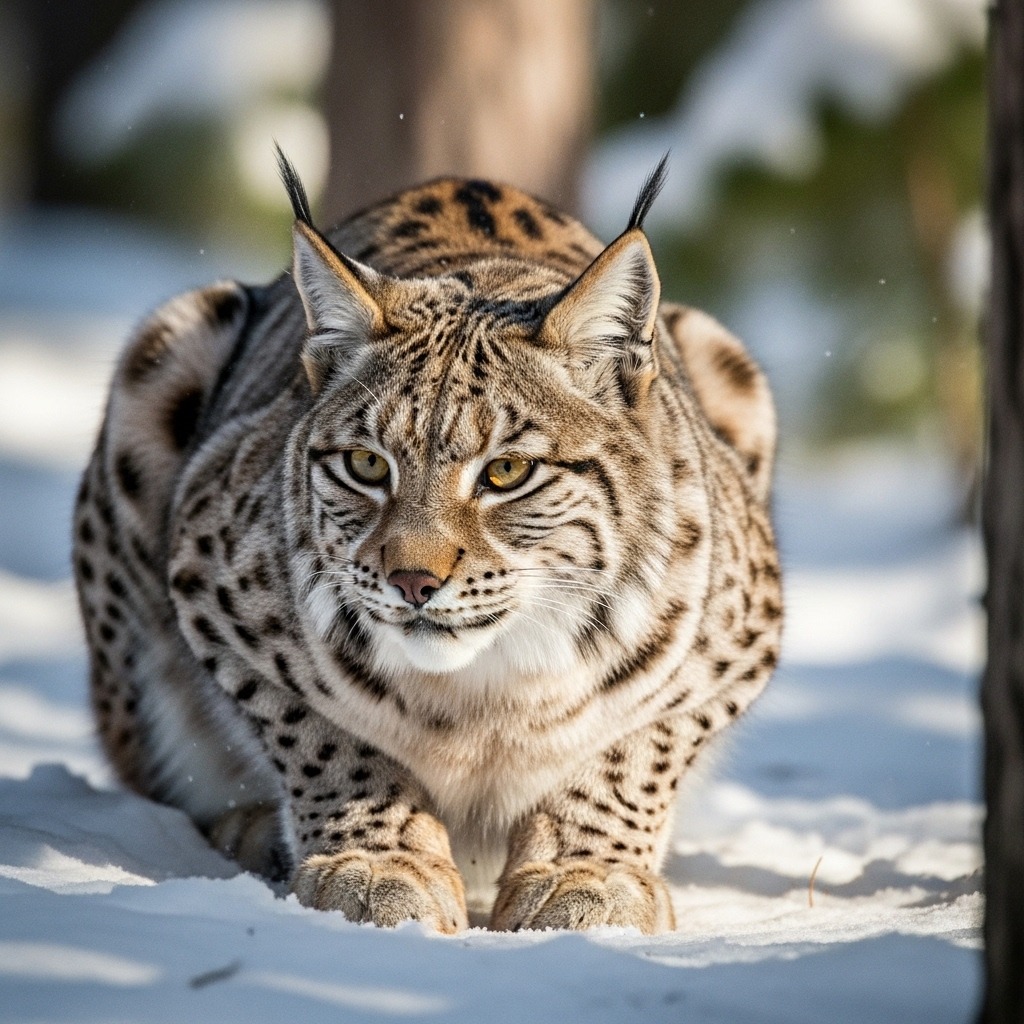
The Eurasian lynx is a master hunter. Its skills are finely tuned for survival in the wild. Let’s dive into how this solitary predator hunts, what it prefers to eat, and the adaptations that make it successful.
Hunting Techniques and Strategies
Eurasian lynx employ several clever techniques while hunting. They are ambush predators, meaning they rely on stealth rather than speed. Here’s how they do it:
- Stalking: The lynx quietly stalks its prey, using cover from bushes or trees to remain hidden.
- Pouncing: Once close enough, it uses a sudden leap to surprise its target.
- Silent Approach: Their large, furry paws help them move silently through the snow, making it harder for prey to hear them coming.
In one fascinating case, a lynx was observed successfully hunting a roe deer. It crept low through the underbrush, pausing frequently to assess its surroundings. When the moment was right, it pounced, showcasing the effectiveness of its patience and strategy.
Prey Selection and Dietary Preferences
Eurasian lynx have particular tastes when it comes to food. They prefer medium-sized ungulates, especially roe deer. However, they are opportunistic feeders and will also hunt smaller mammals and birds. Here’s a breakdown of their typical diet:
- Preferred Prey: Roe deer, chamois, and young moose.
- Occasional Snacks: Hares, rabbits, and even birds like grouse.
- Diverse Diet: In regions with less preferred prey, they may target red foxes or even scavenge carrion.
This diverse diet helps them adapt to different environments. For example, in areas where roe deer are scarce, they might switch to hunting small mammals. This flexibility is key to their survival.
Adaptations for Hunting Success
The Eurasian lynx has several physical adaptations that enhance its hunting success:
- Camouflage: Its spotted coat blends seamlessly into the forest, helping it remain unseen.
- Strong Legs: Powerful legs allow for impressive jumps, aiding in both stalking and pouncing.
- Keen Senses: Excellent eyesight and hearing enable the lynx to detect prey from a distance.
These adaptations make the lynx a formidable predator in its habitat. Each trait is finely tuned to ensure its hunting techniques are effective, allowing it to thrive in various ecosystems.
Behavior and Ecology of the Eurasian Lynx
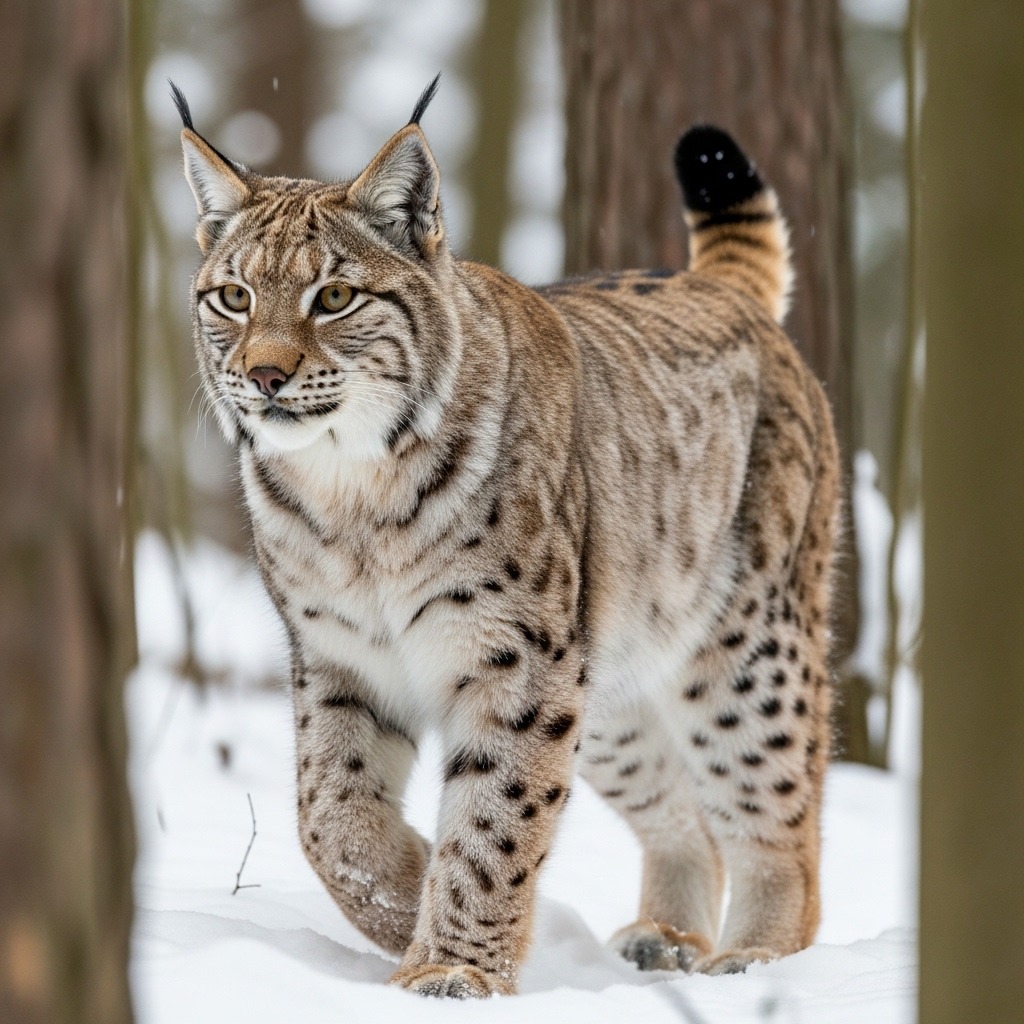
The Eurasian lynx is a fascinating creature, known for its solitary lifestyle and unique hunting strategies. Understanding its behavior and ecology helps us appreciate its role in the ecosystem.
Territorial Marking and Range
Eurasian lynxes are highly territorial animals. Adult males and females maintain separate territories. They use scent markings and scratches on trees to define their space.
- Territory Size: These territories can be quite large, especially in areas with scarce prey.
- Overlap: While territories may overlap with those of other lynx, they often avoid direct contact.
This territorial behavior is crucial for their survival. It ensures they have enough resources to hunt and reproduce effectively.
Social Interactions and Solitary Nature
Eurasian lynxes are solitary by nature. They prefer to hunt alone rather than in groups. This solitary behavior affects their hunting success and reproductive patterns.
- Hunting Success: Hunting solo allows them to be stealthy. They can stalk and ambush prey without competition from others.
- Reproduction: During mating season, males may roam outside their territories to find a mate. However, they typically return to their own range afterward.
This solitary lifestyle helps them adapt to their environment and find food efficiently.
Nocturnal Habits and Activity Patterns
Eurasian lynxes are primarily nocturnal. They do most of their hunting at night, which helps them avoid larger predators and human activity.
- Hunting Techniques: Their nocturnal nature enhances their hunting skills. They rely on their keen senses to locate prey in low light.
- Resting: During the day, they often rest in dense cover to hide from potential threats.
This behavior not only keeps them safe but also aligns with the activity patterns of their preferred prey.
Reproductive Patterns and Lifecycle of the Eurasian Lynx
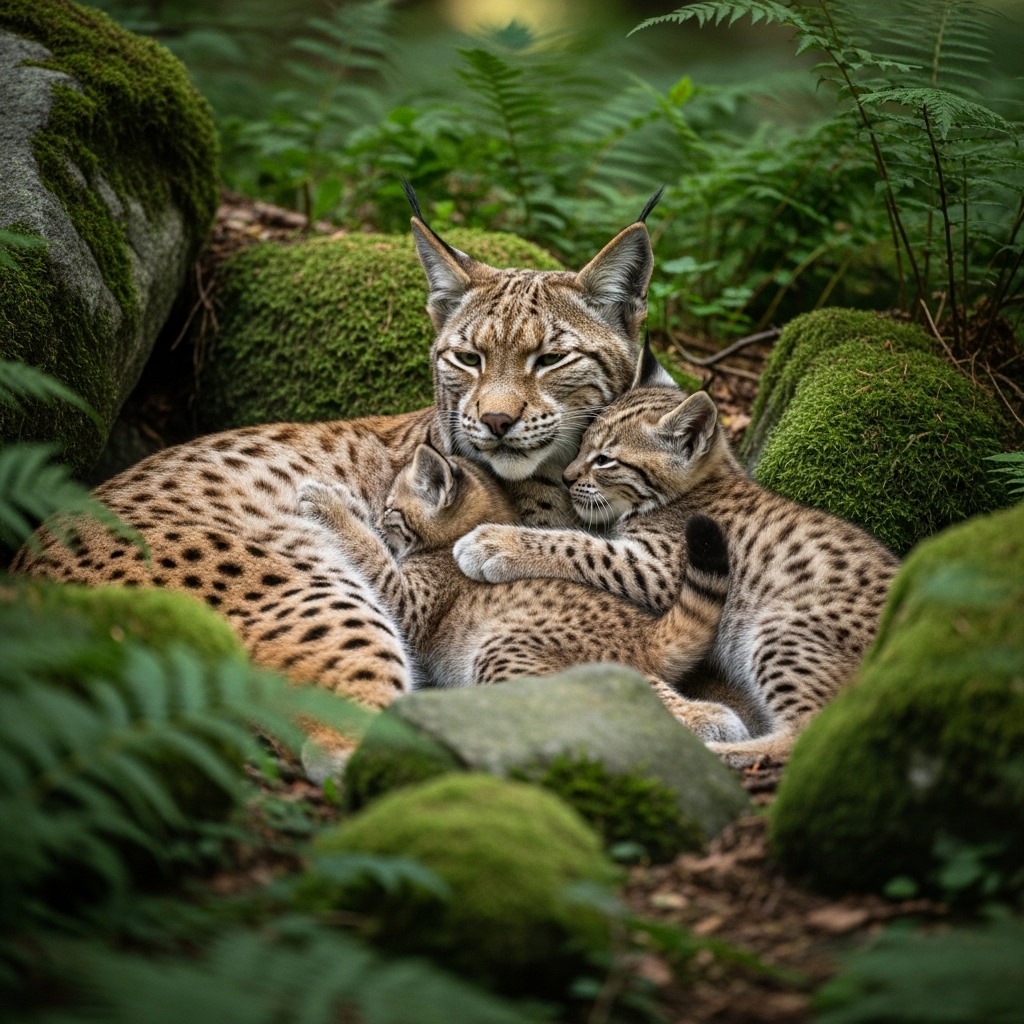
The reproductive habits of the Eurasian lynx play a crucial role in the survival of this solitary predator. Understanding their mating season, cub development, and the factors affecting their reproductive success gives us insight into their lifecycle.
Mating Season and Courtship
The mating season for Eurasian lynx typically occurs in late winter to early spring. This is when the females come into estrus, signaling their readiness to mate.
- Courtship Rituals: Males attract females through vocalizations and scent markings. Their calls are a way to announce their presence.
- Territorial Behavior: Males may engage in scrapping and marking to establish dominance and attract potential mates.
Cub Development and Parental Care
After a gestation period of about 70 days, a female lynx usually gives birth to one to four cubs in a secluded den. These dens are often hidden in dense vegetation or rocky crevices, which keeps the cubs safe from predators.
- Nursing: The mother nurses her cubs for about two months, providing them with essential nutrients.
- Learning to Hunt: By around three months, cubs begin to accompany their mother on hunts. This helps them learn vital skills.
- Independence: Cubs usually stay with their mother for up to a year before venturing out on their own.
Factors Influencing Reproductive Success
Several environmental and biological factors can influence the reproductive success of the Eurasian lynx.
- Habitat Quality: Dense forests with ample prey are crucial for successful breeding. Poor habitats can lead to lower cub survival rates.
- Prey Availability: A decline in prey like roe deer can severely affect cub growth and survival. If food is scarce, mothers may struggle to feed their young.
- Human Activity: Encroachment and hunting can disrupt breeding behaviors, leading to reduced reproduction rates.
Understanding these factors helps in conservation efforts. Protecting habitats and ensuring a stable prey population can significantly enhance the survival of Eurasian lynx cubs.
Conservation Status and Threats Facing the Eurasian Lynx
The Eurasian lynx is a fascinating creature, but it faces some serious challenges. Understanding these threats is key to ensuring its survival.
Major Threats to Survival
The Eurasian lynx encounters various threats that impact its populations:
- Habitat Loss: Urbanization and deforestation reduce the space these cats need to thrive. When forests shrink, so do their hunting grounds.
- Poaching: Illegal hunting remains a significant threat. Some countries still allow hunting for sport or fur.
- Prey Depletion: As human activities increase, the population of prey animals like roe deer can dwindle, making it harder for lynxes to find food.
- Accidental Trapping: Lynxes often fall victim to traps set for other animals, leading to unintended deaths.
Conservation Programs and Success Stories
Efforts to protect the Eurasian lynx have seen some success. Here are a few notable examples:
- Reintroduction Programs: In several European countries, lynx populations have been reintroduced. For instance, in Switzerland, successful reintroduction in the 1970s led to a thriving population today.
- Protected Areas: Establishing national parks and wildlife reserves has helped safeguard lynx habitats. These areas ensure that lynxes have safe spaces to roam and hunt.
- Community Involvement: Local communities are increasingly involved in conservation efforts. Educational programs promote coexistence between lynxes and livestock farmers, reducing retaliatory killings.
The Role of the Eurasian Lynx in Ecosystem Health
Eurasian lynxes play a vital role in their ecosystems. As top predators, they help maintain the balance of prey populations. By controlling the number of herbivores, they prevent overgrazing, which can harm plant life and ultimately affect other wildlife.
In short, the conservation of the Eurasian lynx not only protects this solitary predator but also supports the health of entire ecosystems. Protecting their habitats and ensuring stable prey populations are crucial steps for their future.
Cultural Significance and Myths Surrounding the Eurasian Lynx
The Eurasian lynx holds a special place in the cultures and folklore of various societies. Its mysterious nature and solitary habits have inspired stories and symbols that reflect human values and beliefs.
Symbolism in Different Cultures
In many cultures, the lynx symbolizes intuition and the ability to see what others do not. This connection to the unseen world makes it a powerful figure in folklore.
- Scandinavian Traditions: The lynx is often seen as a guardian spirit. It embodies the strength and independence valued in these cultures.
- Native American Beliefs: Some tribes regard the lynx as a teacher and a guide. Its keen hunting skills represent wisdom and adaptability.
Folklore and Myths Involving the Lynx
Various myths feature the Eurasian lynx, highlighting its elusive nature and hunting prowess.
- European Tales: In European folklore, the lynx is sometimes depicted as a magical creature capable of seeing through deception. This ability to unveil truth makes it a symbol of honesty and integrity.
- Asian Stories: In some Asian cultures, the lynx is associated with stealth and cunning. It often appears in fables as a clever trickster who outsmarts other animals.
Modern Representations in Media
Today, the Eurasian lynx continues to captivate audiences through various forms of media.
- Documentaries: Nature documentaries often showcase its hunting skills, emphasizing its role as a solitary predator.
- Literature and Art: Authors and artists draw inspiration from the lynx to explore themes of isolation and resilience. Its portrayal often reflects the beauty and complexity of the natural world.
These cultural narratives significantly impact conservation efforts. When people connect emotionally with the lynx, they are more likely to support initiatives aimed at protecting its habitat and ensuring its survival. Understanding the lynx’s role in our stories encourages a deeper appreciation for this remarkable creature.
Frequently Asked Questions
These quick answers cover the most common questions about this topic, including key details, practical tips, and common concerns.
What predators hunt lynx?
Lynx are top predators in their habitats and have few natural enemies. However, young or injured lynx can fall prey to larger carnivores like wolves, bears, and sometimes large eagles. Human activities, such as poaching and habitat destruction, pose the greatest threat to lynx survival.
Which wild animal has the best hunting skills?
Many wild animals are exceptional hunters, but the Eurasian lynx is renowned for its stealth and ambush techniques. Its ability to stalk and pounce silently makes it one of the most skilled solitary predators among wildcats and big cats.
What is lynx called in America?
In North America, the lynx species is called the Canada lynx (Lynx canadensis). It is closely related to the Eurasian lynx but adapted to colder, forested environments in Canada and parts of the northern United States.
Have lynx ever killed a human?
There are very few documented cases of lynx attacking humans. Generally, lynx avoid humans and pose little threat unless they are cornered, sick, or habituated to humans. They are typically shy and prefer to keep their distance.
What is the diet of the Eurasian lynx?
The Eurasian lynx primarily preys on medium-sized ungulates like roe deer and chamois. It also hunts smaller mammals such as hares, rabbits, and birds. Its opportunistic diet allows it to adapt to prey availability in different regions.
How does the Eurasian lynx adapt to its environment?
The lynx’s thick coat, tufted ears, and large paws for snow travel help it survive in diverse habitats—from dense forests to mountainous regions. Its solitary nature and excellent senses enable effective hunting in various terrains and climates.
What are the main threats to the Eurasian lynx?
Major threats include habitat loss from deforestation, illegal poaching, prey depletion, and accidental trapping. Human encroachment and climate change also impact their populations, making conservation efforts vital.
How can I spot a Eurasian lynx in the wild?
Look for signs like large paw prints, scratch marks on trees, and dense, spotted fur in forested areas of Europe and Asia. They are elusive and mostly active at night, so spotting one requires patience and knowledge of their habitat.
What conservation efforts are in place for the Eurasian lynx?
Conservation programs include habitat protection, wildlife corridors, and reintroduction projects in countries like Switzerland and Slovakia. Protected areas and community involvement help reduce poaching and habitat destruction.
How does the Eurasian lynx communicate?
Lynx communicate through scent markings, vocalizations, and visual signals like scratching trees. During mating season, males and females use calls and scent cues to find each other and establish territories.