
The Western Pond Turtle (Actinemys marmorata) is an endangered freshwater species native to the West Coast of the United States. This unique turtle faces significant threats from habitat loss and climate change, making conservation efforts crucial for its survival.
Understanding the Western Pond Turtle
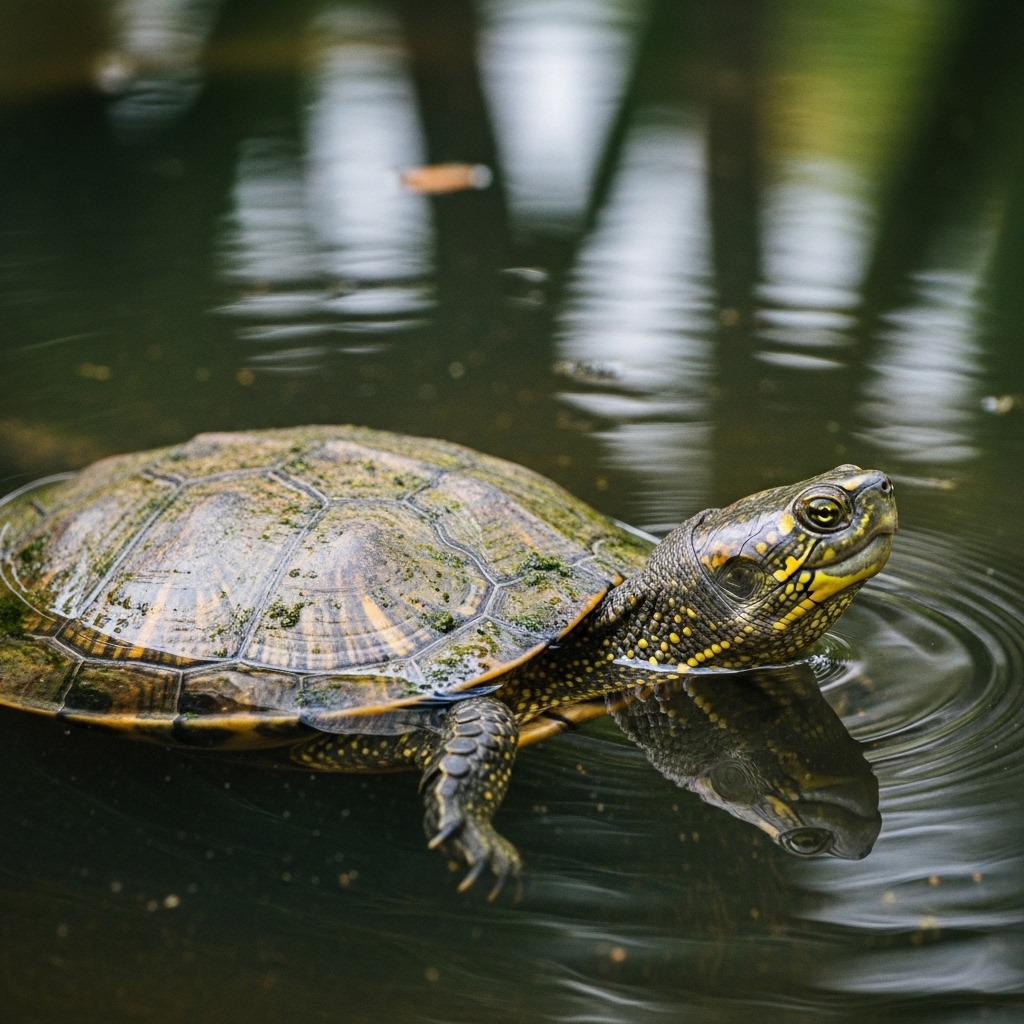
The Western Pond Turtle is a fascinating and endangered species. Let’s dive into its scientific classification and unique physical characteristics.
Scientific Classification and Names
The Western Pond Turtle belongs to the family Emydidae. It has two recognized subspecies:
- Northern Western Pond Turtle (Actinemys marmorata)
- Southern Western Pond Turtle (Actinemys pallida)
This classification highlights the diversity within the species and reflects its distinct habitats along the West Coast.
Physical Appearance and Size
These turtles are small to medium-sized, typically measuring between 6 to 8 inches in shell length. Here’s a quick breakdown of their physical traits:
- Carapace (upper shell): Low, broad, and smooth. Colors range from dark brown to olive with subtle marbling.
- Plastron (lower shell): A striking mix of yellow and black, standing out against the darker hues.
- Skin: Generally dark with possible yellow markings but lacks the distinct stripes found in other species, like the painted turtle.
Despite their size, they can weigh between 1 to 2.4 pounds. Their appearance is not just unique; it also helps them blend into their surroundings, which is crucial for their survival.
Unique Characteristics
What makes the Western Pond Turtle stand out? Here are some of its unique traits:
Table of Contents
- Habitat: While they are called “pond turtles,” they thrive in streams, ponds, and lakes. They also need nearby terrestrial areas for nesting.
- Lifespan: These turtles can live up to 50 years, but they face significant challenges in reproduction.
- Reproductive Behavior: Females mature around 10 years old and lay only 6 to 10 eggs annually. This slow reproductive rate makes their populations vulnerable to decline.
Understanding these aspects helps underscore the Western Pond Turtle’s uniqueness and the urgent need for conservation efforts.
Habitat Requirements of the Western Pond Turtle
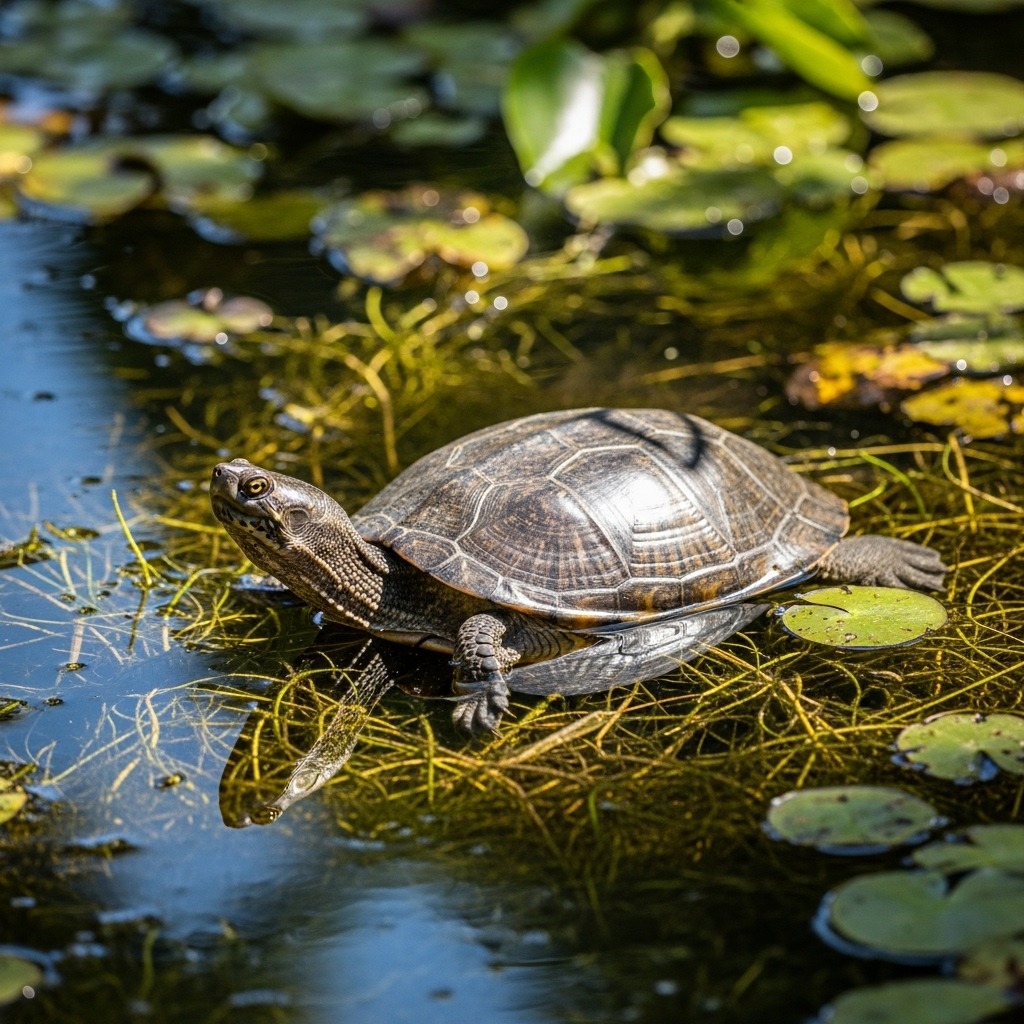
The Western Pond Turtle needs specific habitats to thrive. These environments are crucial for their survival and reproduction. Let’s break down what makes their homes special.
Preferred Aquatic Habitats
Western Pond Turtles prefer calm waters. They can be found in:
- Slow-moving rivers
- Ponds
- Lakes
- Wetlands
These aquatic areas provide food and shelter. The turtles forage for insects, plants, and small fish. They spend most of their lives in water but need more than just that.
Terrestrial Nesting Requirements
When it comes to nesting, Western Pond Turtles seek dry land. Here’s what they look for:
- Upland areas with dry soil
- Locations up to 1,640 feet from water bodies
These spots are essential for laying eggs. Females dig nests to protect their eggs from predators. Unfortunately, many turtles struggle to find suitable nesting sites due to habitat destruction.
Unique Habitat Needs
Both aquatic and terrestrial habitats are vital for the Western Pond Turtle’s life cycle. They need:
- Access to water for feeding and swimming
- Dry land for nesting and overwintering
The decline in suitable habitats puts their populations at risk. Conservation efforts focus on protecting and restoring these essential environments. By understanding their habitat needs, communities can help make a difference.
Threats Facing the Western Pond Turtle
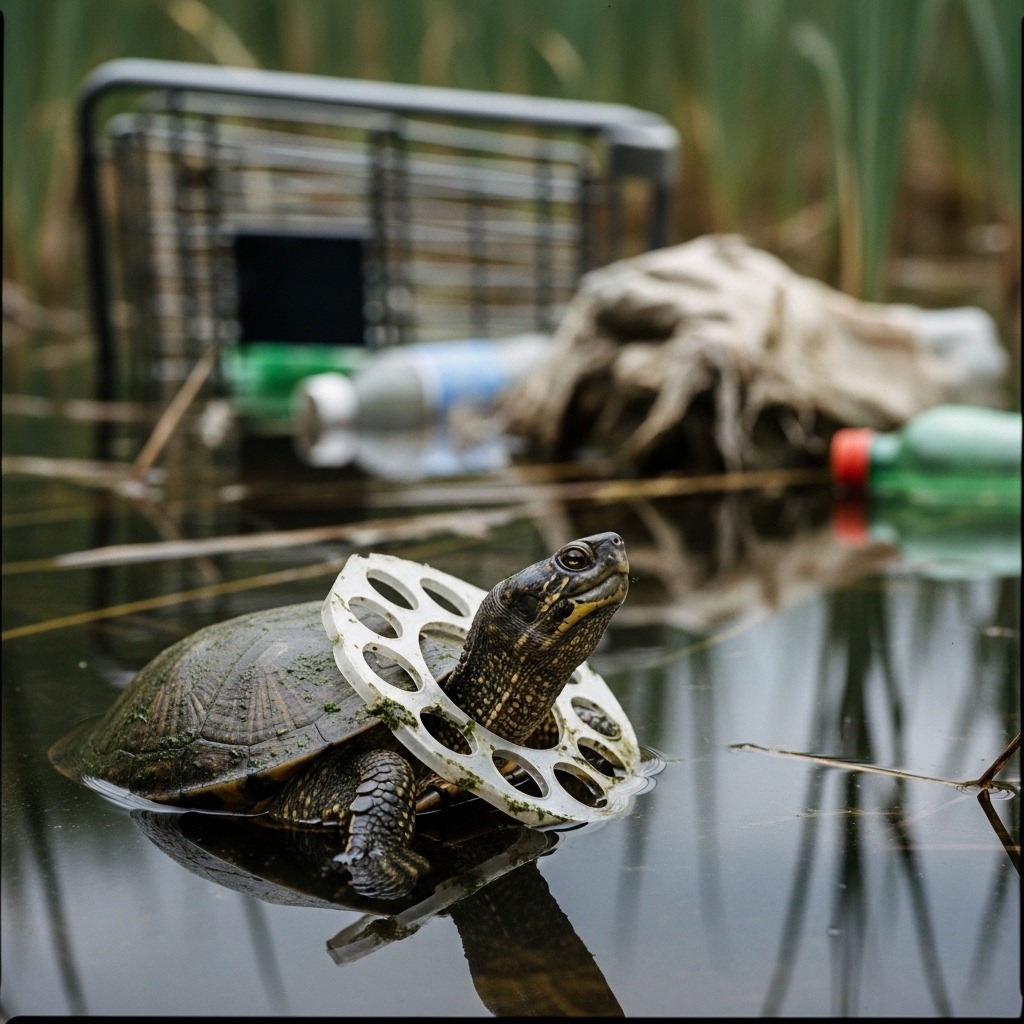
The Western Pond Turtle faces several significant threats that contribute to its declining populations. Understanding these challenges is crucial for conservation efforts.
Habitat Destruction and Fragmentation
Habitat loss is one of the biggest threats to the Western Pond Turtle. Urban development, agriculture, and water management practices have led to the destruction of their natural habitats.
- Wetlands and Streams: These turtles depend on accessible water bodies for feeding and breeding. Dams and drainage systems disrupt their habitats.
- Nest Sites: As land is developed, suitable nesting sites become scarce. This makes it harder for females to lay eggs safely.
Invasive Species and Predation
Invasive species pose a severe threat to Western Pond Turtles.
- Predators: The arrival of American bullfrogs and non-native fish like bass has increased predation on juvenile turtles. These predators eat hatchlings and compete for resources.
- Competition: Invasive turtles, such as red-eared sliders, compete for food and nesting spots. This competition can lead to lower survival rates.
Climate Change Impacts
Climate change is another growing concern for the Western Pond Turtle’s survival.
- Temperature Changes: Rising temperatures can affect nesting success. Eggs are sensitive to temperature, and extreme heat can lead to higher mortality rates.
- Water Availability: Changes in rainfall patterns can alter water levels in their habitats. This affects food availability and breeding sites.
These threats not only impact individual turtles but also disrupt entire populations. Conservation efforts must address these issues to help protect this unique species.
Reproductive Behavior and Life Cycle of the Western Pond Turtle
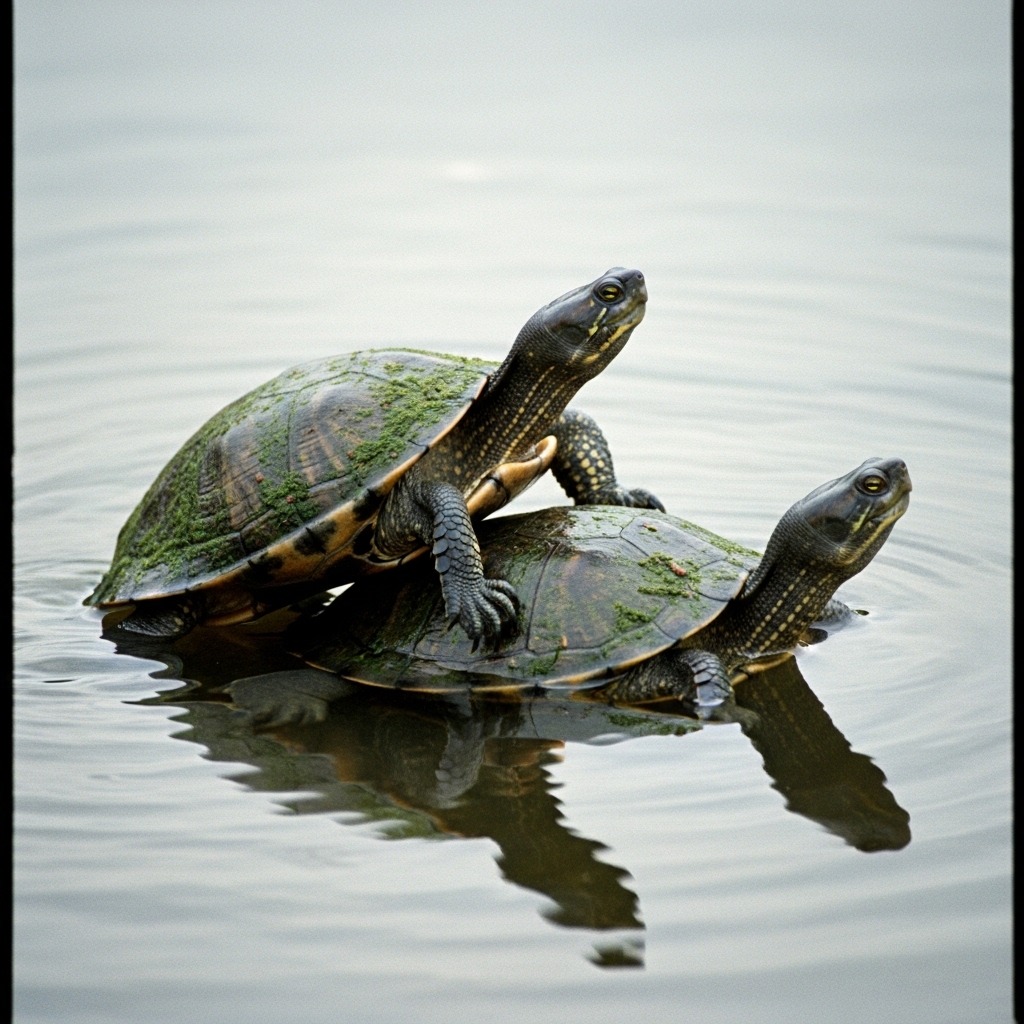
The reproductive habits of the Western Pond Turtle are fascinating yet faced with challenges. Understanding their mating patterns and nesting behavior is crucial for their conservation.
Mating Patterns and Courtship
Western Pond Turtles have unique mating rituals. Mating typically occurs in the spring. Males will engage in courtship displays, which can include:
- Head bobbing: A way to attract females.
- Chasing: Males often pursue females to establish dominance.
After successful courtship, females are ready to lay eggs.
Nesting Season and Egg Incubation
Nesting season usually falls between late spring and early summer. Here’s how it works:
1. Site Selection: Females prefer sandy or loose soil near water bodies for nesting.
2. Egg Laying: A female can lay 3 to 10 eggs at a time. She digs a nest and deposits the eggs before covering them with soil.
3. Incubation: The eggs incubate for about 10 to 12 weeks. Temperature plays a critical role here. Warmer temperatures can skew the sex ratio, leading to more females. This phenomenon is known as temperature-dependent sex determination.
Unfortunately, these nests are vulnerable to predators like raccoons and birds. Climate change adds another layer of risk, as temperature fluctuations can affect both the survival of the eggs and the overall population dynamics.
Lifecycle Stages
The life cycle of the Western Pond Turtle can be broken down into several stages:
- Hatching: Baby turtles emerge from their eggs in late summer.
- Juvenile Stage: They stay in shallow waters, where they feed and grow.
- Maturity: Turtles reach sexual maturity at about 5 to 10 years.
Each stage of their life is crucial for the survival of this endangered species. Conservation efforts focusing on habitat protection and predator management are essential to ensure that these turtles can thrive.
Conservation Efforts and Legal Protections
Conservation efforts for the Western Pond Turtle are crucial for its survival. Various initiatives and legal frameworks are in place to protect this unique species from further decline.
Current Legal Status and Protections
The Western Pond Turtle enjoys different levels of protection depending on where it lives. Here’s a quick look:
- Washington: Listed as endangered.
- Oregon: Classified as sensitive/critical.
- California: Considered a species of special concern.
Additionally, the U.S. Fish and Wildlife Service has proposed listing both the Northwestern and Southwestern Pond Turtles as threatened under the Endangered Species Act (ESA). This would prohibit actions that harm or harass these turtles.
Successful Conservation Initiatives
Several successful conservation initiatives have emerged to protect the Western Pond Turtle:
- Habitat Restoration: Organizations are working to restore wetland habitats crucial for nesting and foraging.
- Population Monitoring: Regular surveys help track turtle populations and health, informing further conservation actions.
- Community Engagement: Local volunteers participate in clean-ups and habitat restoration projects.
Example: In California, conservationists have worked to create protected areas along riverbanks, allowing turtles to nest safely away from predators.
How You Can Help
You don’t have to be a scientist to make a difference! Here are some simple ways to help:
- Volunteer: Join local conservation groups. They often need hands for various projects.
- Spread Awareness: Share information about the Western Pond Turtle on social media.
- Report Sightings: If you spot a Western Pond Turtle, report it to local wildlife agencies. Your observations can help in conservation efforts.
By participating in these activities, you contribute to the ongoing efforts to protect this endangered species. Every action counts!
Comparing Northern and Southern Western Pond Turtles
The Northern and Southern Western Pond Turtles are two distinct subspecies, each facing unique challenges. Understanding their differences can help us better protect them.
Distinct Characteristics of Each Subspecies
- Northern Western Pond Turtle:
- Found primarily in Washington and parts of Oregon.
- Typically has a darker shell with more pronounced markings.
- Prefers cooler, freshwater habitats like streams and ponds.
- Southern Western Pond Turtle:
- Resides mainly in California and Baja California.
- Generally has a lighter shell and smaller size compared to the northern counterpart.
- Adapts well to warmer environments, often found in ponds and wetlands.
Habitat and Range Comparisons
Both subspecies thrive in different habitats, which affects their survival.
| Feature | Northern Western Pond Turtle | Southern Western Pond Turtle |
|---|---|---|
| Geographical Range | Puget Sound to western Oregon | Coastal California to Baja California |
| Preferred Habitat | Freshwater streams and ponds | Wetlands and ponds |
| Nesting Sites | Often nests in upland areas | Prefers nesting near water bodies |
Conservation Needs
Each subspecies faces specific threats that require targeted conservation efforts.
- Northern Western Pond Turtle:
- Threatened by habitat loss due to urban development.
- Vulnerable to predation from introduced species like bullfrogs.
- Southern Western Pond Turtle:
- Faces challenges from climate change impacting water levels.
- Needs protection from pollution and habitat degradation.
By recognizing these differences, conservationists can tailor their efforts to suit the needs of each subspecies. For example, habitat restoration projects can be designed based on the specific environments favored by northern and southern turtles. Engaging local communities in these efforts can also enhance awareness and protection measures for these unique freshwater species.
Frequently Asked Questions
These quick answers cover the most common questions about this topic, including key details, practical tips, and common concerns.
What is the current population status of the Western Pond Turtle?
The Western Pond Turtle is classified as endangered in many parts of its range. Population numbers have declined significantly over the past decades due to habitat loss, invasive species, and climate change. Conservation efforts are ongoing to monitor and stabilize their numbers, but they remain at risk of extinction without continued protection.
What are the main threats to the Western Pond Turtle?
The primary threats include habitat destruction from urban development, agriculture, and water management. Predators like raccoons, birds, and invasive fish also prey on eggs and juveniles. Climate change impacts nesting success and water availability, further endangering the species.
How can I help protect the Western Pond Turtle?
You can support habitat restoration projects, participate in local conservation groups, and spread awareness about the species. Reporting sightings to wildlife agencies helps track populations. Avoid disturbing nesting sites and reduce habitat destruction in your community.
What legal protections are in place for the Western Pond Turtle?
The Western Pond Turtle is protected under various state laws and is listed as endangered or threatened in some areas. The U.S. Fish and Wildlife Service has proposed listing it under the Endangered Species Act, which would provide federal protections and restrict harmful activities.
What is the life cycle of the Western Pond Turtle?
The turtle mates in spring, with females laying eggs in late spring or early summer. Eggs incubate for about 10-12 weeks. Hatchlings emerge in late summer and grow through juvenile stages before reaching maturity around 5 to 10 years old. Their lifespan can be up to 50 years.
How does climate change specifically impact their habitat and reproduction?
Rising temperatures can cause eggs to develop at skewed sex ratios, often producing more females, which affects population balance. Changes in rainfall patterns can lead to droughts or flooding, destroying nesting sites and reducing water levels critical for feeding and breeding.
What are the differences between northern and southern Western Pond Turtles?
Northern Western Pond Turtles are found mainly in Washington and Oregon, with darker shells and cooler habitat preferences. Southern Western Pond Turtles inhabit California and Baja California, with lighter shells and warmer environments. They face different threats and require tailored conservation strategies.
Where can I find Western Pond Turtles in the wild?
They are typically found in slow-moving streams, ponds, lakes, and wetlands along the West Coast of the United States. They prefer areas with accessible water for feeding and nearby upland zones for nesting. Their range is shrinking due to habitat loss, so sightings are becoming rarer.