
The bald cypress (Taxodium distichum) is an ancient tree known for its unique anatomical feature, the cypress knees. These trees thrive in the wetlands of the southeastern United States and have a fascinating ecological role.
Overview of the Bald Cypress Tree
The bald cypress (Taxodium distichum) is a remarkable tree with a striking appearance and vital ecological role. Known for its iconic cypress knees, this ancient tree thrives in wet, swampy areas of the southeastern United States.
Physical Characteristics
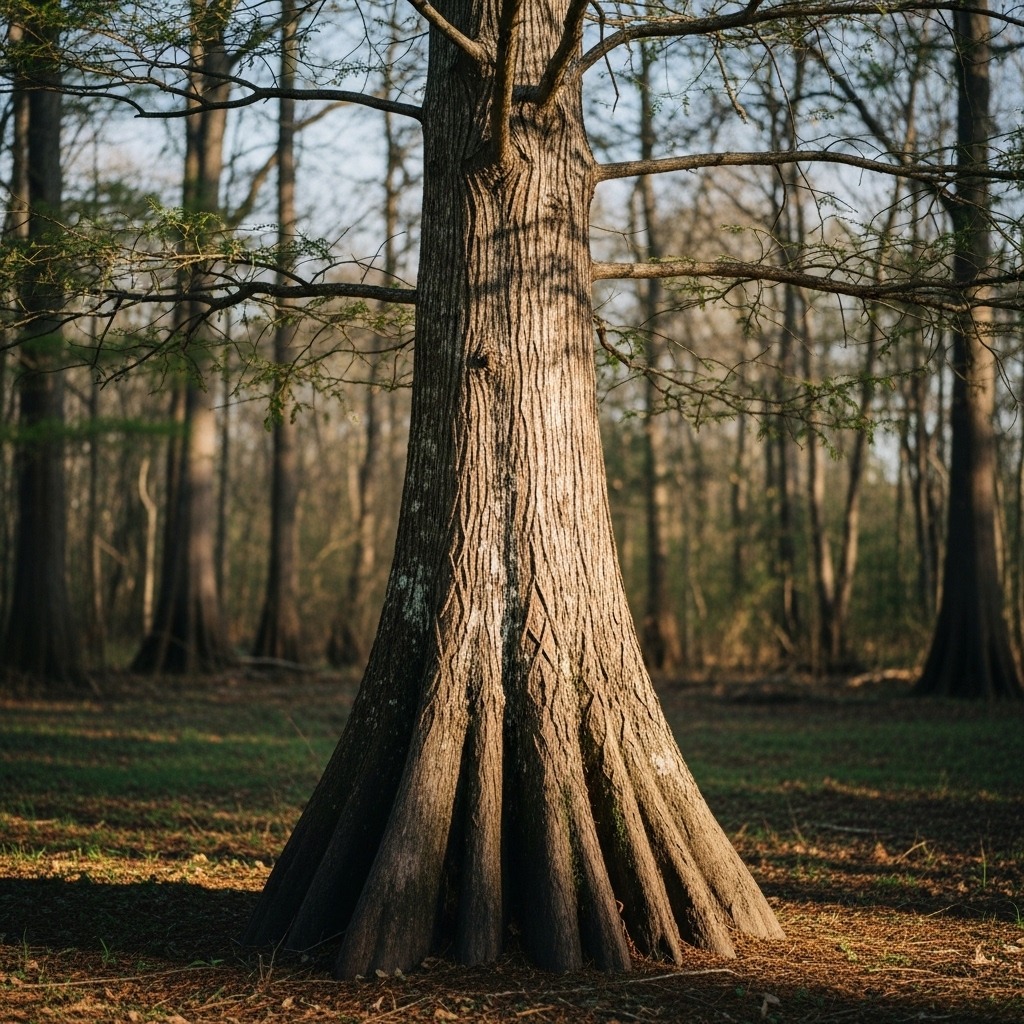
Bald cypress trees are quite eye-catching. They can grow to impressive heights, reaching between 35 to 120 feet (10 to 40 meters). Their trunks can be 3 to 6 feet (0.9 to 1.8 meters) in diameter. Here are some key features:
- Knees: The unique cypress knees are aerial roots that rise above the water. They help the tree breathe, especially in flooded conditions.
- Leaves: The leaves are needle-like and can change color with the seasons, turning vibrant hues in the fall.
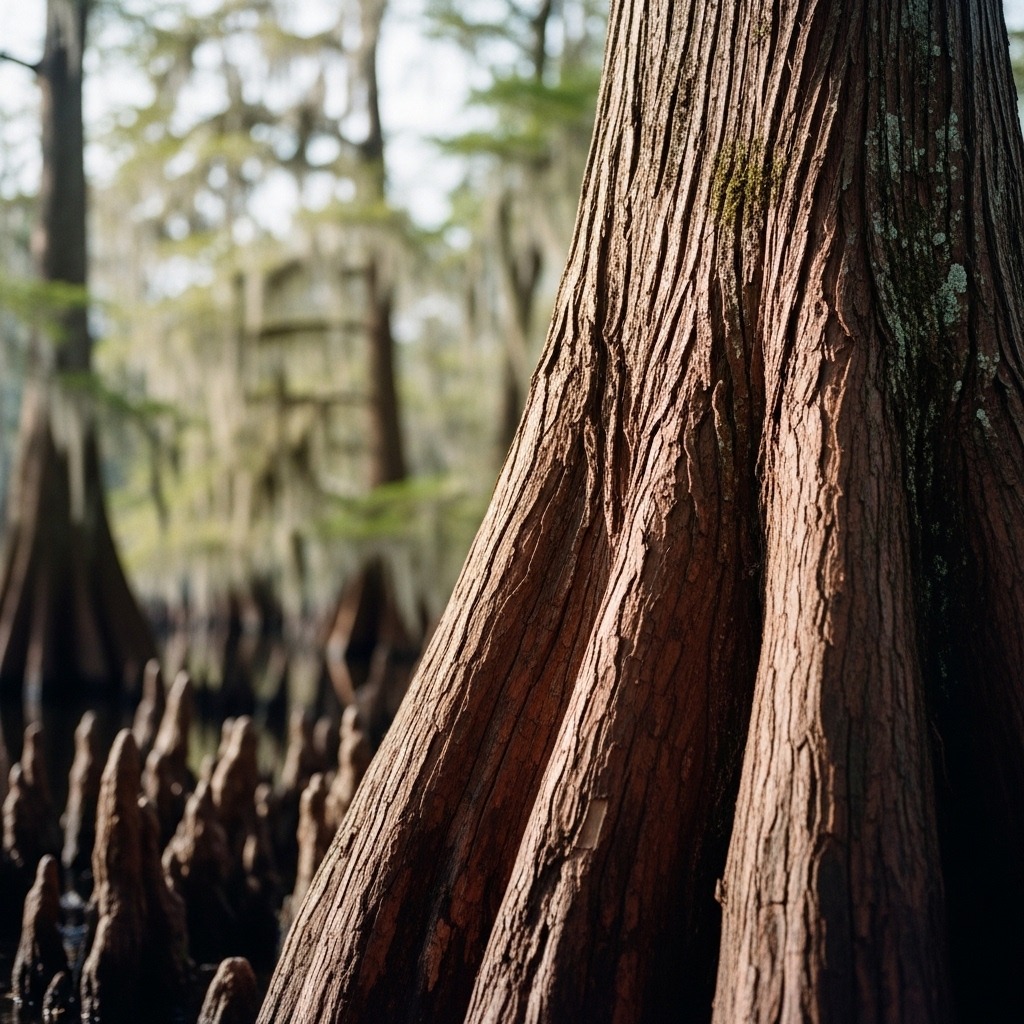
- Bark: The bark is fibrous and reddish-brown, adding to the tree’s beauty.
Natural Habitat
Bald cypress trees are typically found in wetlands. They thrive in the humid climates of the southeastern U.S., from Delaware down to Florida and over to eastern Texas. They prefer:
- Swamps: These trees love standing water and can often be found in slow-moving rivers and swamps.
- Floodplains: They grow well in flood-prone areas, making them resilient to changing water levels.
One notable bald cypress grove is located in the swamps of Louisiana. This grove not only showcases the stunning height and stature of mature cypress trees but also serves as a critical habitat for various wildlife species.
Ecological Role
Bald cypress trees play a crucial role in their ecosystems. They provide:
- Habitat: Their dense canopies offer shelter for birds and other wildlife.
- Water Filtration: Cypress trees help filter pollutants from water, improving overall water quality.
- Erosion Control: Their extensive root systems stabilize the soil, preventing erosion in wetland areas.
In addition, these trees have been around for thousands of years, making them a living record of environmental changes. Some bald cypress trees are over 2,600 years old, showcasing their resilience through climate shifts and environmental changes.
Table of Contents
Understanding Cypress Knees: Their Unique Anatomy
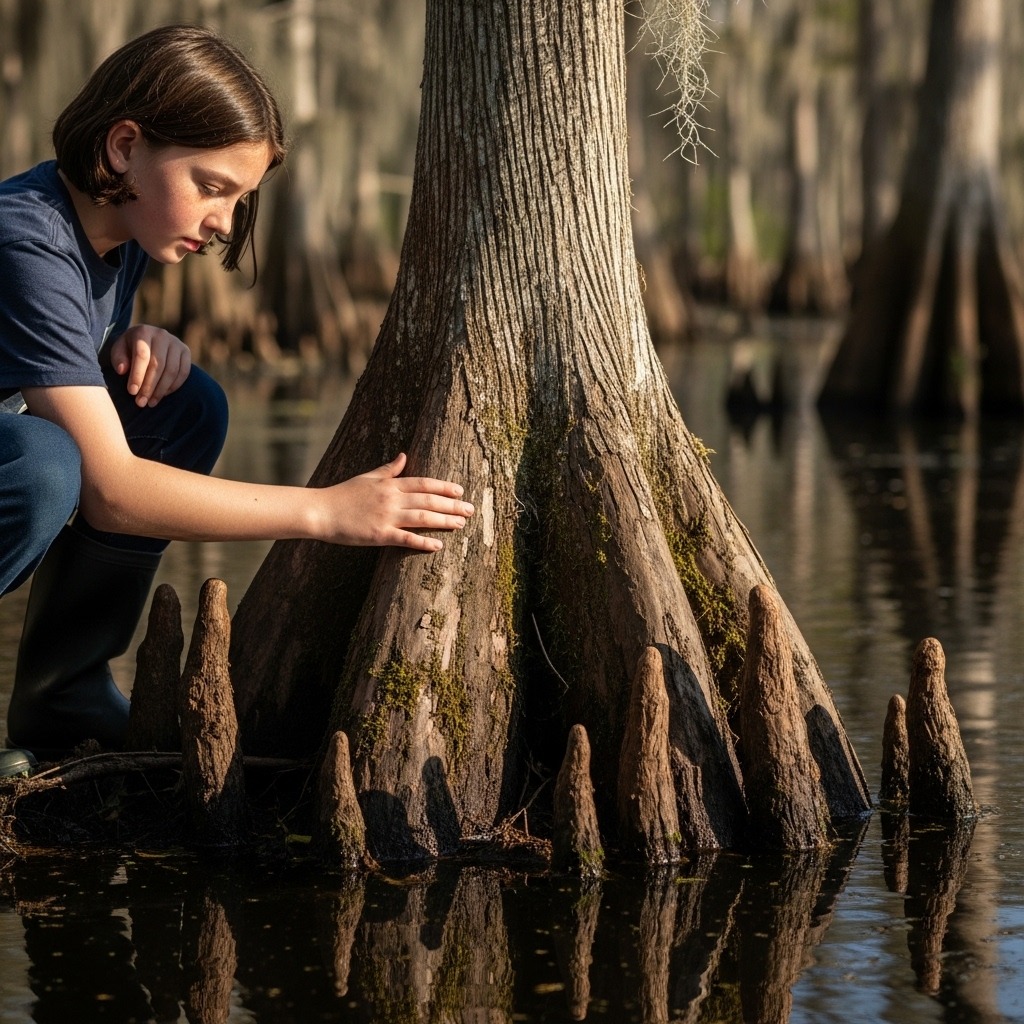
Cypress knees are fascinating structures that sprout from the roots of bald cypress trees. These unique formations have puzzled scientists for years. Let’s dive into what they are and why they matter.
What Are Cypress Knees?
Cypress knees are woody projections that rise above the water level from the tree’s roots. They can grow quite tall, sometimes reaching heights of up to 14 feet! These knees are typically found in swampy areas where the bald cypress thrives.
- Anatomy: They have a near-right-angle bend, growing vertically upward. This unique shape helps them stand out in their watery habitat.
- Material: Composed of dense wood, they are quite sturdy, contributing to the tree’s overall stability.
Theories Behind Their Function
The exact purpose of cypress knees remains a topic of debate. Here are some popular theories:
- Oxygen Supply: One of the most common beliefs is that these knees help aerate the roots, acting like snorkels. This would be crucial in low-oxygen water conditions typical of swamps.
- Stability: Another theory suggests that cypress knees help stabilize the tree in soft, muddy soil. Their broad base may anchor the tree, maintaining its upright position.
- Nutrient Accumulation: Some studies propose that they may help capture sediment, enriching the soil around the tree.
Interestingly, recent research has challenged the oxygen supply theory. Tests show that bald cypress trees can thrive even if their knees are removed, which raises questions about their primary function.
Importance in Ecosystems
Cypress knees play a vital role in their ecosystems. Here’s why they matter:
- Habitat Creation: They provide a complex structure for various aquatic organisms, contributing to biodiversity.
- Soil Health: By capturing sediment, they may enhance soil nutrients, benefiting not just the tree but its surrounding environment.
- Erosion Control: Their presence helps stabilize the soil, reducing erosion in wetland areas.
In summary, while the full story of cypress knees isn’t completely written yet, their unique anatomy and potential functions make them a critical feature of bald cypress trees and the ecosystems they inhabit.
The Longevity of Bald Cypress Trees
Bald cypress trees are among the oldest living trees in North America. Their remarkable lifespan speaks volumes about their resilience and adaptability.
Lifespan and Age Records
These ancient giants can live for over a thousand years. In fact, some bald cypress trees are estimated to be between 800 and 2,600 years old. They thrive in swampy areas, which may help extend their lifespan. Here are some notable records:
- Oldest Recorded: A bald cypress in southeastern North Carolina is around 2,264 years old.
- Underwater Forest: In 2012, researchers discovered an underwater bald cypress forest off Alabama, containing trees that are about 52,000 years old.
Historical Growth Patterns
Bald cypress trees have a unique growth pattern that has allowed them to survive through various climate shifts. They grow slowly and steadily, which can contribute to their longevity. Their ability to thrive in wet conditions means they’ve adapted well to their environments.
- Growth Rings: These trees have distinct growth rings that scientists study to learn about their age and the climate during their lifespan.
- Environmental Adaptations: Bald cypresses can endure flooding and drought, showcasing their incredible adaptability.
Impact of Climate Change on Lifespan
Recent studies highlight how climate change is affecting bald cypress trees. Changes in temperature and precipitation patterns can alter their growth and longevity.
- Declining Lifespan: Some researchers have found that as climate conditions change, the lifespans of these trees may be declining.
- Growth Disruptions: Extreme weather events can disrupt their growth patterns, making it harder for them to thrive.
Understanding these factors allows us to appreciate the history and resilience of bald cypress trees. They are not just ancient witnesses to time; they are living records of our planet’s past.
Challenges Faced by Bald Cypress in Changing Climates
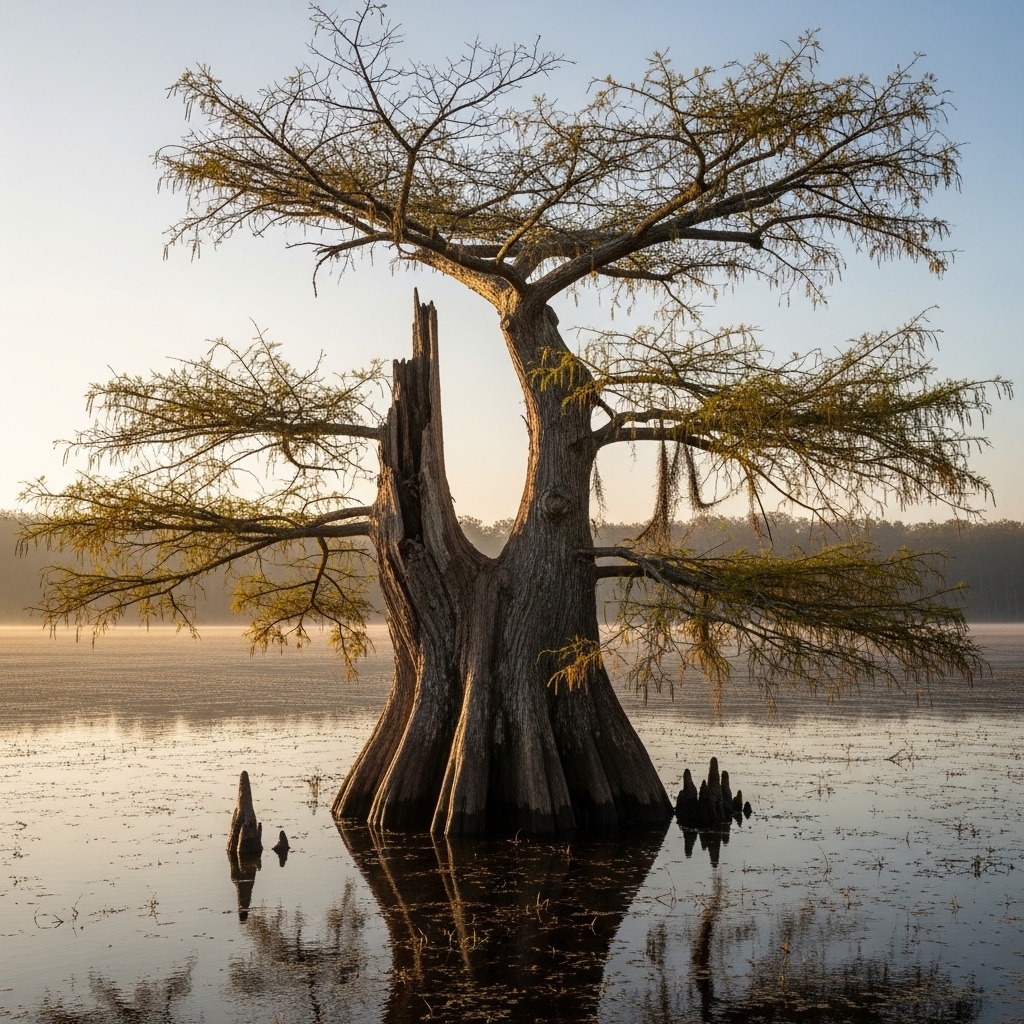
Bald cypress trees are remarkable, but they face significant challenges in our changing environment. Climate change and habitat loss put their survival at risk. Let’s dive into the threats they encounter.
Environmental Threats
Bald cypress trees are resilient, but they aren’t invincible. Here are some pressing environmental threats:
- Rising Temperatures: Increased heat can stress these trees, affecting their growth and health.
- Altered Rainfall Patterns: Changes in precipitation can lead to drought or flooding, both harmful to cypress ecosystems.
- Habitat Loss: Urban development and land use changes reduce their natural habitats, making survival tougher.
Historical Responses to Climate Shifts
Bald cypress trees have weathered many climate changes over thousands of years. Their historical responses are fascinating:
- Longevity: Some trees have lived for over 2,600 years, adapting through various climate shifts.
- Ecosystem Role: They act as natural archives, storing climate data in their rings, helping scientists understand past environments.
For example, studies show that ancient bald cypress trees survived past ice ages. Their ability to adapt is crucial for understanding how modern trees can cope with current climate stresses.
Conservation Efforts
Protecting bald cypress trees is essential for their future. Here’s what can be done:
- Restoration Projects: Initiatives to restore wetlands help provide a better habitat for cypress trees.
- Legal Protection: Enacting laws to safeguard their natural environments can mitigate habitat loss.
- Community Awareness: Educating locals on the ecological importance of bald cypress can foster conservation efforts.
Conservation efforts not only benefit bald cypress but also enhance biodiversity and ecosystem health. By understanding these challenges and actions, we can better appreciate the unique story of the bald cypress and its vital role in our environment.
Practical Care Tips for Bald Cypress Trees
Caring for bald cypress trees is essential to ensure their health and longevity. Whether you’re growing them in a natural setting or landscaping your yard, these tips will help you thrive.
Ideal Growing Conditions
Bald cypress trees flourish in wet, swampy areas. Here’s what they love:
- Soil: Preferably moist, well-drained soil. They can handle flooded conditions but appreciate good drainage.
- Sunlight: Full sun is ideal. Aim for at least six hours of direct sunlight daily.
- Water: Regular watering keeps them happy, especially in dry spells.
Maintenance Requirements
Maintaining your bald cypress is straightforward. Here’s a simple checklist:
- Pruning: Trim any dead or damaged branches in late winter. This promotes healthy growth.
- Mulching: Apply a layer of mulch around the base to retain moisture and suppress weeds.
- Fertilizing: Use a balanced fertilizer in early spring to boost growth.
Example Scenario: If you’re planting bald cypress in your yard, consider placing them near a water feature. This mimics their natural habitat and provides the moisture they crave.
Common Issues and Solutions
Like all trees, bald cypress can face challenges. Here are some common problems and how to address them:
- Pests: Watch for aphids or caterpillars. Use insecticidal soap to control infestations.
- Diseases: Root rot can occur if the soil is too saturated. Ensure proper drainage to prevent this.
- Knee Growth: If cypress knees aren’t forming, it may indicate insufficient water levels. Check your soil moisture regularly.
By following these practical care tips, your bald cypress trees can thrive and add beauty to your landscape!
Comparing Bald Cypress to Pond Cypress
Bald cypress and pond cypress are closely related, but they have distinct characteristics. Let’s break down their differences and similarities.
Key Differences
| Feature | Bald Cypress (Taxodium distichum) | Pond Cypress (Taxodium ascendens) |
|---|---|---|
| Habitat | Thrives in freshwater swamps and floodplains | Prefers blackwater habitats with acidic soil |
| Leaf Structure | Has flat, feather-like leaves | Features short, needle-like leaves on upright shoots |
| Growth Form | Pyramid-shaped crown, becomes columnar with age | Generally more irregular and bushy |
| Knee Formation | Prominent cypress knees for oxygen transport | Less pronounced knees, often shorter |
Similarities in Habitat
Both cypress trees love wet environments. They often share the same swampy habitats. Here’s what they have in common:
- Both species are commonly found in the Southeastern U.S.
- They play crucial roles in their ecosystems by stabilizing soil and providing habitat for wildlife.
Unique Adaptations
Bald cypress has unique adaptations that help it thrive in challenging conditions:
- Cypress Knees: These aerial roots help the tree breathe in waterlogged soils. They can rise several feet above the water level.
- Longevity: Bald cypress trees can live for over 2,000 years, making them some of the oldest living trees in North America.
In contrast, while pond cypress can also live long lives, they typically don’t reach the same age as bald cypress. Understanding these differences can help you choose the right tree for your landscape or conservation efforts.
Frequently Asked Questions
These quick answers cover the most common questions about this topic, including key details, practical tips, and common concerns.
Why do bald cypress have knees?
Bald cypress trees develop knees as aerial roots that rise above water or saturated soil. While their exact function is still debated, they are believed to help with oxygen exchange and possibly stabilize the tree in soft, muddy ground. Some researchers suggest they also trap sediment, enriching soil around the roots.
Are cypress knees worth money?
Cypress knees can sometimes be sold as decorative wood or craft material, but their monetary value is generally low. They are more valued for their ecological significance and unique appearance rather than commercial use. Collectors may pay more for well-preserved, large specimens, but overall, they are not a major source of income.
Are cypress knees good for anything?
Yes, cypress knees serve several ecological and practical purposes. They provide habitat for aquatic creatures, help stabilize soil and prevent erosion, and contribute to water filtration. Historically, some have been used in crafts and furniture, but their primary importance lies in their environmental roles.
What are the negatives of bald cypress?
Bald cypress trees can be susceptible to root rot if water drainage is poor. They may also face stress from climate change, such as drought or excessive flooding. In some regions, they can become invasive or compete with native species if planted outside their natural habitat.
How do you care for a bald cypress tree?
Plant bald cypress in moist, well-drained soil with full sun. Water regularly, especially during dry periods. Prune dead or damaged branches in late winter, and mulch around the base to retain moisture. Avoid overwatering to prevent root rot and ensure proper drainage.
What wildlife depends on bald cypress ecosystems?
Many species rely on bald cypress swamps for habitat. These include herons, egrets, wood ducks, and otters. Various fish and amphibians also thrive in these wetlands, making them vital for biodiversity and ecosystem health.
How long can bald cypress trees live?
Bald cypress trees can live for over 2,000 years, with some specimens exceeding 2,600 years. Their longevity depends on environmental conditions and habitat stability. They are among the oldest trees in North America, serving as living environmental archives.
What are the benefits of planting bald cypress trees?
They improve water quality, prevent erosion, and provide habitat for wildlife. Their striking appearance also enhances landscape aesthetics. Additionally, they are resilient in wet conditions and can adapt to flooding, making them suitable for wetlands and water features.