
The Western Tanager is a vibrant songbird known for its striking plumage and unique courtship rituals. These birds are easily identifiable by their colorful appearance and melodious songs, making them a favorite among birdwatchers across North America.
Table of Contents
Identifying the Western Tanager
The Western Tanager is a visual delight. Their bright colors and distinctive features make them stand out in any forest. Let’s dive into their plumage variations and how to identify these beautiful songbirds.
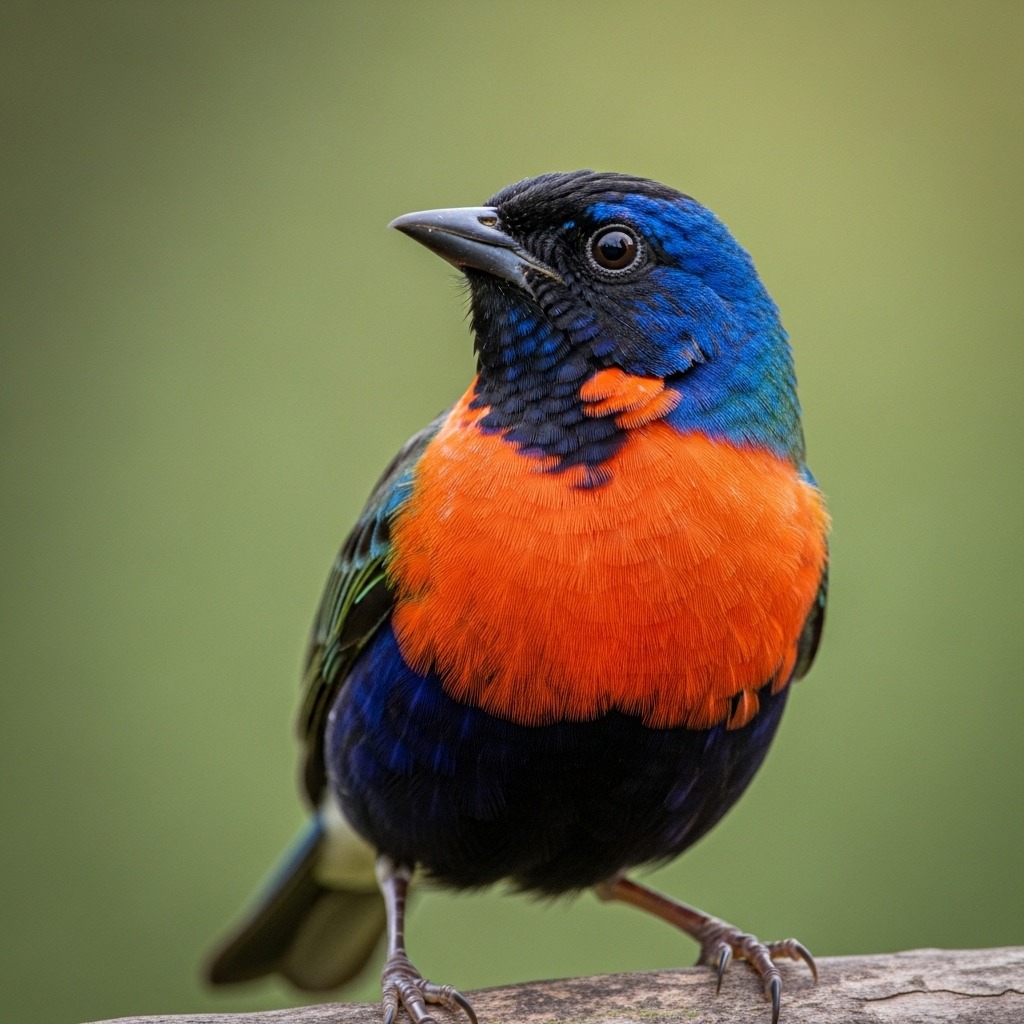
Male and Female Plumage Differences
Male and female Western Tanagers have strikingly different appearances.
- Males: They sport a vibrant yellow body with a fiery orange-red head and black wings. Their bold colors are a real showstopper during the breeding season.
- Females: In contrast, females are more subdued. They have a yellowish-green body with a pale yellow underbelly and a hint of gray on their wings. This camouflage helps them blend into their surroundings while nesting.
Seasonal Changes in Appearance
The plumage of Western Tanagers can change with the seasons.
- Breeding Season: Males flaunt their brightest colors to attract mates. This is when they are most vivid.
- Non-Breeding Season: After breeding, males may lose some brightness, looking a bit more muted as they prepare for migration.
Size and Shape Comparison with Other Birds
Western Tanagers are medium-sized songbirds.
- Length: They typically measure about 7 to 8 inches long.
- Wingspan: Their wingspan ranges from 11 to 13 inches.
- Comparison: They are often compared to other songbirds, like the American Robin, but the Tanager’s stocky build and conical bill set them apart.
| Feature | Western Tanager | American Robin |
|---|---|---|
| Length | 7-8 inches | 9-11 inches |
| Wingspan | 11-13 inches | 12-15 inches |
| Color | Bright yellow/red | Red-orange breast |
These details not only help in identification but also make spotting them a real joy. Keep an eye out for their unique colors and behaviors, especially during their courtship displays!
Courtship Behavior of Western Tanagers
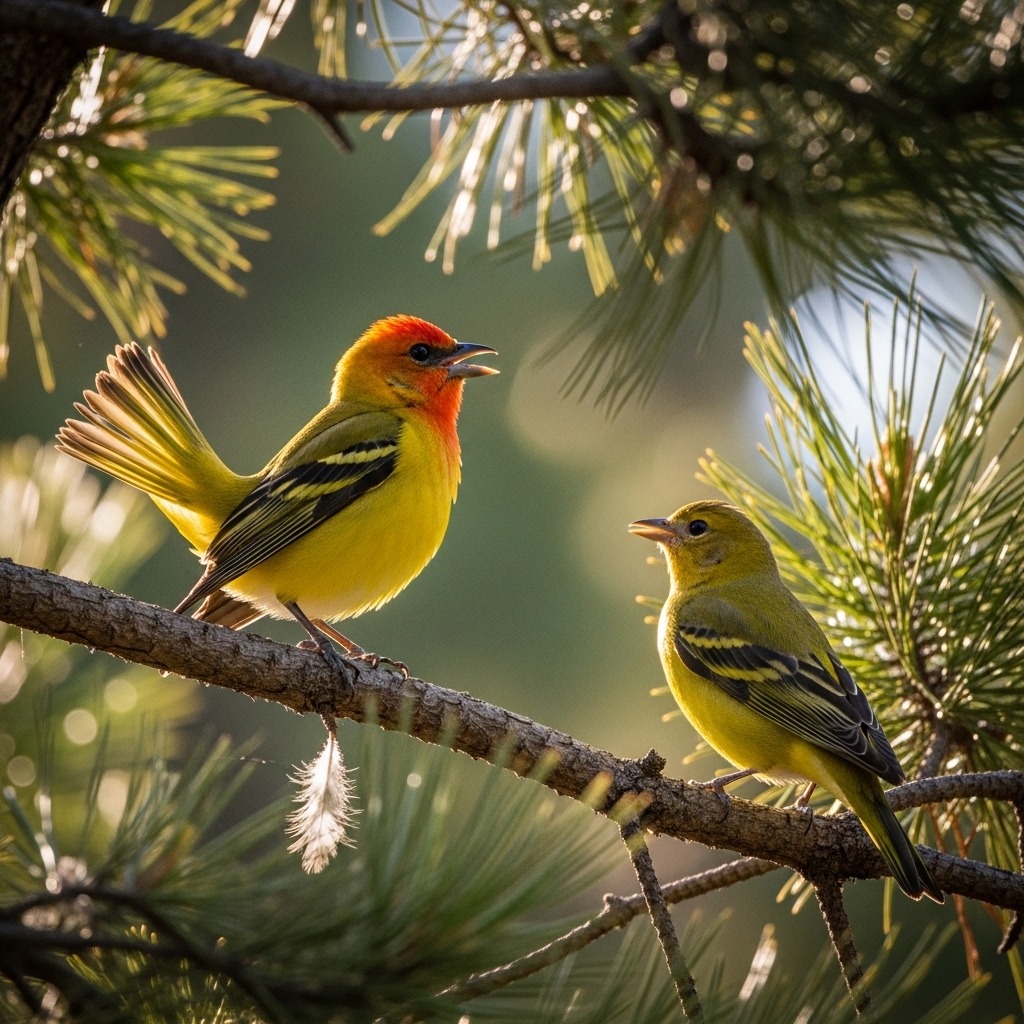
Western Tanagers are known for their vibrant colors and captivating courtship rituals. During breeding season, their behaviors become a spectacle that birdwatchers eagerly anticipate.
Male Displays and Songs
Males are the stars of the show during courtship. They flaunt their bright plumage to attract females. Their vibrant yellow and red feathers are quite the eye-catcher. Males also sing melodious tunes to showcase their fitness.
- Song Quality: A rich and varied song indicates a healthy male.
- Visual Displays: Males often perform aerial displays, fluttering and swooping to demonstrate agility.
These displays help females assess potential mates. The more impressive the show, the better the chances of winning a partner.
Female Selection Criteria
Females are choosy when it comes to selecting a mate. They look for males that exhibit strong displays and good song quality.
- Physical Condition: Bright plumage signals good health.
- Behavior: Males that are more active and bold are often preferred.
Research shows that females often prefer males that have established territories, indicating stability and resource availability.
Impact of Environmental Factors on Courtship
Courtship behavior can shift based on environmental conditions. Factors like habitat type and food availability play a role.
- Habitat Preference: Western Tanagers thrive in areas with moderate canopy cover. This allows them to perform their displays effectively.
- Food Sources: Availability of fruits and insects influences their breeding success. A rich food supply can boost male displays and overall health.
Birdwatchers often note that observing these behaviors in natural settings can reveal a lot about the tanagers’ adaptability. For instance, in areas with abundant food, males may display more frequently, increasing their chances of attracting a mate.
By understanding these behaviors, you can better appreciate the beauty and complexity of Western Tanagers during their courtship rituals!
Habitat Preferences and Distribution

Western Tanagers are fascinating songbirds that thrive in specific habitats across North America. Their unique preferences play a crucial role in their breeding and wintering behaviors. Let’s dive into where these colorful birds call home.
Breeding Habitats in North America
During the breeding season, Western Tanagers prefer forests with moderate canopy cover. This allows them to display their vibrant plumage effectively. Here are some key habitat features:
- Tree Density: They thrive in areas with 40-69% canopy cover. This density provides the perfect environment for their courtship displays.
- Forest Type: They are often found in coniferous and mixed forests. Think Douglas fir, ponderosa pine, and even some deciduous trees.
- Geographic Range: Their breeding range extends from southeastern Alaska down to northern Baja California, Mexico. They also reach into western Texas and parts of Canada.
Wintering Grounds in Central America
When winter rolls around, Western Tanagers migrate to warmer climates. Their wintering grounds include:
- Central America: They settle in countries like Costa Rica, Nicaragua, and Guatemala. This shift is crucial for their survival.
- Habitats: They favor areas with open canopies and fruit-bearing trees. This helps them find food easily during the colder months.
Effects of Habitat Loss on Populations
Unfortunately, habitat loss poses a significant threat to Western Tanagers. Here’s how it impacts them:
- Reduced Breeding Success: Loss of suitable habitats can lead to fewer breeding pairs. Without the right canopy cover, their courtship displays are less effective.
- Food Scarcity: Deforestation and urbanization affect food availability. This can hinder their survival during migration and breeding.
- Conservation Efforts: Protecting and restoring their habitats is crucial. Awareness and action can help ensure these beautiful birds continue to thrive.
Understanding where Western Tanagers live and how their habitats impact their behavior is vital for their conservation. Keep an eye out for these stunning birds in the right environments!
Diet and Feeding Habits

Western Tanagers have a diverse diet that changes with the seasons. They primarily feast on insects and fruits, adapting their feeding habits based on availability. Understanding what they eat is key to spotting these vibrant birds during migration and ensuring their health.
Insects and Fruits: A Seasonal Diet
Western Tanagers enjoy a mix of foods throughout the year. Here’s a quick breakdown:
- Insects (about 82%): They are major consumers of various insects, particularly during the breeding season. Key favorites include:
- Western spruce budworms
- Caterpillars
- Beetles
- Fruits (around 18%): In spring and summer, they indulge in a variety of fruits such as:
- Mulberries
- Cherries
- Raspberries
- Serviceberries
This seasonal shift in diet helps them meet their nutritional needs. For example, more insects are consumed when they’re nesting, while fruit becomes a staple during migration.
Foraging Techniques in Different Habitats
Western Tanagers have developed clever foraging strategies based on their surroundings. Here’s how they adapt:
- In Forests: They often search for insects among leaves and branches. Their bright colors help them blend into the foliage, making it easier to hunt.
- In Open Areas: They are more likely to forage for fruits, often spotted in berry-laden bushes or trees.
- During Migration: They may take advantage of human-provided food sources, such as bird feeders stocked with fruits or seeds.
Their ability to switch between food sources is crucial for their survival, especially during migration when food can be scarce.
Role in Seed Dispersal
Western Tanagers play an important role in their ecosystems. As they consume fruits, they also help in seed dispersal. Here’s how it works:
- Seed Dispersal: After eating fruits, they travel to new locations. The seeds pass through their digestive system and are deposited elsewhere, promoting plant growth.
- Ecosystem Balance: This natural process supports biodiversity, helping various plant species thrive.
By understanding their diet and feeding habits, birdwatchers can better appreciate the Western Tanager’s role in the environment and improve their chances of observing these beautiful birds in the wild.
Migration Patterns of Western Tanagers
Western Tanagers are known for their stunning colors and unique courtship rituals, but they also have fascinating migration patterns. These songbirds travel long distances between breeding and wintering grounds, showcasing their adaptability and resilience.
Timing of Migration
Migration for Western Tanagers typically occurs in two main phases:
- Spring Migration: They head north from their wintering grounds in Central America and Mexico between late March and early May.
- Fall Migration: They return south from their breeding territories in North America around late August to early October.
Timing can vary based on environmental factors like weather and food availability.
Migration Routes and Habitats
Western Tanagers follow specific routes during migration. They often travel through:
- Mountain Passes: These birds prefer to fly through lower elevations to avoid harsh weather.
- Forested Areas: They seek out habitats with adequate canopy cover, which provides cover and food sources during their travels.
Their migration habitats are crucial. They thrive in areas with moderate canopy, which supports their foraging behavior and offers protection.
Effects of Climate Change on Migration
Climate change is impacting the migration patterns of Western Tanagers. Warmer temperatures can alter their timing and routes. Here’s how:
- Timing Adjustments: Some studies show that birds are migrating earlier in spring due to warmer temperatures.
- Route Changes: As habitats shift, these birds may need to adapt their migration routes to find suitable environments.
Tracking technology, like GPS, has helped ornithologists study these changes. They can see how Western Tanagers adjust their behaviors in response to climate variations. This information is vital for conserving their habitats and ensuring their survival.
Conservation Status and Efforts
Western Tanagers are not currently considered endangered, but they face several challenges. Understanding their status helps us protect these vibrant songbirds and their habitats.
Current Conservation Status
The Western Tanager enjoys a stable population overall. However, certain regions may see fluctuations due to habitat loss and climate impacts. Conservationists monitor these birds closely to ensure they thrive in their natural environments.
Threats to Western Tanagers
Several factors threaten Western Tanagers:
- Habitat Loss: Urban development and deforestation reduce their natural habitats.
- Climate Change: Shifts in temperature and weather patterns affect their migration and breeding.
- Pesticides: Chemicals used in agriculture can harm their food sources and overall health.
How to Help: Community Involvement and Conservation Organizations
You can play a role in conserving Western Tanagers! Here are some easy ways to get involved:
- Support Local Organizations: Join groups focused on bird conservation. They often have initiatives aimed at protecting songbirds.
- Create Bird-Friendly Spaces: Plant native flowers and trees in your garden. This provides food and shelter for Western Tanagers.
- Participate in Citizen Science: Help track bird populations through local birdwatching events or apps. Your observations can contribute to important research.
By taking these steps, you can make a difference for Western Tanagers and help preserve their beautiful songs for generations to come!
Frequently Asked Questions
These quick answers cover the most common questions about this topic, including key details, practical tips, and common concerns.
How do I identify a Western Tanager?
Western Tanagers are easily recognizable by their vibrant plumage. Males have bright yellow bodies with fiery orange-red heads and black wings, especially during the breeding season. Females are more subdued, with yellow-green bodies and pale yellow underbellies. Look for their medium size (7-8 inches long) and distinctive coloration, especially during spring and summer.
How can I attract Western Tanagers to my garden?
To attract Western Tanagers, plant native fruiting trees like cherries, mulberries, and serviceberries. Provide a variety of shrubs and open canopy areas where they can forage and display courtship behaviors. Avoid pesticides, and consider installing bird feeders with fresh fruits or insects to supplement their diet during migration.
When is the best time to observe Western Tanagers?
The prime time to see Western Tanagers is during their migration periods in spring (late March to early May) and fall (August to October). During breeding season in summer, they are most active in forests with suitable canopy cover. Early morning and late afternoon are ideal times for birdwatching.
Are Western Tanagers endangered?
Western Tanagers are currently not listed as endangered. Their populations are generally stable, but habitat loss and climate change pose ongoing threats. Conservation efforts focus on protecting forest habitats and migratory routes to ensure their long-term survival.
What habitats do Western Tanagers prefer?
Western Tanagers favor forests with moderate canopy cover, including coniferous and mixed woodlands. They breed in areas with 40-69% canopy density and winter in open woodlands and fruit-rich habitats in Central America. They thrive in regions with abundant trees and food sources.
How can I identify male and female Western Tanagers?
Males display bright yellow bodies with fiery orange-red heads and black wings, especially during breeding. Females are more muted, with yellow-green bodies and pale yellow underparts. Behavioral cues, such as males performing aerial displays and singing, also help distinguish them.
What are the migration patterns of Western Tanagers?
Western Tanagers migrate from their breeding grounds in North America to winter in Central America. They typically travel in spring from late March to early May and return south from late August to October. They use mountain passes and forested routes during migration, adjusting timing due to climate factors.
Why are Western Tanagers important ecologically?
Western Tanagers help control insect populations by feeding on caterpillars and beetles. They also aid in seed dispersal through their fruit-eating habits, supporting plant diversity. Their presence indicates healthy forest ecosystems and biodiversity.