
Growing tomatoes can be a rewarding endeavor, but it’s not without its challenges. From pests to diseases, various issues can plague your tomato plants, hampering their growth and reducing your harvest. Fortunately, many of these problems have straightforward solutions that even novice gardeners can implement. Here are eight common tomato growing problems and easy fixes that actually work.
Table of Contents
1. Blossom End Rot

Blossom end rot is a common issue characterized by dark, sunken spots on the bottom of tomatoes. It usually results from calcium deficiency or inconsistent watering. To fix this, ensure your plants receive consistent moisture and consider adding lime to your soil to boost calcium levels. Mulching can also help retain soil moisture and prevent rapid drying.
2. Leaf Curl

Leaf curl can occur due to environmental stress, pest infestations, or diseases. To address this, first, check for pests like aphids or spider mites. If pests are present, use insecticidal soap to eliminate them. Additionally, ensure your tomatoes are not exposed to extreme temperatures or windy conditions. Providing adequate water and nutrients can also help your plants recover.
3. Yellowing Leaves

Yellowing leaves can indicate nutrient deficiencies, particularly nitrogen. To remedy this, apply a balanced fertilizer or compost to your soil. It’s also essential to check your watering routine, as both under-watering and over-watering can lead to yellowing leaves. Ensure your plants are in well-draining soil to promote healthy root growth.
4. Cracking Tomatoes

Cracking occurs when tomatoes swell rapidly after heavy rain or inconsistent watering. To prevent this, maintain a consistent watering schedule and avoid letting the soil dry out completely between waterings. Additionally, mulch can help regulate soil moisture levels, reducing the risk of cracking during growth spurts.
5. Pests Like Tomato Hornworms
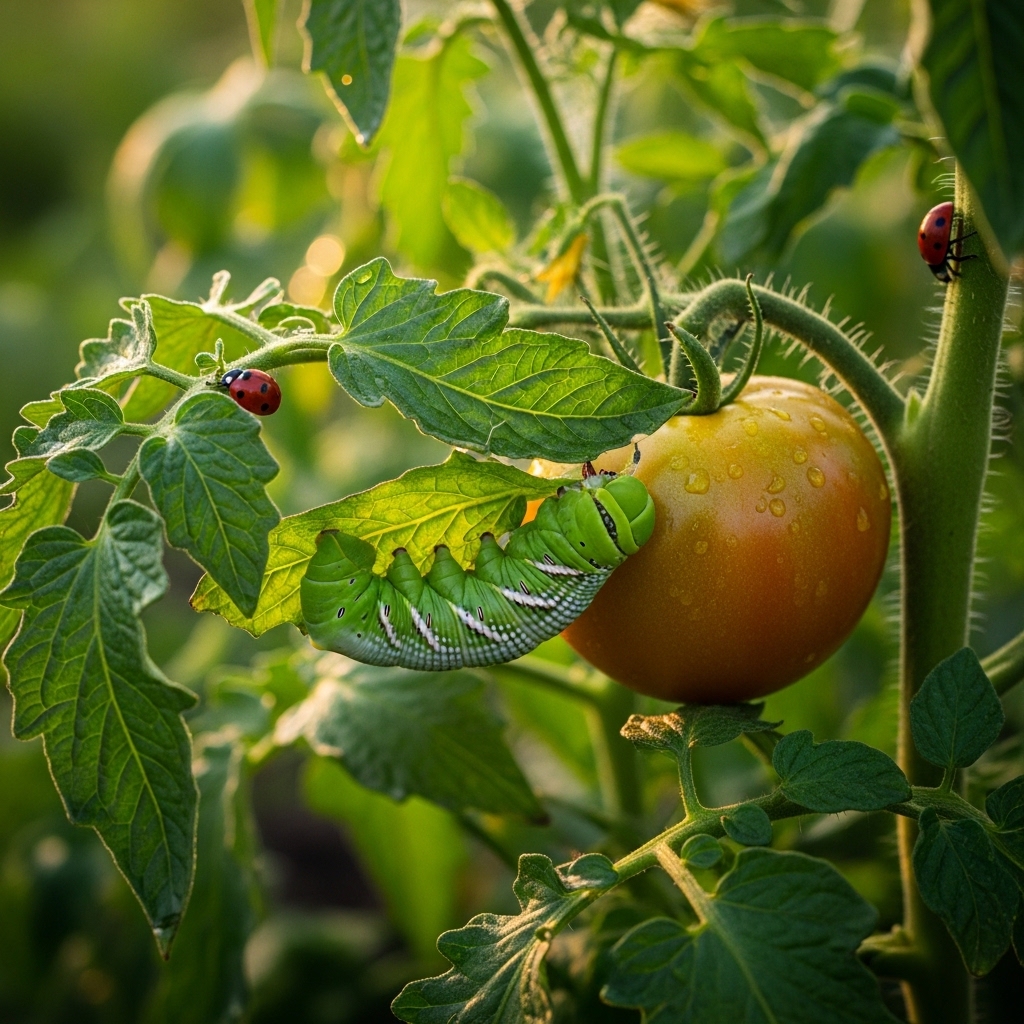
Tomato hornworms are notorious for their voracious appetite, munching through leaves and stems. To manage these pests, hand-picking is effective if you spot them early. You can also introduce beneficial insects like ladybugs or use organic insecticides. Regularly inspecting your plants will help catch infestations before they escalate.
6. Powdery Mildew

Powdery mildew manifests as a white, powdery substance on leaves and stems, caused by fungal infection. To combat this, ensure proper air circulation around your plants by spacing them adequately. Applying a mixture of water and baking soda can also help control the spread of this fungus. Be sure to water at the base of the plant to keep leaves dry.
7. Wilting Plants

Wilting can indicate both underwatering and root rot from overwatering. Check your soil moisture; if it’s too dry, water your plants deeply. Conversely, if the soil is soggy, reduce watering and improve drainage. Adding organic matter to the soil can enhance moisture retention while preventing root rot.
8. Poor Fruit Set

Poor fruit set can result from inadequate pollination or environmental stress. To improve this, ensure your plants receive full sunlight and maintain consistent watering. Gently shaking the plants can help encourage pollination. In cases of extreme heat, consider shading your plants during the hottest part of the day to protect them from stress.