
Growing tomatoes can be a rewarding experience, especially for beginner gardeners. With their vibrant colors and delicious taste, tomatoes are a favorite in many home gardens. However, to ensure a successful harvest, there are some essential tips every novice gardener should keep in mind. Here are eight crucial tomato-growing tips that will help you cultivate healthy plants and enjoy a bountiful yield.
Table of Contents
1. Choose the Right Variety
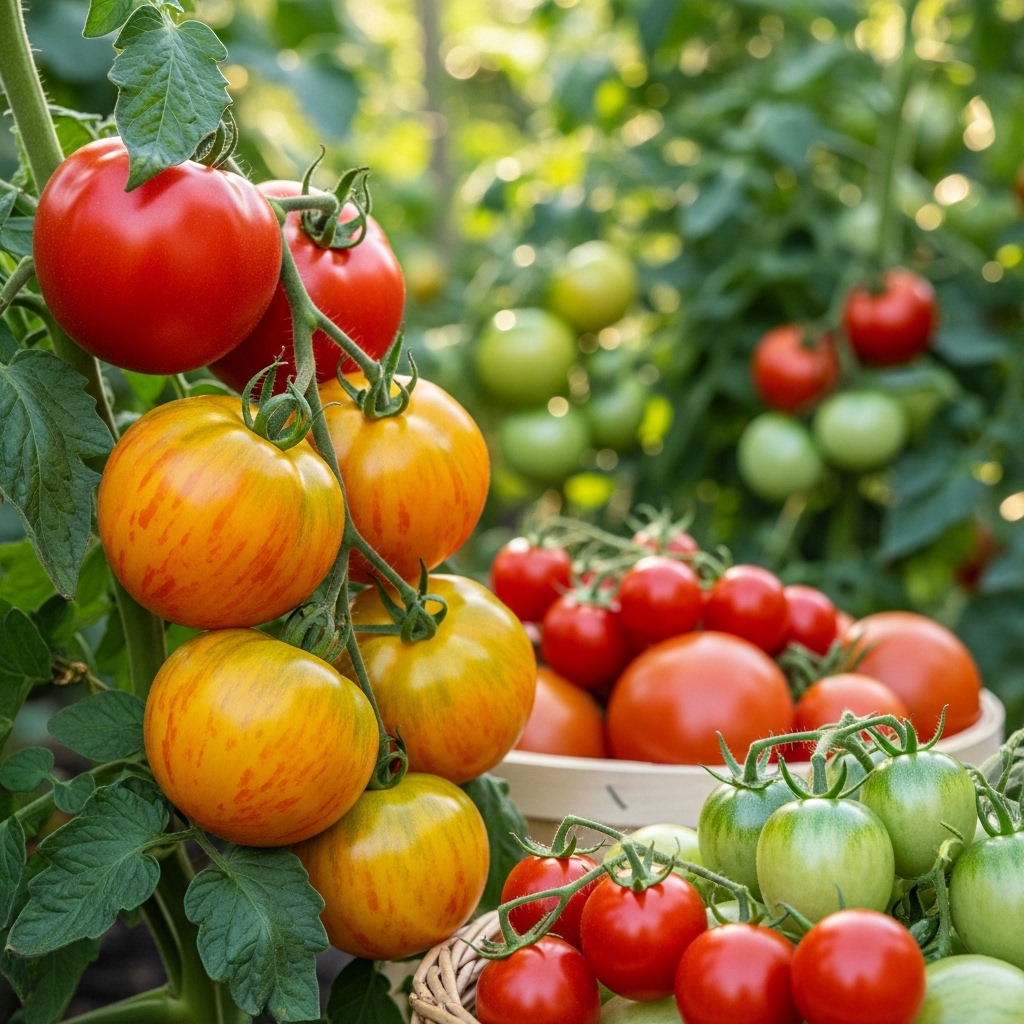
Selecting the right tomato variety is crucial for your gardening success. Consider factors such as your climate, space, and the type of tomatoes you enjoy eating. Determinate varieties are great for small spaces as they grow to a certain height, while indeterminate varieties continue to grow and produce throughout the season. Research local growing conditions to find the best match for your garden.
2. Prepare the Soil
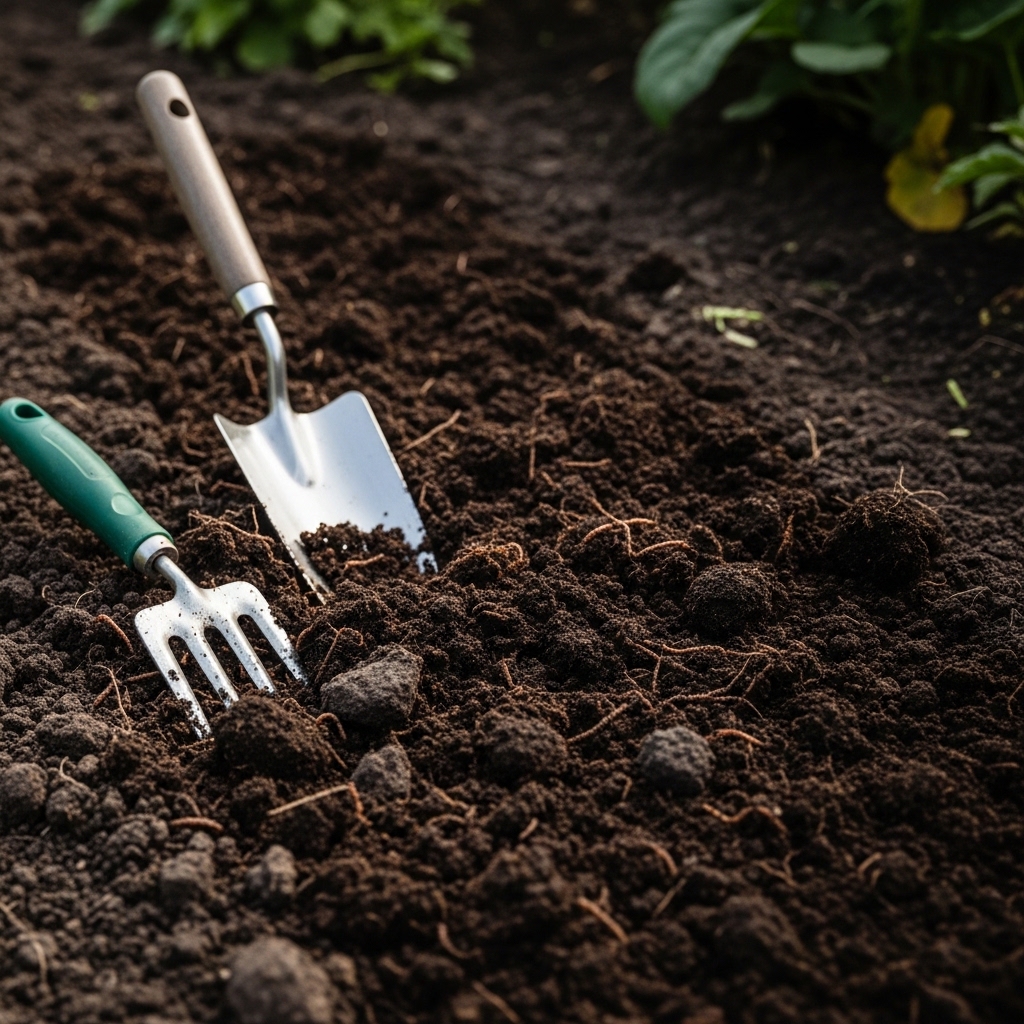
Healthy soil is the foundation of a thriving tomato garden. Before planting, enrich your soil with compost or well-rotted manure to improve its structure and nutrient content. Aim for a slightly acidic pH level around 6.0 to 6.8, which is ideal for tomatoes. Regularly testing your soil can help you adjust its composition and ensure optimal growing conditions.
3. Ensure Proper Sunlight
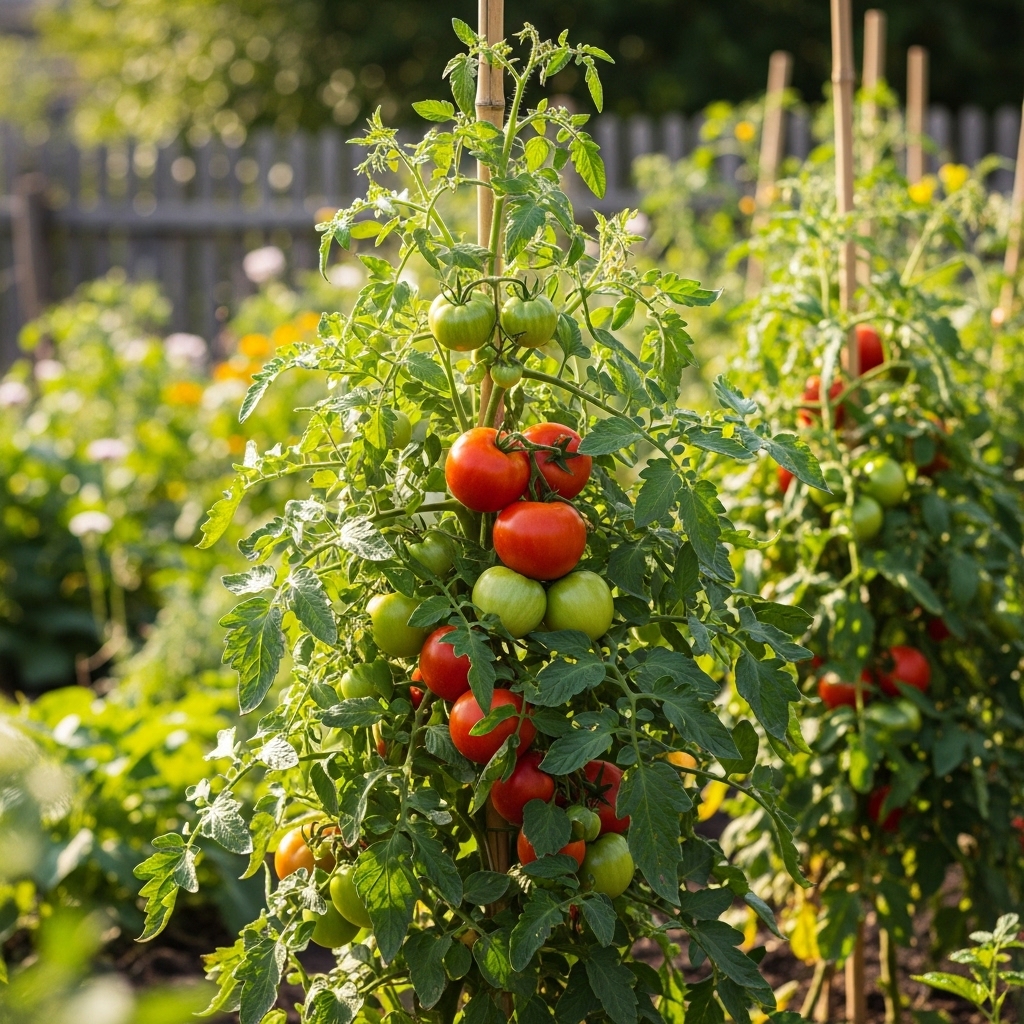
Tomatoes thrive in full sunlight, requiring at least 6 to 8 hours of direct light each day. When selecting a spot for your plants, look for an area that receives ample sunlight throughout the day. If you’re growing them indoors or in containers, positioning them near a south-facing window can help maximize light exposure for healthy growth.
4. Water Wisely
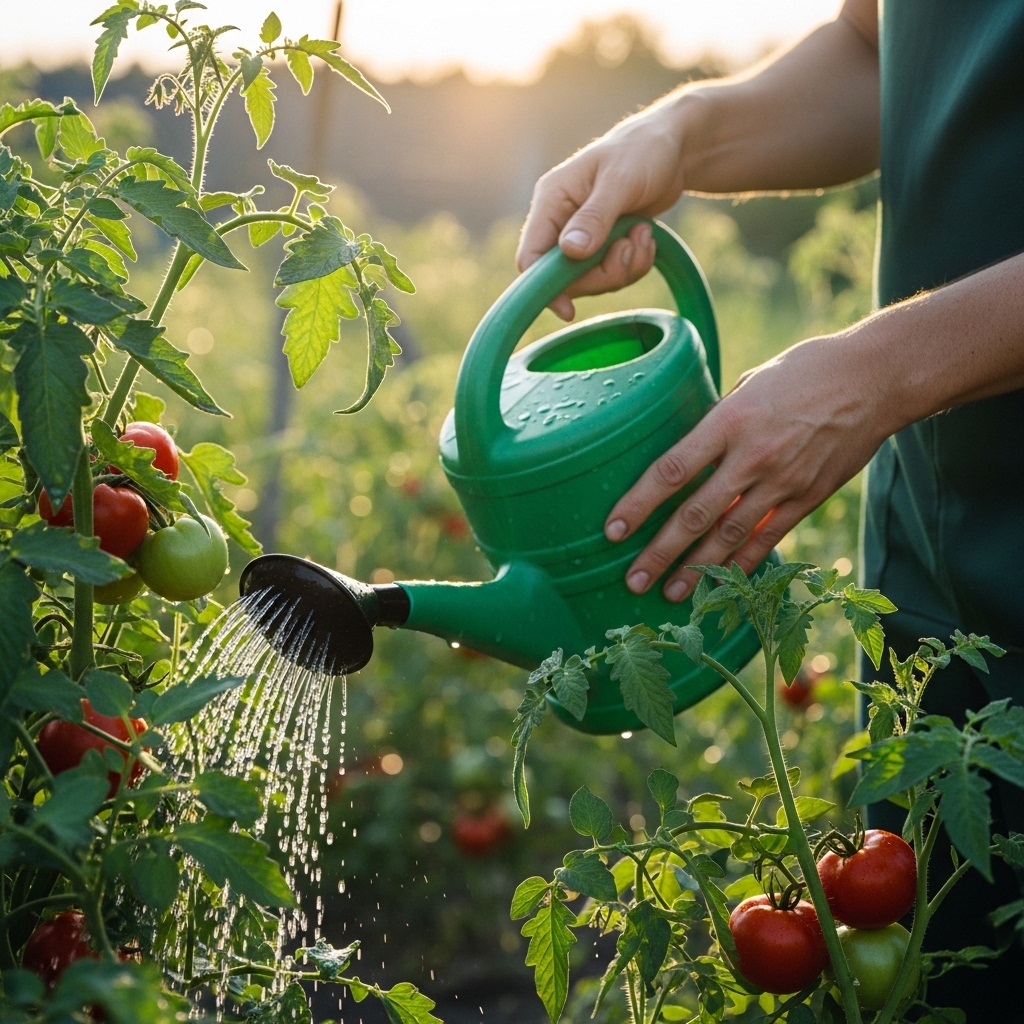
Proper watering is essential for tomato plants. Aim to keep the soil consistently moist but not waterlogged. Water deeply and infrequently to encourage deep root growth. Early morning is the best time to water, allowing plants to absorb moisture before the heat of the day. Be mindful of changes in weather, adjusting your watering schedule accordingly.
5. Support Your Plants
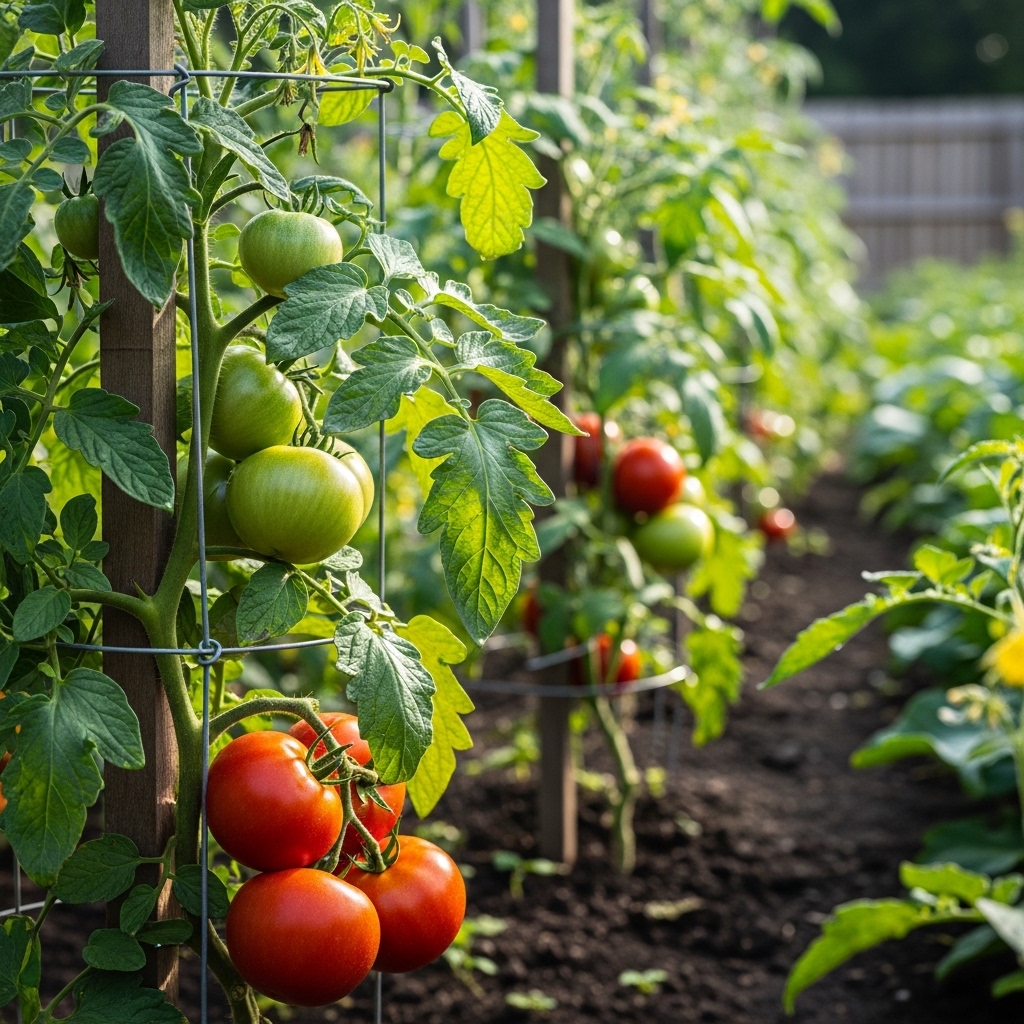
As tomato plants grow, they can become heavy with fruit, requiring support to prevent breaking. Using stakes, cages, or trellises can help keep your plants upright and healthy. Install supports early in the growing season to avoid disturbing the roots later on. This not only helps maintain plant structure but also improves air circulation and reduces disease risk.
6. Fertilize Regularly
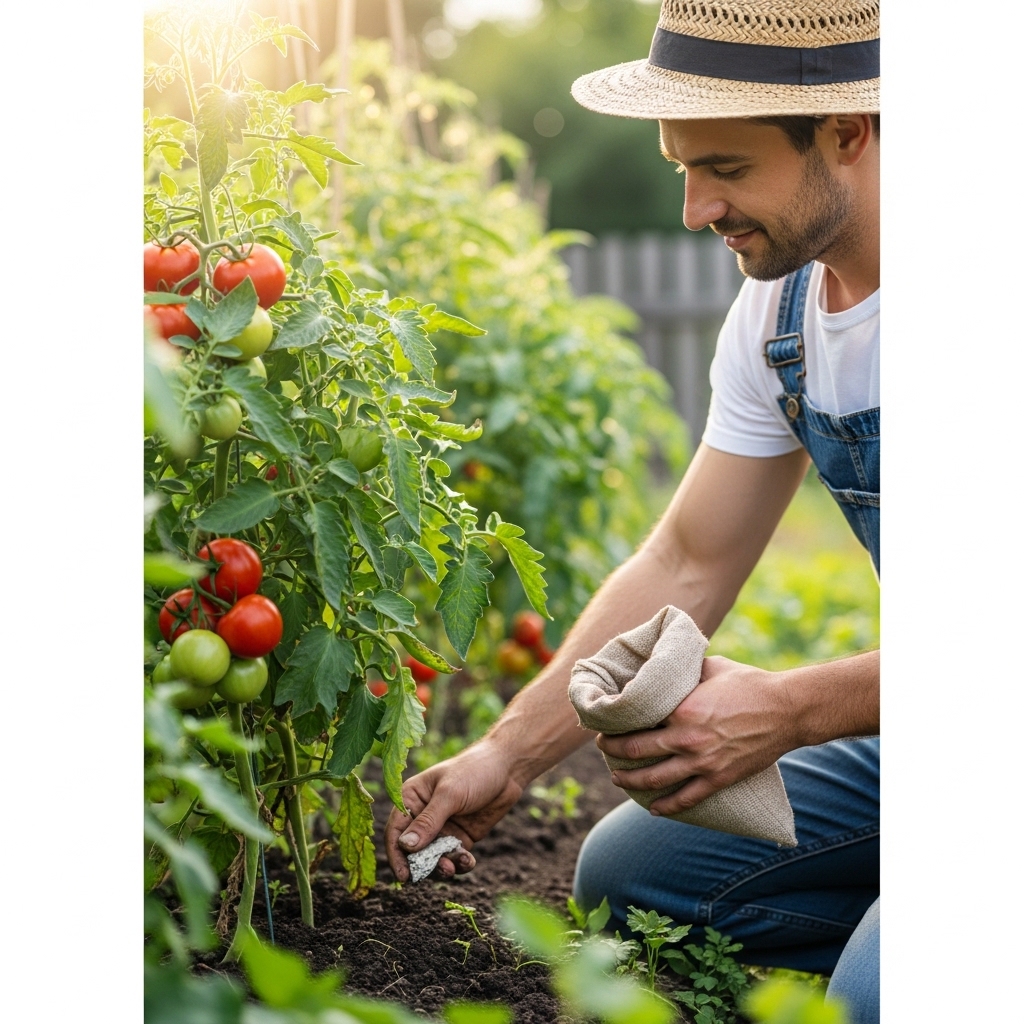
Tomatoes are heavy feeders and benefit from regular fertilization throughout the growing season. Choose a balanced fertilizer or one specifically formulated for tomatoes, following the manufacturer’s instructions. Fertilize every 4-6 weeks, especially during the flowering and fruiting stages, to ensure your plants receive the nutrients they need for robust growth and fruit production.
7. Monitor for Pests and Diseases
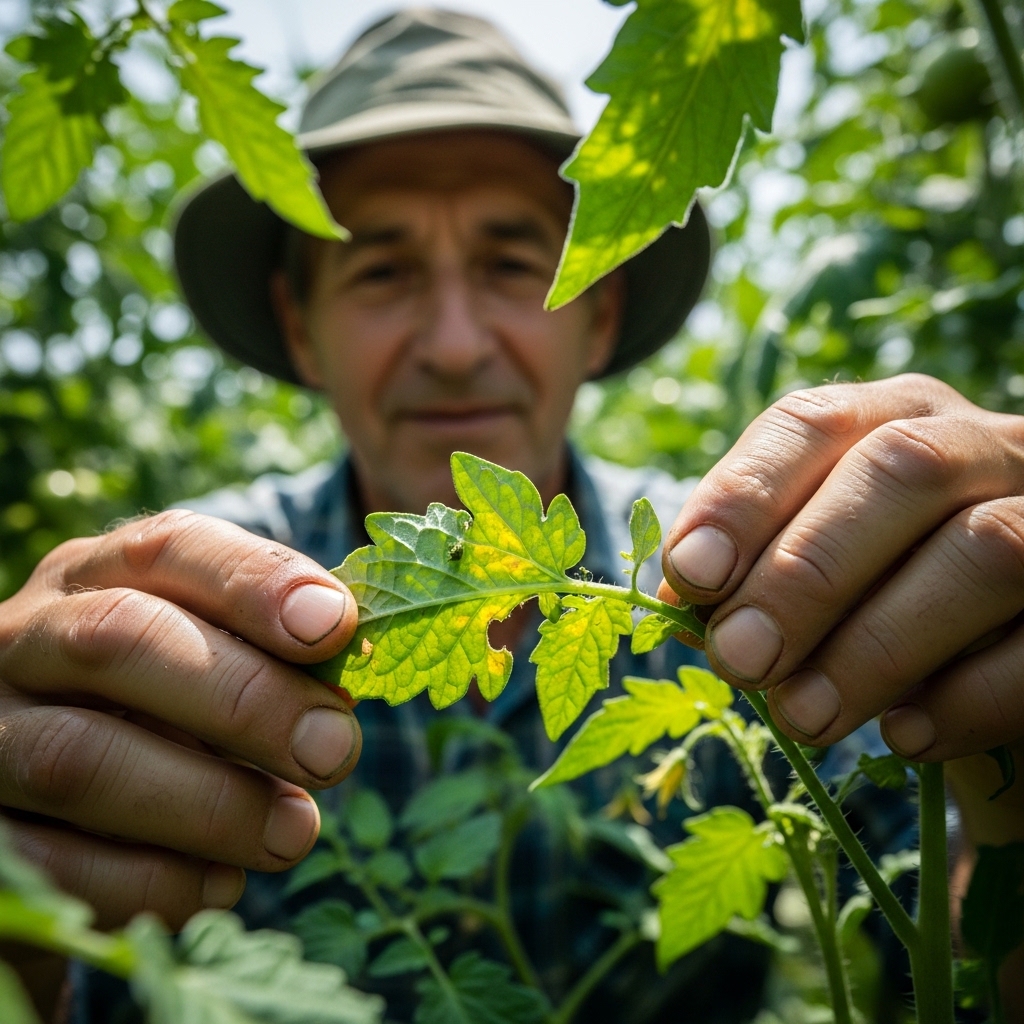
Keeping an eye on your tomato plants for pests and diseases is vital to maintaining their health. Common pests include aphids, spider mites, and hornworms. Look for signs of trouble such as discolored leaves or unusual spots. Early detection and treatment, whether through organic methods or insecticidal soap, can save your plants from significant damage.
8. Harvest at the Right Time
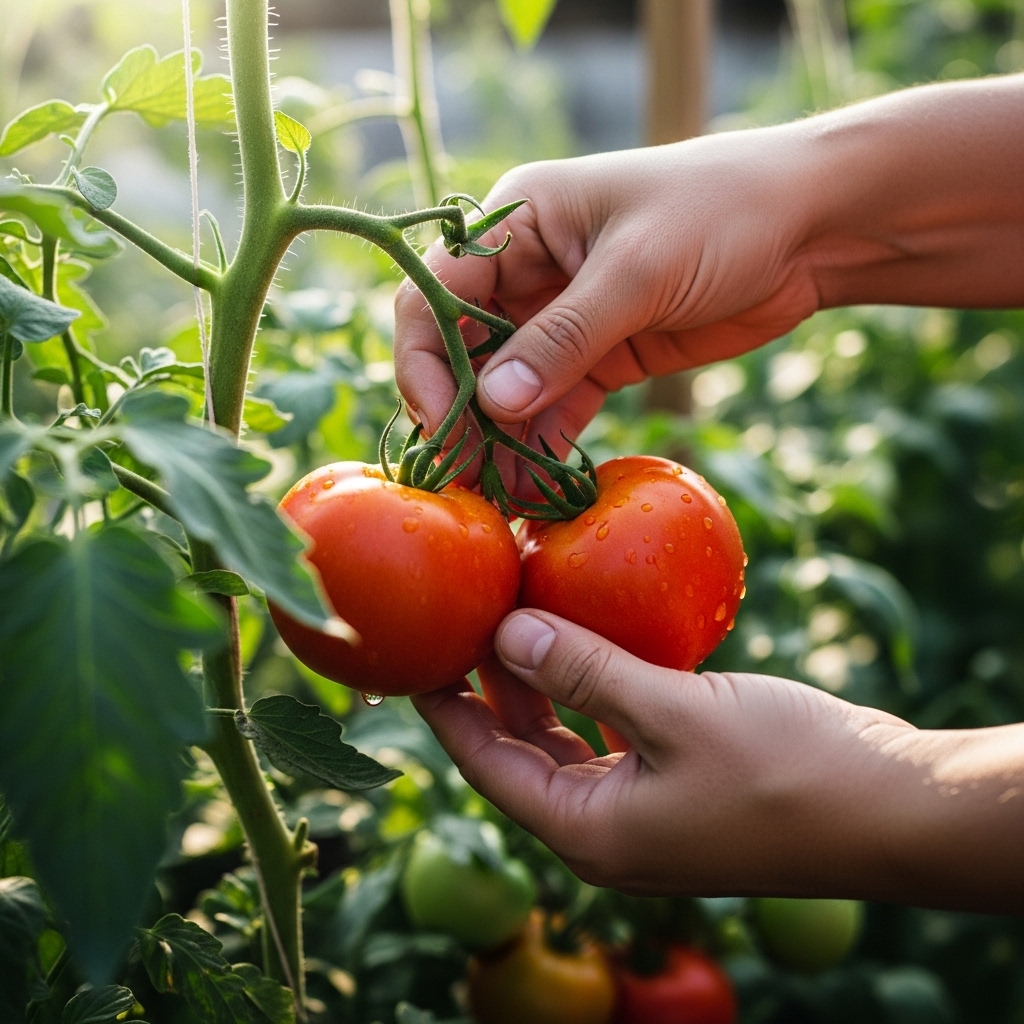
Knowing when to harvest tomatoes can significantly affect their flavor and quality. Look for tomatoes that are fully colored and slightly firm to the touch. It’s best to pick them when they are ripe but still firm, as this ensures the best taste. Regular harvesting encourages further fruit production and allows you to enjoy the fruits of your labor sooner!