
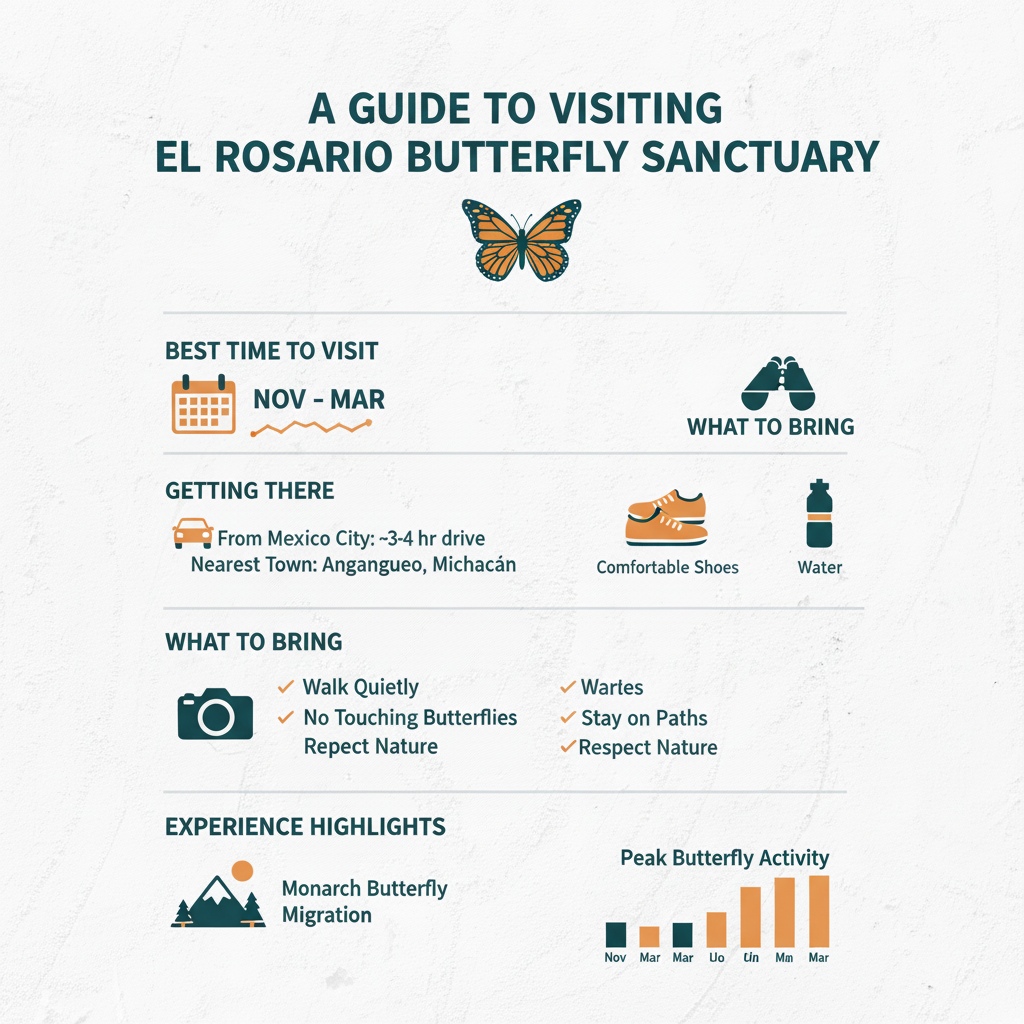
El Rosario Butterfly Sanctuary is a vital habitat for millions of Monarch butterflies during their migration. This guide provides essential information on how to visit this extraordinary sanctuary in Mexico, covering travel logistics, best times to visit, and local attractions to enhance your experience [1].
Table of Contents
Overview of El Rosario Butterfly Sanctuary
El Rosario Butterfly Sanctuary serves as a critical refuge for millions of Monarch butterflies during their migration. This sanctuary not only showcases the breathtaking spectacle of these delicate insects but also embodies ecological significance and cultural heritage.

Why is El Rosario Important for Monarch Butterflies?
El Rosario is a pivotal site in the Monarch Butterfly Biosphere Reserve, where an estimated 60 million Monarchs gather annually. This migration spans over 3,000 miles from North America to central Mexico, making it one of nature’s most remarkable phenomena. In fact, the sanctuary provides essential overwintering habitats that are crucial for the survival of these butterflies, as they rely on specific microclimates to endure the cold months [1].
The Ecological Impact of the Sanctuary
The ecological importance of El Rosario extends beyond Monarch butterflies. The sanctuary contributes to biodiversity and supports various flora and fauna. It serves as a living laboratory for studying migration patterns and the impacts of climate change on migratory species. Ecotourism practices here promote conservation and educate visitors about the ecological challenges facing Monarchs, including habitat loss and climate variability [2].
Historical Context of El Rosario
El Rosario has a rich historical context intertwined with local culture. It has been recognized as a protected area since the late 20th century, emphasizing the need for conservation efforts. The sanctuary also plays a role in local traditions, where communities celebrate the arrival of the Monarchs, symbolizing transformation and renewal. This cultural significance adds depth to the visitor experience, connecting nature with human stories [3].
By understanding the importance of El Rosario Butterfly Sanctuary, visitors can appreciate not only the beauty of the Monarch butterflies but also the vital role this environment plays in their survival and the ecological balance of the region.
When is the Best Time to Visit El Rosario?
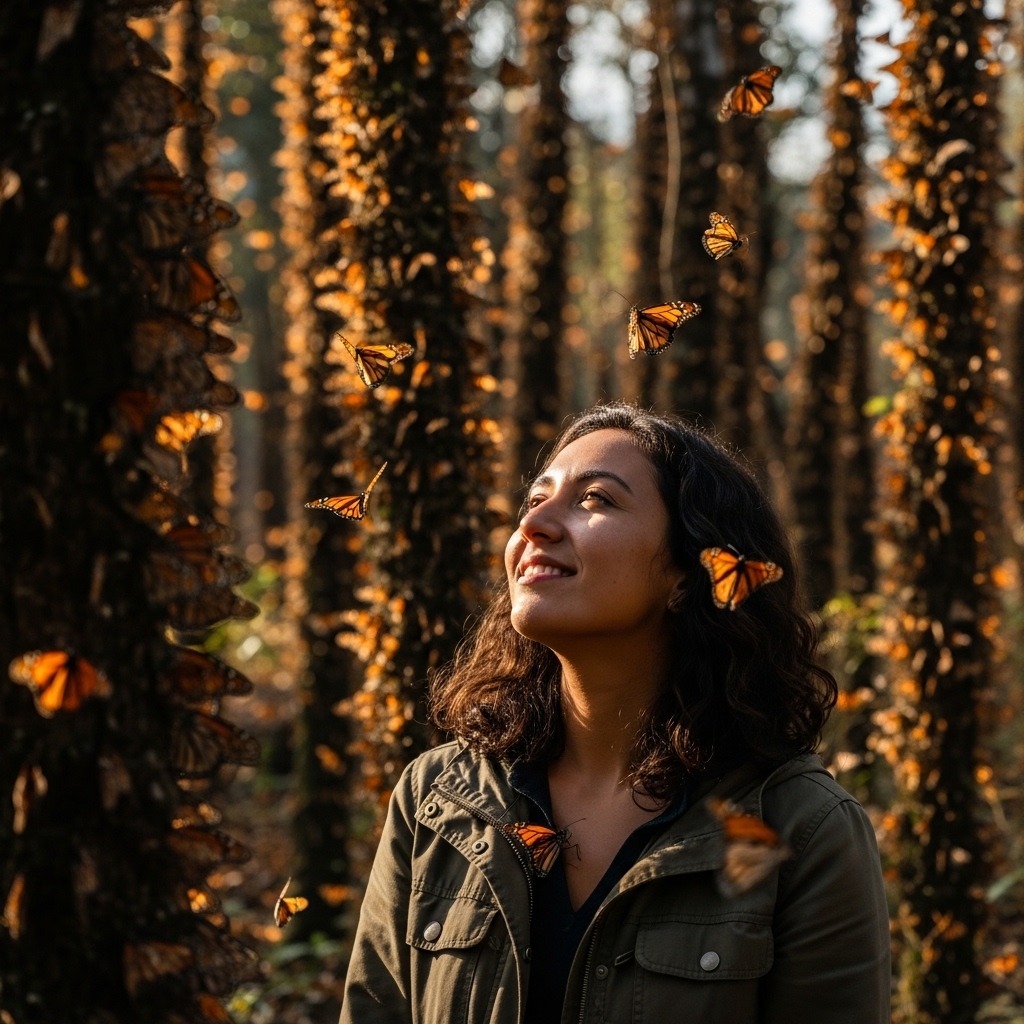
Timing your visit to the El Rosario Butterfly Sanctuary is crucial for witnessing the breathtaking spectacle of Monarch butterflies. Understanding the seasonal changes and optimal conditions will enhance your experience.
Seasonal Changes and Butterfly Activity
The Monarch migration to El Rosario peaks during specific months. Here’s a breakdown:
- December: Monarchs begin to arrive. They cluster in trees, but activity is low.
- January: The sanctuary buzzes with life as temperatures rise. Expect thousands of butterflies resting and fluttering about.
- February: This is the apex of your visit. The sanctuary teems with butterflies. Warm, sunny days encourage their activity, making it the most popular month for tourists.
- Early March: While still a good time to visit, many butterflies start their journey back north. You may see fewer, but the sight of them on the roads leading to the sanctuary is stunning.
In summary, late January through February is ideal for the fullest experience of butterfly activity and outdoor warmth, aligning your visit with their peak population period [4].
What to Expect During Your Visit
When visiting El Rosario, anticipate a blend of natural beauty and ecological significance. Here’s what you can expect:
- Hiking Trails: Several well-marked trails lead you through the sanctuary. Some paths are steep, so wear appropriate footwear.
- Guided Tours: Local guides can provide insights into the ecological importance of Monarchs and the sanctuary’s conservation efforts. Engaging with them enriches your visit.
- Cultural Significance: Monarchs are celebrated in Mexican culture, symbolizing the cycle of life. Understanding this context adds depth to your experience.
Dressing in layers is advisable. The sanctuary is at a high elevation, which can lead to sudden temperature shifts. Always carry water and snacks, as amenities may be limited [5].
How to Get to El Rosario from Major Cities
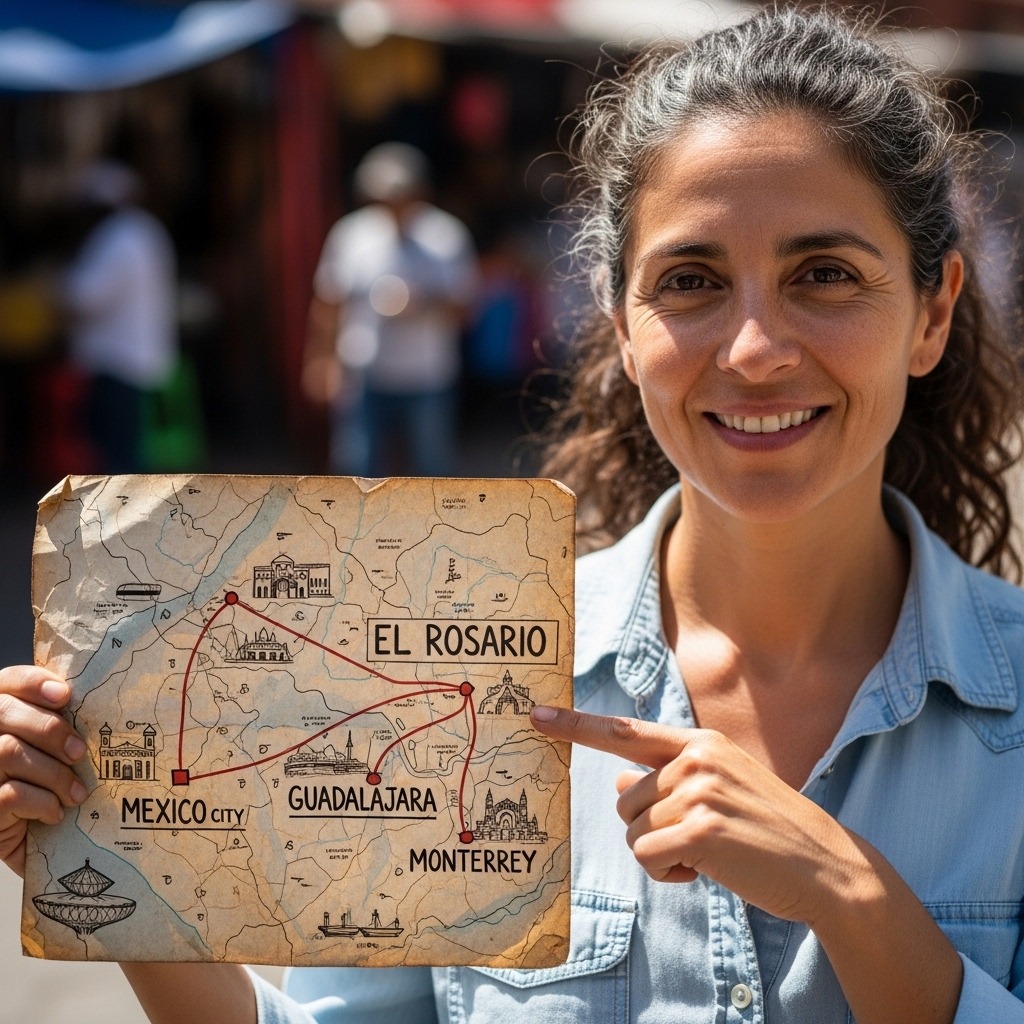
Visiting the El Rosario Butterfly Sanctuary requires a bit of planning, especially regarding transportation. This guide outlines your best options from Mexico City and other nearby locations, focusing on convenience and cost-effectiveness.
Traveling from Mexico City: Best Routes and Options
The journey to El Rosario from Mexico City can be accomplished through multiple routes. Here’s a breakdown of the most effective methods:
| Transportation Method | Cost (Approx.) | Travel Time | Pros | Cons |
|---|---|---|---|---|
| Rental Car | $40-$70 per day | 3 hours | Flexible schedule, direct route | Navigating Mexico City can be challenging |
| Bus to Angangueo | 275 pesos ($13.50) | 3 hours | Affordable, reliable service | Transfer to taxi or colectivo needed |
| Taxi/Colectivo from Angangueo | 200-300 pesos ($10-$15) | 30 minutes | Direct to sanctuary | Colectivos may wait until full |
| Guided Tour | $550 for 2 | 5-6 hours (total) | All-inclusive, knowledgeable guide | Higher cost, less flexibility |
Renting a car offers the most flexibility for those who prefer to explore at their own pace. For rentals, consider options available at Mexico City International Airport [7]. However, if you opt for public transportation, buses depart from the Poniente bus station four times daily, making this a reliable option for budget-conscious travelers [6].
Local Transportation: Buses, Taxis, and More
Upon reaching Angangueo, your options for getting to the sanctuary include taxis and colectivos. Here’s a closer look:
- Taxis: Easily found in Angangueo, they provide direct transport to the sanctuary. It’s advisable to negotiate the return fare upfront, as returning can be tricky due to the sanctuary’s remote location.
- Colectivos: These shared vans are cheaper but less reliable. They only depart when full, so early arrival (around 8 AM) is crucial if you choose this option.
When planning your visit, consider the ecological impact of tourism on this unique environment. The sanctuary is a fragile ecosystem, and responsible travel practices help preserve it for future generations.
Local Accommodations Near El Rosario
Finding the right place to stay enhances your experience at the El Rosario Butterfly Sanctuary. Angangueo offers several eco-friendly accommodations that support sustainable tourism while providing comfort and convenience for visitors.
Recommended Hotels and Hostels
- Alojamiento Ecologico Angangueo: This eco-friendly hotel prioritizes sustainability with natural materials and energy-efficient practices. Located close to the sanctuary, it offers a serene environment for nature lovers [9].
- Hotel Don Gabriel: Situated in Angangueo, this hotel combines local charm with modern amenities. Guests appreciate its proximity to dining options and the vibrant town square.
- Chrysalis House: An innovative geodesic dome located in Aporo, just a short drive from Angangueo. This unique accommodation provides an immersive natural experience while minimizing environmental impact.
Dining Options to Enhance Your Visit
When visiting El Rosario, local dining adds flavor to your trip. Here are some options that focus on fresh, regional ingredients:
- La Casa de la Abuela: Located in Angangueo, this quaint restaurant offers traditional Mexican dishes, emphasizing local produce.
- El Rincón del Sabor: Known for its warm atmosphere and delicious vegetarian options, this eatery supports local farmers by sourcing ingredients sustainably.
- Cafetería El Santuario: Just outside the sanctuary, this café serves quick bites and beverages, making it a perfect stop before or after your visit.
By choosing eco-friendly accommodations and dining options, you not only enhance your experience but also contribute to the preservation of the delicate ecosystem surrounding the El Rosario Butterfly Sanctuary.
Visitor Experience: What to Expect at the Sanctuary
The El Rosario Butterfly Sanctuary offers a unique visitor experience centered around the mesmerizing Monarch butterflies and the stunning natural landscape. Engaging in hiking and guided tours enhances your understanding of this ecological treasure.
Hiking to the Butterfly Colonies
Hiking is one of the most rewarding activities at El Rosario. Trails wind through lush forests, leading you to butterfly colonies where millions of Monarchs congregate. Here’s what to expect:
- Trail Options: Various trails vary in difficulty. The main trail is well-marked and accessible for most visitors. More challenging paths lead to higher viewpoints offering breathtaking vistas.
- Trail Length: The primary trails range from 1 to 3 kilometers. A typical hike takes 1-2 hours, depending on your pace and how long you pause to observe the butterflies.
- Scenic Views: Along the trails, you’ll encounter diverse flora and fauna, creating an immersive experience. Expect to see vibrant wildflowers and towering pines.
Personal anecdotes from previous visitors emphasize the tranquility of the hike. One visitor noted, “The moment I stepped onto the trail, the sound of rustling leaves and distant butterfly wings made me feel at peace.” This connection with nature is invaluable.
Joining Guided Tours and Local Guides
Guided tours offer an enriched experience at the sanctuary. Local guides bring a wealth of knowledge about the Monarch butterflies and their habitat.
- Availability: Several tour options are available, catering to different interests. Most tours include transportation from nearby towns like Angangueo or even Mexico City, making logistics easier.
- Expertise: Local guides are passionate and knowledgeable. They explain the lifecycle of the Monarchs and the conservation efforts in place.
- Ecotourism Impact: Engaging a guide not only enhances your understanding but also supports local economies. As one guide shared, “Every tip you give helps protect the butterflies’ habitat.”
Tours typically last 2-3 hours, allowing ample time for exploration and questions. Many visitors report that guided tours provide insights they wouldn’t have gained on their own.
Supporting Ecotourism and Conservation Efforts
Sustainable tourism is crucial when visiting the El Rosario Butterfly Sanctuary. Visitors can play an active role in conservation efforts that protect the delicate ecosystem and the Monarch butterflies’ habitat.
How Can Visitors Support Conservation?
1. Choose Eco-Friendly Tours: Opt for local guides who prioritize sustainable practices. These guides not only enhance your experience but also ensure that your visit contributes to the local economy. Every dollar spent with a local operator supports conservation initiatives.
2. Follow Leave No Trace Principles: Respect the sanctuary’s natural environment. Stay on designated trails to minimize your impact on the habitat. Avoid littering and dispose of waste properly to protect the butterflies and their ecosystem.
3. Participate in Conservation Programs: Some tours offer opportunities to get involved in local conservation projects during your visit. Engaging in these programs can provide insight into the ecological impact of tourism while actively contributing to the sanctuary’s preservation.
Visitor Contribution Impact
The financial support from visitors is vital. According to studies, national park visitor spending significantly contributes to conservation efforts. The El Rosario Butterfly Sanctuary benefits similarly from the entrance fees and local purchases made by tourists. This funding enables ongoing habitat preservation and educational programs, enhancing the sanctuary’s long-term viability [16].
Cultural Significance of Monarch Butterflies
Understanding the cultural importance of the Monarch butterflies enriches the visitor experience. These butterflies are more than just a natural wonder; they symbolize resilience and the interconnectedness of ecosystems. By supporting ecotourism, visitors directly contribute to initiatives that educate the public on these vital insects and their migration patterns, fostering a deeper appreciation for their conservation.
In summary, responsible tourism at the El Rosario Butterfly Sanctuary not only enhances your visit but also ensures the survival of these magnificent creatures. Embracing sustainable practices and supporting local economies are critical steps every visitor can take to make a positive impact.
Frequently Asked Questions
These quick answers cover the most common questions about this topic, including key details, practical tips, and common concerns.
How do I get to El Rosario Butterfly Sanctuary?
You can reach El Rosario by renting a car from Mexico City, which takes about 3 hours. Alternatively, take a bus from Mexico City’s Poniente station to Angangueo, then hire a taxi or colectivo to the sanctuary. Guided tours from Mexico City are also available, including transportation and expert guides.
How to plan a visit to El Rosario?
Plan your trip during peak butterfly season, from late January to February, for the best experience. Dress in layers, wear comfortable hiking shoes, and carry water. Book guided tours in advance if you want expert insights, and choose eco-friendly accommodations nearby to support conservation efforts.
Why visit El Rosario Butterfly Sanctuary?
El Rosario offers a rare opportunity to witness millions of Monarch butterflies in their natural habitat, a spectacular sight that highlights ecological importance and natural wonder. Visiting also supports local communities and conservation programs dedicated to protecting these butterflies and their environment.
When is the best time to see Monarch butterflies at El Rosario?
The peak time is from late January to February, when the butterflies are most active and abundant. During this period, the microclimate and temperatures encourage the butterflies to cluster and flutter, creating a breathtaking spectacle.
Are there guided tours available and how do I book them?
Yes, guided tours are available from local operators and include transportation, expert guides, and sometimes accommodation. You can book these tours online or through local agencies in Angangueo or Mexico City. They often include ecological explanations and support local conservation efforts.
What should I wear when visiting El Rosario?
Wear comfortable, layered clothing suitable for high-altitude conditions. Sturdy hiking shoes are recommended due to uneven trails. Bring a hat, sunglasses, sunscreen, and a rain jacket or poncho, as weather can change quickly.
Can I take photos of the butterflies?
Yes, photography is allowed and encouraged. However, avoid using flash directly on the butterflies to prevent disturbing them. Respect the natural environment and stay on designated trails to minimize habitat disturbance.
What are common issues with transportation when visiting El Rosario?
Transportation options can be limited, especially during peak seasons. Colectivos may wait until full, and taxis should be negotiated beforehand. Weather or road conditions can also affect travel plans, so plan accordingly and consider guided tours for convenience.
References
1. Spectacular Monarch Migration – McGuire Center
2. National Marine Sanctuaries
3. An Analysis of Historical and Legal Sanctuary and …
4. Visual System of Butterflies Changes With Seasons
5. Monarch Butterfly Migration and Overwintering
6. Metro El Rosario – Mexico City
7. Mexico City International Airport (MEX) Car Rental
8. Driving Time from Mexico City, Mexico to El Rosario, Mexico
9. Alojamiento Ecologico Angangueo Hotel (La Mesa)
10. THE BEST Hotels in El Rosario, Mexico 2026
11. alternative-coastal-tourism-in-mexico. …
12. Best hikes and trails in El Rosario
13. Solicitar turno para visita guiada por el Palacio Municipal
15. Sustainable Travel: Explore Eco-Friendly Tourism Options
16. National Park Visitor Spending Contributed $56 Billion to …
17. About Conservation Efforts Database