
Coniferous forests are home to diverse wildlife, including mammals, birds, and insects uniquely adapted to thrive in these ecosystems. This complete guide explores 16 key species and their ecological roles, adaptations, and conservation challenges.
Table of Contents
Understanding Coniferous Forests: An Overview
Coniferous forests are fascinating ecosystems dominated by cone-bearing trees like pines, spruces, and firs. These forests play a crucial role in our planet’s biodiversity and are found across various regions worldwide.
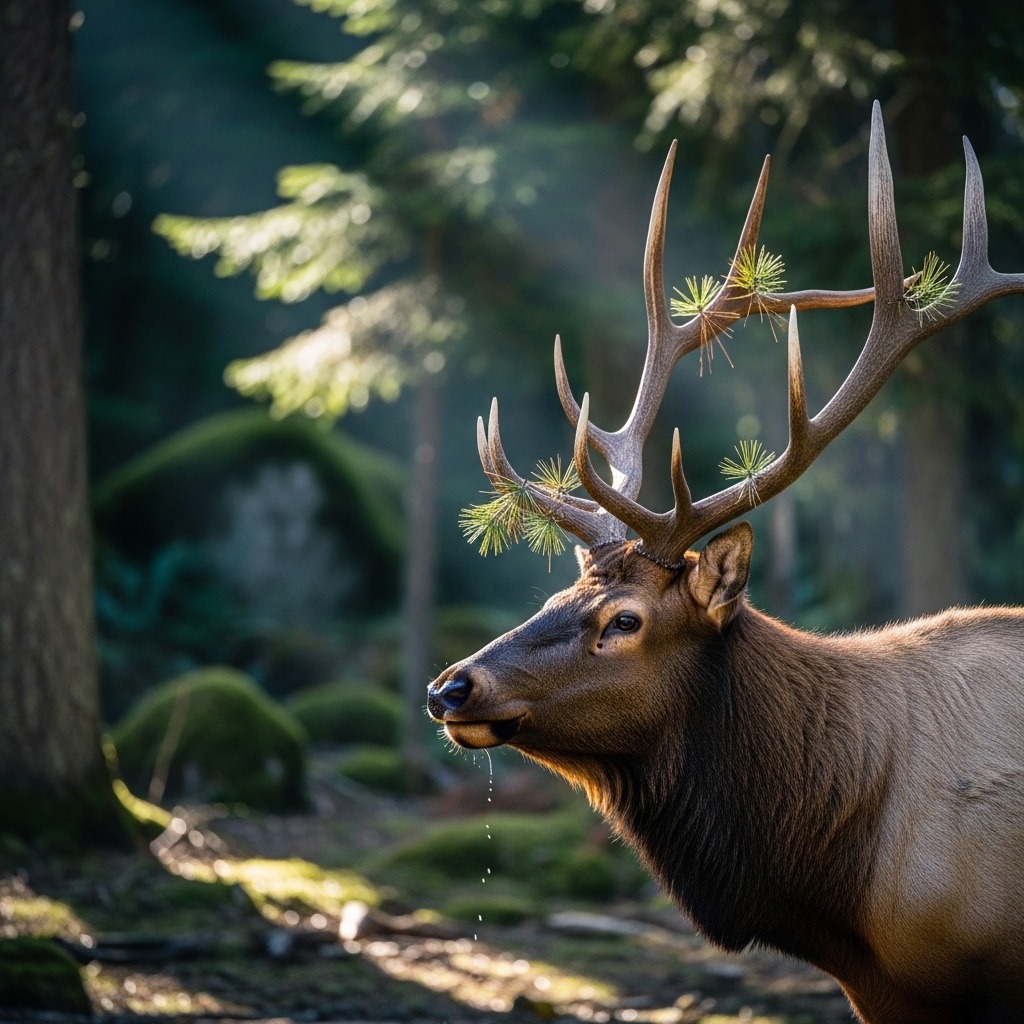
Global Distribution of Coniferous Forests
Coniferous forests thrive in cold and temperate regions. Here’s where you can typically find them:
- Northern Hemisphere: Canada, Russia, and Scandinavia.
- Higher Elevations: Mountain ranges like the Rockies and the Andes.
- Temperate Zones: Parts of the United States, Europe, and Asia.
These forests can adapt to harsh climates. They withstand long winters and short growing seasons, creating a unique habitat for diverse wildlife.
Ecological Importance of Coniferous Forests
Coniferous forests are more than just tree-filled landscapes. They are vital for many reasons:
- Biodiversity: They house various species, including mammals, birds, insects, and fungi. Each species plays a unique role in the ecosystem.
- Carbon Storage: These forests act as carbon sinks, absorbing CO2 and helping mitigate climate change.
- Water Cycle Regulation: They play a role in maintaining the water cycle, influencing local weather patterns.
- Soil Health: The needle-like leaves of conifers decompose slowly, enriching the soil and supporting plant life.
Unique Features of Coniferous Forests
Coniferous forests have distinct characteristics that set them apart from deciduous forests:
- Tree Types: Dominated by coniferous trees, which have needle-like leaves, unlike broadleaf trees found in deciduous forests.
- Adaptations: Conifers are adapted to survive in cold climates, featuring thick bark and conical shapes to shed snow efficiently.
- Seasonal Changes: While deciduous trees lose leaves in winter, conifers retain their needles year-round, allowing them to photosynthesize even in colder months.
By understanding these features, we can appreciate the role of coniferous forests in supporting wildlife and maintaining ecological balance.
Key Characteristics of Coniferous Forest Animals
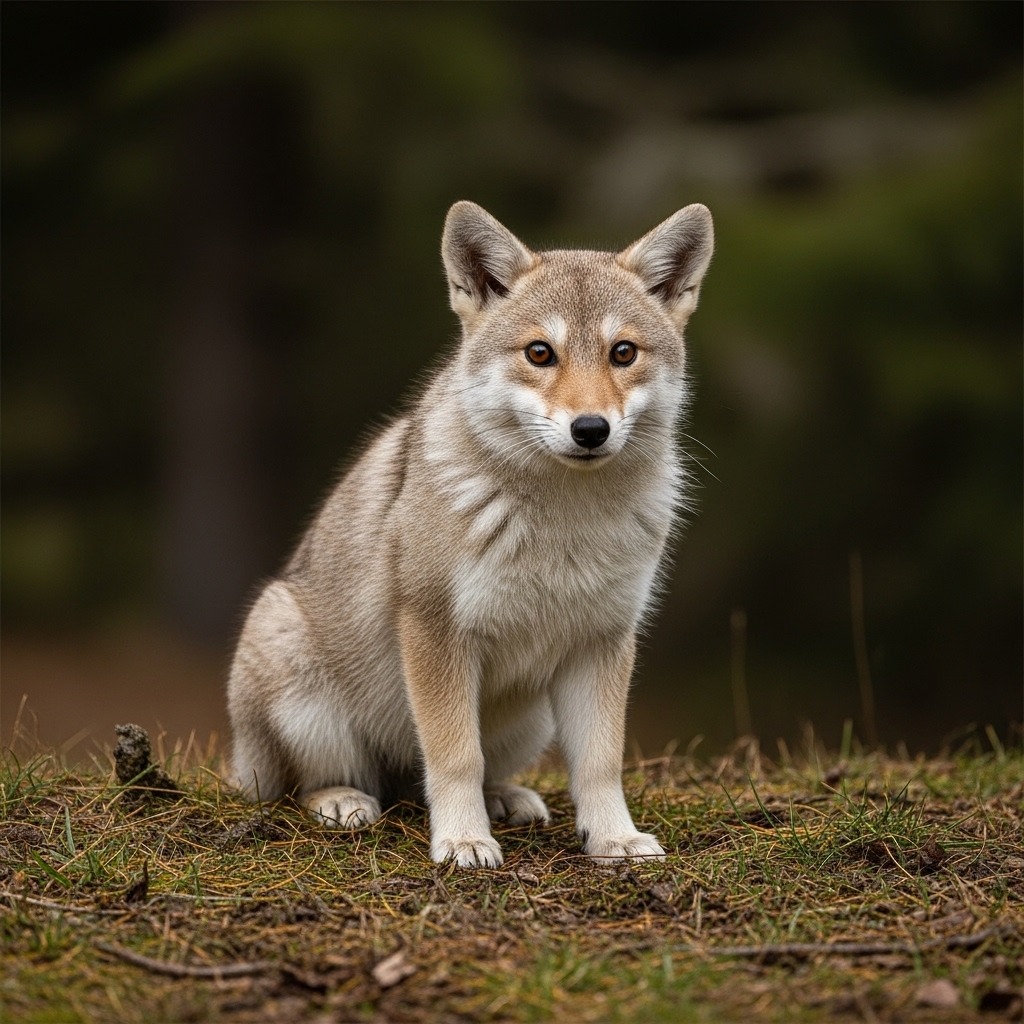
Coniferous forest animals have developed unique adaptations to thrive in their chilly, evergreen homes. These adaptations help them survive the harsh climates and fluctuating food sources typical of these ecosystems.
Adaptations for Cold Weather
Animals in coniferous forests face long, cold winters. To cope, they have evolved several key adaptations:
- Insulation: Many species, like the snowshoe hare and red fox, grow thick fur coats. This keeps them warm in freezing temperatures.
- Fat Reserves: Bears and other mammals build up fat layers before winter. This stored energy helps them survive during hibernation.
- Camouflage: Animals like the lynx have fur that changes color with the seasons. In winter, their coats turn white, blending in with the snow.
Seasonal Behavior Patterns
Wildlife in coniferous forests exhibits distinct seasonal behaviors to adapt to changing conditions:
- Hibernation: Species like bears enter a state of dormancy during winter. This helps them conserve energy when food is scarce.
- Migration: Some birds, such as the crossbill, migrate to find food. They leave the forest during harsh winters and return when conditions improve.
- Foraging Strategies: Animals like squirrels cache food in the fall. They hide nuts and seeds to ensure a food supply during winter months.
Habitat Utilization
Coniferous forests offer unique habitats that support various wildlife species:
- Nesting Sites: Birds, like owls and woodpeckers, nest in tree cavities, providing safety from predators.
- Shelter from Elements: Many animals use dense foliage for protection against snow and wind. This also helps them stay hidden from predators.
- Food Sources: Conifer trees produce seeds, which are a food staple for many forest animals, including chipmunks and birds.
These adaptations and behaviors illustrate how coniferous forest animals have evolved to thrive in their unique environment. Understanding these traits helps us appreciate the balance within these ecosystems.
The 16 Most Notable Animals in Coniferous Forests
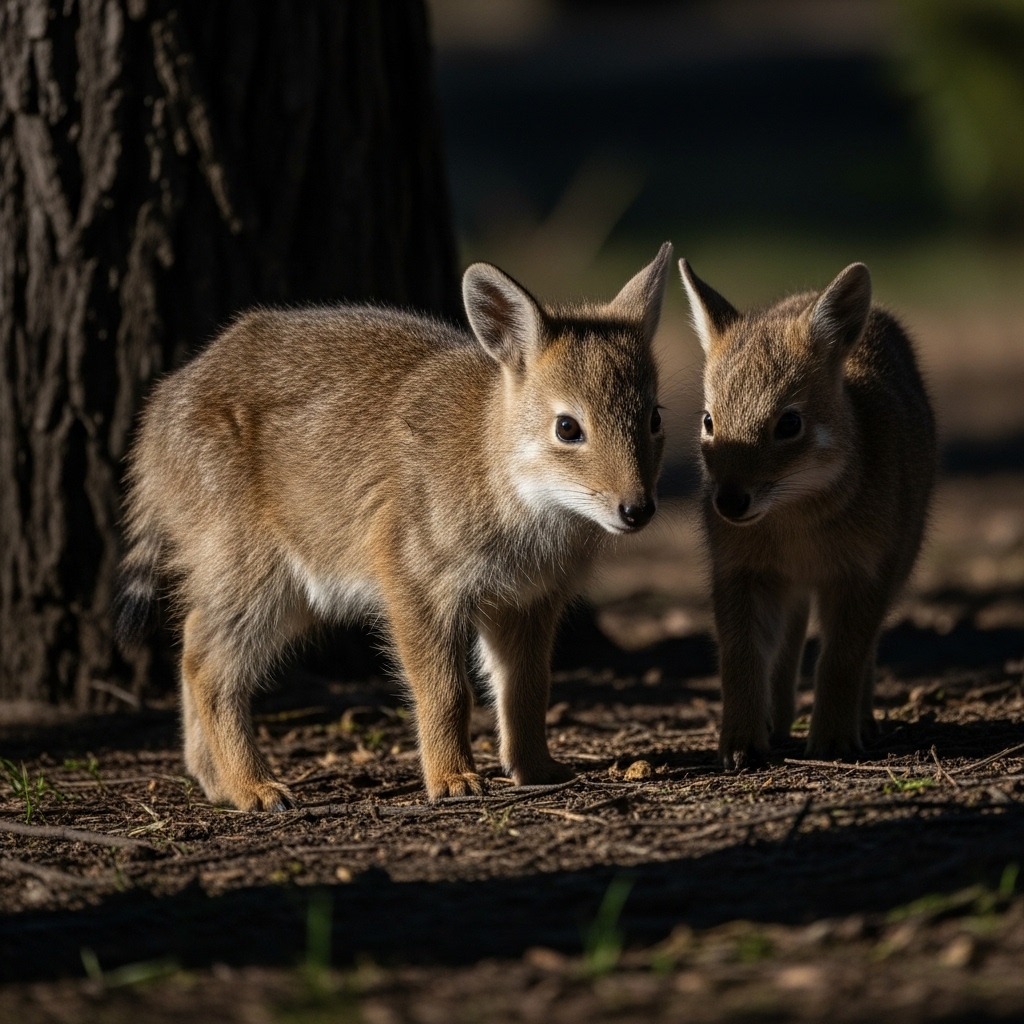
Coniferous forests are teeming with diverse wildlife. From large mammals to tiny insects, each species plays a crucial role in the ecosystem. Here’s a closer look at some of the most notable animals you can find in these evergreen woodlands.
Mammals of the Coniferous Forest
1. Moose
- Largest member of the deer family.
- Found near water sources, they feed on aquatic plants and leaves.
2. Black Bear
- Adaptable omnivores, known for their climbing skills.
- Hibernate during the winter, using dens in tree roots or caves.
3. Red Fox
- Agile hunters with a keen sense of hearing.
- Often found near forest edges, where they hunt small mammals and birds.
4. Snowshoe Hare
- Noted for its large hind feet and seasonal color change.
- Provides a food source for many predators, including lynxes and owls.
5. Pine Marten
- A small, agile carnivore that thrives in conifer forests.
- Prefers to hunt squirrels and birds, often nesting in tree cavities.
6. Siberian Chipmunk
- Small rodents with distinctive stripes.
- Store food in burrows, often gathering seeds from conifers.
Birds of the Coniferous Forest
1. Great Horned Owl
- A powerful predator known for its tufted “ears.”
- Nest in tree hollows and prey on small mammals.
2. Woodpecker (Various Species)
- Known for their pecking habits to find insects in trees.
- Create nesting sites in decaying wood, benefiting other forest species.
3. Crossbill
- Unique beak shape allows them to extract seeds from conifer cones.
- Often found in flocks, they are a delight to spot in tree tops.
4. Northern Goshawk
- A skilled hunter, capable of swift flight through dense foliage.
- Prefers to nest in mature coniferous trees.
Insects and Other Invertebrates
1. Lynx Spider
- Small but fierce predators, often found on conifer needles.
- Help control insect populations, enhancing forest health.
2. Bark Beetles
- Play a significant role in breaking down dead trees.
- Their activity can influence forest regeneration.
3. Ants
- Essential for soil health, they aerate the ground.
- Some species farm aphids for honeydew, showcasing complex interactions.
4. Moths (Various Species)
- Many species use coniferous trees for larval development.
- Their presence is vital for birds and small mammals, serving as food.
These animals showcase the rich biodiversity of coniferous forests. Each has adapted to thrive in this unique habitat, contributing to the ecological balance. Whether you’re a wildlife enthusiast or just curious, these creatures offer a glimpse into the wonders of evergreen wildlife.
Ecological Roles of Wildlife in Coniferous Forests

Wildlife in coniferous forests plays a crucial role in maintaining the ecological balance. Each species contributes to the health of the ecosystem in unique ways. Let’s explore how these animals impact their environment.
Predator-Prey Dynamics
Predators and prey form a delicate balance in coniferous forests. Here’s how they interact:
- Predators like wolves and foxes help control herbivore populations. This keeps plant life in check and supports biodiversity.
- Herbivores such as deer and moose graze on vegetation. They help maintain healthy plant communities, promoting growth and regeneration.
This predator-prey relationship is vital. It prevents any one species from dominating the ecosystem, ensuring stability and diversity.
Seed Dispersal and Pollination
Many animals contribute to the spread of plant life in coniferous forests. Here’s what happens:
- Birds like woodpeckers and jays eat seeds and berries. They then disperse these seeds through their droppings, helping new plants grow.
- Insects, including bees and butterflies, play a key role in pollination. They help plants reproduce, which is essential for forest health.
These processes are crucial. Without them, many tree species wouldn’t thrive, leading to a decline in biodiversity.
Soil Health and Nutrient Cycling
Soil health is another vital aspect of forest ecosystems. Various animals contribute here too:
- Earthworms and ants aerate the soil, improving its structure. This helps plants access nutrients and water more effectively.
- Decomposers like fungi and certain beetles break down organic matter. They recycle nutrients back into the soil, supporting new plant growth.
Healthy soil leads to a vibrant forest. The interconnectedness of these creatures ensures that nutrients circulate efficiently, allowing the ecosystem to flourish.
Understanding these ecological roles helps us appreciate the complexity of coniferous forests. Each animal, from the tiniest insect to the largest predator, plays a part in creating a balanced and thriving habitat.
Conservation Challenges Facing Coniferous Forest Wildlife
Coniferous forests are vital ecosystems, but they face several challenges that threaten their wildlife. Habitat loss, climate change, and human-wildlife conflict are just a few of the issues at play. Let’s dive into these challenges.
Habitat Destruction
Habitat destruction is a significant threat to wildlife in coniferous forests. Logging, urban development, and agriculture can fragment these habitats. This fragmentation disrupts animal migration and breeding patterns.
- Logging: Large-scale logging operations remove trees, leaving animals without shelter and food.
- Urban Expansion: As cities grow, they encroach on forested areas, pushing wildlife further into smaller, isolated patches.
- Agricultural Land Use: Converting forest land to agriculture reduces available habitat for many species.
Climate Change Impacts
Climate change is altering the delicate balance of coniferous ecosystems. Changes in temperature and precipitation patterns directly affect wildlife.
- Temperature Shifts: Many species are adapted to specific temperature ranges. Warmer winters can disrupt hibernation cycles and food availability.
- Changing Precipitation: Increased rainfall can lead to flooding, while prolonged droughts can affect plant growth and food sources.
- Case Study: The northern flying squirrel, which thrives in cold environments, is seeing its habitat shrink as temperatures rise. This species is struggling to find suitable living conditions.
Human-Wildlife Conflict
As humans expand into coniferous forest areas, conflicts with wildlife become more common.
- Encroachment: More homes near forests lead to more encounters with animals like bears and deer. This can result in negative encounters and sometimes lethal outcomes for wildlife.
- Resource Competition: Wildlife may compete with humans for food, leading to increased hunting and trapping.
Understanding these conservation challenges is crucial. By recognizing the threats to coniferous forest wildlife, we can support efforts to protect these unique species and their habitats.
How to Observe Wildlife in Coniferous Forests
Observing wildlife in coniferous forests can be a thrilling experience. With the right approach and tools, you can catch a glimpse of the amazing animals that call these forests home. Here are some practical tips to help you get started.
Best Times for Wildlife Observation
Timing is everything when it comes to spotting wildlife. Here are the best times to head out:
- Early Morning: Animals are most active during dawn. Look for deer and birds as they start their day.
- Late Afternoon to Dusk: Many species, like bears and squirrels, become lively again as the sun sets.
- Seasonal Considerations: Spring and fall are particularly good for observing migration and mating behaviors.
Essential Gear for Wildlife Watching
Having the right gear can enhance your wildlife observation experience. Here’s a checklist to get you started:
- Binoculars: A good pair helps you see distant animals clearly.
- Field Guide: Carry a guidebook or app for identifying species.
- Notepad and Pen: Jot down your sightings and experiences.
- Camera: Capture the moment, but respect the animals’ space.
- Comfortable Clothing: Dress in layers to adapt to changing weather.
Ethical Wildlife Observation Practices
Respecting wildlife and their habitats is crucial. Follow these practices to ensure a positive experience:
- Keep Your Distance: Use binoculars instead of getting too close. This minimizes stress for the animals.
- Stay Quiet: Loud noises can scare wildlife away. Whisper or communicate softly.
- Leave No Trace: Follow the “Leave No Trace” principles. Pack out what you bring in.
- Observe, Don’t Disturb: Avoid interfering with animal behavior. Let nature unfold naturally.
By following these tips, you can enjoy observing the rich wildlife in coniferous forests while also protecting their habitats. Happy watching!
Differences Between Coniferous and Deciduous Forests
Coniferous and deciduous forests are two distinct types of woodlands, each with unique characteristics. Understanding these differences helps us appreciate the wildlife inhabiting them.
What Are Coniferous Forests?
Coniferous forests are made up of trees that bear cones. Think of pine, spruce, and fir. They thrive in colder climates. Their needle-like leaves stay green year-round, allowing them to photosynthesize even in winter.
What Are Deciduous Forests?
Deciduous forests, on the other hand, consist of trees that lose their leaves each fall. These include oaks, maples, and birches. They flourish in temperate regions with four distinct seasons. In the fall, the vibrant colors of their leaves transform the landscape.
Key Differences
Here’s a quick comparison of their features:
| Feature | Coniferous Forests | Deciduous Forests |
|---|---|---|
| Leaf Type | Needle-like, evergreen | Broad, flat, seasonal |
| Climate Adaptation | Cold, harsh environments | Milder, temperate climates |
| Biodiversity | Specialized species adapted to cold | Greater variety of species throughout the year |
| Seasonal Behavior | Limited seasonal changes | Distinct seasonal changes |
Wildlife Adaptations
The animals in these forests also adapt differently.
- Coniferous Forest Animals: Species like moose and black bears are well-equipped for cold. Their thick fur keeps them warm. Birds like crossbills have specialized bills to eat conifer seeds.
- Deciduous Forest Animals: In contrast, animals such as white-tailed deer and raccoons can thrive in warmer climates. They often migrate or hibernate based on food availability.
Understanding these differences not only helps in identifying species but also highlights the importance of each forest type in maintaining biodiversity.
Frequently Asked Questions
These quick answers cover the most common questions about this topic, including key details, practical tips, and common concerns.
What animals live in the evergreen coniferous forest?
Coniferous forests are home to a variety of mammals, birds, insects, and other wildlife. Common mammals include moose, black bears, red foxes, snowshoe hares, and pine martens. Birds such as great horned owls, woodpeckers, crossbills, and goshawks are also prevalent. Insects like bark beetles, ants, and moths play crucial roles in the ecosystem. These animals have evolved specific adaptations to survive the cold, dense environment.
Which animal would you find in the coniferous forest?
You might find animals like the lynx, snowshoe hare, or the Siberian chipmunk in coniferous forests. These species are well-adapted to cold temperatures and rely on the forest’s dense foliage and conifer seeds for shelter and food. Birds such as the crossbill are specialized for extracting seeds from conifer cones, making them iconic residents of these ecosystems.
What animals live in an evergreen forest?
Evergreen forests host animals like moose, bears, foxes, and various bird species including owls and woodpeckers. Insects such as bark beetles and moths are also common. Many of these animals have seasonal behaviors like hibernation or migration to cope with the harsh winter conditions typical of evergreen environments.
What is the difference between evergreen forest and coniferous forest?
An evergreen forest is characterized by trees that retain their leaves year-round, including both conifers and some broadleaf species. A coniferous forest specifically consists mainly of cone-bearing trees like pines, spruces, and firs. While all coniferous forests are evergreen, not all evergreen forests are exclusively coniferous.
How do animals survive harsh winters in coniferous forests?
Animals have evolved various strategies, such as growing thick fur, accumulating fat reserves, and changing coat color for camouflage. Many hibernate, like bears, to conserve energy during food-scarce winter months. Others, like crossbills and chickadees, adapt their diets or migrate to milder areas to survive the cold.
Why are coniferous forests important for wildlife?
Coniferous forests provide critical habitat, food sources, and shelter for a wide range of species. They support biodiversity by offering nesting sites, seed sources, and protection from predators and harsh weather. Additionally, these forests help maintain ecological balance through predator-prey relationships and nutrient cycling.
What are the primary threats to wildlife in coniferous forests?
Major threats include habitat destruction from logging, urbanization, and agriculture. Climate change is causing temperature shifts and altered precipitation patterns, impacting species survival. Human-wildlife conflicts also increase as human activities encroach on forest areas, leading to habitat fragmentation and population declines.
What conservation efforts are in place for coniferous forest wildlife?
Efforts include protected area designations, sustainable forestry practices, and reforestation projects. Conservation programs focus on preserving critical habitats, restoring degraded ecosystems, and promoting awareness. Some regions implement wildlife corridors to connect fragmented habitats and support migration and genetic diversity.