
Cypress trees are coniferous evergreens known for their beauty and ecological significance. This comprehensive guide explores the various types of cypress trees, their growth patterns, and their vital role in ecosystems, helping readers understand their importance in landscaping and conservation.
Table of Contents
Understanding Cypress Trees: Definition and Characteristics
Cypress trees are a fascinating group of coniferous evergreens that belong to the Cupressaceae family. They are known for their unique features and adaptability to various environments. Let’s dive deeper into what makes these trees so special.
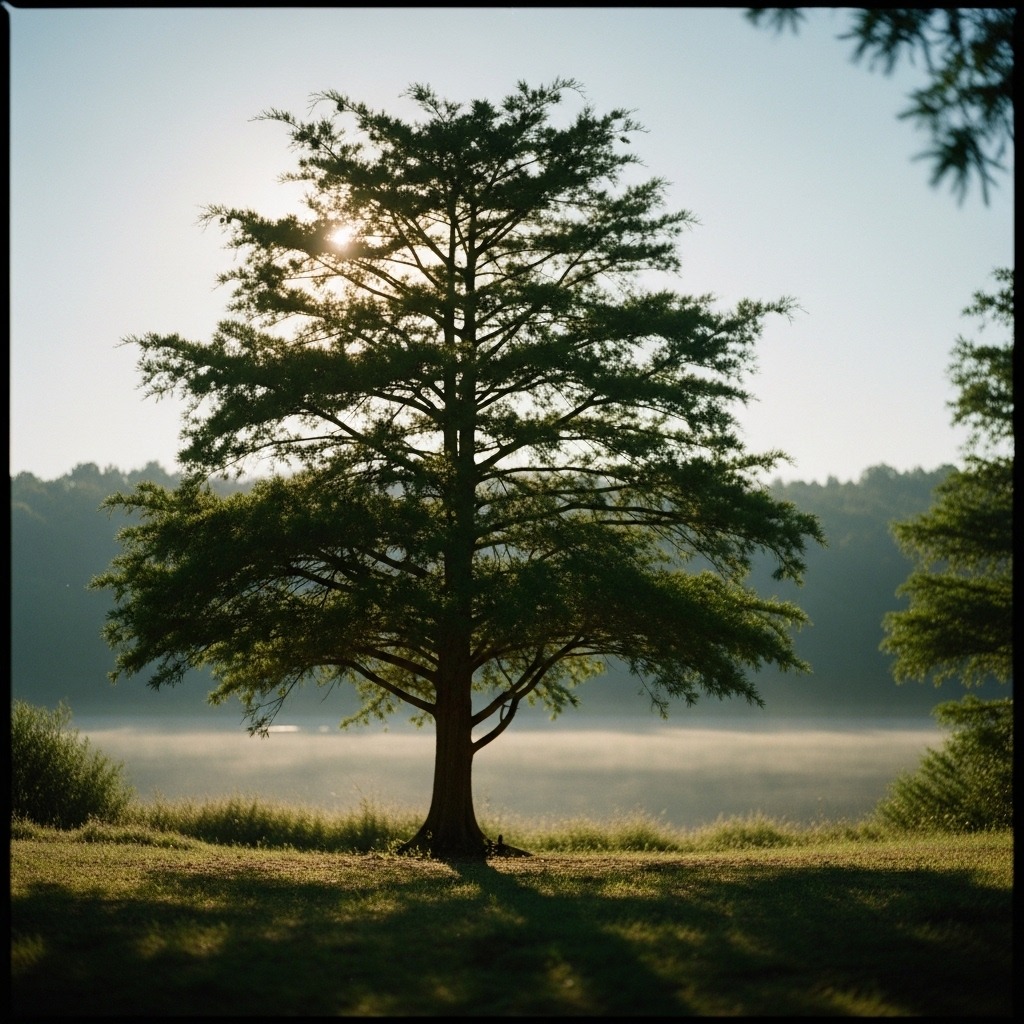
Definition of Cypress Trees
Cypress trees are part of the conifer family, characterized by their needle-like leaves and woody cones. The most common genera include Cupressus and Taxodium. These trees thrive in both wetland and dry habitats, making them incredibly versatile.
Key Physical Characteristics
Cypress trees have some distinct traits that set them apart from other conifers. Here are the key characteristics to look for:
- Leaf Type: Most cypress trees have scale-like leaves that are green throughout the year. The bald cypress, however, is unique as it has feathery, needle-like leaves that turn reddish-brown in fall.
- Growth Habit: They typically grow tall and straight, reaching heights of up to 100 feet. Some species, like the Mediterranean cypress, have a more columnar shape.
- Bark Texture: The bark is usually fibrous and can vary from gray to brown. It often has a shaggy appearance, especially in older trees.
Comparison with Other Conifers
Cypress trees differ from other conifers in several ways. For example:
- Bald Cypress vs. Pine: While pines have long, slender needles, bald cypress leaves are shorter and softer. Pines also tend to prefer drier soils compared to the bald cypress, which flourishes in wetland areas.
- Mediterranean Cypress vs. Spruce: Mediterranean cypress has a more conical shape and dense foliage compared to spruce trees, which have a wider, more irregular canopy.
Understanding these characteristics helps in identifying cypress trees and appreciating their role in the ecosystem. Whether you’re looking to plant one or simply admire them in the wild, knowing their traits is key!
Exploring Major Types of Cypress Trees
Cypress trees come in various species, each with its own unique qualities. Understanding these can help you choose the right one for your garden or landscape.
Key Species Overview
Here are some of the most notable types of cypress trees:
- Bald Cypress (Taxodium distichum)
- Growing Conditions: Thrives in wet soils and is often found in swamps and floodplains. Prefers full sun but tolerates some shade.
- Identification Features: Known for its distinctive buttressed trunk and knobby knees, which protrude from the water. It has soft, feathery, needle-like leaves that turn orange-brown in fall.
- Uses: Commonly used in wetland restoration projects and as an ornamental tree in gardens.
- Mediterranean Cypress (Cupressus sempervirens)
- Growing Conditions: Prefers well-drained soil in warm, dry climates. It can tolerate drought once established.
- Identification Features: Tall and narrow, with dense, evergreen foliage. Its leaves are scale-like and dark green, giving it a striking appearance.
- Uses: Often found in Mediterranean landscapes, it’s used for privacy screens and windbreaks.
- Pond Cypress (Taxodium ascendens)
- Growing Conditions: Similar to Bald Cypress, it thrives in wet, acidic soils.
- Identification Features: Has shorter, more upright leaves compared to Bald Cypress. Its trunk is less buttressed and can be harder to distinguish.
- Uses: Used in landscaping for its unique shape and adaptability to wet conditions.
- Sawara Cypress (Chamaecyparis pisifera)
- Growing Conditions: Prefers moist, well-drained soils and can tolerate some drought.
- Identification Features: Features pendulous twigs and small, round cones. Its foliage is soft and feathery, often with a bluish tint.
- Uses: Popular in Japanese gardens and as a landscape tree.
Identification Features of Major Species
Identifying these cypress species can be a fun challenge. Here’s a quick comparison of their main features:
| Species | Trunk Characteristics | Leaf Type | Common Uses |
|---|---|---|---|
| Bald Cypress | Buttressed, knobby knees | Needle-like (deciduous) | Wetland restoration, ornamental |
| Mediterranean Cypress | Tall, narrow | Scale-like (evergreen) | Privacy screens, windbreaks |
| Pond Cypress | Less pronounced buttressing | Upright, shorter leaves | Landscaping |
| Sawara Cypress | Pendulous twigs | Soft, feathery | Japanese gardens |
Recognizing these features will help you appreciate the beauty and variety of cypress trees.
Growth Conditions and Care for Cypress Trees
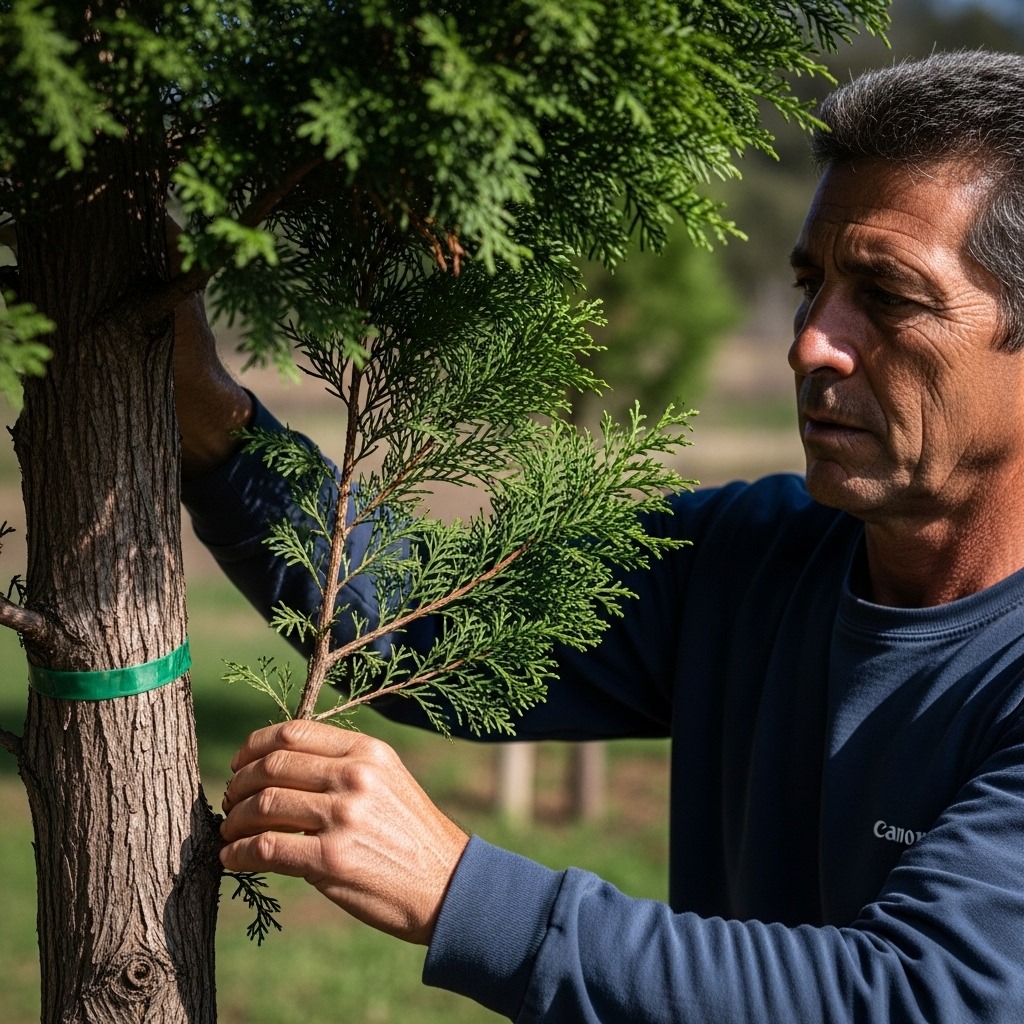
Cypress trees thrive in a variety of conditions, but understanding their needs is key to successful growth. Let’s dive into what makes these trees happy, including soil types, water requirements, and sunlight needs.
Essential Growing Conditions
1. Soil Type:
- Cypress trees prefer well-drained soils.
- They can adapt to various soil types, from sandy to clayey.
- Slightly acidic to neutral pH is ideal.
2. Water Requirements:
- Most cypress trees enjoy consistent moisture.
- Some species, like the Bald Cypress, can tolerate wet conditions and even grow in swamps.
- Young trees need regular watering until established.
3. Sunlight Needs:
- Full sunlight is essential for optimal growth.
- While some species can thrive in partial shade, they generally perform best in bright conditions.
Planting and Maintenance Techniques
- Planting:
- Choose a site with ample sunlight and good drainage.
- Dig a hole twice as wide as the root ball and just as deep.
- Mix compost into the soil to improve nutrients.
- Watering:
- Water regularly, especially in dry spells.
- Mulching can help retain moisture and reduce weeds.
- Pruning:
- Most cypress trees are low-maintenance and don’t require heavy pruning.
- Remove any dead or damaged branches to promote health.
Decision Framework for Choosing Cypress Species
When selecting a cypress species, consider your local climate.
- Warm Climates: Opt for Mediterranean Cypress or Leyland Cypress.
- Wet Areas: Choose Bald Cypress for its wetland adaptability.
- Drought Tolerance: Look at mature Leyland Cypress, which can withstand dry spells.
By understanding these growth conditions and care techniques, you can cultivate healthy cypress trees that will thrive in your landscape.
Ecological Importance of Cypress Trees
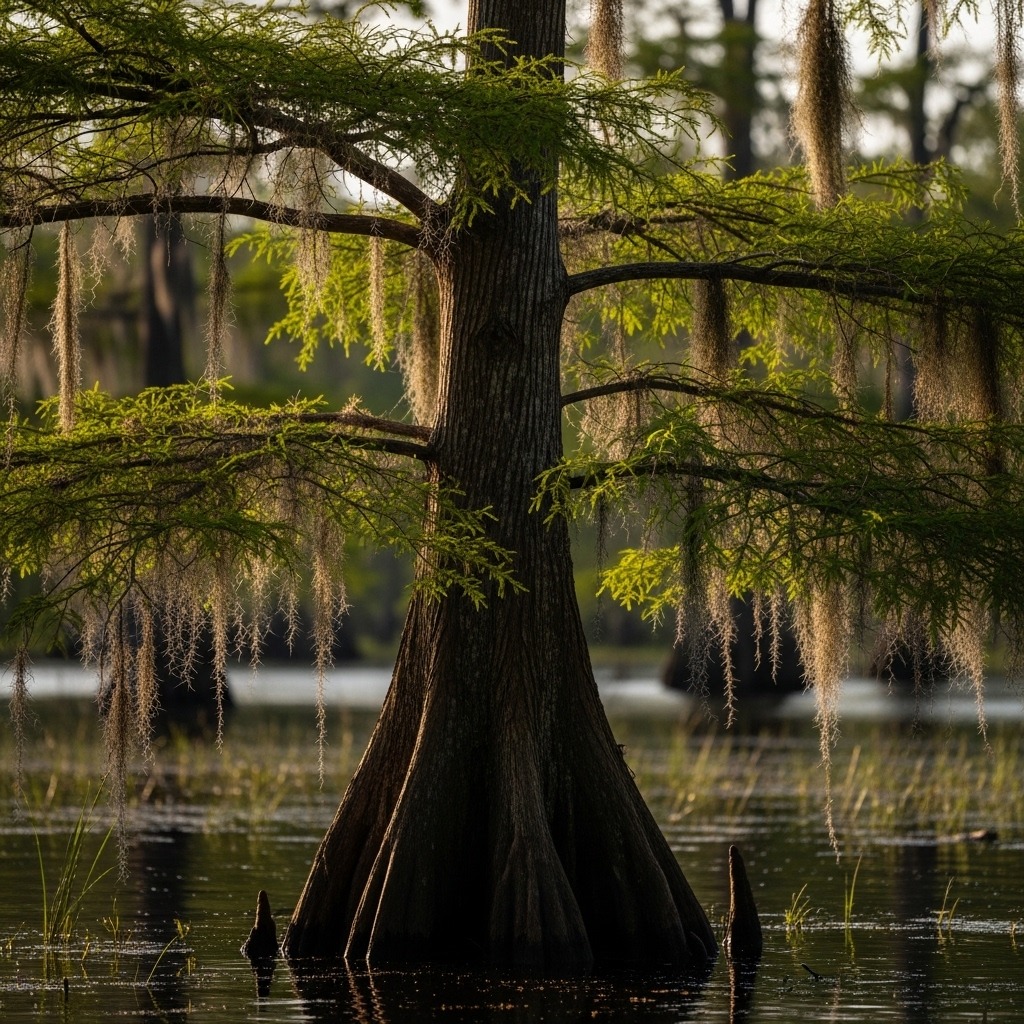
Cypress trees do more than just look good. They play vital roles in our ecosystems. From stabilizing soil to purifying water, these trees are essential for a healthy environment.
Role in Ecosystem Stability
Cypress trees are champions of soil stabilization. Their strong root systems grip the earth, preventing erosion. This is especially important in wetlands and along riverbanks where soil can easily wash away.
- Erosion Prevention: Cypress roots anchor the soil, keeping it intact during heavy rains.
- Flood Management: Their ability to thrive in waterlogged conditions helps absorb excess water, mitigating flooding.
Benefits for Biodiversity
These trees create habitats for numerous species. Birds, insects, and small mammals all find refuge in their branches and around their bases.
- Wildlife Habitat: The dense canopy offers shelter for various birds and insects.
- Nutrient Recycling: Fallen leaves decompose and enrich the soil, providing essential nutrients for surrounding plants.
Case Study: Bald Cypress in Wetlands
In the Atchafalaya Basin of Louisiana, bald cypress trees are crucial. They filter water, trapping sediments and improving overall water quality. Their presence has led to an increase in local fish populations, benefiting both the ecosystem and local fisheries.
Using cypress trees in restoration projects can significantly boost ecological health. When selecting trees for a project, consider their potential to enhance biodiversity and stabilize the environment effectively.
Common Issues in Cypress Cultivation
Cypress trees are generally robust, but they can face a few challenges. Understanding these issues helps ensure healthy growth and vibrant trees. Let’s dive into the pests, diseases, and environmental factors that may affect cypress trees, along with strategies to manage them.
Identifying Common Pests and Diseases
Cypress trees can be susceptible to certain pests and diseases. Here are the most common culprits:
- Cypress Bark Moth: This pest can create holes in the tree’s bark, leading to dieback.
- Cypress Canker: A fungal disease that causes dark, sunken lesions on the bark and can girdle the tree.
- Root Rot: Caused by overwatering or poorly drained soils, this condition can suffocate roots and lead to tree decline.
Management Techniques for Healthy Growth
Preventing and managing these issues is vital for maintaining your cypress trees. Here are some effective strategies:
- Monitor Regularly: Check your trees for signs of pests or diseases. Early detection is key.
- Prune Wisely: Remove infected or damaged branches promptly. This prevents the spread of disease.
- Water Properly: Ensure your cypress trees have well-drained soil. Avoid waterlogging to prevent root rot.
- Choose Resistant Varieties: When planting, consider species known for their resistance to local pests. For example, the Bald Cypress is often more resilient in wet conditions.
Troubleshooting Common Cultivation Problems
If you’re facing issues, here’s a quick checklist to guide you:
- Discoloration of Leaves: Check for pests or nutrient deficiencies.
- Wilting Leaves: Assess watering practices; too little or too much can cause this.
- Dieback: Inspect for cankers or bark damage. Prune if necessary.
By staying vigilant and proactive, you can help your cypress trees thrive and enjoy their many ecological benefits for years to come.
Cultural Significance and Uses of Cypress Trees
Cypress trees have held a special place in various cultures throughout history. Their beauty and resilience make them not just functional but also symbolic.
Symbolism in Different Cultures
Cypress trees symbolize different things in various societies. Here are a few examples:
- Eternal Life: In many cultures, cypress trees are seen as symbols of immortality. This belief often stems from their evergreen nature.
- Grief and Mourning: In some traditions, cypress trees are planted in cemeteries. They represent remembrance and the cyclical nature of life.
- Protection: Ancient civilizations used cypress wood for building sacred structures. This was believed to provide spiritual protection.
These meanings show how cypress trees weave into the fabric of human culture, reflecting our values and emotions.
Practical Applications in Modern Landscaping
Today, cypress trees are more than just symbols. They play a vital role in landscaping and construction.
- Aesthetic Appeal: Their tall, elegant form adds beauty to parks and gardens. Designers love using them for vertical lines or privacy screens.
- Low Maintenance: Many cypress species are drought-resistant. This makes them ideal for low-maintenance gardens.
- Versatile Uses: From the majestic Mediterranean cypress to dwarf varieties for bonsai, these trees fit various landscape designs.
When choosing a cypress tree for your garden, consider its growth habits and local climate. For instance, the Bald Cypress thrives in wet areas, while the Mediterranean Cypress prefers drier conditions.
Cypress trees not only enhance our landscapes but also connect us to history and traditions that span the globe.
Frequently Asked Questions
These quick answers cover the most common questions about this topic, including key details, practical tips, and common concerns.
How do you plant and care for cypress trees?
To plant a cypress tree, choose a location with appropriate sunlight and soil drainage. Dig a hole twice as wide as the root ball and just as deep. Mix compost into the soil to improve nutrients. Water regularly during the first few years to establish roots, especially in dry periods. Mulch around the base to retain moisture and suppress weeds. Pruning is minimal but remove dead or damaged branches to promote healthy growth.
Why are cypress trees important for ecosystems?
Cypress trees play a vital role in stabilizing soil, especially in wetlands and along riverbanks. Their root systems prevent erosion and help manage flooding by absorbing excess water. They also provide habitat and shelter for many wildlife species, including birds, insects, and small mammals. Additionally, their fallen leaves contribute organic matter, enriching soil and supporting biodiversity.
When is the best time to plant cypress trees?
The ideal time to plant cypress trees is during the early spring or fall when temperatures are moderate. Planting in these seasons allows roots to establish before extreme weather conditions. Avoid planting during the peak of summer heat or in freezing winter conditions to reduce stress and improve survival chances.
What pests and diseases commonly affect cypress trees, and how can I manage them?
Common pests include cypress bark moths and aphids, while diseases like cypress canker and root rot can threaten health. To manage these issues, regularly inspect your trees for signs of pests or disease. Remove infected branches and ensure proper watering to prevent overwatering and root rot. Use appropriate treatments or consult an arborist for severe infestations. Maintaining good airflow and avoiding injury also help prevent problems.
How do different types of cypress trees compare for landscaping?
Bald Cypress (Taxodium distichum) is ideal for wet, swampy areas and provides a soft, feathery look. Mediterranean Cypress (Cupressus sempervirens) is tall, narrow, and drought-tolerant, suited for Mediterranean climates. Pond Cypress is similar to Bald Cypress but with a more upright form. Sawara Cypress (Chamaecyparis pisifera) has pendulous branches and is popular in Japanese gardens. Choose based on climate, soil, and aesthetic preferences.
Can cypress trees be grown in pots?
Yes, some smaller or dwarf cypress varieties can be grown in containers. Use large, well-draining pots filled with suitable soil. Ensure the pots have drainage holes and place them in a location with adequate sunlight. Regular watering and fertilizing are essential, and you may need to prune to maintain size. Keep in mind that larger species are not suitable for container growth long-term.
When do cypress trees shed their leaves?
Deciduous cypress trees like the Bald Cypress shed their needle-like leaves in the fall, turning reddish-brown before dropping. Evergreen species, such as Mediterranean Cypress, retain their foliage year-round. Leaf shedding is a natural part of their growth cycle and varies by species and climate.
What propagation methods are used for cypress trees?
Cypress trees can be propagated through seeds, cuttings, or layering. Seeds should be collected from mature cones and sown in moist, well-draining soil. Cuttings from young, healthy branches can be rooted in a moist medium with humidity. Layering involves bending a low branch to the ground, wounding it slightly, and covering it with soil until roots develop. Proper timing and care increase success rates.