
You do not have to kill the cotton plant in Maryland; in fact, many farmers find ways to manage cotton crops without resorting to destruction. Understanding the local agricultural practices and the role of cotton can help inform your approach to cotton farming in the region.
Understanding Cotton Plant Growth in Maryland
Overview of Cotton Plant Cultivation
Growing cotton in Maryland is a fascinating journey that blends agricultural tradition with modern practices. I remember the first time I saw a cotton field; the fluffy white bolls against the green foliage created a stunning picture. Cotton is a warm-season crop that thrives in well-drained soil and requires a specific growing season to flourish. In Maryland, the growing season typically runs from May to October, allowing ample time for the plants to mature before the colder weather sets in.
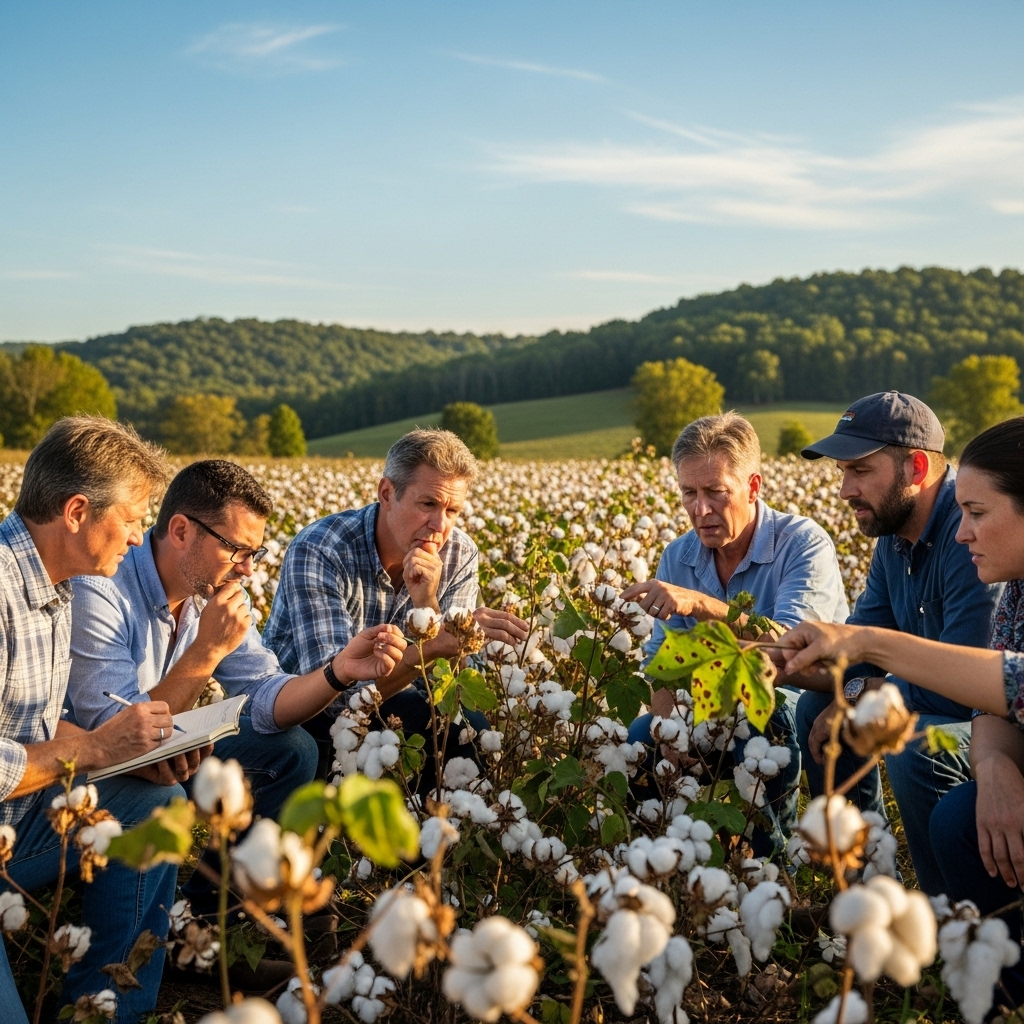
In my experience, successful cotton cultivation starts with preparing the soil properly. Farmers often conduct soil tests to determine pH levels and nutrient content, ensuring that the land is well-suited for cotton. Once the soil is ready, seeds are sown, often using precision planting techniques to optimize spacing and depth. This attention to detail pays off as the plants grow, leading to healthier crops and better yields.
Climate Conditions for Cotton in Maryland
The climate in Maryland plays a significant role in cotton cultivation. I’ve learned that cotton plants prefer a warm, sunny environment, which the state provides during the summer months. Average temperatures in the growing season range between 70°F and 95°F, allowing the cotton plants to thrive. However, Maryland’s climate can also be unpredictable, with occasional droughts or heavy rainfall impacting crop growth.
During my visits to various farms in Maryland, I noticed that farmers often utilize irrigation systems to ensure their cotton plants receive adequate water, especially during dry spells. These systems help maintain consistent moisture levels, which is crucial for cotton plants, particularly during the flowering and boll-setting stages. Additionally, understanding local weather patterns can help farmers plan their planting and harvesting schedules more effectively.
Common Cotton Varieties Grown in Maryland
Maryland farmers typically cultivate a few specific varieties of cotton that are well-suited for the region’s climate. I remember being introduced to the Upland cotton, which is the most common variety grown in the United States, including Maryland. Upland cotton is known for its adaptability and resilience, making it a favorite among local farmers.
Another variety that caught my attention is Pima cotton, famed for its softness and strength. While it’s less commonly grown in Maryland due to its specific climate requirements, I’ve seen some farmers experiment with it, often producing high-quality yields when conditions are right. The choice of cotton variety can greatly affect the farming process, from planting to harvesting, and understanding these options can help farmers make informed decisions.
Moreover, the advancements in biotechnology have led to the development of genetically modified (GM) cotton. These varieties are engineered for improved pest resistance and herbicide tolerance, which can increase efficiency and yield. During discussions with local farmers, I found that some are cautiously optimistic about integrating GM cotton into their rotation, citing concerns about market demand and consumer preferences.
The Importance of Cotton in Maryland’s Agriculture
Economic Impact of Cotton Farming
Cotton is more than just a crop in Maryland; it represents a vital part of the state’s agricultural economy. I remember hearing farmers talk about how cotton contributes to their livelihoods and the local economy. According to the Maryland Department of Agriculture, cotton farming generates millions of dollars in revenue each year and creates numerous jobs within the community.
From my observations, cotton not only supports farmers but also benefits various sectors, including ginning, processing, and distribution. Each step in the cotton supply chain plays a role in bolstering the economy. Many farmers I spoke with highlighted how cotton farming sustains their families and keeps their communities vibrant. The ripple effect of cotton farming is profound, impacting everything from local businesses to schools and public services.
Cotton’s Role in Crop Rotation
Crop rotation is a practice that I believe plays a crucial role in sustainable agriculture, and cotton fits well into this system. Farmers often alternate cotton with other crops like soybeans or corn to maintain soil health and reduce pest populations. I’ve seen firsthand how rotating crops can improve soil fertility and reduce the reliance on chemical fertilizers.
For instance, planting legumes like soybeans after cotton can help replenish nitrogen in the soil, which cotton plants need for healthy growth. This practice not only benefits the cotton crop but also makes farming more sustainable in the long run. I remember visiting a farm where the farmer was excited about the increased yields he experienced after implementing a crop rotation plan. It made me realize that thoughtful planning can lead to impressive results.
Environmental Benefits of Cotton Farming
Interestingly, cotton farming can also have environmental benefits when done responsibly. I learned that cotton plants can contribute to soil conservation and biodiversity. Healthy cotton fields can help reduce soil erosion and provide habitats for various beneficial insects and wildlife. I once spotted bees buzzing happily around a cotton field, which reminded me of the integral role these insects play in pollination and ecosystem health.
Moreover, many cotton farmers in Maryland are adopting sustainable practices that minimize chemical usage and improve water management. I was inspired to see how some farmers implement cover cropping, which involves planting crops that protect and enrich the soil during the off-season. These sustainable practices not only help the environment but also enhance the long-term viability of cotton farming in Maryland.
Do You Have to Kill Cotton Plants? The Debate
Reasons for Killing Cotton Plants
The question of whether to kill cotton plants often arises in discussions about pest management and crop health. I remember sitting in a field meeting when a farmer expressed frustration over a particularly bad infestation of pests. He mentioned that, at times, the only option seemed to be to destroy the plants entirely. This approach can stem from several reasons, including severe pest damage, disease outbreaks, or the need to clear the field for the next planting season.
In my conversations with farmers, I learned that they sometimes face tough decisions when their cotton plants are overwhelmed by pests like aphids or boll weevils. These pests can wreak havoc on crops, leading to significant losses if not managed properly. Additionally, there are cases where disease threatens the entire crop, and killing the plants might be the only way to prevent the spread to nearby fields. I’ve seen firsthand how these tough choices weigh heavily on farmers, who are deeply invested in their crops and livelihoods.
Alternatives to Killing Cotton Plants
As I delved deeper into this topic, I discovered that many farmers are exploring alternatives to killing their cotton plants. Integrated Pest Management (IPM) is a strategy that focuses on prevention, monitoring, and control rather than elimination. I remember attending a workshop where experts shared insights on using beneficial insects and natural predators to manage pests. This approach not only protects the current crop but also supports the ecosystem.
Another alternative that caught my attention was the practice of intercropping. Some farmers have had success planting companion crops alongside cotton. These companion plants can help deter pests and improve soil health without the need to resort to drastic measures. I found it inspiring to see how innovation and creativity can lead to sustainable solutions that benefit both the farmer and the environment. By considering these alternatives, I believe that farmers can maintain healthy cotton plants while minimizing potential losses.
Read Interesting article: How to Care for an Aloe Plant (Complete Guide)
Regulations Surrounding Cotton Farming in Maryland
Understanding the regulations surrounding cotton farming in Maryland is essential for any farmer navigating this landscape. I’ve discovered that the state has various guidelines in place to ensure that cotton farming is done responsibly. For example, the Maryland Department of Agriculture oversees practices related to pesticide use, ensuring that farmers are educated about the chemicals they apply and the potential impact on the environment.
During my interactions with farmers, I noticed they often stay updated on these regulations and participate in training sessions to learn about best practices. I remember one farmer mentioning how compliance not only protects their crops but also contributes to community safety and environmental health. This sense of responsibility and awareness is commendable and reflects a commitment to sustainable agriculture.
Moreover, there are programs available for farmers to access resources and funding for implementing sustainable practices, such as cover cropping or pest management strategies. I found it encouraging that the state supports farmers in adopting methods that benefit both their operations and the broader community. This interconnectedness really highlights the importance of responsible cotton farming in Maryland.
Pest and Disease Management in Cotton Cultivation
Common Pests Affecting Cotton in Maryland
As I learned more about cotton farming, I became increasingly aware of the pests that pose significant challenges. One of the most notorious pests affecting cotton crops in Maryland is the cotton boll weevil. This tiny insect can cause extensive damage by boring into the cotton bolls, leading to reduced yields. I remember visiting a farm that suffered a boll weevil infestation, and the farmer described how it felt like fighting an uphill battle to save his plants.
Another pest that caught my attention is the aphid. I’ve seen these small insects cluster on cotton plants, sucking the sap and weakening the plants over time. Farmers often need to monitor these pests closely, as their populations can grow rapidly if left unchecked. I learned that early detection is key; many farmers invest in scouting techniques and the use of traps to keep tabs on pest populations before they become a major issue.
Disease Management Strategies
Disease management is another critical aspect of cotton cultivation. I remember discussing with a farmer the various diseases that could affect cotton, such as Fusarium wilt and bacterial blight. These diseases can devastate crops, and farmers need to be proactive. One effective strategy I learned about is crop rotation, which can help break the lifecycle of pathogens.
Another method I’ve seen farmers use is the application of disease-resistant cotton varieties. Farmers often share their experiences regarding which varieties perform better against specific diseases. I was fascinated by how much knowledge was exchanged among them, highlighting the importance of community support in managing these challenges.
Integrated Pest Management (IPM) Techniques
Integrated Pest Management (IPM) techniques have become increasingly popular among cotton farmers in Maryland. I found it fascinating how IPM focuses on a holistic approach to pest control. Rather than relying solely on chemical pesticides, farmers incorporate a variety of strategies, including biological control, cultural practices, and mechanical methods.
For instance, some farmers I spoke with utilize beneficial insects, such as ladybugs, to control aphid populations. I remember seeing how excited they were to share their success stories about creating habitats for these helpful critters in their fields. Additionally, monitoring tools like pheromone traps help farmers gauge pest activity, allowing them to make informed decisions about management practices.
By adopting IPM techniques, farmers not only protect their cotton crops but also contribute to a healthier ecosystem. I think it’s inspiring to see how many are committed to fostering sustainable farming practices that benefit both their livelihoods and the environment.
Best Practices for Cotton Farmers in Maryland
Soil Health and Preparation
Soil health is the foundation of successful cotton farming, and I’ve come to realize how critical it is for achieving good yields. Proper soil preparation starts long before planting. I remember visiting a farm where the farmer shared his routine of conducting soil tests every year. This practice helps him understand the nutrient deficiencies and pH levels, allowing for precise amendments to optimize growth conditions.
In my experience, well-prepared soil can significantly impact the cotton plants’ ability to resist diseases and withstand pests. Farmers often employ methods like tillage, but many are moving towards no-till practices to improve soil structure and health. I’ve seen how cover crops can play a vital role here as well. They not only protect the soil from erosion but also enrich it with organic matter. I find it inspiring how some farmers talk about how these practices lead to healthier soil, which translates into stronger cotton plants.
Irrigation and Water Management
Water management is another crucial aspect of cotton farming, particularly in Maryland, where rainfall can be inconsistent. I vividly remember a farm tour where the farmer explained his irrigation system and how it has transformed his cotton yield. He told me that ensuring consistent moisture, especially during critical growth phases like flowering and boll development, is key to producing high-quality cotton.
Farmers often adopt different irrigation methods, such as drip or pivot systems, which allow for efficient water usage. I’ve seen how they monitor soil moisture levels closely, sometimes using sensors to determine when to irrigate. This precision not only conserves water but also reduces runoff, which can carry valuable nutrients away from the crops. I believe that thoughtful water management reflects a commitment to sustainability and efficiency in cotton farming.
Harvesting Techniques and Timing
Harvesting cotton at the right time is essential for maximizing yield and fiber quality. From my observations, many farmers in Maryland are very attuned to the signs indicating that their cotton is ready for harvest. I remember one farmer explaining how the timing of the harvest can be a delicate balance between waiting for the bolls to open and ensuring they are not damaged by weather conditions.
Most of the farmers I spoke with prefer mechanical harvesting, as it can significantly reduce labor costs and time. However, I learned that some still opt for hand-picking, especially for specialty cotton varieties where quality is paramount. I found it fascinating how technology has improved harvesting techniques—with innovations like cotton pickers equipped with GPS and yield monitoring systems. These tools help farmers make data-driven decisions that enhance their efficiency and profitability.
Future of Cotton Farming in Maryland
Trends in Cotton Production
The future of cotton farming in Maryland looks promising, especially with the growing interest in sustainable practices. I’ve noticed a trend towards more farmers adopting organic cotton production methods. I was surprised to learn that organic cotton is gaining traction, as it appeals to consumers who are increasingly concerned about environmental impacts. Farmers who choose this route often share stories about the challenges and rewards of transitioning to organic methods, and it’s clear that they are passionate about making a difference.
Additionally, I’ve observed that technology is rapidly changing the landscape of cotton farming. Precision agriculture techniques are becoming more prevalent, allowing farmers to monitor and manage their fields with greater accuracy. These advancements can lead to more efficient resource use, which is crucial as we face growing challenges like climate change and population growth.
Impact of Climate Change on Cotton Cultivation
Speaking of climate change, it’s a topic that weighs heavily on the minds of many farmers. I’ve heard numerous discussions about how fluctuating weather patterns are affecting cotton production in Maryland. Some farmers have shared their concerns about increased instances of drought or excessive rainfall, which can lead to significant crop losses.
In response, I’ve seen an inspiring shift towards resilience strategies. Farmers are experimenting with drought-resistant cotton varieties and altering planting dates to better align with changing weather patterns. I believe that adaptability is key, and the willingness of farmers to embrace change is critical for the sustainability of cotton farming in the state.
Innovations in Cotton Farming Technology
Innovation is at the heart of the future of cotton farming. During my visits to local farms, I was excited to learn about new technologies and practices being implemented. For example, the use of drones for crop monitoring is becoming more common. Farmers can now assess plant health and identify potential issues from above, which I find fascinating. This technology allows for timely interventions that can save crops from pests or diseases before they become severe.
Moreover, data analytics is playing a significant role in decision-making. Many farmers are turning to software solutions that help them analyze soil health, weather patterns, and crop performance. I’ve seen how this data-driven approach empowers farmers to make informed choices about their practices, ultimately leading to better yields and sustainability.
Frequently Asked Questions
1. Do farmers in Maryland have to kill cotton plants?
No, many farmers in Maryland manage cotton crops without resorting to destruction. They explore alternatives to killing the plants, focusing on pest management and crop health.
2. What is the typical growing season for cotton in Maryland?
The growing season for cotton in Maryland typically runs from May to October, allowing ample time for the plants to mature before colder weather sets in.
3. What climate conditions are ideal for cotton cultivation in Maryland?
Cotton plants prefer a warm, sunny environment, with average temperatures during the growing season ranging between 70°F and 95°F. However, farmers must also contend with unpredictable weather, such as droughts or heavy rainfall.
4. What are the common varieties of cotton grown in Maryland?
The most common variety grown in Maryland is Upland cotton, known for its adaptability and resilience. Some farmers also experiment with Pima cotton, which is renowned for its softness and strength, although it is less commonly grown due to its specific climate requirements.
5. How does cotton farming impact Maryland’s economy?
Cotton farming represents a vital part of Maryland’s agricultural economy, generating millions of dollars in revenue each year and creating numerous jobs within the community, supporting various sectors, including ginning, processing, and distribution.
6. What role does crop rotation play in cotton farming?
Crop rotation is essential for sustainable agriculture, as it helps maintain soil health and reduce pest populations. Alternating cotton with crops like soybeans or corn can improve soil fertility and reduce reliance on chemical fertilizers.
7. How do farmers in Maryland manage pests affecting cotton crops?
Farmers manage pests through Integrated Pest Management (IPM), which focuses on prevention, monitoring, and control rather than elimination. This includes utilizing beneficial insects, natural predators, and monitoring tools to keep pest populations in check.
8. What are some best practices for soil health and preparation in cotton farming?
Best practices include conducting soil tests to understand nutrient deficiencies and pH levels, employing tillage or no-till practices to improve soil structure, and using cover crops to protect and enrich the soil.
9. How do farmers ensure effective water management for cotton crops?
Farmers utilize various irrigation methods, such as drip or pivot systems, to maintain consistent moisture levels. They often monitor soil moisture closely to determine when to irrigate, ensuring efficient water use and reducing runoff.
10. What trends are shaping the future of cotton farming in Maryland?
Trends include a growing interest in sustainable practices, such as organic cotton production, and the adoption of precision agriculture techniques that leverage technology for better resource management and efficiency in farming.
Read Interesting article: How to Take Care of Aloe Vera Plant (Simple Guide)
Read Interesting article: How to Care for a Snake Plant (Beginner Friendly)