
The process of planting corn involves choosing the right location, preparing the soil, selecting the appropriate corn variety, and following specific planting techniques. Growing corn can be rewarding, as it is a versatile crop enjoyed in many forms. Read Interesting article: How to Care for a Snake Plant (Beginner Friendly)
Understanding Corn as a Crop
Corn is more than just a staple food; it’s a versatile crop that has been cultivated for thousands of years. Whether you’re interested in growing sweet corn for summer grilling or field corn for animal feed, understanding the different types of corn is the first step in successful planting.
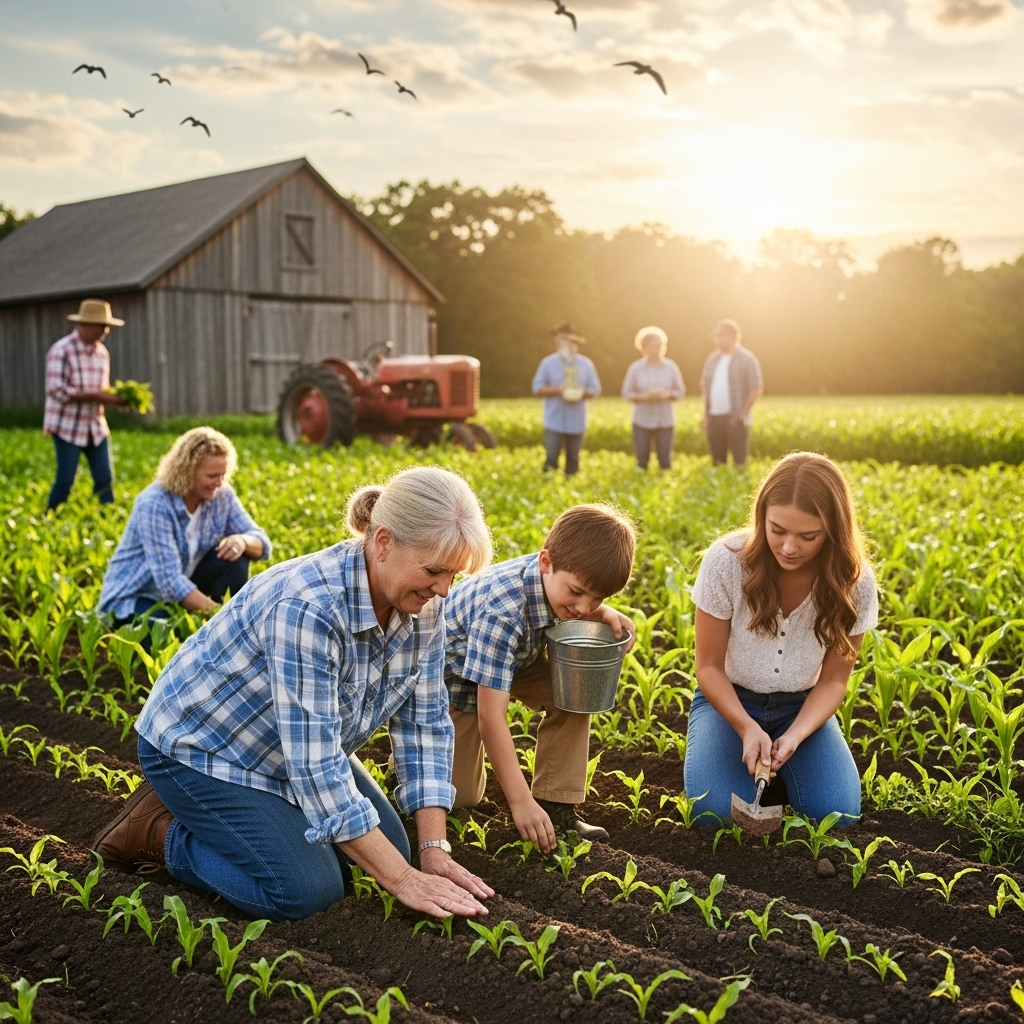
Types of Corn (Sweet, Dent, Flint, etc.)
When I first started gardening, I was surprised to learn that there are several types of corn, each serving different purposes. The most common varieties include:
- Sweet Corn: This is the kind we often enjoy during summer barbecues. It has a high sugar content and is harvested when the kernels are tender.
- Dent Corn: Named for the characteristic dent that forms on the top of the kernels as they dry, dent corn is primarily used for livestock feed and industrial products.
- Flint Corn: With its hard outer shell, flint corn is often used for cornmeal and decorative purposes, like in autumn displays.
- Popcorn: This variety has a tough outer shell that allows it to pop when heated, making it a fun snack.
- Blue and Painted Corn: These varieties are more for ornamental purposes but can also be ground into flour.
As I explored the world of corn, I found that each type has its own unique flavor and characteristics, making them suitable for different recipes and uses.
Benefits of Growing Corn
Growing corn offers numerous benefits that I didn’t fully appreciate until I started my own garden. Here are a few reasons why corn is a fantastic crop to plant:
- High Yield: Corn is known for its impressive yield, which can be very rewarding for gardeners looking to maximize their harvest.
- Versatile Uses: From fresh ears of sweet corn to cornmeal, flour, and even biofuels, corn has a wide range of applications.
- Soil Benefits: Corn can improve soil health by adding organic matter and supporting beneficial bacteria when grown in a rotation system.
- Attractive to Pollinators: The tall stalks and flowers of corn can attract various pollinators, contributing to a healthy garden ecosystem.
I’ve noticed that having corn in my garden not only provides delicious food but also supports the environment around it. Read Interesting article: How to Plant Hydrangeas the Right Way
Corn Varieties for Different Climates
Choosing the right corn variety for your climate is essential. Over time, I learned that different corn types thrive in various conditions. For instance:
- Short Season Varieties: If you live in a cooler climate with a shorter growing season, opt for early-maturing varieties like ‘Sugar Buns’ or ‘Golden Bantam.’
- Long Season Varieties: In warmer areas, you can take advantage of longer growing seasons with varieties like ‘Silver Queen’ or ‘Bodacious.’
- Hybrid Varieties: Many gardeners, including myself, have had success with hybrids that are bred for disease resistance and higher yields, perfect for specific climates.
Knowing the right variety for my region made a significant difference in my success with corn, and I encourage every gardener to research local conditions and select accordingly.
Preparing for Planting Corn
Once you’ve selected the type of corn you want to grow, the next step is preparation. I’ve found that taking the time to prepare before planting sets the stage for a successful corn crop.
Choosing the Right Location
Finding the ideal spot for planting corn is crucial. Corn thrives in full sunlight, so I always look for an area in my garden that receives at least 6 to 8 hours of direct sunlight each day. Additionally, I make sure the location has good drainage because corn doesn’t like to sit in water. I often recommend avoiding spots where water tends to pool after heavy rains.
Soil Preparation and Testing
Soil health is the foundation of any successful garden. I’ve learned that testing the soil for pH and nutrient levels is essential. Corn prefers slightly acidic to neutral soil (around pH 6.0 to 6.8). I usually send a sample to a local extension service or use a home kit to get an accurate reading. Once I know my soil’s composition, I can amend it with organic matter like compost to improve fertility.
After testing, I work the soil by tilling or turning it over, breaking up any clumps and ensuring good aeration. I also like to add fertilizer based on the recommendations from my soil test results. This preparation allows my corn plants to have the nutrients they need right from the start.
Tools and Equipment Needed
Before I start planting, I gather some essential tools. Here’s what I typically use:
- Garden Trowel: For digging holes and moving soil.
- Rake: To level the soil and remove debris.
- Measuring Tape: To ensure proper row spacing.
- Seed Planter or Seeder: For even seed placement, though I’ve also planted by hand when necessary.
- Watering Can or Hose: For watering after planting.
Having the right tools makes the planting process smoother and more enjoyable. I’ve found that preparation is half the battle when it comes to successful gardening.
When to Plant Corn
Timing is everything when it comes to planting corn. I’ve learned that understanding the right time to plant can make a world of difference in how well my corn grows. It’s not just about the calendar; it’s about the conditions in your area.
Understanding Planting Zones
Before I dive into planting, I always check which planting zone I’m in. The United States is divided into hardiness zones that help us understand what plants grow best in our climate. I remember looking up the USDA Plant Hardiness Zone Map when I first started gardening, and it helped me tremendously. For corn, I’ve found that it generally grows best in zones 3 to 10. Understanding my zone helped me choose the right varieties and avoid potential pitfalls. Each zone has its own growing season length, so knowing this can guide when to plant.
Optimal Soil Temperature for Corn
Another factor I consider is soil temperature. Corn seeds germinate best when the soil temperature is between 50°F and 86°F. I’ve spent time testing soil temperatures with a simple thermometer, and it’s so worth the effort. I recall one year when I was eager to plant, but I checked the soil temperature and found it was still too cold. I decided to wait a bit longer, and that patience paid off! If the soil is too cool, the seeds may rot instead of sprouting. Waiting for that ideal temperature ensures a stronger start.
Timing Based on Frost Dates
I also keep an eye on the last frost dates in my area. This is crucial because corn is sensitive to frost. I’ve made the mistake of planting too early, thinking I could get a head start. Unfortunately, a late spring frost can damage young plants. I like to mark the average last frost date on my calendar and plan to plant corn a week or two after that date to give my plants the best chance to thrive. This way, I avoid that nerve-wracking moment of worrying about frost damage!
Step-by-Step Guide to Planting Corn
Now that I understand when to plant, I can focus on the actual process of planting corn. I’ve found that having a step-by-step approach helps keep me organized and ensures I don’t miss any crucial steps.
Gathering Materials
Before planting, I gather all the materials I need. This includes the corn seeds, of course, as well as any fertilizers or soil amendments I might need. I also like to have my tools handy, which makes the process smoother. I try to have everything ready so I can focus on planting without interruptions.
Preparing the Soil
With my materials ready, I turn my attention back to the soil. I’ve learned that preparing the soil right before planting is key. After I’ve tilled and amended the soil, I take a moment to level it out with my rake. This step ensures that the seeds will have good contact with the soil. I also take care to remove any rocks or debris that could hinder germination. It’s amazing how much this simple step can improve my planting success!
Choosing the Right Corn Seeds
When it comes to selecting corn seeds, I like to think about what I want to achieve. Do I want sweet corn for summer grilling or perhaps some popcorn for movie nights? I often choose seeds from reputable sources, ensuring they are suitable for my climate and intended use. I’ve also tried a few heirloom varieties, which have their charm and unique flavors. Comparing options can be exciting, and I enjoy experimenting to find my favorites!
Planting Techniques (Row Spacing, Depth)
As I plant, I pay attention to spacing and depth. I typically plant seeds about 1.5 to 2 inches deep and space the seeds about 8 to 12 inches apart, depending on the variety. Rows are usually spaced 30 to 36 inches apart to allow room for the plants to grow. I’ve learned that adequate spacing helps with air circulation, and it reduces the risk of diseases. Using a measuring tape helps me keep everything nice and uniform, which is essential for a successful harvest later on.
Watering After Planting
Once my seeds are in the ground, I’m careful to water them gently. I’ve found that keeping the soil consistently moist is crucial during the germination period. I use a watering can or a hose with a gentle spray setting to avoid washing the seeds away. It’s always exciting to see the first signs of life peeking through the soil; that’s when all the hard work starts to pay off!
Each of these steps has made my corn-growing journey much more enjoyable and successful. I can’t wait to see the results of my efforts as the plants grow and develop! Read Interesting article: May Apple Plant Guide: Benefits Uses & Identification
Caring for Your Corn Crop
Caring for my corn crop is just as crucial as planting it. I’ve learned that consistent care can make a significant difference in the growth and yield of my corn. Here are the key aspects I focus on to ensure my corn thrives throughout the growing season.
Fertilization Guidelines
One of the most important aspects of caring for corn is fertilization. Early on, I discovered that corn is a heavy feeder, meaning it requires a lot of nutrients to grow well. I typically start with a balanced fertilizer at planting, usually something like 10-10-10, as it provides a good mix of nitrogen, phosphorus, and potassium. As the plants grow, I monitor their development and apply additional nitrogen-rich fertilizer when they reach about 12 inches tall. I find that side-dressing with nitrogen helps promote healthy leaf growth, which is crucial for photosynthesis.
I’ve also experimented with organic options, such as compost or well-rotted manure. I noticed that not only do they provide essential nutrients, but they also help improve soil structure. I always remember to follow the recommended application rates to avoid over-fertilization, which can harm the plants and the environment.
Pest and Disease Management
Pest and disease issues can be a real challenge when growing corn, and I’ve had my fair share of encounters. Corn borers and rootworms are two of the most common pests I’ve dealt with. To manage pests, I usually start with preventative measures, like rotating crops each year to disrupt their life cycles. I also try to plant resistant corn varieties when possible.
If I spot pests, I often resort to natural solutions first. For example, I’ve found that introducing beneficial insects, like ladybugs, can help keep aphids and other pests in check. If the situation gets out of hand, I might turn to insecticidal soap or neem oil, which are less harmful options. I pay close attention to the leaves for any signs of disease, such as yellowing or wilting. I’ve learned that early detection makes all the difference in treatment.
Irrigation Techniques
Watering my corn crop correctly is another vital element of care. Corn needs consistent moisture, especially during its critical growing stages. I’ve experimented with different irrigation techniques, and I find that drip irrigation works well for me. It delivers water directly to the roots, minimizing waste and ensuring the plants receive adequate moisture without overwatering.
When using a hose or sprinkler, I try to water deeply and infrequently, encouraging the roots to grow deeper into the soil. I check the soil moisture regularly — I usually dig a small hole to see how wet the soil is below the surface. If it feels dry a few inches down, it’s time to water again. I’ve learned that corn is particularly sensitive during tasseling and silking stages, so I’m extra diligent during those times.
Weeding and Mulching
Weeds can quickly become a problem in a corn patch if I’m not careful. I always make it a point to keep the area around my corn plants weed-free, as competition for nutrients and water can hinder growth. I typically pull weeds by hand or use a hoe, being careful not to disturb the corn roots.
To help combat weeds, I’ve found that mulching is incredibly effective. I use straw or shredded leaves around the base of my plants, which not only suppresses weeds but also helps retain soil moisture. Plus, as the mulch breaks down, it adds organic matter to the soil, enhancing its fertility. This dual-purpose approach has made my gardening experience much more manageable.
Caring for my corn crop has been a learning journey, and I feel more confident with each growing season. It’s rewarding to see how all these efforts come together to create healthy, productive plants that yield delicious corn. I can’t wait to share what I’ve learned about harvesting corn next!
Frequently Asked Questions
What are the main types of corn?
The main types of corn include Sweet Corn, Dent Corn, Flint Corn, Popcorn, and Blue and Painted Corn, each serving different purposes such as food, feed, or ornamental uses.
What benefits come from growing corn?
Growing corn offers high yields, versatile uses (like fresh eating and industrial products), improvements to soil health, and attraction of pollinators, contributing to a healthy garden ecosystem.
How do I choose the right corn variety for my climate?
Choosing the right corn variety depends on your climate. For cooler climates with shorter growing seasons, opt for early-maturing varieties like ‘Sugar Buns’ or ‘Golden Bantam.’ In warmer areas, longer-season varieties like ‘Silver Queen’ or ‘Bodacious’ are suitable.
What should I consider when preparing to plant corn?
When preparing to plant corn, it’s important to choose a location with full sunlight (6 to 8 hours a day), ensure good drainage, test soil for pH and nutrient levels, and amend the soil as needed.
What tools and equipment do I need for planting corn?
Essential tools for planting corn include a garden trowel, rake, measuring tape, seed planter or seeder, and a watering can or hose.
When is the best time to plant corn?
The best time to plant corn is after the last frost date in your area and when soil temperatures are between 50°F and 86°F to ensure proper germination.
What are the recommended planting techniques for corn?
When planting corn, seeds should be planted about 1.5 to 2 inches deep and spaced 8 to 12 inches apart, with rows typically 30 to 36 inches apart for adequate growth and air circulation.
How do I care for my corn crop after planting?
Caring for corn includes proper fertilization, pest and disease management, consistent irrigation, and weeding and mulching to ensure healthy growth and yield.
What fertilization guidelines should I follow for corn?
Corn is a heavy feeder and typically requires a balanced fertilizer at planting and additional nitrogen-rich fertilizer when plants reach about 12 inches tall to promote healthy growth.
How can I manage pests and diseases in my corn crop?
Pest and disease management can involve preventative measures like crop rotation, planting resistant varieties, and using natural solutions like beneficial insects or less harmful treatments like insecticidal soap or neem oil.