
The Money Plant, also known as Pothos, is a hardy houseplant that thrives with minimal care, making it perfect for both novice and experienced plant lovers. I’ve enjoyed having one in my home for years, and it never fails to brighten up my space. If you’re interested in more plant care tips, check out Money Tree Care: Tips For New Plant Parent Success.
Understanding the Money Plant
What is a Money Plant?
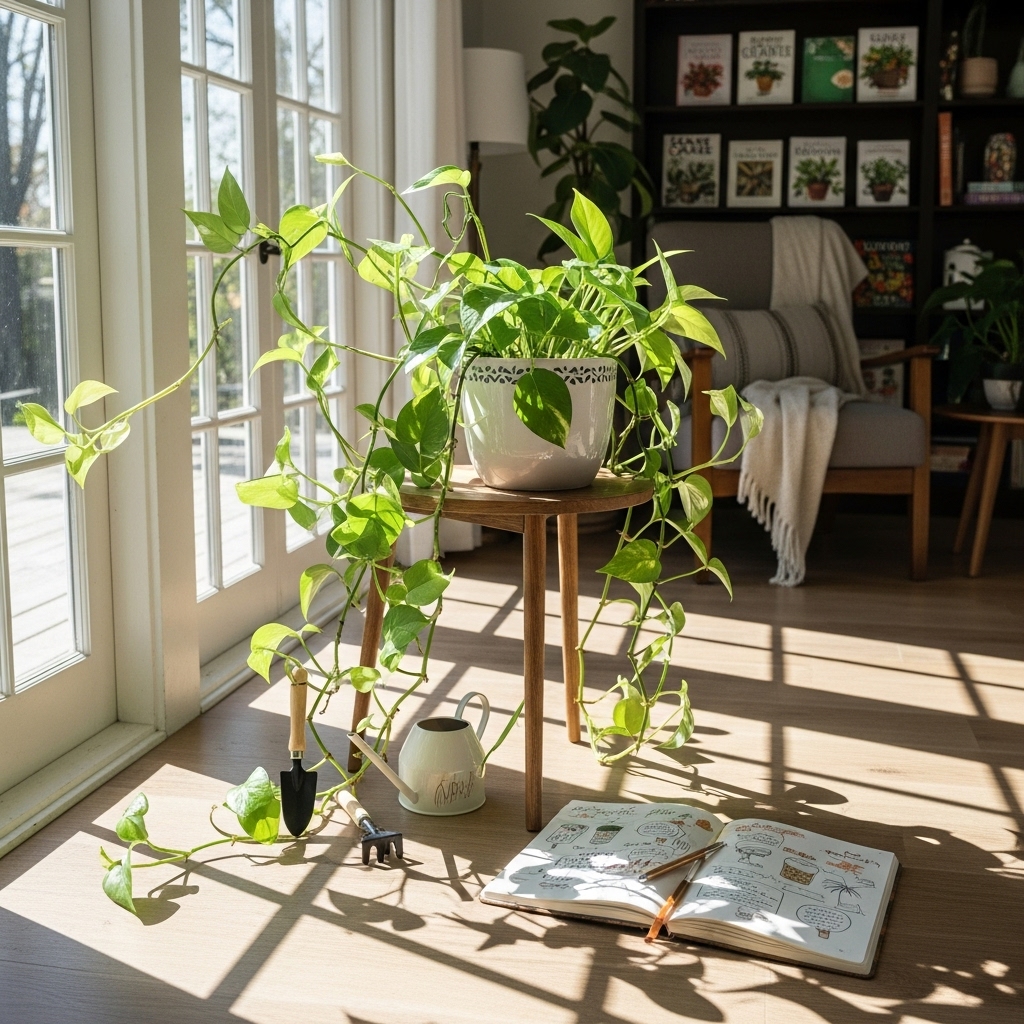
The Money Plant, scientifically known as Epipremnum aureum, is a popular houseplant celebrated for its heart-shaped leaves and easy-care nature. This plant is often recognized for its trailing vines, which can grow long and lush, giving it an attractive, cascading look. I remember my first encounter with a Money Plant; I was drawn to its vibrant green leaves and the way it added life to a dull corner in my living room. It’s a great choice for anyone looking to enhance their indoor environment.
Common Names and Varieties
Money Plants are known by several names around the world, including Devil’s Ivy, Golden Pothos, and Satin Pothos. Each name reflects a different aspect of its characteristics or folklore. Among the varieties, you’ll find Golden Pothos with its striking yellow variegation, and the Marble Queen with its beautiful creamy white and green leaves. I personally love the Marble Queen for its unique look, which adds a touch of elegance to my plant collection.
Symbolism and Cultural Significance
In many cultures, Money Plants are associated with good luck and prosperity. It’s believed that placing a Money Plant in your home can attract wealth and success. I’ve often heard stories from friends who swear by this belief, sharing how their plants have flourished alongside their financial growth. This cultural significance makes it not just a plant, but a symbol of hope and positivity in many households. In my experience, having a Money Plant can feel like having a little guardian of fortune by your side.
Ideal Growing Conditions
Optimal Light Requirements
When it comes to light, Money Plants are quite flexible. They can thrive in low light conditions, but they truly flourish in bright, indirect sunlight. I’ve noticed that when I place mine near a window with filtered light, its leaves become more vibrant and lush. If you’re like me and don’t have a lot of direct sunlight in your home, don’t worry! Just be careful not to expose it to harsh direct sunlight for long periods, as this can scorch the leaves. For more information on outdoor care, check out How to Care: For Money Tree Plants Outdoors.
Temperature Preferences
Money Plants prefer temperatures between 70°F to 90°F (21°C to 32°C). They can tolerate a range of temperatures but should be kept away from cold drafts or extreme heat. I learned this the hard way when I left my plant near an open window during a chilly night; it didn’t thrive as well as it used to. Keeping it in a consistent, warm environment is key to its health.
Humidity Levels
These plants enjoy humidity, often thriving in environments that mimic their tropical origins. While they can adjust to standard home humidity levels, I’ve found that misting the leaves or placing a humidifier nearby can significantly boost their growth. If you notice the tips of the leaves browning, it could be a sign that your plant needs more humidity. A simple misting a few times a week works wonders.
Choosing the Right Potting Mix
The right potting mix is crucial for a healthy Money Plant. A well-draining soil mix is ideal, as it helps prevent root rot. I usually go for a potting mix that contains peat moss, perlite, and some orchid bark. This combination allows for good drainage while still retaining some moisture. If you’re unsure, a standard houseplant mix will often do the trick, but adding a little perlite can enhance drainage.
Watering and Feeding
How Often to Water
When it comes to watering, I’ve learned that less is often more. Money Plants prefer to dry out between waterings, so I usually check the top inch of soil. If it feels dry, it’s time to water. Typically, I water every 1-2 weeks, but this can vary based on the season and humidity levels in my home. Overwatering is a common mistake, and I’ve experienced the consequences firsthand with droopy, yellowing leaves.
Signs of Overwatering vs. Underwatering
Understanding the signs of overwatering and underwatering is essential for keeping your Money Plant healthy. Overwatering often leads to yellowing leaves, mushy stems, and a musty smell from the soil. On the other hand, underwatering can cause leaves to wilt or develop brown tips. I try to pay close attention to my plant’s needs and adjust my watering schedule accordingly, which has really improved its health.
Fertilizing Schedule and Types of Fertilizer
Money Plants don’t require a lot of fertilizer, but feeding them during the growing season can promote lush growth. I typically use a balanced liquid fertilizer every 4-6 weeks from spring to summer. In the fall and winter, I reduce feeding, as the plant enters a dormant phase. If you’re unsure, a half-strength fertilizer can be a safe option that still provides nutrients without overloading the plant. For more care essentials, visit Money Tree Indoor: Care Essentials For Plant Growing Success.
Propagation Techniques
Stem Cuttings Method
One of the easiest ways to propagate a Money Plant is through stem cuttings. I remember the first time I tried this, I was amazed at how simple it was! To start, I selected a healthy stem that had at least a few leaves on it. Using clean scissors, I cut a segment of about 4-6 inches long, making sure to cut just below a node, where the leaves emerge. After that, I placed the cutting in a glass of water, ensuring that the node was submerged. Within a couple of weeks, I could see tiny roots forming, and it was such an exciting moment! Once the roots were a few inches long, I transferred it to soil, and it thrived from there.
Leaf Cuttings Method
While stem cuttings are more common for propagation, I’ve also had success with leaf cuttings. However, I learned that this method is a bit trickier. For leaf cuttings, I snipped off a healthy leaf and, again, ensured it was cut close to the stem. I then placed the leaf flat on moist potting soil, ensuring the cut edge was in contact with the soil. Keeping the soil damp, I covered the pot with plastic to create a mini greenhouse effect. It took a bit longer than stem cuttings, but eventually, roots began to form, and new growth appeared!
Water vs. Soil Propagation
When it comes to choosing between water or soil propagation, I’ve experimented with both methods. Water propagation is often more visually satisfying, as you can watch the roots develop. It’s also a great method for beginners, as it allows you to see if your cutting is healthy before moving it to soil. However, I’ve found that soil propagation can lead to a quicker establishment of the plant. For me, it’s all about personal preference and what fits my schedule. If I’m patient enough to wait for roots in water, I go that route. But if I want quick results, I opt for soil propagation!
Pest and Disease Management
Common Pests: Identification and Treatment
While my Money Plant has generally been healthy, I’ve encountered a few pests along the way. The most common ones include spider mites, aphids, and mealybugs. I remember spotting spider mites for the first time; they were tiny, almost invisible, but I noticed some webbing on the leaves. To treat this, I opted for a gentle insecticidal soap and gave my plant a good rinse with water to wash them off. For mealybugs, I used a cotton swab dipped in rubbing alcohol to remove them. I’ve found that regularly checking my plants helps catch these pests early, before they can do too much damage.
Disease Prevention and Treatment
Prevention is key when it comes to plant diseases. I’ve learned that keeping good airflow around my Money Plant can help prevent fungal issues, so I avoid overcrowding it with other plants. If I notice any signs of disease, like wilting or unusual spots on the leaves, I take a closer look. With issues like root rot, I’ve found that removing the affected roots and repotting the plant in fresh, dry soil can often save it. It’s a bit of a hassle, but I’ve managed to revive a few plants this way!
Signs of a Healthy Money Plant vs. Unhealthy
Observing my plant’s leaves has been a great way to gauge its health. A healthy Money Plant typically has vibrant green leaves that are firm and perky. If I see any yellowing or browning tips, I pay attention! These signs often indicate either watering issues or nutrient deficiencies. I’ve also learned that if my plant starts dropping leaves, it’s usually a sign that something isn’t right, and I need to reassess its care. Keeping a close eye on these signals has helped me maintain a thriving Money Plant over the years.
Pruning and Maintenance
When and How to Prune
Pruning is an important part of maintaining a healthy Money Plant. I usually do this in the spring when the plant is actively growing. I start by removing any dead or yellowing leaves to encourage new growth. I’ve also learned that trimming back the vines can promote bushier growth. I like to cut just above a leaf node, which encourages the plant to branch out. It’s a great way to keep my Money Plant looking full and vibrant!
Encouraging Bushier Growth
If you want your Money Plant to become bushier, I recommend pinching back the tips of the vines when they become too long. I’ve seen significant improvement in my plant’s fullness since I started doing this. Another trick is to rotate the plant occasionally to ensure all sides are getting equal light. This helps prevent one side from becoming leggy while the other remains full. It’s amazing how a little attention can lead to such lush growth!
Repotting Your Money Plant
Repotting is something I’ve done every couple of years as my Money Plant grows. I usually know it’s time when I see roots emerging from the drainage holes or if the soil dries out too quickly. When repotting, I select a pot that’s only one size larger than the current one and use fresh potting mix. I gently loosen the roots before placing the plant in its new home and water it thoroughly afterward. It’s like giving my plant a fresh start, and I can almost see it breathing a sigh of relief!
Common Problems and Solutions
Yellowing Leaves
One of the most common issues I’ve faced with my Money Plant is yellowing leaves. This can be a bit alarming at first, especially when you’ve nurtured your plant for a while. I learned that yellow leaves can be a sign of various problems. Sometimes, it indicates overwatering, especially if the soil feels soggy. Other times, it could mean that my plant isn’t getting enough light; the leaves tend to lose their vibrant green hue in low light conditions. To tackle this issue, I started checking the soil moisture more frequently and adjusting the plant’s location to ensure it gets adequate light. If I spot yellowing leaves, I also trim them off to keep the plant healthy and encourage new growth.
Wilting and Dropping Leaves
Wilting can be another distressing sign for a plant parent. I remember a time when I noticed my Money Plant’s leaves drooping and some even dropping off. After some research and trial and error, I discovered that wilting can be due to underwatering or extreme temperature changes. I realized I wasn’t watering it enough during a particularly hot summer, which led to the drooping. To fix this, I increased my watering frequency and ensured it was in a stable environment, away from cold drafts or hot air from vents. Keeping a consistent watering schedule has made a huge difference in preventing wilting and falling leaves.
Leggy Growth and How to Fix It
Leggy growth is something I’ve come to recognize in my Money Plant over time. When I noticed vines stretching toward the light source, I realized it was a sign that the plant wasn’t getting enough light. It’s almost like my plant was reaching out, trying to find the sun! To remedy this, I rotated the plant regularly and also pruned back some of the longer vines. By pinching the tips, I encouraged bushier growth and helped the plant focus its energy on producing new leaves rather than stretching out. It’s amazing how a little adjustment in care can transform a leggy plant into a fuller, healthier one!
Decorating with Money Plants
Best Locations in Your Home
Finding the perfect spot for my Money Plant has been a fun adventure. I’ve discovered that they thrive in various locations, but some spots are truly better than others. For instance, placing my Money Plant near a window that gets filtered light has worked wonders. I’ve also had success keeping it in a bathroom with indirect sunlight; the humidity from showers seems to keep it happy. Balancing light and humidity levels is essential, so I recommend trying different locations until you find where your plant flourishes the most.
Creative Display Ideas
When it comes to displaying my Money Plant, I love getting creative! One of my favorite ways to show off its trailing vines is by using a hanging planter. I’ve found that it adds a lovely touch to my living room, especially when the vines gracefully cascade down. Another idea I’ve tried is using a decorative shelf or plant stand, allowing the Money Plant to drape over the edges. It creates a beautiful focal point and adds a bit of greenery to any space. I’ve also seen some stunning arrangements where Money Plants are combined with other plants in a large pot. It’s a great way to create a mini jungle vibe in your home!
Combining with Other Plants
Speaking of combinations, I’ve had fun experimenting with pairing my Money Plant with other houseplants. I’ve found that plants with similar care requirements make the best companions. For instance, I’ve paired it with pothos and snake plants, which thrive in similar conditions. This not only creates a visually appealing arrangement, but it also simplifies care since I can manage them together. I recommend considering different leaf textures and colors to create contrast and interest. It’s rewarding to see how these plants can complement each other while enhancing the overall aesthetics of my home.
Frequently Asked Questions (FAQs)
How fast does a money plant grow?
From my experience, Money Plants can grow quite rapidly under the right conditions. I’ve noticed that during the growing season, especially in spring and summer, my Money Plant can put on several feet of growth in just a few months! With adequate light, proper watering, and occasional feeding, you can expect noticeable growth. It’s always exciting to see how quickly it can fill out a space!
Can money plants be kept outside?
Yes, Money Plants can be kept outside, but I’ve learned that it’s best to place them in a spot with partial shade. Direct sunlight can scorch their leaves, so I usually opt for a shaded patio or a spot that receives filtered light. It’s a great way to give them a burst of fresh air and natural humidity, but I always monitor them closely to ensure they’re adjusting well to the outdoor environment.
Are money plants toxic to pets?
I often hear this question from fellow pet owners. Unfortunately, yes, Money Plants are considered toxic to pets, particularly cats and dogs. I keep mine out of reach of my curious furry friends just to be safe. If you have pets, it’s essential to monitor their interactions with plants and consider placing them in areas where pets can’t access them. There are many pet-friendly plants out there if you’re looking for alternatives!
How to revive a dying money plant?
If I ever find my Money Plant struggling, I take a few steps to revive it. First, I assess the watering situation; if it’s too dry or too wet, I adjust accordingly. Next, I check for pests or signs of disease, addressing any issues I find. Providing it with the right light and humidity is also key. Sometimes, a little pruning can encourage new growth. I’ve had success bringing my plants back to life by being attentive and giving them the care they need!