
The snake plant, also known as Sansevieria or mother-in-law’s tongue, is a hardy, low-maintenance houseplant that thrives on neglect. I’ve found that with just a little care, these resilient plants can beautify any space while also improving indoor air quality. Read Interesting article: Is Snake Plant Toxic to Cats? Warning Signs & Care
Overview of Snake Plants
What is a Snake Plant?
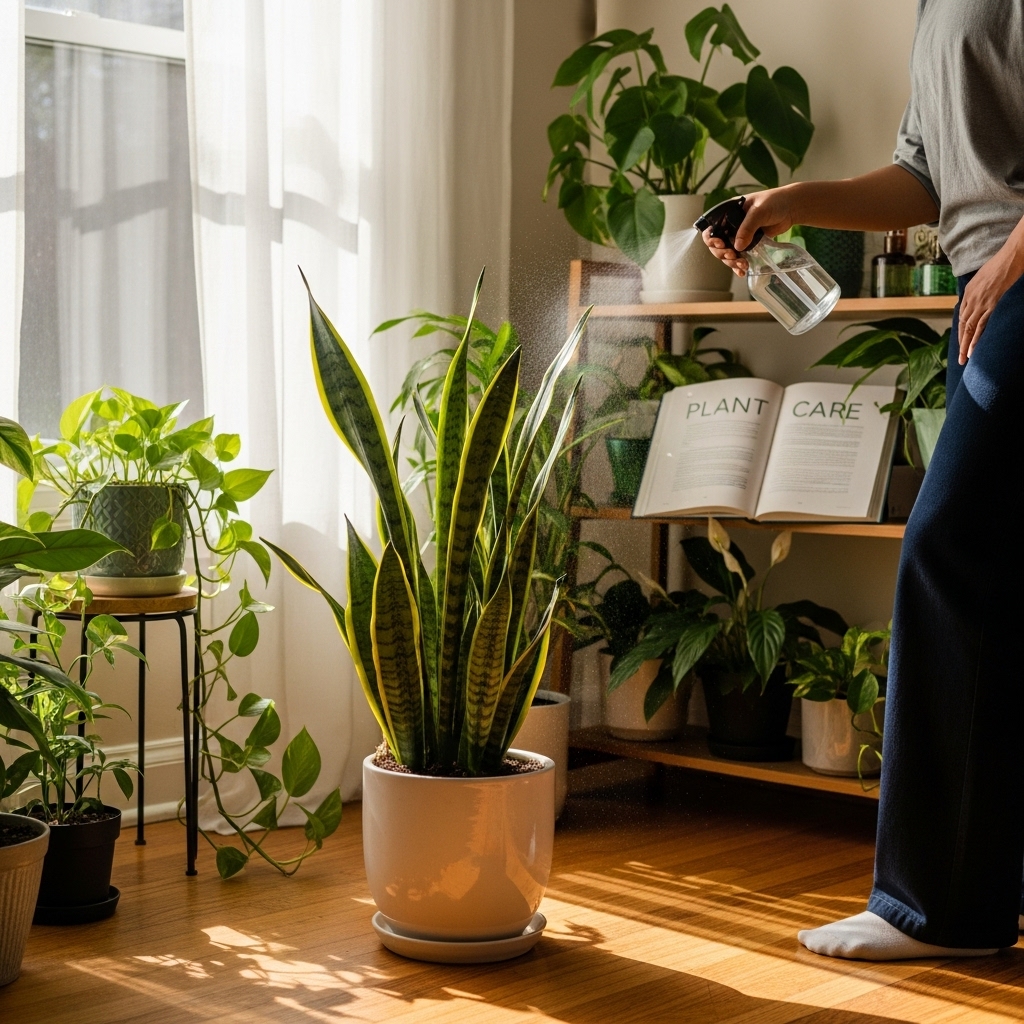
The snake plant is a succulent plant characterized by its tall, sword-like leaves that can grow upright, making it a striking addition to any home or office. Native to Africa, it’s well-loved for its ability to tolerate a variety of conditions, from low light to drought. This makes it a perfect choice for beginners or those with a busy lifestyle, as I can attest from my own experience. I remember when I first got my snake plant; I was amazed at how easily it adapted to my home, requiring minimal attention.
Common Varieties of Snake Plants
There are several varieties of snake plants, each with its own unique look. Some of my favorites include:
- Sansevieria trifasciata: This is the classic variety with dark green leaves edged in yellow.
- Sansevieria cylindrica: Known for its round, tubular leaves that can grow quite tall.
- Sansevieria laurentii: Features a striking yellow margin around its leaves, adding a pop of color.
Each variety brings its own charm to a space, and I’ve enjoyed experimenting with different types to find the ones that suit my decor the best.
Benefits of Keeping Snake Plants
Having a snake plant in my home has brought numerous benefits. Not only do they look great, but they also contribute to a healthier living environment. Here are some reasons I believe you should consider adding a snake plant to your collection:
- Air Purification: Snake plants are known for their ability to remove toxins like formaldehyde and benzene from the air. I’ve read studies showing that they can improve indoor air quality significantly.
- Low Maintenance: These plants require very little care, making them perfect for those who may forget to water regularly. I’ve often gone weeks without watering, and my snake plant still thrives.
- Versatility: They can adapt to various light conditions, from bright, indirect light to low-light areas. I’ve placed mine in different rooms and have seen them do well in both situations.
- Improved Humidity: Snake plants release moisture into the air, which can help maintain humidity levels in dry environments. I’ve noticed that during the winter months, it helps keep the air in my home from feeling too dry.
In my opinion, these plants not only add a touch of greenery but also enhance the overall atmosphere of a room. Their combination of beauty and functionality makes them a must-have for any plant lover. Read Interesting article: How to Care for a Snake Plant (Beginner Friendly)
Ideal Growing Conditions
Light Requirements
One of the best things about snake plants is their flexibility when it comes to light. They can thrive in a range of lighting conditions, from low-light corners to bright, indirect sunlight. I’ve seen mine flourish in a spot that gets just a few hours of filtered light each day. However, it’s important to note that while they can survive in low light, they tend to grow faster and look healthier with some indirect sunlight. If you notice your plant becoming leggy, it might be a sign that it needs a little more light.
Temperature Preferences
Snake plants prefer temperatures between 60°F and 80°F (15°C to 27°C). They can tolerate cooler temperatures but should be kept away from drafts and extreme cold. I’ve made the mistake of placing mine too close to an open window during winter, and I noticed some leaf tip burn. It’s best to keep an eye on the temperature, especially during seasonal changes.
Humidity Levels
Unlike many houseplants, snake plants do not require high humidity. They thrive in average household humidity levels, which is great news for those of us living in drier climates. From my experience, I’ve found that they do well in bathrooms or kitchens with higher humidity but are equally happy in drier rooms. Just make sure they have good air circulation to prevent any issues.
Soil Type and Potting
When it comes to soil, snake plants prefer a well-draining mix. I’ve used a cactus potting mix with added perlite to help with drainage, and it works wonders. They don’t like to sit in water, so choosing the right pot is also crucial. A pot with drainage holes is a must. I learned this the hard way when I tried using a decorative pot without drainage; my plant started to rot. If you want to give your snake plant a new home, opt for a pot that’s slightly bigger than its current one to allow for growth, but not too large, as that can hold too much moisture.
Watering Your Snake Plant
How Often to Water
Watering my snake plant has been one of the simplest yet most crucial aspects of its care. I learned early on that these plants prefer to dry out between waterings, which makes them quite forgiving for those of us who sometimes forget to check in on our plants. Typically, I water mine every 2 to 6 weeks, depending on the season. In the summer, I find that the soil dries out faster, so I might lean toward the 2-week mark, whereas in the winter, I stretch it out to 4 to 6 weeks. A good rule of thumb is to stick my finger into the soil about an inch deep; if it feels dry, it’s time to water!
Signs of Overwatering
In my early days of plant parenthood, I had a bit of a scare with overwatering. I noticed the leaves on my snake plant were turning yellow and soft, and I immediately thought something was off. Snake plants are particularly susceptible to root rot if overwatered, which can be a death sentence for them. If you see mushy leaves or a foul smell coming from the soil, those are clear signs that you’ve been a little too generous with the water. I’ve since learned to be cautious and to check the moisture before adding more water.
Signs of Underwatering
While it might feel safer to underwater than overwater, neglecting your snake plant can have its own consequences. I’ve noticed that if I go too long without watering, the leaves may start to wrinkle or become crispy at the edges. If the plant looks like it’s sagging or drooping, it’s likely thirsty. When I’ve seen these signs, I make sure to give it a good drink and monitor it closely afterward to get back on a healthy watering schedule.
Best Watering Practices
To make the most of my watering routine, I discovered a few best practices that have worked wonders for my snake plant. First, I always water from the base rather than pouring water directly on the leaves. This helps prevent any potential rot that can occur if water sits on the leaves. I also make sure to water thoroughly until I see water draining out of the bottom of the pot; this ensures that the roots are getting enough moisture. Lastly, I’ve found that using room temperature water seems to be best. Cold water can shock the plant, especially in the colder months.
Fertilization and Nutrients
When to Fertilize
I initially thought that snake plants didn’t need much in terms of nutrients, which is partly true, but I’ve come to realize that they do benefit from some fertilization during the growing season. I typically fertilize mine once a month from spring to early summer when they’re actively growing. In the fall and winter, I cut back on fertilizing altogether because the plant’s growth slows down. It’s amazing how a little boost during the right time can make such a difference!
Types of Fertilizers
When it comes to fertilizers, I prefer to use a balanced, water-soluble fertilizer diluted to half strength. This way, I can avoid overwhelming my snake plant with too many nutrients. I’ve also experimented with organic options like fish emulsion or seaweed extract, which seem to be well-received. I feel like these natural options not only nourish the plant but also give me peace of mind knowing that I’m not introducing harsh chemicals into my home environment.
Signs of Nutrient Deficiency
Recognizing the signs of nutrient deficiency has been a learning curve for me. If I notice that my snake plant’s growth seems stunted or that the new leaves are smaller than the old ones, it might be a sign that it’s not getting enough nutrients. Yellowing leaves, particularly older ones, can also indicate a lack of nitrogen. I’ve started observing my plant closely, and if I suspect a deficiency, I’ll give it a light dose of fertilizer to help perk it back up.
Repotting Your Snake Plant
When to Repot
Repotting can feel a bit daunting, but it’s necessary for the health of my snake plant. I typically repot mine every 2 to 3 years or whenever I notice that the roots are starting to outgrow the pot. Signs that it’s time to repot include roots growing out of the drainage holes or the plant becoming top-heavy. I remember the first time I repotted my snake plant; it felt so rewarding to give it a fresh start in a bigger pot!
How to Repot
The process of repotting is fairly straightforward. First, I carefully remove the plant from its current pot, being mindful not to damage the roots. I usually shake off any excess soil and inspect the roots for health. If I see any brown or mushy roots, I prune those away with clean scissors. Then, I place the plant in its new pot with fresh, well-draining soil, making sure it’s at the same depth it was in the previous pot. I always give it a light watering after repotting to help settle the soil.
Choosing the Right Pot
Choosing the right pot has also been an important lesson for me. I prefer pots that are slightly larger than the current one, giving the roots some space to grow. However, I’ve learned not to go too big; if the pot is too large, it can hold excess moisture, leading to root rot. I also stick with pots that have drainage holes, as this is crucial for any plant’s health, especially for one as drought-tolerant as the snake plant.
Common Pests and Problems
Identifying Common Pests
Even though snake plants are tough little guys, they’re not completely immune to pests. I remember the first time I found tiny specks on my leaves, and I wasn’t sure what to make of it. Upon closer inspection, I realized they were spider mites. Some other common pests include mealybugs and aphids. Spider mites tend to thrive in dry conditions, so I’ve learned to keep an eye out for webbing on the leaves, which is a telltale sign. Mealybugs, on the other hand, look like little cottony clusters and can be found in the leaf axils. If you see these critters, it’s crucial to catch them early to prevent further damage. I’ve found that being proactive about inspections helps me keep my plants healthy and happy.
Treatment for Pests
When it comes to treating pests, I’ve learned that a little diligence goes a long way. For minor infestations, I usually opt for a simple solution of soap and water. I mix a few drops of dish soap with water in a spray bottle and give the affected areas a good spritz. This method has proven effective for me, and I feel good knowing I’m not using harsh chemicals in my home. For more stubborn infestations, I’ve turned to neem oil, a natural pesticide that’s safe for most houseplants. I simply mix it with water and spray it on the leaves, making sure to cover both the tops and bottoms. After a couple of treatments, I often see a noticeable difference. Keeping my snake plant in good health is a priority, so I always check for pests regularly.
Common Diseases and Their Solutions
While I’ve been fortunate to avoid serious diseases, I’ve learned about a few that can affect snake plants. Root rot is perhaps the most common issue, often arising from overwatering. I’ve seen my plant friends struggle with this, and it usually leads to mushy roots and yellowing leaves. To combat root rot, it’s crucial to let the soil dry out completely and ensure proper drainage. If I suspect my snake plant has root rot, I carefully take it out of the pot, trim away any affected roots, and repot it in fresh soil.
Another disease to watch out for is leaf spot, which manifests as dark patches on the leaves. This usually happens due to excess moisture or poor air circulation. In my case, I noticed leaf spot on my snake plant when I was overzealously misting it. To address this, I simply cut away the affected leaves and adjusted my care routine to allow for better airflow. I’ve found that providing good ventilation and avoiding water on the leaves goes a long way in preventing these issues.
Propagation Techniques
Leaf Cuttings
Propagation has been one of the most rewarding aspects of my plant journey. I started with leaf cuttings, which is a straightforward method. I remember snipping a healthy leaf from my snake plant, cutting it into sections about 4 to 6 inches long, and letting them dry for a day to callous over. After that, I placed the cuttings in a small pot with well-draining soil, barely burying them. It was thrilling to watch new roots develop, and soon enough, I had baby snake plants popping up!
Division Method
Another popular method I’ve used is division, which involves separating the rhizomes of the plant. I typically do this when I’m repotting my snake plant. When I gently pull my plant out of the pot, I look for clusters of leaves connected by roots. I’ve found it helpful to use clean scissors to cut through the roots, ensuring I get a healthy division. After that, I pot them individually and give them a little care to help them settle in. I find this method particularly satisfying because I’m able to create multiple plants from one. It feels like I’m expanding my little plant family!
Water Propagation
I’ve also tried water propagation, which is a fun and visual way to propagate snake plants. I take a healthy leaf cutting, place it in a glass of water, and let it sit in a bright spot. It’s important to change the water regularly to keep it fresh. I’ve seen roots develop in just a few weeks, and it’s thrilling to watch! Once the roots are a few inches long, I’ll pot them in soil. This method feels like a science experiment, and it’s a great way to share cuttings with friends. Read Interesting article: How to Plant Rice Successfully (Beginner Guide)
Seasonal Care Tips
Winter Care
Winter can be a tricky time for plants, but I’ve found that snake plants are quite forgiving. I make sure to reduce watering during the colder months since the plant’s growth slows down. I also keep an eye on the temperature; I try to avoid placing it near drafty windows or heating vents. A few years ago, I made the mistake of letting my snake plant sit too close to a radiator, which caused some leaf tips to brown. Now, I place mine in a cozy, stable location where it can thrive even in the chill.
Summer Care
Summer is a different story. My snake plant loves the increased sunlight and warmth! I often find myself needing to water more frequently since the soil dries out faster. This is also the time I like to give it a little extra food, as it really seems to respond well to the fertilizer I apply. I’ve noticed that the plant grows more vigorously during these months, and I often get excited about its lush, vibrant appearance. I also make sure to rotate it occasionally to ensure all sides receive equal light, keeping it balanced and healthy.
Frequently Asked Questions
What is a snake plant?
The snake plant, also known as Sansevieria or mother-in-law’s tongue, is a succulent plant characterized by its tall, sword-like leaves that can grow upright. It is native to Africa and is well-loved for its ability to tolerate a variety of conditions, making it a perfect choice for beginners and busy individuals.
What are the common varieties of snake plants?
Some common varieties of snake plants include Sansevieria trifasciata (the classic variety with dark green leaves edged in yellow), Sansevieria cylindrica (known for its round, tubular leaves), and Sansevieria laurentii (which features a striking yellow margin around its leaves).
What are the benefits of keeping snake plants?
Snake plants offer several benefits, including air purification by removing toxins such as formaldehyde and benzene, low maintenance care, adaptability to various light conditions, and improved humidity levels by releasing moisture into the air.
What are the ideal light and temperature conditions for snake plants?
Snake plants thrive in a range of lighting conditions from low light to bright, indirect sunlight. They prefer temperatures between 60°F and 80°F (15°C to 27°C) and should be kept away from drafts and extreme cold.
How often should I water my snake plant?
Snake plants prefer to dry out between waterings. Typically, they should be watered every 2 to 6 weeks depending on the season. In summer, the soil dries out faster, while in winter, watering can be stretched out to 4 to 6 weeks.
What are the signs of overwatering and underwatering in snake plants?
Signs of overwatering include yellow and soft leaves, mushy texture, and a foul smell from the soil. Signs of underwatering include wrinkled leaves, crispy edges, and sagging or drooping appearance.
When should I fertilize my snake plant?
It is recommended to fertilize snake plants once a month during the growing season (spring to early summer) and to cut back on fertilization in the fall and winter when growth slows down.
How do I repot my snake plant?
Repotting should be done every 2 to 3 years or when roots start to outgrow the pot. To repot, carefully remove the plant, inspect the roots, prune any unhealthy ones, place it in a new pot with fresh soil, and water lightly after repotting.
What pests commonly affect snake plants?
Common pests that affect snake plants include spider mites, mealybugs, and aphids. Regular inspections can help catch infestations early to prevent damage.
What propagation techniques can I use for snake plants?
Propagation methods include leaf cuttings (snipping a healthy leaf and allowing it to callous before placing it in soil), division (separating rhizomes during repotting), and water propagation (placing a leaf cutting in water until roots develop before potting it in soil).