
The best way to plant on sand tile in RimWorld is to enhance the soil quality and choose appropriate crops that can thrive in sandy conditions. My experiences with sand tile taught me that with the right preparation and techniques, even this challenging terrain can yield a fruitful harvest. Read Interesting article: How to Plant on Sand Tile in RimWorld (Quick Fix Guide)
Understanding Sand Tile in RimWorld
What is Sand Tile?
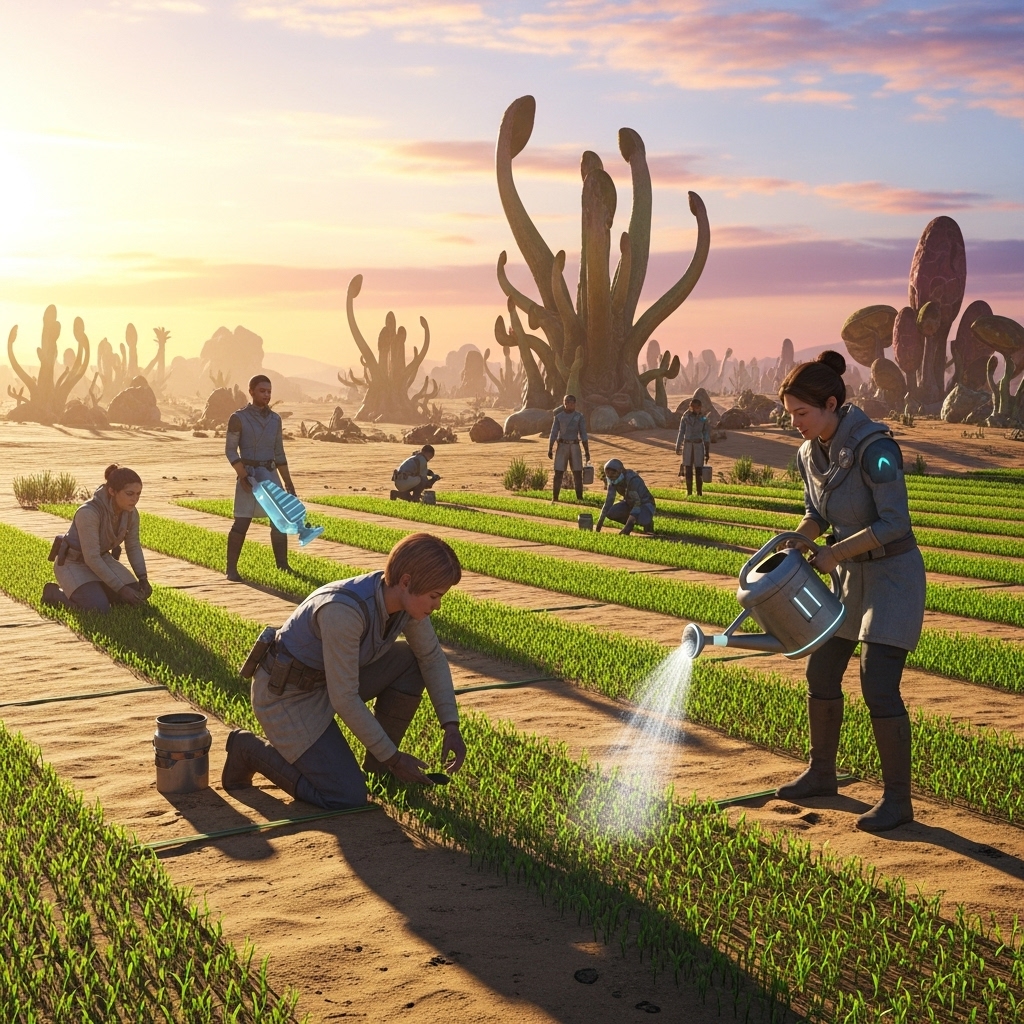
In RimWorld, sand tile refers to the sandy areas found in various biomes, particularly in deserts and arid regions. These tiles have distinct characteristics that set them apart from other soil types, such as rich soil or regular soil. I remember when I first started playing, I was confused about how to deal with these sandy patches, as they seem uninviting for planting. However, once I learned more about their properties, I realized I could still make them work for my colony.
Characteristics of Sand Tile
Sand tile has several unique features that affect how we can cultivate crops. Firstly, it drains water much faster than regular soil, which can lead to a lack of moisture for plants. This means that if we want to plant successfully on sand, we need to be extra attentive to our watering schedule. I found that keeping an eye on the moisture levels was crucial; otherwise, my plants would wilt quickly.
Another characteristic is that sand tile has lower natural fertility compared to other soil types. This means that crops planted here won’t receive the nutrients they need right off the bat. When I first tried planting on sand, I noticed that many of my crops struggled to grow without some extra help. It became clear that I had to focus on soil amendments to boost fertility.
How Sand Tile Affects Planting
Understanding how sand tile affects planting is essential for a successful agricultural strategy in RimWorld. The drainage and low fertility significantly impact the types of crops we can grow and their eventual yield. For example, I learned that while some plants can tolerate sandy conditions, they might not thrive like they would in more fertile soil. The key for me was to experiment with various plants and monitor their growth, which allowed me to discover what truly flourishes in sandy environments.
Additionally, the quick drainage of water means that we need to be proactive about irrigation. I often found myself setting up a more robust watering system, ensuring my crops received adequate moisture, especially during dry spells. Over time, I realized that creating a dedicated irrigation plan for my sand tile crops not only improved growth rates but also saved me a lot of headaches. The experience taught me that adapting to the unique challenges of sand tile can lead to a successful farming operation.
Why Planting on Sand Tile is Challenging
Soil Fertility Issues
One of the main challenges I faced when planting on sand tile was the soil fertility issue. Sand tile doesn’t provide the nutrients that most plants need to thrive. I remember one particular growing season when I planted potatoes, thinking they would do well, only to find that the yield was dismal. It became apparent that I had to prioritize soil amendments and fertilization if I wanted to see any significant results.
To overcome this, I started researching soil amendments that could help increase fertility in sandy areas. Organic matter, such as compost or manure, proved to be invaluable. When I mixed these amendments into the sand tile, I noticed a remarkable difference in growth rates. The plants not only grew bigger but also produced healthier yields. It was a game-changer for my colony’s food supply.
Water Drainage and Retention
The rapid drainage of water in sand tile can be a double-edged sword. On one hand, it means that excess water doesn’t lead to flooding, but on the other, it can leave plants thirsty. I learned this lesson the hard way; during one drought, I neglected my watering schedule and watched in despair as my crops wilted away. That experience pushed me to create a more systematic watering plan.
To improve water retention, I found that using mulch or planting cover crops can help slow down evaporation. These methods not only kept the soil moist longer but also added organic matter, which in turn enhanced fertility. It was a relief to see my plants thriving again, and I realized that managing water was just as important as addressing soil nutrients.
Plant Growth Rates on Sand Tile
Plant growth rates on sand tile can vary dramatically depending on how well you’ve managed the soil’s fertility and moisture levels. I discovered that while some crops, like cacti or certain herbs, can handle the sandy conditions fairly well, others struggle significantly. This led me to conduct my own experiments with different plant types to identify which ones performed best.
For instance, I found that while crops like corn struggled in sandy soil, beans thrived. Their growth rates were impressive when I ensured they had enough water and nutrients. This trial-and-error process became not only educational but also rewarding, as I gradually built a list of plants that were best suited for my sandy farming endeavors.
Ultimately, I realized that the key to successful planting on sand tile is understanding its challenges and adapting my strategies accordingly. By focusing on soil amendments, creating a consistent watering schedule, and selecting the right crops, I was able to transform what seemed like an inhospitable environment into a productive agricultural space. It’s an ongoing learning experience, but I truly believe that with patience and persistence, anyone can cultivate a thriving garden on sand tile in RimWorld.
Preparation for Planting on Sand Tile
Gathering Necessary Resources
Before diving into planting on sand tile, I found it essential to gather all the necessary resources. At first, I underestimated how much preparation would be needed. I remember standing in my colony, looking at the barren sand and realizing I needed more than just seeds to achieve a successful harvest. The key is to have a well-thought-out strategy that considers the unique challenges of sandy soil.
First, I made a list of the tools I needed. A good shovel was crucial for clearing the sand and preparing the soil. I also invested in watering cans and irrigation supplies early on. I learned that having a reliable watering system would save me countless hours of labor and stress. Additionally, I made sure to keep a stockpile of organic matter, like compost and manure, on hand for soil amendments. Over time, I also discovered the importance of having a variety of seeds to experiment with, opening up options for the types of crops I could grow. Read Interesting article: Is Konjac a Plant or Seafood? The Real Answer
Choosing the Right Plants
Choosing the right plants is perhaps one of the most exciting yet daunting tasks when preparing to plant on sand tile. I remember staring at a long list of possible crops and feeling overwhelmed. I quickly learned, though, that not all plants are created equal when it comes to sandy soil.
Through trial and error, I discovered that I needed to prioritize crops that naturally thrive in arid conditions. For instance, I found that succulents, certain legumes, and drought-resistant vegetables were often my best bet. Beans and peas, for example, not only did well but also helped fix nitrogen in the soil, improving its fertility. I also experimented with quick-growing crops, which allowed me to reap rewards faster and build confidence in my sandy farming abilities.
My recommendation is to keep a journal of your planting experiences. Take notes on which plants performed well and which didn’t. This kind of record-keeping helped me refine my choices over time, ensuring that I was investing my efforts in the right crops.
Soil Amendments for Sand Tile
Soil amendments became a turning point in my journey with sand tile. After my initial struggles with poor growth, I realized that I needed to take a more proactive approach to enhance the soil’s fertility. I remember the day I first added compost to the sand, thinking it was a long shot. To my surprise, the difference was remarkable.
Organic matter, like compost, not only improves nutrient content but also enhances the soil’s water retention capabilities. I began mixing in a variety of amendments, including aged manure and peat moss. Each addition seemed to breathe new life into the sand tile, transforming it from a barren landscape into a more promising growing environment.
Additionally, I found that adding mulch on top of the amended soil helped further retain moisture and regulate temperature, which are crucial factors for successful planting. It was fascinating to see how these simple changes could significantly impact my plants’ health and yield. I highly recommend experimenting with different combinations of amendments to find what works best for your specific crops and conditions. Read Interesting article: How to Plant Peppers for Maximum Harvest
Step-by-Step Guide to Planting on Sand Tile
Step 1: Assessing the Area
Before I even think about planting, I find it crucial to assess the area of sand tile I want to cultivate. This step helps me understand the specific conditions of my plot. I remember the first time I took a good look at my sandy space—there were patches that seemed dryer than others, and some had more rocks. By carefully observing these differences, I could identify where the soil might hold moisture better and where I might need to focus more on irrigation.
When assessing, I also consider the amount of sunlight the area receives throughout the day. Some parts of my colony were shaded by trees, which definitely affected plant growth. I learned the hard way that selecting a sunny spot is vital for crops that thrive in warm conditions. I recommend marking off areas where I want to plant and taking notes about the sunlight and moisture levels; this way, I can make informed decisions later on.
Step 2: Clearing the Sand Tile
Once I’ve assessed the area, the next step is clearing the sand tile. I was surprised by how much this simple act changed the landscape. Initially, I thought I could just toss seeds onto the sand and hope for the best. But after some failed attempts, I realized I needed to clear away any debris or rocks that could hinder root growth. I can’t stress enough how important it is to create a clean slate for planting.
Using a shovel, I carefully removed any stones and weeds. I remember the first time I did this; it felt like digging for treasure! Clearing the space made me feel more connected to the land, and I could almost visualize the potential harvest. After clearing, I also raked the surface to create a smooth bed for planting, which I found helped with even seed distribution.
Step 3: Amending the Soil
With a clear area in front of me, it was time to amend the soil. As I mentioned earlier, I learned that sand tile alone doesn’t provide much nutrition. I’ve become a bit of a soil amendment enthusiast! I started with compost, mixing it with the sand to enhance both fertility and moisture retention. The process was messy but rewarding. I remember the earthy smell of compost as I mixed it in. It felt like I was giving my plants a much-needed boost.
Besides compost, I experimented with other amendments like peat moss and aged manure. Each time I added a new ingredient, I could almost hear my plants whispering their gratitude. I recommend layering these amendments into the top few inches of sand, as it helps create a nutrient-rich environment for the seeds. This step transformed my sandy plot into a more hospitable home for my crops.
Step 4: Planting Techniques
Now comes the exciting part—planting! I remember feeling a mix of excitement and nervousness the first time I laid down seeds on my amended sand tile. I decided to plant in rows, making it easier to keep track of what I was growing. I found that spacing was critical; too close together, and my plants would compete for nutrients and water. I usually leave enough space between rows to allow for easy access when watering and weeding.
As I planted, I made sure to gently press the seeds into the sand, ensuring good seed-to-soil contact. I’ve seen others just sprinkle seeds on top, but I learned that this can lead to uneven growth. After planting, I lightly covered them with a thin layer of sand to protect them and help retain moisture. This was a small step, but it made a significant difference in the germination rates of my crops.
Step 5: Watering and Maintenance
Finally, watering and maintenance are where I realized the importance of being proactive. Given that sand tile drains quickly, I decided to set up a regular watering schedule. Initially, I watered daily, especially during dry spells. I remember checking the moisture levels obsessively at first, but it became easier as I got the hang of it. I learned to gauge the soil’s moisture by feeling it with my fingers; if it felt dry an inch down, it was time to water.
Additionally, I found that using a drip irrigation system was a game-changer for me. It ensured that water reached the roots without wasting any on evaporation. I also made it a point to regularly check for weeds, which could steal precious resources from my crops. By keeping a routine, I was able to nurture my plants effectively, and I felt a real sense of pride when I saw them thriving in what used to be barren sand tile.
Following these steps helped me transform my sandy plot into a productive garden. It’s a labor of love, but seeing the fruits of my labor made it all worthwhile.
Frequently Asked Questions
What are sand tiles in RimWorld?
Sand tiles in RimWorld refer to the sandy areas found in various biomes, particularly in deserts and arid regions. These tiles have distinct characteristics that make them different from other soil types, such as rich soil.
What challenges does sand tile present for planting?
Sand tile presents challenges such as rapid water drainage and lower natural fertility compared to other soil types, making it difficult for crops to receive adequate moisture and nutrients.
How can I improve soil fertility on sand tiles?
Improving soil fertility on sand tiles can be achieved by adding organic matter such as compost or manure, which enhances nutrient content and water retention capabilities in the soil.
What types of crops thrive on sand tile?
Crops that naturally thrive in arid conditions, such as succulents, certain legumes, and drought-resistant vegetables like beans and peas, tend to perform well on sand tile.
What is the importance of a watering schedule when planting on sand tile?
A watering schedule is crucial when planting on sand tile because it drains water quickly. Regular watering ensures that crops receive adequate moisture, especially during dry spells.
How can I assess the area before planting on sand tile?
Assessing the area involves examining the specific conditions of the sand tile plot, noting variations in moisture levels, sunlight exposure, and any debris or rocks that may affect planting.
What steps should I take to prepare sand tile for planting?
Preparation steps include assessing the area, clearing the sand tile of debris and rocks, amending the soil with organic matter, and selecting the right plants suited for sandy conditions.
Why is it beneficial to keep a journal of planting experiences?
Keeping a journal helps track which plants perform well and which do not, allowing for better decision-making in future planting endeavors and improving overall gardening success.
What are some effective planting techniques for sand tile?
Effective planting techniques include planting seeds in rows with adequate spacing, pressing seeds into the sand for good seed-to-soil contact, and lightly covering them with a thin layer of sand to retain moisture.
How can I enhance water retention in sandy soil?
To enhance water retention in sandy soil, using mulch or planting cover crops can help slow down evaporation and improve moisture levels, which is vital for healthy plant growth.