
Watering air plants correctly involves soaking them in water for about 20-30 minutes every week or so, depending on the humidity and temperature of your environment. I’ve found that giving them a good soak allows them to absorb the moisture they need to thrive. Read Interesting article: How Often to Water Spider Plant? Easy Schedule Guide
Air plants, or Tillandsia, are fascinating because they don’t require soil to grow. They rely on air and moisture to survive, which makes watering them a unique process.
Understanding Air Plants: What Are They?
Definition and Characteristics of Air Plants
Air plants are a type of epiphyte, meaning they grow on other surfaces but don’t harm them. They typically have a unique rosette shape, with leaves that can be green, silver, or even vibrant colors, depending on the variety. What I love most about them is their ability to thrive without soil; they absorb water and nutrients through their leaves from the air and rain. This characteristic makes them incredibly versatile for placement in homes and offices, as they can be creatively arranged in terrariums, hanging displays, or simply perched on shelves.
Common Varieties of Air Plants
There are over 600 species of air plants, but some of the most popular varieties include Tillandsia ionantha, Tillandsia xerographica, and Tillandsia usneoides. I’ve had a great experience with the ionantha, known for its bright colors and compact size, making it perfect for small spaces. The xerographica, with its striking appearance and large, curly leaves, is another favorite of mine. Each variety has its own unique charm and care requirements, so it’s beneficial to explore which ones resonate with you the most.
Benefits of Growing Air Plants
Growing air plants has so many perks! For one, they are low-maintenance compared to traditional houseplants. They don’t require soil, which means no mess and less worry about overwatering or root rot. I appreciate how they can improve indoor air quality and add a fresh touch to any space. Plus, air plants are incredibly adaptable; they can thrive in various light conditions and be displayed in countless creative ways. I love how they can turn a simple corner of my living room into a vibrant, green oasis. Read Interesting article: What Makes Plants Green? Science Explained
Why No Soil? The Unique Needs of Air Plants
The Role of Air in Plant Growth
The absence of soil is crucial for air plants. Their leaves are specially adapted to capture moisture and nutrients directly from the air. I remember the first time I learned this— it was fascinating to realize that they thrive in environments where most plants would struggle. This adaptation allows them to grow on trees, rocks, and even other plants without competing for soil resources, making them a unique addition to the plant kingdom.
How Air Plants Absorb Moisture and Nutrients
Air plants have tiny hair-like structures called trichomes on their leaves, which play a vital role in absorbing moisture and nutrients. When I water my air plants, I always make sure to soak them thoroughly so that these trichomes can do their job effectively. They essentially act like sponges, soaking up water from rain or humidity in the air. This means that if you live in a humid environment, your air plants might require less frequent watering than if you’re in a drier area.
Common Misconceptions About Soil and Air Plants
One common misconception about air plants is that they can survive in soil, or that they might even prefer it. I’ve spoken to many people who are surprised to learn that putting them in soil can lead to rot and other issues. It’s essential to understand that air plants are not designed to grow in traditional soil conditions; they require air circulation to breathe and dry out properly after watering. I once tried planting an air plant in a pot with soil, and it didn’t take long for me to realize my mistake when it started to look unhealthy!
How to Water Air Plants the Right Way
Essential Watering Techniques
Watering air plants might seem tricky at first, but once you understand the essentials, it becomes a straightforward process. I typically soak my air plants in room temperature water for about 20-30 minutes. This allows them to absorb enough moisture to sustain themselves. Make sure to use a container deep enough for the plants to be submerged fully. I’ve found that using a bowl or sink works best for this purpose, ensuring they can soak thoroughly without any part sticking out.
Methods for Soaking Air Plants
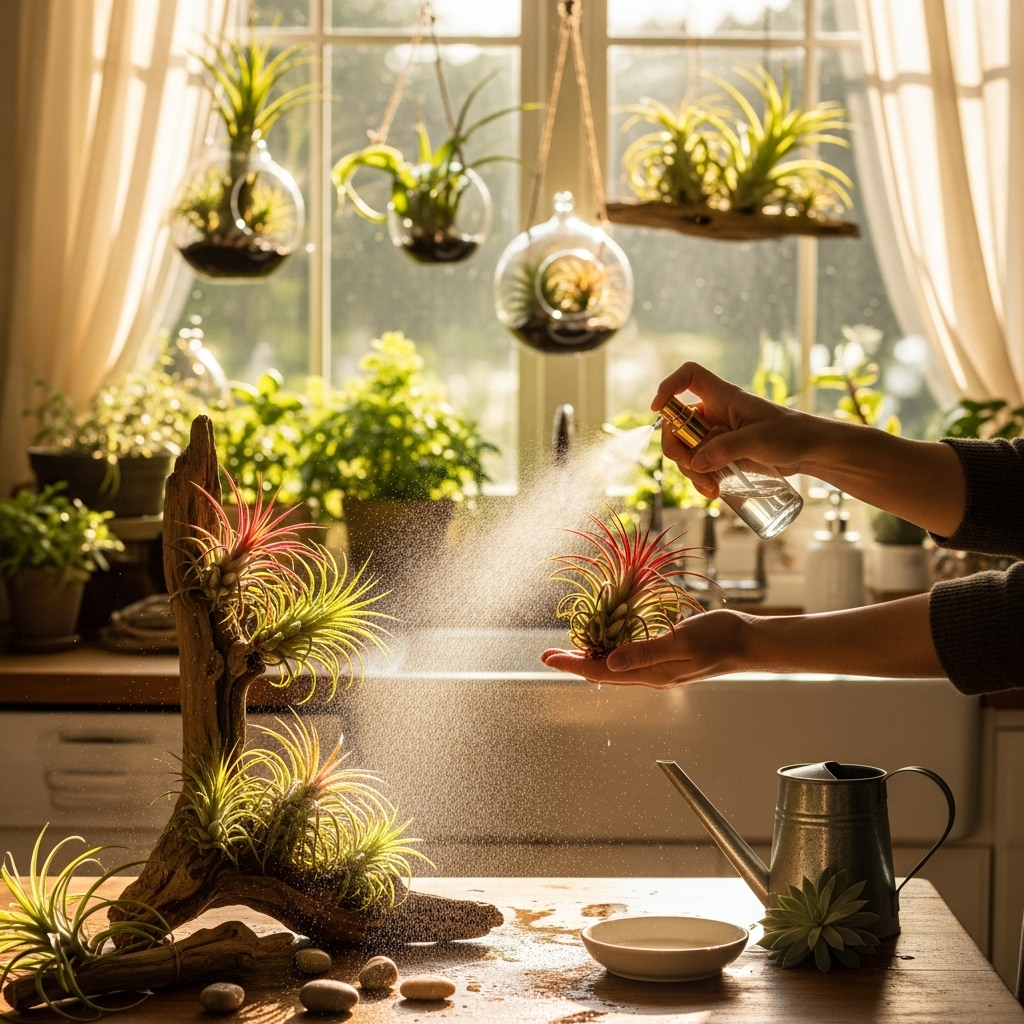
There are a couple of effective soaking methods I’ve tried over the years. One is the simple soak method, where I fill a bowl with water and submerge the plants. Another method is the spray method, where I spray the plants directly until they are wet. While the spray method is quicker, I prefer the soaking method for a more thorough hydration. If you have multiple plants, soaking them all at once can be a time saver. Just remember to give them a gentle shake after soaking to remove any excess water that might collect in the center of the rosette.
How to Mist Air Plants Effectively
Misting is another way to hydrate air plants, especially in between soaks. I usually mist my air plants a few times a week, particularly if the air in my home feels dry. Using a spray bottle, I lightly mist the leaves, ensuring they are evenly coated. It’s essential to mist in the early morning or late afternoon when the temperatures are cooler, as this helps prevent the water from evaporating too quickly. I’ve noticed that my plants respond well to this added moisture, especially during the winter months when indoor air tends to be drier.
Frequency of Watering: How Often Should You Water?
How often you water your air plants can depend on several factors, including humidity, temperature, and light conditions. In my experience, most air plants thrive when watered once a week. However, during hotter months or in drier climates, I might increase the frequency to every 4-5 days. On the flip side, in a more humid environment, watering every 10-14 days might be sufficient. I’ve learned to keep an eye on my plants; they’ll tell you when they need water based on their appearance—if they start to look a bit wilted or dry, it’s time for a soak!
Signs of Overwatering and Underwatering
Identifying Overwatered Air Plants
Overwatering is a common issue that many air plant owners face, and I can tell you from personal experience that it can be tricky to spot at first. The signs of an overwatered air plant can include soft, mushy leaves that may even start to turn brown or black at the tips. I remember when I first noticed my air plant looking droopy and limp, and I thought it was just thirsty. It turned out I had been soaking it too frequently without allowing it to dry out properly. Another telltale sign is if the base of the plant feels excessively wet or starts to rot, which is a clear indication that it’s getting too much water. If you see these symptoms, it’s crucial to reduce your watering frequency and ensure proper air circulation around the plant.
Recognizing Signs of Underwatering
On the flip side, underwatering can also be a challenge. I’ve learned that air plants can be quite vocal about their needs; they can start to look shriveled or crinkly when they’re not getting enough moisture. The leaves may lose their vibrancy and become dry, which is something I’ve seen happen when I forget to soak them for too long. Sometimes, you might even notice a change in color, with the leaves appearing dull instead of their usual bright hues. If you catch these signs early, a good soak can usually bring them back to life. I always recommend keeping a close eye on the leaves, as they’re the best indicator of your plant’s hydration levels.
How to Revive an Overwatered or Underwatered Plant
If you find yourself in the unfortunate position of having an overwatered air plant, the first step is to stop watering it immediately. Allow it to dry out completely for a few days, and if you can, place it in a spot with good air circulation and bright, indirect light. Sometimes, I’ve even propped mine up on a windowsill to help with airflow. For underwatered plants, the revival process is a bit simpler. Just give them a good soak in room temperature water for about 20-30 minutes. Afterward, shake off the excess water to prevent further issues. With a little patience and care, I’ve watched many of my air plants bounce back beautifully.
The Best Water for Air Plants
Tap Water vs. Distilled Water
When it comes to watering air plants, the type of water you use can make a difference. I’ve often wondered whether tap water or distilled water is better for my plants. From my experience, tap water is generally fine, but it’s important to consider the quality of your water supply. If your tap water has a high mineral content or chlorine, it might not be the best choice. I’ve switched to distilled water for my air plants, especially if I notice any browning or leaf tips. Distilled water is free from chemicals and minerals that can build up in the leaves over time, allowing my plants to thrive without any harmful residues.
The Impact of Water Quality on Air Plants
The quality of water can significantly affect how my air plants grow. Hard water, which contains high levels of minerals like calcium and magnesium, can cause buildup on the leaves. I’ve experienced this firsthand, as my air plants started looking dull after a while. I learned that using rainwater or filtered water can be a great alternative, as they are gentler on the plants. If you have access to rainwater, it can be a fantastic option, just make sure to collect it cleanly to avoid contaminants.
Using Fertilizers: When and How to Apply
Fertilizing air plants is not always necessary, but I’ve found it can be beneficial, especially during the growing season. Using a bromeliad or air plant fertilizer diluted to half strength once a month can give them a nice boost. I remember the first time I fertilized my plants; I was amazed at how vibrant and healthy they became! The key is to apply the fertilizer during watering rather than soaking. I usually add it to the water when I soak them, allowing the plants to absorb the nutrients through their leaves. Just be cautious not to over-fertilize, as this can lead to fertilizer burn, which is something I’ve had to learn the hard way.
Environmental Factors Affecting Watering Needs
Humidity Levels and Their Importance
The humidity levels in our homes can greatly affect how often I need to water my air plants. Living in a dry climate means I often have to pay close attention to my plants, while those in more humid areas might find they can water less frequently. I’ve realized that if the air feels dry, especially during winter months, I need to increase my watering routine. Using a hygrometer can help me monitor humidity levels, and I’ve made it a habit to mist my air plants more often in those drier conditions to keep them happy.
Light Conditions and Watering Frequency
Light conditions also play a significant role in watering needs. I’ve noticed that my air plants in brighter spots tend to dry out faster than those in shadier areas. If they’re receiving a lot of bright, indirect light, I usually check them more frequently for water. In contrast, plants in lower light might need less attention. It’s fascinating how they adapt, and I always try to observe how they respond to their environment to adjust my care routine accordingly.
Temperature and Air Circulation Considerations
Temperature is another factor that impacts watering frequency. I’ve found that on hot days, my air plants can dry out much quicker, requiring me to water them more often. Conversely, in cooler temperatures, they tend to retain moisture longer. I always make sure they have good air circulation, too, as stagnant air can lead to problems. Placing them near a fan or in a spot with gentle airflow has really helped me maintain their health and vibrant appearance.
Frequently Asked Questions
How often should I water my air plants?
Most air plants thrive when watered once a week. However, during hotter months or in drier climates, you might need to increase the frequency to every 4-5 days, while in more humid environments, watering every 10-14 days might suffice.
What is the best method for watering air plants?
The best method for watering air plants is to soak them in room temperature water for about 20-30 minutes. This allows them to absorb enough moisture to sustain themselves effectively.
Can air plants survive in soil?
No, air plants cannot survive in soil. They are designed to grow without soil and require air circulation to breathe and dry out properly after watering. Soil can lead to rot and other issues.
What are trichomes and what role do they play in air plants?
Trichomes are tiny hair-like structures on the leaves of air plants that help them absorb moisture and nutrients from the air. They function like sponges, soaking up water from rain or humidity.
What signs indicate that my air plant is underwatered?
If your air plant is underwatered, it may look shriveled or crinkly, with leaves losing vibrancy and appearing dry. You might also notice a change in color, with leaves looking dull instead of bright.
How can I revive an overwatered air plant?
To revive an overwatered air plant, stop watering it immediately and allow it to dry out completely for a few days in a spot with good air circulation and bright, indirect light.
Is distilled water better than tap water for air plants?
While tap water is generally fine, distilled water is often better for air plants as it is free from chemicals and minerals that can build up in the leaves. If your tap water has high mineral content, consider using distilled water.
What is the impact of humidity on air plants?
Humidity levels greatly affect how often you need to water air plants. In dry climates, you may need to water more frequently, while in humid areas, watering can be less frequent.
How should I mist my air plants?
When misting air plants, use a spray bottle to lightly mist the leaves a few times a week, particularly in dry air conditions. Misting is best done in the early morning or late afternoon to prevent rapid evaporation.
What type of fertilizer should I use for air plants?
Using a bromeliad or air plant fertilizer diluted to half strength once a month can be beneficial for air plants, particularly during the growing season. It’s best to apply fertilizer during watering rather than soaking.