
Algae are not classified as plants; they belong to a separate group of organisms known as protists. While they share some similarities with plants, such as photosynthesis, their cellular structure and classification differ significantly.
Understanding Algae
What is Algae?
Algae are diverse groups of photosynthetic organisms found mainly in aquatic environments, including oceans, rivers, and lakes. They can be unicellular or multicellular and range in size from microscopic phytoplankton to large seaweeds. I’ve always been fascinated by algae, especially when I see vibrant green patches in freshwater lakes or the colorful strands of seaweed along the shoreline. They play a crucial role in the ecosystem, contributing to oxygen production and serving as a food source for many aquatic animals. Read Interesting article: Who Named Trees and What Makes Their Names So Historically Important?
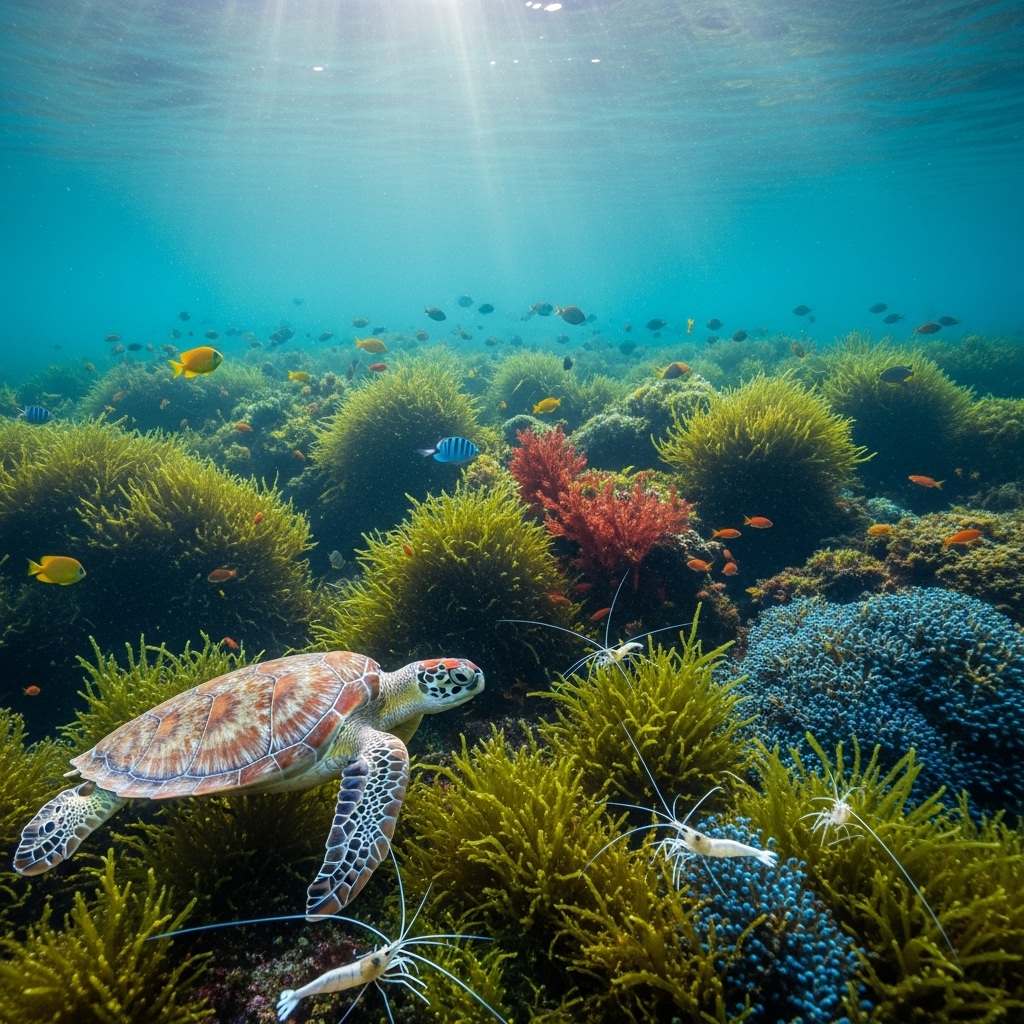
Types of Algae
The world of algae is incredibly varied, and they are primarily categorized into different types based on their color and other characteristics. Below are some of the major types of algae that I find particularly interesting.
Green Algae
Green algae, or Chlorophyta, are one of the most familiar types. They are primarily found in freshwater but can also exist in marine environments. They contain chlorophyll a and b, which give them their characteristic green color. I remember the first time I encountered green algae while kayaking in a serene lake; the water shimmered with a vibrant green hue, making the entire experience magical. Green algae can be unicellular, like Chlamydomonas, or multicellular, like Spirogyra and Cladophora. This group of algae is particularly important because some species are used as bioindicators for water quality.
Red Algae
Red algae, or Rhodophyta, thrive in deeper ocean waters, where the light is limited. The unique pigments in red algae allow them to photosynthesize in these low-light conditions. I’ve seen beautiful red algae in coral reefs, where they contribute not only to the ecosystem but also to the beauty of underwater landscapes. Some red algae are also harvested for their carrageenan, a thickening agent used in various food products.
Brown Algae
Brown algae, or Phaeophyta, are often found in colder ocean waters and can grow quite large, with some species like kelp forming underwater forests. I had an unforgettable experience snorkeling in a kelp forest; the towering kelp swayed gently in the current, creating an otherworldly environment. Brown algae contain a pigment called fucoxanthin, which gives them their brown color. They are essential for coastal ecosystems and serve as important habitats for various marine organisms.
Cyanobacteria (Blue-Green Algae)
Cyanobacteria, often referred to as blue-green algae, are actually bacteria, not true algae. Despite their name, they are prokaryotic organisms that perform photosynthesis. I’ve encountered cyanobacteria blooms during hot summer months in lakes, and while they can look striking, they can also produce toxins that are harmful to wildlife and humans. Understanding the distinction between cyanobacteria and true algae is essential for managing water ecosystems effectively.
Defining Plants
Characteristics of Plants
To understand why algae are not classified as plants, it’s essential to look at what defines a plant. Plants belong to the kingdom Plantae and share several key characteristics that distinguish them from algae.
Cell Structure
Plants have a complex cellular structure with rigid cell walls made of cellulose, which gives them shape and support. In contrast, algae can have varied cell structures. For example, some green algae have cell walls, but others may lack the rigidity seen in higher plants. I’ve noticed that the diversity in cell structure often reflects their adaptability to different environments.
Photosynthesis
Both plants and algae perform photosynthesis, but the processes can differ. Plants primarily use chlorophyll a and b for photosynthesis, while many algae types utilize additional pigments that allow them to capture light energy more efficiently in diverse aquatic environments. I find it fascinating how this variation helps them thrive in different conditions, from shallow ponds to the depths of the ocean.
Reproduction Methods
Plants reproduce through complex life cycles that often involve seeds, flowers, and fruits. Algae, on the other hand, can reproduce asexually through simple cell division or sexually through gametes. This distinction in reproductive methods highlights the differences in complexity and adaptation strategies. I remember learning about the fascinating reproductive strategies of algae in biology class and how they can rapidly populate environments under favorable conditions.
This exploration of algae and their differences from plants reveals just how intricate and varied life forms can be. I’ve learned that while they might share some similarities, algae and plants occupy different niches in our ecosystems, each playing vital roles. Understanding these distinctions not only satisfies our curiosity but also enhances our appreciation for the complexity of life on Earth.
Is Algae a Plant?
Scientific Classification
When I first started digging into the world of algae, I began to wonder about their classification. It seems that many people, including myself at times, often confuse algae with plants. But the more I learned, the clearer it became that algae stand apart in the vast web of life. They belong to the kingdom Protista, not Plantae. This classification is based on fundamental differences in their cellular structure and biological characteristics.
Kingdoms of Life
The classification of living organisms is fascinating, and it can be a bit complex. Organisms are grouped into different kingdoms, and within those kingdoms, they’re categorized further into phyla, classes, orders, families, genera, and species. I remember being amazed at how scientists have classified life into just five kingdoms: Monera, Protista, Fungi, Plantae, and Animalia. Algae fall under Protista, which encompasses a wide range of organisms that don’t fit neatly into the other categories. This distinction highlights their unique biological traits.
Differences in Taxonomy
Taxonomy is all about naming and classifying living things, and it’s a field that continually evolves as we learn more. Algae and plants differ significantly in their taxonomy. For instance, while all plants are eukaryotic (organisms with complex cells), algae include both eukaryotic and prokaryotic organisms, such as cyanobacteria. I found it intriguing that some of the simplest life forms can be tucked away in a group with more complex organisms, showing just how diverse life can be, even within a single kingdom.
Key Differences Between Algae and Plants
As I delved deeper into the distinctions between algae and plants, several key differences stood out to me. These differences not only help clarify why algae aren’t considered plants but also reveal their unique adaptations and roles in nature.
Cellular Structure Differences
One of the most significant differences is their cellular structure. Plants have a rigid cell wall primarily made of cellulose, which provides support and gives them their characteristic structure. Algae, on the other hand, may have varying cell wall compositions, and some, like certain types of green algae, can even lack a rigid structure altogether. I found this variability fascinating because it shows how algae can thrive in diverse environments, from shallow ponds to deep ocean waters. It makes me appreciate the creativity of nature.
Photosynthetic Processes
Another area where algae and plants diverge is in their photosynthesis. While both use chlorophyll, algae often possess additional pigments that allow them to absorb light at different wavelengths. This means that some algae can live in deeper waters, where light is scarce, while plants are typically confined to areas with ample sunlight. I remember being particularly struck by this fact when I was snorkeling near a reef; seeing vibrant colors in deeper water was a reminder of how life adapts to its surroundings. Algae’s ability to harness light in various forms is truly remarkable.
Habitat and Growth Conditions
Algae and plants also have different habitat preferences and growth conditions. Most plants require soil and are adapted to terrestrial environments, thriving in conditions where they can get sunlight, water, and nutrients from the ground. Algae, however, are predominantly aquatic and can flourish in a variety of aquatic environments, from fresh to saltwater. I’ve noticed that this adaptability allows algae to colonize spaces where plants cannot exist, such as in extreme conditions or where the substrate isn’t suitable for traditional root systems. Read Interesting article: Top 10 Essential Tips to Maximize Red Maple Tree Growth and Care
Common Misconceptions About Algae
Algae vs. Seaweed
One common misconception I’ve encountered is the confusion between algae and seaweed. Many people, including myself at one point, use these terms interchangeably, but they actually refer to different things. Seaweed is a type of macroalgae that is visible to the naked eye and is usually found in marine environments. Algae, however, includes both microscopic phytoplankton and these larger, more recognizable seaweeds. I learned that recognizing this distinction is important, especially when discussing marine ecosystems. Seaweed is just a small part of the larger algae family.
Algae and Environmental Impact
Another misconception is that algae are harmful to the environment. While it’s true that certain types of algae can cause harmful algal blooms, which are detrimental to aquatic life and can produce toxins, many algae play a positive role in ecosystems. I’ve seen firsthand how algae contribute to the health of water bodies by providing oxygen and serving as a food source for various organisms. Understanding the dual nature of algae is essential, as it shapes how we view their impact on our ecosystems.
Importance of Algae in Ecosystems
Role in Aquatic Ecosystems
Algae are foundational to aquatic ecosystems. They serve as primary producers, meaning they convert sunlight into energy and form the base of the food web. I’ve often marveled at how a simple organism like algae can support entire ecosystems. In many ways, they are the unsung heroes of our water bodies, providing sustenance for countless species.
Contribution to Oxygen Production
As I learned more about algae, I discovered that they are responsible for producing a significant portion of the world’s oxygen. Through photosynthesis, they release oxygen into the water, which is crucial for the survival of aquatic life. I remember reading that without algae, our planet would face severe oxygen depletion, underscoring their importance beyond just the aquatic realm.
Food Source for Marine Life
Algae are also a vital food source for many marine organisms. From tiny zooplankton to large herbivorous fish, a vast array of life depends on algae for nourishment. I’ve enjoyed observing this dynamic while snorkeling or diving; seeing fish darting in and out of algae-rich areas is a reminder of how interconnected life is. Algae provide nutrients and energy that sustain entire ecosystems, highlighting their essential role in the marine food chain.
Applications of Algae
Food and Nutrition
One of the most exciting aspects of algae is their diverse applications in food and nutrition. Growing up, I never thought much about where my food came from until I started learning about the fascinating ways we can use algae. For instance, spirulina and chlorella, two types of blue-green algae, are often marketed as superfoods. They are packed with protein, vitamins, and minerals, making them popular among health enthusiasts. I remember trying a spirulina smoothie for the first time and being amazed at how something so vibrant could be so good for you. This little algae has become a staple in many diets, showcasing how algae can greatly contribute to human nutrition.
Biofuels
In recent years, I’ve become increasingly interested in sustainable energy solutions, and algae have emerged as a promising source of biofuels. The ability of certain algae to produce oils that can be converted into biodiesel is truly groundbreaking. I learned that algae can grow rapidly and require less land compared to traditional crops used for biofuel production. This means we could potentially reduce our reliance on fossil fuels while also minimizing the environmental impact of energy production. When I read about research projects dedicated to advancing algae biofuels, I felt hopeful about the possibility of harnessing nature’s power for cleaner energy alternatives. Read Interesting article: Monstera Esqueleto vs Monstera Obliqua: Ultimate Guide
Pharmaceutical Uses
Algae also have a significant role in the pharmaceutical industry. I was surprised to discover how various compounds derived from algae are being used in medicine. For example, carrageenan, extracted from red algae, is commonly used as a thickening agent in many food products, but it also has applications in pharmaceuticals for its ability to stabilize emulsions and suspensions. Furthermore, certain algae contain bioactive compounds that have shown promise in treating diseases, such as cancer and cardiovascular conditions. This connection between algae and health opened my eyes to the potential of natural sources in developing new therapies.
Environmental Benefits
Beyond their uses in food and medicine, algae offer numerous environmental benefits that I find particularly compelling. One of the most notable advantages is their ability to absorb carbon dioxide from the atmosphere. This characteristic makes them a valuable ally in the fight against climate change. I often think about how small changes in our environment can lead to significant impacts, and algae serve as a reminder that nature has its own methods of recycling carbon. Additionally, algae can help purify water by absorbing excess nutrients and pollutants, promoting healthier aquatic ecosystems. It’s fascinating to realize that these simple organisms can play such a crucial role in maintaining the balance of our planet.
Frequently Asked Questions
What are algae?
Algae are diverse groups of photosynthetic organisms found mainly in aquatic environments, including oceans, rivers, and lakes. They can be unicellular or multicellular and play a crucial role in the ecosystem by contributing to oxygen production and serving as a food source for many aquatic animals.
Why are algae not classified as plants?
Algae belong to a separate group of organisms known as protists, while plants belong to the kingdom Plantae. This classification is based on fundamental differences in their cellular structure and biological characteristics.
What are the main types of algae?
The main types of algae include green algae (Chlorophyta), red algae (Rhodophyta), brown algae (Phaeophyta), and cyanobacteria (often referred to as blue-green algae). Each type has unique characteristics and habitats.
What is the role of algae in aquatic ecosystems?
Algae serve as primary producers in aquatic ecosystems, converting sunlight into energy and forming the base of the food web. They are essential for sustaining various marine life and contribute significantly to oxygen production.
How do algae reproduce?
Algae can reproduce asexually through simple cell division or sexually through gametes. This variability in reproductive methods highlights their adaptability and complexity compared to plants.
What are some common misconceptions about algae?
One common misconception is that all algae are harmful to the environment. While some algae can cause harmful blooms, many play a positive role in ecosystems, contributing to oxygen production and serving as a food source.
How do algae contribute to oxygen production?
Through photosynthesis, algae release oxygen into the water, which is crucial for the survival of aquatic life. They are responsible for producing a significant portion of the world’s oxygen, highlighting their importance beyond just aquatic environments.
What are the health benefits of algae?
Certain types of algae, such as spirulina and chlorella, are marketed as superfoods due to their high protein, vitamin, and mineral content. They can greatly contribute to human nutrition and are popular among health enthusiasts.
What applications do algae have in the pharmaceutical industry?
Algae-derived compounds are used in medicine, such as carrageenan, which is utilized as a thickening agent in food and pharmaceuticals. Some algae also contain bioactive compounds that show promise in treating diseases.
How do algae help in environmental sustainability?
Algae absorb carbon dioxide from the atmosphere, making them valuable in the fight against climate change. They also help purify water by absorbing excess nutrients and pollutants, promoting healthier aquatic ecosystems.