
Poison sumac is a woody shrub that can reach heights of 4 to 10 feet and is characterized by its distinctive leaves, which are made up of clusters of leaflets. Identifying it correctly is crucial as it can cause severe skin reactions upon contact.
Overview of Poison Sumac
What is Poison Sumac?
Poison sumac (Toxicodendron vernix) is a member of the cashew family and is known for producing an oil called urushiol, which can cause allergic skin reactions. While it is often confused with other plants, poison sumac is unique in its appearance and needs to be recognized to avoid potential health risks. I remember the first time I encountered poison sumac on a hike; I had no idea what it was, and thankfully, I had a knowledgeable friend with me who helped me steer clear of it. Read Interesting article: What Does Poison Ivy Look Like? Easy Identification Guide
Habitat and Distribution
Poison sumac is predominantly found in the eastern United States, particularly in wetlands and swampy areas. It thrives in moist, acidic soils and can often be seen growing alongside rivers and lakes. During one of my explorations in a wetland area in New Jersey, I stumbled upon a cluster of poison sumac. The environment was perfect for it, and it reminded me how vital it is to be aware of the plants that surround us, especially in such habitats.
Importance of Identification
Identifying poison sumac accurately is essential to avoid contact and the severe allergic reactions it may cause. Many people, including myself, may not realize we’ve come across this plant until it’s too late. I’ve spoken to individuals who mistook it for harmless plants, only to end up with painful rashes. Understanding its characteristics can protect not only us but also our friends and family. We need to educate ourselves about plants like poison sumac, especially if we spend time outdoors.
Physical Characteristics of Poison Sumac
Leaves: Shape and Color
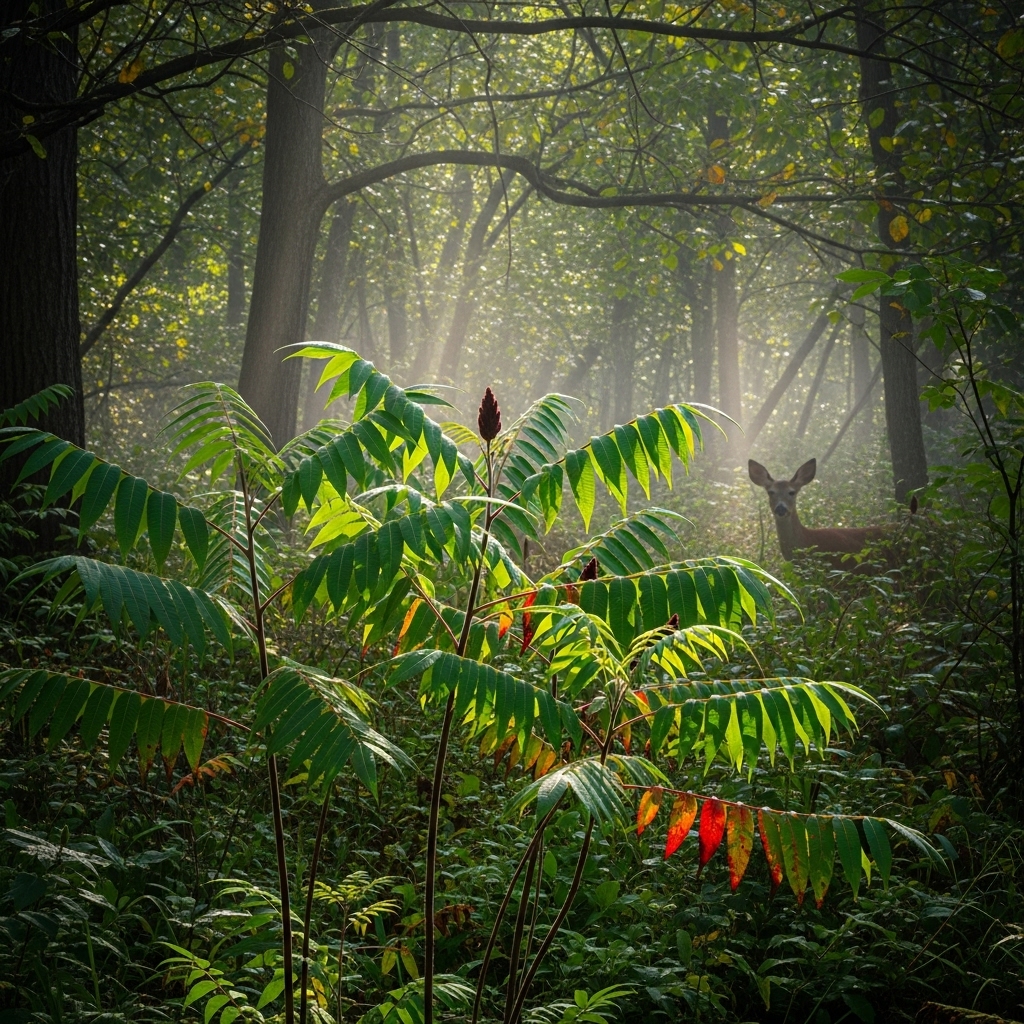
The leaves of poison sumac are one of its most distinguishing features. They are compound leaves, meaning they are made up of several leaflets. Typically, you’ll notice 7 to 13 leaflets that have a glossy appearance. The leaflets are elongated and can vary in color from bright green in the summer to a vibrant red or orange in the fall. I once saw a poison sumac plant in full autumn color, and while it was beautiful, it also served as a reminder of its danger. The way the leaves cluster together can make it easy to overlook, especially if you’re not familiar with them.
Stems and Bark
The stems of poison sumac are another critical aspect of its identification. The stems are usually smooth and can have a reddish hue, particularly when young. As the plant matures, the bark becomes gray and can have a scaly texture. I always find it fascinating how the appearance of plants changes with age. When I was hiking, I noticed how the younger stems of poison sumac contrasted with the older, more rugged ones, and that helped me further understand their growth stages.
Flowers and Fruits
In late spring to early summer, poison sumac produces small, white to greenish flowers that appear in clusters. These flowers later develop into small, grayish-white berries. Personally, I find the berries to be the most misleading feature because they can sometimes look innocent, but they carry the same urushiol oil that the rest of the plant does. I remember a time when I mistook the berries for something edible at first glance, and it taught me to always do my homework on wild plants.
Height and Growth Pattern
Poison sumac can grow quite tall, typically reaching heights between 4 to 10 feet. It often has a bushy appearance, with multiple stems emerging from the base, which can create a dense thicket. I’ve seen poison sumac plants growing in clusters, and they can easily be mistaken for other shrubs in the area. Understanding their growth pattern can help us avoid them while enjoying nature. I’ve taken to keeping a safe distance whenever I encounter what seems like thick shrubbery in wetlands, just to be cautious.
Visual Identification Guide
Identifying Features Compared to Similar Plants
When it comes to identifying poison sumac, I’ve learned that knowing its features can make all the difference, especially when you encounter similar-looking plants. One of the key things I’ve noticed is the leaf structure. The leaflets are typically arranged in clusters of 7 to 13, which stands out when compared to some other plants. For instance, many harmless plants have fewer leaflets or different arrangements. I always remind myself to take a close look; the glossy surface of poison sumac can shine under the sunlight, making it easier to spot if you’re paying attention. I also keep in mind that poison sumac leaves are smooth-edged, unlike some other plants which can have serrated or jagged edges. This detail has helped me differentiate poison sumac from potentially harmless species during my hikes.
Poison Ivy vs. Poison Sumac
I’ve often heard people confuse poison ivy with poison sumac, and honestly, I used to make that mistake too. However, there are distinct differences to look out for. Poison ivy typically has three leaflets per leaf, while poison sumac has multiple leaflets. The colors also differ; poison ivy can have a more varied appearance, sometimes being green, red, or even purple, depending on the season. I remember hiking with friends when one of them insisted that a patch of three-leafed plants was poison ivy, but upon closer inspection, I pointed out the clusters of leaflets, helping us avoid a potential rash. It reinforced how crucial it is to be knowledgeable. Plus, poison ivy often grows as a vine, while poison sumac is more of a shrub, giving it a bush-like shape that’s easy to recognize once you know what to look for. Read Interesting article: 10 River Birch Tree Pros and Cons – Everything You Need to Know
Poison Oak vs. Poison Sumac
Another plant that often gets mixed up with poison sumac is poison oak. I had my fair share of encounters with poison oak, and I can say that knowing their differences is crucial. Poison oak also has clusters of three leaves, similar to poison ivy, but the leaves are more lobed and resemble oak leaves. This was something I learned the hard way after mistaking a small poison oak plant for a harmless one during a camping trip. The rash I got was a painful reminder of the importance of proper identification. Poison sumac, as I mentioned, has a more elongated leaf shape and is less lobed, which can be an easy way to tell them apart when you’re out in nature.
Images and Diagrams for Visual Reference
Visual aids can be incredibly helpful when it comes to identifying poison sumac and differentiating it from similar plants. I’ve often found that having a guidebook or accessing online resources with images can make all the difference. I remember downloading a plant identification app on my phone that had images and diagrams, which I would reference during hikes. Seeing side-by-side comparisons of poison sumac, poison ivy, and poison oak helped solidify my understanding. I recommend carrying a small field guide or using a plant identification app when you’re out and about. These tools can provide instant verification and peace of mind, ensuring we can enjoy nature without fear of encountering these troublesome plants. Read Interesting article: How to Plant Cocoa Beans in Minecraft (Beginner Guide)
When and Where to Find Poison Sumac
Seasonal Changes in Appearance
Understanding when and how poison sumac changes throughout the seasons can be an essential part of avoiding it. In my experience, I’ve seen that during the spring, the leaves are a vibrant green and the flowers bloom, making the plant look quite lush. However, as summer rolls on, I find that the leaves maintain their deep green color but can become more difficult to spot among other foliage. The fall, though, is when poison sumac truly stands out with its stunning red and orange hues. I recall a hike in October where the vibrant colors caught my eye, but I was careful to ensure it was just the foliage that was beautiful and not a potential risk. Winter is a bit less forgiving, as the leaves drop, leaving behind bare stems that can resemble other shrubs. This is a time when I remind myself to be extra cautious, as the absence of leaves can make identification more challenging.
Preferred Environments (Wetlands, Swamps)
From my adventures, I’ve discovered that poison sumac is most commonly found in wetland areas, swamps, and along the edges of water bodies. It tends to thrive in moist, acidic soils, which is why I always keep an eye out for it in these environments. I’ve stumbled across it numerous times while kayaking in slow-moving rivers and hiking near ponds. Understanding its preferred habitats has helped me plan my outdoor excursions better. I always remind friends to be cautious in these areas and to familiarize themselves with the plant before embarking on their adventures. Knowing where poison sumac grows gives us a better chance of avoiding it and enjoying our time outdoors without worry.
Health Risks and Safety Tips
Symptoms of Poison Sumac Exposure
Experiencing symptoms from poison sumac exposure can be incredibly uncomfortable. From my own encounters, I can tell you that the reactions can vary quite a bit from person to person. It typically starts with intense itching at the site of contact, which is something I learned to recognize early on. Soon after, I noticed red, inflamed blisters forming that would ooze and crust over. This reaction can last for several weeks, causing not just physical discomfort but also a fair amount of frustration. I’ve spoken to people who had it way worse than I did, with rashes spreading all over their bodies after they unknowingly touched the plant. It’s a stark reminder of how important it is to be aware of what we’re interacting with in nature. Knowing the symptoms can help us take immediate action to alleviate discomfort and prevent further irritation.
First Aid Measures
If you do come into contact with poison sumac, it’s important to know what steps to take. The first thing I always recommend is to wash the affected area with soap and water as soon as possible. This can help remove the urushiol oil before it has a chance to penetrate the skin deeply. I learned this the hard way when I didn’t wash up immediately after a hike and ended up with a nasty rash that took weeks to heal. After washing, applying a soothing lotion like calamine can help relieve itching and discomfort. Over-the-counter antihistamines can also be effective in reducing itching and swelling. In more severe cases—like when the blisters become widespread or if you develop a fever—it’s essential to consult a healthcare provider. They can prescribe stronger medications to help manage the symptoms. I’ve found that being prepared with a small first aid kit when venturing into areas where poison sumac might be present can save a lot of trouble later.
Preventing Exposure
Prevention is key when it comes to avoiding the painful effects of poison sumac. I’ve made it a habit to educate myself about the plants I might encounter before going on hikes or adventures in nature. There are a few practical steps we can take to minimize the risk of exposure. For starters, wearing long sleeves and pants in wetland areas is a smart move. I always opt for breathable fabrics that allow me to stay cool while providing a barrier against potential contact. Additionally, I’ve found that boots or high socks can help protect my legs, especially when trudging through vegetation. Being mindful of where I place my hands is another essential tip. I try to avoid brushing against shrubs or plants when I’m uncertain of what they are. Lastly, if I’m hiking with others, I make sure to keep an eye on my friends and remind them to do the same. Together, we can help each other stay safe, and it opens up conversations about the plants we encounter along the way.
Frequently Asked Questions (FAQs)
Can Poison Sumac Grow in My Area?
This is a question I often hear, and the answer largely depends on your location. Poison sumac primarily thrives in the eastern United States, particularly in wet, swampy areas. I’ve checked local resources, like extension services or environmental websites, to see if it’s in my area. If you’re unsure, I recommend reaching out to local nature organizations or looking for plant identification apps that can help you understand what’s common in your region. Knowledge is power, and knowing whether poison sumac grows nearby can help you prepare for safe outdoor activities.
What to Do if You Encounter Poison Sumac?
If you do come across poison sumac, the best approach is to stay calm and avoid touching it. I’ve learned to back away slowly and ensure I maintain a safe distance. If you’re hiking with friends, I usually call out to them to alert them of its presence. If you think you may have touched it accidentally, remember to wash your hands and any exposed skin as soon as you can. I can’t stress enough how important it is to act quickly. The faster you can wash off the urushiol oil, the better your chances of preventing a rash. After that, keep an eye on the area for any developing symptoms.
How Long Does Rash from Poison Sumac Last?
The duration of a rash from poison sumac can vary quite a bit. In my experience, mild reactions might resolve in a week or so, while more severe rashes can linger for several weeks. I’ve had friends who dealt with persistent itching and discomfort for up to a month after exposure. It’s one of those things where everyone’s body reacts differently, so it’s hard to predict exactly how long it will last for any individual. If the rash worsens or if you encounter signs of infection, like pus or increased redness, seeking medical attention is a good idea. I’ve learned that it’s better to err on the side of caution when dealing with skin reactions.
Are There Any Safe Alternatives or Comparisons?
Absolutely! There are numerous plants that look similar to poison sumac but are harmless. I’ve often found that learning about these alternatives can ease some of the anxiety surrounding outdoor activities. For example, there are harmless sumac species, like the staghorn sumac, which has a more bushy appearance and produces red fuzzy berries in clusters. Knowing the differences can help us appreciate the beauty of nature without the fear of a rash. I recommend researching local flora to find out more about the safe plants around you. It’s a great way to enrich our outdoor experiences and develop a deeper connection with nature.
Frequently Asked Questions
“`html
What is Poison Sumac?
Poison sumac (Toxicodendron vernix) is a woody shrub known for producing an oil called urushiol, which can cause allergic skin reactions. It is crucial to identify it correctly to avoid health risks.
Where is Poison Sumac commonly found?
Poison sumac is predominantly found in the eastern United States, particularly in wetlands and swampy areas, thriving in moist, acidic soils near rivers and lakes.
How can I identify Poison Sumac?
Poison sumac has compound leaves with 7 to 13 glossy leaflets that can be bright green in summer and vibrant red or orange in fall. The stems are smooth and reddish when young, turning gray and scaly with age.
How does Poison Sumac differ from Poison Ivy?
Poison ivy typically has three leaflets per leaf, while poison sumac has multiple leaflets. Additionally, poison ivy can grow as a vine, whereas poison sumac has a bush-like shape.
What are the symptoms of Poison Sumac exposure?
Symptoms of poison sumac exposure can include intense itching, red inflamed blisters that ooze and crust over, and the reaction can last several weeks depending on the individual.
What should I do if I come into contact with Poison Sumac?
If you come into contact with poison sumac, wash the affected area with soap and water as soon as possible to remove the urushiol oil. Applying soothing lotion and consulting a healthcare provider for severe cases is recommended.
How can I prevent exposure to Poison Sumac?
To prevent exposure, educate yourself about the plants in your area, wear long sleeves and pants in wetland areas, and avoid brushing against unknown plants. Being cautious and aware of your surroundings is key.
How long does a rash from Poison Sumac last?
The duration of a rash from poison sumac can vary; mild reactions may resolve in a week, while more severe rashes can last several weeks. It’s advisable to seek medical attention if the rash worsens.
Are there safe alternatives to Poison Sumac?
Yes, there are many harmless plants that resemble poison sumac, such as staghorn sumac, which has a bushy appearance and produces red fuzzy berries. Knowing the differences can enhance your outdoor experience.
What resources can help in identifying Poison Sumac?
Using guidebooks or plant identification apps with images and diagrams can help in accurately identifying poison sumac and differentiating it from similar-looking plants.
“`