
A perennial plant is a type of plant that lives for more than two years, regrowing each spring from its root system. Unlike annuals, which complete their life cycle in one growing season, perennials can provide beauty and function in gardens for many years.
Understanding Perennial Plants
Definition of Perennial Plants
When I first started gardening, the term “perennial” seemed a bit confusing. In simple terms, perennial plants are those that persist for several years. They typically die back in the winter months but re-emerge in the spring, often with even more vigor than the year before. This characteristic makes them a popular choice for gardeners looking for longevity and reliability in their gardens. Some perennials can even live for decades, creating a stable and beautiful foundation for any landscape.
Characteristics of Perennial Plants
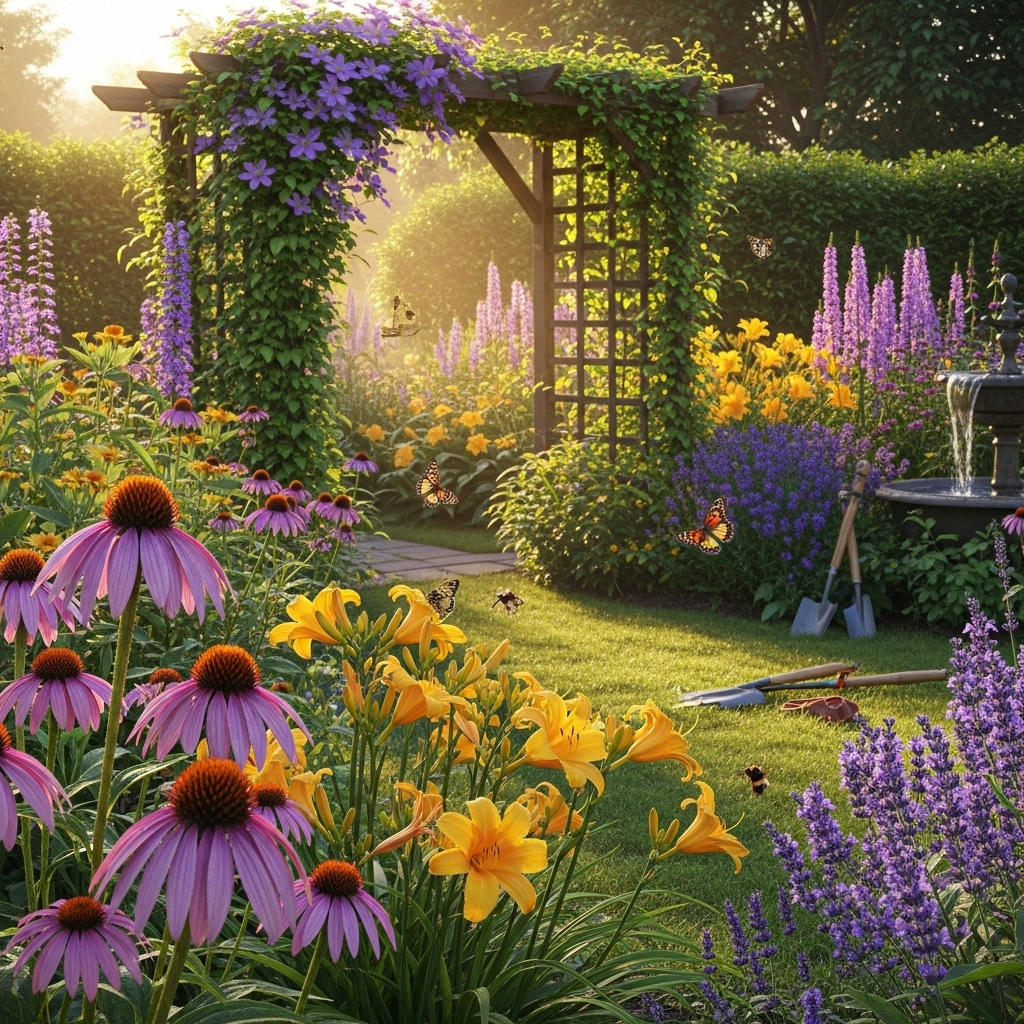
One of the most delightful aspects of perennial plants is their resilience. They often have deep root systems that allow them to withstand drought better than many annuals. During my gardening journey, I noticed how these roots can help stabilize soil and provide nutrients to other plants nearby. Perennials often exhibit a variety of forms, colors, and sizes, which can add diverse textures and visual appeal to any garden bed.
Another interesting characteristic is their seasonal behavior. Most perennials bloom in specific seasons, providing a rhythm to the garden that many gardeners appreciate. For instance, I found that planting a mix of early, mid, and late-season bloomers can ensure that my garden is bursting with color from spring until fall. Additionally, many perennials have attractive foliage, which can be just as important as their flowers in creating a visually stunning garden.
Differences Between Annual, Biennial, and Perennial Plants
Understanding the differences between annuals, biennials, and perennials can help gardeners make informed choices. Annual plants complete their life cycle in one growing season. This means they germinate, bloom, produce seeds, and die all within a year. I’ve planted zinnias and marigolds as annuals, and while they bring immediate pleasure, I always have to replant them every year. Annual plants can provide immediate beauty but require consistent effort each season.
Biennials, on the other hand, take two years to complete their life cycle. They typically grow foliage in the first year and flower in the second. Think of plants like foxglove or hollyhocks. I’ve tried to grow these and found that patience is key, as I waited a full year for them to bloom.
Perennials stand out because they return year after year. Their ability to survive the colder months and return with renewed growth is a major reason I love them. When I first realized that I could plant something once and enjoy it for many seasons, I felt a sense of accomplishment and satisfaction in my gardening efforts.
Types of Perennial Plants
Herbaceous Perennials
Herbaceous perennials are among my favorites, as they die back to the ground in winter but return in the spring. Plants like daylilies, peonies, and hostas fall into this category. I remember planting some daylilies in my garden, and the first time they bloomed, I was amazed at the vibrant colors they brought. These plants often have lush foliage and can fill garden spaces beautifully.
Woody Perennials
On the other hand, woody perennials include shrubs and trees. These plants maintain their structure year-round. I’ve planted several shrubs like hydrangeas and lilacs that offer beautiful blooms and serve as a backdrop to my garden. They provide height and form, which is essential when designing a diverse landscape.
Tender vs. Hardy Perennials
It’s also important to distinguish between tender and hardy perennials. Hardy perennials can withstand cold winter temperatures, while tender perennials may require protection during colder months. I’ve learned the hard way that knowing your climate zone is crucial. For instance, planting a tender perennial like a fuchsia in a cold climate without proper care can lead to disappointment. On the flip side, hardy perennials like coneflowers thrive in my garden, regardless of the chill in the air.
In my experience, choosing the right type of perennial for your specific environment is essential for successful gardening. Each one offers unique benefits and aesthetics, so taking the time to research can lead to a thriving garden that brings joy for years to come.
Examples of Popular Perennial Plants
Flowering Perennials
One of the most exciting parts of gardening with perennials is choosing flowering varieties that can light up any space. I have a special fondness for coneflowers (Echinacea) because they attract butterflies and hummingbirds, creating a lively atmosphere in my garden. Their vibrant purple and pink hues are a joy to see each summer. Another favorite of mine is the black-eyed Susan (Rudbeckia), which offers bright yellow blooms that last from mid-summer to fall. I’ve learned that mixing these flowering perennials not only creates a visual feast but also supports local wildlife.
Other stunning flowering perennials include peonies and asters. The peonies in my garden have an intoxicating fragrance that fills the air in late spring, while the asters bloom in the fall, giving my garden a second wave of color as the season winds down. Each of these plants has its own bloom time, which adds a dynamic aspect to garden design that I truly appreciate.
Foliage Perennials
While flowers are often the star of the show, I’ve come to realize that foliage perennials play a vital role in creating a lush landscape. Plants like hostas are a perfect example. Their large, leafy presence brings texture to shaded areas of my garden. I remember planting various hosta varieties, and the way their leaves unfurl each spring is like watching a magical transformation. Another foliage perennial I adore is the ornamental grass, such as the blue fescue. Its fine texture and graceful movement in the breeze add a unique touch to my garden beds.
Foliage perennials not only provide visual interest but also serve functional roles. They can help fill in gaps between flowering plants and create a balanced look throughout the seasons. I’ve found that combining different shapes and colors of foliage can add depth and intrigue to any garden design.
Vegetable Perennials
When I started exploring the world of perennial plants, I was surprised to learn that some vegetables can also be perennial! One of my favorites is asparagus. I remember the first time I harvested my own spears; the taste was far superior to anything from the store. With a little patience, asparagus can produce for up to 25 years! Another perennial vegetable I love is rhubarb. The vibrant red stalks not only look stunning in my garden but also make delicious pies and jams.
There’s something truly special about growing food that comes back year after year. It feels rewarding to have a garden that not only looks good but also provides sustenance. I’ve found that incorporating perennial vegetables into my garden plan ensures I have fresh produce with minimal effort after the initial planting.
Ground Cover Perennials
Ground cover perennials are another category I’ve come to appreciate for their ability to fill in spaces and reduce weeds. One of my go-to ground covers is creeping thyme. Not only does it create a carpet of green, but it also releases a lovely fragrance when stepped on, which I find delightful while walking through my garden. Another great option is sedum, which thrives in poor soil and can withstand drought, making it an excellent choice for low-maintenance areas.
Using ground cover plants helps me create a cohesive look in my garden, while also preventing soil erosion. I’ve even found that they can be beautiful in their own right, with some varieties producing tiny flowers that add color and charm.
Benefits of Growing Perennial Plants
Environmental Benefits
One of the reasons I’m passionate about perennial plants is their positive impact on the environment. They provide essential habitats for pollinators like bees and butterflies, which are crucial for our ecosystems. By planting perennials, I feel like I’m contributing to the health of our planet. Additionally, their deep root systems help improve soil structure and reduce erosion. I’ve noticed that my garden retains moisture better, which means less watering for me during dry spells!
Low Maintenance and Cost-Effectiveness
Another significant benefit of growing perennials is their low maintenance requirements. Once established, many perennials require minimal care compared to annuals. I remember when I first transitioned my garden to include more perennials; I was amazed at how much time I saved on planting and replanting each season. This longevity means less money spent on seeds and plants, making perennials a cost-effective choice in the long run.
Year-Round Garden Interest
Perennials bring visual interest throughout the seasons. Some bloom in spring, while others might shine in summer or fall. I’ve found that by carefully selecting a variety of perennials, I can have something beautiful in my garden all year round. The changing landscape reminds me of nature’s cycles, and it’s incredibly satisfying to witness the transformation as each plant plays its part over the seasons.
How to Care for Perennial Plants
Soil Requirements
Caring for perennial plants starts with understanding their soil needs. I’ve learned that healthy soil is the foundation for a thriving garden. Most perennials prefer well-draining soil rich in organic matter. When I first began gardening, I made it a point to enrich my soil by adding compost and well-rotted manure. This not only provides essential nutrients but also improves the soil structure, allowing roots to penetrate easily. I often conduct a quick test to check if my soil drains well by digging a hole and filling it with water; if it drains within a few hours, I know I’m off to a good start.
Interestingly, different species have varied preferences regarding soil pH. For instance, many flowering perennials thrive in slightly acidic soils, while others prefer neutral to alkaline conditions. Over time, I’ve become more attuned to these specifics, which has helped me choose the right plants for the right spots in my garden. Investing in a soil test kit has been a game changer for me, as it provides valuable insight into what amendments I might need.
Watering Needs
Watering is another critical aspect of caring for perennials. In my experience, newly planted perennials need regular watering until their roots establish. I remember the first summer I planted my perennials; I was so excited but also anxious about keeping them healthy. I learned that a deep watering, rather than frequent light watering, encourages roots to grow deep into the soil, which helps them withstand drought in the hotter months.
As the seasons change, so do the watering needs. In the spring, when plants start to wake up, I keep an eye on moisture levels. During the hot summer months, I found that watering in the early morning helps minimize evaporation. I often use a soaker hose or drip irrigation system to ensure even coverage without overwatering. This method has been invaluable, especially during dry spells, as it saves water and reduces the risk of fungal diseases.
Fertilization Tips
Fertilization can be a bit tricky, but I’ve learned it’s essential for healthy perennial growth. I usually apply a balanced fertilizer in the spring when I notice new growth starting. Organic options, like fish emulsion or a slow-release granular fertilizer, have worked wonders for my plants. I remember a particularly rewarding year when I decided to do a side-by-side comparison of fertilized versus non-fertilized areas in my garden; the difference was remarkable!
It’s important not to over-fertilize, as this can lead to lush foliage at the expense of flowers. I’ve found that following the product instructions closely ensures my plants get what they need without going overboard. I also incorporate organic matter into my soil each year, which can act as a natural fertilizer, providing long-term benefits to my perennials.
Pruning and Deadheading
Pruning and deadheading are two practices that have significantly improved the health and appearance of my perennial garden. Deadheading, or removing spent flowers, encourages many perennials to produce additional blooms. I remember the first time I deadheaded my coneflowers; it felt like I was giving them a little boost, and they responded with even more vibrant flowers!
As for pruning, I’ve learned that each perennial has its own ideal timing and method. For instance, some plants like to be cut back in the fall, while others, such as certain grasses, prefer a spring trim. I usually keep a gardening journal to track my pruning activities, which helps me remember which plants need attention and when. Regular pruning not only helps maintain the shape and size of my perennials but also encourages healthy growth and reduces the risk of disease.
In my experience, these care tips have transformed my garden into a flourishing space filled with vibrant life. Each season brings its own set of tasks, but the rewards of a healthy, well-cared-for perennial garden make every effort worthwhile.
When to Plant Perennial Plants
Best Seasons for Planting
Timing is everything when it comes to planting perennials. I’ve discovered that spring and fall are the optimal seasons for planting. Spring is fantastic because the soil is warming up, and plants can establish themselves before the heat of summer sets in. I remember the joy of planting my perennials in early spring; the anticipation of watching them grow was exhilarating.
Fall planting is equally rewarding. The cooler temperatures help reduce transplant shock, and the soil is still warm enough for roots to grow before winter. I’ve had great success planting in the early fall, especially when I mulched afterward to protect the roots. Planting in either of these seasons has given my garden a head start, allowing my perennials to flourish come spring. Read Interesting article: When to Plant Tulips for Stunning Spring Blooms
Regional Considerations
Understanding your local climate zone is crucial when deciding when to plant perennials. I learned this lesson personally when I tried to plant too early one year, and unexpected frosts caught me off guard. I now rely on the USDA Plant Hardiness Zone Map to gauge the best planting times for my area. Depending on where you live, the right time to plant may vary significantly. For example, gardeners in warmer climates can often start planting much earlier than those in colder regions.
In my case, knowing my zone has not only helped me time my plantings better but also guided my choices in selecting which perennials to grow. Some plants thrive in specific climates, and choosing the right ones for my area has made my gardening experience all the more enjoyable. I’ve learned that patience and awareness of local conditions can lead to a more successful and rewarding garden.
Frequently Asked Questions
What is a perennial plant?
A perennial plant is a type of plant that lives for more than two years, regrowing each spring from its root system. Unlike annuals, which complete their life cycle in one growing season, perennials can provide beauty and function in gardens for many years.
How do perennial plants differ from annuals and biennials?
Annual plants complete their life cycle in one growing season, while biennials take two years to complete their life cycle, growing foliage in the first year and flowering in the second. Perennials, however, return year after year, surviving colder months and regrowing with renewed vigor each spring.
What are the two main types of perennial plants?
The two main types of perennial plants are herbaceous perennials and woody perennials. Herbaceous perennials die back to the ground in winter but return in the spring, while woody perennials, such as shrubs and trees, maintain their structure year-round.
What are some examples of flowering perennials?
Some popular flowering perennials include coneflowers, black-eyed Susans, peonies, and asters. These plants provide vibrant colors and can attract local wildlife like butterflies and hummingbirds.
What are the benefits of growing perennial plants?
Perennial plants offer environmental benefits by providing habitats for pollinators, improving soil structure, and reducing erosion. They also require low maintenance once established and can provide year-round interest in the garden.
What are the soil requirements for perennial plants?
Most perennials prefer well-draining soil rich in organic matter. It’s important to enrich the soil by adding compost and well-rotted manure to provide essential nutrients and improve soil structure.
When is the best time to plant perennial plants?
The best seasons for planting perennials are spring and fall. Spring allows plants to establish themselves before the heat of summer, while fall offers cooler temperatures that reduce transplant shock.
How should perennial plants be watered?
Newly planted perennials need regular watering until their roots establish. Deep watering encourages roots to grow deep into the soil, and during hot summer months, watering in the early morning helps minimize evaporation.
What is deadheading, and why is it important for perennials?
Deadheading is the practice of removing spent flowers, which encourages many perennials to produce additional blooms. This practice helps maintain the appearance and health of the plants.
Why is understanding your climate zone important for planting perennials?
Understanding your local climate zone is crucial for deciding when to plant perennials, as planting times vary significantly depending on the climate. Knowing your zone helps ensure successful growth and selection of appropriate plants for your area.