
The coniferous forest biome, primarily composed of cone-bearing trees like pines and spruces, is a vital ecological area covering vast regions of the Northern Hemisphere. This biome is characterized by its unique climate, diverse ecosystems, and important role in global biodiversity.
Table of Contents
Understanding the Coniferous Forest Biome
The coniferous forest biome is a unique and essential part of our planet. It’s home to many trees that keep their needles year-round, making these forests lush and vibrant even in winter.
Definition of Coniferous Forest
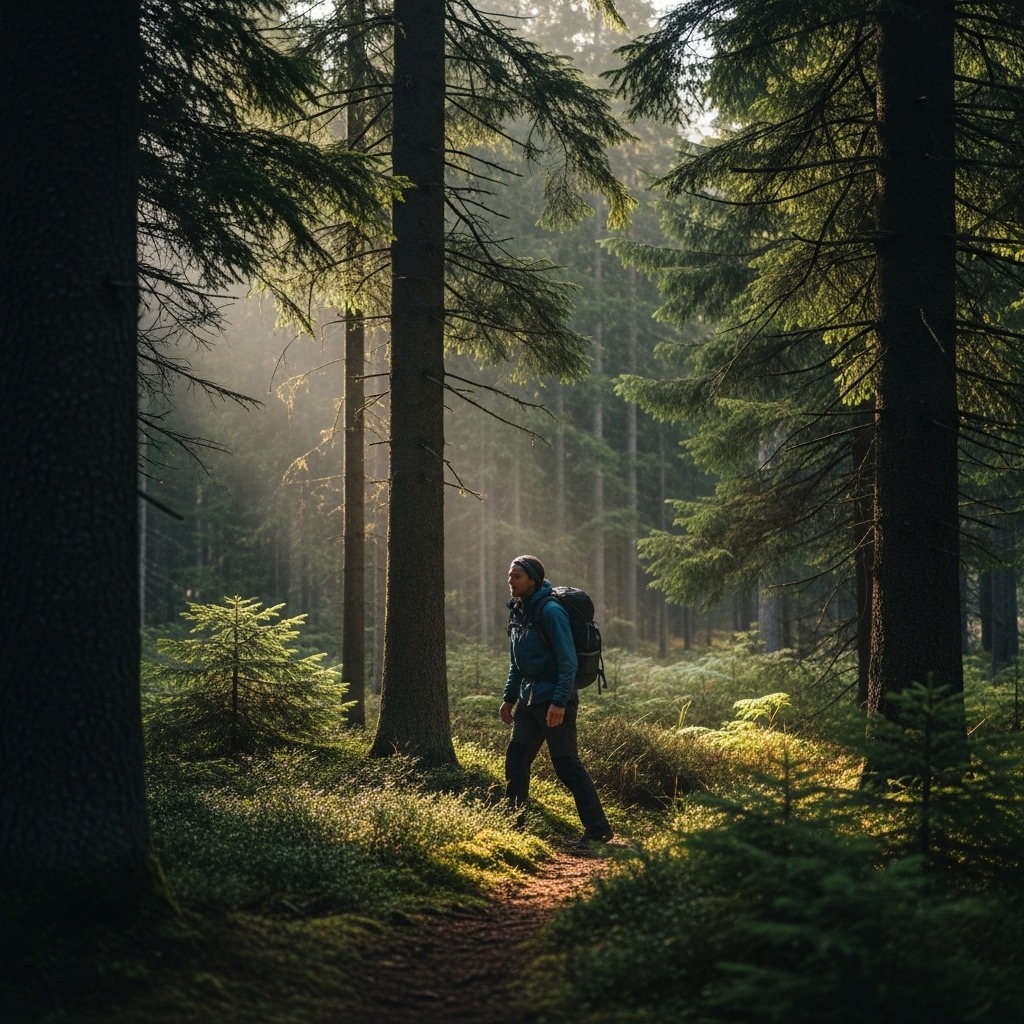
A coniferous forest is primarily made up of coniferous trees, which are known for their cone-shaped seeds and needle-like leaves. These trees, such as pines, spruces, and firs, thrive in cooler climates. They are called evergreens because they retain their foliage throughout the year. This biome is often found in regions with long, cold winters and ample precipitation, either as rain or snow.
Importance in Global Ecology
Coniferous forests play a vital role in our ecosystem. Here’s why they matter:
- Carbon Sinks: These forests absorb carbon dioxide, helping to combat climate change. They store carbon in their biomass and soil, making them crucial for regulating global temperatures.
- Biodiversity: They provide habitats for a wide variety of wildlife. Species like moose, bears, and various birds rely on these forests for food and shelter.
- Soil Health: The soil in coniferous forests is often acidic and nutrient-poor. However, it supports unique plant life adapted to these conditions, like mosses and lichens.
Geographic Distribution
Coniferous forests are found mainly in the Northern Hemisphere. They cover large areas in:
- Boreal Forests (Taiga): Stretching across Canada, Alaska, and parts of Russia, the boreal forest is the largest terrestrial biome.
- Mountain Regions: High elevations like the Rocky Mountains and the Himalayas also host coniferous forests.
Unique Characteristics and Adaptations
Coniferous trees have adapted to survive harsh climates. Their needle-like leaves minimize water loss and can withstand heavy snowfall. Additionally, their cones protect seeds from cold temperatures.
Understanding and protecting these forests is key. They are not just a beautiful part of nature; they are a critical component of our global ecosystem, supporting life and helping regulate our climate.
Climate Characteristics of Coniferous Forests
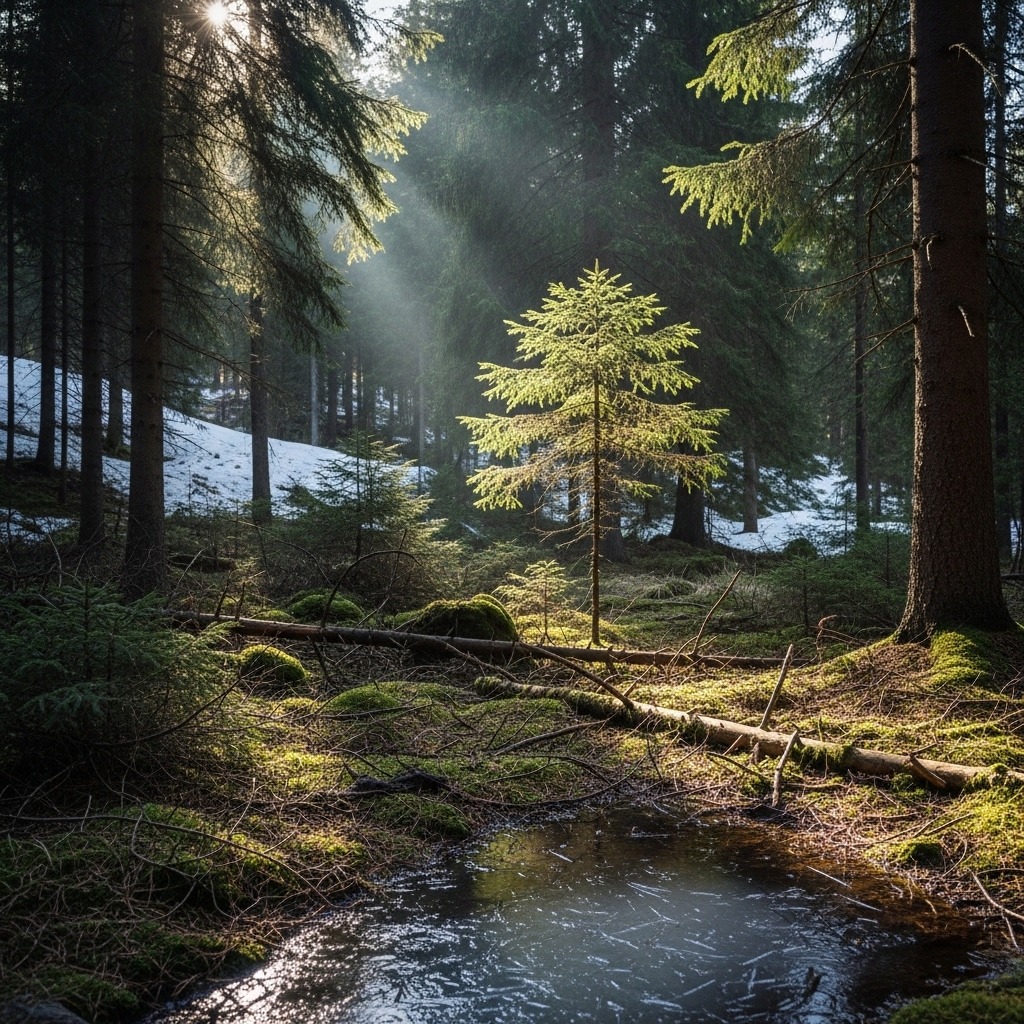
Coniferous forests have distinct climate characteristics. They thrive in regions with long winters and moderate to high precipitation. Let’s break down the key climate factors.
Average Temperature Ranges
Temperatures in coniferous forests can vary widely. In the boreal forests, winter temperatures often plummet below freezing. Here’s a quick look at typical temperature ranges:
- Winter: -10°C to -30°C (14°F to -22°F)
- Summer: 10°C to 20°C (50°F to 68°F)
In temperate coniferous forests, like those found in the Pacific Northwest, winters are milder, with temperatures ranging from 0°C to 10°C (32°F to 50°F) and summers can reach 20°C to 30°C (68°F to 86°F).
Precipitation Levels
Precipitation is essential for these forests. It varies based on location but generally falls between 300 mm to 900 mm annually. Here’s how it breaks down:
- Boreal Forests: 400 mm to 800 mm, mostly as snow during winter.
- Temperate Coniferous Forests: 800 mm to 2000 mm, with more rainfall in summer.
This precipitation is crucial for maintaining the health of the ecosystem, supporting both flora and fauna.
Seasonal Variations
Coniferous forests experience notable seasonal changes.
- Winter: Heavy snowfall can blanket the ground, providing insulation for the soil and protecting roots.
- Spring: Melting snow leads to increased soil moisture, promoting new growth.
- Summer: Warm temperatures and rain support lush greenery and wildlife activity.
- Fall: Trees prepare for winter by shedding some needles, although many remain evergreen.
Understanding these climate characteristics helps us appreciate the resilience of coniferous forests. They’re not just beautiful; they play a vital role in our ecosystem, influencing weather patterns and supporting diverse life forms.
Geographic Distribution of Coniferous Forests
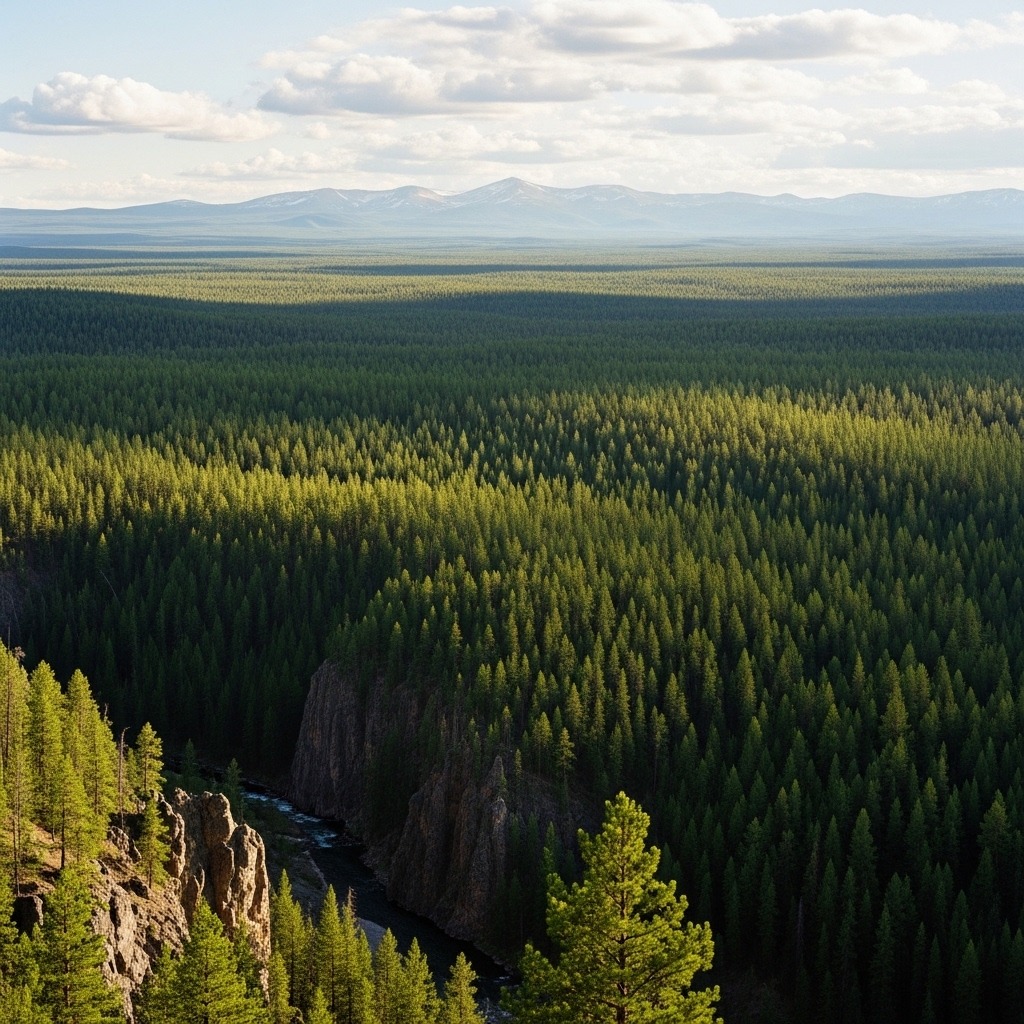
Coniferous forests are spread across various parts of the globe. They thrive in regions that experience long winters and moderate to high levels of precipitation. Let’s dive into where these majestic forests can be found.
Major Regions of Coniferous Forests
Coniferous forests are primarily found in the Northern Hemisphere. Here are some key areas:
- Boreal Forest (Taiga): This is the largest type of coniferous forest. It stretches across Canada, Alaska, Russia, and parts of Scandinavia. The boreal forest covers about 17% of Earth’s land surface.
- Temperate Regions: These forests appear further south and at higher elevations, such as the Pacific Northwest in North America. They enjoy a milder climate compared to the taiga.
- Mountainous Areas: Coniferous forests also thrive in cool, high elevations. Think of the Rocky Mountains and the Himalayas, where conditions are just right for these trees.
Types of Coniferous Forests
Coniferous forests can be categorized mainly into two types:
1. Boreal Forests (Taiga):
- Dominated by species like spruce, fir, and pine.
- Characterized by cold climates with long winters and short summers.
- Soil tends to be acidic and nutrient-poor.
2. Temperate Coniferous Forests:
- Found in milder climates, often with more diverse flora.
- Home to towering trees like redwoods and Douglas firs.
- More rainfall compared to boreal forests, supporting a variety of wildlife.
Understanding Their Distribution
Here’s a quick overview of regions and their key features:
| Region | Type | Key Trees | Climate Characteristics |
|---|---|---|---|
| Canada, Russia, Scandinavia | Boreal Forest (Taiga) | Spruce, Pine, Fir | Long winters, short summers |
| Pacific Northwest, USA | Temperate Coniferous | Redwood, Douglas Fir | Mild, wet winters and summers |
| Rocky Mountains, Himalayas | Montane Coniferous | Various conifers | Cool, high-altitude conditions |
By understanding where coniferous forests grow, we can better appreciate their ecological role and the unique biodiversity they support.
Flora and Fauna of Coniferous Forests

Coniferous forests are home to a unique array of plant and animal life. The harsh climate shapes these ecosystems and the species that thrive within them. Let’s dive into the standout flora and fauna you’ll find in these fascinating biomes!
Dominant Tree Species
Conifers dominate the landscape. These trees are specially adapted to survive in cold weather. Here are some key species:
- Spruce: Known for its tall, straight trunks and needle-like leaves.
- Pine: Features long needles grouped in clusters, perfect for shedding snow.
- Fir: Often has a conical shape, which helps with snow management.
- Larch: Unique for shedding its needles in winter, unlike other conifers.
These trees have thick, waxy leaves that minimize water loss and protect against freezing temperatures. Their cone shape keeps snow from accumulating, which can damage weaker branches.
Animal Adaptations to Cold Climates
The fauna in coniferous forests has also adapted to survive cold conditions. Here are some animals and their unique strategies:
- Moose: Large size helps conserve heat, and their long legs allow them to navigate deep snow.
- Caribou: Adapted to migrate and find food across vast distances during harsh winters.
- Bears: Hibernate to conserve energy when food is scarce.
- Wolves and Lynx: These predators have thick fur for insulation and are agile hunters in snowy conditions.
These adaptations ensure that animals can find food and shelter despite the challenges posed by their environment.
Biodiversity and Food Chains
While coniferous forests may seem less diverse than tropical rainforests, they boast a unique food chain. The ecosystem is finely balanced:
- Producers: Coniferous trees serve as primary producers, providing oxygen and food.
- Herbivores: Animals like deer and hares feed on the foliage and bark.
- Carnivores: Predators like bears and wolves keep herbivore populations in check.
Despite having fewer species overall, the connections between these organisms create a rich tapestry of life. This biodiversity is crucial for maintaining ecosystem health and resilience.
Understanding the flora and fauna of coniferous forests helps us appreciate their role in our planet’s ecology. Each species, from towering trees to small mammals, plays an important part in sustaining this unique environment.
Environmental Features and Soil Characteristics
Coniferous forests boast unique environmental features that play a vital role in sustaining their ecosystems. One of the most important aspects is the soil, which significantly impacts plant growth and overall forest health.
Soil Types and Nutrient Content
Soils in coniferous forests are typically acidic and nutrient-poor. This is due to the slow decomposition of fallen needles from evergreen trees. Here are some key points about these soils:
- Acidity: The high acidity levels hinder nutrient availability. This can limit plant growth.
- Texture: Soils are often sandy or rocky, with low organic matter.
- Drainage: Good drainage helps prevent waterlogging but can also lead to nutrient leaching.
These soil characteristics make it challenging for plants to thrive. However, conifers have adapted to these conditions, allowing them to flourish even in less-than-ideal soil.
Decomposition Rates and Ecosystem Health
Decomposition rates in coniferous forests are slower compared to other biomes. This has several implications for the ecosystem:
- Nutrient Cycling: Slow decomposition means nutrients are released gradually. This can benefit certain plant species that thrive in low-nutrient environments.
- Organic Matter Accumulation: The accumulation of organic matter can create a thick layer of forest floor litter. This litter provides habitat for various organisms.
- Soil Fertility: While slow, the decomposition process eventually contributes to soil fertility, supporting a unique mix of flora and fauna.
In regions like the boreal forests of Canada and Russia, these soil features and decomposition rates create a delicate balance, supporting life in a challenging climate. Understanding these dynamics helps us appreciate the ecological significance of coniferous forests and the need for their conservation.
Ecological Significance of Coniferous Forests
Coniferous forests play a crucial role in our planet’s health. They are vital for carbon storage and support a diverse range of life. Let’s dive into their ecological importance.
Role in Carbon Sequestration
Coniferous forests are champions of carbon storage. They absorb carbon dioxide through photosynthesis, locking it away in their wood, roots, and soil. Here’s how they make a difference:
- Carbon Sink: Globally, these forests contribute about 14% of the world’s forest carbon stock. Their evergreen needles allow for photosynthesis over longer seasons.
- Long-Term Storage: The slow decomposition of needles and litter helps keep carbon locked in the soil for years.
- Regional Impact: In areas like the western Himalayas, coniferous forests have shown strong and sustained carbon accumulation. For instance, one pine species added nearly 10 tons of carbon per hectare during a study period.
This ability to store carbon makes coniferous forests essential in the fight against climate change.
Importance for Biodiversity
Coniferous forests are biodiversity hotspots. They provide habitats for various species adapted to cold environments. Here’s what you need to know:
- Flora: Dominated by species like pines, spruces, and firs, these forests support a unique mix of plants. The layered structure creates niches for different organisms.
- Fauna: They host wildlife ranging from deer to birds and insects. Many species rely on coniferous forests for food and shelter.
- Unique Adaptations: The conical shape of conifer trees helps them shed snow, preventing branch breakage. This adaptation supports the ecosystem by allowing trees to thrive in harsh climates.
In summary, coniferous forests are vital for carbon storage and biodiversity. Their health directly impacts our environment and the climate. Understanding their ecological significance helps us appreciate the need for conservation efforts.
Adaptations of Conifers to Harsh Climates
Coniferous trees have some incredible adaptations that help them thrive in cold, nutrient-poor environments. These features make them uniquely suited to survive and flourish where other trees might struggle.
Needle-like Leaves and Water Conservation
Conifers typically have needle-like leaves. This shape is more than just a style choice. It helps reduce water loss. The small surface area means less water evaporates. Additionally, these needles have a waxy coating that protects against freezing temperatures.
- Evergreen Advantages: Unlike deciduous trees, which shed leaves in winter, conifers keep their needles year-round. This means they can start photosynthesis as soon as conditions improve in spring.
- Energy Efficiency: Regrowing leaves requires energy. By retaining their needles, conifers save energy and resources when spring arrives.
Conical Shape for Snow Shedding
The classic conical shape of many conifer trees serves a practical purpose. It allows snow to slide off easily, preventing heavy snowfall from breaking branches.
- Structural Stability: This shape helps the trees maintain their structure during harsh winter weather.
- Sunlight Access: By shedding snow, conifer trees ensure that sunlight reaches lower branches. This supports growth even in the coldest parts of the year.
Comparison with Deciduous Trees
When it comes to adaptations, conifers stand out against deciduous trees.
- Adaptation to Climate: Deciduous trees lose leaves to conserve water during winter. In contrast, conifers maintain their needles, allowing them to photosynthesize early.
- Nutrient Availability: The soil in coniferous forests is often acidic and low in nutrients. Conifers, with their needle-like leaves, adapt by thriving in these challenging conditions. Deciduous trees may struggle here.
These unique adaptations enable conifers to dominate in environments that are too harsh for many other types of trees. Understanding these differences can help us appreciate their resilience and the roles they play in their ecosystems.
Threats to Coniferous Forests and Conservation Efforts
Coniferous forests face significant challenges. Climate change and human activities are taking a toll on these vital ecosystems. Let’s dive into the key threats and the ongoing conservation efforts.
Impact of Climate Change
Climate change is altering the landscape of coniferous forests. With rising temperatures, these forests are experiencing:
- Longer fire seasons: Increased warmth leads to drier conditions, making forests more prone to wildfires.
- Pest outbreaks: Warmer winters allow pests like bark beetles to thrive, devastating large areas of forest.
- Changing precipitation patterns: Some regions may face droughts, while others could see heavy rainfall, both affecting tree health.
For example, in Canada, extensive wildfires in the boreal forests released tons of carbon dioxide into the atmosphere, further exacerbating climate issues.
Human Activities and Deforestation
Human activities are also a significant threat. Logging, urban development, and agriculture encroach on coniferous forests. Key issues include:
- Industrial logging: Clear-cutting for timber can destroy entire ecosystems.
- Urban expansion: Cities expand into forested areas, fragmenting habitats.
- Agricultural practices: Farming can lead to habitat loss and soil degradation.
In regions like Russia and Canada, large-scale logging continues to threaten ancient stands of trees, which play a crucial role in carbon storage.
Conservation Strategies and Success Stories
Despite these challenges, many conservation efforts are underway. Here are some successful strategies:
- Protected areas: Establishing national parks helps safeguard vast forest regions from logging and development.
- Sustainable forestry practices: Implementing selective logging and reforestation can mitigate the impact of timber harvesting.
- Community involvement: Engaging local communities in conservation efforts fosters stewardship and sustainable practices.
For instance, the Great Bear Rainforest in British Columbia is a success story. It was designated as a protected area, ensuring the preservation of diverse ecosystems and wildlife habitats.
By understanding these threats and supporting conservation initiatives, we can help protect coniferous forests for future generations.
Frequently Asked Questions
These quick answers cover the most common questions about this topic, including key details, practical tips, and common concerns.
What are the facts about the coniferous forest biome?
Coniferous forests are ecosystems dominated by cone-bearing trees like pines, spruces, and firs. They are mainly found in the Northern Hemisphere, covering large areas in boreal regions and mountain ranges. These forests are characterized by their evergreen trees, acidic soils, and adaptations to cold climates. They support diverse wildlife and play a crucial role in global carbon storage.
What is the climate of coniferous forests?
Coniferous forests typically experience long, cold winters with temperatures often below freezing, especially in boreal zones. Summers are short and mild, ranging from cool to warm depending on the region. Precipitation varies from moderate to high, mainly as snow in colder areas. Seasonal changes include snow accumulation in winter and lush growth in summer.
What type of ecosystem is the coniferous forest?
The coniferous forest is a terrestrial ecosystem characterized by its dominant evergreen trees, acidic soils, and adaptations to harsh climates. It supports a food web that includes herbivores like deer and moose, and predators such as wolves and bears. The ecosystem plays a vital role in carbon sequestration and biodiversity conservation.
How do coniferous forests adapt to cold climates?
Conifers have needle-like leaves with a waxy coating that reduces water loss and withstands freezing temperatures. Their conical shape helps snow slide off, preventing branch damage. Many conifers, like larches, shed needles seasonally, while others keep them year-round to maximize photosynthesis during short growing seasons.
Why are coniferous forests important for the ecosystem?
They act as major carbon sinks, helping mitigate climate change by absorbing CO₂. They provide habitat for diverse species, from large mammals to insects. Additionally, they influence regional climate patterns and support soil stability despite nutrient-poor conditions.
When is the best time to visit coniferous forests?
The best time depends on your interests. Summer (June to August) offers milder weather and active wildlife viewing. Spring and fall are ideal for observing seasonal changes, such as blooming or leaf shedding. Winter visits are perfect for snow sports and experiencing the snowy landscape, but be prepared for cold temperatures.
What are the threats to coniferous forests today?
Major threats include climate change, which causes wildfires, pest outbreaks, and droughts. Human activities like logging, urbanization, and agriculture also threaten these ecosystems. These pressures can lead to habitat loss, reduced biodiversity, and decreased carbon storage capacity.
How can we protect coniferous forests?
Protection strategies include establishing protected areas, promoting sustainable forestry, and supporting reforestation projects. Reducing illegal logging and encouraging community-led conservation efforts are also effective. Raising awareness about their ecological importance helps garner support for preservation initiatives.