
When planting tomatoes, it’s crucial to avoid pairing them with certain plants that can hinder their growth or health. Some plants can compete for nutrients, attract pests, or even spread diseases. Understanding these relationships can help us cultivate a thriving garden.
Understanding these relationships can help us cultivate a thriving garden.
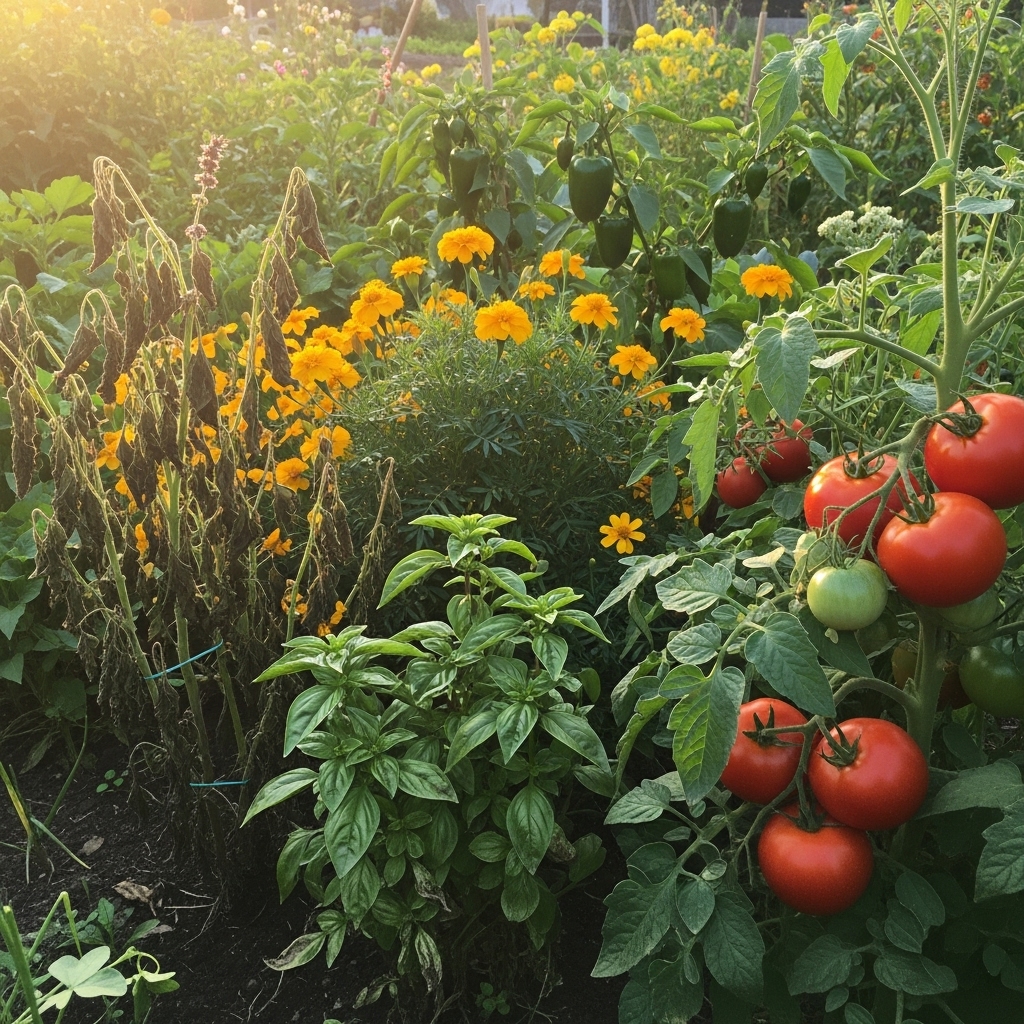
Understanding Tomato Companion Planting
What is Companion Planting?
Companion planting is the practice of growing different plants together for mutual benefit. This could mean enhancing growth, deterring pests, or improving flavor. I first learned about this concept when I started my garden and realized how important it is to create a harmonious ecosystem for my plants. When I paired certain plants together, I noticed a significant difference in their growth and overall health. It’s fascinating how the right mix can lead to a thriving garden.
Benefits of Companion Planting with Tomatoes
When I began experimenting with companion planting, I discovered that tomatoes benefit immensely from being paired with the right plants. For example, certain herbs like basil can enhance the flavor of tomatoes and even repel harmful insects. Companion planting not only maximizes space but also improves soil health and pest control. I often find myself enjoying the beauty of a diverse garden while also enjoying the bounty of healthy produce. The benefits are truly rewarding!
Plants to Avoid Planting with Tomatoes
Common Plants That Harm Tomato Growth
While companion planting can be beneficial, not all plants play well together. I learned this the hard way when I saw my tomatoes struggling after planting them near certain vegetables. Some plants can attract pests or compete for the vital nutrients tomatoes need to thrive. For instance, I found that planting tomatoes alongside corn led to poor growth. Corn can attract the same pests that damage tomatoes, and its tall stalks can overshadow them, blocking out essential sunlight.
Specific Herbs to Avoid
Herbs can be tricky. While some, like basil, are great companions, others can be detrimental. For example, I discovered that planting tomatoes near rosemary can stifle their growth. Rosemary can inhibit the growth of tomatoes due to its strong chemical makeup. In my experience, I’ve also noticed that mint can take over and compete for resources, choking out the tomatoes. It’s essential to research herbs before planting them near your tomato plants. This is a lesson I learned after a few disappointing harvests.
Vegetables That Compete with Tomatoes
When it comes to vegetables, there are some that I would recommend steering clear of when planting tomatoes. Besides corn, I’ve found that peppers can compete for similar nutrients, especially nitrogen. I’ve had better luck when I kept them separate. Additionally, be cautious with other nightshades like potatoes. They not only compete for nutrients but can also be susceptible to the same diseases, like blight, which can spread quickly between the plants. I remember planting them in close proximity and later regretting it when I had to deal with a disease outbreak. Potatoes are notorious for being bad companions for tomatoes.
Flowers That Can Deter Tomato Health
Flowers can add beauty to our gardens, but some can also negatively affect tomato plants. One flower to avoid is marigold, which is often considered a companion plant for many crops. However, in my experience, marigolds can sometimes attract pests that are also drawn to tomatoes. I’ve seen this firsthand when I found aphids congregating around both plants. It’s essential to consider the entire garden ecosystem when planning what to plant alongside tomatoes. I learned that some flowers, while beautiful, can lead to more harm than good.
Top 5 Plants to Avoid with Tomatoes
Potatoes
Potatoes are notorious for being bad companions for tomatoes. Both plants belong to the nightshade family, which means they are susceptible to the same diseases. I’ve faced the consequences of this pairing when I lost an entire crop to blight that spread from my potatoes to my tomatoes. Moreover, they compete for nutrients in the soil, leading to stunted growth. I now keep my potatoes far away from my beloved tomato plants.
Cabbage Family (Brassicas)
The cabbage family, including broccoli, cauliflower, and kale, can be tough neighbors for tomatoes. When I planted them too close together, I noticed my tomatoes weren’t growing as vigorously. These brassicas are heavy feeders and can drain the soil of nutrients that tomatoes need. Additionally, they can attract pests like cabbage worms, which can also affect the health of nearby tomatoes. Now, I always make sure to plant these members of the brassica family away from my tomatoes.
Fennel
Fennel is another plant that I learned to avoid when growing tomatoes. It emits a chemical that can inhibit the growth of nearby plants, especially tomatoes. I remember trying to grow fennel next to my tomatoes once and was disappointed to find that the tomatoes struggled to thrive. Since then, I’ve kept fennel far away from my tomato plants, and I’ve seen a significant improvement in their health and yield.
Eggplants
Eggplants, like tomatoes, are part of the nightshade family, which is why I initially thought they’d be good companions. However, I quickly discovered that they compete for the same nutrients and can attract similar pests. In my garden, I learned that keeping them apart allowed both plants to flourish without the constant battle for resources. It’s a good reminder that just because they belong to the same family doesn’t mean they should share the same space.
Walnuts
Lastly, I’ve found that walnuts are a big no-no when it comes to planting tomatoes. Walnuts produce a chemical called juglone, which is toxic to many plants, including tomatoes. I remember when a neighbor planted a walnut tree near my garden; I began to notice my tomatoes were wilting and not producing fruit. It wasn’t until I did some research that I realized the effect walnuts can have. Now, I always make sure there are no walnut trees nearby when planting my tomatoes.
Signs of Poor Plant Pairing
Growth Stunting in Tomatoes
One of the first signs I’ve noticed when plants aren’t getting along is the stunted growth of my tomatoes. I remember a season when I planted them too close to some aggressive herbs, and my once vibrant seedlings turned into sad, scraggly plants. They just weren’t growing as they should, and it was frustrating to watch. When tomatoes are paired with incompatible plants, they can struggle to access the nutrients they need, leading to weak, underdeveloped growth. If you start seeing your tomato plants lag behind their usual vigor, it might be time to reassess their companions.
Increased Pest Activity
Another clear indicator of poor plant pairing is a sudden uptick in pest activity. I’ve had my share of run-ins with pests, and it’s alarming how quickly they can invade a garden. When my tomatoes were planted close to certain flowers that attracted aphids, I found my plants swarming with these tiny invaders. I quickly learned that some plants can draw pests away from your tomatoes, while others can serve as a buffet. If you notice an unusual amount of pests on your tomato plants, it could be a sign that their companions aren’t doing their job in pest management.
Diseases Manifesting in the Garden
Perhaps one of the most distressing signs of poor plant pairing is the emergence of diseases. I had a particularly tough season when I planted tomatoes too close to potatoes. The result? A blight outbreak that devastated both crops. Many plants share vulnerabilities to specific diseases, and when planted together, they can spread illness like wildfire. If you see wilting leaves, spots on the fruit, or any unusual discoloration, it’s crucial to investigate the surrounding plants. A little preventive action can save your entire garden from a bigger disaster.
Best Practices for Planting Tomatoes
Ideal Companion Plants for Tomatoes
After learning what not to plant with tomatoes, I’ve also discovered some fantastic companions that truly enhance their growth. Basil is definitely at the top of my list. Not only does it thrive alongside tomatoes, but it also seems to improve their flavor and repel pesky insects. I’ve also had great success with marigolds, which, contrary to some experiences, can work to deter nematodes and other pests when planted strategically away from direct competition. I think planting companion plants is like creating your own little support system in the garden, where everyone thrives together. Sunflowers can also be beneficial when planted nearby.
Soil and Nutrient Considerations
In my experience, the quality of soil and nutrients plays a vital role in the health of my tomato plants. I always make sure to enrich my garden beds with compost and organic matter. This not only feeds my tomatoes but also ensures that any companion plants are equally nourished. Keeping the soil well-aerated and balanced in nutrients prevents any one plant from monopolizing the resources. I remember when I didn’t pay attention to this and ended up with some very unhappy plants. Now, I prioritize soil health, and it’s made a world of difference in my garden.
Spacing and Layout in the Garden
When it comes to spacing, I’ve learned that it’s better to give each plant a little room to breathe. I typically follow the recommended spacing guidelines for tomatoes, which usually suggest at least 18 to 24 inches apart. This spacing allows not only for good air circulation but also for companion plants to thrive without overshadowing or competing for light and nutrients. I’ve found that a well-planned layout can help prevent many of the issues I faced in the past. It’s like designing a garden orchestra, where each plant plays its part without stepping on each other’s toes!
Frequently Asked Questions (FAQs)
Can I plant tomatoes with peppers?
While tomatoes and peppers are both part of the nightshade family, I recommend keeping a bit of distance between them. They can compete for similar nutrients, especially nitrogen, which can lead to stunted growth for both. If you choose to plant them together, make sure to monitor their health closely and provide plenty of nutrients to support both plants.
What are the best companion plants for tomatoes?
Some of the best companions for tomatoes include basil, marigolds, borage, and garlic. Each of these plants offers unique benefits, from pest deterrence to flavor enhancement. I’ve personally found that planting these companions has improved my tomato yields significantly! Where to buy plants can also be a helpful resource when looking for these companions.
How far apart should tomatoes be from other plants?
I typically space my tomato plants at least 18 to 24 inches apart from other plants. This distance helps ensure that they have adequate air circulation and space to grow without competing too aggressively for resources.
What should I do if I accidentally plant incompatible plants?
If you find yourself in a situation where incompatible plants are already planted together, don’t panic! You can try to carefully transplant one of the plants to a different location. Make sure to monitor both plants for signs of stress, and consider enhancing their nutrient supply to help them recover. I’ve had to do this a few times, and while it can be a bit of work, it’s worth it to save your garden’s health!
Best Practices for Planting Tomatoes
Ideal Companion Plants for Tomatoes
After learning the hard way about what not to plant with tomatoes, I’ve come to appreciate the magic that the right companions can bring. Basil is my all-time favorite companion; it not only complements the flavor of tomatoes but also keeps pests like aphids and whiteflies at bay. I remember when I planted basil alongside my tomatoes for the first time—my tomatoes thrived, and I even noticed a distinct flavor enhancement. Other great companions include borage, which attracts pollinators and enhances the overall health of tomatoes, and garlic, known for its pest-repelling properties. Each season, I find myself experimenting with different combinations, and it’s always exciting to see how these partnerships bloom.
Soil and Nutrient Considerations
Soil health is a topic that’s close to my heart because I’ve learned that nutrient-rich soil can make or break a harvest. I always start my gardening season by testing my soil’s pH and nutrient levels. Adding organic compost is my go-to method for enriching the soil. I remember the first time I added compost to my garden beds; the difference was remarkable! Not only did my tomatoes grow bigger and juicier, but my companion plants flourished too. I also make sure to rotate my crops each year to prevent nutrient depletion and soil-borne diseases. Keeping my soil healthy is like giving my plants a solid foundation to build upon.
Spacing and Layout in the Garden
The layout of my garden is a crucial aspect that I’ve come to appreciate over the years. I’ve learned that overcrowded plants lead to competition for light, water, and nutrients, often resulting in disappointing yields. By following the recommended spacing of 18 to 24 inches between tomato plants and their companions, I allow them room to grow and breathe. I’ve also started to design my garden in layers, with taller plants on the north side and shorter ones on the south. This way, every plant gets a fair share of sunlight. I often think of my garden as a carefully choreographed dance, where each plant has its own space to shine without stepping on anyone else’s toes.
Frequently Asked Questions (FAQs)
Can I plant tomatoes with peppers?
While tomatoes and peppers can be grown together since they are both nightshades, I’ve found that it’s best to keep them a bit apart. They tend to compete for nutrients like nitrogen, which can hinder their growth. If you do decide to plant them together, be sure to monitor their health closely and provide adequate nutrients, as I’ve had seasons where both plants struggled due to this competition.
What are the best companion plants for tomatoes?
In my experience, some of the best companion plants for tomatoes include basil, marigolds, borage, and garlic. Each of these plants offers unique benefits. Basil is great for flavor enhancement and pest deterrence, while marigolds can help repel nematodes. Borage attracts pollinators, and garlic is known for its ability to ward off pests. I’ve seen firsthand how these companions can boost my tomato yields!
How far apart should tomatoes be from other plants?
I typically space my tomato plants at least 18 to 24 inches apart from other plants. This spacing ensures that they have adequate air circulation and enough room to grow without competing too aggressively for resources. I remember when I ignored this rule and ended up with leggy, weak plants. Now, I prioritize spacing, and it has made a huge difference in the health of my garden.
What should I do if I accidentally plant incompatible plants?
If you find that incompatible plants are already growing together, don’t panic! I’ve been in this situation before. The best course of action is to carefully transplant one of the plants to a different location. Monitor both plants for signs of stress and consider enhancing their nutrient supply to help them recover from the shock of being moved. It’s a bit of work, but I’ve found that taking these steps can save a struggling garden and ensure a more fruitful harvest down the line.
Frequently Asked Questions
“`