
The name ‘Monarch’ carries significant historical, cultural, and biological implications. This article delves into what the term ‘Monarch’ means, its origins, and its relevance in both the context of royalty and the natural world, particularly the Monarch butterfly [1].
Table of Contents
Etymology and Cultural Significance of the Term ‘Monarch’
The term ‘Monarch’ has deep roots in both language and culture. Its origins reveal a rich tapestry of historical significance that connects ancient concepts of leadership to modern interpretations.
The Greek and Latin Roots of ‘Monarch’
The word ‘Monarch’ derives from the Greek term ‘monarkhēs,’ meaning ‘sole ruler.’ This compound word combines ‘monos’ (alone) and ‘arkhē’ (rule or authority). In Latin, the term evolved into ‘monarcha,’ maintaining its association with singular authority. This etymological lineage underscores the concept of a monarch as a singular figure of governance, distinct from other forms of leadership.
Evolution of the Term Through History
Throughout history, the meaning and application of ‘Monarch’ have evolved significantly:
- Ancient Greece: Initially, monarchs were seen as divine figures, ruling by perceived favor from the gods.
- Medieval Europe: The term expanded to encompass hereditary rulers, often linked to feudal systems where power was both absolute and conditional.
- Modern Era: Today, the term often refers to ceremonial roles in constitutional monarchies, where power is shared with elected bodies.
This evolution illustrates how the title of monarch has adapted to cultural and political changes over centuries, shifting from absolute power to symbolic representation in many contexts.
Cultural References in Literature and Art
Monarchs have been a prevalent theme in literature and art, symbolizing power, responsibility, and the complexities of governance. Notable examples include:
- Shakespeare’s Plays: Kings and queens are central characters, embodying the struggles of leadership.
- Visual Arts: Portraits of monarchs often reflect their status, power, and cultural significance.
- Mythology: The connection between monarchs and divine right is echoed in various mythological narratives, reinforcing the notion of rulers as chosen by higher powers.
These cultural references enrich the understanding of what it means to be a monarch, illustrating the weight of their titles across different societies and historical periods.
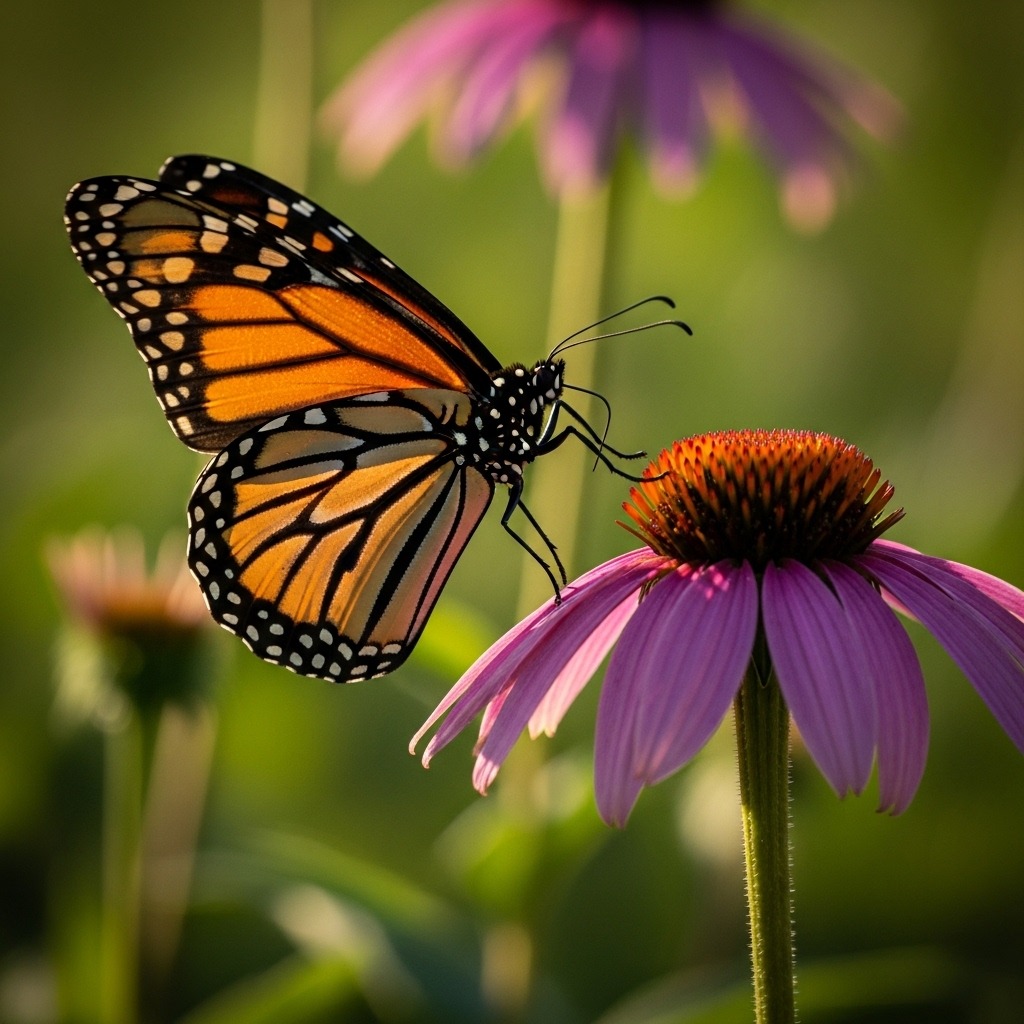
In the biological realm, the name ‘Monarch’ extends to the Monarch butterfly, scientifically known as Danaus plexippus. This species name also carries historical significance linked to Greek mythology, connecting the natural world to human culture. The butterfly’s lifecycle and migration patterns serve as metaphors for transformation and resilience, echoing the trials often faced by historical monarchs.
Understanding the name ‘Monarch’ involves diving into both its linguistic origins and its broader cultural implications, revealing how a single term can encapsulate vast historical narratives and societal values.
The Role and Responsibilities of Monarchs Throughout History
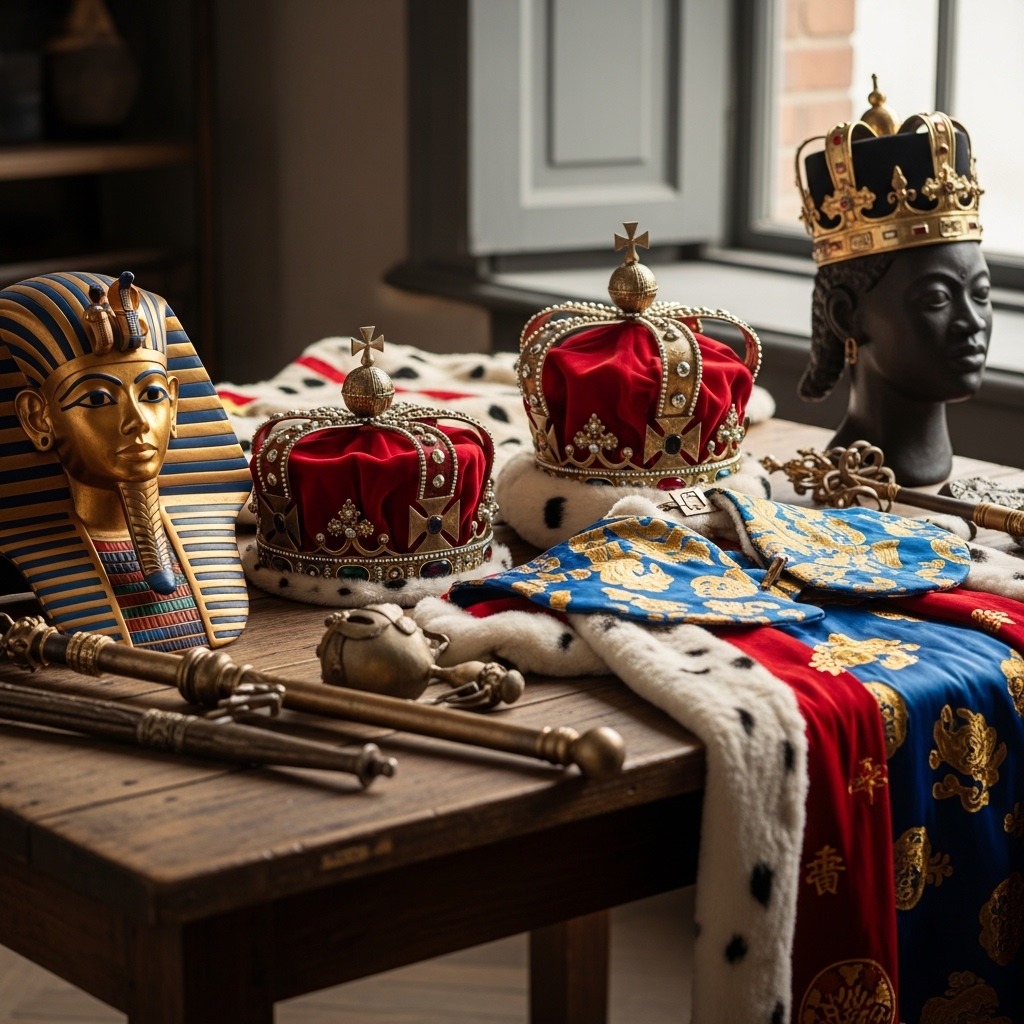
Monarchs have played pivotal roles across various cultures and historical contexts. Their influence, duties, and powers can vary significantly, particularly when comparing absolute and constitutional monarchies.
Absolute vs. Constitutional Monarchies
In an absolute monarchy, the monarch wields supreme authority. Their decisions are not subject to legal constraints. For example:
- Responsibilities: They often dictate laws, manage state affairs, and maintain national sovereignty. The monarch serves as the ultimate decision-maker.
- Example: King Salman of Saudi Arabia exemplifies this role, where governance is deeply intertwined with religious authority.
In contrast, constitutional monarchies operate under a framework of laws that limit the monarch’s powers. Here, the monarch’s role is largely ceremonial.
- Responsibilities: They perform symbolic duties, such as opening sessions of parliament or representing the state at official events.
- Example: Queen Elizabeth II of the United Kingdom functioned primarily as a figurehead, with real political power residing in elected officials.
The Influence of Culture on Monarchical Roles
Cultural context significantly shapes the responsibilities of monarchs. In many societies, monarchs symbolize unity and continuity. Their roles can reflect deep-rooted traditions and societal values.
- Cultural Significance: Monarchs often embody national identity. For instance, the Japanese Emperor symbolizes the Japanese people and their cultural heritage.
- Female Monarchs: Historically, female monarchs have also wielded power. Figures like Queen Elizabeth I of England navigated complex political landscapes while asserting their influence.
Case Studies of Notable Monarchs
Examining notable monarchs across regions reveals the diversity of their roles and responsibilities:
- King Louis XIV of France: Known as the “Sun King,” he epitomized absolute monarchy, asserting control over both state and society.
- Emperor Akihito of Japan: His reign marked a shift towards a more ceremonial role, aligning with Japan’s post-war identity.
- Queen Victoria of the United Kingdom: She represented a constitutional monarchy while overseeing a vast empire, influencing global politics and culture.
These cases illustrate how monarchs adapt their roles to their cultural and political environments, reinforcing the significance of the term “Monarch” across different contexts.
Unraveling the Significance of the Monarch Butterfly

The Monarch butterfly, scientifically known as Danaus plexippus, is more than just a beautiful insect; it plays a crucial role in our ecosystem. Its lifecycle and symbiotic relationship with milkweed are integral to its survival and ecological impact.
The Lifecycle of the Monarch Butterfly
The lifecycle of the Monarch butterfly consists of four distinct stages: egg, larva (caterpillar), pupa (chrysalis), and adult butterfly.
- Egg: Laid on milkweed plants, eggs hatch into larvae within a few days.
- Larva: Caterpillars feed voraciously on milkweed, acquiring toxic compounds that deter predators.
- Pupa: Inside the chrysalis, the caterpillar undergoes metamorphosis, transforming into a butterfly.
- Adult: Emerging adults are ready for reproduction, continuing the cycle.
This lifecycle showcases the Monarch’s adaptability and the critical role of milkweed in its development. The butterfly’s ability to migrate thousands of miles for breeding highlights its resilience and ecological importance.
Mythological Connections to the Name ‘Monarch’
The term “Monarch” draws connections to historical and mythological narratives. In Greek mythology, the name is linked to figures like Danaus, who symbolizes transformation and survival. This connection enhances the cultural significance of the Monarch butterfly, elevating it beyond mere biology to a representation of change and endurance.
Ecological Role of the Monarch Butterfly
Monarch butterflies serve as vital pollinators in various ecosystems. Their feeding on nectar helps in the reproduction of many flowering plants. They also indicate environmental health due to their sensitivity to habitat changes.
- Relationship with Milkweed: Milkweed is the sole food source for Monarch larvae. This dependency creates a unique ecological relationship. Without milkweed, Monarch populations cannot thrive, making conservation of this plant essential for their survival [6][8].
- Migration Patterns: Monarchs undertake one of the longest migrations of any insect species, traveling up to 3,000 miles from North America to central Mexico. This extraordinary journey underscores their adaptability and ecological significance [7].
The Monarch butterfly’s lifecycle and ecological roles illustrate the profound connections between species and their environments, enriching our understanding of biodiversity and conservation.
Cultural References and Misconceptions Surrounding Monarchs
The term “monarch” extends beyond royal titles; it evokes cultural narratives and misconceptions that shape public perception today. Understanding these nuances is essential for grasping the modern relevance of monarchs.
Misconceptions About Monarchies
Many misconceptions cloud our understanding of monarchies. Here are some key points to consider:
- Monarchies are Outdated: Critics argue that monarchies are relics of the past, lacking relevance in contemporary governance [9].
- Lack of Power: People often believe that monarchs hold no real power today. However, this varies by region. Some monarchs maintain significant influence, even in constitutional frameworks.
- Media Representation: The portrayal of monarchs in popular media frequently skews public perception. Misinformation and sensationalism can distort the truth behind royal duties and responsibilities [11].
Monarchs in Modern Popular Culture
Monarchs have a prominent place in modern storytelling, from films to literature. They serve as symbols of heritage, power, and intrigue. Consider the following cultural references:
- Television Series: Shows like “The Crown” dramatize the lives of British monarchs, blending fact with fiction and shaping public narratives.
- Literature: Historical novels often romanticize monarchs, presenting them as larger-than-life figures while glossing over the complexities of their roles.
- Art and Music: Monarchs inspire a wealth of artistic interpretations, from royal portraits to operas, highlighting their cultural significance.
Comparing Monarchy with Other Governance Forms
Monarchies differ significantly from republics and other forms of governance. Here’s a comparative overview:
| Feature | Monarchy | Republic |
|---|---|---|
| Leadership | Often hereditary | Elected by citizens |
| Power Distribution | Varies (absolute vs. constitutional) | Typically democratic |
| Cultural Significance | Deep-rooted traditions | Focus on civic identity |
| Public Perception | Mixed views; often romanticized | Generally pragmatic |
The comparison reveals that while monarchies may appear outdated, they still resonate culturally and politically in various contexts. Understanding these dynamics adds depth to the inquiry about the significance of monarchs today.
Conclusion: The Enduring Legacy of the Name ‘Monarch’
The term ‘Monarch’ carries profound historical and cultural significance, bridging the realms of governance and nature. This duality enriches our understanding of its implications in both human society and the natural world.
Etymology and Historical Significance
The word ‘Monarch’ derives from the Greek term ‘monarkhēs,’ meaning ‘sole ruler.’ This origin underscores the essence of monarchy as a singular authority. Historically, monarchs wielded immense power, shaping nations and cultures through their decisions. The transition from absolute to constitutional monarchies illustrates evolving governance, where power is shared and defined by law.
Cultural References and Symbolism
Monarchs have long inspired art, literature, and folklore. They symbolize tradition, authority, and continuity. For example, the Monarch butterfly (Danaus plexippus) embodies resilience and transformation, drawing parallels with the human experience of leadership and legacy. Its name reflects a connection to both the royal lineage and the ecological importance of this species. Monarch butterflies are vital pollinators, playing a crucial role in environmental health [7].
Modern Relevance of Monarchs
Today, the concept of monarchy continues to evolve. While some monarchies retain significant influence, others serve primarily ceremonial functions. This shift challenges misconceptions about the relevance of monarchs in modern governance. The name ‘Monarch’ remains a powerful symbol, representing a blend of history, authority, and cultural identity.
- Monarch vs. Other Leadership Forms: Unlike elected officials, monarchs often embody historical continuity. This creates a unique bond with citizens, rooted in tradition.
- Ecological Role of the Monarch Butterfly: As a crucial pollinator, the Monarch butterfly highlights the interconnectedness of governance and nature. Protecting its habitat reflects a commitment to both ecological and cultural heritage [12][13].
In essence, the name ‘Monarch’ serves as a reminder of our historical roots and the ongoing narrative of leadership, both in society and the natural world.
Frequently Asked Questions
These quick answers cover the most common questions about this topic, including key details, practical tips, and common concerns.
What’s in the name of a Monarch?
The name “Monarch” originates from the Greek word monarkhēs, meaning “sole ruler,” emphasizing singular authority. Over time, it has come to refer to kings and queens who hold or held supreme power or symbolic leadership. The term also extends to the Monarch butterfly (Danaus plexippus), named for its regal appearance and resilience, symbolizing transformation and endurance.
Is a monarch higher than a king?
Not necessarily. The term “monarch” is a broad title that includes kings, queens, emperors, and other sovereign rulers. It describes the role of a singular ruler but does not specify rank. For example, in some contexts, a monarch might be a queen, and in others, a king. The hierarchy depends on the specific culture and historical period.
Why do birds not eat monarch butterflies?
Monarch butterflies are toxic due to compounds they ingest from milkweed plants during their larval stage. These toxins make them unpalatable and often deadly to predators like birds. This defense mechanism helps monarchs survive despite their bright coloration, which warns predators of their toxicity.
What is the oldest kingdom in the world?
The ancient Kingdom of Egypt is often considered one of the oldest continuous monarchies, with a history dating back over 3,000 years. Its monarchy lasted through various dynasties until the abolition of the monarchy in 1953. Other ancient monarchies include the Kingdom of Japan and the Kingdom of Ethiopia, both with long-standing royal traditions.
Which country has 9 kings?
Swaziland (now Eswatini) has a single monarch, King Mswati III, but historically, some countries like India had multiple princely states with their own kings. Currently, no country officially recognizes nine kings simultaneously. However, in regions with traditional leadership, multiple tribal kings may coexist within a larger nation.
What does the term ‘Monarch’ mean?
“Monarch” means a sole ruler or sovereign, typically a king or queen, who holds authority over a state or territory. It signifies a leadership role rooted in tradition, often hereditary, and can be absolute or ceremonial depending on the political system.
How are Monarchs chosen in different cultures?
In most cultures, monarchs are hereditary, ascending through family lines. Some societies, like the British monarchy, follow a primogeniture system where the eldest child inherits the throne. Others, like certain historical Chinese dynasties, selected rulers through a combination of family lineage and political influence. In some cases, like in ancient Greece, rulers were elected or appointed.
What is the significance of the Monarch butterfly?
The Monarch butterfly symbolizes transformation, resilience, and natural beauty. Its remarkable migration and lifecycle highlight themes of endurance and change. Culturally, it is associated with renewal and hope, often inspiring stories and conservation efforts worldwide.
Are there any famous female monarchs?
Yes, many female monarchs have played pivotal roles in history. Examples include Queen Elizabeth I of England, Catherine the Great of Russia, and Queen Victoria of the United Kingdom. These women often wielded significant political power and shaped their nations’ destinies.
How does the Monarch butterfly contribute to the ecosystem?
Monarch butterflies are vital pollinators, helping plants reproduce by transferring nectar between flowers. Their migration also indicates ecological health, as they are sensitive to habitat loss and climate change. Protecting Monarch habitats supports biodiversity and ecological balance.
References
1. Our word of the week is “monarch.” It comes … – Facebook
2. Two centuries of monarch butterfly collections reveal … – PMC
4. Constitutional Monarchy as Equilibrium.pdf
7. Pollinators – Monarch butterfly
8. The Connection Between Milkweed and Monarch Butterflies
10. The Role of Experiments in Monarch Butterfly Conservation
11. Misinformation in action: Fake news exposure is linked to …
12. For the Love of Monarchs: How We Joined the Push …
13. Winged Messengers: How Monarch Butterflies Connect …