
The best time to plant hydrangeas is in the spring or fall, depending on your region and climate. I’ve found that getting the timing right can significantly influence their growth and blooming potential. Read Interesting article: When to Plant Hydrangeas Outdoors: Optimal Timing for Planting Hydrangeas
Understanding Hydrangeas: Types and Growth Preferences
When I first started gardening, I was drawn to hydrangeas for their stunning blooms and vibrant colors. These plants are not only beautiful but also come in various types, each with its own unique preferences for sunlight, soil, and care. Understanding these basics has helped me create a thriving hydrangea garden, and I believe it can help you too.
Popular Hydrangea Varieties
There are several popular varieties of hydrangeas, and each type has its own charm and requirements. Here are a few that I’ve enjoyed growing:
- Hydrangea macrophylla: Known as mophead or lacecap hydrangeas, these are perhaps the most recognized. They bloom in shades of blue, pink, and white, depending on the soil’s pH.
- Hydrangea paniculata: These are cone-shaped blooms that start white and often turn pink as they mature. They’re hardy and can tolerate more sun than other varieties.
- Hydrangea quercifolia: Also known as oakleaf hydrangeas, these feature lobed leaves and beautiful fall color. They prefer partial shade and are quite resilient.
- Hydrangea anomala: This climbing variety can cover walls and trellises, adding vertical interest to your garden.
Each of these hydrangeas brings something different to the table. As I realized through my gardening journey, choosing the right variety for your climate and garden style is crucial for success.
Sunlight and Soil Requirements
Understanding the sunlight and soil requirements of hydrangeas is essential to their growth. I’ve learned that most hydrangeas thrive in well-drained, nutrient-rich soil. Generally, they prefer soil that is slightly acidic to neutral, ideally between a pH of 5.5 to 6.5. When I first planted my hydrangeas, I didn’t test the soil, and my plants struggled. Now, I make it a point to test the soil pH before planting.
As for sunlight, hydrangeas typically prefer a balance. While some varieties, like the hydrangea paniculata, can handle full sun, others, particularly Hydrangea macrophylla, thrive in partial shade. In my garden, I’ve found that a location with morning sun and afternoon shade works wonders. Too much harsh sunlight can lead to wilting and faded blooms, which I experienced the hard way.
Optimal Timing for Planting Hydrangeas
Now that we understand the types of hydrangeas and their basic requirements, let’s dive into the timing of when to plant them. Getting this right can make a significant difference in how well your hydrangeas grow and bloom.
Spring Planting: Benefits and Considerations
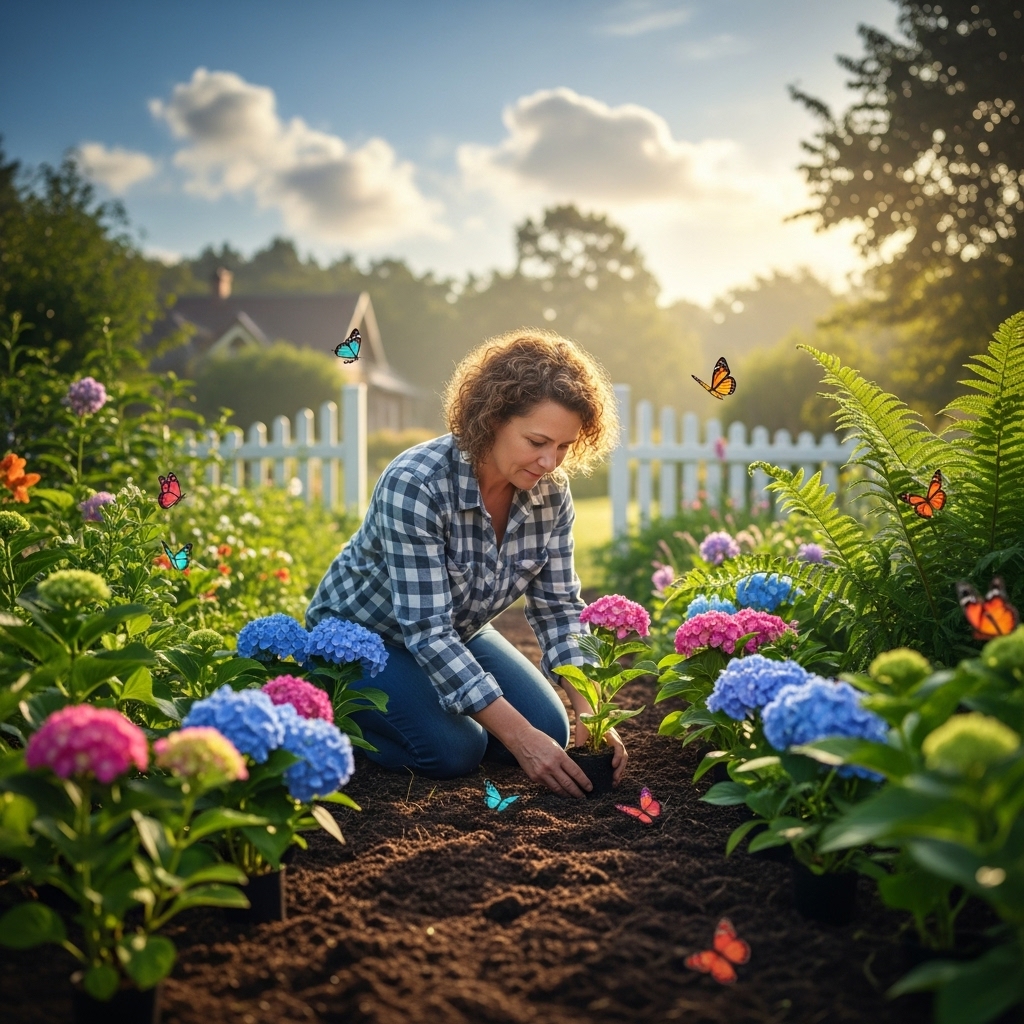
Spring is often touted as the ideal time to plant hydrangeas, and I wholeheartedly agree. By planting in spring, you give your plants a full growing season to establish roots before the colder months. I remember the first time I planted hydrangeas in spring; it was exciting to see them thrive throughout the summer.
When planting in spring, it’s best to wait until after the last frost date in your area. I always check the local frost dates to ensure I’m not risking my newly planted hydrangeas. I’ve learned that planting too early can expose them to frost damage, which can slow down their growth significantly.
One benefit of spring planting that I’ve noticed is that the warmer temperatures encourage quicker growth and blooming. The longer days and increased sunlight help hydrangeas establish themselves, leading to a more robust plant come summer. If you decide to plant in spring, make sure to keep an eye on the watering needs; young plants can dry out quickly in warmer weather.
Fall Planting: Ideal Conditions and Tips
On the other hand, I’ve also had success planting hydrangeas in the fall. Planting in late summer or early fall can be a great option, especially in regions with milder winters. The cooler temperatures and increased rainfall during this time often create ideal conditions for root establishment. I’ve found that hydrangeas planted in the fall can root deeply before winter sets in, making them stronger in the following spring.
However, timing is key. It’s important to plant at least six weeks before the first expected frost. I remember my first attempt at fall planting; I waited too long and ended up with frost-damaged plants. To ensure success, I typically aim to plant by mid-September in my area.
One challenge with fall planting is ensuring adequate moisture as the temperatures begin to drop. I learned to monitor the soil closely and water as needed to keep the plants hydrated. Additionally, adding mulch can help insulate the roots and retain moisture over the winter months.
Regional Differences in Planting Times
Planting times can vary significantly depending on where you live. I’ve noticed that what works for me in a temperate climate may not be suitable for someone in a more extreme environment. For instance, in warmer areas, you might plant hydrangeas earlier in the spring, while those in colder regions may have to wait longer.
It’s essential to consider your local climate and hardiness zone. I recommend checking the USDA Plant Hardiness Zone Map, which can help you determine the best planting times and suitable varieties for your area. I’ve often found that local gardening centers or extension services can provide valuable insights specific to my region.
Understanding Frost Dates and Their Impact
Finally, understanding frost dates is crucial to planting hydrangeas successfully. I learned this the hard way when I lost a few plants to unexpected late frosts. Knowing the average last frost date in spring and the first frost date in fall can help you plan better. In my experience, I maintain a gardening calendar that marks these important dates, allowing me to plan my planting schedule effectively.
Frost can damage tender new growth, so timing your planting around these dates is key. I’ve found that planting too close to these dates can lead to stress for the plants, affecting growth and blooming. Being mindful of these factors has made my hydrangea gardening much more rewarding.
Preparation for Planting Hydrangeas
Soil Preparation: Testing and Amendments
Before I plant hydrangeas, I always take the time to prepare the soil properly. This step is crucial because the health of your plants starts with the soil. I learned early on that testing the soil for pH and nutrient levels can make a significant difference in how well my hydrangeas thrive. A simple soil test kit can provide insight into what my soil might be lacking.
If I discover my soil is too alkaline, I often add organic matter like peat moss or sulfur to help lower the pH. For me, enriching the soil with compost or well-rotted manure has always been a good practice; it not only improves drainage but also adds nutrients. I usually mix in a good amount of compost into the planting hole, which helps create a rich environment for the roots to grow.
I’ve also found that adding a slow-release fertilizer at the time of planting can give my hydrangeas a boost as they establish themselves. I like to choose fertilizers that are specifically formulated for flowering plants, as they provide the right balance of nutrients. This extra step has helped my hydrangeas grow strong and produce vibrant blooms.
Choosing the Right Location in Your Garden
Choosing the right location for my hydrangeas has been another important lesson in my gardening journey. As I mentioned earlier, these plants have specific sunlight and shade preferences. I often evaluate my garden throughout the day to see how the sun moves across different areas. I aim for a spot that gets morning sun but some afternoon shade, especially for more delicate varieties like Hydrangea macrophylla.
Additionally, I consider the drainage of the site. I’ve noticed that hydrangeas do not like to sit in waterlogged soil. If I spot an area that retains water after heavy rain, I steer clear of that location. Instead, I look for raised areas where water drains well or even consider creating raised beds to ensure optimal drainage. This has made a noticeable difference in the health of my plants.
When I’m selecting a spot, I also take into account how much space the hydrangeas will need as they grow. I remember planting a few too close together in my enthusiasm, and it led to poor air circulation and a struggle for nutrients. Now, I make sure to give them enough room to spread out, which has made my hydrangea garden much more vibrant and lush.
Tools and Materials Needed for Planting
Having the right tools on hand makes planting hydrangeas a smoother process. I’ve learned that a few essential items can save me a lot of time and frustration. Here’s a list of what I usually gather before starting my planting day:
- Shovel or Spade: A good quality shovel is essential for digging holes big enough for the roots.
- Garden Fork: I find a garden fork useful for loosening the soil and mixing in any amendments.
- Watering Can or Hose: Hydrangeas need to be well-watered after planting, so I always have a watering can or hose with a gentle spray nozzle ready.
- Mulch: I like to have mulch on hand to help retain moisture and regulate soil temperature around the plants.
- Gloves: Protecting my hands is a must. Gardening can get messy, and I prefer to keep my hands safe while digging.
- Measuring Tape: This little tool helps me ensure I’m planting at the right distance apart.
By preparing all these tools in advance, I can focus on planting without scrambling around looking for what I need. It also makes the experience more enjoyable, allowing me to connect with my garden.
Post-Planting Care for Hydrangeas
Watering Techniques and Schedules
After planting my hydrangeas, I quickly realize that watering is one of the most critical aspects of their care. I remember my first year of gardening when I thought a quick sprinkle was enough. Boy, was I wrong! Hydrangeas love their moisture, especially when they’re newly planted and establishing their roots.
I usually water deeply right after planting, ensuring the water reaches the root zone. During the first few weeks, I make it a point to check the soil regularly. If it feels dry an inch below the surface, I give them a good soak. I’ve learned that watering early in the morning is best, as it allows the plants to absorb moisture before the heat of the day.
Once my hydrangeas are established, I find that they still benefit from consistent watering, especially during dry spells. I’ve discovered that using a soaker hose or drip irrigation can be very effective. It takes the guesswork out of watering and keeps the moisture consistent without wetting the leaves, which can lead to diseases.
Fertilization: When and What to Use
Fertilizing hydrangeas has become a routine part of my gardening care. I typically start fertilizing in the spring, just as the buds begin to swell. I prefer using a balanced fertilizer that promotes both flowers and strong foliage. I’ve learned that too much nitrogen can lead to beautiful leaves but fewer blooms, so I always check the fertilizer’s N-P-K ratio before applying.
In late summer, I often switch to a fertilizer higher in phosphorus to encourage bloom development for the following year. I remember the first time I neglected this step and ended up with fewer flowers. Now, I make it a point to follow a fertilization schedule that supports healthy growth and vibrant blooms.
Pruning for Healthy Growth
Pruning hydrangeas is another vital part of their care that I’ve come to embrace. It’s a bit daunting at first, especially when I think of cutting back healthy-looking branches. However, I’ve learned that pruning helps promote air circulation and encourages new growth. Timing is crucial, and I usually do this in late winter or early spring before new growth begins. Read Interesting article: How to Prune Hydrangeas the Right Way (Easy Guide)
Depending on the variety, the pruning technique may vary. For instance, I cut back my Hydrangea macrophylla to shape them and remove any dead or weak stems. I have found that this not only keeps the plants looking neat but also encourages more blooms. I also make sure to remove spent flowers to redirect the plant’s energy toward new growth. This practice has been rewarding and has led to healthier, more vibrant plants in my garden.
Frequently Asked Questions
When is the best time to plant hydrangeas?
The best time to plant hydrangeas is in the spring or fall, depending on your region and climate.
What are the popular varieties of hydrangeas?
Some popular varieties of hydrangeas include Hydrangea macrophylla, Hydrangea paniculata, Hydrangea quercifolia, and Hydrangea anomala.
What are the sunlight and soil requirements for hydrangeas?
Hydrangeas thrive in well-drained, nutrient-rich soil, preferably slightly acidic to neutral with a pH between 5.5 to 6.5. They generally prefer a balance of sunlight, with some varieties thriving in full sun and others in partial shade.
What are the benefits of planting hydrangeas in spring?
Planting in spring gives hydrangeas a full growing season to establish roots before colder months, encourages quicker growth and blooming, and allows for better establishment due to warmer temperatures.
What should I consider when planting hydrangeas in the fall?
When planting in the fall, it’s important to do so at least six weeks before the first expected frost to ensure adequate root establishment and to monitor soil moisture as temperatures drop.
How can regional differences affect hydrangea planting times?
Planting times can vary significantly based on local climate and hardiness zones, so it’s essential to consider your specific region when planning to plant hydrangeas.
Why is understanding frost dates important for planting hydrangeas?
Understanding frost dates is crucial because planting too close to these dates can lead to frost damage, affecting the growth and blooming of hydrangeas.
What preparation should be done before planting hydrangeas?
Soil preparation, including testing for pH and nutrient levels, adding organic matter or compost, and ensuring proper drainage, is essential before planting hydrangeas.
What tools are needed for planting hydrangeas?
Essential tools include a shovel or spade, garden fork, watering can or hose, mulch, gloves, and measuring tape to ensure proper planting distance.
What post-planting care do hydrangeas require?
Post-planting care includes deep watering, consistent moisture monitoring, fertilization in spring and late summer, and regular pruning to promote healthy growth.