
To find plants near you, consider visiting local garden centers, nurseries, farmers’ markets, or specialty plant shops, as these places offer a range of options for plant lovers. I’ve found that exploring these local spots not only helps me discover new plants but also supports my community. If you’re interested in growing plants at home, check out this guide on How to Grow an Avocado Plant at Home (Easy Guide).
Table of Contents
Understanding the Types of Plants
Before diving into where to buy plants, it’s essential to understand the types of plants available. Each type serves different purposes and environments, so knowing what you want will help narrow down your options. I remember when I first started my plant journey; I was overwhelmed by the variety, but once I categorized them, everything became clearer.
Indoor Plants
Indoor plants have become incredibly popular in recent years, and for a good reason. Not only do they beautify our living spaces, but they also purify the air and even boost our mood. I’ve personally found that having plants like pothos or peace lilies in my home creates a calming environment. When shopping for indoor plants, look for varieties that thrive in low light and require minimal care, especially if you’re new to plant parenthood.
Outdoor Plants
Outdoor plants can transform your garden or patio into a vibrant paradise. From shrubs to flowers, the options are endless. I remember the joy of planting my first garden and watching it flourish. It’s important to consider your local climate when choosing outdoor plants. For instance, if you live in a warmer area, you might want to focus on drought-resistant plants. I’ve learned that native plants often do well because they’re adapted to the local environment.
Succulents and Cacti
Succulents and cacti are often the go-to for busy individuals or those who might not have a green thumb. These plants are not only trendy but also incredibly low maintenance. I love how they come in various shapes and colors, adding a unique touch to my home. When I started collecting succulents, I quickly discovered that they thrive on minimal watering, making them perfect for anyone with a hectic lifestyle. If you’re considering purchasing these types of plants, look for healthy, plump specimens with no signs of rot.
Flowering Plants
Flowering plants can bring a splash of color and life to any space. Whether it’s a vibrant geranium for your patio or a fragrant jasmine climbing up your trellis, these plants can significantly enhance your outdoor or indoor environment. I remember planting my first flowering plant, a bright marigold, and the joy it brought me was immediate. When buying flowering plants, consider the blooming season and how they fit into your overall garden design. I’ve found that planting flowers that bloom at different times can keep my garden looking lively year-round.
Local Options for Buying Plants
Now that we’ve covered the types of plants available, let’s explore where to buy them locally. I’ve discovered numerous wonderful places, each offering its unique selection and atmosphere. Visiting these local shops not only allows me to find the perfect plants but also to connect with fellow plant lovers and learn from their experiences.
Garden Centers
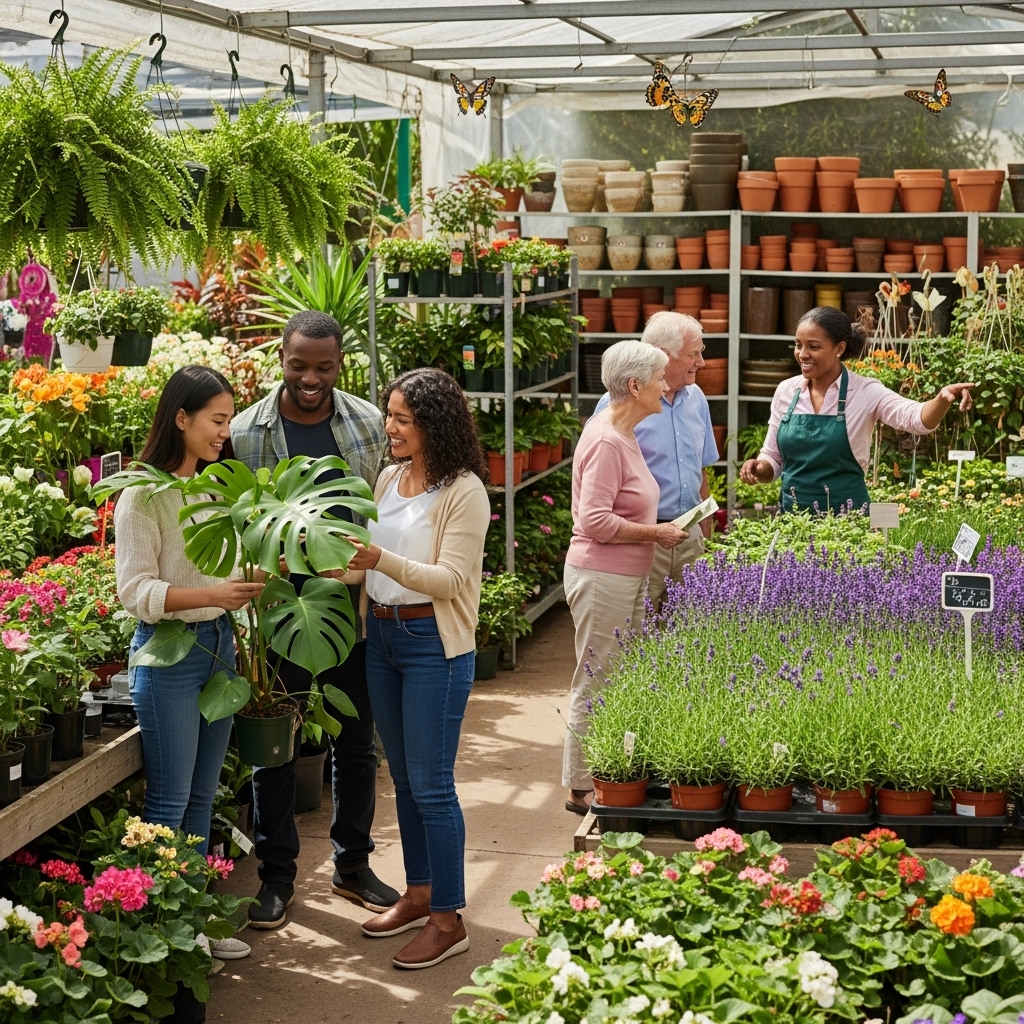
Garden centers are often the best bet for finding a wide variety of plants all in one place. They typically offer everything from annuals to perennials, trees, and shrubs. I’ve spent many Saturdays wandering through my local garden center, taking in the sights and smells of all the different plants. They often have knowledgeable staff who can offer advice on plant care and selection. Additionally, many garden centers host workshops and events that can help deepen your understanding of gardening.
Nurseries
Nurseries are specialized in growing plants, which means they often have a more extensive selection of healthy, locally grown plants. I’ve found that shopping at nurseries allows me to discover unique varieties that I might not find elsewhere. The staff usually has a wealth of knowledge about the plants they sell, and they can provide valuable tips based on the specific conditions of your area. Plus, it’s always a great feeling to support local growers!
Home Improvement Stores
Home improvement stores like Lowe’s or Home Depot often have a garden section where you can find a variety of plants, tools, and supplies. While the selection may not be as specialized as that of a nursery, I’ve found that these stores often carry popular indoor and outdoor plants at reasonable prices. Plus, they sometimes have sales or discounts on seasonal plants, which is a nice bonus if you’re on a budget.
Farmers’ Markets
Farmers’ markets can be a hidden gem for plant shopping. Many local growers sell plants alongside fresh produce, and you might even find unique herbs and vegetables. I love visiting my local farmers’ market during the growing season. It’s a great way to meet local farmers and learn about their growing practices. Plus, buying plants at the market often means you’re getting them during their peak season, which can lead to better growth in your garden.
Specialty Plant Shops
Specialty plant shops focus on specific types of plants, such as tropical plants, orchids, or even rare species. Shopping at these places can feel like stepping into a treasure trove for plant enthusiasts. I remember finding an incredible variety of ferns at a specialty shop that I had never seen before. The staff in these shops are often passionate about plants and can provide insights on how to care for them. If you’re looking for something unique or specific, these shops are worth the visit.
Online Resources for Locating Local Plant Stores
In today’s digital age, the internet has become an invaluable tool for finding local plant stores. I’ve often turned to online resources to discover new places to shop for plants. These platforms not only help me locate stores but also provide insights into what they offer and what other customers think. Here are some of my go-to online resources for locating local plant stores.
Google Maps and Local Search
Google Maps is my first stop when I want to find nearby plant shops. I simply type in “plant stores near me” or “garden centers” and let Google do the rest. What I love about this tool is that it shows me not just the store locations but also user ratings and reviews. I remember one Saturday, I stumbled across a small nursery that had a 4.8-star rating, and when I visited, I was pleasantly surprised by their selection and the helpful staff. Plus, the photos added by other users often give me a sneak peek of what to expect before I go.
Yelp and Customer Reviews
I’ve found Yelp to be another fantastic resource for plant shopping. The detailed customer reviews can provide valuable insights into a store’s strengths and weaknesses. For example, I once read about a garden center that was praised for its knowledgeable staff and rare plant offerings. I decided to check it out, and it became one of my favorite spots. The ability to filter by ratings and read what other plant lovers have experienced helps me make more informed decisions about where to spend my time and money.
Social Media Groups and Pages
Social media can be a goldmine for finding local plant shops. I joined several plant enthusiast groups on Facebook, where members frequently share recommendations for the best places to buy plants in our area. These communities foster discussions, and I’ve learned about hidden gems that I never would have found on my own. I also follow local plant shops on Instagram, where they often showcase their latest arrivals and sales. Seeing beautiful plants in vibrant photos gets me excited to visit and see them in person!
Plant-Finding Apps
There are even apps specifically designed for plant lovers that can help locate local stores. I’ve downloaded a few, and they often feature maps of nurseries and garden centers, along with user ratings and tips. One app I found particularly useful allows users to share their favorite spots and post photos of their plant purchases. It’s a fun way to connect with other plant enthusiasts while exploring new places to shop. I remember discovering a fantastic succulent shop through an app, and now it’s a regular stop for me.
What to Consider When Buying Plants
When it comes to purchasing plants, I’ve realized that a bit of thought can go a long way in ensuring a successful addition to my home or garden. Each plant has its unique needs, and understanding these factors has helped me become a better plant parent. Here are a few key considerations I keep in mind when buying plants.
Plant Care Requirements
Every plant has its own care needs, and I’ve learned the hard way that it’s crucial to consider these before making a purchase. For instance, I once bought a beautiful fern that required high humidity, only to find that my home was too dry for it to thrive. Now, I always check the light, water, and soil requirements before buying. If I’m unsure, I ask the staff at the store for advice. It’s essential to match the plant’s needs with my lifestyle and environment to ensure it will flourish.
Local Climate and Environment
Your local climate can significantly impact which plants will thrive in your garden or home. I noticed this when I tried to grow a tropical plant that was not suited for my cooler climate. It’s best to research and choose plants that are native to or well-adapted to my area. I often consult local gardening guides or ask for recommendations at nurseries. Understanding my region’s climate has helped me create a garden that not only looks good but also supports local ecosystems.
Size and Space Considerations
Before purchasing a plant, I always evaluate how much space I have. I’ve made the mistake of buying a stunning plant, only to bring it home and realize it doesn’t fit well in my space. Whether it’s an indoor plant or outdoor shrub, I measure the areas where I plan to place them. It’s important for me to consider how tall or wide the plant will grow over time. Planning ahead ensures that my plants have enough room to thrive and won’t overcrowd each other.
Budgeting for Plant Purchases
Plant shopping can be surprisingly easy to overspend on, especially when I see all the beautiful options available. I’ve learned to set a budget before I start shopping. This helps me prioritize which plants I really want or need and prevents impulse buys. I often keep an eye out for sales or discounts, especially at the end of the gardening season. By budgeting effectively, I can enjoy adding to my collection without breaking the bank.
Additional Resources for Plant Lovers
As I’ve delved deeper into the world of plants, I’ve discovered numerous resources that have enriched my gardening experience. These resources not only provide valuable information but also foster connections with fellow plant enthusiasts. Here are some of my favorites.
Plant Care Guides
Online plant care guides have been a lifesaver for me. I often refer to websites and blogs that offer detailed care instructions for specific plants. Whether it’s about watering schedules, pruning techniques, or pest management, having access to these guides has helped me troubleshoot problems and keep my plants healthy. I’ve even printed out care sheets for my more demanding plants to ensure I’m meeting their needs. If you’re interested in learning how to plant ginger successfully, check out this article on How to Plant Ginger Plants at Home Successfully.
Local Gardening Clubs and Workshops
Joining a local gardening club has been one of the best decisions I’ve made as a plant lover. I’ve met amazing people who share my passion and have learned so much from their experiences. Many clubs hold workshops where members can exchange tips and learn new skills. I remember attending a workshop on container gardening that opened my eyes to new possibilities for my small space. It’s a great way to connect with the community and gain hands-on knowledge.
Online Plant Communities
I love being part of online plant communities where I can share my experiences and learn from others. Platforms like Reddit and Facebook have groups dedicated to specific plant types or gardening techniques. I’ve found these communities to be incredibly supportive, where members share advice, photos of their plants, and even swap cuttings. Engaging with others who share my enthusiasm has enriched my journey as a plant parent.
Plant Swap Events
Attending plant swap events has been a delightful way to diversify my collection without spending a lot of money. I’ve met fellow plant lovers who are eager to trade cuttings or plants they’ve propagated. It’s not just about the plants; it’s also about the stories and experiences shared during these events. I remember leaving a swap with a beautiful spider plant and great tips on how to care for it. Plus, it’s a sustainable way to grow my collection! If you’re looking for more tips on how to plant ginger at home, this simple guide is very helpful: How to Plant Ginger at Home (Simple Guide).
Frequently Asked Questions (FAQs)
As I’ve navigated the world of plants, I’ve come across many questions that fellow plant lovers often ask. Here are some of the most common inquiries that I believe can help others in their plant journey.
What are the best plants for beginners?
For anyone just starting their plant journey, I recommend going for low-maintenance options such as pothos, snake plants, or ZZ plants. These varieties are forgiving and can thrive in various conditions, making them perfect for beginners.
How can I tell if a plant is healthy before buying?
When evaluating a plant, I look for vibrant leaves that are free from spots or discoloration. The soil should be moist but not soggy, and I check for signs of pests. A healthy plant typically has strong, upright growth and no wilting.
What time of year is best for buying plants?
Spring is typically the best time to buy plants, as many nurseries stock up on new arrivals. However, fall can also be a great time for getting perennials and other plants as they often go on sale during this season.
Are there any local delivery options for plants?
Many local nurseries and garden centers now offer delivery options. I often check their websites for details or call to inquire. This can be a convenient option if I’m buying larger plants or just want to avoid the hassle of transporting them myself.
Frequently Asked Questions
What are the best places to find plants near me?
Consider visiting local garden centers, nurseries, farmers’ markets, or specialty plant shops, as these places offer a variety of options for plant lovers.
What types of plants are there?
There are several types of plants, including indoor plants, outdoor plants, succulents and cacti, and flowering plants, each serving different purposes and environments.
What are some benefits of having indoor plants?
Indoor plants beautify living spaces, purify the air, and can boost mood, creating a calming environment in the home.
What should I consider when choosing outdoor plants?
It’s important to consider your local climate when choosing outdoor plants, focusing on varieties that thrive in your area and may include drought-resistant or native plants.
How do I know if a plant is healthy before buying?
Look for vibrant leaves that are free from spots or discoloration, moist but not soggy soil, and signs of pests. A healthy plant should have strong, upright growth and no wilting.
What is a good time of year to buy plants?
Spring is typically the best time to buy plants, as many nurseries stock new arrivals, while fall can also be a great time for purchasing perennials and during sales.
Are there online resources to find local plant stores?
Yes, online resources like Google Maps, Yelp, social media groups, and plant-finding apps can help locate local plant stores and provide insights into what they offer.
What are some tips for budgeting when buying plants?
Set a budget before shopping to prioritize which plants you want or need, and watch for sales or discounts, especially at the end of the gardening season.
What resources can help me care for my plants?
Online plant care guides, local gardening clubs, online plant communities, and plant swap events are great resources for gaining knowledge and connecting with fellow plant enthusiasts.
What are some recommended low-maintenance plants for beginners?
For beginners, low-maintenance options like pothos, snake plants, or ZZ plants are recommended, as they are forgiving and can thrive in various conditions.