
Wild yaks are robust mammals uniquely adapted to thrive in high-altitude environments. Found primarily in the Tibetan Plateau, these animals exhibit fascinating behaviors and diets that enable their survival in extreme conditions.
Table of Contents
Overview of Wild Yaks and Their Importance
Wild yaks are not just fascinating creatures; they play a crucial role in their ecosystems. These magnificent animals help maintain the balance of alpine grasslands while supporting local human cultures.
What Makes Wild Yaks Unique?
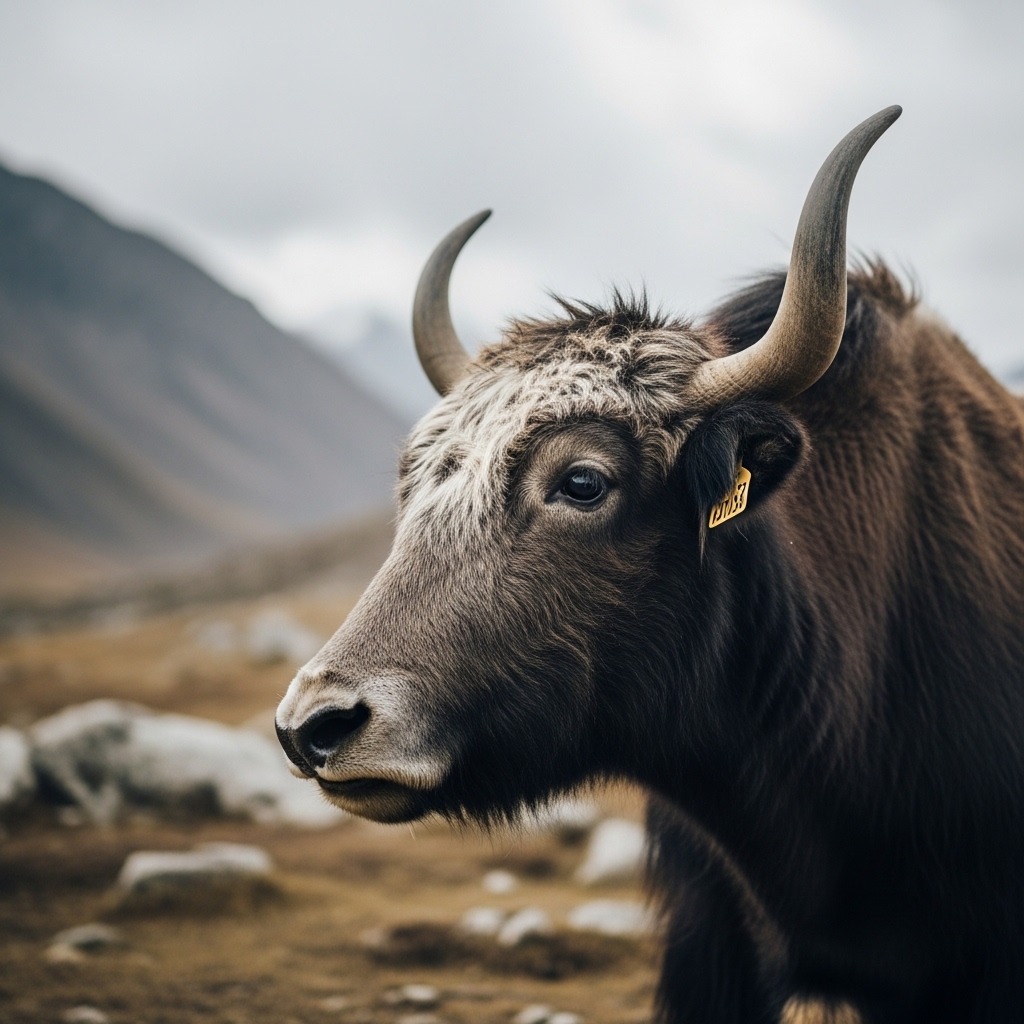
Wild yaks are large, shaggy herbivores found in harsh mountainous terrains. They primarily inhabit the Tibetan Plateau and surrounding regions, thriving at elevations between 3,000 to 5,500 meters (10,000 to 18,000 feet). Their thick coats protect them from bitter cold, while their sturdy bodies allow them to navigate rocky slopes with ease.
Ecological Role of Wild Yaks
Wild yaks are considered keystone species. This means they have a significant impact on their environment. Here’s how:
- Grazing Influence: As large grazers, they influence the composition of vegetation. Their grazing patterns prevent overgrowth and promote biodiversity.
- Soil Fertility: Their droppings fertilize the soil, returning essential nutrients to the ecosystem.
- Prey for Predators: They serve as a vital food source for apex predators like the Tibetan wolf and snow leopards. This relationship helps maintain a balanced food web.
Cultural Significance
In many high-altitude communities, wild yaks are more than just animals; they are part of the culture. Local people rely on them for food, clothing, and even transportation. Their milk, meat, and wool are essential for survival in these harsh environments.
Challenges Facing Wild Yaks
Despite their resilient nature, wild yaks face numerous threats:
- Habitat Loss: Human encroachment and climate change are shrinking their habitats.
- Competition: They compete with domestic livestock for grazing areas.
- Poaching: Hunting for meat and horns poses a serious risk to their population.
Conservation Efforts
Efforts to protect wild yaks include establishing protected areas and promoting sustainable land management practices. Local communities are increasingly involved in conservation, recognizing that preserving yaks is vital for their own livelihoods. For instance, some areas have implemented eco-tourism initiatives that highlight the importance of wild yaks while generating income for local populations.
By understanding the ecological and cultural significance of wild yaks, we can better appreciate these incredible animals and the challenges they face.
Habitat of Wild Yaks: The Tibetan Plateau
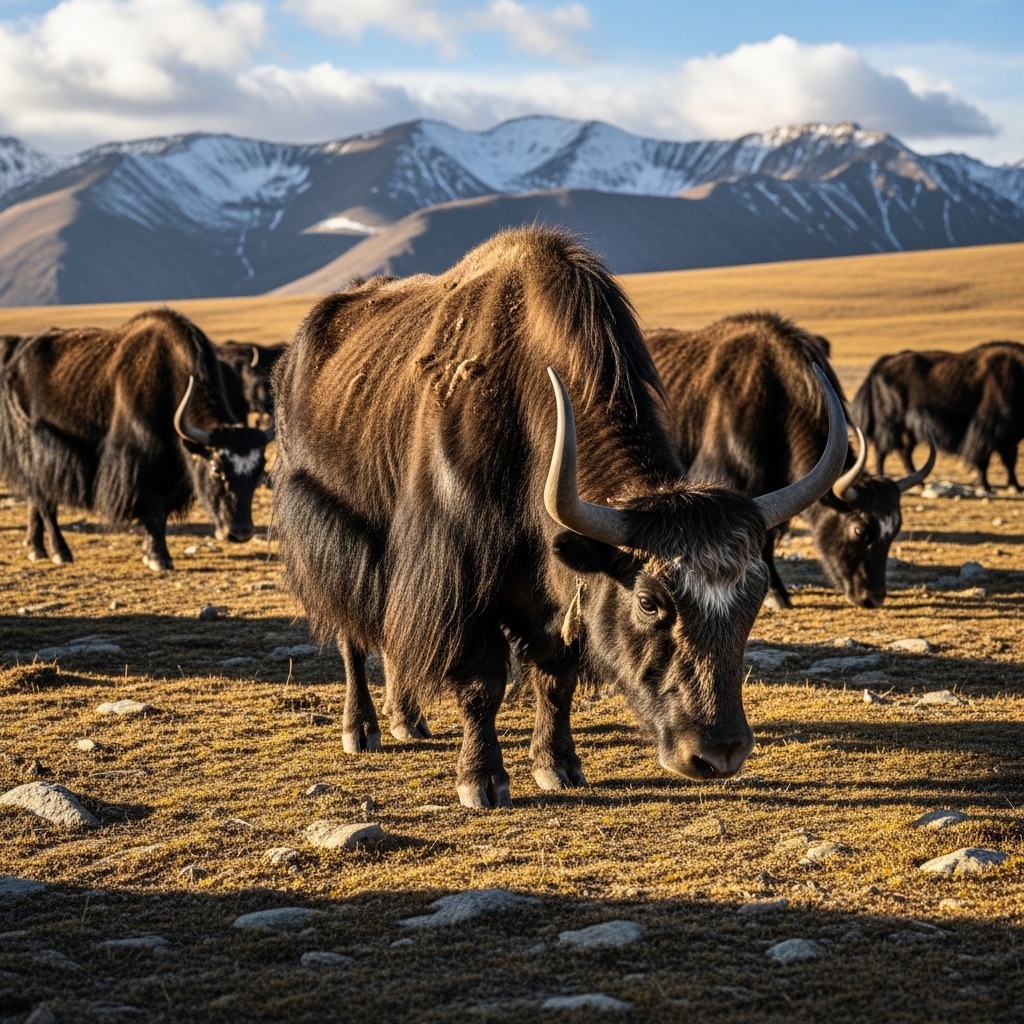
Wild yaks thrive in one of the most extreme environments on Earth: the Tibetan Plateau. This vast, high-altitude region shapes their habitat and lifestyle in unique ways.
Geographic Range and Environmental Conditions
Wild yaks primarily inhabit the Tibetan Plateau, stretching across parts of China, India, and Nepal. Here are some key features of their environment:
- Altitude: They live at elevations ranging from 3,000 to 5,500 meters (10,000 to 18,000 feet).
- Climate: The region experiences harsh weather. Temperatures can plummet to -40°C (-40°F) in winter, with strong winds and minimal vegetation.
- Seasons: Summers are short and cool, while winters are long and brutal. The yaks have adapted to these extremes.
Preferred Habitat Features
Wild yaks prefer specific habitat types that cater to their needs:
- Alpine Tundra: This area has sparse vegetation, which is ideal for grazing.
- Cold Deserts: These regions provide the necessary space for roaming while minimizing competition for food.
- Grasslands: They thrive on the grasses and sedges found here, which make up the bulk of their diet.
Wild yaks are specially adapted to their environment. Their thick fur keeps them warm in freezing temperatures. Their large lungs help them breathe in the thin air at high altitudes. Plus, their hooves are wide and sturdy, designed for rugged terrains.
These adaptations are crucial for survival. For instance, during the harsh winter months, wild yaks can find food in areas that other animals struggle to access. Their ability to graze on tough, fibrous plants allows them to thrive where few can.
By understanding the wild yak’s habitat, we can appreciate the incredible resilience of these animals and the challenges they face in their rapidly changing environment.
Diet of Wild Yaks: Grazing in Extreme Conditions
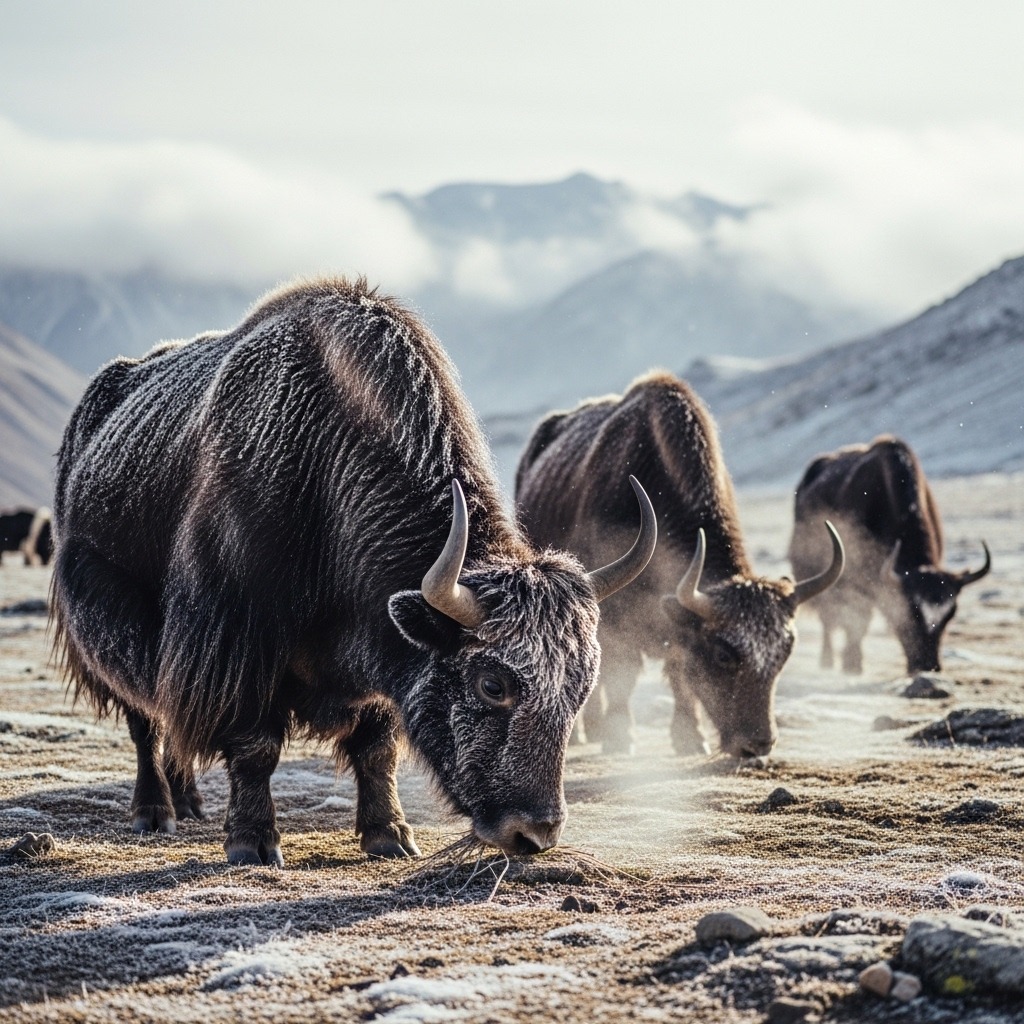
Wild yaks have fascinating dietary habits that are finely tuned to their harsh mountain habitats. Their grazing preferences shift with the seasons, allowing them to thrive in extreme conditions.
Primary Food Sources
Wild yaks primarily feast on a variety of grasses and sedges. Their diet includes:
- Grasses: Such as Stipa and Kobresia.
- Sedges: Nutrient-rich plants that grow in alpine meadows.
- Herbs and Shrubs: Yaks also munch on winterfat shrubs and some herbs.
- Lichens: In harsh winters, they may resort to eating lichens.
During the summer, when the meadows burst with fresh growth, wild yaks roam freely, grazing on these vibrant plants. This seasonal abundance helps them build up fat reserves. These reserves are crucial for survival during the food-scarce winter months.
Nutritional Adaptations
Wild yaks have unique adaptations that help them find food even when conditions are tough. Here are some notable strategies:
- Digging Through Snow: Yaks use their strong hooves to dig beneath snow, uncovering hidden grasses and plants. This skill is vital during the winter when snow covers the ground.
- Selective Grazing: They choose areas with the best nutritional content. Female yaks often graze at higher altitudes compared to males, targeting the most nutritious plants.
- Seasonal Shifts: As seasons change, so do their grazing habits. In winter, yaks may move to lower altitudes where the snow is less deep and food is more accessible.
These adaptations not only sustain the yaks but also play a crucial role in maintaining their high-altitude ecosystem. By grazing, they prevent overgrowth and support plant diversity—making them essential to the health of their habitat.
Mountain Adaptations of Wild Yaks
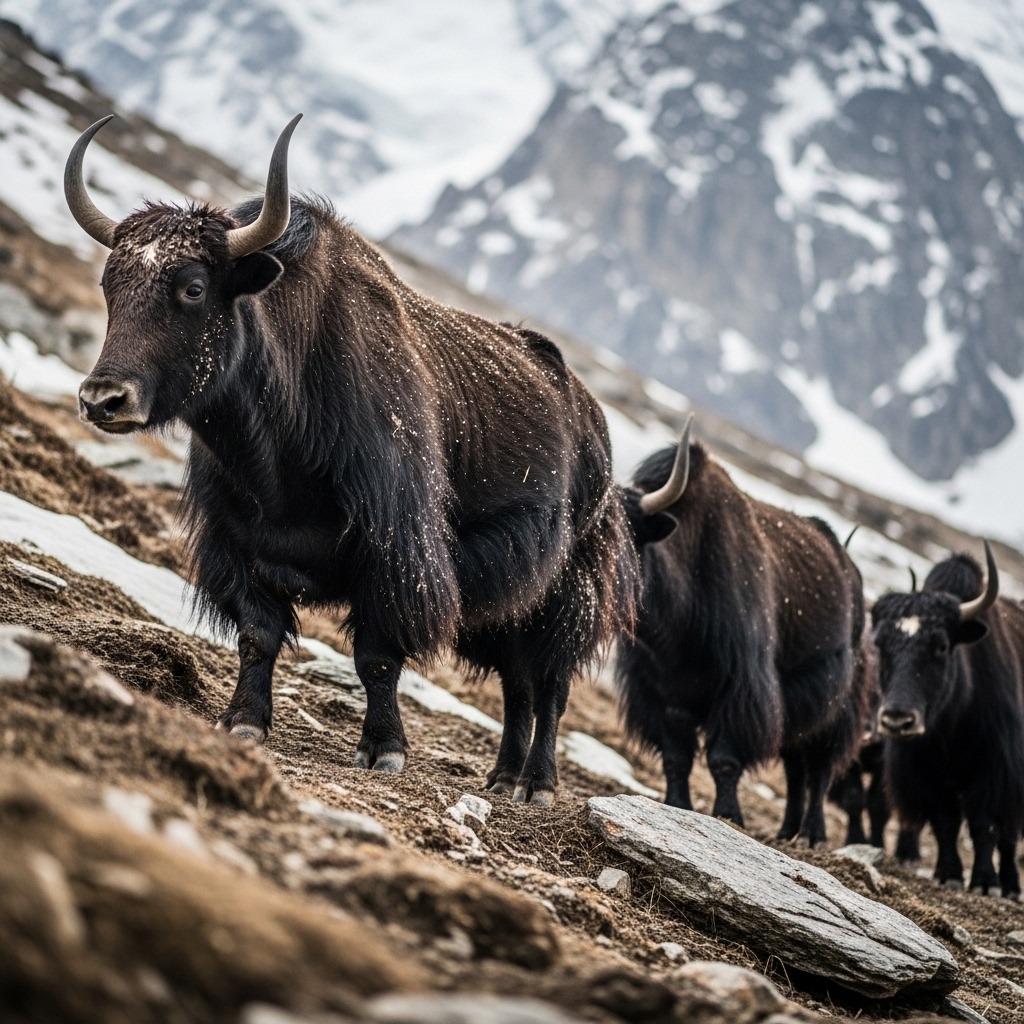
Wild yaks have evolved some incredible adaptations that help them thrive in the harsh conditions of their high-altitude homes. Let’s explore how their physical, behavioral, and physiological traits make them well-suited for life in these challenging environments.
Physical Characteristics for Survival
Wild yaks are built tough. Here are some of their key physical adaptations:
- Thick Coats: Their dense, shaggy fur consists of a coarse outer layer and a soft undercoat, providing insulation against the cold.
- Fat Reserves: A layer of subcutaneous fat acts like an extra blanket, keeping them warm.
- Broad Hooves: These provide stability and traction on rocky and snowy terrain.
- Sturdy Build: Their strong, stocky bodies help them navigate steep slopes.
These features allow yaks to endure freezing temperatures and navigate their rugged habitat with ease.
Behavioral Strategies in Harsh Environments
Yaks also adapt their behavior to survive in extreme conditions. Here’s how:
- Social Structure: They often travel in herds, which provides protection against predators and helps them find food more efficiently.
- Seasonal Migration: As winter approaches, yaks move to lower altitudes where food is more accessible. This seasonal shift ensures they can graze without struggling through deep snow.
- Selective Grazing: They choose the most nutritious plants, which helps them maintain energy levels during harsh weather.
These behavioral strategies are crucial for their survival and play a significant role in maintaining the balance of their ecosystem.
Physiological Adaptations to Low Oxygen
Living at high altitudes means dealing with thin air. Wild yaks have some fascinating physiological adaptations:
- Large Lungs: Their lungs are larger relative to their body size, allowing for better oxygen intake with each breath.
- Higher Red Blood Cell Count: Yaks possess a higher concentration of red blood cells, which improves their blood’s oxygen-carrying capacity. This helps them stay active even in low-oxygen environments.
- Efficient Metabolism: They have evolved metabolic processes that allow them to maintain body temperature and energy levels despite extreme cold.
For example, yaks have adapted to regulate their body temperature by shivering to generate heat when it’s cold and by seeking shelter during severe weather. This evolutionary significance showcases their resilience and ability to thrive in one of the toughest environments on Earth.
Social Structure and Behavior of Wild Yaks
Wild yaks have a fascinating social structure that plays a crucial role in their survival. These herd dynamics help them navigate their harsh mountain environments and ensure successful reproduction.
Herd Dynamics and Group Behavior
Wild yaks typically live in herds. These groups can range from a few individuals to several hundred. The herd usually consists of females and their young. Adult males often prefer solitude or form smaller bachelor groups. Here’s how their social structure works:
- Hierarchy: Social interactions are influenced by age, sex, and temperament. Older females often lead the herd, guiding younger members to grazing areas.
- Communication: Yaks communicate through a series of grunts and snorts. This vocalization helps maintain group cohesion and alerts members to potential dangers.
- Grazing Patterns: Females with calves tend to graze at higher altitudes, often selecting steep slopes that offer protection from predators. This choice not only safeguards their young but also ensures access to more nutritious vegetation.
Mating and Reproduction Patterns
Mating season, or rut, occurs in late summer to early autumn. During this time, males engage in impressive displays to attract females. Here’s what happens:
- Dominance Displays: Males will roar, toss their heads, and spar with their horns to establish dominance. The strongest males usually win mating rights.
- Gestation and Calving: After a gestation period of about nine months, females give birth to a single calf in late spring. This timing ensures that calves arrive when food is plentiful and conditions are less harsh.
- Care and Bonding: Calves are precocial. They can stand and graze shortly after birth. Females nurse their calves for about a year, fostering a strong bond that enhances survival.
These social structures and behaviors are essential for wild yaks, helping them thrive in one of the most challenging habitats on Earth.
Conservation Challenges Facing Wild Yaks
Wild yaks are facing serious threats in their natural habitat. Conservation efforts are crucial to protect this iconic species and ensure their survival in the wild.
Current Population Status
The wild yak population is currently classified as Vulnerable. Their numbers have dwindled due to various threats, but recent conservation efforts show promise. Here are a few key points:
- Estimated population: Around 15,000 individuals remain in the wild.
- Stable populations have been observed in some protected areas.
- Conservation programs are helping to increase awareness and protect habitats.
Major Threats and Conservation Efforts
Several threats challenge wild yaks, but dedicated conservation programs are making a difference. Here’s a breakdown:
Key Threats:
- Habitat Loss: Human encroachment and land development reduce grazing areas.
- Poaching: Commercial poaching for meat and horns poses a significant risk.
- Hybridization: Interbreeding with domestic yaks dilutes the wild gene pool.
- Climate Change: Changing weather patterns affect food availability and habitat quality.
Conservation Efforts:
- Protected Areas: Establishing nature reserves helps safeguard wild yak habitats.
- Anti-Poaching Initiatives: Increased patrols and law enforcement are reducing poaching incidents.
- Community Involvement: Engaging local communities in conservation promotes sustainable practices.
- Research Programs: Studies on wild yak behavior and ecology inform better conservation strategies.
By focusing on these areas, conservationists aim to stabilize and grow wild yak populations. Each effort contributes to preserving this majestic species and their unique mountain ecosystem.
Conclusion: The Future of Wild Yaks
Wild yaks are more than just majestic creatures of the mountains; they play a critical role in their ecosystem. However, their future hangs in the balance. Continued conservation efforts are essential to ensure these incredible animals thrive.
The Importance of Wild Yaks
Wild yaks are uniquely adapted to harsh mountain environments. Their thick fur and sturdy bodies allow them to withstand extreme cold and navigate rocky terrains. This adaptability has made them a symbol of resilience in the high-altitude ecosystems of the Tibetan Plateau.
Conservation Challenges
Wild yaks face several threats, including:
- Habitat Loss: Human activities encroach on their natural habitats.
- Poaching: Illegal hunting impacts their dwindling populations.
- Climate Change: Altered weather patterns affect food availability and habitat quality.
Taking Action for Wild Yaks
Conservation efforts are underway, but they need support. Here’s how you can help:
- Support Protected Areas: Advocate for the establishment of nature reserves.
- Join Anti-Poaching Initiatives: Contribute to programs that combat wildlife crime.
- Engage with Local Communities: Promote sustainable practices that benefit both wildlife and people.
By understanding the challenges wild yaks face and actively participating in conservation, we can ensure their survival for generations to come. Together, we can make a difference!
Frequently Asked Questions
These quick answers cover the most common questions about this topic, including key details, practical tips, and common concerns.
What adaptations help wild yaks survive in high-altitude environments?
Wild yaks have several key adaptations, including thick, shaggy fur that insulates against extreme cold and large lungs that efficiently extract oxygen from thin air. Their broad hooves provide stability on rocky slopes, and their fat reserves help them endure harsh winters. Physiologically, they have a higher red blood cell count to improve oxygen transport, enabling them to thrive where oxygen levels are low.
What is the diet of a wild yak?
Wild yaks primarily graze on grasses, sedges, and herbs found in alpine meadows and grasslands. During winter, they dig through snow with their hooves to access buried plants. Their diet shifts seasonally, allowing them to survive in nutrient-scarce conditions by selecting the most nutritious vegetation available at different times of the year.
What is the habitat of wild yaks?
Wild yaks inhabit the high-altitude regions of the Tibetan Plateau, typically between 3,000 and 5,500 meters (10,000 to 18,000 feet). They prefer alpine tundra, cold deserts, and grassy mountain slopes. Their environment is characterized by harsh winters, short summers, and sparse vegetation, to which they are specially adapted.
Do yaks live in the mountains?
Yes, wild yaks are mountain dwellers. They are well-adapted to rugged terrains, steep slopes, and rocky landscapes. Their physical features, such as wide hooves and strong bodies, help them navigate and forage in these challenging environments.
What threats do wild yaks face today?
Wild yaks face threats including habitat loss from human encroachment, poaching for meat and horns, climate change affecting their grazing grounds, and hybridization with domestic yaks. These issues have led to a decline in their populations, making conservation efforts critical for their survival.
How can we help conserve wild yak populations?
Supporting protected areas and conservation programs is vital. Promoting sustainable land management, reducing poaching through law enforcement, and involving local communities in conservation initiatives can make a difference. Raising awareness about their ecological importance also helps garner support for their protection.
What is the social structure of wild yaks?
Wild yaks live in herds mainly composed of females and their calves. Males often form smaller bachelor groups or live solitary. Herds are led by older females, and social bonds are maintained through vocalizations and grooming. This social organization enhances protection and efficient foraging.
How do yaks contribute to their ecosystem?
Wild yaks influence their environment by grazing, which prevents overgrowth and promotes plant diversity. Their droppings fertilize the soil, supporting plant growth. They also serve as prey for predators like snow leopards and Tibetan wolves, maintaining ecological balance in high-altitude ecosystems.