
Attracting monarch butterflies to your garden can be both rewarding and beneficial for the environment. By employing eco-friendly methods, you can create a haven for these beautiful pollinators while supporting their declining population. Here are six effective strategies to invite monarchs into your outdoor space.
Table of Contents
Plant Native Milkweed and Nectar-Rich Plants
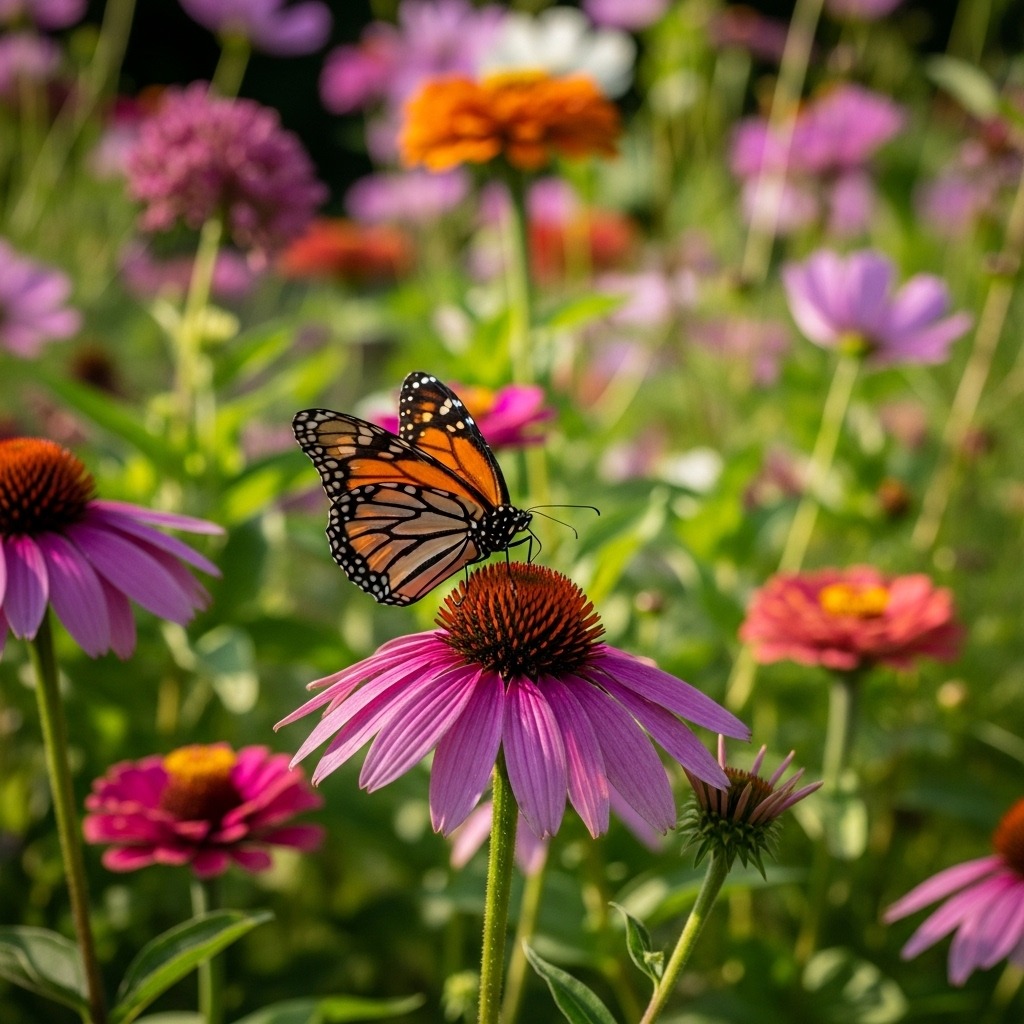
To attract monarch butterflies, it’s essential to plant native milkweed and nectar-rich flowers. These plants provide crucial food sources and habitats for these beautiful insects throughout their lifecycle.
Understanding the Importance of Milkweed
Milkweed is the lifeblood of monarch butterflies. It’s the only plant where female monarchs lay their eggs. Monarch caterpillars feed exclusively on milkweed, making it vital for their growth.
Here are some native milkweed species to consider planting:
- Common Milkweed (Asclepias syriaca)
- Butterfly Milkweed (Asclepias tuberosa)
- Swamp Milkweed (Asclepias incarnata)
- Purple Milkweed (Asclepias purpurascens)
Plant these milkweed varieties throughout your garden to create a welcoming environment for monarchs.
Choosing Nectar-Rich Plants for Diversity
In addition to milkweed, monarchs need nectar-rich flowers for food. These flowers attract adult butterflies and support their energy needs during migration. Here’s a list of great nectar sources:
- Coneflowers (Echinacea)
- Asters (Aster spp.)
- Zinnias (Zinnia elegans)
- Lantana (Lantana camara)
Mix these plants in your garden for a colorful and inviting space. The more diverse your plant selection, the better chance you have of attracting monarchs.
Avoiding Pesticides
It’s crucial to avoid pesticides in your garden. These chemicals can harm not only monarchs but also other beneficial insects. Instead, explore natural pest control methods to keep your garden healthy.
Provide Water and Shelter
Don’t forget about water sources and shelter! Monarchs need a safe place to rest and hydrate. A shallow birdbath or a small puddle can be perfect for refreshing drinks. Dense shrubs and tall grasses will offer protection from predators and harsh weather.
By focusing on native milkweed and nectar-rich plants, you can create a thriving habitat for monarch butterflies. Plus, if you’re ready to start your journey, consider getting a Milkweed Seed Pack to kick off your butterfly-friendly garden!
Avoid Chemical Pesticides to Protect Monarchs
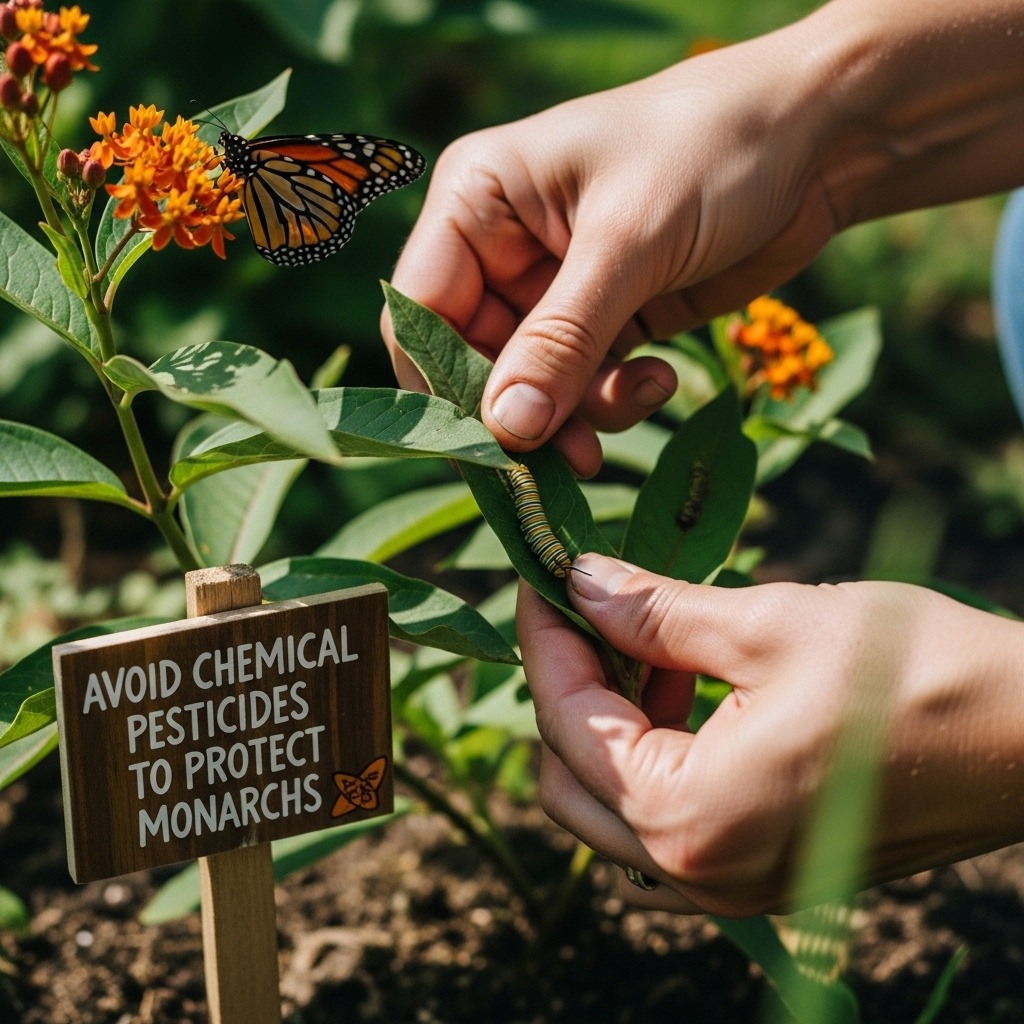
Chemical pesticides can be detrimental to monarch butterflies. These harmful substances not only kill pests but also threaten the very butterflies we want to attract. Let’s explore the risks and some eco-friendly alternatives.
The Risks Pesticides Pose to Monarchs
Pesticides have a nasty reputation. They can wipe out entire populations of butterflies, including monarchs. Here’s why avoiding them is crucial:
- Direct Harm: Pesticides can kill adult butterflies on contact. Monarchs that come into your garden for a sip of nectar may not make it out alive.
- Caterpillar Danger: Monarch caterpillars, which feed on milkweed, are also at risk. Pesticides can poison them as they munch on leaves.
- Ecosystem Disruption: Chemicals can harm beneficial insects that help pollinate your plants. A healthy ecosystem relies on balance, and pesticides throw that off.
Effective Organic Pest Control Methods
The good news? There are many organic options to keep pests at bay without harming monarchs. Consider these methods:
- Natural Predators: Introduce beneficial insects like ladybugs or lacewings. They’ll feast on harmful pests and leave your butterflies alone.
- Homemade Solutions: Mix soap and water to create a gentle pest deterrent. Spray it on affected plants to manage pests naturally.
- Companion Planting: Plant herbs like basil and mint alongside your flowers. They can repel pests while attracting helpful pollinators.
Local Resources for Organic Gardening
Getting involved in your community can enhance your organic gardening efforts. Here are some ways to connect:
- Workshops: Look for local workshops on organic gardening techniques. They often provide hands-on experience and expert advice.
- Community Gardens: Join a community garden. You can share knowledge with fellow gardeners and learn more about butterfly-friendly plants.
- Local Nurseries: Visit your local nursery for organic pest control products. They can recommend safe alternatives tailored to your region.
By opting for organic practices, you protect not just the monarchs but the entire ecosystem. Your garden can flourish without the need for harmful chemicals!
Provide Water Sources for Monarch Butterflies
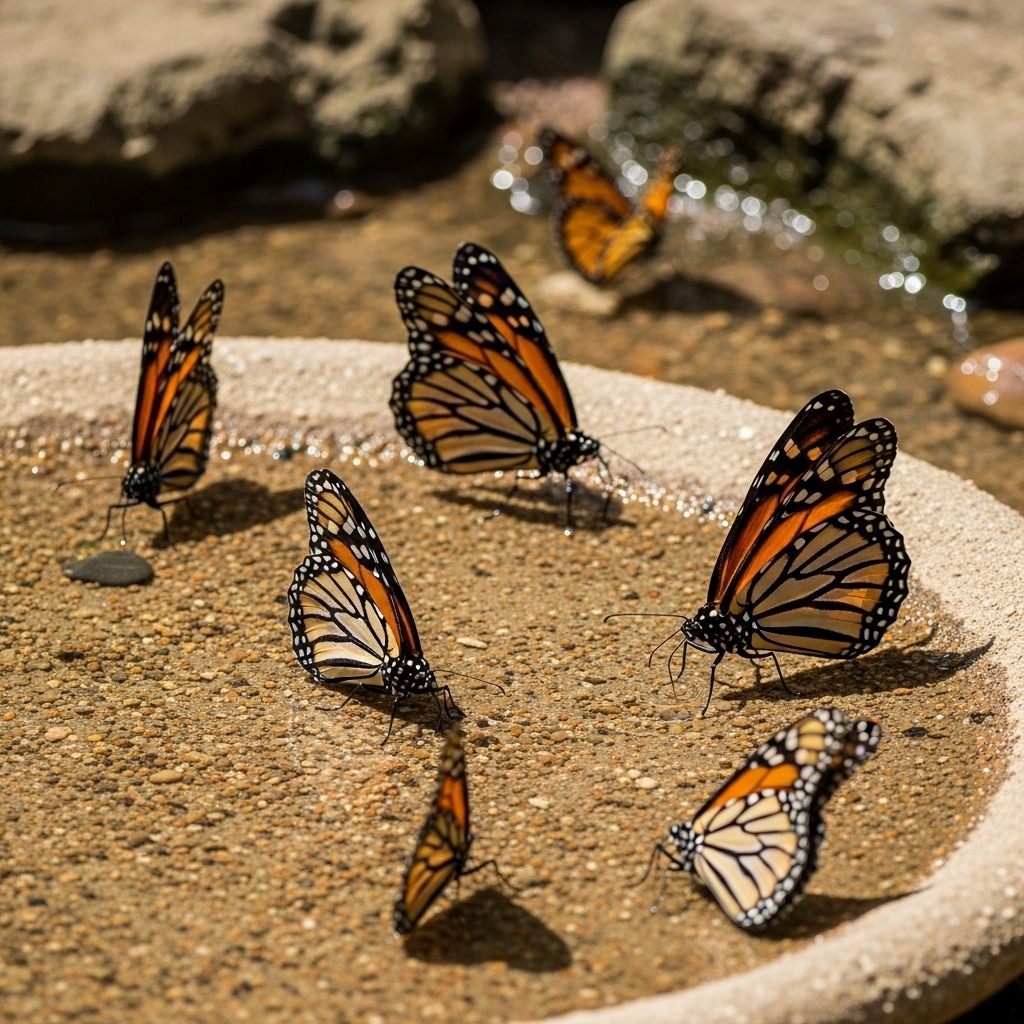
Water is essential for monarch butterflies. They need it for hydration and to thrive in your garden. Creating accessible water sources is a simple and eco-friendly way to attract these beautiful creatures.
Setting Up Shallow Puddles and Birdbaths
Creating a water source doesn’t have to be complicated. Here are a few easy ideas:
- Birdbaths: Use shallow birdbaths filled with fresh water. Add some stones or marbles for butterflies to perch on while they drink.
- Puddling Areas: You can create a small puddling spot by digging a shallow hole and filling it with sand. Moisten the sand to provide a place for butterflies to sip on minerals.
- Dishes: Place shallow dishes or bowls filled with water around your garden. Keep them clean and refreshed regularly to avoid stagnant water, which can attract mosquitoes.
Maintaining Water Quality and Accessibility
Keeping your water sources clean is crucial. Here’s how to ensure they stay butterfly-friendly:
- Regular Cleaning: Change the water in birdbaths and dishes every few days. This prevents algae growth and keeps the water fresh.
- Positioning: Place your water sources in sunny spots. Monarchs love warm areas where they can easily access water.
- Safety Features: If using deep containers, add stones or pebbles. This allows butterflies to land safely and drink without drowning.
By providing these accessible water sources, you’ll create a welcoming environment for monarch butterflies. Not to mention, it’s a fantastic way to enjoy watching them in your garden!
Consider adding native plants like milkweed to your garden as well. They’re essential for monarch caterpillars. Check Price on Amazon for a Milkweed Seed Pack to get started!
Create Shelter and Safe Spaces in Your Garden

Creating safe spaces for monarch butterflies is essential. These areas protect them from predators and harsh weather. A little effort can go a long way in making your garden a sanctuary for these beautiful creatures.
Planting Dense Shrubs and Grasses
Dense shrubs and tall grasses make perfect shelters. They provide cover from harsh winds and help shield butterflies from predators. Here are some tips for planting:
- Choose Native Plants: Use native shrubs and grasses. They are more resilient and offer better protection.
- Layer Your Planting: Create a multi-layered garden. This gives butterflies places to hide and rest.
- Leave Some Areas Untended: Allow parts of your garden to grow wild. This creates natural shelter and food sources.
Designing Butterfly Houses or Shelters
Building butterfly houses can be fun and rewarding. Here’s how to create simple shelters for monarchs:
1. Gather Materials: Use untreated wood, screws, and a saw.
2. Build a Box: Create a box with holes large enough for butterflies to enter. Make sure the holes are small enough to keep predators out.
3. Add Perches: Include perches inside the box where butterflies can rest.
4. Positioning: Place the house in a sunny spot, sheltered from strong winds.
5. Maintenance: Clean the house regularly to keep it inviting.
By providing these safe spaces, you’ll not only attract more monarchs but also create a thriving ecosystem in your garden. Plus, it’s a joy to watch them flutter around their new homes!
Promote Community Engagement for Monarch Conservation
Getting involved in local conservation efforts is a fantastic way to support monarch butterflies. By joining forces with your community, you can help create habitats, raise awareness, and make a real difference.
Getting Involved in Local Conservation Initiatives
Many communities have programs aimed at protecting monarch populations. You can participate in various ways:
- Join Local Gardening Clubs: These groups often focus on planting native species that attract monarchs. Plus, you get to meet fellow nature lovers!
- Participate in Workshops: Many organizations offer workshops on creating monarch-friendly gardens. You’ll learn about milkweed and other vital plants.
- Support Butterfly Waystations: These designated areas provide safe havens for monarchs. Find out if there’s one in your area and see how you can contribute.
For example, a community in Oregon created a butterfly sanctuary by planting over 1,000 milkweed plants. This project not only increased the local monarch population but also brought the community together. Residents reported seeing more butterflies than ever before!
Organizing Community Planting Events
Planting events are a great way to engage with your neighbors. Here’s how to organize one:
1. Choose a Date and Location: Pick a local park or community garden.
2. Gather Supplies: Ensure you have enough milkweed and nectar-rich plants.
3. Promote the Event: Use social media, flyers, or local bulletin boards to spread the word.
4. Provide Education: Share information on the importance of these plants for monarchs.
These events can significantly enhance local habitats. Plus, they create a sense of community and shared purpose. Consider starting a butterfly garden in your neighborhood. It’s a fun way to beautify the area and help our fluttering friends.
Understand the Lifecycle and Migration of Monarchs
To create a welcoming garden for monarch butterflies, you need to understand their lifecycle and migration patterns. Knowing when and what to plant can make all the difference.
The Stages of Monarch Development
Monarch butterflies go through four fascinating stages:
1. Egg: Female monarchs lay tiny eggs on milkweed plants. This is crucial since milkweed is the only food for caterpillars.
2. Caterpillar (Larva): After hatching, caterpillars munch on milkweed for about two weeks. They grow rapidly during this time.
3. Pupa (Chrysalis): The caterpillar forms a chrysalis, where it transforms into a butterfly. This stage lasts about 10 days.
4. Adult Butterfly: Once emerged, the adult monarchs are ready to mate and continue the cycle.
Understanding these stages helps you see why milkweed is essential.
Timing Your Planting to Align with Migration
Monarchs migrate thousands of miles. They travel from North America to Mexico for the winter. Here’s how to time your planting to support them:
| Month | Action | Plant |
|---|---|---|
| March | Start planting milkweed | Common milkweed |
| April | Add nectar-rich flowers | Butterfly bush, coneflowers |
| June | Maintain blooming flowers | Asters, black-eyed Susans |
| August | Prepare for migration | Late-blooming flowers |
| October | Ensure water sources are available | Shallow birdbaths, puddles |
By following this calendar, you provide food and shelter when monarchs need it most.
Create a Supportive Habitat Year-Round
To truly attract and support monarchs, consider these eco-friendly practices:
- Plant Native Species: Choose plants that are native to your area. They thrive better and attract more butterflies.
- Avoid Pesticides: Chemicals harm both adult butterflies and caterpillars. Opt for natural pest control methods.
- Provide Water and Shelter: Create shallow water sources and plant dense shrubs for protection.
By aligning your gardening practices with the lifecycle and migration of monarchs, you’ll create a vibrant, butterfly-friendly environment.
Frequently Asked Questions
These quick answers cover the most common questions about this topic, including key details, practical tips, and common concerns.
What is the best type of milkweed to plant for monarchs?
The best milkweed varieties for attracting monarchs are native species such as Common Milkweed (Asclepias syriaca), Butterfly Milkweed (Asclepias tuberosa), Swamp Milkweed (Asclepias incarnata), and Purple Milkweed (Asclepias purpurascens). Native plants are well-adapted to your local climate and provide the most suitable habitat for monarch larvae.
Choosing local native milkweed increases the chances of successful egg-laying and caterpillar development. Ensure you select disease-free plants from reputable sources to support healthy growth.
How can I tell if my garden is suitable for monarch butterflies?
A suitable garden has plenty of native milkweed for caterpillars, nectar-rich flowers for adult butterflies, and safe water sources. It should be free of pesticides and chemicals that harm butterflies.
Additionally, providing shelter through shrubs or grasses helps protect monarchs from predators and harsh weather. The presence of monarch eggs or caterpillars is a good sign your garden supports their lifecycle.
Why are monarch butterflies important?
Monarch butterflies are vital pollinators that help maintain healthy ecosystems. Their migration also indicates the health of environmental conditions across regions.
They serve as indicators of biodiversity health, and their decline signals issues like habitat loss and pesticide overuse. Supporting monarchs helps preserve pollination networks crucial for many plant species.
When is the best time to plant milkweed for monarchs?
Plant milkweed in early spring (March or April) to give caterpillars time to develop before the peak migration in late summer and fall.
Timing varies by region, but planting early ensures milkweed is available during the monarchs’ breeding season. Continue planting nectar-rich flowers throughout spring and summer to support adult butterflies.
What risks do pesticides pose to monarchs?
Pesticides, especially neonicotinoids and glyphosate, can kill monarchs directly or poison their food sources. Caterpillars feeding on milkweed contaminated with pesticides are at high risk of mortality.
Adult monarchs can also be harmed when they feed on nectar from plants treated with chemicals. Avoiding pesticides is essential for creating a safe habitat.
How do native plants compare to non-native plants for attracting butterflies?
Native plants are better suited for local pollinators like monarchs because they provide the right nutrients and habitat. They support the entire lifecycle of monarchs more effectively than non-native species.
Non-native plants may not produce the same nectar quality or may not be suitable for caterpillars, reducing the likelihood of attracting and supporting monarch populations.
What are alternatives to chemical pesticides?
Organic methods such as introducing beneficial insects (ladybugs, lacewings), using homemade soap sprays, and companion planting herbs like basil and mint are effective alternatives.
These eco-friendly options control pests without harming monarchs or beneficial insects, maintaining a healthy garden ecosystem.
What other pollinators can I attract besides monarchs?
You can attract bees, hummingbirds, and other butterfly species by planting a variety of native flowers and providing water sources.
Including plants like coneflowers, bee balm, and goldenrod can diversify your garden’s pollinator visitors, supporting overall biodiversity.