
The practical answer depends on the conditions explained in the sections below.
Table of Contents
This article reviews the key factors and practical decisions for this topic.
What Are Rose Bush Suckers and How to Recognize Them
Rose bush suckers are new growths that emerge from the roots or lower parts of a rose plant. Identifying them accurately is essential to maintaining the health and vigor of the main rose.

In the section about recognizing growth, understanding [LINK]Rose bush suckers[/LINK] can be identified by their appearance and location, which is crucial for maintaining your rose's he helps gardeners distinguish them from main branches.
1. Types of suckers: rootstock vs. main plant growth
Rose suckers generally fall into two categories. Rootstock suckers grow from below the graft union, originating from the root system. These are often more vigorous, faster-growing, and may have different characteristics from the main plant. On the other hand, suckers from the main plant growth, or top growth, tend to mirror the parent in appearance. Distinguishing between these types helps decide whether to remove a sucker to prevent competition or to allow desirable growth.
Disclosure: As an Amazon Associate I earn from qualifying purchases.
Having the right pruning tools can make removing suckers easier and safer. Shop suitable pruning shears on Amazon (affiliate link).
2. Where are suckers likely to appear?
Suckers typically emerge around the base of the rose bush, especially in the soil surrounding the plant. They are frequently found below the graft union, which is the point where the cultivar is joined to the rootstock. Occasionally, suckers can grow along the roots, extending outward from the main plant. Spotting these early ensures prompt removal, preventing them from sapping nutrients from the main rose.
3. Visual cues for identification
Suckers often look similar to the main rose bush but can sometimes be more vigorous or display a different color. They usually grow straight upward or outward from the base, and their leaves may differ slightly in shape or tone. Common indicators include unusually quick growth, thicker stems, or a blossom color that doesn’t match the main plant. Notably, suckers sprouting from below the graft location tend to have a different leaf and stem texture, which can help differentiate them from the main plant’s growth.
| Attribute | Rootstock Suckers | Main Plant Growth Suckers |
|---|---|---|
| Location | Below graft union, at soil level | Above the graft union, around the base |
| Appearance | Often more vigorous, different in color or leaf shape | Similar to main bush, but may be thicker or faster-growing |
| Implication | Can drain resources, weaken the main plant | Generally desirable, unless competing with other growth |
Why Rose Suckers Grow and How They Impact Your Rose
Rose suckers are vigorous, unintended shoots that emerge from the root collar or the root system of a rose plant. Their appearance is often puzzling to gardeners, especially when they seem to sprout away from the main stem. Understanding the causes of sucker growth and their impact on plant health is essential to maintaining a healthy, productive rose bush.
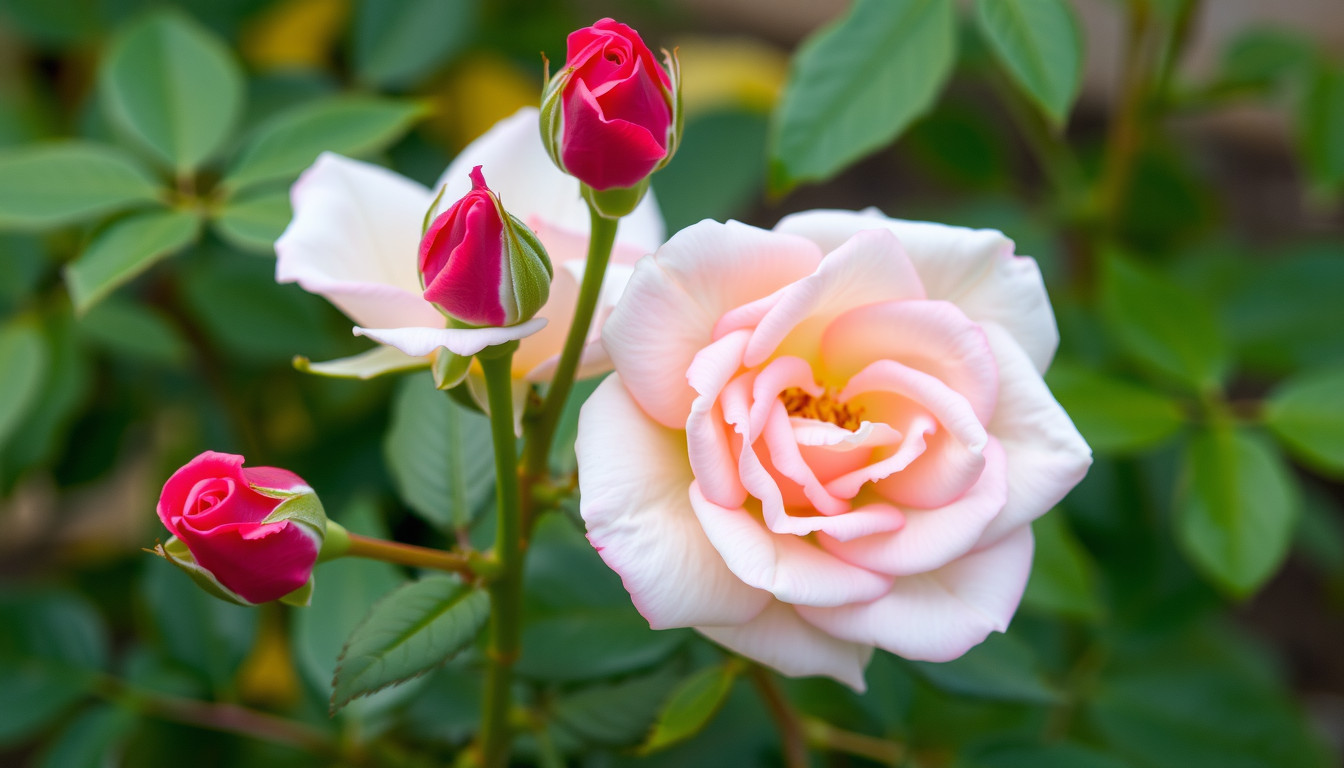
In the context of common rose issues, knowing about Understanding why [LINK]rose bush suckers[/LINK] grow and their impact on plant health is essential for effective rose maintenance helps diagnose growth problems.
1. Why do suckers appear on grafted roses?
Suckers typically originate from the rootstock of a grafted rose. Grafting involves joining a desired flowering variety onto a hardy rootstock; however, if the rootstock cultivar is incompatible or more vigorous, it may send out suckers. These shoots are genetically different from the top or the desired rose variety, often growing faster and more aggressively. The cause is usually a response to stress, poor graft union, or incompatibility between the rootstock and the scion.
2. Effects of suckers on rose vitality
Suckers divert nutrients, water, and energy away from the main rose bush, which can weaken the plant overall. They often grow rapidly, overshadowing the main plant and producing flowers of poorer quality or fewer blooms. Persistent suckers can also interfere with the plant’s growth pattern. In cases where the suckers are allowed to thrive, they may eventually lead to graft failure because they can dominate or even break the graft union, replacing the original rose with the rootstock’s growth.
Applying appropriate fertilizer can promote the health of your rose and discourage excessive sucker growth. Shop suitable fertilizer for roses on Amazon (affiliate link).
3. Risks of leaving suckers untreated
If suckers are not removed promptly, they pose the risk of undermining the desired characteristics of the rose variety intended through grafting. Over time, they can cause the graft to fail, leading to the loss of the specific cultivar and requiring replanting. Additionally, unremoved suckers can weaken the entire plant, making it more susceptible to diseases and pests. Regular monitoring and timely removal of suckers are critical to preserving the health, vigor, and flowering quality of the rose bush.
Practical Methods to Remove Rose Suckers Safely and Effectively
Removing rose suckers promptly and correctly is essential to maintaining the health and appearance of your rose bushes. Suckers, which often originate from the rootstock, can divert energy away from the main plant, potentially leading to weaker growth or even disease. The key to successful removal is using appropriate tools and timing, ensuring the main plant remains unharmed. By focusing on safe, effective techniques, gardeners can keep their roses vigorous and free of unwanted shoots.
In the context of gardening techniques, the section on removal methods includes tips on managing Proper removal of [LINK]rose bush suckers[/LINK] is part of effective rose care techniques..
1. Using pruning shears correctly
When removing suckers, always use sharp, clean pruning shears. Make cuts at or near the base of the sucker, close to where it attaches to the root or ground level. A clean cut minimizes tissue trauma, which reduces the risk of infection. For thicker suckers, a pruning saw may be necessary to ensure a clean cut. Disinfect tools regularly to prevent the spread of diseases from one plant to another.
Keeping your tools clean is essential for healthy pruning and disease prevention. Shop suitable disinfectant spray for gardening tools on Amazon (affiliate link).
2. Best times for removal
The optimal time to remove suckers is during early spring or late winter when the plant is dormant. This timing prevents the suckers from diverting energy during the active growing season. Regular inspections throughout the growing season are also advisable so suckers can be caught and removed early before they become established. Removing suckers before they develop extensive roots and foliage makes the process easier and more effective.
3. Precautions to avoid damaging main plant
Care must be taken to avoid damaging the main rose cane during sucker removal. Always cut at the base and avoid tearing the bark or stem tissue. Removing too many suckers at once can also stress the plant, so focus on the most vigorous or invasive shoots first. If multiple suckers are present, remove the weaker ones and leave the strongest shoot to promote healthy growth. Proper technique and timing ensure that the main plant remains healthy and resilient after sucker removal.
Deciding When to Leave Suckers and Prevention Tips
Managing rose bush suckers depends on their origin and the health of the main plant. Suckers emerging from the rootstock of grafted roses can undermine the desired cultivar if left unchecked, while those sprouting directly from the main plant may sometimes be beneficial or harmless. Carefully evaluating the source of suckers helps determine whether removal is necessary. Regular maintenance practices, such as inspecting the base of the plant frequently and removing unwanted shoots, can prevent overcrowding and vigorous overgrowth, preserving the health and appearance of the rose. Maintaining the graft union’s integrity and avoiding damage during pruning are crucial for controlling sucker formation over time.
Proper mulching can support your rose's health and reduce unwanted sucker development. Shop suitable mulch for roses on Amazon (affiliate link).
1. When is it safe to leave suckers alone?
- If suckers originate from the main bush and are not aggressive, they can sometimes be left to grow, especially if they contribute to new flowering stems or fill gaps without compromising the main plant.
- When suckers do not threaten the plant’s overall structure or vigor, and the primary roots and graft union remain healthy, leaving them might be acceptable.
- In cases where removal would cause more harm than benefit, such as risking damage to the graft union or main stem, it is better to leave the suckers untouched.
2. How to prevent suckers from forming
- Consistently inspect the base of the plant for new shoots and prune suckers promptly before they establish a strong root system.
- Maintain proper watering, fertilizing, and mulching to keep the main plant healthy, which can reduce stress-induced sucker growth.
- Ensure the graft union remains undamaged during pruning or maintenance activities; any injury can stimulate sucker development.
- Choose rootstocks suited to your climate and soil conditions, avoiding those prone to excessive sucker formation.
3. Regular maintenance practices
- Prune suckers at their base as soon as they appear, using clean, sharp tools to prevent infection.
- Remove any suckers that grow below the graft union, as these are typically from the rootstock and may not produce desirable flowers.
- Keep a consistent pruning schedule to promote healthy growth of the main plant and prevent the buildup of unwanted shoots.
- Monitor for signs of stress or disease that can encourage suckers and address underlying problems promptly.
Troubleshooting Common Sucker Problems and Underlying Causes
Persistent rose bush suckers often indicate deeper issues such as graft incompatibility or rootstock problems. Identifying the root cause is crucial for effective management. Suckers that repeatedly emerge from the base of a rose bush or its roots can weaken the main plant, diverting energy away from desired flowering stems. Understanding the causes behind recurring suckers helps gardeners decide whether to undertake pruning, graft replacement, or consult a professional. Addressing these underlying issues prevents the spread of unwanted growth and ensures the health and vitality of the rose.
1. Dealing with invasive or recurrent suckers
Invasiveness or recurrent suckers usually signal that the rootstock is incompatible or overly vigorous. These suckers originate from the root system below the graft union and can overpower the grafted variety. To manage these, root pruning—cutting back the rootstock—may reduce sucker growth but often needs to be repeated regularly. Alternatively, removing suckers as they appear and monitoring for new growth is essential. If suckers remain persistent, it might be necessary to consider graft replacement with a compatible variety to prevent ongoing problems.
2. Addressing graft incompatibility
Graft incompatibility becomes apparent when suckers appear repeatedly from the graft union or the base of the plant, indicating that the rootstock and scion are not compatible. These suckers are often more vigorous and can overshadow the main rose. To resolve this, it’s advisable to remove the suckers promptly and check the graft union for signs of failure or incompatibility. If the problem persists and the main plant deteriorates, replacing the graft with a compatible variety or starting anew may be necessary. Consulting a horticultural expert can ensure proper diagnosis and treatment options.
3. When to seek professional help
If the cause of recurring suckers remains unclear or the plant shows signs of decline despite pruning, consulting a professional is recommended. A licensed arborist or horticulturist can assess the health of the root system, diagnose graft issues, and suggest appropriate steps. Sometimes, persistent suckers are symptomatic of underlying diseases or severe incompatibility that require advanced treatments or replanting strategies. Seeking expert advice helps prevent unnecessary loss of the rose bush and promotes long-term plant health.
Frequently Asked Questions
1. How can I tell if a growth on my rose is a sucker?
Look for a shoot that emerges from the base or below the graft union, often thicker, faster-growing, and with different foliage or color than the main plant.
2. Where do rose suckers usually develop on affected plants?
They typically grow at or just below the soil level, especially around the graft union, and can extend outward along the roots.
3. Are all suckers harmful or can some be beneficial?
Rootstock suckers can weaken the main plant and alter its characteristics; generally, they are undesirable, whereas suckers from the main growth are usually beneficial for new flowering shoots.
4. What is the best time of year to remove suckers from a rose bush?
Remove suckers in early spring or late winter when the plant is dormant to prevent interference with the main growth during the growing season.
5. Can pruning tools cause more sucker growth if not used properly?
Improper use or dull tools can injure the plant, potentially stimulating more sucker growth as the plant attempts to heal and protect itself.
6. What underlying issues lead to excessive sucker growth?
Stress, poor grafting, incompatibility between rootstock and scion, or damage to the graft union can trigger excessive sucker development.
7. Should I replace my grafted rose if suckers keep appearing?
Repeated sucker growth suggests graft incompatibility or failure; replacing the plant may be necessary if removal fails to control the suckers or if the graft is compromised.
Sources and Further Reading
- Rose Suckers: How to Identify & Get Rid of Them
- Rose suckers: what are they and should you remove them … – Homes …
- How to Get Rid of Rose Suckers in 5 Easy Steps – Epic Gardening
- Rose Suckers: What They Look Like and When to Remove Them
- What Is a "Sucker" on a Rose Bush? And Do I Need to Remove Them?