
The best time to plant pumpkins for the best harvest is in late spring, after the last frost date, typically between May and June, depending on your region. I’ve found that waiting until the soil is warm ensures healthy growth and larger fruits. Read Interesting article: When to Plant Pumpkins for a Big Harvest
Understanding Pumpkin Growth Cycles
Life Cycle of a Pumpkin Plant
Understanding the life cycle of a pumpkin plant helps us appreciate the timing of planting. From the moment we plant the seeds, we embark on a fascinating journey through various stages. It all starts with germination, which usually takes about 7 to 10 days, depending on the temperature and moisture levels. I remember planting my first pumpkins and eagerly checking each day, hoping to see those little green sprouts push through the soil.
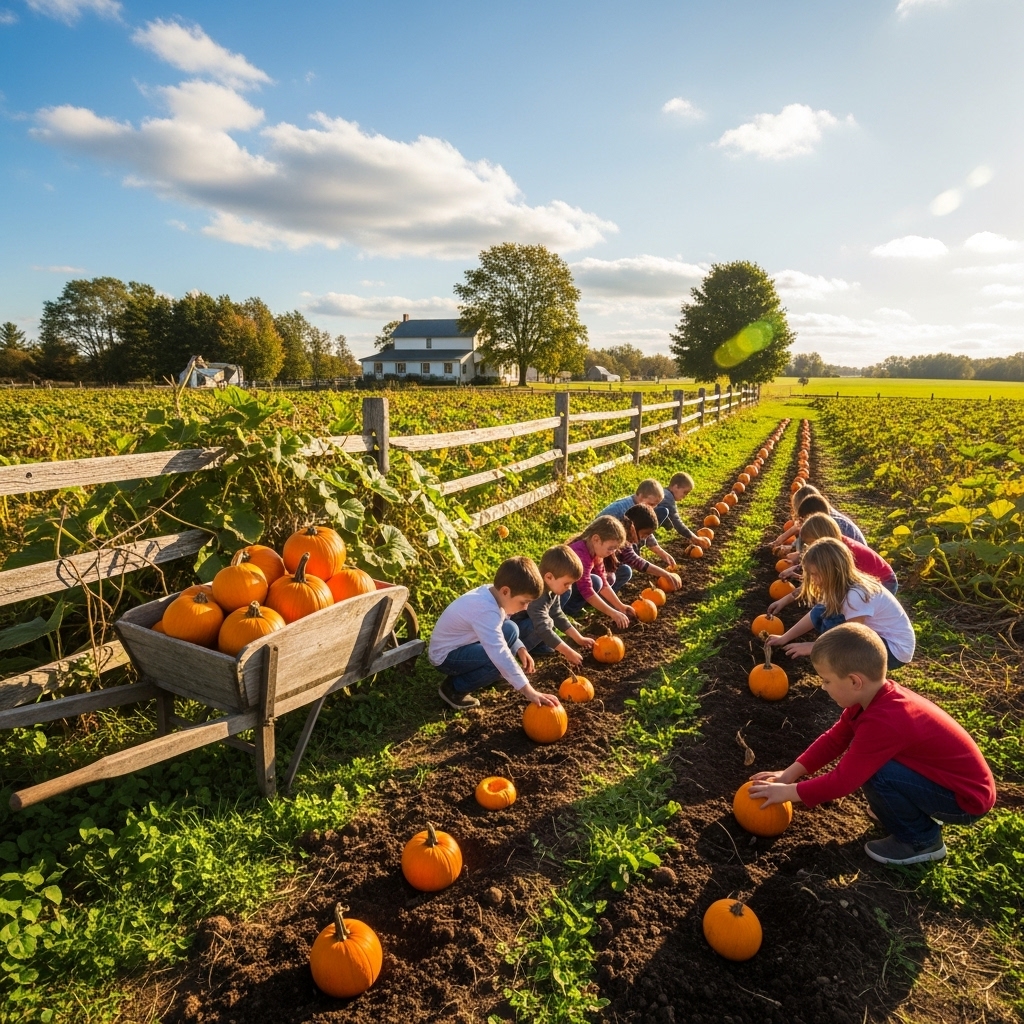
Once germination occurs, the seedlings grow quickly, developing their iconic broad leaves. This stage is crucial, as healthy leaves mean the plant can photosynthesize effectively, gathering energy for future growth. The plants enter a vegetative phase, lasting several weeks, where they focus on growing strong vines and leaves. During this time, it’s essential to provide adequate water and nutrients to support their growth. I’ve learned that a little extra care during this phase can make a significant difference in the final yield.
The flowering phase comes next, where the pumpkin plants produce both male and female flowers. This is where the magic happens! The male flowers appear first, and once pollination occurs (often with the help of bees), the female flowers develop into the pumpkins we all love. It’s delightful to see those tiny pumpkins forming after a successful pollination. The final stage is the ripening phase, where the pumpkins mature on the vine. This can take anywhere from 75 to 100 days after planting, depending on the variety. Knowing this cycle helps us time our planting for the best results.
Factors Affecting Growth Rate
While the life cycle provides a framework, several factors can influence the growth rate of pumpkin plants. Temperature is one of the most critical aspects. Pumpkins thrive in warm conditions; ideally, the soil temperature should be around 70°F (21°C) for optimal germination. I always wait until the nights are consistently warm before planting, as chilly nights can stunt growth.
Soil quality is another crucial factor. Pumpkins prefer rich, well-draining soil with plenty of organic matter. I’ve experimented with different soil amendments over the years. Compost not only enriches the soil but also helps retain moisture, which is vital for young plants. Additionally, consistent watering, especially during dry spells, ensures the plants have what they need to grow robustly. For more tips on improving your pumpkin yield, check out How to Plant Pumpkins for a Bigger Harvest.
Lastly, the amount of sunlight the plants receive can’t be overstated. Pumpkins need full sun, which means at least 6 to 8 hours of direct sunlight each day. I’ve noticed that my pumpkins grow more vigorously and produce larger fruits when they bask in the sun. So, when choosing a spot in the garden, I always prioritize sunlight exposure.
Optimal Planting Time for Pumpkins
General Planting Guidelines
Knowing when to plant pumpkins involves understanding local climate conditions and the pumpkin’s growth requirements. Generally, I recommend planting seeds after the last frost when soil temperatures reach at least 60°F (16°C). This timing varies by region, so I always look up my local frost dates. For many areas, this means late May to early June is prime planting time.
When I first started gardening, I made the mistake of planting too early, thinking I could get a head start. Instead, I lost seedlings to unexpected frost. Now, I check my local extension service or gardening apps to determine the best planting window. Most gardeners agree that planting in late spring gives the plants enough time to mature before the first autumn frost.
Regional Differences in Planting Times
One of the fascinating aspects of gardening is how regional climates influence planting times. For instance, in warmer southern regions, such as Florida or Texas, gardeners might plant as early as March. In contrast, northern states, like Minnesota or Maine, typically wait until June. I experienced this firsthand when I moved from a warm climate to a cooler one; my planting schedule drastically changed!
Understanding your USDA Hardiness Zone can be incredibly helpful. These zones consider average annual minimum temperatures, providing a framework for when to plant various crops, including pumpkins. I often recommend checking local gardening clubs or online resources to connect with other gardeners in your area for specific planting advice.
Frost Dates and Their Importance
Frost dates are critical to successful pumpkin planting. The last frost date is the final day of the year when you might see frost, while the first frost date in fall is when you should be preparing for harvest. I always mark these dates on my calendar to ensure I’m planting and harvesting at the right times. Planting too close to the last frost can lead to disaster, as young plants are vulnerable to cold temperatures.
To avoid this, I often use cloches or row covers when I plant early. This simple trick can protect young plants from unexpected cold snaps while allowing them to thrive. I’ve also learned to keep an eye on the weather forecast, as unexpected late frosts can still occur. Being aware of these dates and conditions makes a massive difference in achieving a bountiful harvest.
Best Practices for Planting Pumpkins
Soil Preparation and Testing
Getting the soil ready for pumpkins is perhaps one of the most important steps in the planting process. I’ve learned that good soil can make all the difference between a bountiful harvest and a disappointing one. First, I always start with a soil test to check for pH and nutrient levels. Pumpkins thrive in soil with a pH of around 6.0 to 6.8. If my soil is too acidic or alkaline, I can add lime or sulfur to adjust it accordingly.
After testing, I focus on enriching the soil. I usually add plenty of organic matter, like well-rotted compost or aged manure, to help improve soil structure and fertility. I remember my first year of planting; I was eager but didn’t spend enough time on this stage, and it showed in my pumpkin yield. Now, I take the time to mix in amendments at least a week before planting. This way, the soil has time to settle and warm up, creating the perfect environment for my seeds.
Another tip I’ve picked up is to create raised beds or mounds. This helps with drainage and keeps the pumpkin vines off wet soil, reducing the risk of rot. I often make my mounds about 3 feet apart, allowing ample space for the plants to spread and grow. Plus, it’s much easier to manage weeds and pests this way!
Choosing the Right Pumpkin Varieties
When it comes to pumpkins, there’s a world of choices out there! I remember feeling overwhelmed the first time I went to the garden center and saw all the different varieties. Each type has its own unique flavor, size, and uses, so it’s essential to choose the right ones for my needs. I typically select varieties based on what I plan to do with them—whether it’s carving, cooking, or baking.
For carving, I recommend the classic ‘Jack-o’-Lantern’ pumpkins, like ‘Howden’ or ‘Connecticut Field.’ They have the perfect shape and size. If I want to make pies, I lean towards sugar pumpkins, like ‘Sugar Pie’ or ‘New England Pie.’ They’re smaller and sweeter, making them perfect for baking. I’ve learned the hard way that some varieties take longer to mature, so I always check the days to harvest before making my final decision.
Additionally, I’ve started experimenting with specialty pumpkins, such as ‘Blue Moon’ or ‘Cinderella’ pumpkins. They not only look stunning in the garden but also add a unique twist to my fall decor and recipes. Whatever I choose, I make sure to source my seeds from reputable suppliers to ensure they’re healthy and viable.
Seed vs. Seedling: Which is Better?
This is a question I’ve pondered many times as I prepared for pumpkin season. Should I start from seeds or purchase seedlings from the nursery? In my experience, starting from seeds gives me more control over the process. I love the excitement of watching the seeds sprout and grow into strong plants. Plus, there’s a wider variety of seeds available than seedlings, which allows for more options.
However, I’ve also found that purchasing seedlings can be a great time-saver, especially if I’m running behind schedule or if the weather is unpredictable. If I choose this route, I make sure to pick healthy plants without any signs of disease or pests. I’ve noticed that the key is to transplant the seedlings carefully, ensuring they’re not stressed during the process.
In the end, I often do a mix of both. I will start some seeds indoors a few weeks before the last frost to get a head start, while also buying a few seedlings for varieties I want to test out. This way, I get the benefit of both worlds and increase my chances of a successful pumpkin harvest!
Weather Conditions for Successful Pumpkin Growth
Temperature Requirements
Temperature plays a crucial role in how well my pumpkin plants grow. I’ve learned that pumpkins are warm-weather crops, thriving best when temperatures range from 70°F to 90°F (21°C to 32°C). If the temperatures drop too low, especially during the flowering and fruiting stages, I’ve noticed that it can lead to poor pollination and smaller pumpkins.
To ensure that my plants are not affected by sudden temperature changes, I often keep a close eye on the forecast. If I see a cold snap coming, I make sure to have some row covers handy to protect my plants. I’ve used lightweight fabric covers that allow light to penetrate while providing insulation, which has helped me maintain a steady temperature around the plants.
Humidity and Rainfall Considerations
Humidity and rainfall are two factors I can’t control, and they can greatly affect my pumpkin growth. Pumpkins require about an inch of water per week, either from rainfall or irrigation. I remember one season when we had an unusually dry spell, and I had to step up my watering game. It was a lot of work, but I learned to be more proactive about monitoring soil moisture.
I also pay attention to humidity levels. While pumpkins prefer slightly humid conditions, overly wet foliage can lead to fungal diseases. I’ve found that watering early in the morning helps keep the foliage dry and reduces this risk. If I notice high humidity, I try to space my plants properly to ensure good air circulation, which is vital for keeping diseases at bay.
Sunlight Exposure Needs
Lastly, sunlight is crucial for growing healthy pumpkins. I’ve found that pumpkin plants need at least 6 to 8 hours of direct sunlight each day. When I choose a planting location, I always look for spots that get the most sun. I remember trying to plant in a partially shaded area once, thinking it would be fine, but my pumpkins were small and stunted compared to those that basked in full sunlight.
Each year, I try to observe the sunlight patterns in my garden and adjust accordingly, ensuring that my pumpkin patch gets the maximum sun exposure. By paying attention to these weather conditions, I’ve significantly improved my pumpkin harvests over the years.
Common Mistakes to Avoid When Planting Pumpkins
Planting Too Early or Too Late
I’ve learned that timing is everything when it comes to planting pumpkins. One of my biggest mistakes early on was jumping the gun and planting too early in the season. I was so excited to start my pumpkin patch that I didn’t consider the risk of frost. Unfortunately, my eagerness led to several lost seedlings, which was disheartening. Now, I always check my local frost dates and wait until the soil is consistently warm. I remember the satisfying feeling of waiting patiently and then seeing my seedlings thrive when I planted at the right time.
On the flip side, planting too late can also lead to problems. If we don’t give our pumpkins enough time to mature before the first frost in fall, we might end up with underdeveloped fruits or none at all. I’ve had to learn the hard way that the growing season can be shorter in some areas, and if I plant too late, I risk a disappointing harvest. Being aware of the ideal planting window for my region has been a game-changer, allowing me to optimize my pumpkin-growing experience.
Neglecting Soil Quality
Soil quality is another crucial element I can’t overlook. Early in my gardening journey, I didn’t pay enough attention to the soil’s health. I just assumed that any dirt would do, which turned out to be a huge mistake. I quickly discovered that poor soil leads to weak plants and low yields. Now, before planting, I always conduct a soil test to check for nutrient levels and pH. It’s amazing how much of a difference healthy soil can make!
In my experience, adding organic matter like compost has transformed my garden. Not only does it enrich the soil, but it also improves drainage, which is essential for pumpkin roots. I remember the first year I focused on soil preparation; my pumpkins were larger and healthier than ever before. I’ve come to appreciate that investing time and effort into soil quality pays off in the long run.
Ignoring Pest Management
Pest management is another area where I’ve made mistakes. Early on, I didn’t think much about how pests could impact my pumpkin plants. I was surprised when I found my leaves riddled with holes or even saw entire plants wilting due to pests like aphids or squash bugs. I quickly realized that prevention is key, so I started researching effective pest management strategies.
Now, I make it a point to monitor my plants regularly for any signs of trouble. If I spot pests early, I can often remove them by hand or use natural deterrents like neem oil. I also learned the importance of companion planting—certain plants can deter pests or attract beneficial insects. For instance, I like to plant marigolds alongside my pumpkins because they help repel nematodes and other pests. This teamwork in the garden has made a world of difference, leading to healthier plants and a more bountiful harvest!
Harvesting Your Pumpkins
Signs of Ripeness
As the season winds down, the excitement of harvesting my pumpkins begins! I’ve found that knowing when to harvest is just as important as planting. One sign I always look for is the color change; ripe pumpkins usually develop a rich, vibrant hue. I remember when I first grew pumpkins, I was so eager that I picked them too early, thinking they looked good only to discover they were still hard and not sweet.
Another sign of ripeness is the stem. I’ve learned that when the stem starts to turn brown and becomes dry, it’s a good indication that the pumpkin is ready for harvest. I also pay attention to the skin: when it feels firm and resistant to pressure, that’s a good sign too. I often knock on the pumpkin, and if I hear a hollow sound, it’s generally a green light for harvesting!
Best Time to Harvest for Storage
Timing my harvest for storage is crucial, especially if I want my pumpkins to last through the fall and winter. I aim to harvest on a dry, sunny day to minimize moisture on the surface. I’ve noticed that this helps to reduce the risk of rot during storage. After I harvest, I always let my pumpkins cure in a warm area for about a week. This process allows the skin to harden and extends their shelf life significantly.
When I store my pumpkins, I make sure to keep them in a cool, dark place with good ventilation. I’ve found that a temperature between 50°F and 60°F works best. Avoiding moisture and direct sunlight helps keep them fresh longer. I remember experimenting with different storage methods, and over time, I’ve developed a system that works well for my needs.
Post-Harvest Care and Handling
Post-harvest care is just as important as the growing phase. I’ve learned to handle my pumpkins gently to avoid bruising, which can lead to decay. After curing, I carefully check each pumpkin for any signs of damage or soft spots. If I find any, I either use those pumpkins first or cut them up for cooking or baking. This way, I ensure nothing goes to waste.
I also love to showcase my pumpkins around the house or in my garden. Decorating with them brings a sense of joy and celebration to the season. I’ve found that the more care I take in the entire process—from planting to harvesting—the more I appreciate my pumpkins and the effort that goes into growing them.
Frequently Asked Questions
When is the best time to plant pumpkins?
The best time to plant pumpkins is in late spring, after the last frost date, typically between May and June, depending on your region.
How long does it take for pumpkin seeds to germinate?
Germination usually takes about 7 to 10 days, depending on the temperature and moisture levels.
What soil conditions are ideal for growing pumpkins?
Pumpkins prefer rich, well-draining soil with plenty of organic matter. The ideal soil pH is around 6.0 to 6.8.
How much sunlight do pumpkin plants need?
Pumpkin plants need at least 6 to 8 hours of direct sunlight each day for optimal growth.
What factors can affect the growth rate of pumpkins?
Factors affecting growth rate include temperature, soil quality, consistent watering, and sunlight exposure.
How can I protect my young pumpkin plants from frost?
You can use cloches or row covers to protect young plants from unexpected cold snaps while allowing them to thrive.
What are the signs that pumpkins are ripe for harvest?
Signs of ripeness include a rich color change, a brown and dry stem, firm skin, and a hollow sound when knocked on.
What is the best time to harvest pumpkins for storage?
It’s best to harvest pumpkins on a dry, sunny day to minimize moisture on the surface, which helps reduce the risk of rot during storage.
How should I store pumpkins after harvesting?
Store pumpkins in a cool, dark place with good ventilation, ideally at a temperature between 50°F and 60°F, avoiding moisture and direct sunlight.
What common mistakes should I avoid when planting pumpkins?
Common mistakes include planting too early or too late, neglecting soil quality, and ignoring pest management strategies.