
Choose roses with firm, vibrant petals, healthy green leaves, and no signs of wilting or damage to ensure freshness and longer vase life.
Table of Contents
This article explains how to evaluate these key attributes and provides practical tips for selecting high-quality roses that will last longer and look their best.
Identify the Ideal Time and Bloom Stage for Picking Roses
Choosing the right moment to cut roses ensures they reach their full potential in beauty and longevity. Recognizing the optimal stage of bloom and the most suitable time of day can significantly impact bloom quality and vase life.
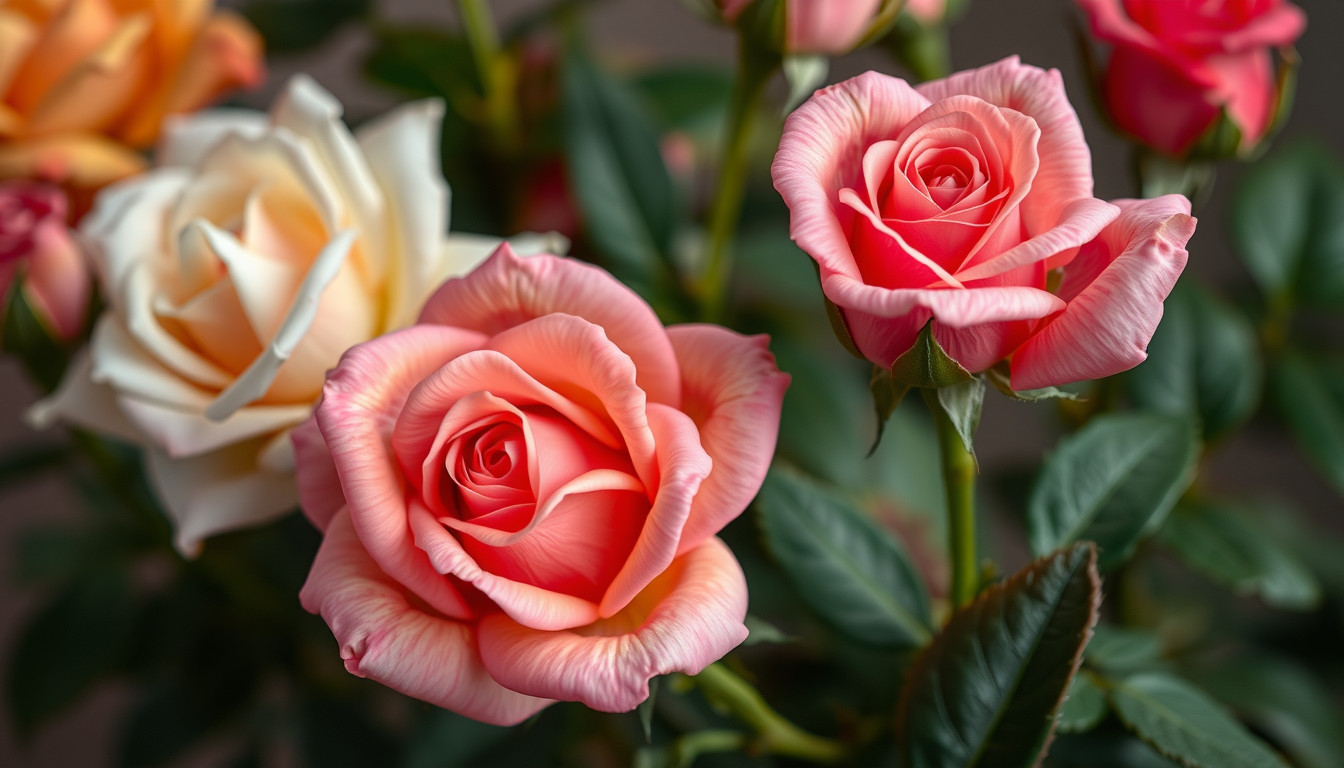
In addition to recognizing the right stage of development, understanding the proper timing for harvest ensures the roses stay fresh and last longer after picking proper timing for harvest, which is discussed in this article.
1. Understanding bloom stages: tight, partially opened, fully opened
Roses exhibit distinct growth stages, and harvesting at the correct point maximizes freshness. A bloom is ideal when outer petals are slightly unfurled, while the center remains tight. This indicates the flower is at its peak, combining visual appeal with maximum vase life potential. If the petals are too tight, the bloom hasn’t fully developed; if fully open, it may start to decline. Harvesting during the partially opened stage, when petals are beginning to spread but haven’t yet begun to wilt, strikes the best balance for durability and display quality.
2. Best time of day for picking: early morning or late evening
Timing the harvest during early morning or late evening benefits both the flower and the plant. During these periods, stems are filled with water after overnight or daytime rest, reducing stress caused by heat. Flowers picked in cooler conditions tend to last longer in a vase, maintaining their color and fragrance. Avoid harvesting during the heat of midday when high temperatures can accelerate aging and cause wilting or damage to the petals. Similarly, late evening harvests allows the plant to recover overnight, ensuring the blooms are in their freshest state for cuttings.
3. Conditions that affect proper timing: weather, plant health
Environmental factors can influence the optimal timing for rose harvesting. Hot weather or strong wind stress the plant, causing blooms to age prematurely or become damaged. If plants are under stress from drought, excessive heat, or disease, flowers may not develop properly or remain viable for long after cutting. It is best to select roses only when the weather is calm with mild temperatures, and the plant shows no signs of distress. Healthy foliage also indicates a well-hydrated and vigorous plant, which produces better quality blooms for cutting.
By monitoring these attributes—stage of development, time of day, weather, and plant health—you can choose roses at their peak, ensuring they look impressive and last longer once cut. Look for outer petals that are just beginning to unfurl, select early morning or late evening for harvest, and avoid days with stressful weather conditions to optimize your results.
Visual and Olfactory Signs of a Fresh, Healthy Rose
Choosing a fresh, healthy rose requires careful observation of both its appearance and scent. Healthy roses will typically exhibit vibrant color and a pleasing fragrance, indicating proper vitality and freshness. When selecting roses for cutting, assessing these signs can help ensure the blooms will last longer in a vase and maintain their aesthetic appeal.

Identifying vibrant roses involves checking for signs of freshness and health, such as a strong fragrance and vibrant petals signs of freshness and health, which includes recognizing early signs of spoilage as detailed here.
1. Vibrant Color and Luminous Petals
The first visual indicator of a fresh rose is its color. Look for petals that display bright, vivid hues with minimal or no browning at the edges. Faded or discolored petals may suggest age or stress. The petals should appear luminous and lively, with a healthy sheen that reflects light naturally, indicating good hydration and recent bloom. Avoid roses with dull, matte petals or those showing signs of discoloration, as these are often past their prime.
2. Firmness and Turgidity of Petals
Gently touch the petals to assess their firmness. Fresh roses have petals that are firm and resilient rather than wilted or mushy. Petals that feel pliable or floppy suggest dehydration or beginning decay. When the petals are turgid, the flower is likely at its peak freshness, with cells filled with water, sustaining a plump, vibrant appearance. Avoid roses with petals that feel soft, broken, or drooping, which indicate that the bloom is past its prime.
3. Fragrance Intensity as Freshness Indicator
A strong, pleasant fragrance is a good sign of a healthy, fresh rose. The scent should be clean, floral, and well-defined without any musty or sour undertones. If the rose’s aroma is weak or absent, it might be an indication that the flower has been cut for a long time or is beginning to deteriorate. Keep in mind that some rose varieties have a naturally lighter scent, so fragrance alone isn’t the sole indicator, but a robust scent generally correlates with high vitality.
4. Inspecting for Damage or Imperfections
Carefully examine the petals and stem for any damage such as bruises, spots, or tears. A healthy rose should be free of blemishes and imperfections. Check the stem for any signs of mold, pests, or disease, which can compromise the lifespan of the cut flower. Avoid roses with wilted, torn, or damaged petals, as these are often less durable and may spoil faster once cut. Overall, a healthy rose will show no signs of physical injury or deterioration.
Assessing Stem Quality and Overall Plant Health
When selecting roses for cutting, evaluating both stem condition and plant health ensures the blooms will be durable and the plant can recover and continue producing healthy flowers. Choosing stems with the right characteristics reduces the risk of premature wilting and disease transmission, while observing overall plant vitality helps maintain a vibrant garden. Careful inspection of individual stems and the plant as a whole can significantly extend the life of your cut roses and promote future growth.
Evaluating stem quality and overall plant health helps ensure your cut roses are durable, as discussed in this guide on removing undesirable suckers and maintaining plant vigor stem quality and plant health.
1. Stem Thickness and Straightness
Look for stems that are thick and sturdy, as these typically support longer-lasting blooms. Thick stems also indicate a healthy water and nutrient uptake capability, contributing to the flower’s longevity. Additionally, stems should be straight and free of any bends or kinks, which can hinder water flow and cause the flower to wilt prematurely. Avoiding stems with waviness or bends ensures your roses will stand upright and remain fresh longer after harvesting.
2. Signs of Plant Vitality or Stress
Healthy roses exhibit vibrant green leaves and strong, supple stems. Observe the overall plant for signs of stress, such as yellowing or browning foliage, which may suggest insufficient water, disease, or pest pressure. Plants showing overall vitality are likely to produce better-quality blooms. Additionally, check for the presence of healthy buds, indicating the plant’s readiness and ability to sustain future flowering. Flowers should be cut when stems are in peak condition, not too young or overmature.
3. Avoiding Damaged or Diseased Stems
Examine stems carefully for any brown, brittle, or drooping parts, which signal damage or disease. Stems affected by pests often show holes, small bites, or sticky residues, and diseased stems may have black spots or a fuzzy mold. Cutting into infected stem tissue risks transferring pathogens into the plant or your bouquet. Always select stems free from such damage and cut above a leaf node to encourage healthy regrowth, which also helps prevent disease from spreading further.
Environmental and Location Factors for Optimal Picking
Deciding when and where to pick roses greatly influences their freshness and overall health. Environmental conditions and precise timing ensure flowers are at their peak to extend vase life and maintain vibrant appearance.
Awareness of environmental factors like location and time of day affects when to pick roses for optimal quality environmental influences on rose quality, a topic covered extensively in this article.
1. Choosing Local, Fresh Sources
Select roses from reputable local growers or your garden to guarantee freshness. Locally grown roses are less likely to have been exposed to excessive travel stress, which can damage stems or cause premature aging. Harvesting from your own garden offers the advantage of immediate assessment of plant health and bloom stage.
2. Weather Considerations
Timing your harvest around specific weather conditions maximizes flower quality. Avoid picking after rain, as wet blooms are more prone to mold and fungal infections. Extreme heat can weaken stems and cause premature petal drop, so wait for cooler parts of the day, typically early morning, to pick roses when they are most hydrated and turgid.
3. Protection from Stress Factors
Ensure rose stems are well-hydrated and shielded from harsh conditions like direct sun, wind, or frost. Stems subjected to these stressors can become brittle, leading to damage or reduced vase life after harvesting. Protect roses from sun exposure during transport and handle them gently to prevent bruising.
4. Specification Table: Key Environmental and Timing Factors for Picking Roses
| Location | Time of Day | Stage of Bloom | Stem Condition | Additional Considerations |
|---|---|---|---|---|
| Local garden or reputable farm | Early morning (pre-sunrise to after dawn) | Half-open flowers with tight buds or just fully open | Hydrated, green, and firm | Post-rain, extreme heat, or frost avoided |
| Home garden or florist supply | Early morning to midday | Flowers in full bloom or just starting to open | Unblemished, sturdy stems | Handle with care to avoid bruising |
| Flower shop or market | Mid-morning, after arrival | Freshly cut, with tight buds or open petals | Fresh, free from brown tips or drooping parts | Avoid flowers that have been kept out in the heat or on display for too long |
Purpose-Based Selection and Special Considerations
Choosing the right roses depends heavily on the intended use, whether for bouquets, drying, or seed collection. Adapting your selection techniques ensures optimal results and longevity for each purpose.
Choosing roses tailored to specific purposes, such as bouquets or drying, is important, as discussed in this comprehensive guide on rose care selection based on purpose.
1. Cutting for floral arrangements and longevity
When harvesting roses for bouquets, aim for flowers that are fully or partly open. This stage showcases the bloom at its peak appearance while still maintaining firmness. Select stems that are sturdy and free from blemishes or damage, as these qualities contribute to longer vase life. Cut early in the morning when plants are hydrated, and the flowers are less stressed by heat. Use sharp tools to make clean cuts just above a leaf node or bud. Handling stems gently minimizes bruising, which can shorten the flowers’ lifespan in arrangements.
2. Drying or pressing roses
For drying or pressing, choose roses at the peak of their bloom—fully open but not spent. Flowers should be vibrant and unblemished, with no signs of pest or disease. Fully opened blooms cast a striking appearance once dried, but slightly closed buds may preserve their shape longer in the drying process. Select stems that are firm, green, and free of wilting or damage. The timing of the harvest is crucial: early morning, before the heat of the day, is ideal to maximize hydration and prevent premature petal drop. Carefully tie blooms in clusters and hang them upside down in a dry, dark, well-ventilated space to preserve color and shape.
3. Harvesting for rose hips or seeds
When collecting for rose hips or seeds, timing differs from flower harvesting. The fruits and seeds should be mature, which typically occurs after the petals fall and the hips turn color—usually red, orange, or yellow. Harvest these once the hips are fully ripened and slightly softened. Select stems that are healthy, with no signs of rot or pest infestation, and avoid any that show damage or disease. It is best to pick such roses late in the season when the fruit is ripe, ensuring the seeds or hips are fully developed to maximize viability and nutritional value. Use clean, sharp tools to cut stems close to the fruit, and handle carefully to avoid damaging the delicate seeds inside.
Frequently Asked Questions
1. When is the best time of day to pick roses?
Use the guidance and limitations explained above, then check a suitable specialist when your situation needs more specific advice.
2. How can I tell when a rose is at its peak ripeness?
Use the guidance and limitations explained above, then check a suitable specialist when your situation needs more specific advice.
3. What are the key signs of a healthy, fresh rose?
Use the guidance and limitations explained above, then check a suitable specialist when your situation needs more specific advice.
4. How do environmental factors influence harvesting?
Use the guidance and limitations explained above, then check a suitable specialist when your situation needs more specific advice.
5. What should I avoid when picking roses?
Use the guidance and limitations explained above, then check a suitable specialist when your situation needs more specific advice.
6. How do I select roses for drying versus bouquets?
Use the guidance and limitations explained above, then check a suitable specialist when your situation needs more specific advice.
7. What are common mistakes in rose picking and how to avoid them?
Use the guidance and limitations explained above, then check a suitable specialist when your situation needs more specific advice.