
Roses dying often result from improper watering, pests, diseases, poor soil, over-pruning, or environmental stress. Identifying these causes helps determine effective recovery steps.
Table of Contents
This article provides practical guidance on diagnosing common reasons roses decline and offers simple solutions to help revive and maintain healthy rose bushes.
Proper watering practices for roses
Maintaining consistent soil moisture is critical to prevent roses from suffering stress that can lead to decline or death. A proper watering technique ensures the roots stay healthy, avoiding issues like root rot or dehydration.
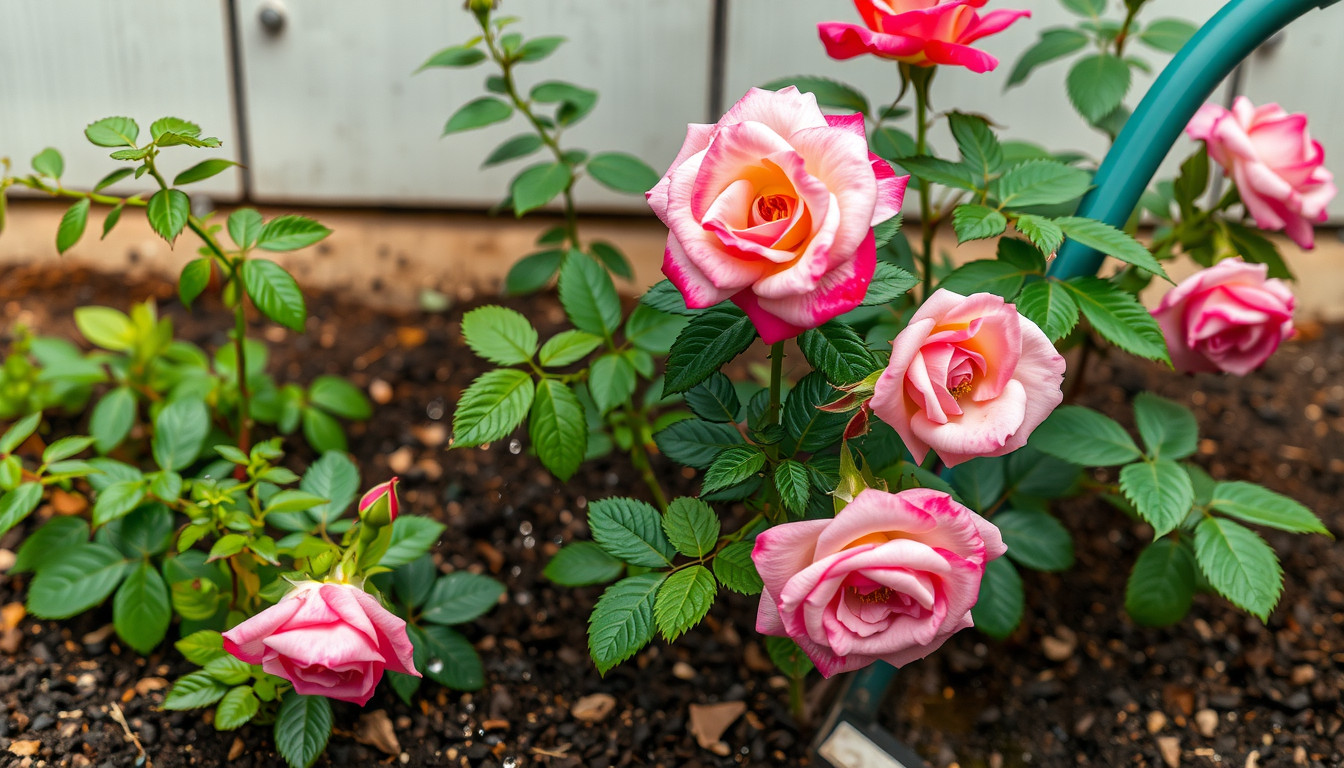
1. Ensure consistent soil moisture with deep watering
Deep watering promotes strong root growth and helps roses develop resilience against environmental stresses. Water slowly enough to allow moisture to reach at least 12 inches into the soil, encouraging roots to grow downward rather than staying near the surface. This reduces the risk of drought stress and makes the plant more resistant to disease.
Disclosure: As an Amazon Associate I earn from qualifying purchases.
To support healthy watering routines, consider using suitable garden watering tools. Shop suitable garden watering tools on Amazon (affiliate link).
Overwatering can drown roots, leading to root rot, a common cause of roses dying. Signs include yellowing leaves, wilting despite moist soil, and a foul smell from the roots. Conversely, underwatering causes stress, manifesting as wilting, leaf drop, or slow growth.
During hot and dry periods, roses may require watering every 2-3 days. In cooler or rainy weather, watering can be less frequent, but always check soil moisture before watering. Insert a finger 2-3 inches into the soil; if it feels dry, it’s time to water. Avoid frequent shallow watering, which encourages shallow roots that are more vulnerable to drought.
Adjust your watering schedule based on soil type: sandy soils drain quickly and need more frequent watering, while clay soils retain moisture longer. A consistent watering technique, combined with good drainage, prevents stress that can cause health decline and eventual death of the rose bush.
Adequate sunlight exposure
Ensuring roses receive enough sunlight is vital for their health, as light influences photosynthesis and flowering. Without sufficient sunlight, roses become weak and more susceptible to disease and pest problems.

1. Position roses in full sun for at least 6 hours daily
Most rose varieties thrive with a minimum of six hours of direct sunlight each day. Placing them in a location with full sun helps maximize photosynthetic activity, which encourages vigorous growth and abundant blooms. Inadequate sunlight reduces the plant’s ability to produce energy, leading to slower growth, poor flowering, and increased vulnerability to diseases such as black spot and powdery mildew.
Few conditions are as detrimental as prolonged shade, which weakens the plant’s immune response and can cause leaves to yellow or drop prematurely. Proper positioning also reduces the likelihood of fungal infections since airflow around the plant improves in sunnier, open spaces.
2. Considerations for watering habits related to sunlight
Sunlight exposure impacts watering habits directly. When roses are in full sun, the soil dries out faster, especially during hot weather. This requires more frequent watering—often every 2-3 days during peak heat—to prevent stress and dehydration. Conversely, in cooler or overcast conditions, watering needs decrease. Overwatering or underwatering in relation to sunlight can both harm roses, causing root stress and eventual death if not managed correctly.
Monitoring soil moisture becomes essential. A simple check involves inserting a finger about 2-3 inches into the soil; if it feels dry at that depth, it’s time to water. Proper drainage is equally critical. Well-draining soil paired with regular watering ensures the roots stay moist but not waterlogged, fostering healthy growth and flowering. Overly frequent shallow watering encourages shallow roots, which makes plants more vulnerable during droughts. Adjust watering schedules based on soil type, weather conditions, and the plant’s response to maintain optimum health and vitality.
Controlling and preventing pests like aphids
Pest management is essential to prevent roses from weakening due to insect damage. Aphids, in particular, cluster on new growth and buds, causing leaf distortion and transmitting diseases that compromise plant health.
Controlling pests like aphids is essential; discover effective natural methods in this article Pests such as aphids cause leaf damage and transmit diseases, weakening roses, which impact rose health.
1. Use insecticidal soap or natural predators
Applying insecticidal soap provides a quick, chemical-free way to control aphid infestations. The soap suffocates the pests on contact and is safe for most plants when used correctly. For a more environmentally friendly approach, introducing natural predators such as ladybugs or lacewing larvae can keep aphid populations in check without chemical intervention.
Effective pest control options can help protect your roses from damage. Shop suitable garden pest control products on Amazon (affiliate link).
Visible on new growth and buds, aphids often cluster where sunlight exposure is ample. While proper sunlight is vital for healthy roses, excessive or insufficient light can impact pest activity and plant resilience. Roses exposed to too much direct sunlight may experience stress, making them more susceptible to pests, whereas insufficient light can weaken the plant’s immune response. Maintaining a balanced sunlight exposure suitable for your rose variety supports natural pest resistance.
Effective pest management also involves regular monitoring. Check the undersides of leaves and buds weekly, especially during peak growth periods or after weather changes, for signs of infestation. Early detection allows for targeted treatment before pests spread extensively, preserving both plant health and flower quality. Keep in mind that resistance to pests varies with rose varieties and environmental conditions, so adjusting your approach based on ongoing observations enhances long-term control efforts.
Managing fungal diseases like black spot and powdery mildew
Preventing and treating fungal infections in roses helps stop leaf spots and defoliation that can lead to plant decline. Early intervention with proper fungal disease control techniques is essential to keep roses healthy and thriving.
Fungal diseases can severely weaken roses; find out how to prevent and treat these infections in this guide Prevent and treat fungal infections that cause leaf spots and defoliation.
To keep fungal diseases at bay, consider using targeted fungicide products. Shop suitable garden fungicides on Amazon (affiliate link).
1. Apply appropriate fungicides early to prevent spread
Fungal diseases like black spot and powdery mildew often develop in humid, shady environments where moisture persists on foliage. Applying a fungicide at the first sign of infection or proactively before disease outbreaks can break the infection cycle. Select fungicides specifically formulated for roses and follow the manufacturer’s instructions regarding frequency and coverage. Consistent treatment during the growing season helps prevent minor issues from escalating into serious damage.
2. Key considerations for fungal disease control
Proper spacing of rose bushes improves air circulation, which reduces humidity and discourages fungal growth. Pruning out infected leaves and stems also removes sources of spores and improves airflow. Growing roses in full sun and avoiding overhead watering further create an inhospitable environment for fungi. Regularly inspecting foliage, especially during wet or humid periods, enables early detection and prompt treatment to prevent spread.
| Action | Purpose | Best Time |
|---|---|---|
| Apply fungicides | Prevent or treat infections | At first signs or proactively in humid conditions |
| Increase airflow | Reduce humidity and moisture | During planting and maintenance |
| Remove infected foliage | Limit spore sources | As soon as symptoms appear |
Monitoring conditions such as humidity and rainfall helps determine the optimal timing for fungicide application and other preventative steps. While these practices significantly improve fungal disease control, they may be less effective if environmental conditions are highly unfavorable or if the infections are already severe. In such cases, combining multiple strategies or consulting local horticultural resources can enhance results.
Proper pruning to promote health and airflow
Effective pruning is essential to maintaining vibrant, healthy roses and preventing issues like fungal diseases that cause deterioration and death. Removing dead, diseased, or crowded branches creates better airflow and reduces moisture buildup, which are key factors in fungal infection prevention.
Pruning is vital; learn how to remove dead or diseased branches to promote healthy roses here Remove dead, diseased, or crowded branches to improve airflow and encourage new growth.
A good pair of pruning shears can make your rose maintenance easier. Shop suitable pruning shears for roses on Amazon (affiliate link).
1. Prune in early spring or after flowering
Timing your pruning correctly can significantly influence rose health. Early spring pruning removes winter-damaged wood and stimulates new growth, setting a strong foundation for the upcoming season. Post-flowering pruning helps shape the plant and encourages additional blooms later in the season.
Using proper pruning techniques involves a few key steps. Always sterilize tools to prevent pathogen spread, and cut at a 45-degree angle above outward-facing buds. Removing inward-growing or crossing branches reduces crowded growth, which limits airflow within the bush. This practice not only encourages more robust blooms but also helps diminish the risk of fungal diseases such as black spot and powdery mildew, which thrive in damp, poorly ventilated environments.
Healthy pruning also involves removing any branches showing signs of disease or infection. Diseased tissue, if left in place, can act as a source of spores that infect healthy parts of the plant, accelerating decline. Regularly inspecting your roses throughout the growing season allows early detection and removal of problematic branches, further safeguarding against disease presence and promoting plant vigor.
While pruning provides clear benefits for rose health, it has limitations. Overly aggressive pruning may weaken the plant or reduce flowering if not done carefully. Additionally, pruning in adverse weather conditions, such as high humidity or rain, can increase the risk of introducing or spreading fungal pathogens; thus, timing and technique matter to maximize benefits and minimize setbacks.
Fertilizing your roses with suitable nutrients
Proper fertilization supplies essential nutrients that promote vigorous growth and abundant flowering. The soil quality directly influences the roots’ ability to absorb these nutrients, affecting the overall health of your roses.
Feeding roses appropriately is key; for more on providing nutrients, see this guide Provide essential nutrients to support vigorous growth and flowering.
1. Use balanced, rose-specific fertilizers during the growing season
Applying a balanced fertilizer formulated for roses ensures your plants receive a mix of nitrogen, phosphorus, and potassium, which support leafy growth, root development, and flower production. During active growth, such fertilizers help maintain healthy, lush foliage and profuse blooms. However, over-fertilizing can lead to excessive leafy growth at the expense of flowers, making plants more susceptible to disease and structural weakness.
It’s best to follow label instructions carefully, adjusting the frequency based on plant size and environmental conditions. Incorporating organic options like compost or a slow-release fertilizer can improve soil quality over time, fostering a resilient root system. Consistent, moderate feeding encourages steady growth without overwhelming the plant.
Remember that soil quality plays a crucial role; poor soil can limit nutrient availability even with regular fertilization. Conducting a soil test provides insights into existing nutrient levels and pH balance, guiding precise adjustments. Always water roses well after fertilizing to help roots absorb nutrients effectively and prevent fertilizer burn.
Yet, fertilizing is not a cure-all. It must be part of a broader care routine that includes proper watering, pruning, and pest management. Excessive or poorly timed fertilizer use can damage roots or promote vulnerable, weak growth, limiting the plant’s ability to withstand pests and disease.
Selecting disease-resistant rose varieties
Choosing the right rose cultivars can significantly decrease the effort needed to maintain healthy plants by reducing susceptibility to common diseases. Modern breeding has produced hybrids with enhanced resistance, making them better suited for Gardeners seeking low-maintenance, vigorous blooms.
1. Opt for modern, resistant hybrids over heirloom varieties
Modern disease-resistant roses can dramatically lower the chances of issues like black spot, powdery mildew, and rust. These varieties are bred to withstand typical pathogens, unlike traditional heirlooms, which often lack such resilience. Selecting resistant hybrids means fewer fungicide applications and less frequent treatment, resulting in a healthier, more reliable rose garden.
2. Pruning practices influence rose vitality and disease resistance
Proper pruning not only shapes the plant but also enhances its ability to resist disease. Removing dead, diseased, or crowded stems improves air circulation, which is critical in preventing fungal infections. Regular pruning encourages healthy growth and makes it easier to spot early signs of trouble, further supporting the effectiveness of resistant varieties.
3. Specification table: Comparing resistant vs. heirloom roses
| Feature | Modern Resistant Hybrids | Heirloom Varieties |
|---|---|---|
| Disease susceptibility | Low | High |
| Maintenance needs | Reduced | Higher |
| Availability of resistant cultivars | Widespread | Limited |
| Bloom qualities | Vigorous, consistent | Variable |
| Pruning impact | Supports resistance | Less effective |
Choosing modern, resistant hybrids helps minimize disease-related issues, but success also depends on maintaining good pruning practices. Regularly removing weak or diseased parts enhances airflow and reduces fungal risks, complementing the inherent resilience of these cultivars.
Frequently Asked Questions
1. How can I tell if my roses are overwatered?
Look for yellowing leaves, wilting despite moist soil, and a foul smell around the roots, all signs of root rot caused by overwatering.
2. What are the most common pests attacking roses?
Aphids are the most common, clustering on new growth and buds, damaging leaves and transmitting diseases.
3. How do fungal diseases damage roses?
Fungal infections like black spot and powdery mildew cause leaf spots, wilting, and premature leaf drop, weakening the plant.
4. What soil conditions are best for healthy roses?
Well-drained, loamy soil with a pH around 6.0 to 7.0 promotes healthy roots and vigorous growth.
5. How much sunlight do roses need daily?
Roses generally require at least six hours of full sun each day to thrive and produce abundant blooms.
6. When should I prune my rose bushes?
Prune roses in late winter or early spring before new growth begins, removing dead or weak wood and shaping the plant.
7. Should I use chemical or natural remedies for pests and diseases?
Use insecticidal soap or introduce natural predators like ladybugs for pests; apply fungicides selectively if fungal issues persist, weighing environmental impact and severity.