
Properly preparing roses in winter involves pruning, mulching, insulating, and controlling watering to protect against cold damage and ensure healthy growth in spring.
Table of Contents
This article provides specific techniques for pruning, mulching, protecting potted roses, and selecting winter-hardy varieties, helping you choose the right methods based on your climate and rose type.
Timing and Planning for Winter Rose Care
Properly timing winter preparations ensures roses are protected from cold damage and remain healthy for spring growth. Starting your care routines at the right moments depends on local climate conditions, rose type, and upcoming weather patterns.
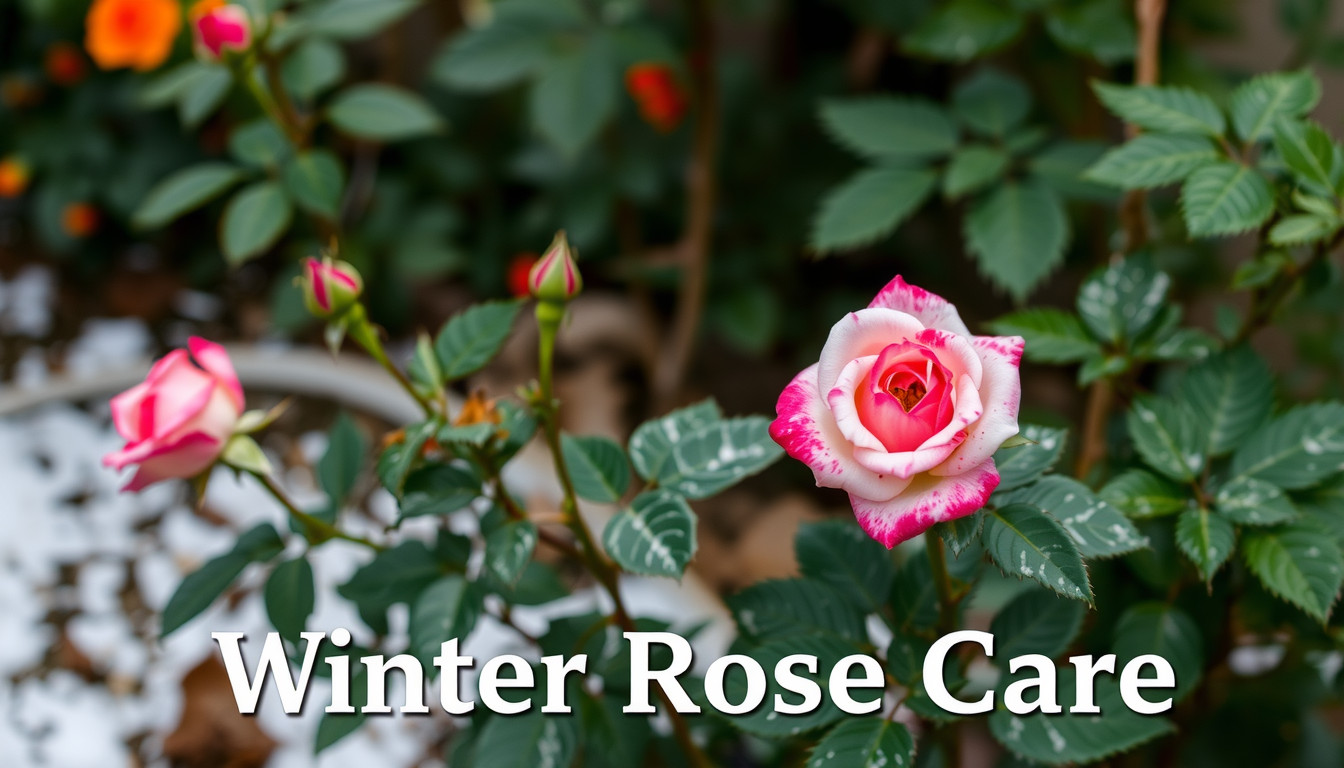
When planning your winter rose care, understanding the appropriate timing for protections is essential, and descriptive natural anchor provides valuable guidance on seasonal adjustments.
1. Monitoring First Frost
The first hard frost marks an essential cue for initiating winter care steps. In most regions, a temperature drop to 28°F (−2°C) for several hours signifies the onset of dormancy. Monitoring local weather forecasts helps anticipate this event, allowing gardeners to plan treatments and protective measures accordingly.
Disclosure: As an Amazon Associate I earn from qualifying purchases.
Monitoring weather forecasts can be complemented by using specific tools designed for garden planning. Shop suitable garden frost alarm sensor on Amazon (affiliate link).
2. Deciding When to Prune
Pruning should be completed before the first frost, typically 6–8 weeks prior, to allow the rose canes to ripen and harden. The exact timing varies based on climate and rose type. For example, hardy shrub roses may be pruned earlier, while tender varieties require more cautious timing. Pruning too late risks cutting soft, vulnerable growth that can suffer frost damage, while pruning too early may stimulate new, frost-prone growth.
3. Preparing Tools and Materials
Gather pruning shears, gloves, mulch, insulating materials, and tools for pot protection well in advance of the cold weather. Sharp, clean tools help prevent disease spread during pruning. Additionally, prepare mulch and insulation options such as straw, evergreen boughs, or purpose-made winter covers. These materials should be ready by the time the first frost arrives to facilitate prompt, effective protection.
Timing of mulching is crucial: apply a 2–4 inch layer of organic mulch after pruning and once the ground has cooled and stabilized, typically around the first frost date. Mulching acts as an insulation barrier, moderating soil temperature fluctuations and protecting the root zone from freeze-thaw cycles. Meanwhile, cessation of watering and fertilizing should occur 6–8 weeks before the first frost, depending on your region, to allow the plant to enter dormancy fully.
In some climates or for potted roses, additional protective actions are necessary. For roses in containers, decide whether to move pots indoors, insulate them, or heel them into the ground, with timing aligned to the first frost threshold. Proper planning for these steps ensures roses are neither stressed by late-season growth nor exposed to damaging cold snaps.
Pruning Techniques for Winter Roses
Proper pruning of roses in winter is essential for maintaining plant health, preventing damage from cold weather, and promoting vigorous growth and abundant blooms in the following season. Timing, technique, and the right tools all contribute to effective winter pruning, especially since different rose types may require slightly varying approaches and schedules.
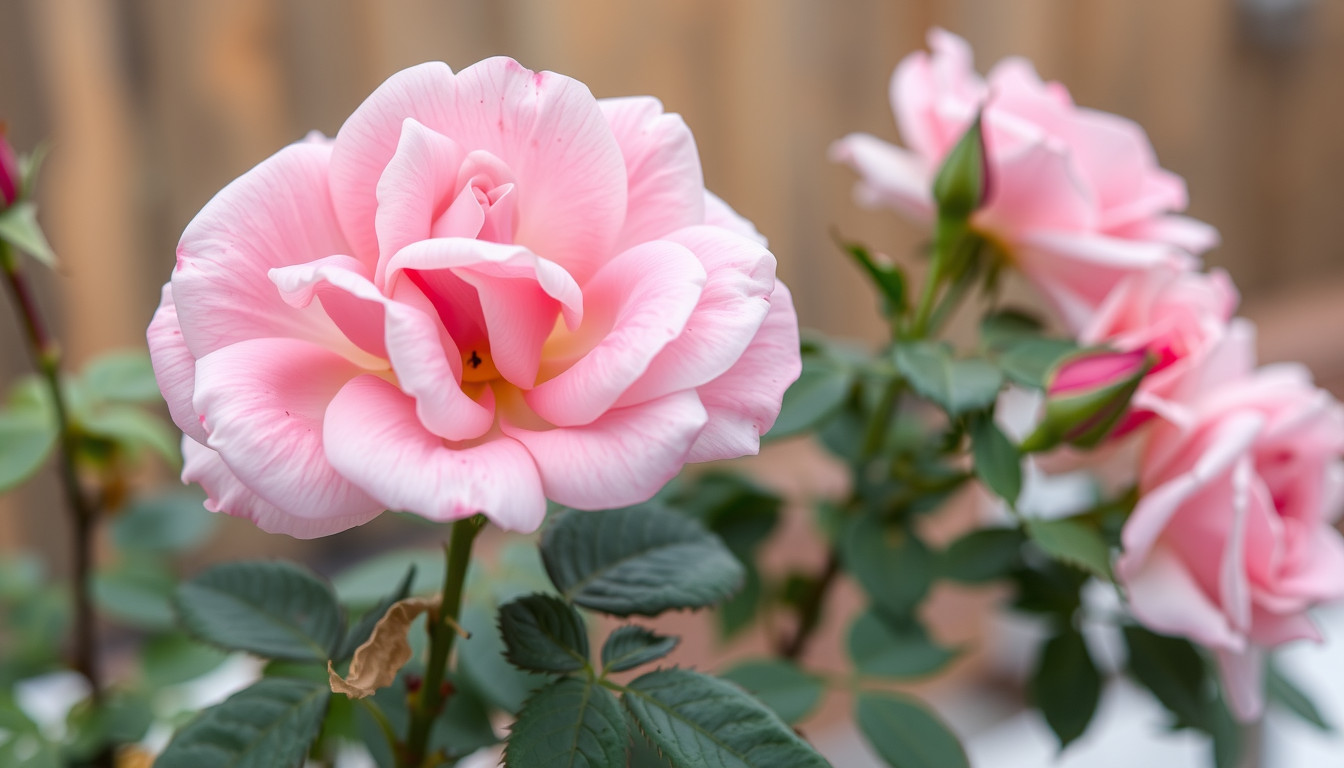
Proper pruning is vital for healthy roses during winter, and descriptive natural anchor gives insights on diagnosing issues that may arise from improper pruning.
Using the right tools can make pruning safer and more effective, especially in cold weather. Shop suitable garden pruning shears on Amazon (affiliate link).
1. How much to prune
- Remove all deadwood, broken canes, and any diseased or damaged branches to prevent pest infestation and disease spread.
- Cut back healthy canes to about one-third of their length for shrub roses, which helps stimulate new growth while preserving structure.
- For hybrid teas and climbings, prune more selectively, thinning out weaker canes to maintain shape and airflow.
- Aim to promote good air circulation and light penetration, reducing the risk of fungal diseases during damp winter conditions.
2. When to prune for different rose types
- Most roses should be pruned in late winter, just before the onset of new growth, typically when the threat of severe frost has passed, often in February or early March, depending on local climate.
- Floribunda and shrub roses often benefit from lighter pruning in early winter, removing only dead or damaged wood, to protect promise of spring growth.
- Climbing roses can be pruned immediately after flowering, but winter pruning helps to control size and remove weaker canes to strengthen the overall structure.
3. Tools and safety tips
- Use clean, sharp pruning shears or loppers to make clean cuts that promote quick healing and reduce disease risk.
- Wear gloves and protective clothing to shield against thorns and potential plant sap irritation.
- Disinfect tools with a solution of isopropyl alcohol or bleach before and after pruning to prevent disease spread.
- Dispose of all cuttings properly by removing them from the garden to minimize pest and disease issues.
Correct pruning timing, method, and the proper use of pruning tools protect roses from winter damage, encourage healthy growth, and ensure vibrant blooms in the seasons ahead. Removing dead or weak wood allows for better airflow and reduces the likelihood of fungal diseases, while strategic cuts promote stronger, more resilient canes.
Choosing and Applying Mulch and Protective Barriers
Proper mulching and protective barriers are essential for shielding roses from harsh winter cold. They insulate roots effectively and provide physical shields for canes, minimizing damage during freezing temperatures.
Selecting the right mulch and barriers is crucial for insulating roots, and descriptive natural anchor offers detailed options for winter protection.
1. Best Mulching Materials
Straw, pine bark, and leaf mold top the list as effective mulching options. These materials create a protective layer that insulates the soil and roots, which should be layered 6 to 12 inches deep. Excessively thin layers may not provide sufficient insulation, while overly thick layers could promote excessive moisture retention and fungal issues. Straw offers excellent insulation and is lightweight, while pine bark and leaf mold decompose slowly, contributing to soil health over time. Choose the material based on local availability, budget, and specific rose varieties.
Selecting appropriate mulching materials plays a key role in protecting roses from winter cold. Shop suitable garden mulch straw on Amazon (affiliate link).
2. Application Methods
To insulate roots, spread mulch evenly around the base of the rose bush, extending out to the drip line. Gently mound the mulch over the root zone, ensuring it covers the crown but does not smother the new growth if present. For canes, consider wrapping the entire plant with burlap or using specialized plant covers. When covering canes, secure the protective barrier firmly to prevent wind displacement and ensure full coverage. Mulching in late fall after the first heavy frost is best, as it prepares the plant for the freezing conditions ahead. Replenish mulch as needed to maintain the depth throughout winter.
3. Additional Protective Barriers
When temperatures are expected to drop dramatically or wind chill is severe, additional barriers become necessary. Burlap wraps provide a breathable yet durable shield around the plant. Using specially designed plant covers or cold frames can further mitigate extreme cold. For potted roses, heel-in methods—burying the entire pot—are often preferred because they utilize the ground’s thermal mass, which offers consistent insulation. Always avoid plastic wrapping directly around the plant, as this can trap moisture and promote rot, instead opting to wrap only the pot or use breathable covers.
| Method | Climate Suitability | Layering Depth | Protection Focus | Additional Barriers Needed |
|---|---|---|---|---|
| Mulching with straw or bark | Moderate to cold regions | 6-12 inches | Insulates roots and crowns | Optional for canes in severe cold |
| Heel-in potting | Very cold regions | N/A (whole pot buried) | Protects roots and pot integrity | Use breathable covering, avoid plastic |
| Burlap wrap | Severe cold, fluctuating temperatures | N/A | Protects canes and plant base | Combined with mulch or heel-in methods |
Overwintering Techniques for Different Climates
Choosing the appropriate rose overwintering method depends on your local climate and the type of roses you grow. Understanding how to adapt strategies for cold, mild, or fluctuating temperatures ensures healthy recovery and vibrant blooms in the following seasons.
1. Burying Pots (Heel In)
This method involves digging the entire pot into the ground, allowing the earth to act as natural insulation. It is especially effective in cold regions where frost depth can reach below 28°F (−2°C). To heel in, carefully tilt the pot and insert the entire container into a shallow trench. Cover the rim with soil and a thick layer of mulch or straw to shield the root ball from extreme temperatures. This technique prevents root freeze-up and reduces the need for additional protection, making it a low-maintenance, fail-safe option. It is essential to water sparingly during winter to prevent the root ball from drying out, but avoid overwatering to prevent rot.
Additional protective barriers may be beneficial for maintaining healthy potted roses during winter. Shop suitable garden plant insulation covers on Amazon (affiliate link).
2. Cold Storage
Ideal for gardeners with mild winters, cold storage involves moving dormant roses into a protected environment like a garage, cellar, or insulated shed. Keep temperatures between 34°F and 45°F (1–7°C) to maintain dormancy. For potted roses, this means wrapping the container with insulating material such as bubble wrap or burlap and placing it in the storage area. Avoid exposing the plant to temperature fluctuations or direct sources of heat. This method allows roses to avoid winter damage while still receiving periodic checks—watering only when the soil feels dry—to prevent dehydration. Some larger or more tender varieties may require additional protection from drafts or moisture ingress.
3. Wrapping and Insulation
In regions with severe winters or fluctuating temperatures, wrapping can protect the canes and crowns effectively. Wrap canes individually with breathable materials such as burlap or horticultural fleece, avoiding plastic directly around the plant, which fosters rot. You can also cover the entire plant with a larger burlap sack or create a cone-shaped winter shelter that allows ventilation while preventing cold winds. Insulating the root zone with mulch or straw further reduces temperature extremes. Timing is critical; wrap roses before the first hard frost to prevent soft tissue damage. Be cautious not to tie the canes too tightly or cause constriction, as this can lead to stress and rot. Regularly inspect the wrapped roses during winter to adjust as necessary, especially after snow or rain, which can introduce moisture into protective layers.
Selecting Winter-Hardy Rose Varieties
Choosing the right rose varieties for winter is essential to reduce maintenance and protectiveness during colder months. Varieties optimized for your climate will often exhibit traits like strong cold tolerance, robust root systems, and the ability to withstand temperature fluctuations without extensive sheltering. Selecting hardy roses suited specifically to your climate zone minimizes the effort needed to keep them healthy through winter, ensuring they bloom beautifully come spring and summer.
Choosing hardy rose varieties can reduce winter damage, and descriptive natural anchor discusses resilient types and other factors affecting winter survival.
1. List of Hardy Varieties
- Rosa ‘Dr. Huey’: Known for its vigorous, cold-hardy nature, especially in USDA zones 5-9, with strong canes and dense foliage.
- Rosa ‘Knock Out’: A popular shrub rose with high resilience to cold and disease, ideal for zones 4-9, and requiring minimal winter protection.
- Rosa ‘Carefree Beauty’: Exhibits excellent cold tolerance and repeatedly blooms, making it a low-maintenance choice for harsh winters.
- Rosa ‘Sunsprite’: A floribunda with good winter hardiness and tolerance to variable climatic conditions.
2. Traits That Confer Winter Resilience
Effective winter-hardy roses often demonstrate traits such as dense, leathery foliage, which helps insulate the plant against cold. Additionally, varieties with a strong, well-developed root system are better at anchoring the plant and accessing moisture during freezing conditions. Compact growth habits and the ability to produce and store sufficient energy reserves before winter dormancy also contribute to resilience. Historically, species like wild roses and old garden roses have evolved these traits naturally, making them excellent candidates for colder climates.
3. When to Plant for Best Overwintering Success
Timing is crucial when planting roses intended to overwinter in cooler climates. The optimal window is typically late spring or early summer—once the danger of frost has passed—allowing the plant to establish a healthy root system before the onset of winter. For established roses, planting in early fall can also promote root growth, but only if adequate winter protection can be provided. In regions with particularly short growing seasons, pre-adjusting planting times or choosing container-grown roses that can be moved indoors or to protected locations during extreme cold may improve overwintering outcomes.
In marginal climates, planting slightly earlier in the season or employing additional protective measures—such as mulching, windbreaks, or frost blankets—helps compensate for less-than-ideal conditions and ensures the plant’s survival until spring.
Watering and Monitoring During Dormancy
Maintaining proper moisture levels during winter dormancy is essential for the health of roses, especially those kept in pots or exposed to outdoor conditions. Overwatering can lead to root rot, while underwatering may cause the roots to dry out completely. The key is to strike a balance based on soil conditions and weather patterns. Regular monitoring allows for timely adjustments, ensuring the rose’s root system remains healthy and resilient through cold months.
1. When and how much to water
Water sparingly during dormancy, typically only when the soil’s surface feels dry to the touch. For potted roses, this might mean watering once every few weeks, but frequency depends on soil drainage and ambient temperature. In cold conditions, it’s best to keep soil just moist rather than wet, as excess water can freeze and damage roots. During milder spells or warmer winter days, slightly more frequent watering may be necessary, but always avoid saturation.
2. Signs of over/under watering
Overwatering manifests as cushions of mold or fungus on the soil surface, or a general wilt that does not improve with watering. Conversely, under-watering may show as crisp, brown leaf edges, slow or no new growth, and very dry soil. Monitoring soil moisture is crucial; using a moisture meter or simply feeling the soil helps prevent both issues. If the soil feels excessively wet or soggy, reduce watering; if it is bone dry, water lightly.
3. Adjusting care based on weather
Weather fluctuations—such as unseasonably warm days or prolonged cold snaps—require careful attention. During warm periods, a slight increase in watering may be needed to compensate for faster soil drying. On cold and wet days, irrigation should be minimized or paused altogether to avoid water pooling and freezing around roots. Mulching with compost or straw around the base can help regulate soil moisture and temperature, providing a buffer against freeze-thaw cycles. Always tailor watering routines to current conditions, recognizing that colder weather generally reduces the plant’s water uptake.
Frequently Asked Questions
1. When is the best time to prune roses in winter?
Prune roses in late winter, just before new growth begins, typically in February or early March, after the last frost but before the buds swell.
2. How can I tell if my rose needs extra protection?
If the weather forecast predicts severe cold or your rose shows signs of brittleness or dieback, it needs additional covering and insulation measures.
3. What mulch materials are most effective for winter?
Straw, pine bark, and leaf mold are effective options, providing insulation and moderating soil temperature during cold months.
4. Should I wrap rose canes for cold protection?
Yes, wrapping canes with burlap, horticultural fleece, or similar materials helps prevent frost cracking and cold damage, especially for tender varieties.
5. How do I select the right overwintering method for my climate?
Choose based on your local climate: use mulching, cane wrapping, or pot insulations depending on whether winters are mild or severe, prioritizing the protection of roots and canes accordingly.
6. Can I leave my roses unpruned in winter?
Leaving roses unpruned can increase winter damage risk and reduce airflow, but some growers prefer minimal pruning for certain varieties; timing and climate influence this choice.
7. What are signs of winter damage to roses and how to repair?
Look for blackened, wilting, or cracked canes and frost-killed buds; prune away damaged wood and provide extra insulation to aid recovery and encourage healthy new growth in spring.
Sources and Further Reading
- How To Care For A Rose In Winter For Big Blooms Next Year
- 10 Care Tips to Help Prepare Your Roses For Winter – Epic Gardening
- Overwinter Roses in Pots: My Favorite, Fail-Safe Methods | All about Roses
- Roses In Winter: The Right Way To Mulch, Prune, & Protect
- 17 Different Varieties of Winter Hardy Roses For Cold Climates