
Monarch butterflies are remarkable insects known for their incredible migration and unique life cycle. In this article, we explore 11 fascinating facts that highlight their beauty, ecological significance, and the challenges they face in today’s environment.
1. Monarch Butterflies Undertake Incredible Migrations
Monarch butterflies are famous for their epic migrations. Each year, they travel thousands of miles to escape the cold and find warmer habitats. Let’s dig into the details of their amazing journey!
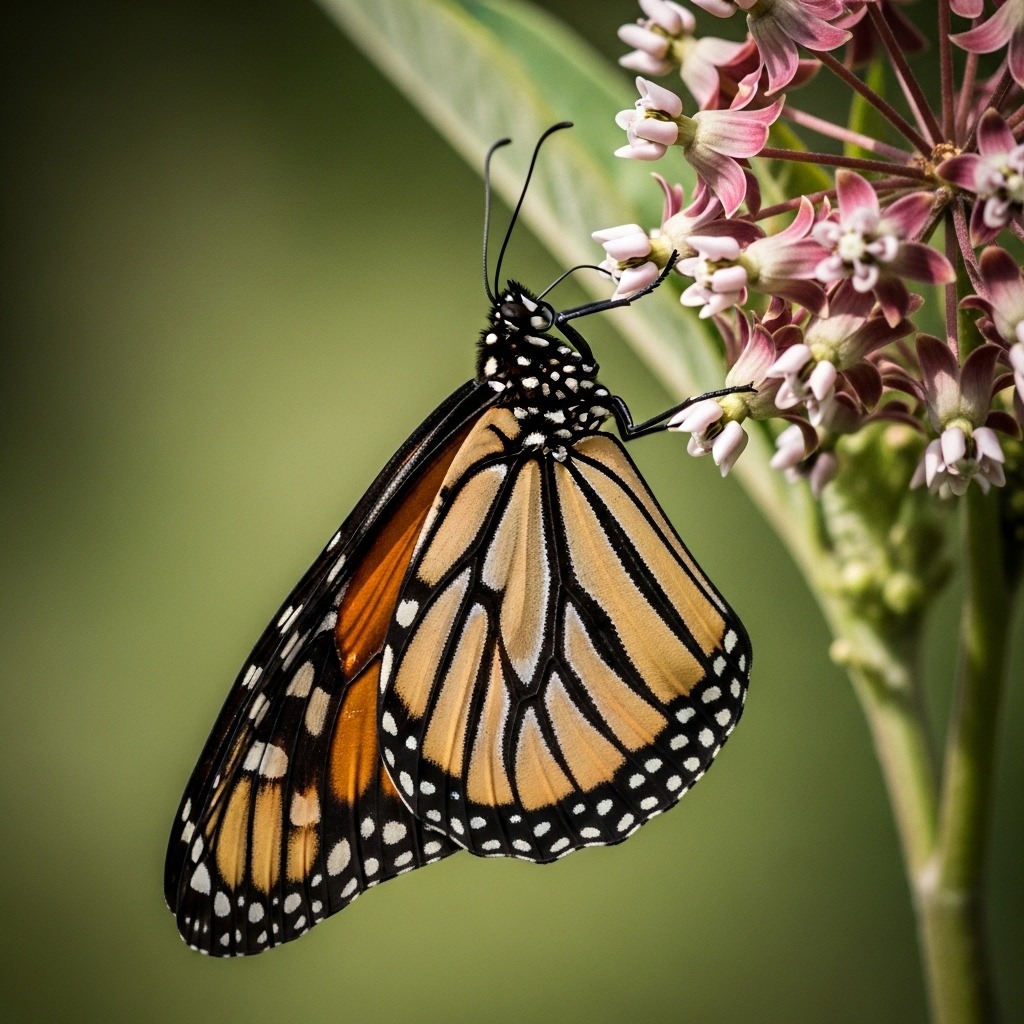
Monarchs travel up to 3,000 miles each year
Monarchs embark on a remarkable journey of up to 3,000 miles. They start in North America and head to their winter homes in Mexico. This migration usually begins in late summer. Adult butterflies can cover about 100 miles a day when conditions are right. To put it in perspective, that’s like jogging a marathon every few days!
Migration spans multiple generations
One of the coolest things about monarchs is their multi-generational migration. The butterflies that migrate to Mexico in the fall are not the same ones that return in spring. In fact, it takes up to four generations to complete the round trip! The first generation hatches in the spring, migrates north, lays eggs, and then dies. The next generation continues the journey.
- Generation 1: Migrates south, lays eggs.
- Generation 2: Continues north, lays eggs.
- Generation 3: Goes further north, lays eggs.
- Generation 4: Migrates back to Mexico.
Incredible navigation skills
How do monarchs find their way? They use a combination of environmental cues. They rely on the sun’s position and Earth’s magnetic field. This helps them navigate accurately over long distances. Imagine flying without a GPS, just using the sun and the earth beneath you!
These incredible navigation skills ensure that monarchs can make their way back to the same forests in Mexico year after year. It’s a wondrous aspect of their life cycle that showcases their resilience and adaptability.
2. Monarch Caterpillars Depend Exclusively on Milkweed
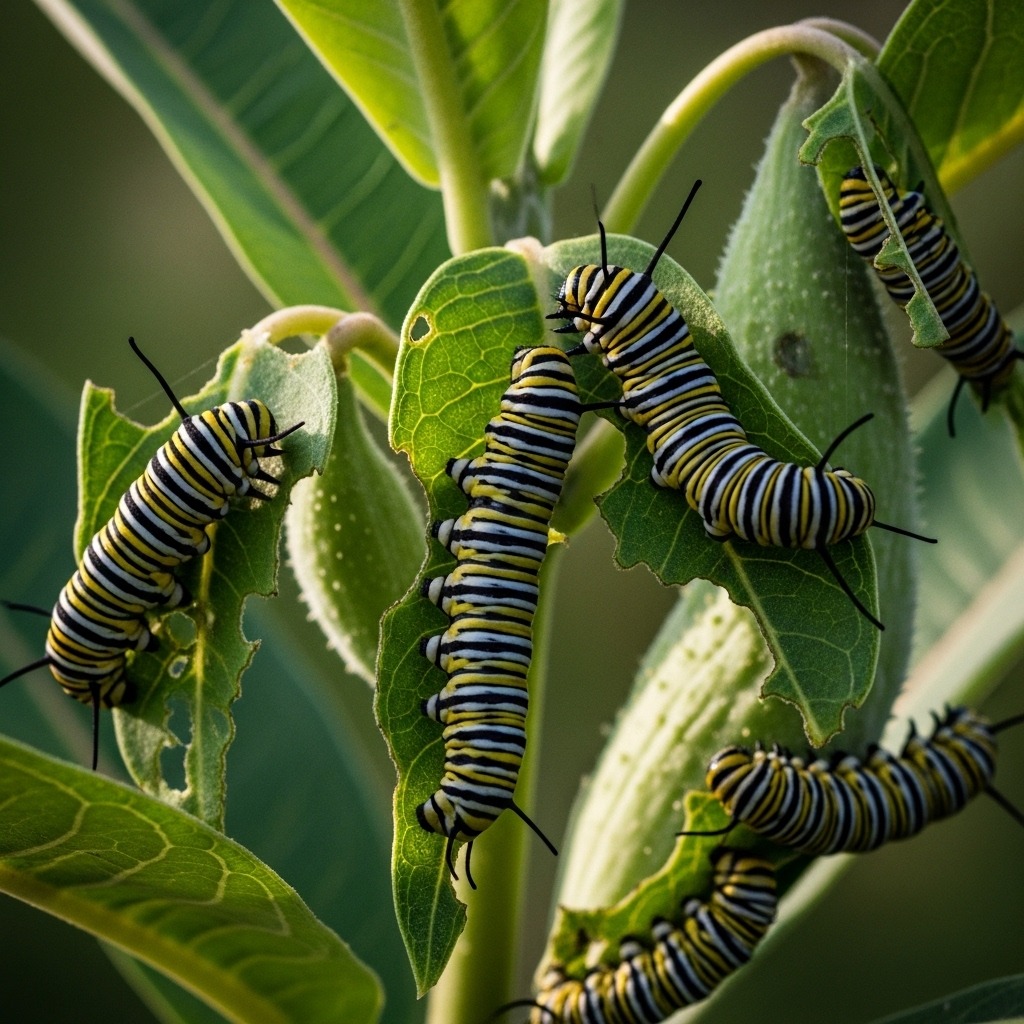
Milkweed is the lifeblood for monarch caterpillars. It’s the only plant they eat, and it plays a big role in their survival and development.
Table of Contents
Milkweed is the sole food source for caterpillars
Monarch caterpillars feast on milkweed leaves. This plant is rich in nutrients and helps them grow quickly. In fact, they can gain up to 2,700 times their original mass while munching on this plant.
Here’s why milkweed is so crucial:
- Nutrition: It provides essential nutrients for growth.
- Safety: The toxins in milkweed make the caterpillars unappetizing to predators.
The role of milkweed in the butterfly’s toxicity
Milkweed contains toxic compounds called cardenolides. When caterpillars eat these leaves, they store the toxins in their bodies. This makes adult monarch butterflies distasteful to birds and other predators.
This defense mechanism is vital. It allows monarchs to thrive in environments where many other butterflies might not survive.
Impact of milkweed availability on populations
The availability of milkweed directly affects monarch populations. When milkweed is plentiful, caterpillars have enough food to grow and develop into butterflies. If milkweed is scarce, fewer caterpillars survive to adulthood.
A healthy milkweed population supports:
- Higher survival rates: More caterpillars become butterflies.
- Stronger migration: More butterflies mean better migration success.
Conservation efforts focus on planting milkweed in gardens and natural areas. This helps ensure a steady supply for these amazing creatures.
3. Monarch Butterflies Use Toxins for Defense
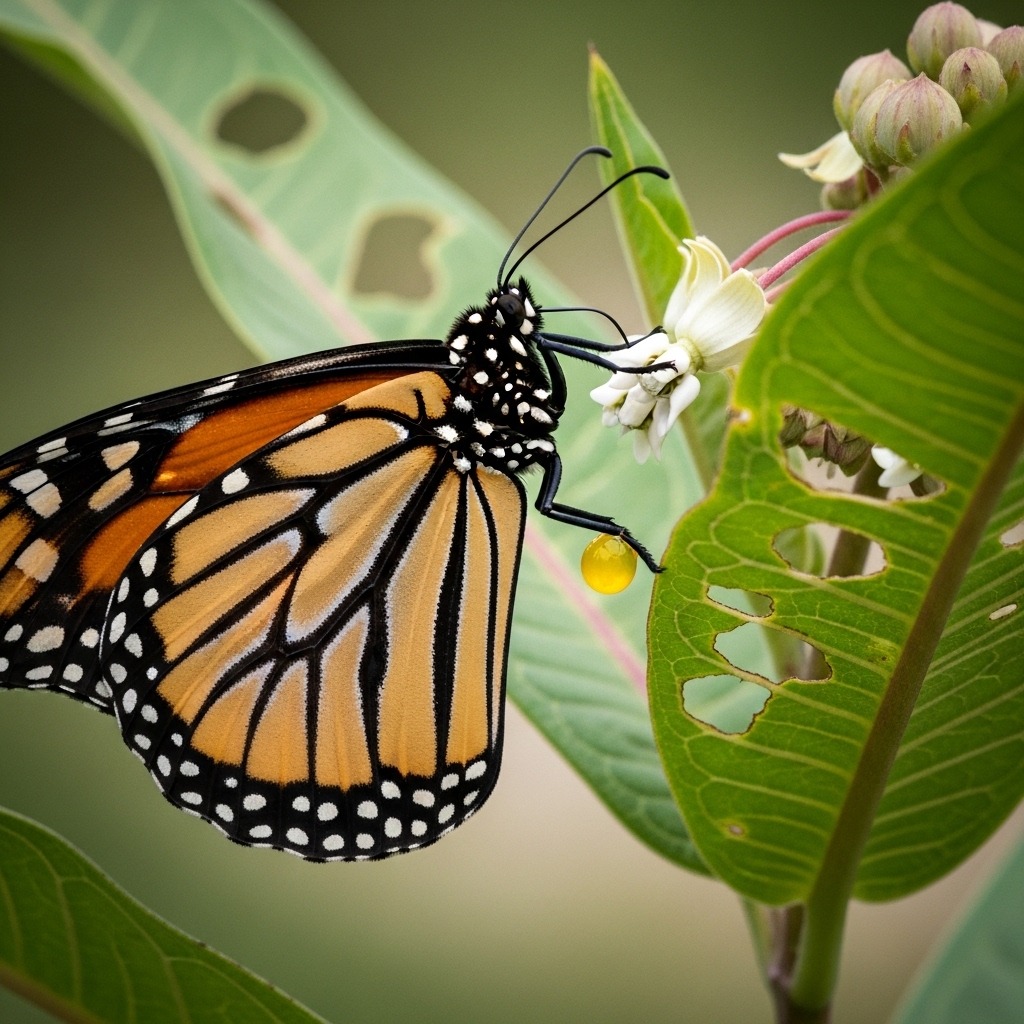
Monarch butterflies have a unique survival strategy. They use toxins from milkweed to deter predators. This clever tactic helps them thrive in the wild.
Monarchs retain toxins from milkweed
Monarch caterpillars feast on milkweed. This plant contains toxic compounds called cardenolides. When caterpillars munch on it, they absorb these toxins. As butterflies, they retain these poisons in their bodies. This makes them taste bad to many animals. Birds and other predators learn quickly to avoid them.
Bright coloration as a warning signal
Monarchs are famous for their bright orange wings. This vivid coloring serves a purpose. It acts as a warning signal to potential predators. The bright colors signal that they are toxic and not worth the risk. Over time, predators associate the color with a bad taste. This evolutionary advantage helps monarchs survive longer and reproduce more.
Evolutionary advantages of toxin retention
The retention of toxins offers significant evolutionary benefits. It allows monarchs to occupy ecological niches where other butterflies cannot. With fewer predators, they can thrive and build strong populations. This adaptation has been crucial for their survival during migration.
In short, the combination of toxins and bright colors makes monarch butterflies fascinating survivors. They’ve turned their diet into a powerful defense mechanism.
4. The Lifespan of Monarch Butterflies Varies Significantly
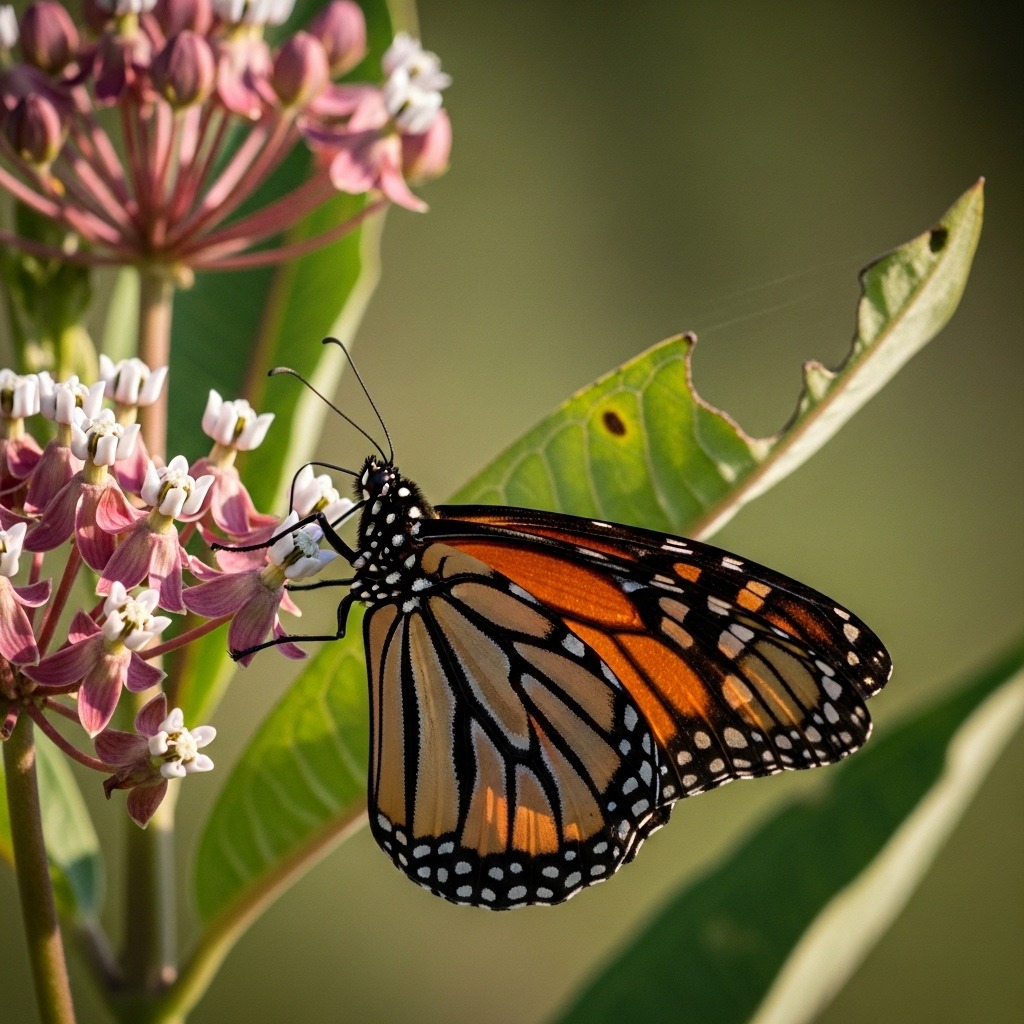
Monarch butterflies have different lifespans depending on whether they are migratory or non-migratory. This variation is fascinating and tells us a lot about their life cycle.
Lifespan of Non-Migratory Monarchs
Non-migratory monarchs typically live for about 2 to 6 weeks. During this time, they focus on feeding and reproducing. They don’t travel long distances, which limits their lifespan.
Longer Lifespan of Migratory Monarchs
Migratory monarchs are a different story. They can live for 6 to 8 months! These butterflies are born just before migration. They travel thousands of miles to warmer areas, where they’ll spend the winter. This extended lifespan helps them survive the journey and reproduce in the spring.
Factors Affecting Lifespan
Several factors influence how long monarchs live:
- Diet: Monarchs that eat abundant milkweed tend to live longer.
- Weather: Harsh conditions can shorten their lifespan.
- Predation: Less exposure to predators increases survival rates.
| Generation Type | Average Lifespan |
|---|---|
| Non-Migratory Monarchs | 2 to 6 weeks |
| Migratory Monarchs | 6 to 8 months |
Understanding these lifespan differences sheds light on the incredible adaptations of monarch butterflies. It reveals how their life cycle and migration are closely linked to their survival.
5. Male and Female Monarchs Have Distinct Differences
Monarch butterflies are not just pretty faces; males and females have unique traits that set them apart. Let’s dive into what makes them different!
Identifying Male and Female Monarchs
- Wings: Males have thinner black lines on their wings. Females have thicker lines and more vivid orange coloring.
- Black Spots: Males feature small black spots on their hindwings. These spots are absent in females.
- Size: Females are generally larger than males, giving them a more robust look.
Behavioral Differences During Mating
Mating behaviors also highlight their differences:
- Courtship: Males perform aerial displays to attract females. They flutter and dance in the air, showing off their vibrant colors.
- Mating Duration: When they do mate, it can last for several hours. This is longer than many other butterfly species.
Physical Traits That Distinguish the Sexes
A few more physical features to keep in mind:
- Antennae: Males have more slender antennae, while females’ are slightly thicker.
- Abdomen Shape: The male’s abdomen is narrower, making it look more streamlined compared to the broader abdomen of the female.
Quick Comparison Table
| Trait | Male Monarch | Female Monarch |
|---|---|---|
| Wing Lines | Thinner | Thicker |
| Black Spots | Present | Absent |
| Size | Smaller | Larger |
| Antennae | More slender | Slightly thicker |
| Abdomen Shape | Narrower | Broader |
Knowing these differences can enhance your butterfly-watching experience. Spotting a male versus a female can be quite fun! Plus, it adds to the fascinating world of monarch butterflies.
6. Monarch Butterflies Are Known for Their Stunning Coloration
Monarch butterflies are famous for their striking orange and black wings. This beautiful coloration plays a vital role in their survival.
Coloration as a warning to predators
The bright colors of monarch butterflies serve as a warning. This is called aposematism. It signals to predators that they are toxic. Monarchs feed on milkweed, which contains toxic compounds. These toxins accumulate in their bodies, making them unappetizing. Birds learn to associate the vibrant orange color with a bad taste. As a result, they avoid eating monarchs, increasing their chances of survival.
The science behind their vivid colors
Monarch butterflies’ wings are covered in tiny scales. These scales create the vivid orange hue and black patterns. The combination of these colors not only attracts mates but also deters predators. The black lines on their wings help break up their outline, making it harder for predators to spot them in the wild.
Cultural significance of their colors
Throughout history, different cultures have interpreted the colors of monarch butterflies in various ways. For some, they symbolize transformation and change due to their life cycle from caterpillar to butterfly. In other cultures, their vibrant colors represent beauty and freedom. In folklore, they are often seen as messengers from the spirit world. This cultural significance adds to the allure of their stunning appearance.
| Aspect | Description |
|---|---|
| Warning Coloration | Bright orange and black signal toxicity to predators |
| Aposematism | Strategy to avoid predation |
| Cultural Interpretations | Symbols of transformation and beauty |
Understanding the role of coloration in monarch butterflies helps us appreciate their beauty and ecological importance.
7. Monarch Butterflies Have a Unique Life Cycle
Monarch butterflies go through a fascinating life cycle, transforming dramatically at each stage. Understanding their life cycle helps us appreciate these beautiful creatures even more.
Eggs and Caterpillar Development
The journey begins when a female monarch lays her eggs. She typically deposits hundreds of sticky eggs on the underside of milkweed leaves.
- Eggs: Tiny, about the size of a pinhead, and usually greenish or white.
- Caterpillar (Larva): After a few days, the eggs hatch into caterpillars, also known as larvae. These caterpillars are voracious eaters. They consume milkweed leaves, gaining weight rapidly—up to 2,700 times their original mass!
Caterpillars remain in this stage for about 10 to 17 days. They munch on milkweed, which makes them toxic to predators. This toxicity acts as a defense mechanism, helping them survive in the wild.
Chrysalis Stage and Metamorphosis
Once the caterpillar is ready, it enters the chrysalis stage. This is where the real magic happens.
- Chrysalis: Also called a pupa, this stage lasts about 10 days. The caterpillar hangs upside down from a branch and forms a hard outer shell. Inside, it undergoes a complex transformation.
During this time, caterpillars dissolve their old tissues and reorganize into the butterfly structure. It’s a delicate process, but essential for their development.
Adult Emergence and Mating
After the chrysalis stage, the adult butterfly emerges. This is a breathtaking moment!
- Emergence: The butterfly’s wings are crumpled and wet at first. It pumps fluid into its wings to expand them. Within a few hours, the wings dry and become vibrant.
- Mating: Once fully developed, adult monarchs can live for two to six weeks. They typically mate during this time. Females will lay eggs to continue the cycle, often returning to milkweed plants.
Understanding these stages can inspire conservation efforts. You can help monarchs thrive by planting milkweed in your garden. This support is crucial for their life cycle and populations.
8. Monarch Butterflies Face Numerous Threats Today
Monarch butterflies are facing some serious challenges in today’s world. From habitat loss to climate change, these beautiful creatures need our help. Let’s dive into the main threats they face.
Impact of Climate Change on Populations
Climate change is a big deal for monarchs. It disrupts their migration patterns and affects their breeding. Warmer temperatures can lead to early flowering plants, which confuses the butterflies. They may find food sources gone when they arrive.
- Population Decline: Over the past few decades, monarch populations have dropped by about 90%. This staggering statistic shows how urgent the situation is.
Loss of Habitat and Food Sources
Monarchs rely on milkweed for survival. Unfortunately, urban development and agriculture are wiping out these critical plants.
- Habitat Loss: More than 50% of milkweed has disappeared in the U.S. This loss directly impacts monarch reproduction and survival rates.
- Food Sources: Without milkweed, caterpillars can’t grow, and adult butterflies struggle to find nourishment.
Pesticides and Their Effects on Monarchs
Pesticides pose another major threat. Chemicals used in farming and gardening can be toxic to butterflies.
- Exposure Risks: When butterflies come into contact with pesticides, it can lead to mortality or reproductive issues. This adds to their declining numbers.
- Ecosystem Impact: Pesticides not only harm monarchs but also disrupt entire ecosystems, affecting various plant and animal species.
How You Can Help
You can make a difference! Here are a few easy steps:
- Plant Milkweed: Create a butterfly-friendly garden by adding milkweed.
- Avoid Pesticides: Use natural pest control methods.
- Support Conservation Efforts: Get involved with local organizations working to protect monarch habitats.
By taking these small actions, we can help ensure that monarch butterflies continue to grace our skies for generations to come.
9. Cultural Significance of Monarch Butterflies in Folklore
Monarch butterflies hold a special place in various cultures around the world. Their beauty and incredible migration have sparked numerous stories and beliefs throughout history.
Monarchs in Native American Culture
Many Native American tribes view monarch butterflies as symbols of transformation and rebirth. They often associate these butterflies with the souls of ancestors. For instance, the Ojibwe people believe that when a monarch appears, it signifies a message from the spirit world. The butterfly’s journey mirrors life’s journey, reminding us of the cycles of life and death.
Legends Surrounding Migration
The migration of monarchs is nothing short of magical. In Mexican folklore, the arrival of these butterflies around Día de los Muertos (Day of the Dead) is seen as a sign that the spirits of loved ones have returned. This connection adds a layer of reverence to their migration, making it a powerful symbol of remembrance and the connection between the living and the dead.
Symbolism in Modern Culture
In contemporary times, monarch butterflies symbolize hope and resilience. They inspire conservation efforts and serve as reminders of the fragile balance of our ecosystems. Art, literature, and even tattoos often feature these butterflies, reflecting their role as a universal symbol of beauty and transformation.
Quick Cultural Insights
- Transformation: Monarchs represent change and growth in many cultures.
- Connection to Ancestors: Seen as messengers from the spirit world.
- Hope and Resilience: Modern symbols for environmental awareness.
These cultural interpretations highlight how monarch butterflies are more than just beautiful insects; they are woven into the fabric of human belief and storytelling.
10. Conservation Efforts Are Essential for Monarch Survival
Monarch butterflies face many challenges today. Habitat loss and pesticide use threaten their survival. But you can make a difference! Here’s how individuals and organizations can help protect these beautiful insects.
Creating butterfly-friendly gardens
One of the best ways to support monarchs is by planting milkweed. This is the only food source for monarch caterpillars. Here’s a quick checklist for your garden:
- Plant native milkweed: Choose local varieties to ensure they thrive.
- Add nectar-rich flowers: Include flowers that bloom at different times to provide food for adult butterflies.
- Avoid pesticides: Use natural pest control methods to keep your garden safe for butterflies.
By creating a butterfly-friendly garden, you provide a safe haven for monarchs to feed and reproduce.
Supporting conservation organizations
Many organizations work hard to protect monarch habitats. You can support their efforts in several ways:
- Donate: Financial support helps organizations with research and conservation projects.
- Volunteer: Join local conservation groups for hands-on help in preserving habitats.
- Join campaigns: Participate in events or initiatives focused on monarch conservation.
Every little bit helps! Supporting these groups can lead to significant changes for monarch populations.
Educating others about monarchs
Knowledge is power. Share what you learn about monarch butterflies with friends and family. Here are some ideas:
- Host a workshop: Teach others how to create butterfly gardens.
- Share on social media: Post facts and photos about monarchs to raise awareness.
- Involve schools: Encourage local schools to include monarch education in their curriculum.
By spreading the word, you can inspire others to join the fight for monarch conservation.
Remember, every action counts in the effort to save monarch butterflies. Together, we can ensure these stunning creatures continue to grace our skies for generations to come!
11. The Role of Monarch Butterflies in Ecosystems
Monarch butterflies are more than just beautiful creatures. They play a vital role in maintaining ecological health and promoting biodiversity. Let’s dive into how they contribute to their ecosystems.
Monarchs as Pollinators
Monarch butterflies are important pollinators. While sipping nectar from flowers, they help plants reproduce. This process supports healthy plant populations and diverse ecosystems.
- Key Pollination Partners: Monarchs pollinate a variety of plants, including milkweed, coneflowers, and asters.
- Supporting Biodiversity: By aiding in plant reproduction, monarchs help sustain habitats for other wildlife.
Impact on Plant Diversity
Monarchs directly influence plant diversity. Their reliance on milkweed for survival encourages the growth of this plant, which is crucial for their life cycle.
- Milkweed Dependency: Monarch caterpillars only eat milkweed. This specificity ensures that milkweed remains a thriving part of their habitat.
- Native Plant Growth: The presence of monarchs can lead to increased growth of native plants, promoting a balanced ecosystem.
Indicators of Environmental Health
Monarch butterflies serve as indicators of environmental health. Their populations reflect the state of their ecosystems.
- Sensitive to Changes: Monarchs are affected by habitat loss and climate change. A decline in their numbers often signals broader ecological issues.
- Biodiversity Barometer: Healthy monarch populations indicate a thriving ecosystem, while a decline can point to environmental stressors.
—
By appreciating the role of monarch butterflies in our ecosystems, we can better understand the importance of conservation efforts. These stunning creatures are not just a sight to behold; they are essential to the health of our planet.
Frequently Asked Questions
These quick answers cover the most common questions about this topic, including key details, practical tips, and common concerns.
What are 10 interesting facts about butterflies?
Butterflies are fascinating insects with remarkable behaviors. For example, monarchs migrate thousands of miles annually, and their caterpillars rely exclusively on milkweed. Many butterflies have bright warning colors that signal toxicity, helping them avoid predators. Their life cycle includes unique stages like egg, larva (caterpillar), pupa (chrysalis), and adult butterfly. Some species live only a few weeks, while others, like monarchs during migration, can live several months. Their vibrant wings not only attract mates but also serve as a defense mechanism. Overall, butterflies are vital pollinators and indicators of environmental health.
What is the rarest monarch butterfly?
The rarest monarch butterfly is the western monarch, which migrates to coastal California instead of Mexico. Due to habitat loss and pesticide use, their populations have declined sharply. These butterflies are often seen in specific coastal colonies and are considered endangered in some areas. Conservation efforts focus on protecting their breeding sites and milkweed habitats to help preserve this unique subgroup.
How many hearts does a monarch butterfly have?
A monarch butterfly has a single heart, like most insects. Their circulatory system is open, meaning their heart pumps hemolymph (insect blood) through their body cavity. This system helps distribute nutrients and oxygen to their tissues but is less efficient than a vertebrate’s closed circulatory system.
What is the monarch butterfly’s biggest predator?
The primary predators of monarch butterflies are birds, especially species like the black-backed orioles and certain thrushes. However, their toxicity, which they acquire from milkweed, deters many predators. Some insects and spiders may also prey on caterpillars or pupae, but birds are the main threat to adult monarchs.
How do monarch butterflies migrate?
Monarchs migrate by using environmental cues such as the sun’s position and Earth’s magnetic field. They navigate with remarkable accuracy, often traveling up to 3,000 miles to their wintering grounds in Mexico or coastal California. They fly during the day, resting at night, and often migrate in groups to improve navigation and safety.
Why are monarch butterflies important?
Monarchs play a crucial role as pollinators, supporting plant reproduction and biodiversity. Their dependence on milkweed helps maintain native plant populations. Additionally, they serve as indicators of ecosystem health, alerting us to environmental changes like habitat loss and climate shifts. Their migration also holds cultural and ecological significance.
When do monarch butterflies migrate?
Monarchs typically begin their southward migration in late summer to early fall, around August to October. They arrive at their wintering sites in Mexico or California by October. In spring, they migrate northward to reproduce, with the cycle repeating annually.
What threats do monarch butterflies face?
Major threats include habitat destruction, especially the loss of milkweed due to agriculture and urban development. Pesticide use also harms monarchs directly or contaminates their food sources. Climate change affects migration timing and breeding patterns, further endangering populations. These combined pressures have led to significant declines in monarch numbers worldwide.