
Pollinator safe pesticides are designed to protect beneficial insects like bees and butterflies while effectively managing pests. Understanding how to use them responsibly is crucial for maintaining healthy garden ecosystems and promoting pollinator health.
Understanding Pollinator Safe Pesticides
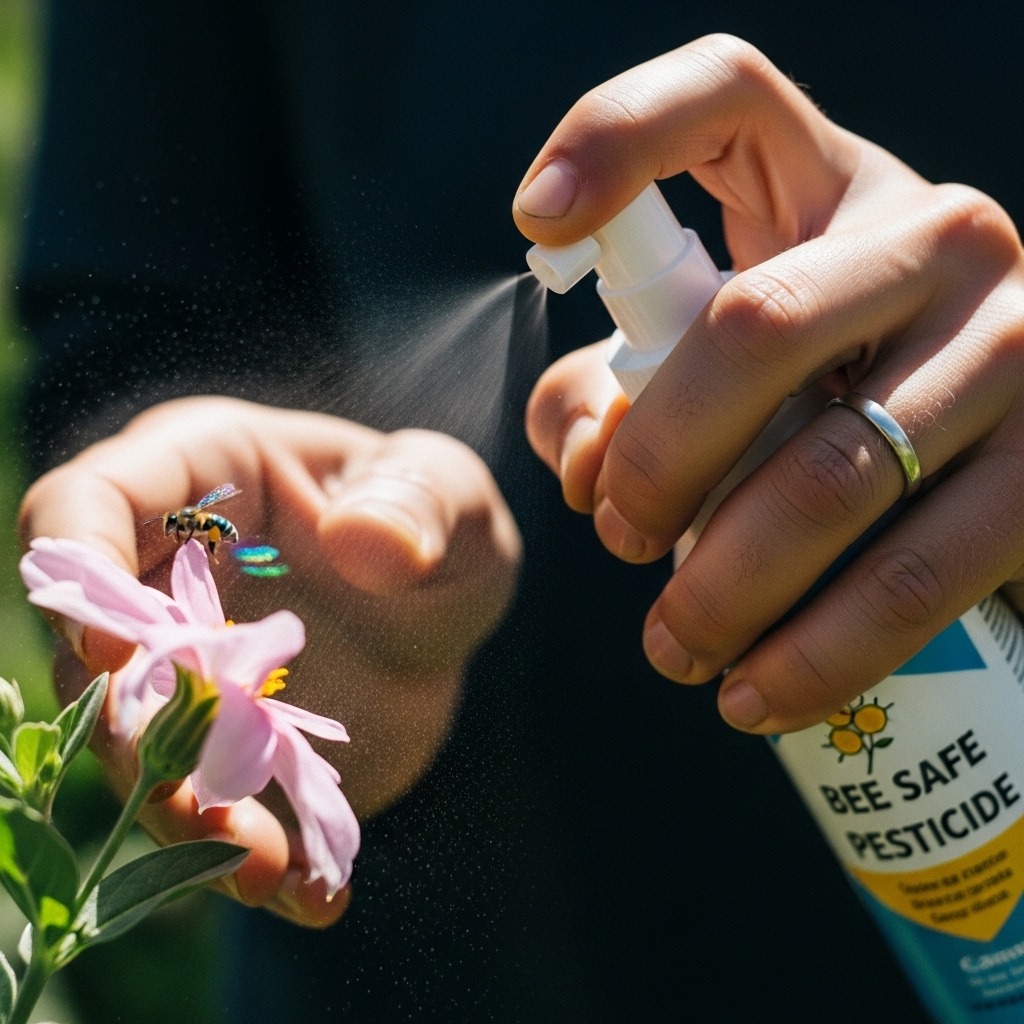
Pollinator safe pesticides are specially formulated to minimize harm to beneficial insects like bees and butterflies. Using them correctly is key to maintaining vibrant ecosystems in our gardens.
What Are Pollinator Safe Pesticides?
Pollinator safe pesticides include various products designed to target pests without harming pollinators. This category often features ingredients like:
- Neem oil: A natural pesticide that disrupts pest life cycles.
- Spinosad: An organic compound that is effective against certain insects.
- Bacillus thuringiensis (Bt): A bacterium that specifically targets caterpillars and other pests.
These alternatives are safer for pollinators than traditional insecticides, especially those containing neonicotinoids, which can be deadly even in small amounts.
The Role of Pollinators in Ecosystems
Pollinators play a vital role in our ecosystems. They help plants reproduce by transferring pollen, which is essential for fruit and seed production. Here are some key stats to consider:
- One-third of the food we eat depends on pollinators.
- Pollinator populations have declined by over 30% in recent years.
This decline can lead to reduced crop yields and loss of biodiversity. Protecting pollinators means safeguarding our food supply and the health of the environment.
Practical Tips for Using Pesticides Safely
When using any pesticide, consider these best practices:
Table of Contents
- Assess the need: Only apply pesticides when absolutely necessary.
- Timing matters: Spray in the early morning or late evening when pollinators are less active.
- Target specific pests: Avoid broad-spectrum insecticides that kill beneficial insects.
By following these tips, you can protect your plants while ensuring pollinators thrive in your garden.
Types of Pesticides and Their Impact on Pollinators
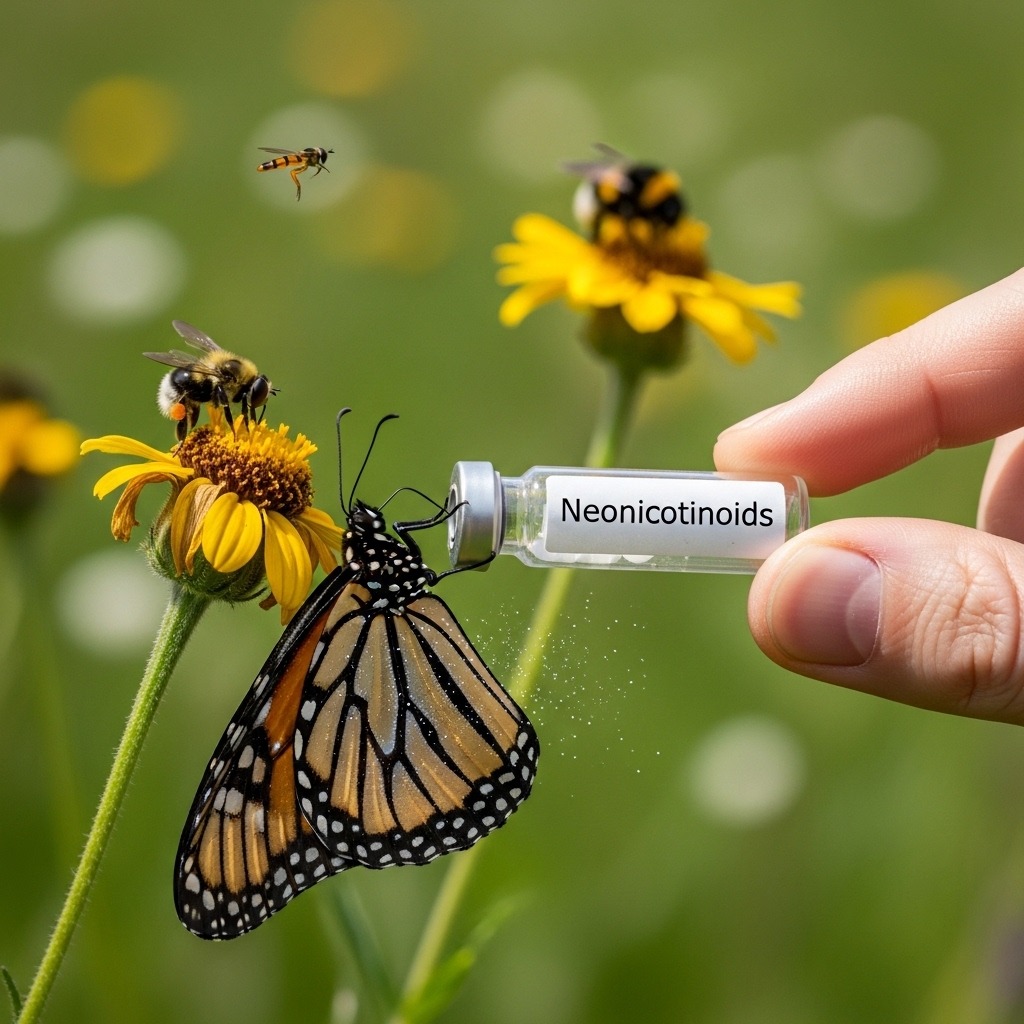
Understanding the different types of pesticides is crucial when aiming to protect our beloved pollinators. Each category poses unique risks to these vital creatures, so let’s break them down.
Insecticides: The Biggest Threat
Insecticides are designed to kill insects, including pests that damage plants. However, they can also harm beneficial insects like bees and butterflies. Here are a few key points:
- Broad-Spectrum vs. Selective: Broad-spectrum insecticides target a wide range of insects. This means they can wipe out both pests and pollinators. Selective insecticides are less harmful but still require careful use.
- Systemic Insecticides: These are absorbed by plants and can remain toxic for a long time. Pollinators can be affected even if they don’t come into direct contact with the pesticide.
Herbicides and Their Effects
Herbicides are used to control unwanted plants or weeds. While they primarily target plants, they can indirectly affect pollinators. Here’s how:
- Plant Diversity: Many pollinators rely on a variety of flowers for food. Herbicides can reduce this diversity, leading to less food for bees and other pollinators.
- Residual Effects: Some herbicides can persist in soil and water, affecting plants and pollinators long after application.
A Quick Comparison Chart
| Pesticide Type | Impact on Pollinators | Safety Rating |
|---|---|---|
| Insecticides | High | Varies |
| Herbicides | Moderate | Varies |
| Fungicides | Low | Generally safe |
Practical Tips for Gardeners
- Read Labels: Always check for pollinator safety ratings on pesticide labels.
- Choose Wisely: Opt for low-impact pesticides like insecticidal soap or horticultural oils when possible.
- Timing is Key: Apply pesticides in the morning or evening when pollinators are less active.
By being mindful of the types of pesticides used and their potential effects, you can create a safer environment for pollinators while still managing pests effectively.
Best Practices for Safe Pesticide Application
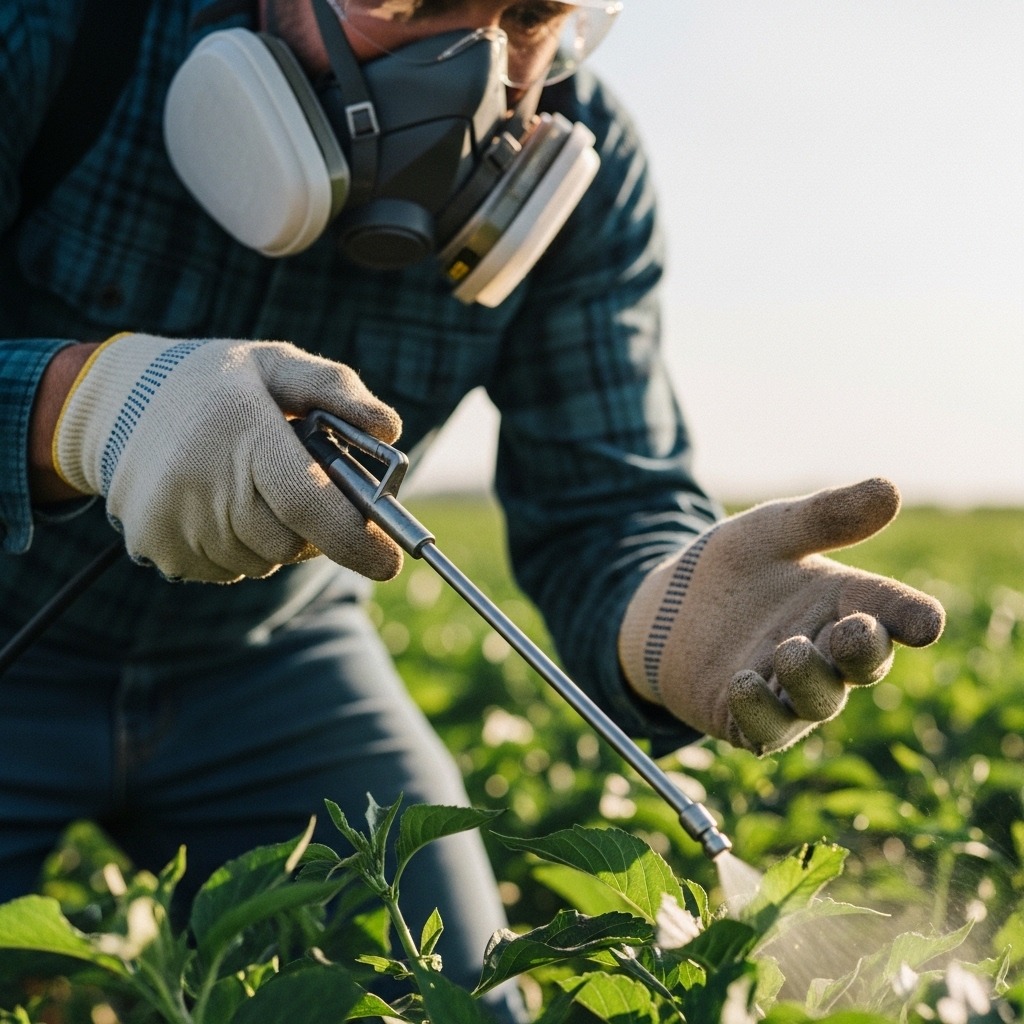
Applying pesticides safely is crucial for protecting our precious pollinators. By following a few best practices, you can manage pests without harming beneficial insects like bees and butterflies.
Timing Your Applications
When you apply pesticides matters. Bees and other pollinators are most active during the day. To minimize their exposure, aim to spray during these times:
- Early Morning: Right after sunrise, when pollinators are still resting.
- Late Evening: After sunset, when most pollinators have returned to their nests.
Avoid applying pesticides during the day when flowers are in bloom and buzzing with life.
Targeting Specific Pests Only
It’s important to be precise when using pesticides. Here’s how you can effectively target pests while keeping pollinators safe:
- Identify the Pest: Know what you’re dealing with. This helps you choose the right pesticide.
- Spot Treatment: Instead of spraying entire plants, apply pesticides directly to affected areas.
- Use Pesticides Only When Needed: Avoid preventive treatments. Only use pesticides if there’s a proven pest problem.
Actionable Checklist for Safe Application Practices
Use this checklist to ensure a responsible approach to pesticide use:
- Read Labels: Check for pollinator safety ratings.
- Choose Low-Impact Options: Opt for insecticidal soaps or horticultural oils.
- Check Weather Conditions: Avoid windy or rainy days to prevent drift and runoff.
- Limit Use Near Blooming Plants: Wait until blooms have faded before applying pesticides.
- Follow Directions: Always adhere to the product label for application rates and timing.
By taking these steps, you can protect pollinators while managing pests effectively. Remember, every small action contributes to a healthier environment for all.
Alternatives to Chemical Pesticides
Looking for ways to keep your garden thriving without harming pollinators? You’re in luck! There are plenty of organic and natural alternatives to traditional chemical pesticides that can help you manage pests while protecting our buzzing friends.
Natural Predators as Pest Control
One of the best ways to control pests is by inviting their natural enemies into your garden. Beneficial insects, like ladybugs and lacewings, feast on aphids and other harmful pests. Here’s how to attract them:
- Plant Diversity: Grow a variety of plants to create a rich ecosystem.
- Flower Power: Include nectar-rich flowers like marigolds and yarrow to lure in beneficial insects.
- Provide Habitat: Use small rocks, logs, or insect hotels to give them a place to hide and breed.
By fostering a habitat for these helpful critters, you reduce the need for chemical interventions.
Using Essential Oils
Essential oils can be a fantastic, gentle alternative to chemical pesticides. They have natural insect-repelling properties and can be used in various ways:
- Peppermint Oil: Mix with water and spray on plants to deter pests like spiders and ants.
- Citrus Oils: Use lemon or orange oil to repel aphids and whiteflies.
- Clove Oil: This can help manage fungus gnats and other small flying insects.
Just remember to dilute these oils properly and test them on a small area first to avoid harming your plants.
List of Effective Organic Pesticide Alternatives
Here’s a handy list of organic options that you might consider using:
- Insecticidal Soaps: Effective against soft-bodied insects.
- Neem Oil: Derived from the neem tree, it disrupts the life cycle of pests.
- Diatomaceous Earth: A natural powder that can be sprinkled around plants to kill crawling insects.
- Garlic Spray: A homemade solution that repels various pests due to its strong odor.
Using these alternatives not only helps protect pollinators but also contributes to healthier soil and plants in your garden. Just remember, always apply these options thoughtfully and as needed!
Creating a Pollinator-Friendly Garden
Designing a garden that attracts and sustains pollinators is both rewarding and essential. With a few thoughtful choices, you can create a thriving space for these vital creatures while managing pests effectively.
Choosing the Right Plants
Selecting the right plants is crucial for attracting pollinators. Native plants are often the best choice. They not only provide food but also support local ecosystems. Here are some great options:
- Bee Balm: Attracts bees and butterflies.
- Coneflower: A favorite for many pollinators and birds.
- Milkweed: Essential for monarch butterflies.
- Lavender: Great for bees and has a lovely scent.
Aim to plant in clusters. This makes it easier for pollinators to find and access food sources. Diverse blooms that flower at different times of the year ensure a steady food supply.
Creating Habitats for Beneficial Insects
A pollinator-friendly garden isn’t just about flowers. It also needs safe spaces for pollinators to rest and breed.
- Provide Shelter: Leave some areas of your garden wild. Piles of leaves or logs can be homes for beneficial insects.
- Water Sources: Include shallow water dishes with pebbles. Pollinators need hydration just like any other creature.
- Avoid Chemicals: Minimize pesticide use to protect the critters you want to attract. When you must use pesticides, opt for pollinator-safe options and apply them wisely.
Practical Tips for Managing Pests
While you want to protect pollinators, you also need to manage pests. Here’s how to do it without harming your garden’s helpful visitors:
- Timing Matters: Apply pesticides early in the morning or late in the evening, when pollinators are less active.
- Target Specific Areas: Focus on leaves and stems, avoiding blooms where pollinators feed.
- Consider Low-Impact Options: Use insecticidal soaps or horticultural oils as they are generally safer for pollinators.
By incorporating these strategies, you can design a garden that not only looks beautiful but also supports the health of local pollinators while effectively managing pests.
Common Mistakes in Pesticide Usage
Using pesticides can be tricky, especially when you want to keep pollinators safe. Here are some common mistakes gardeners make and how to avoid them.
Ignoring Label Instructions
One of the biggest blunders is not following the label instructions. Pesticides come with specific guidelines for a reason. They tell you how much to use, when to apply, and what to avoid. Ignoring these can lead to over-application, harming both your plants and pollinators.
Checklist for Following Label Instructions:
- Read the label thoroughly before use.
- Note the recommended dosage.
- Pay attention to application timing and conditions.
Overusing Pesticides
More isn’t always better. Many gardeners think that applying more pesticide will solve their problems faster. This can backfire. It harms beneficial insects and can lead to pest resistance.
Ways to Avoid Overuse:
- Assess the situation first: Is it really necessary to apply pesticides?
- Use targeted treatments instead of blanket sprays.
- Rotate between different types of pesticides to prevent resistance.
Real-Life Example: The Butterfly Garden
Take the case of a community butterfly garden. The owner sprayed pesticides every week, thinking it would keep pests away. Instead, they noticed fewer butterflies and bees. The constant pesticide use wiped out beneficial insects, leading to more pest problems. By switching to a low-impact approach and reducing applications, the garden thrived again, attracting pollinators back.
Decision Rule for Pesticide Application
When considering whether to use pesticides, ask yourself:
1. Is there a noticeable pest problem?
2. Are beneficial insects present?
3. Can I manage the pests using non-chemical methods first?
If you answer “yes” to the first question and “no” to the others, then it’s time to consider a pesticide. But always choose the least harmful option available.
By avoiding these common mistakes, you’ll not only protect your plants but also create a safe haven for pollinators.
Understanding Pesticide Labels
Reading pesticide labels is essential for safe usage, especially when protecting our pollinators. A clear understanding helps you make informed choices that benefit both your plants and the buzzing friends in your garden.
Key Components of a Pesticide Label
A pesticide label contains crucial information to guide your application process. Here’s what to look for:
- Product Name: The brand and type of pesticide.
- Active Ingredients: These are the chemicals responsible for controlling pests. Look for ingredients that are known to be less harmful to pollinators.
- Directions for Use: This section tells you how to apply the product safely. Always follow these instructions closely.
- Precautionary Statements: Here, you’ll find warnings about potential risks to humans and animals, including pollinators.
- Environmental Hazards: This section highlights any risks to the environment, such as toxicity to bees and butterflies.
- Storage and Disposal Instructions: Learn how to store the product safely and dispose of it correctly to minimize harm.
Identifying Pollinator Risks
To protect our pollinators, it’s vital to identify which pesticides pose risks. Here are some tips:
- Look for Bee Warning Symbols: Labels often have specific symbols indicating risks to bees.
- Check Application Timing: Avoid applying pesticides during blooming periods. Early morning or late evening is best when pollinators are less active.
- Review Environmental Hazard Statements: These will indicate the toxicity level of the pesticide to beneficial insects.
Quick Checklist for Reading Pesticide Labels
When reading pesticide labels, keep this checklist handy:
- Does it have a bee warning symbol?
- Are the active ingredients known to harm pollinators?
- Does it specify safe application times?
- Are there recommendations for minimizing risk to beneficial insects?
By following these steps, you can confidently choose products that safeguard your plants while also protecting the crucial pollinators that help them thrive.
Timing Your Pesticide Applications
Timing is everything when it comes to applying pesticides safely. You want to protect your plants while keeping pollinators safe. Here are some tips on the best times to apply pesticides.
Morning vs. Evening Applications
Pollinators are usually busy buzzing around during the day. This makes morning or late evening the ideal times to spray.
- Morning: Apply pesticides early when temperatures are cooler and pollinators are less active.
- Evening: Spray after sunset when bees are returning to their hives. This minimizes contact with foraging insects.
Seasonal Considerations
Different seasons mean different pollinator activity. Here’s a quick seasonal calendar to guide your applications:
| Season | Best Application Time | Notes |
|---|---|---|
| Spring | Early morning or after sunset | Pollinators emerge; be cautious with flowering plants. |
| Summer | Late evening | Peak pollinator activity during the day. |
| Fall | Early morning | Many species are still active; monitor flower blooms. |
| Winter | Not typically needed | Most pollinators are dormant. |
Always check your garden before applying. If flowers are blooming nearby, it’s best to hold off until they’re done. This way, you’ll keep those busy bees and butterflies safe while still managing your pest problem!
The Benefits of Pollinators for Your Garden
Pollinators are the unsung heroes of our gardens. They play a vital role in supporting plant growth and food production. Understanding their benefits helps us appreciate why protecting them is so crucial.
Pollinators and Food Production
Did you know that about one-third of the food we eat relies on pollinators? These little guys, including bees, butterflies, and even some birds, are essential for the pollination of many crops. Here are some key points about their impact:
- Fruit and Vegetables: Many fruits and vegetables need pollinators to grow. Think apples, almonds, and tomatoes. Without them, we’d see a significant drop in these foods.
- Biodiversity: Pollinators help maintain biodiversity. They contribute to the reproduction of flowering plants, which in turn supports other wildlife.
- Economic Value: The agricultural sector benefits greatly from pollinators. They boost crop yields, which translates to economic gains for farmers and communities.
Ecological Balance
Pollinators help maintain ecological balance in various ways:
- Habitat Creation: By pollinating plants, they support the growth of diverse habitats. More plants mean more food and shelter for wildlife.
- Soil Health: Healthy plants contribute to better soil structure. This promotes water retention and reduces erosion, benefiting the entire ecosystem.
- Food Web Support: Pollinators are part of a larger food web. By supporting plant life, they indirectly support herbivores and the predators that rely on them.
Practical Tips for Attracting Beneficial Insects
Creating a pollinator-friendly garden is easier than you might think! Here are some simple tips to attract these important insects:
- Plant Native Flowers: Native plants are more appealing to local pollinators. They provide the right food sources and habitats.
- Avoid Pesticides: Whenever possible, limit pesticide use. If you must use them, opt for pollinator-safe options and apply them during off-peak hours.
- Create Shelter: Leave areas of your garden wild. This provides nesting sites and shelter for pollinators.
By understanding the crucial role pollinators play in our gardens, we can make informed choices. Protecting them means healthier plants, better produce, and a thriving ecosystem.
How to Identify Pollinator-Friendly Plants
Recognizing plants that are safe for pollinators is crucial for creating a thriving garden. These plants attract beneficial insects and support the ecosystem while minimizing pesticide use.
Characteristics of Pollinator-Friendly Plants
Look for these key traits in plants to ensure they are pollinator-friendly:
- Nectar-Rich Flowers: Choose plants with abundant nectar. These flowers attract bees, butterflies, and other pollinators.
- Diverse Colors: Bright, colorful blooms draw in different types of pollinators. Opt for a mix of colors to appeal to various species.
- Open Flower Structure: Flowers that are easy to access, like daisies and sunflowers, make it simple for pollinators to feed.
- Native Species: Native plants are adapted to your local environment. They provide the best food and habitat for local pollinators.
Popular Pollinator Plants by Region
Here’s a quick guide to some popular pollinator-friendly plants based on different regions:
| Region | Pollinator Plants |
|---|---|
| Northeast | Black-eyed Susan, Purple Coneflower |
| Southeast | Bee Balm, Butterfly Bush |
| Midwest | Wild Bergamot, Aster |
| Southwest | Desert Marigold, Penstemon |
| West Coast | California Poppy, Yarrow |
Tips for Selecting Pollinator Plants
When choosing plants, keep these tips in mind:
- Check Local Guides: Use local gardening resources to find the best native plants.
- Consider Bloom Times: Select plants that bloom at different times. This ensures a continuous food source for pollinators throughout the growing season.
- Avoid Hybrid Varieties: Many hybrids have less nectar and pollen. Stick to heirloom or native varieties for better results.
By focusing on these characteristics and tips, you can create a garden that not only thrives but also protects and supports vital pollinator populations.
The Importance of Integrated Pest Management (IPM)
Integrated Pest Management, or IPM, is a smart approach to pest control. It focuses on preventing pest problems while keeping pollinators safe. This method uses a mix of strategies to tackle pests without relying heavily on chemicals.
What is Integrated Pest Management?
IPM is all about balance. It combines different techniques to manage pests effectively. Here’s what it involves:
- Monitoring: Regularly check your plants for pests. Identify them early to prevent infestations.
- Prevention: Use cultural practices like crop rotation and companion planting. These methods help keep pests at bay.
- Control: If pests appear, use targeted methods. This could be mechanical (like traps) or biological (like introducing beneficial insects).
Implementing IPM in Your Garden
Ready to use IPM? Here’s a step-by-step guide:
1. Scout Your Garden: Walk through your garden regularly. Look for signs of pest activity.
2. Identify the Pests: Know what you’re dealing with. Different pests require different management strategies.
3. Set Action Thresholds: Decide when action is necessary. For example, if you notice more than five aphids per leaf, consider intervention.
4. Choose Control Methods:
- Cultural: Rotate crops yearly to disrupt pest life cycles.
- Mechanical: Use barriers like row covers to protect plants.
- Biological: Attract beneficial insects like ladybugs to eat harmful pests.
5. Evaluate and Adjust: After applying your methods, assess their effectiveness. Adjust your strategy as needed.
By following these steps, you can manage pests while protecting your garden’s pollinators. Remember, the goal of IPM is to keep pests under control without harming the vital insects that help your plants thrive.
Real-Life Examples of Pollinator-Friendly Practices
Seeing how others successfully protect pollinators can inspire us all. Here are some fantastic examples from community gardens and commercial farms that show how easy it can be to use pollinator-safe practices.
Community Gardens
In community gardens, gardeners often share tips and tricks for keeping pollinators safe. Here are a few effective strategies:
- Plant Diversity: Many community gardens plant a mix of flowers and vegetables. This not only attracts pollinators but also helps them thrive. For instance, marigolds and sunflowers are great companions for veggies.
- Safe Spraying: Gardeners spray pesticides only in the early morning or late evening. This timing reduces the risk of harming bees and butterflies. One gardener reported a significant increase in pollinator visits after switching to this method.
- Natural Barriers: Using row covers or nets can protect plants from pests while keeping pollinators safe. A gardener in a local community found that covering flowering plants during treatment led to fewer pests and more visiting bees.
Commercial Farms
Commercial farms are also adopting pollinator-friendly practices. Here’s how some are doing it:
- Integrated Pest Management (IPM): Many farms use IPM strategies, which focus on reducing pesticide use. They combine physical barriers, biological controls, and targeted pesticide applications. A farmer shared that using beneficial insects reduced their reliance on chemical pesticides by 40%.
- Organic Options: Some farms have transitioned to using only organic pesticides, like neem oil and insecticidal soaps. These products are less harmful to pollinators. A case study showed that a farm using these methods saw a 30% increase in local bee populations.
- Education and Community Engagement: Successful farms engage with the community, teaching best practices for pollinator safety. They host workshops on safe pesticide use, helping to spread the word about protecting these important insects.
By looking at what others are doing, we can learn valuable lessons to protect our pollinators while keeping our gardens healthy and vibrant.
Frequently Asked Questions
These quick answers cover the most common questions about this topic, including key details, practical tips, and common concerns.
What pesticide is safe for pollinators?
Pesticides labeled as “pollinator-safe” or “bee-friendly” are designed to minimize harm to beneficial insects. Examples include products with active ingredients like neem oil, spinosad, and Bacillus thuringiensis (Bt). Always check labels for specific safety ratings and follow application instructions carefully.
Is Sevin spray safe for pollinators?
Sevin (carbaryl) is a broad-spectrum insecticide that is generally harmful to pollinators. It can kill bees and butterflies upon contact or through residual effects. Avoid using Sevin during flowering or when pollinators are active. Opt for targeted, less harmful alternatives instead.
Are all pesticides harmful to pollinators?
Not all pesticides are equally harmful. Some, like insecticidal soaps and horticultural oils, are considered safer and less toxic to beneficial insects. However, many conventional insecticides, especially systemic and broad-spectrum types, pose risks. Always read labels and choose products with pollinator safety ratings.
How can I protect pollinators from pesticides?
Apply pesticides during early morning or late evening when pollinators are less active. Use targeted treatments on affected plants rather than broadcast spraying. Select low-impact, organic options whenever possible. Creating habitat and avoiding pesticide use during bloom times also helps.
What are the best practices for using pesticides around pollinators?
- Always read and follow label instructions.
- Spray during times of low pollinator activity (dawn or dusk).
- Use targeted, spot treatments instead of blanket applications.
- Avoid applying pesticides when plants are in full bloom.
- Opt for organic or less harmful alternatives when available.
Can I use pesticides in my garden if I want to attract bees?
Yes, but with caution. Use pollinator-safe products and apply them outside of peak bee activity times. Focus on integrated pest management practices that minimize chemical use. Plant a variety of native, nectar-rich flowers to attract bees and provide shelter.
How can I identify pollinator-friendly plants?
Look for native, nectar-rich flowers with open structures, bright colors, and continuous bloom periods. Examples include coneflowers, bee balm, milkweed, and lavender. Plant in clusters to make it easier for pollinators to find and access food sources.
What are the signs that a pesticide is harmful to pollinators?
Labels with warnings or symbols indicating toxicity to bees and other beneficial insects. Residual effects that persist in soil or water. Application instructions that suggest spraying during bloom or peak activity times. Always check for safety ratings and avoid products with high toxicity levels.
What time of day is best to apply pesticides to minimize harm to pollinators?
Early morning or late evening are ideal times. During these periods, pollinators are less active, reducing their exposure. Avoid spraying during midday when bees and butterflies are foraging actively on flowers.
Are there organic pesticides that are safe for pollinators?
Yes. Organic options like neem oil, insecticidal soaps, and Bacillus thuringiensis (Bt) are generally safer for pollinators. Use them according to label instructions, targeting specific pests and avoiding flowering plants during application.