
The yew tree, known scientifically as Taxus, is a resilient evergreen conifer with profound ecological and cultural significance. Found across temperate regions, it plays a vital role in ecosystems while also being steeped in historical importance.
Understanding the Yew Tree: Characteristics and Species
The yew tree, part of the Taxus genus, is known for its unique features and the various species that thrive in different environments. Let’s dive into what makes these evergreens special and explore some of the notable species.
Key Characteristics of Yew Trees
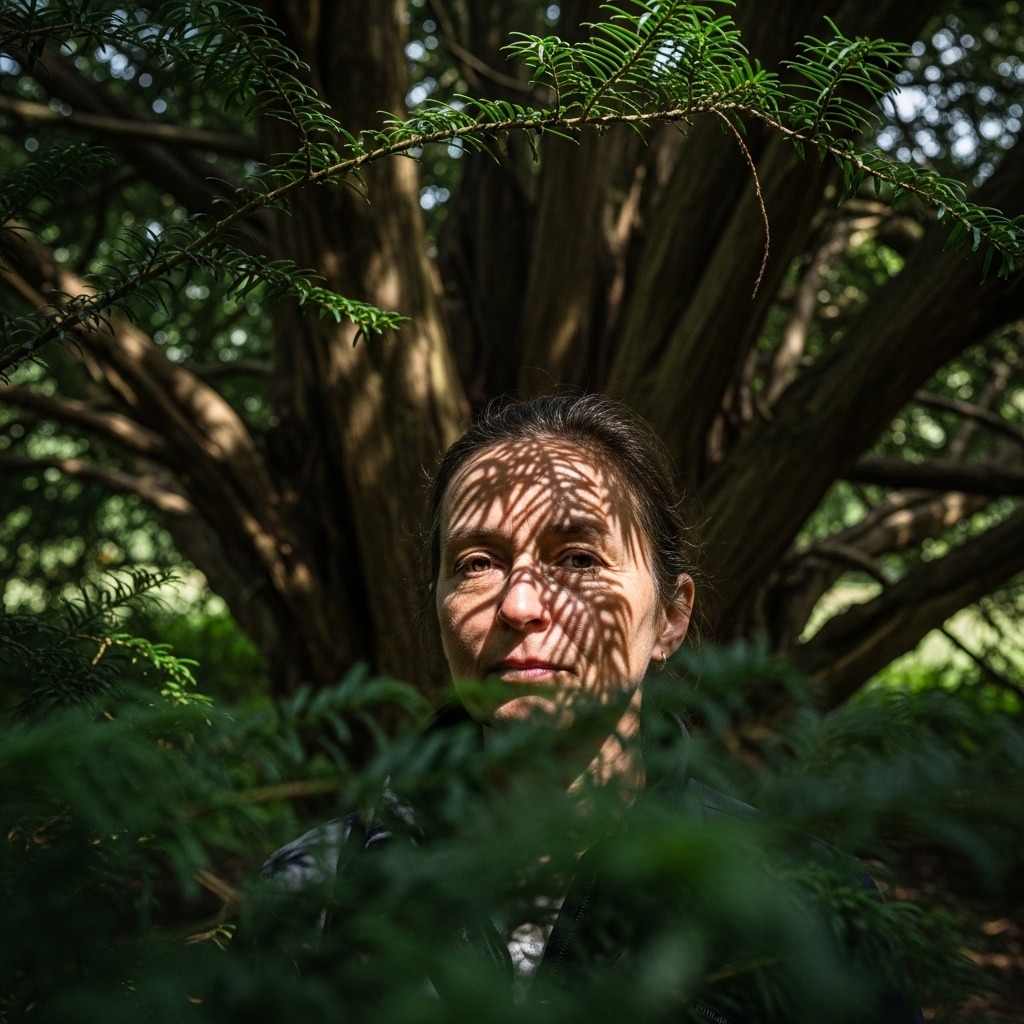
Yew trees are evergreen conifers with a few defining traits:
- Longevity: Many yews can live for over a thousand years.
- Needles: They have dark green, flat, needle-like leaves that remain year-round.
- Berries: Female yews produce distinctive red arils that encase toxic seeds.
- Growth Habit: Yews can grow as trees or shrubs, adapting to their surroundings.
These characteristics allow yews to thrive in various habitats, from dense woodlands to urban gardens.
Overview of Different Yew Species
The Taxus genus includes several species, each with unique traits and habitats. Here’s a quick look at some of the most notable:
| Species | Common Name | Habitat | Unique Traits |
|---|---|---|---|
| Taxus baccata | English Yew | Europe, North Africa | Broad, flat needles; often found in churchyards. |
| Taxus brevifolia | Pacific Yew | North America (Pacific Northwest) | Smaller stature; important for medicinal uses (Taxol). |
| Taxus wallichiana | Himalayan Yew | Himalayas, India, Nepal | Thrives at high altitudes; has a dense, conical crown. |
Identifying Yew Trees in the Wild
Spotting yew trees can be straightforward if you know what to look for. Here are some tips:
- Leaves: Look for dark green, flat needles arranged spirally.
- Bark: Yew bark is typically thin and reddish-brown.
- Berries: In the fall, female trees will display bright red arils.
When walking in forests or gardens, remember that yews often grow in shaded areas or as understory plants. Their adaptability makes them a common sight in various environments.
Table of Contents
The Ecological Significance of Yew Trees
Yew trees are more than just beautiful evergreens; they play a critical role in their ecosystems. Their contributions extend far beyond aesthetics, providing essential habitat and fostering biodiversity.
Habitat Provision for Wildlife
Yew trees offer vital shelter and food sources for various wildlife. Their dense, evergreen foliage provides nesting sites for birds and small mammals. The bright red arils, while toxic to humans, are a delicacy for many bird species, including waxwings and thrushes. These birds help disperse yew seeds, ensuring the continuation of the species.
Key interactions include:
- Nesting Sites: Yew trees create safe spaces for birds to nest, protecting them from predators.
- Food Source: The fleshy arils attract birds, which in turn helps with seed dispersal.
- Shelter: Their thick foliage serves as a refuge for small mammals and insects.
Contributions to Soil Health
Yew trees also play a significant role in maintaining soil health. Their roots help prevent soil erosion, especially on slopes, by stabilizing the ground. As they grow, yews contribute organic matter to the soil, enhancing its nutrient content. This process supports other plant life and creates a more robust ecosystem.
Benefits to soil include:
- Erosion Control: Roots bind the soil, reducing the risk of landslides and erosion.
- Nutrient Cycling: Fallen needles and decaying wood enrich the soil, fostering a diverse plant community.
Role in Forest Ecosystems
In forest ecosystems, yew trees are considered keystone species. They provide structural diversity that benefits many organisms. Their ability to thrive in shaded areas allows them to coexist with other tree species, contributing to a richer forest habitat.
Key ecological functions:
- Biodiversity Support: Yews create a habitat for various species, enhancing overall biodiversity.
- Microclimate Creation: Their presence can modify the local climate, providing cooler, shaded areas for understory plants.
Case Study Example: Urban Yew Trees
In urban settings, yew trees can thrive in challenging conditions, such as pollution and limited sunlight. For instance, cities like London have successfully integrated yews into parks and public spaces, showcasing their resilience. Here, yews not only beautify the landscape but also support urban wildlife, including birds and beneficial insects. This adaptability makes yews ideal for city landscaping, where they can contribute to both biodiversity and aesthetic value.
By understanding the ecological significance of yew trees, we can appreciate their vital contributions to both natural and urban environments.
Cultural and Historical Significance of Yew Trees

Yew trees have captured human imagination for centuries. Their presence in mythology, folklore, and historical uses reveals a deep-rooted connection to various cultures. Let’s explore these rich narratives.
Mythology and Folklore Surrounding Yew Trees
Yew trees often symbolize immortality and resurrection in many cultures. Their evergreen nature and longevity have led to various mythological associations.
- Celtic Traditions: In Celtic mythology, yews were sacred. They were often planted in graveyards, symbolizing the connection between life and death. The tree’s ability to regenerate contributed to its association with rebirth.
- Christian Symbolism: During the medieval period, yews became symbols of eternity. They were frequently found in churchyards, believed to protect the sacred ground from grazing livestock.
Historical Uses and Symbolism
Yew trees have played crucial roles in history, especially in weaponry and construction.
- Longbows: The wood of the yew is strong yet flexible, making it perfect for crafting longbows. English longbowmen, in particular, relied on yew for its strength. This use was significant during historical battles, such as the Battle of Agincourt.
- Medicinal Uses: Beyond their wood, yews have been used in traditional medicine. The bark and foliage contain taxanes, which have anti-cancer properties. This duality of being both toxic and medicinal adds to their mystique.
The Role of Yew in Modern Culture
Today, yew trees continue to hold cultural significance.
- Landscaping: Yews are popular in gardens for their beauty and versatility. They can be shaped into hedges or topiary, enhancing the aesthetic appeal of public and private spaces.
- Art and Literature: Yews appear in various artistic expressions, from poetry to paintings. Their timeless nature inspires artists and writers, reflecting themes of resilience and continuity.
By understanding the cultural and historical significance of yew trees, we can appreciate their multifaceted roles in human society.
Understanding Yew Tree Toxicity and Safety
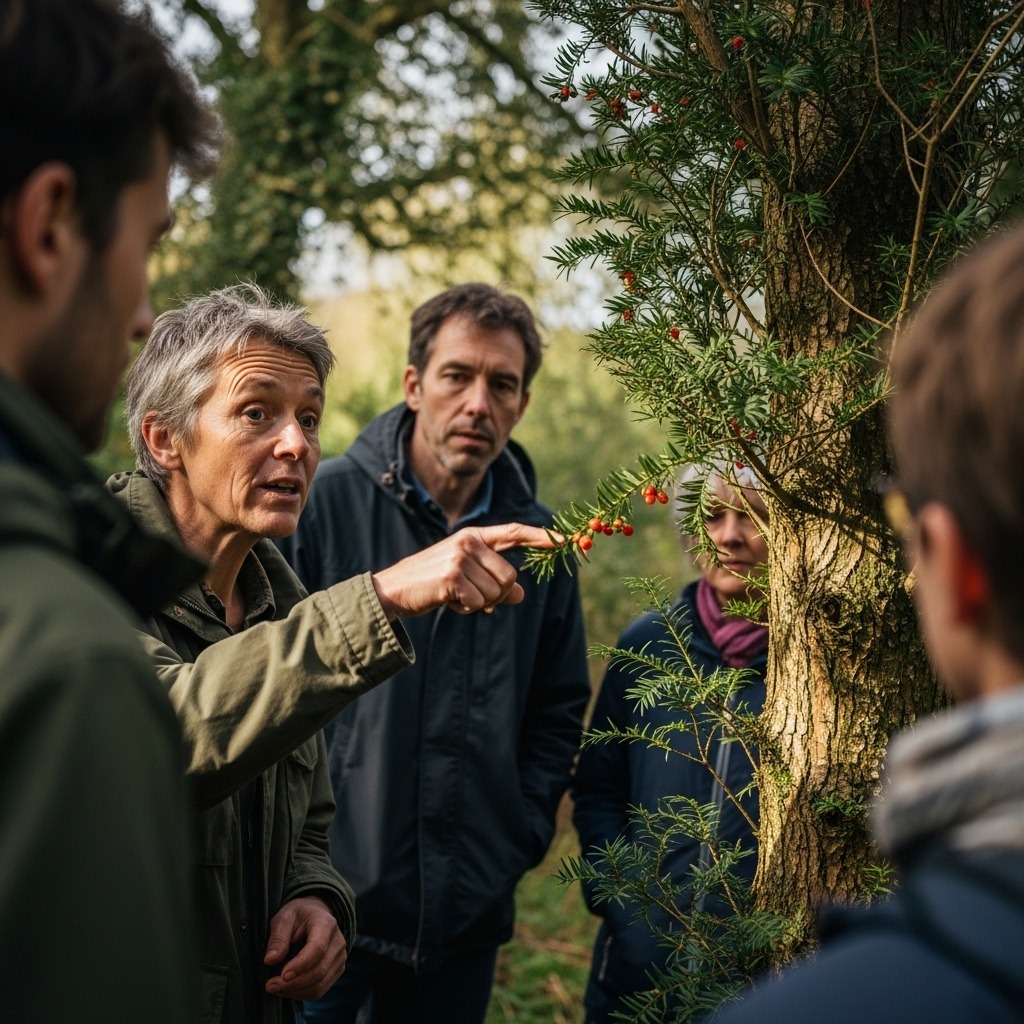
Yew trees are fascinating, but they come with a cautionary tale. Their beauty hides a toxic secret that can pose risks to humans and animals alike. Let’s break down what you need to know for safe interaction with these remarkable evergreens.
Identifying Toxic Parts of the Yew Tree
The yew tree contains several toxic components, mainly found in its leaves, seeds, and bark. Here’s a quick guide to what to avoid:
- Leaves: All parts of the leaves are toxic if ingested.
- Seeds: The seeds inside the red arils are poisonous, but the arils themselves are typically safe to eat. However, the toxicity of the seeds means caution is still necessary.
- Bark: While not commonly ingested, the bark can also be harmful.
Safety Precautions When Handling Yew
If you’re working with yew trees, it’s essential to take some safety precautions:
- Wear Gloves: Always wear gloves when pruning or handling yew trees. This helps prevent skin absorption of toxins.
- Avoid Ingestion: Keep children and pets away from yew trees, especially the berries and leaves.
- Know the Symptoms: If ingested, symptoms may include nausea, vomiting, and dizziness. Seek medical attention if you suspect poisoning.
Myths and Facts About Yew Tree Toxicity
There are many misconceptions about yew tree toxicity. Here are some truths to clarify the risks:
- Myth: Only the seeds are toxic.
Fact: The entire plant, including leaves and bark, is toxic.
- Myth: Yew berries are safe to eat.
Fact: The fleshy part of the berry is generally safe, but the seed inside is highly toxic.
- Myth: All animals are affected in the same way.
Fact: While many animals are sensitive to yew toxicity, birds often consume the berries without harm.
Checklist for Safe Interaction with Yew Trees
Here’s a handy checklist to ensure safe interaction with yew trees:
- [ ] Wear protective gloves when handling.
- [ ] Keep children and pets at a distance.
- [ ] Know the toxic parts: leaves, seeds, and bark.
- [ ] Watch for symptoms of poisoning if ingestion occurs.
- [ ] Educate others about the risks associated with yew trees.
Understanding yew tree toxicity is crucial for enjoying their beauty while ensuring safety. With the right precautions, you can appreciate these resilient evergreens without worry.
Care and Maintenance of Yew Trees
Caring for yew trees ensures they thrive in your garden or landscape. These resilient evergreens are relatively low-maintenance, but a little care goes a long way. Let’s explore their ideal growing conditions, pruning techniques, and how to deal with common pests.
Ideal Growing Conditions for Yew Trees
Yew trees are adaptable but prefer specific conditions for optimal growth:
- Soil: Well-drained, rich in organic matter. Yews can tolerate loamy, sandy, or clay soils but avoid waterlogged conditions.
- Light: They thrive in partial to full shade. Yews are perfect for under canopies but can also handle direct sunlight.
- Water: Regular watering is crucial, especially for young trees. Once established, they are moderately drought-tolerant but prefer consistent moisture.
Common Pests and Diseases
While yew trees are hardy, they can face some issues. Here are common pests and diseases to watch for:
- Pests:
- Yew Mites: Tiny pests that cause needle yellowing. Treat with insecticidal soap.
- Spider Mites: Look for webbing and stippling on leaves. Increase humidity or apply miticides.
- Diseases:
- Yew Needle Blight: Fungal disease causing yellowing needles. Improve air circulation and avoid overhead watering.
- Phytophthora Root Rot: Caused by poor drainage. Ensure proper soil conditions and avoid overwatering.
Pruning and Maintenance Tips
Pruning helps maintain the shape and health of yew trees. Here’s how to do it right:
- When to Prune: Late winter to early spring is ideal before new growth appears.
- How to Prune:
- Remove dead, damaged, or crossing branches.
- Shape the tree by trimming back long branches to encourage a fuller crown.
- Always use clean, sharp tools to make smooth cuts and reduce stress on the tree.
- Seasonal Care Guide:
- Spring: Fertilize with a balanced fertilizer and water regularly.
- Summer: Monitor for pests, especially during dry spells.
- Fall: Mulch around the base to retain moisture.
- Winter: Protect young trees from extreme cold with burlap wraps.
By following these care guidelines, your yew trees will not only survive but flourish, showcasing their ecological significance and beauty in your landscape.
Conservation Efforts and Challenges for Yew Trees
Yew trees face significant threats, yet various conservation initiatives are working to protect them. Understanding these challenges and taking action can help ensure the survival of these remarkable trees.
Threats to Yew Trees and Their Habitats
Yew trees face several challenges that threaten their populations:
- Habitat Loss: Urban development and deforestation reduce the natural habitats where yew trees thrive.
- Pollution: Air and soil pollution can weaken yew trees, making them more susceptible to disease.
- Climate Change: Shifts in climate can alter the conditions yews need to thrive, affecting their growth and reproduction.
- Overharvesting: Yew wood has been prized for its strength, leading to excessive cutting in some areas.
Current Conservation Initiatives
Fortunately, various efforts are underway to conserve yew trees:
- Protected Areas: Designating specific habitats as protected zones helps preserve existing yew populations.
- Restoration Projects: Initiatives aim to replant yew trees in areas where they have declined or disappeared.
- Education Programs: Raising awareness about yew trees and their ecological roles encourages community involvement in conservation.
How You Can Help Protect Yew Trees
Every individual can contribute to yew tree conservation. Here are some actionable steps:
- Support Local Conservation Groups: Join or donate to organizations focused on preserving yew habitats.
- Plant Yew Trees: If you have space, consider planting yews in your garden. They provide shelter for wildlife and enhance local biodiversity.
- Educate Others: Share your knowledge about yew trees and their significance with friends, family, and your community.
- Participate in Clean-Up Events: Help maintain natural areas where yews grow by participating in local clean-up or restoration days.
By taking these steps, you can play a part in protecting the resilient yew tree and its vital role in our ecosystems.
Frequently Asked Questions
These quick answers cover the most common questions about this topic, including key details, practical tips, and common concerns.
What are the disadvantages of yew?
Yew trees contain toxic compounds that can be harmful if ingested by humans and animals. All parts of the plant, especially the leaves, seeds, and bark, pose poisoning risks. Additionally, yews can be toxic to livestock if they browse on young shoots. They require careful handling during pruning and planting to prevent accidental poisoning.
What is the significance of a yew tree?
Yew trees have deep cultural, ecological, and historical importance. They symbolize immortality and rebirth in many cultures, often planted in churchyards or sacred sites. Ecologically, they support biodiversity by providing habitat and food for various birds and mammals and help stabilize soil in their environments.
Is it okay to touch a yew tree?
Yes, touching a yew tree is generally safe. However, it’s best to wear gloves when handling or pruning, as the plant’s toxins can be absorbed through the skin in some cases. Avoid ingesting any part of the tree, especially the leaves and seeds, to prevent poisoning.
What do the Christians believe about yew trees?
Christians have historically associated yew trees with eternity and resurrection. Yews are often found in churchyards, symbolizing eternal life due to their longevity and evergreen nature. In medieval times, they were thought to protect sacred grounds and represent spiritual immortality.
How do yew trees contribute to biodiversity?
Yew trees provide food, shelter, and nesting sites for many species. Their berries attract birds like thrushes and waxwings, which disperse their seeds. The dense foliage offers refuge for small mammals, insects, and birds, supporting complex ecological networks.
When is the best time to plant or prune yew trees?
The best time to plant yews is in early spring or fall when the weather is mild. Pruning is most effective in late winter or early spring before new growth begins. Proper timing ensures healthy growth and helps maintain their shape and ecological functions.
What are the disadvantages of yew trees?
Aside from toxicity concerns, yews can be slow to establish and may require regular watering during dry periods. They are susceptible to pests like mites and fungal diseases such as needle blight, which can affect their health if not managed properly.
What are alternatives to yew for landscaping?
If toxicity or maintenance is a concern, consider alternatives like boxwood, holly, or arborvitae. These evergreen plants also offer year-round greenery and ecological benefits, and some are less toxic or easier to care for in certain environments.