
Pollinator safe pesticides are essential for protecting beneficial insects like bees and butterflies while managing garden pests. This guide explores 13 effective options, safe application practices, and alternative pest control methods to help you maintain a healthy garden ecosystem.
Understanding Pollinator Safe Pesticides
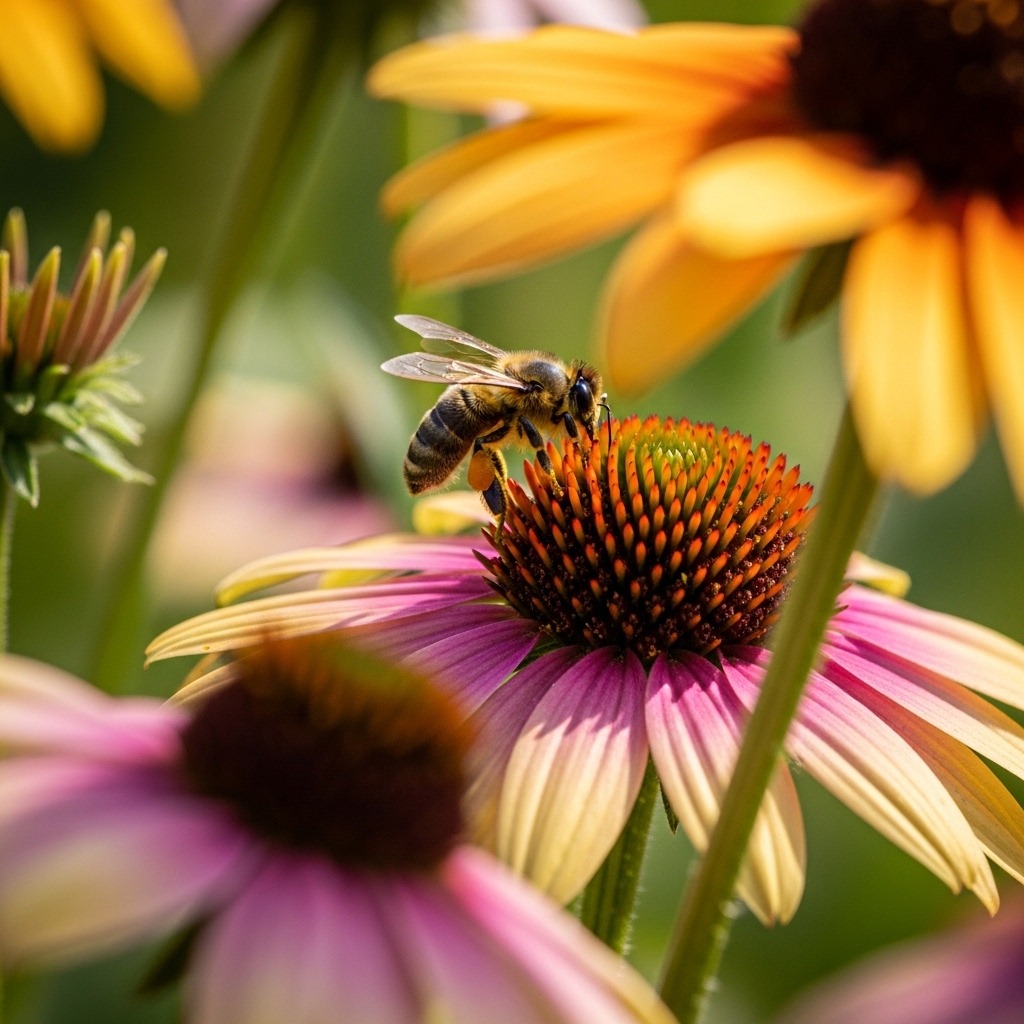
Pollinator safe pesticides are specially formulated to protect beneficial insects, like bees and butterflies, while managing pests in your garden. They’re crucial for maintaining the health of our pollinators and the ecosystems they support.
What Are Pollinator Safe Pesticides?
Pollinator safe pesticides are substances designed to control pests without harming beneficial insects. They include certain insecticides and fungicides that are less toxic to pollinators. Here’s a quick look at common types:
- Insecticidal Soaps: Target soft-bodied insects like aphids without harming pollinators.
- Neem Oil: Derived from the neem tree, it disrupts the life cycle of pests but spares beneficial insects when used correctly.
- Bacillus thuringiensis (Bt): A natural bacterium that specifically targets certain pests while being safe for pollinators.
Why Are They Important?
Pollinators are vital for plant reproduction and ecosystem health. Unfortunately, pesticide use has been linked to declining pollinator populations. Studies show that harmful pesticides can reduce bee populations by up to 30% in some areas.
Here’s why choosing the right pesticides matters:
- Ecosystem Health: Healthy pollinator populations support diverse plant life, which in turn benefits the entire ecosystem.
- Food Production: About one-third of the food we eat relies on pollinators. Protecting them ensures food security.
- Biodiversity: Pollinators contribute to the health of various species. Their decline can lead to reduced biodiversity.
Safe Application Techniques
Using pollinator safe pesticides isn’t just about choosing the right product. Timing and technique are key. Here are some best practices:
- Timing: Apply pesticides early in the morning or late in the evening when pollinators are less active.
- Targeted Application: Avoid spraying directly on flowers. Focus on the plants that need treatment.
- Minimal Use: Only apply pesticides when absolutely necessary. Regular, preventive spraying can create more pest problems.
By following these guidelines, you can help protect pollinators while effectively managing pests in your garden.
Table of Contents
Comparing Pesticides: A Quick Look
Here’s a simple comparison of common pesticide types:
| Pesticide Type | Safe for Pollinators | Effectiveness on Pests |
|---|---|---|
| Insecticidal Soaps | Yes | Moderate |
| Neem Oil | Yes | High |
| Bacillus thuringiensis | Yes | Very High |
| Neonicotinoids | No | High |
| Broad-Spectrum Insecticides | No | Very High |
This table can help you make informed decisions when selecting pesticides for your garden. Remember, protecting pollinators is a shared responsibility that benefits us all!
Types of Pesticides and Their Effects on Pollinators
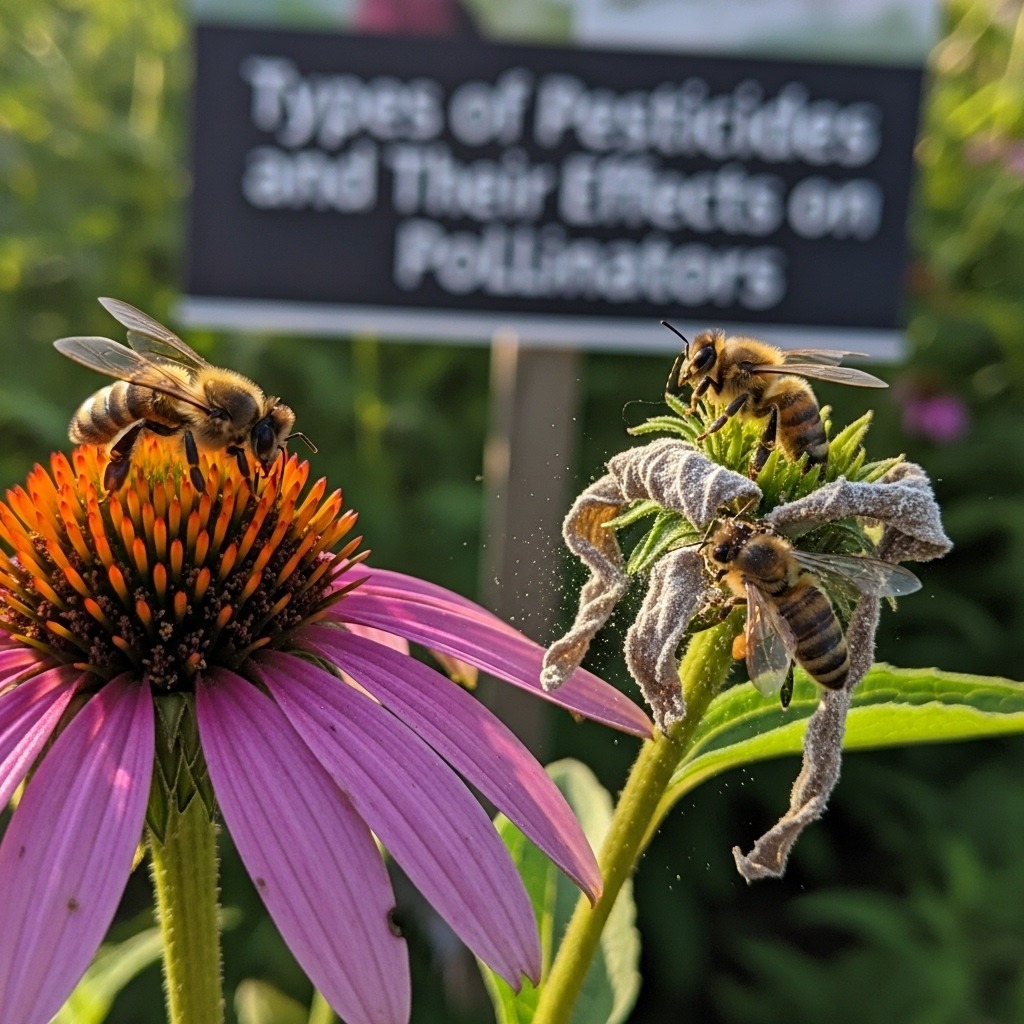
When it comes to keeping your garden healthy, choosing the right pesticide is crucial. Different types of pesticides can have varying effects on pollinators. Let’s break down the main categories: insecticides, herbicides, and fungicides.
Insecticides: Risks and Alternatives
Insecticides are designed to target and kill insects. While they can be effective, many traditional insecticides are harmful to bees and other beneficial insects. Here are some key points:
- Neonicotinoids: These are particularly dangerous. They can linger in the environment and harm pollinators long after application.
- Insecticidal Soaps and Oils: These are safer options. They target pests without the same level of risk to pollinators.
Example: If you have aphids on your plants, consider using insecticidal soap instead of neonicotinoids. It will do the job without putting bees at risk.
Herbicides: Minimizing Impact
Herbicides focus on controlling unwanted plants. However, they can also affect pollinators indirectly by reducing their food sources. Here’s how to minimize risks:
- Selective Herbicides: Choose products that target specific weeds without harming flowering plants.
- Timing Matters: Apply herbicides when pollinators are less active, such as early morning or late evening.
Tip: Always read labels carefully. Some herbicides are less harmful to bees than others.
Fungicides: Safe Options
Fungicides combat fungal diseases but can also harm pollinators, especially when used improperly. Here’s how to use them wisely:
- Low-toxicity Fungicides: Opt for less harmful options like copper-based fungicides.
- Avoid During Bloom: Apply fungicides when plants aren’t flowering to protect bees.
Comparison Table:
| Pesticide Type | Safe for Pollinators | Effectiveness on Pests |
|---|---|---|
| Insecticidal Soaps | Yes | Moderate |
| Neem Oil | Yes | High |
| Bacillus thuringiensis | Yes | Very High |
| Neonicotinoids | No | High |
| Broad-Spectrum Insecticides | No | Very High |
| Selective Herbicides | Depends | High |
| Low-Toxic Fungicides | Yes | Moderate |
In summary, using the right pesticides is vital for protecting our precious pollinators. The goal is to balance pest control with the health of the ecosystem. Always choose products wisely, and consider alternatives whenever possible.
13 Effective Pollinator Safe Pesticides
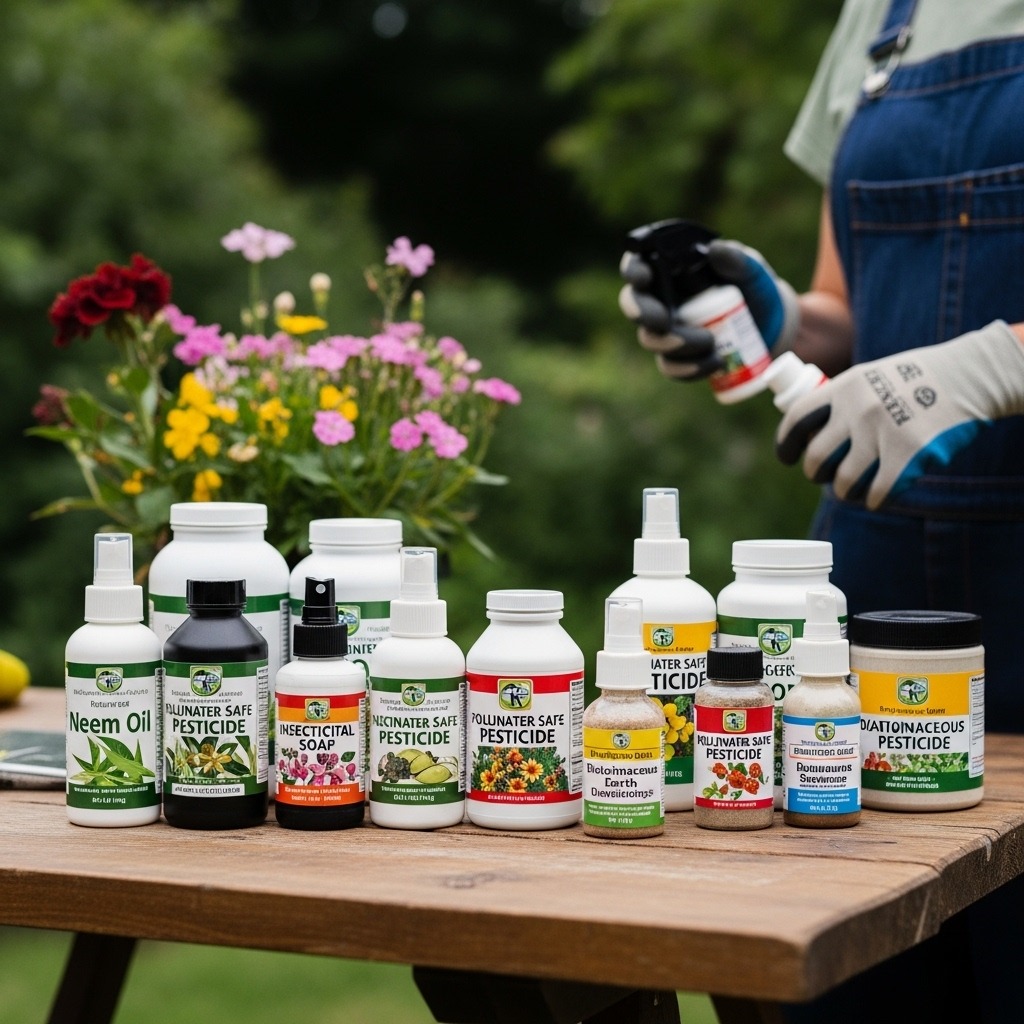
Finding pesticides that keep your plants safe while protecting our beloved pollinators is crucial. Here’s a list of 13 effective options that are kind to bees and butterflies.
Recommended Pollinator Safe Pesticides
| Pesticide Name | Active Ingredient | Application Method |
|---|---|---|
| Insecticidal Soap | Potassium salts of fatty acids | Spray directly on pests |
| Neem Oil | Azadirachtin | Apply as a foliar spray |
| Bacillus thuringiensis (Bt) | Bacillus thuringiensis | Spray on affected plants |
| Horticultural Oil | Mineral oil | Use as a preventative spray |
| Spinosad | Spinosad | Apply when pests are present |
| Pyrethrin | Pyrethrum | Use as a spot treatment |
| Diatomaceous Earth | Silica | Dust on affected areas |
| Essential Oil Blend | Various (e.g., clove oil) | Spray diluted solution |
| Garlic Oil | Garlic extract | Apply as a repellent spray |
| Insecticidal Soap with Oils | Potassium salts + oils | Use as needed on pests |
| Organic Fungicides | Various natural ingredients | Apply as a preventative |
| Citrus Oil | D-limonene | Use to repel certain insects |
| Plant-Based Pesticides | Various plant extracts | Spray as needed |
Tips for Safe Application
- Timing is Key: Always spray in the early morning or late evening. This ensures pollinators are less active and reduces the risk of exposure.
- Avoid Blooming Flowers: Never spray directly on flowers. Pollinators frequent blooms, and we want to keep them safe.
- Read Labels Carefully: Look for products that are OMRI-listed or certified organic. These often use naturally derived ingredients that break down quickly.
Real-Life Scenarios
Imagine you have aphids on your roses. Using insecticidal soap can effectively get rid of them without harming the local bee population. Just remember to spray early in the day when bees are less active.
By choosing the right products and applying them wisely, you can protect your garden and support pollinator health.
Safe Application Practices for Pesticides
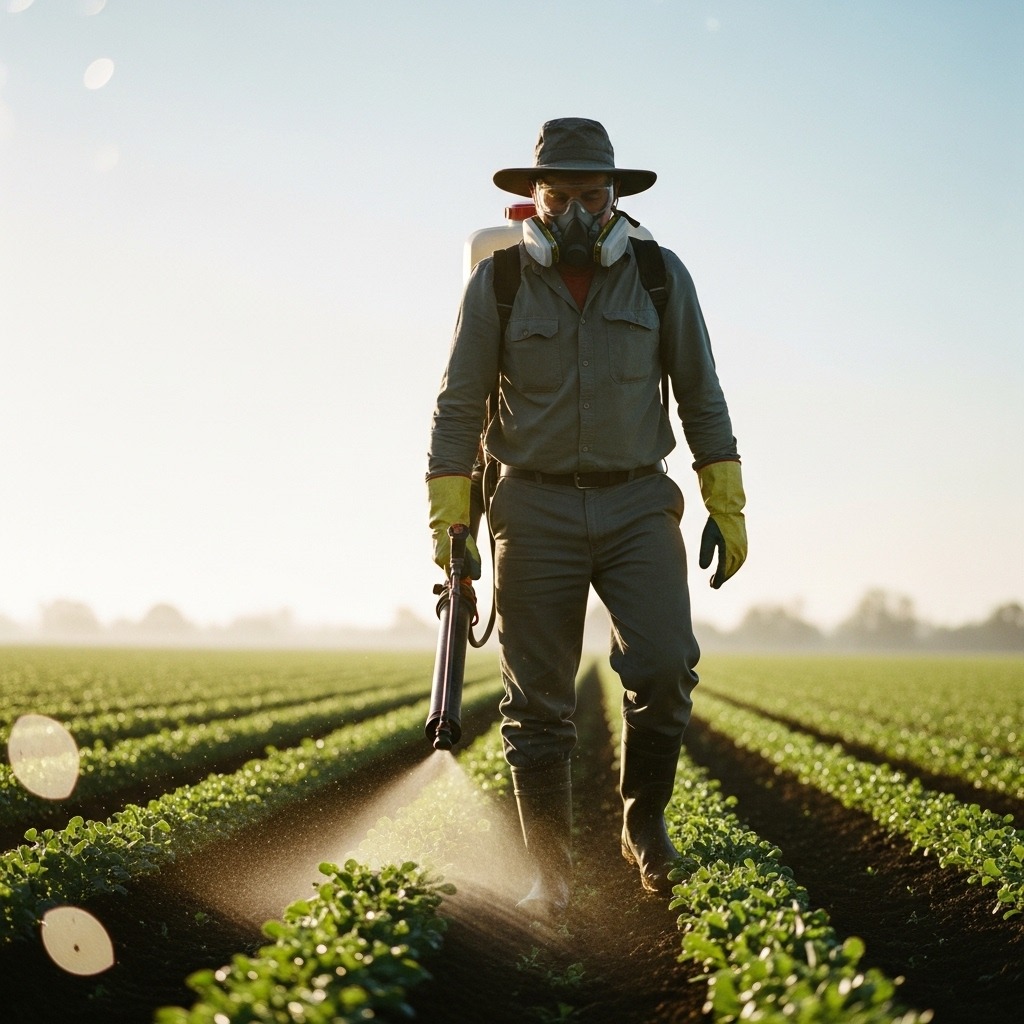
Applying pesticides safely is crucial for protecting our pollinators. By following best practices, you can keep your plants healthy while ensuring bees and butterflies thrive.
Timing Your Applications
Timing is everything when it comes to pesticide application. Here are some tips for minimizing impact on pollinators:
- Early Morning or Late Evening: Spray when pollinators are less active. Early mornings or late evenings are ideal.
- Avoid Blooming Periods: Don’t spray during flower bloom. Pollinators are attracted to flowers, and we don’t want to harm them.
Techniques to Reduce Drift
Drift can unintentionally expose pollinators to harmful chemicals. Follow these strategies to minimize drift:
- Use Low-Pressure Nozzles: These reduce spray distance and help keep the application targeted.
- Keep Wind Conditions in Mind: Avoid spraying on windy days. Wind can carry pesticides off-target.
- Buffer Zones: Create areas free of flowers around the treated plants to protect nearby pollinators.
Adhering to Label Instructions
Always read and follow the label instructions on pesticide products. This is not just a good practice; it’s essential for safety. Here’s why:
- Proper Dosage: Using the right amount helps minimize harm to beneficial insects.
- Application Methods: Labels often specify the best application techniques. Following these can make a big difference.
Quick Checklist for Safe Application
- [ ] Spray during low pollinator activity times (early morning or late evening).
- [ ] Use low-pressure nozzles to reduce drift.
- [ ] Avoid spraying in windy conditions.
- [ ] Create buffer zones free of flowers around treated areas.
- [ ] Always adhere to label instructions for dosage and application methods.
By keeping these practices in mind, you can effectively manage pests while protecting our precious pollinators.
Attracting Beneficial Insects to Your Garden
Creating a welcoming environment for beneficial insects can dramatically reduce pest populations in your garden. These helpful critters not only help control pests naturally but also coexist peacefully with pollinators. Here’s how you can attract them.
Planting Pollinator-Friendly Plants
Certain plants are magnets for beneficial insects. By choosing the right flowers, you can create a haven for ladybugs, lacewings, and more. Here are some plant suggestions:
- Marigolds: Attracts ladybugs and other beneficial insects.
- Yarrow: Great for lacewings and predatory wasps.
- Dill and Fennel: These herbs lure in parasitic wasps.
- Sunflowers: They provide nectar for both pollinators and beneficial insects.
- Native Wildflowers: Always a good choice, as they attract a variety of local beneficials.
Creating Habitat for Beneficial Insects
A diverse habitat is key to supporting beneficial insects. Here are some simple strategies:
- Leave Some Areas Untouched: Allow parts of your garden to grow wild. This provides shelter and breeding grounds.
- Add Insect Hotels: Construct small habitats using bamboo, wood, or straw. These can house solitary bees and other helpful insects.
- Use Ground Cover: Plants like clover or creeping thyme can offer refuge for ground-dwelling beneficial insects.
Utilizing Natural Predators
Encouraging natural predators is an effective way to manage pests. Here’s how to do it:
- Introduce Beneficial Insects: Purchase beneficial insects like ladybugs or predatory mites and release them in your garden.
- Provide Water Sources: A small water dish with pebbles can help beneficial insects stay hydrated.
- Avoid Chemical Pesticides: Always choose pollinator-safe options. This ensures that you don’t inadvertently harm your beneficial insect allies.
By implementing these strategies, you create a thriving ecosystem. This not only helps manage pests but also supports pollinators in your garden.
Non-Chemical Pest Control Methods
When it comes to keeping pests at bay without harming pollinators, non-chemical methods are your best friends. These eco-friendly solutions not only protect your plants but also support the buzzing heroes of nature.
Companion Planting
Companion planting is a fantastic way to deter pests naturally. Certain plants can repel unwanted insects while attracting beneficial ones. Here are a few pairings to consider:
- Marigolds: These beauties repel nematodes and aphids.
- Basil: Planted near tomatoes, it wards off tomato hornworms and whiteflies.
- Nasturtiums: These flowers attract aphids away from your veggies.
By mixing these plants into your garden, you create a natural pest barrier while enhancing biodiversity.
Physical Barriers
Sometimes, a simple barrier is all you need to keep pests away from your plants. Here are some effective options:
- Row Covers: Light fabric that protects seedlings from insects while allowing light and moisture.
- Netting: Use fine mesh to shield fruit and vegetable crops from birds and larger insects.
- Copper Tape: Slug and snail deterrent for pots and garden edges.
These barriers are easy to set up and can be quite effective.
Home Remedies
You might be surprised at how many common household items can help deter pests. Here are some unexpected solutions:
- Soap and Water Spray: Mix mild soap with water to create a natural insecticide. It’s great for aphids and spider mites.
- Garlic Spray: Blend garlic cloves with water, strain, and spray on plants. It repels many insects.
- Cayenne Pepper: Sprinkle around plants to deter ants and other pests.
These remedies are budget-friendly and easy to apply, making them perfect for any gardener.
Quick Reference Checklist
| Method | Description |
|---|---|
| Companion Planting | Planting specific plants together to deter pests. |
| Physical Barriers | Using materials to block pests from reaching plants. |
| Home Remedies | Household items that repel insects naturally. |
By employing these non-chemical pest control methods, you not only protect your plants but also ensure that pollinators can thrive in your garden. Remember, keeping it natural is the way to go!
The Importance of Timing in Pesticide Application
Timing is everything when it comes to applying pesticides, especially if you want to protect our buzzing friends—pollinators. Knowing the best times to spray can minimize harm and keep your garden thriving.
Best Times to Apply Pesticides
To help you make the best choice, here are some ideal times for pesticide application:
- Early Morning: Pesticide application in the early morning is great. Pollinators are less active, reducing the risk of exposure.
- Late Evening: Similar to the morning, applying pesticides just before dusk can help keep pollinators safe. They tend to settle down for the night, making the timing less risky.
- Avoid Blooming Season: If your plants are flowering, it’s best to avoid spraying altogether. Wait until after the flowers have faded to eliminate risks to pollinators.
Checklist for Safe Pesticide Application
Here’s a quick checklist to guide you:
- Check Pollinator Activity: Research local bee activity patterns.
- Choose Low-Impact Products: Opt for options like insecticidal soaps or horticultural oils.
- Monitor Weather Conditions: Windy days can cause drift, so avoid applying on breezy days.
- Cover Nearby Flowers: If possible, remove or cover nearby flowers to further protect pollinators.
Seasonal Guide for Pollinator Activity
Understanding pollinator activity can help you decide when to apply pesticides. Here’s a simple seasonal guide:
| Season | Pollinator Activity | Best Application Time |
|---|---|---|
| Spring | High activity during bloom | Late evening or early morning |
| Summer | Peak pollinator activity | Early morning |
| Fall | Decreasing activity | After bloom |
| Winter | Minimal activity | Not applicable |
By following these guidelines, you can effectively minimize the impact of pesticides on pollinators. Remember, a little planning goes a long way in keeping our gardens—and pollinators—healthy!
Common Mistakes to Avoid When Using Pesticides
Using pesticides can be tricky. While they help control pests, they can also harm our precious pollinators. Here are some common mistakes to avoid to keep both your garden and the bees safe.
Applying Pesticides Too Early or Late
Timing is everything. Applying pesticides when pollinators are active can lead to harm. Follow these guidelines:
- Spring: Apply in late evening or early morning.
- Summer: Use pesticides early in the morning.
- Fall: Wait until after blooms are done.
Remember, pollinators are busy during the day. Protect them by timing your applications wisely.
Ignoring Labels and Instructions
Pesticide labels are your best friend. They contain vital information on safe usage. Always read and follow these instructions:
- Dosage: Overapplying can increase harm.
- Application method: Some pesticides need specific techniques.
- Safety precautions: Wear protective gear as recommended.
Neglecting the label can lead to mistakes that endanger both your plants and pollinators.
Using Inappropriate Products
Not all pesticides are created equal. Some can be harmful to pollinators. Here’s a quick checklist to help you choose:
- Insecticidal Soaps: Safe for plants and pollinators.
- Horticultural Oils: Low impact and effective.
- Systemic Pesticides: Often harmful; use only if necessary.
Always opt for low-impact options when possible. They get the job done without risking pollinator health.
Checklist for Safe Pesticide Use
Here’s a handy checklist to guide your pesticide application:
- [ ] Check the timing of application.
- [ ] Read the label carefully.
- [ ] Choose pollinator-safe products.
- [ ] Apply only when necessary.
- [ ] Monitor your garden for pests regularly.
By avoiding these common mistakes, you can keep your garden thriving and protect our vital pollinators.
Comparison of Natural vs. Chemical Pesticides
When it comes to protecting your plants, choosing the right pesticide is key. Both natural and chemical pesticides have their pros and cons. Understanding these can help you make better decisions for your garden and the pollinators that visit it.
Effectiveness of Natural vs. Chemical Pesticides
Natural pesticides often come from plant extracts or minerals. They can be effective against common pests without harming beneficial insects. On the other hand, chemical pesticides usually offer a broader spectrum of pest control and can work faster.
- Natural Pesticides:
- Derived from plants or minerals.
- Generally safer for pollinators.
- May require more frequent applications.
- Chemical Pesticides:
- Synthesized in labs.
- Can be highly effective but may pose risks to pollinators.
- Often have residual effects that linger in the environment.
Safety for Pollinators
Safety is a major concern. Natural pesticides tend to be less harmful to pollinators. However, it’s essential to apply them correctly and at the right time.
- Natural Pesticides:
- Examples include neem oil and insecticidal soap.
- Safe when applied in the evening or early morning.
- Chemical Pesticides:
- Many contain ingredients harmful to bees and other beneficial insects.
- Should be avoided during bloom times.
Decision Framework for Selecting Pesticides
Here’s a quick framework to help you choose:
1. Identify the Pest: Know what you’re dealing with.
2. Consider the Impact: Assess how harmful the pest is to your plants.
3. Select the Type:
- Use natural pesticides for minor infestations.
- Reserve chemical options for severe pest problems.
4. Timing is Key: Apply during non-bloom periods to protect pollinators.
By weighing these factors, you can make informed choices that benefit your garden and our essential pollinators.
Regulatory Guidelines and Best Practices
Understanding the regulatory landscape around pesticides is crucial for any gardener who wants to protect pollinators. Different regions have unique rules, and following best practices can make a big difference.
Know Your Local Regulations
Pesticide regulations vary widely by location. It’s essential to check your local guidelines before applying any pesticide. Here are a few points to consider:
- Label Compliance: Always read and follow the pesticide label instructions. This is not just a suggestion—it’s the law!
- Restricted Use: Some pesticides may be restricted or banned in your area. Familiarize yourself with these to avoid hefty fines.
- Reporting Requirements: In some regions, you may need to report pesticide use, especially if you’re using certain chemicals.
Best Practices for Safe Pesticide Use
To minimize harm to pollinators while managing pests, consider these best practices:
1. Choose Wisely: Opt for low-impact pesticides whenever possible. Products like insecticidal soaps and horticultural oils are safer for bees.
2. Timing Matters: Apply pesticides in the evening or early morning when pollinators are less active. This reduces their exposure.
3. Spot Treatment: Instead of blanket spraying, target specific areas with pest issues. This limits the pesticide’s reach and protects beneficial insects.
4. Monitor and Assess: Regularly check your plants for pests. Use non-chemical methods first, like introducing beneficial insects or using traps.
Example Decision Framework
When faced with a pest problem, use this quick decision framework:
| Pest Situation | Recommended Action |
|---|---|
| Minor Infestation | Use natural pesticides (e.g., neem oil) |
| Moderate Issue | Apply insecticidal soap at non-bloom times |
| Severe Infestation | Consider chemical options, following all guidelines |
By following these guidelines and best practices, you can protect your garden and the pollinators that play such a vital role in our ecosystem.
Real-Life Scenarios of Successful Pollinator Protection
Gardening can be a wonderful way to support pollinators while keeping your space looking great. Here are some inspiring case studies of gardeners who have successfully adopted pollinator-safe practices.
Case Study: The Urban Oasis
In a bustling city, Sarah transformed her balcony into a pollinator haven. She chose plants like lavender and sunflowers, which attract bees. Instead of using harsh chemicals, she opted for neem oil to manage aphids.
- Outcome: Sarah noticed a dramatic increase in bee activity. Her plants thrived, and she enjoyed beautiful blooms all summer long.
Case Study: The Community Garden
A group of neighbors decided to revamp their community garden. They held workshops on safe pesticide use and shared knowledge about pollinator-friendly plants. They collectively agreed to use insecticidal soaps and apply them only after dusk.
- Outcome: The garden flourished, attracting butterflies and bees. The community celebrated the return of pollinators and even produced a bountiful harvest of fruits and vegetables.
Key Strategies for Success
1. Choose the Right Plants: Select native flowers that pollinators love.
2. Timing is Everything: Apply any treatments in the evening or early morning.
3. Educate the Community: Share tips and practices with fellow gardeners.
By implementing these strategies, both Sarah and the community gardeners made a positive impact on their local ecosystems. Their stories emphasize the importance of choosing the right methods and working together to protect our precious pollinators.
Conclusion: Creating a Pollinator-Friendly Garden
Creating a garden that supports pollinators is a rewarding journey. By adopting pollinator-safe practices, you not only help these vital creatures but also enhance your garden’s health.
Key Takeaways for Pollinator Safety
Here are some essential points to keep in mind:
- Choose the Right Pesticides: Opt for products like neem oil or insecticidal soaps that target pests without harming pollinators.
- Timing Matters: Apply pesticides early in the morning or late in the evening when bees and butterflies are less active.
- Avoid Spraying Blooms: Never spray directly on flowers to protect the pollinators that rely on them for food.
Strategies for Attracting Beneficial Insects
Consider these strategies to make your garden a haven for pollinators:
- Plant Native Flora: Native plants are more attractive to local pollinators and often require less maintenance.
- Create Habitat: Add bee hotels or native shrubs for shelter and nesting.
- Diversify Your Garden: A variety of plants encourages different pollinators to visit.
Non-Chemical Pest Control Methods
Explore these eco-friendly alternatives to keep your garden thriving:
- Hand-Picking: Remove pests manually where possible.
- Companion Planting: Use plants that repel pests naturally.
- Natural Predators: Introduce ladybugs or lacewings to control aphid populations.
By integrating these practices into your gardening routine, you can nurture a healthy ecosystem. Every small step counts in protecting our pollinators. Your efforts today will lead to vibrant blooms and bountiful harvests tomorrow!
Frequently Asked Questions
These quick answers cover the most common questions about this topic, including key details, practical tips, and common concerns.
What pesticide is safe for pollinators?
Pollinator-safe pesticides are products specifically formulated to minimize harm to beneficial insects like bees, butterflies, and native pollinators. Examples include insecticidal soaps, neem oil, and Bacillus thuringiensis (Bt). Always choose products labeled as safe for pollinators and follow application guidelines carefully.
Is Sevin spray safe for pollinators?
Sevin, which contains carbaryl, is a broad-spectrum insecticide that is not safe for pollinators. It can harm bees and other beneficial insects if applied when they are active. Use alternative, pollinator-friendly methods or apply Sevin only during times when pollinators are not active and in accordance with label instructions.
Are all pesticides harmful to pollinators?
No, not all pesticides are harmful. Many natural or targeted products, like insecticidal soaps, neem oil, and Bt, are safe when used correctly. However, broad-spectrum chemical insecticides, especially neonicotinoids, pose significant risks to pollinator populations.
How to protect pollinators from pesticides?
Apply pesticides early in the morning or late in the evening when pollinators are less active. Avoid spraying during flowering periods or directly on blooms. Use targeted applications, follow label instructions, and consider alternatives like natural pest control methods to minimize exposure.
What are the best practices for applying pesticides safely?
Use low-pressure nozzles and avoid windy days to prevent drift. Always read and follow label instructions for dosage and timing. Spray during non-bloom periods, and cover nearby flowering plants or remove flowers from the treatment area to protect pollinators.
What natural alternatives exist to chemical pesticides?
Natural methods include companion planting, introducing beneficial insects like ladybugs, using physical barriers such as row covers, and applying homemade remedies like insecticidal soaps, garlic spray, or diatomaceous earth. These options are effective and safer for pollinators.
How do I attract beneficial insects to my garden?
Plant native, pollinator-friendly flowers like yarrow, marigolds, and sunflowers. Provide habitats such as bee hotels or undisturbed ground areas. Avoid chemical pesticides and create a diverse environment to support predatory insects that naturally control pests.
What should I do if I accidentally harm pollinators?
If you suspect pollinators have been harmed, remove them from the pesticide area gently. Avoid reapplying pesticides during flowering or when bees are active. Educate yourself on proper application timing and methods to prevent future incidents. Supporting pollinator habitats can help recover local populations.