
Creating a garden that attracts butterflies starts with the right trees. The best trees provide nectar, shelter, and food for butterfly larvae, making them essential for any butterfly garden. Here are the top 13 trees to consider for attracting these beautiful pollinators to your yard.
1. Willows: A Nectar Oasis for Butterflies
Willows are fantastic trees for attracting butterflies. They provide abundant nectar and shelter for both adult butterflies and their caterpillars. Let’s dive into why willows are a must-have in your butterfly garden.
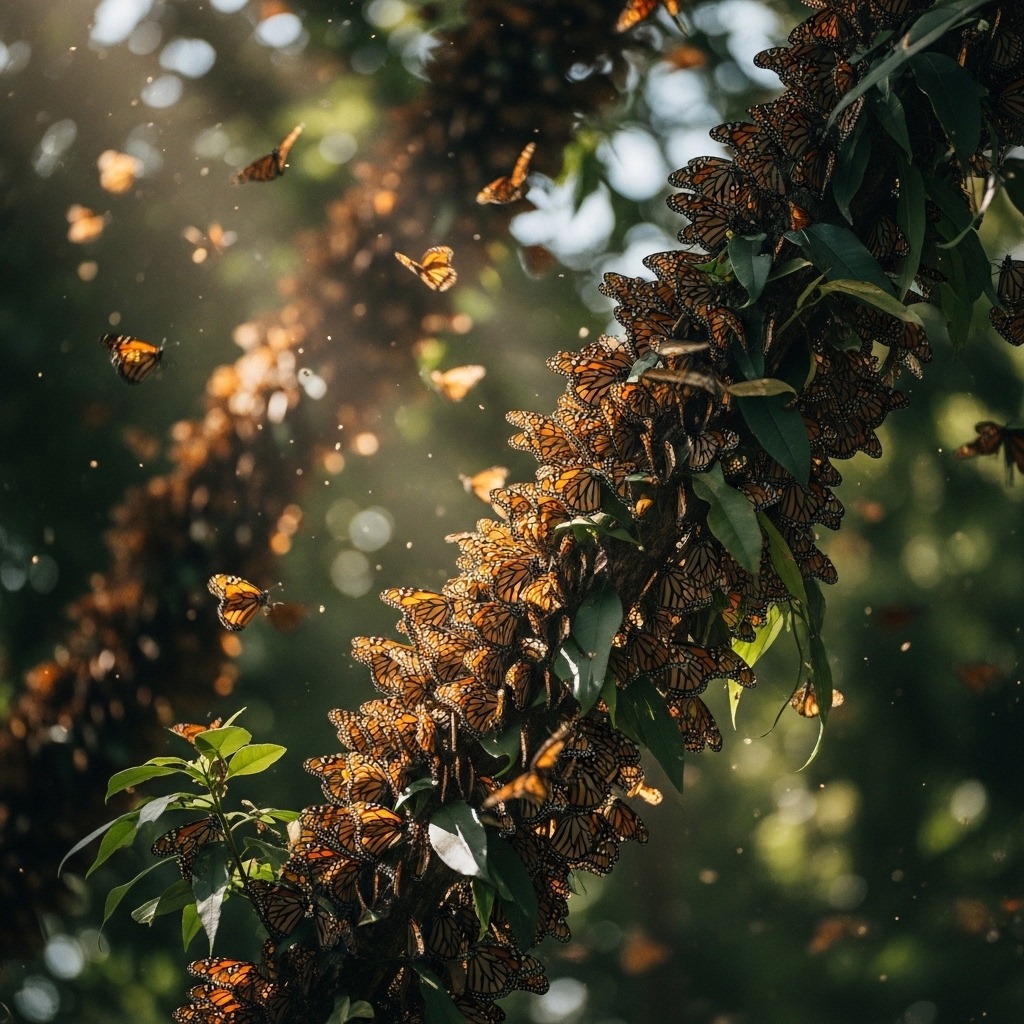
Willows provide rich nectar for adult butterflies
Willows bloom early in the season. Their flowers are packed with nectar, making them a go-to for butterflies. Here are a few butterfly species that love willows:
- Monarchs
- Swallowtails
- Fritillaries
These butterflies flock to willows for a quick energy boost during their active months. Planting willows can turn your garden into a butterfly buffet!
Shelter for caterpillars and adult butterflies
Willows are not just a food source. They also offer excellent shelter. The dense foliage provides a safe haven for caterpillars. Once they transform into butterflies, they can stay hidden from predators.
Caterpillars munch on willow leaves. This makes willows a great host plant for species like the Viceroy butterfly. Providing both food and shelter boosts the chances of butterflies thriving in your garden.
Best planting practices for willows
Planting willows is simple. Here’s how to ensure they thrive:
Table of Contents
- Choose the right spot: Willows love moisture. Plant them near water sources or in well-drained soil.
- Space wisely: Give them enough room to grow. Space them at least 10-15 feet apart.
- Water regularly: Keep the soil moist, especially in the first year.
Consider using a Butterfly Garden Starter Kit to help set up your space. It can include everything from plants to care instructions, ensuring your garden is a butterfly haven. Check Price on Amazon.
By planting willows, you’re not just adding beauty to your yard. You’re also playing a vital role in supporting butterfly populations. Happy gardening!
2. Oaks: The Host Trees for Many Butterflies
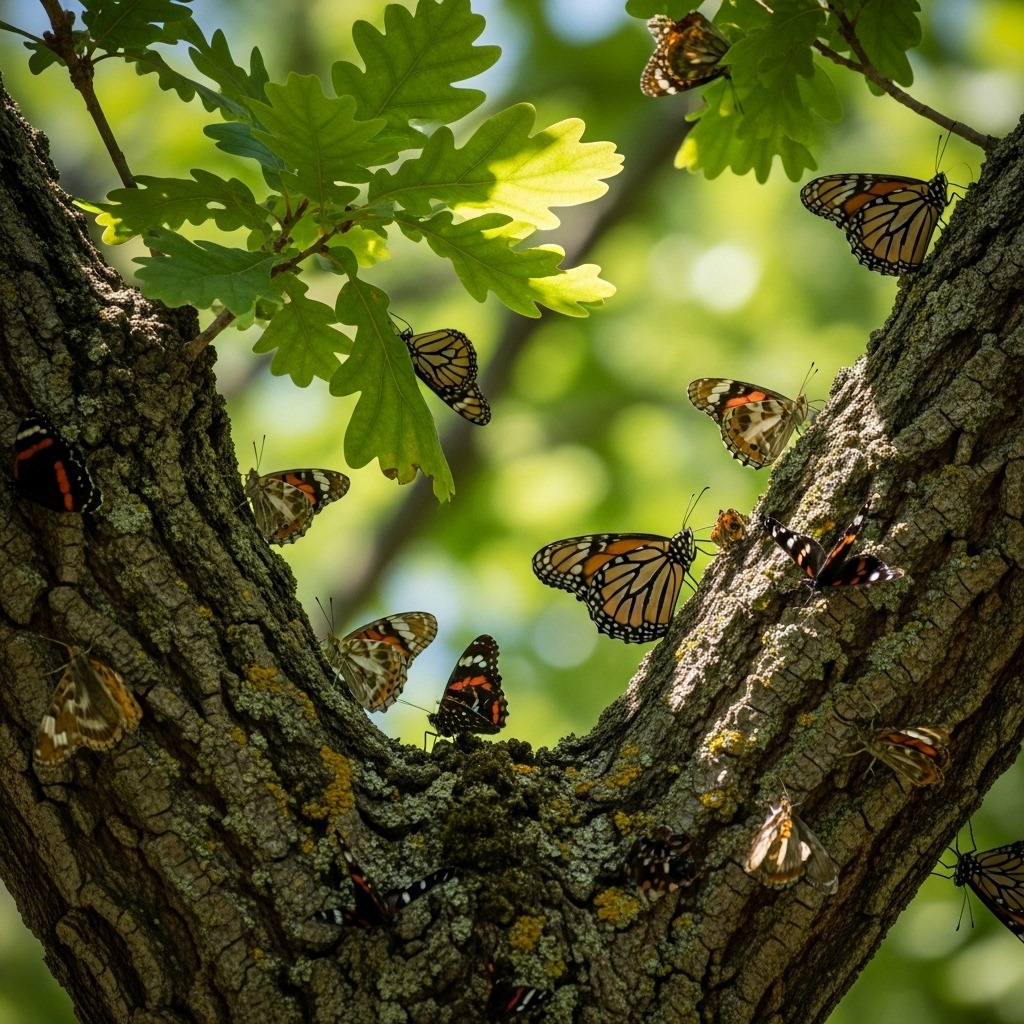
Oaks are like the VIP section for butterflies. These trees provide food and shelter for over 500 species of butterflies and moths. They are essential for creating a thriving butterfly garden.
Oaks support over 500 butterfly species
Oaks are not just any tree. They are a powerhouse in the butterfly world. Many butterflies rely on oaks as host plants. Some of the notable species that benefit from oaks include:
- Eastern Tiger Swallowtail
- Red-Spotted Purple
- Viceroy
- Coral Hairstreak
- Spring Azure
With such a variety of butterflies attracted to oaks, planting them is a smart choice for any butterfly enthusiast.
Their leaves as host plants for caterpillars
The leaves of oak trees are a buffet for caterpillars. Many butterfly species lay their eggs on oak leaves. When the caterpillars hatch, they munch on the leaves, growing strong and healthy. This relationship is crucial for the butterfly life cycle.
For example, the Eastern Tiger Swallowtail specifically seeks out oaks to lay its eggs. The caterpillars thrive on oak leaves, which helps ensure the next generation of butterflies.
Planting tips for oak trees
Planting oaks in your garden not only encourages butterflies but also enhances your landscape. Here are some tips to help you successfully grow oak trees:
- Choose the right variety: Consider native oaks like White Oak or Red Oak. They are better suited to local ecosystems.
- Plant in well-drained soil: Oaks prefer loamy soil that drains well. Make sure to avoid waterlogged areas.
- Space them out: Oaks can grow large. Space them at least 15-20 feet apart to give them room to thrive.
- Water regularly: While they are drought-tolerant, young oaks benefit from regular watering until established.
By following these tips, you can create a welcoming environment for butterflies while enjoying the beauty of oak trees in your garden. Happy planting!
3. Cherry Trees: Beauty and Nectar Abound
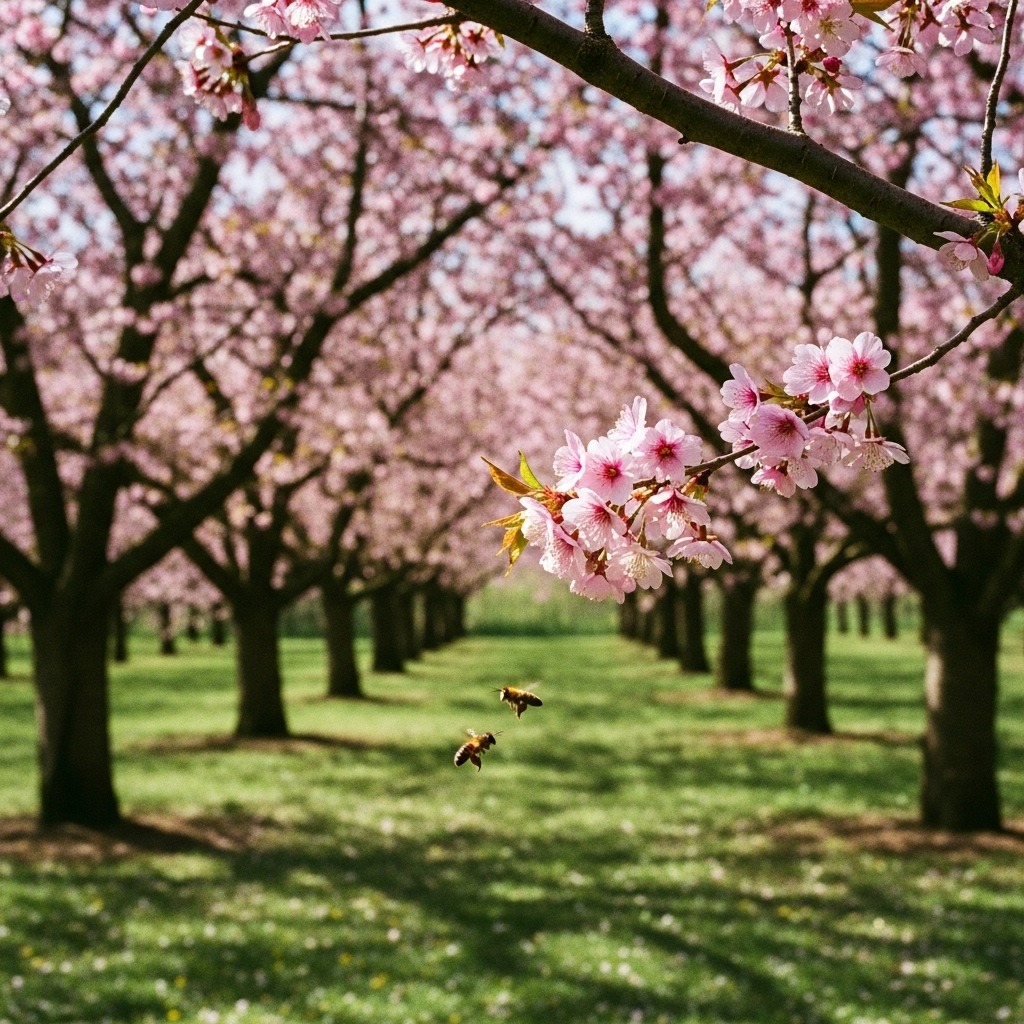
Cherry trees are a stunning addition to any garden. Their blossoms attract butterflies while adding charm to your landscape. Let’s dive into how these trees can turn your garden into a butterfly haven.
How Cherry Trees Attract Butterflies
Cherry trees are a favorite among butterflies for a few reasons:
- Nectar-Rich Flowers: The sweet nectar from cherry blossoms is irresistible to many butterfly species.
- Host Plants for Caterpillars: Some butterflies lay their eggs on cherry trees. The caterpillars feed on the leaves, making these trees essential for their lifecycle.
Best Varieties for Butterfly Gardens
Not all cherry trees are created equal. Here are some of the best varieties to consider:
1. Black Cherry (Prunus serotina): A native tree that supports various butterfly species.
2. Chokecherry (Prunus virginiana): Attracts butterflies and provides berries for birds.
3. Flowering Cherry (Prunus serrulata): Known for its beautiful blooms, it’s a butterfly magnet.
Care and Maintenance for Cherry Trees
To keep your cherry trees healthy and butterfly-friendly, follow these tips:
- Sunlight: Plant in full sun for optimal growth.
- Soil Type: Well-drained soil is crucial. Avoid overly soggy areas.
- Watering: Young trees need regular watering until established.
- Pruning: Trim branches to promote airflow and reduce disease.
Adding cherry trees to your garden not only draws in butterflies but also enhances its beauty. For a kickstart, consider a Butterfly Garden Starter Kit to help you create the perfect butterfly-friendly environment!
4. Hackberry Trees: Resilient and Beneficial
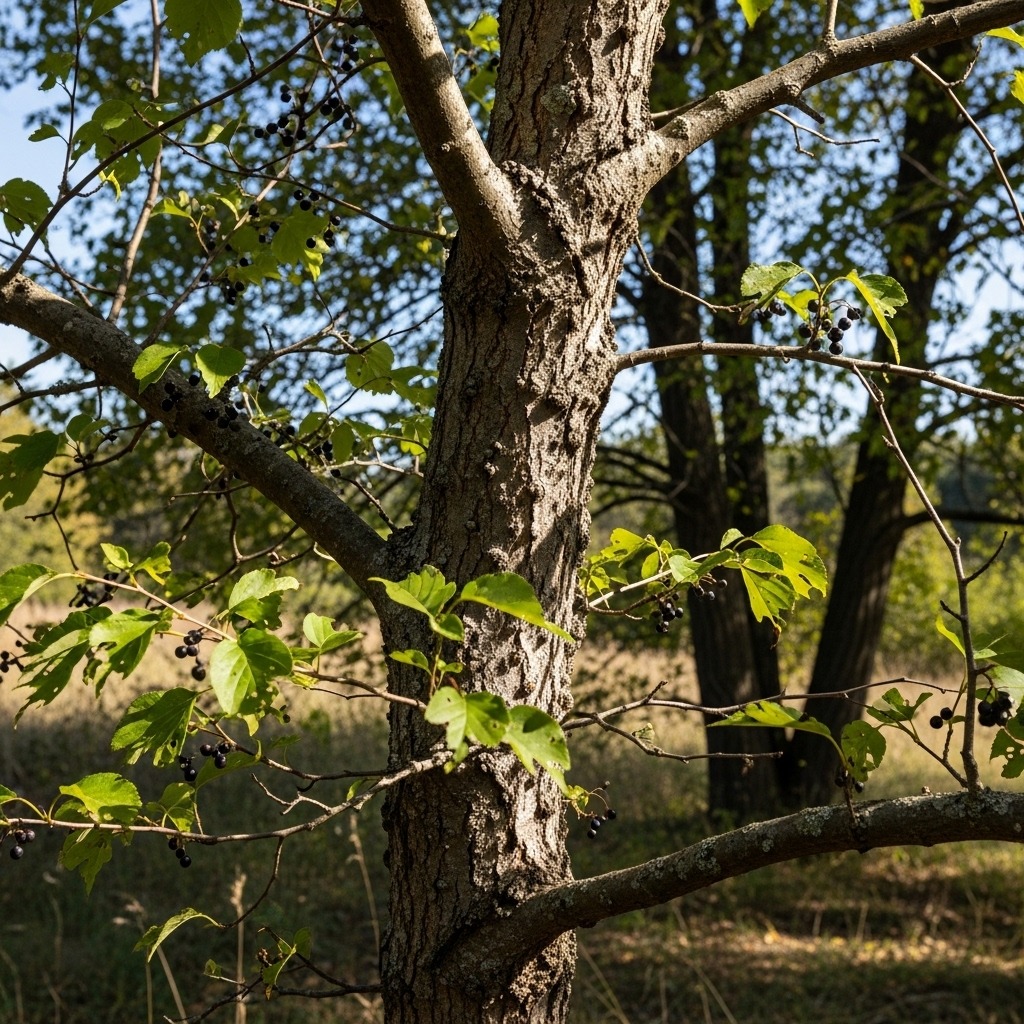
Hackberry trees are tough, adaptable, and perfect for attracting butterflies. They thrive in various climates and provide essential food and habitat for many butterfly species.
Nectar Sources and Larval Food
Hackberry trees are fantastic for butterflies. They offer:
- Nectar: Adult butterflies love the flowers.
- Larval Food: The leaves serve as a host for caterpillars of several species, including the mourning cloak and hackberry butterflies.
This dual role makes them a vital addition to your butterfly garden.
Adaptability in Various Climates
Hackberry trees are hardy and can grow in different environments. They:
- Tolerate poor soil types.
- Flourish in both wet and dry conditions.
- Are resistant to pests and diseases.
This resilience means they’re a safe bet for any gardener looking to attract butterflies, regardless of their local climate.
Planting and Care Recommendations for Hackberry
To ensure your hackberry tree thrives and attracts butterflies, consider these tips:
- Location: Plant in full sun or partial shade.
- Soil: Well-drained soil is best, but they can tolerate a range.
- Watering: Water regularly during dry spells, especially for young trees.
- Pruning: Trim as needed to maintain shape and remove any dead branches.
By following these guidelines, you’ll create a welcoming environment for butterflies while enjoying the beauty of the hackberry tree.
5. Elms: A Classic Butterfly Haven
Elms are not just beautiful trees; they’re also fantastic for attracting butterflies. Their flexible branches and lush leaves create a welcoming space for these colorful pollinators.
Elms provide essential habitats for butterflies
Elms offer both food and shelter for butterflies. The tree’s rough bark provides a cozy spot for butterflies to rest. Plus, many butterfly species thrive on the nectar of elm flowers. Here are some butterfly species you might attract:
- Eastern Tiger Swallowtail
- Monarch
- Mourning Cloak
Nectar-rich flowers and foliage
Elms bloom in spring, producing small flowers rich in nectar. This makes them a prime food source for adult butterflies. The foliage also serves as a perfect habitat for larvae. When you plant an elm, you’re not just adding shade; you’re creating a mini-ecosystem.
Best practices for elm tree care
To make sure your elm tree thrives, keep these care tips in mind:
- Location: Choose a spot with full sun for optimal growth.
- Soil: Elms prefer well-drained soil but can adapt to various conditions.
- Watering: Water young elms regularly, especially during dry spells.
- Pruning: Trim dead or damaged branches to maintain health.
By following these simple tips, your elm can flourish and become a haven for butterflies. Plus, it will add beauty to your garden.
When planting elms, consider their ecological impact. These trees not only support butterflies but can also enhance your garden’s biodiversity. They create a balanced ecosystem that benefits various wildlife, making your space a true butterfly oasis.
6. Eastern Redbud: Colorful Nectar Source
The Eastern Redbud is a true delight in any garden. With its stunning pink blooms, it attracts butterflies and provides them with essential food and shelter.
Spring blooms that attract butterflies
In early spring, Eastern Redbuds burst into bloom. Their vibrant pink flowers are a magnet for butterflies. Species like the Eastern Tiger Swallowtail and the Monarch love to visit these blossoms. They’re drawn to the rich nectar, making your garden a popular stop on their journey.
Providing shelter with heart-shaped leaves
The heart-shaped leaves of the Eastern Redbud offer more than just beauty. They provide shelter for butterflies and caterpillars. This tree creates a cozy environment where butterflies can rest and hide from predators. It’s an excellent choice for a butterfly-friendly garden.
Caring for your Eastern Redbud
Taking care of your Eastern Redbud is simple. Here are some key tips:
- Planting Location: Choose a spot with full sun to partial shade.
- Soil Needs: They prefer well-drained soil but can adapt to various conditions.
- Watering: Young trees need regular watering, especially during dry spells.
- Pruning: Trim dead or damaged branches to keep it healthy.
By following these care tips, your Eastern Redbud will thrive and continue to attract butterflies. Plus, it adds a pop of color to your garden, making it a beautiful haven for these fluttering friends.
7. Sweetbay Magnolia: A Fragrant Choice
Sweetbay Magnolias are a delightful addition to any butterfly garden. Their creamy white flowers not only look stunning but also draw in a variety of butterflies. Let’s dig into what makes these trees special.
Nectar-rich flowers that attract butterflies
Sweetbay Magnolias produce fragrant, creamy-white blooms that butterflies can’t resist. The flowers are rich in nectar, providing a vital food source for these beautiful insects. Some butterfly species you might attract include:
- Eastern Tiger Swallowtail
- Monarchs
- Painted Ladies
These butterflies are not just pretty to look at; they play a crucial role in pollination. So, planting a Sweetbay Magnolia is like sending out an invitation to the butterfly community!
Ideal planting conditions for Sweetbay
To thrive, Sweetbay Magnolias prefer specific conditions. Here’s what to keep in mind:
- Light: They do well in full sun to partial shade.
- Soil: Moist, acidic soil is best. If your garden has heavy clay, don’t worry! Sweetbay Magnolias can handle it.
- Water: Regular watering is key, especially during dry spells.
Choosing the right spot will set your Sweetbay up for success. Remember, a happy tree means happy butterflies!
Maintaining your Sweetbay Magnolia
Keeping your Sweetbay Magnolia healthy is straightforward. Here are some quick care tips:
- Water regularly: Ensure the soil stays moist but not soggy.
- Prune as needed: Remove any dead or damaged branches to promote growth.
- Watch for pests: Keep an eye out for aphids; they can be a nuisance.
A well-cared-for Sweetbay Magnolia will not only thrive but also serve as a beautiful and fragrant sanctuary for butterflies all season long. Plus, their glossy green leaves provide shelter, making it a win-win for your garden!
8. Serviceberry: Beyond Just Beauty
Serviceberry trees are a fantastic choice for attracting butterflies. They offer beautiful blooms and tasty berries that support both butterflies and wildlife. Let’s dive into the benefits they bring to your garden.
Serviceberry’s blooms attract various butterflies
Serviceberry trees bloom in early spring, showcasing lovely white flowers. These blooms are a magnet for butterflies. Species like the Eastern Tiger Swallowtail and Red Admiral love to visit for nectar.
- Nectar Source: The sweet nectar provides a vital food source for adult butterflies.
- Early Bloomer: Being one of the first trees to bloom, it attracts butterflies when food is scarce.
Edible berries for humans and wildlife
After the blooms fade, Serviceberry trees produce delicious berries. These berries are not just for butterfliesthey’re a treat for humans too!
- Wildlife Friendly: Birds and other wildlife enjoy feasting on the berries.
- Human Snack: You can harvest them for jams, jellies, or just eat them fresh.
Planting and care for Serviceberry trees
Planting Serviceberry trees is easy, and they thrive in various conditions. Here’s how to keep them healthy:
- Sunlight: They prefer full sun to partial shade.
- Soil: Well-drained soil works best.
- Watering: Regular watering helps them establish roots, especially in the first year.
- Pruning: Trim them after flowering to shape the tree and remove any dead branches.
A well-cared-for Serviceberry not only attracts butterflies but also adds beauty and biodiversity to your garden. It’s a win-win for nature lovers!
“`markdown
9. Butterfly Bush: A Tree for All Seasons
Butterfly Bushes are a fantastic choice for any garden aiming to attract butterflies. Their vibrant flowers and easy care make them a favorite among gardeners and pollinators alike.
How Butterfly Bushes attract butterflies year-round
Butterfly Bush (Buddleja davidii) is known for its long, fragrant flower spikes. These blooms are packed with nectar, which is irresistible to butterflies. Here’s how they attract butterflies:
- Nectar Source: The sweet nectar provides energy for adult butterflies.
- Extended Blooming: They bloom from summer to fall, ensuring a steady food supply.
- Variety of Colors: Available in purple, pink, and white, they appeal to various butterfly species.
Optimal growing conditions for Butterfly Bushes
To thrive, Butterfly Bushes need specific growing conditions:
- Sunlight: Full sun is essential for generous blooms.
- Soil: They prefer well-drained soil but can tolerate a range of soil types.
- Watering: Regular watering helps during dry spells, especially when young.
Maintenance tips for a thriving Butterfly Bush
Keeping your Butterfly Bush healthy is simple:
- Pruning: Cut back in late winter to encourage new growth.
- Deadheading: Remove spent flowers to promote more blooms.
- Fertilization: Use a balanced fertilizer in early spring for better growth.
Designing with Butterfly Bushes
When planning your garden, consider these tips to create a butterfly-friendly space:
- Group Planting: Plant several together for a dazzling display and stronger allure for butterflies.
- Companion Plants: Pair with other nectar-rich plants like coneflowers or asters to maximize attraction.
- Open Spaces: Ensure there’s enough sunlight and space for butterflies to flutter around freely.
By incorporating Butterfly Bushes into your garden, you not only attract beautiful butterflies but also create a lively ecosystem that supports these essential pollinators.
“`
10. Tulip Tree: A Tall Attraction
The Tulip Tree is a stunning addition to any garden, and it’s not just for show! Its beautiful flowers and towering height make it a favorite for butterflies and other wildlife.
Tulip Tree flowers that fascinate butterflies
The Tulip Tree, or Liriodendron tulipifera, boasts unique tulip-shaped flowers. These blooms are a vibrant mix of yellow and orange, decorated with striking patterns. Butterflies love these flowers because they are rich in nectar. This makes the Tulip Tree a go-to spot for butterflies during the blooming season.
- Nectar Source: The flowers provide a significant food source for various butterfly species.
- Visual Appeal: The tree’s stunning blooms can create a picturesque environment, attracting not just butterflies but also bees and hummingbirds.
Creating habitats with Tulip Trees
Planting a Tulip Tree offers more than just nectar. Its height gives butterflies a safe place to roost and rest. The tree also serves as shelter from predators and harsh weather.
- Vertical Space: The tree can grow up to 100 feet tall, which adds vertical interest to your garden.
- Ecosystem Support: By providing shelter, you help maintain a stable environment for butterfly populations.
Care instructions for Tulip Trees
Caring for a Tulip Tree is relatively straightforward. Here are some essential tips to ensure it thrives in your garden:
- Sunlight: Ensure it receives full sunlight for optimal growth.
- Soil: Plant it in well-drained soil to prevent root rot.
- Pruning: Regular pruning helps maintain its shape and health.
By incorporating Tulip Trees into your butterfly garden, you not only enhance its beauty but also create a vital habitat for these lovely creatures.
11. Black Cherry: A Sweet Spot for Butterflies
Black Cherry trees (Prunus serotina) are a fantastic addition to any butterfly-friendly garden. They not only provide nectar-rich flowers but also serve as host plants for various butterfly larvae.
Nectar-rich flowers and food for larvae
Black Cherry trees bloom with fragrant white flowers in the spring. These flowers are a magnet for butterflies, offering a sweet source of nectar. But that’s not all! The leaves are also crucial. Many butterfly species, like the Eastern Tiger Swallowtail and the Black Swallowtail, rely on Black Cherry leaves as a food source for their caterpillars.
Best growing conditions for Black Cherry
To thrive, Black Cherry trees prefer:
- Sunlight: Full sun to partial shade.
- Soil: Well-drained, rich soil.
- Water: Regular watering, especially in dry spells.
They can adapt to various soil types but flourish best in loamy soils. Ensure adequate space for these trees, as they can grow quite tall!
Caring for your Black Cherry tree
Keep your Black Cherry healthy with these care tips:
- Pruning: Trim dead or crossing branches to maintain shape.
- Pest control: Watch for common pests like aphids and caterpillars. Regular checks can prevent infestations.
- Fertilization: Use a balanced fertilizer in early spring for optimal growth.
A comparison with other fruit trees
When you consider other fruit trees, Black Cherry stands out. Unlike many common fruit trees, such as apple or peach, Black Cherry supports a wider range of butterfly species. It’s not just about fruit; it’s about creating a vibrant ecosystem.
By planting Black Cherry trees, you invite butterflies into your garden while supporting their lifecycle. This tree is truly a win-win for both you and these beautiful pollinators!
12. Paw Paw: Unique and Attractive
Paw Paw trees are not just unique in appearance; they are a butterfly magnet! Their lush foliage and delicious fruit make them a fantastic choice for any butterfly garden.
How Paw Paw trees attract butterflies
Paw Paw trees (Asimina triloba) offer rich nectar, which is perfect for adult butterflies. Species like the Zebra Swallowtail are particularly fond of Paw Paw. They lay their eggs on the leaves, providing a safe home for caterpillars.
Providing habitat and food for caterpillars
Paw Paw leaves are a primary food source for various butterfly caterpillars. Here’s what they provide:
- Nectar: Attracts adult butterflies.
- Host Plant: Essential for caterpillar development.
- Shelter: Offers protection for developing caterpillars.
By planting Paw Paws, you’re not just adding beauty to your garden; you’re creating a haven for butterflies.
Best practices for growing Paw Paw trees
To ensure your Paw Paw thrives and attracts butterflies, follow these tips:
- Location: Choose a sunny spot with some shade. These trees prefer partial sun.
- Soil: Well-drained, rich soil is ideal. Consider adding compost for nutrients.
- Watering: Keep the soil moist, especially during dry spells.
- Spacing: Allow enough room between trees to promote airflow and reduce diseases.
Planting Paw Paw trees can dramatically increase the butterfly population in your garden. Plus, their unique fruit is a tasty bonus for you!
13. Kousa Dogwood: An Underappreciated Gem
The Kousa Dogwood is a stunning addition to any butterfly garden. Its beautiful blooms and rich foliage offer both beauty and a vital habitat for butterflies.
Kousa Dogwood’s blossoms attract butterflies
Kousa Dogwood trees bloom with showy white flowers in late spring. These blossoms are a magnet for butterflies. They provide essential nectar that many butterfly species crave. The Kousa Dogwood’s flowers are not just pretty; they are a food source that supports butterfly populations.
Creating visual appeal in gardens
Beyond attracting butterflies, Kousa Dogwoods enhance the aesthetic of your garden. Their layered branches and vibrant fall color create a stunning visual display. When planted in groups or as a focal point, they add depth and texture. Plus, their unique bark and form provide year-round interest.
Caring for Kousa Dogwood trees
To keep your Kousa Dogwood healthy, follow these care tips:
- Location: Choose a spot with full sun to partial shade.
- Soil: These trees prefer well-drained, loamy soil. Adding organic matter can help.
- Watering: Regular watering is crucial, especially during dry spells.
- Spacing: Allow plenty of space between trees for airflow and to prevent disease.
By taking these steps, you can create a thriving environment for butterflies and enjoy the stunning beauty of Kousa Dogwood trees in your garden.
Frequently Asked Questions
These quick answers cover the most common questions about this topic, including key details, practical tips, and common concerns.
What tree attracts the most butterflies?
Willows are among the top trees for attracting butterflies because they bloom early and produce abundant nectar. They also serve as excellent shelter for caterpillars. Oaks are another highly effective choice, supporting over 500 butterfly species as both host plants and nectar sources. The best tree depends on your local climate and butterfly species you want to attract.
Why are trees important for butterflies?
Trees provide essential nectar for adult butterflies and serve as host plants for caterpillars. They offer shelter from predators and harsh weather, creating a safe habitat for multiple stages of butterfly development. Without trees, butterfly populations struggle to find food and safe spaces to reproduce.
When is the best time to plant trees for butterflies?
The best time to plant butterfly-attracting trees is in early spring or fall, when the soil is workable and temperatures are moderate. Planting during these times allows trees to establish roots before the peak butterfly season, which typically occurs in late spring through summer.
What common mistakes should I avoid when planting butterfly trees?
Avoid planting too close to structures or other trees that may block sunlight. Ensure the soil drainage is adequate to prevent root rot. Don’t forget to water young trees regularly until they are established. Also, avoid over-pruning, which can weaken the tree and reduce flowering and nectar production.
How do different tree species compare in attracting butterflies?
Native trees like Oaks, Serviceberries, and Sweetbay Magnolias generally attract a wider variety of local butterfly species because they are part of the natural ecosystem. Trees like Cherry and Kousa Dogwood provide both nectar and habitat, while others like Willows bloom early and support migration. Consider your local environment and target butterfly species for the best results.
What are some alternative plants to attract butterflies besides trees?
Shrubs and flowering perennials such as Butterfly Bush, Coneflowers, Milkweed, and Asters are excellent alternatives. They provide nectar and habitat, especially in smaller or urban gardens where large trees may not be feasible. Incorporating a variety of native plants supports a diverse butterfly population.
How can I create a butterfly-friendly garden with trees?
Plant a mix of native trees, shrubs, and flowering plants to provide nectar, host plants, and shelter. Ensure continuous blooming throughout the butterfly season. Use sunlit, sheltered spots, and avoid pesticides. Group plants to attract butterflies and create a layered habitat for different species.
Why are certain trees like Hackberry and Sweetbay Magnolia particularly effective for butterflies?
Hackberry trees are resilient and support many butterfly species with their nectar and leaves for caterpillars. Sweetbay Magnolias produce fragrant, nectar-rich flowers that attract a variety of butterflies and pollinators. Both trees enhance local biodiversity and provide essential resources for butterfly lifecycles.