
Natural pest control methods are effective, eco-friendly solutions to keep unwanted insects at bay. By using everyday household items and organic techniques, you can safeguard your space without harmful chemicals. Discover 26 powerful strategies to manage pests naturally.
1. Understanding Natural Pest Control
Natural pest control is all about using eco-friendly methods to keep pests away. It’s a safer, sustainable approach that protects both your home and the environment. Here’s why it matters.
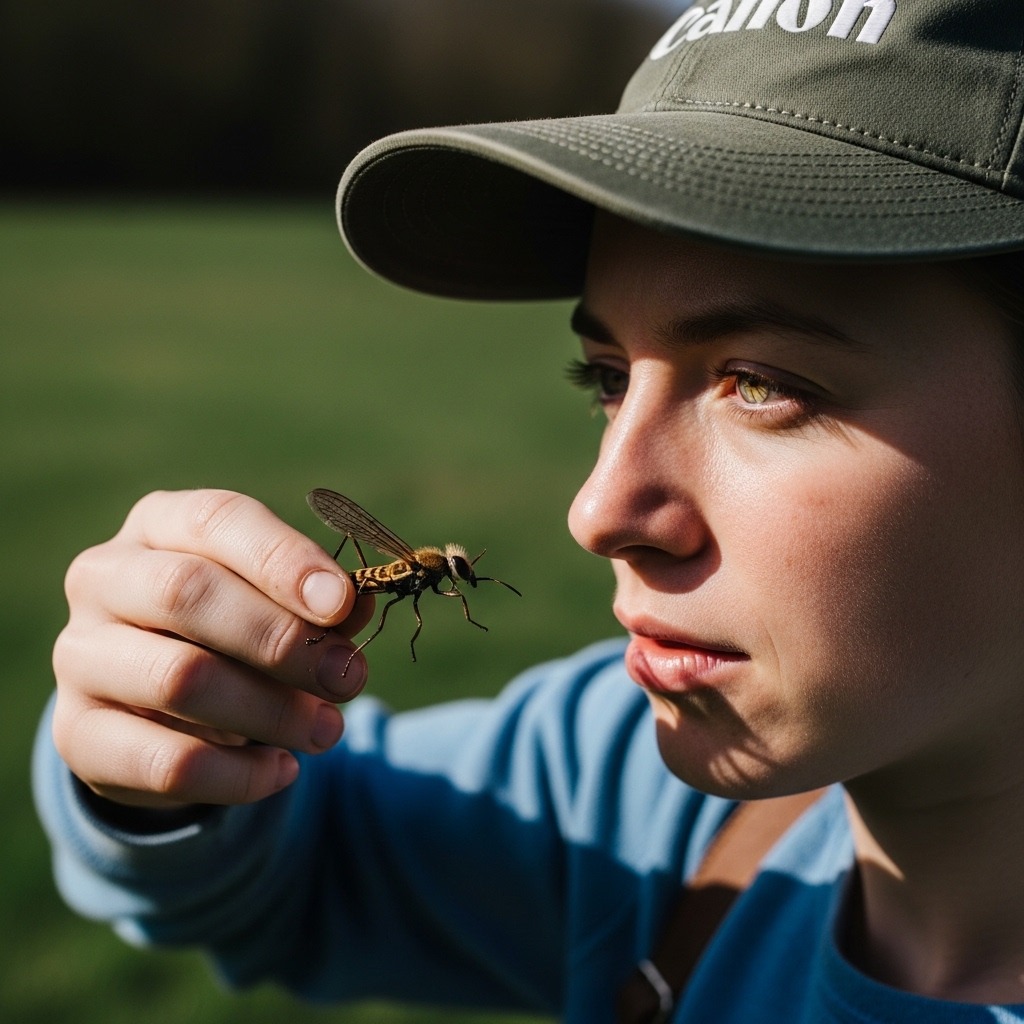
The concept of natural pest control
Natural pest control involves using organic methods and household items to deter pests. This can include everything from essential oils to homemade sprays. The goal is to reduce or eliminate pests without relying on harsh chemicals.
Here are some common natural pest control methods:
- Essential oils: Oils like lavender and tea tree not only smell great but also repel pests.
- Diatomaceous earth: This powder damages insect exoskeletons, leading to dehydration.
- Companion planting: Certain plants can naturally fend off pests when grown together.
- Garlic spray: A simple mixture of garlic and water can deter many insects.
- Citrus peels: The scent can confuse and repel pests like ants.
Benefits of going natural
Choosing natural pest control has many benefits. Here are a few:
- Eco-friendly: Reduces chemical runoff and protects beneficial insects.
- Safety: Safer for pets and kids compared to chemical alternatives.
- Cost-effective: Many solutions use common household items, saving you money.
- Healthier environment: Promotes biodiversity and healthier soil.
Importance of natural solutions
Embracing natural pest control is vital for sustainable living. Chemical pesticides can harm the environment, leading to soil degradation and water pollution. In contrast, organic methods support a thriving ecosystem.
For instance, using beneficial nematodes in your garden targets soil pests without affecting plants or beneficial insects. This method not only protects your garden but also enhances soil health.
Table of Contents
By opting for natural solutions, you’re making a choice that benefits not just your home but the planet, too.
2. Household Item: Coffee Grounds as Pest Repellent
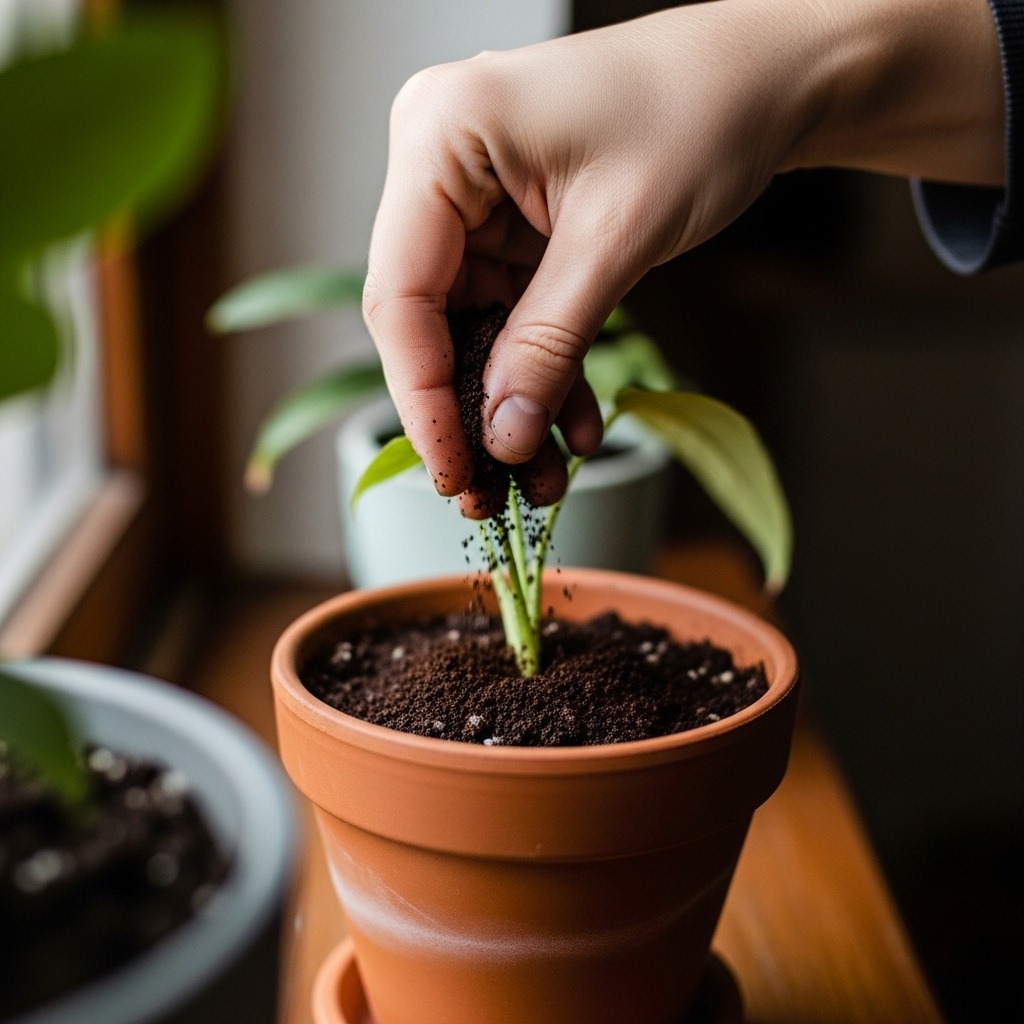
Coffee grounds are more than just a leftover from your morning brew. They can be a powerful weapon against pesky garden pests like ants and slugs. Let’s dive into how you can use this household item for natural pest control.
Application methods
Using coffee grounds is simple. Here’s how you can apply them effectively:
- Sprinkle around plants: Create a barrier by sprinkling coffee grounds around the base of your plants. This gritty texture will repel slugs and deter ants.
- Mix with water: Combine used coffee grounds with water to make a paste. Apply it directly to affected areas or around entry points in your home.
- Add to compost: If you compost, throw in your coffee grounds. They not only contribute to pest control but also enrich the compost with nitrogen.
Benefits to plants
Using coffee grounds in your garden has several perks:
- Soil enrichment: Coffee grounds are rich in nitrogen, which helps boost plant growth.
- Nutrient boost: As they decompose, they add valuable nutrients back into the soil.
- Aroma deterrent: The smell of coffee grounds confuses pests, making them less likely to invade your garden.
Real-life example
Imagine you have a garden teeming with slugs. By simply sprinkling coffee grounds around your prized plants, you create a barrier they avoid. The next time you check, you’ll find fewer slugs munching on your greens, and your plants thriving thanks to the added nutrients!
Using coffee grounds is an eco-friendly, budget-friendly way to keep your garden pest-free while promoting healthy plant growth. It’s an easy shift that makes a big difference.
3. Household Item: Apple Cider Vinegar for Traps

Apple cider vinegar is a powerful ally in the battle against fruit flies. It’s simple to use and highly effective. Let’s dive into how you can create your own traps using this household staple.
Make a trap
Creating a fruit fly trap with apple cider vinegar is super easy. Here’s what you need:
- A small bowl or jar
- Apple cider vinegar
- Plastic wrap
- A rubber band or string
- A toothpick or pencil
Steps:
1. Pour about an inch of apple cider vinegar into the bowl or jar.
2. Cover the top with plastic wrap.
3. Secure the plastic wrap with a rubber band or string to hold it in place.
4. Poke a few small holes in the wrap using a toothpick. The holes should be big enough for fruit flies to get in but small enough to keep them from escaping.
It works
Fruit flies are attracted to the smell of apple cider vinegar. They’ll fly in through the holes and won’t be able to get back out. This trap not only catches them but also helps to keep your kitchen clean and fresh.
Effectiveness tips:
- Location: Place the trap near areas where you notice fruit flies, like near ripe fruit or trash bins.
- Variations: You can mix in a drop of dish soap with the vinegar. The soap breaks the surface tension, ensuring that flies sink and can’t escape.
- Refresh: Change out the vinegar every few days to keep the trap effective.
This simple, eco-friendly method turns a common kitchen item into a pest control solution. Plus, it’s a great way to avoid harsh chemicals in your home. Enjoy a fly-free kitchen with this easy DIY trap!
4. Household Item: Banana Peels for Aphids
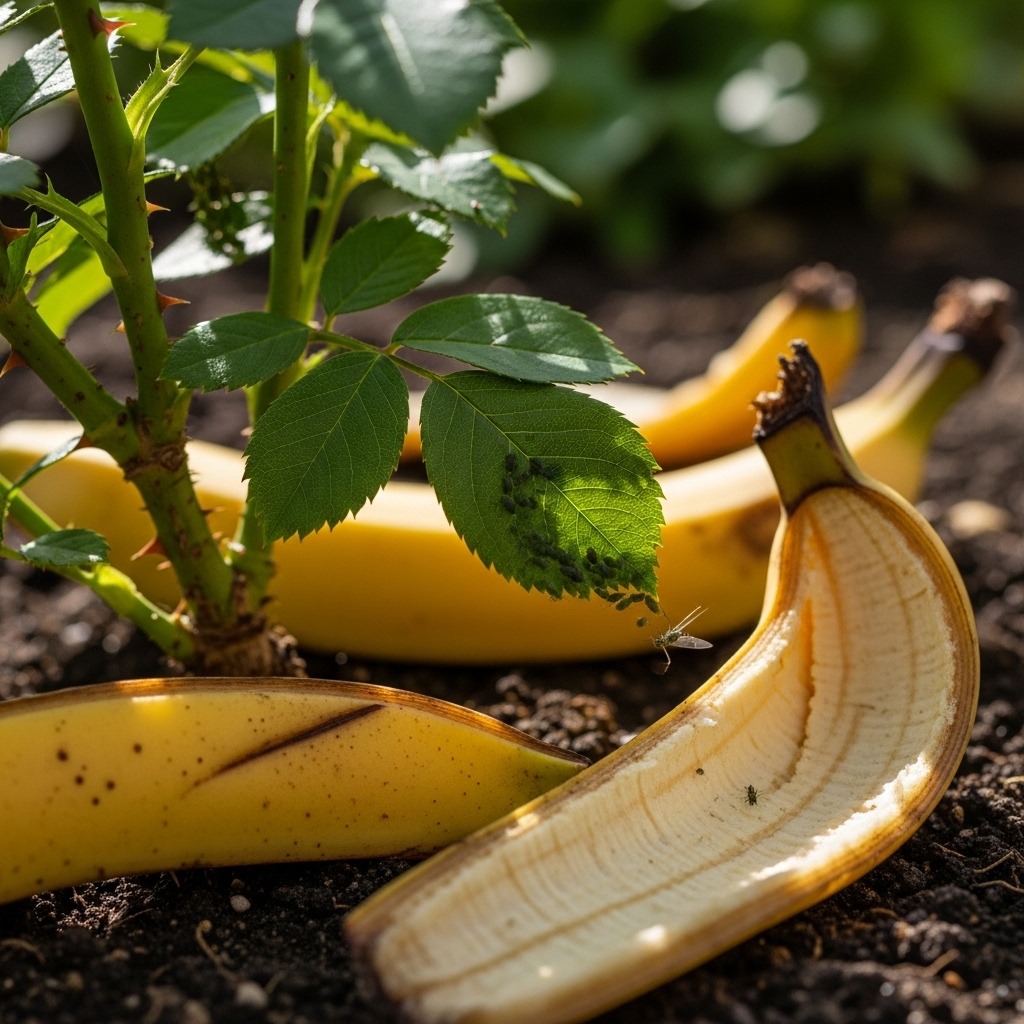
Banana peels are not just waste; they’re a gardener’s secret weapon! They can deter pesky aphids while also enriching your soil. Let’s explore how to use them effectively.
Placement Techniques
1. Burying Near Roots: Place banana peels about 1-2 inches below the soil near the base of your plants. This allows the peels to decompose and release nutrients directly where plants need them most.
2. Cutting Up: Chop the peels into smaller pieces to speed up decomposition. This increases nutrient release and makes it easier for beneficial insects to reach the nutrients.
3. Creating a Trap: If you want to attract helpful insects, consider placing peels on the soil surface. Their sweet smell can lure in ladybugs and other predators of aphids.
Nutrient Benefits
Banana peels are rich in potassium, which supports overall plant health. When used in the garden, they provide dual benefits:
- Nutrient Boost: As the peels break down, they release potassium and other essential nutrients that enhance plant growth.
- Aphid Deterrent: The sweet aroma of banana peels can confuse aphids and keep them at bay. This is a natural way to protect your plants without harsh chemicals.
Real-Life Example
Imagine you have a tomato plant that’s struggling with aphids. By burying banana peels around its base, you’re not only feeding the plant but also creating an environment less welcoming to those pesky bugs. Over time, you’ll notice fewer aphids and healthier tomatoes!
Using banana peels as a natural pest control method combines pest deterrence with soil enrichment. It’s a win-win for your garden!
5. Household Item: Onions for Spider Deterrence
Onions aren’t just for adding flavor to your meals; they can also keep pesky spiders at bay. This simple household item is an effective natural pest control method. Let’s dive into how you can use onions to create a spider-free zone.
Creating your onion solution
Making an onion solution is easy and requires just a few steps:
1. Slice the onions: Take one or two onions and slice them up.
2. Mix with water: Place the sliced onions in a bowl and fill it with water.
3. Let it sit: Allow the mixture to sit for a few hours or overnight. This helps to release the onion’s natural oils.
4. Place strategically: Pour the solution into a spray bottle. Spray it around doorways, windows, and other entry points where spiders might creep in.
This method creates a barrier that spiders dislike. The strong scent of onions disrupts their natural behavior, making your home less appealing.
Effectiveness over time
The effectiveness of your onion solution can last for several days, but it may need reapplication. Here’s what to consider:
- Frequency: Spray every few days, especially after rain or cleaning.
- Alternatives: If you find the onion scent too strong, you can mix in a few drops of essential oils like lavender or peppermint. These can enhance the repellent effect while adding a pleasant aroma.
Using onions as a spider deterrent is a great way to keep your space pest-free without harsh chemicals. This natural solution is safe for families and pets, making it a win-win for your home.
6. Essential Oil: Neem Oil for Pest Control
Neem oil is a powerhouse when it comes to natural pest control. It’s derived from the seeds of the neem tree and has been used for centuries. This versatile oil disrupts the life cycles of pests while being safe for beneficial insects. Let’s dive into how to mix it and apply it effectively.
Mixing and Application
To use neem oil, you’ll need to mix it with water. Here’s a simple recipe:
- Ingredients:
- 1 tablespoon of neem oil
- 1 tablespoon of liquid soap (like Castile soap)
- 1 quart of water
Instructions:
1. In a spray bottle, combine the neem oil and liquid soap.
2. Add the water and shake well to mix.
3. Spray the mixture on affected plants, targeting areas where pests are visible.
Application Tips:
- Apply in the early morning or late afternoon to avoid direct sunlight.
- Reapply every 7 to 14 days or after rain.
- Focus on the undersides of leaves where pests often hide.
Safety for Beneficial Insects
One of the best things about neem oil is its safety for beneficial insects. Unlike chemical pesticides, neem oil doesn’t harm bees and ladybugs. This makes it a great choice for maintaining the natural balance in your garden.
Precautions:
- Always test a small area of the plant first to check for any adverse reactions.
- Avoid spraying on flowering plants during peak pollination hours.
Using neem oil can turn your garden into a thriving ecosystem. With its powerful pest control abilities and safety for beneficial insects, it’s a win-win for any gardener looking to go natural!
7. Essential Oil: Garlic Spray for Natural Deterrent
Garlic spray is a fantastic natural solution for keeping pesky garden pests at bay. Its potent aroma acts as a shield against unwanted insects, making it a gardener’s best friend.
Ingredients Needed
To whip up your own garlic spray, you’ll need just a few simple ingredients:
- 2-3 garlic cloves
- 1 quart of water
- 1 teaspoon of mild liquid soap (like dish soap)
Application Tips
Creating and using garlic spray is a breeze. Follow these steps for effective pest control:
1. Prepare the Garlic: Peel and crush the garlic cloves. You want to release as much of that strong aroma as possible.
2. Mix the Solution: Combine the crushed garlic with water in a blender. Blend until well mixed.
3. Steep the Mixture: Let the mixture sit for about 24 hours. This allows the garlic to infuse into the water fully.
4. Strain the Spray: After steeping, strain the mixture to remove garlic bits. You want a smooth liquid.
5. Add Soap: Mix in the mild liquid soap. This helps the spray stick to the plants.
6. Transfer to Spray Bottle: Pour the solution into a spray bottle for easy application.
7. Application: Spray directly onto affected plants, focusing on the undersides of leaves where pests often hide. Repeat every 5-7 days, especially after rain.
Variations for Different Pests
Garlic spray is versatile. Here’s how to tweak it for various pests:
- For Aphids and Whiteflies: Use the standard recipe as is.
- For Caterpillars: Add a teaspoon of crushed red pepper to the mixture.
- For Spider Mites: Combine garlic spray with a few drops of peppermint oil for a double punch.
Safety Precautions
While garlic spray is safe for plants, keep these tips in mind:
- Test First: Spray a small area of the plant to check for any adverse reactions.
- Avoid Peak Sun: Apply during early morning or late evening to prevent leaf burn.
Garlic spray not only protects your garden but also enriches your connection to nature. It’s a simple, effective way to embrace natural pest control!
8. Essential Oil: Peppermint Oil for Ants
Peppermint oil is a powerful natural repellent for ants. Its strong scent disrupts their trails and confuses them, making it harder for them to find food. Let’s dive into how you can use peppermint oil effectively.
Application Methods
You can easily create a peppermint oil spray. Here’s how:
1. Ingredients:
- 10-15 drops of peppermint oil
- 2 cups of water
- A spray bottle
2. Instructions:
- Combine the water and peppermint oil in the spray bottle.
- Shake well before using.
- Spray around entry points, such as doorways and windowsills.
This mixture can help create a barrier that ants won’t want to cross.
Creating a Barrier
Peppermint oil works best when combined with other natural methods. For instance, you can enhance its effectiveness by using it alongside vinegar.
- Peppermint and Vinegar Combo:
- Mix 1/4 cup of white vinegar with 2 cups of water and add 10 drops of peppermint oil.
- Spray this solution to eliminate ant trails and deter new ones.
Using peppermint oil this way not only keeps ants at bay but also leaves your home smelling fresh.
Real-Life Example
Imagine this scenario: You notice ants marching through your kitchen. You quickly whip up a peppermint oil spray and target their entry point. After a few applications over a couple of days, the ants are gone, thanks to the persistent aroma of peppermint disrupting their scent trails.
This example shows how effective peppermint oil can be when used consistently and in combination with other natural remedies. Keep experimenting to find what works best for you!
9. Organic Method: Diatomaceous Earth for Insect Control
Diatomaceous earth (DE) is a powerful natural pest control method. It’s made from tiny fossilized algae and works wonders against various pests. Let’s dive into how it works and how to use it effectively.
How it works
Diatomaceous earth is made up of sharp, microscopic particles. When insects come into contact with DE, these sharp edges cut through their protective outer layer. This leads to dehydration and ultimately, their demise. DE is effective against:
- Ants
- Slugs
- Beetles
- Cockroaches
It’s safe for humans and pets, making it an excellent choice for eco-friendly pest control.
Best application practices
To get the most out of diatomaceous earth, follow these simple application tips:
1. Choose Food Grade DE: Always opt for food grade diatomaceous earth. It’s safe for your garden and home.
2. Dry Application: Apply it in dry form. Wet DE loses its effectiveness.
3. Target Areas: Focus on areas where pests are active. This includes around plants, in cracks, and along entry points.
4. Reapply After Rain: If it rains or you water your garden, reapply DE to maintain its effectiveness.
5. Use a Duster: For even application, consider using a duster to spread DE in hard-to-reach areas.
Scenarios for effectiveness
Diatomaceous earth shines in various situations. Here are a couple of real-life examples:
- Garden Protection: If you have a slug problem, sprinkle DE around the base of your plants. The slugs will avoid crossing the barrier, protecting your precious veggies.
- Indoor Pest Control: For an ant invasion in your kitchen, dust DE in corners and along ant trails. As the ants pass through, they’ll be affected, and you’ll notice a significant reduction in their numbers.
By understanding and applying diatomaceous earth correctly, you can enjoy a pest-free environment without harmful chemicals.
10. Organic Method: Companion Planting for Pest Management
Companion planting is a fantastic way to naturally manage pests in your garden. Certain plants can work together to repel unwanted insects, making your garden healthier and more vibrant.
Examples of Effective Pairings
Here’s a handy chart of some effective companion plant pairings and the pests they help deter:
| Companion Plant | Pest Deterrent |
|---|---|
| Marigolds | Nematodes, aphids |
| Basil | Flies, mosquitoes |
| Chives | Aphids, carrot flies |
| Garlic | Japanese beetles |
| Nasturtiums | Cabbage worms |
| Tansy | Ants, mosquitoes |
For example, planting marigolds near tomatoes not only brightens your garden but also keeps nematodes at bay. Basil pairs beautifully with tomatoes too, enhancing their flavor while warding off flies.
Long-Term Benefits
Companion planting does more than just repel pests. It can improve soil health and boost plant growth. Here are some long-term benefits:
- Enhanced Biodiversity: Different plants attract various beneficial insects, such as pollinators.
- Soil Enrichment: Some plants, like legumes, fix nitrogen in the soil, benefiting neighboring plants.
- Space Optimization: Companion planting allows you to maximize garden space efficiently.
By incorporating companion planting into your gardening routine, you not only create a natural pest management system but also foster a thriving ecosystem. Plus, it’s a sustainable practice that reduces the need for chemical pest control methods.
11. Biodegradable Solutions: Soap Spray for Soft-bodied Pests
Soap spray is a simple and effective way to tackle soft-bodied pests like aphids and mealybugs. It’s easy to make and safe for your plants and the environment.
Ingredients for soap spray
To create your own insecticidal soap spray, you’ll need just a few ingredients:
- Liquid soap: Use a pure liquid soap, like Castile soap. Avoid detergents with additives.
- Water: Tap water works fine.
- Spray bottle: A clean spray bottle for application.
Recipe:
1. Mix 1-2 tablespoons of liquid soap with 1 quart (4 cups) of water.
2. Stir gently until combined.
Apply safely
Now that you have your soap spray, follow these steps for safe application:
1. Test first: Spray a small area of your plant to check for sensitivity. Wait 24 hours.
2. Spray directly: Target the affected areas, including the undersides of leaves where pests hide.
3. Frequency: Apply every 5-7 days until you see improvement. If the problem persists, reapply as needed.
Effectiveness metrics
Soap spray is effective against soft-bodied pests. It disrupts their cell membranes, leading to quick results. For best results, apply in the evening or early morning to avoid sunburn on plants.
Remember: This method is safe for beneficial insects when used correctly. Just spray directly on the pests and not on the flowers to protect pollinators.
Using soap spray is a fantastic way to maintain a healthy garden without relying on chemicals. It’s budget-friendly and utilizes common household items. Enjoy your pest-free plants with this eco-friendly solution!
12. Attracting Beneficial Insects: Ladybugs for Pest Control
Ladybugs are not just cute little beetles; they’re powerful allies in the fight against garden pests. These tiny superheroes munch on aphids, mites, and other troublesome insects. By inviting ladybugs into your garden, you can manage pests naturally and effectively.
Benefits of Ladybugs
- Natural Pest Control: Ladybugs feast on soft-bodied pests, keeping their numbers in check. Just a few ladybugs can make a big difference in your garden.
- Eco-Friendly: Unlike chemical pesticides, ladybugs are safe for the environment. You can protect your plants without harming beneficial insects or pollinators.
- Biodiversity Boost: The presence of ladybugs indicates a healthy ecosystem. They thrive in gardens with diverse plants, promoting overall garden health.
Creating a Welcoming Environment
To attract ladybugs, you need to create a hospitable environment. Here’s how:
- Plant Diversity: Grow a variety of flowering plants. Ladybugs love nectar and pollen. Flowers like dill, yarrow, and marigolds are great options.
- Avoid Chemicals: Steer clear of pesticides. Chemicals can harm ladybugs and other beneficial insects.
- Provide Shelter: Create spots for ladybugs to hide. Small piles of leaves or rocks can offer refuge during the day.
- Water Source: A shallow dish of water can help. Add some pebbles for ladybugs to perch on while they drink.
Enhancing Garden Biodiversity
A thriving garden is a happy garden. Here’s how to boost your garden’s biodiversity:
- Companion Planting: Pair plants that attract beneficial insects. For instance, plant basil near tomatoes to lure ladybugs.
- Incorporate Herbs: Many herbs, like cilantro and fennel, attract ladybugs. They also add flavor to your kitchen!
- Create Habitat: Leave some areas of your garden a bit wild. Native plants and wildflowers can draw in ladybugs and other helpful insects.
By attracting ladybugs, you can naturally manage pests while enhancing your garden’s ecosystem. With these tips, you’ll enjoy a flourishing garden that’s both beautiful and productive.
13. Using Cedar Wood for Pest Control
Cedar wood is a fantastic natural pest repellent. Its unique aroma helps keep pests like mosquitoes, moths, and ants at bay. Let’s dive into how cedar wood can protect your home and garden.
How cedar wood repels pests
Cedar wood contains natural oils that act as a deterrent to many insects. Here’s how it works:
- Aroma: The strong scent of cedar confuses pests and makes them less likely to invade your space.
- Inhospitable Environment: When cedar wood is present, many insects find it uncomfortable, encouraging them to look elsewhere.
- Soil Enrichment: As cedar breaks down, it enriches the soil, benefiting your plants while keeping pests away.
Best practices
To effectively use cedar wood for pest control, follow these tips:
1. Cedar Chips: Spread cedar chips in your garden paths. This creates a barrier and adds a lovely scent to your garden.
2. Cedar Blocks: Place cedar blocks in closets or storage areas. They repel moths and keep your clothes safe.
3. Placement: Use cedar around doorways and windows. This helps prevent insects from entering your home.
Example Scenario: Imagine you have a vegetable garden. By placing cedar chips around your plants, you not only deter pests but also enhance the soil as the chips decompose. It’s a win-win!
Using cedar wood is a simple yet effective way to manage pests naturally. It’s eco-friendly and adds beauty to your garden or home. So, why not give it a try?
14. Natural Barriers: Creating Physical Barriers Against Pests
Physical barriers are a fantastic way to keep pests out of your garden and home. They work by blocking insects from reaching your plants or living spaces. Let’s explore some effective examples and materials you can use.
Examples of effective barriers
1. Floating Row Covers: These lightweight covers drape over plants, allowing sunlight and moisture in while keeping pests out. They’re perfect for protecting crops like cabbage from worms and beetles.
2. Garden Fencing: A simple fence can deter larger pests like rabbits and deer. Make sure it’s tall enough and buried a bit underground to stop digging critters.
3. Netting: Use mesh netting to protect fruit trees and berry bushes from birds and insects. It’s easy to install and reusable.
4. Mulch Barriers: Applying a thick layer of organic mulch around your plants not only suppresses weeds but also creates a barrier against certain pests like slugs.
5. Copper Tape: This tape can be placed around pots or garden beds. Its copper surface repels slugs and snails, keeping them away from your plants.
Material recommendations
Here’s a quick list of materials you can use to create your own physical barriers:
- Fabric row covers: Lightweight and breathable
- Wood or wire for fencing: Durable and customizable
- Mesh netting: Fine enough to keep out small pests
- Organic mulch: Wood chips, straw, or grass clippings
- Copper tape: Easy to apply around pots
DIY Example: Creating a Simple Floating Row Cover
1. Materials Needed: Lightweight fabric (like row cover fabric), stakes or hoops.
2. Instructions:
- Cut the fabric to cover your plants.
- Use stakes or hoops to elevate the fabric above the plants.
- Secure the edges to the ground to prevent pests from sneaking underneath.
By using these natural barriers, you can effectively manage pests without chemicals. Enjoy a thriving, pest-free garden using simple, organic methods!
15. Importance of Timing: When to Apply Natural Remedies
Timing is everything when it comes to natural pest control. Knowing when to apply your remedies can make a big difference in their effectiveness. Let’s dive into the optimal times for using these eco-friendly solutions.
Optimal Times for Application
1. Spring Awakening: Many pests emerge in spring as temperatures rise. Apply your remedies early to catch them before they multiply. For example, a garlic spray can deter aphids and other soft-bodied insects.
2. Mid-Summer Spike: By mid-summer, many pests are at their peak. This is the best time for stronger measures like diatomaceous earth. Spread it around plants to target slugs and beetles.
3. Fall Preparations: As plants start to die back in fall, pests like spiders and mice look for shelter. Use essential oils like peppermint to repel them from entering your home.
Seasonal Pest Behavior
- Spring: Ants and aphids start to appear. Use neem oil or garlic spray to keep them at bay.
- Summer: Expect an increase in flies and beetles. Diatomaceous earth and beer traps work wonders in this season.
- Fall: Rodents and spiders seek warm spots. Use peppermint oil and cinnamon to deter them naturally.
- Winter: Indoor pests may become a problem. Essential oils can help keep them away during the colder months.
Quick Reference Checklist
- Identify the pest: Know what you’re dealing with to select the right remedy.
- Choose the right time: Apply treatments during pest peak activity for best results.
- Monitor weather conditions: Rain can wash away remedies, so apply before expected rain or storms.
- Use preventive measures: Regularly apply natural deterrents to create a barrier against pests.
By understanding seasonal behaviors and timing your applications, you can enhance the effectiveness of your natural pest control methods. Happy gardening!
16. Avoiding Pitfalls: Common Mistakes with Natural Pest Control
Using natural pest control can be effective, but many people make mistakes that reduce its success. Let’s look at some common pitfalls to avoid.
Mistakes to Avoid
1. Not Identifying the Pest:
Knowing what pest you’re dealing with is crucial. Different pests require different treatments. For example, essential oils might work well for mosquitoes but not for ants.
2. Ignoring Timing:
Applying remedies at the wrong time can lead to failure. For instance, spraying essential oils when it’s windy can blow them away, reducing effectiveness.
3. Overusing Remedies:
More isn’t always better. Over-applying substances like diatomaceous earth can harm beneficial insects. Use it sparingly and only when necessary.
4. Failing to Monitor:
After applying a remedy, watch for results. If pests persist, reassess your approach. It might be time to try a different method.
5. Neglecting Safety Precautions:
Even natural substances can be harmful in high doses. Always read instructions and ensure pets and kids are safe when using items like boric acid.
Understanding Pest Behavior
Understanding how pests behave can help you choose the right natural remedy. For example:
- Ants are often attracted to sweet substances. Placing a mixture of sugar and boric acid near their trails can lure them in while controlling their population.
- Mosquitoes breed in standing water. Eliminating any stagnant water around your home can drastically reduce their numbers.
Checklist for Success
Here’s a quick checklist to help you avoid common pitfalls:
- [ ] Identify the specific pest before applying any remedy.
- [ ] Apply treatments during peak pest activity.
- [ ] Use natural remedies in moderation.
- [ ] Monitor results regularly.
- [ ] Follow safety precautions for all household items.
By avoiding these mistakes and understanding pest behavior, you can enhance the effectiveness of your natural pest control methods. Happy pest battling!
17. Comparing Natural vs. Chemical Pest Control
When it comes to keeping pests at bay, the choice often boils down to natural versus chemical methods. Let’s break down the pros and cons of each approach.
Pros of Natural Methods
Natural pest control methods are eco-friendly and generally safer for humans and pets. Here are some key benefits:
- Safety: Most natural remedies use household items and organic solutions, reducing exposure to harmful chemicals.
- Sustainability: These methods promote long-term ecological balance. They help maintain a healthy garden without the risk of chemical runoff.
- Cost-Effective: Many natural solutions can be made at home with common ingredients. For example, a simple garlic spray can deter pests without breaking the bank.
- Versatility: Natural methods like diatomaceous earth and essential oils can target a variety of pests effectively.
Cons of Chemical Methods
On the flip side, chemical pesticides have their downsides. Here’s what you should consider:
- Health Risks: Chemical pesticides can pose serious health risks to humans and pets. Prolonged exposure may lead to various health issues.
- Environmental Impact: These products can harm beneficial insects and contaminate soil and water sources. This disrupts the local ecosystem.
- Resistance: Pests can develop resistance to chemical treatments over time, making them less effective.
Comparison Chart
| Aspect | Natural Pest Control | Chemical Pest Control |
|---|---|---|
| Safety | Generally safe for humans and pets | Potential health risks |
| Environmental Impact | Eco-friendly | Harmful to ecosystems |
| Cost | Often low-cost or free | Can be expensive |
| Effectiveness | Varies; may require multiple applications | Usually fast-acting |
| Residual Effects | Minimal to none | Toxic residues may remain |
Real-Life Example
Consider using essential oils as a natural deterrent. Lavender oil can repel mosquitoes while creating a pleasant aroma in your home. In contrast, a chemical spray might quickly eliminate mosquitoes but can leave harmful residues on surfaces.
Choosing between natural and chemical pest control methods depends on your values and priorities. If safety and sustainability are your main concerns, natural methods are the way to go. But if you need quick results and are less worried about the side effects, chemical options might seem tempting. Always weigh the pros and cons to find what works best for your situation!
18. Alternatives to Chemical Pest Control Products
If you’re looking to ditch harsh chemicals, you’re in luck! There are plenty of natural alternatives that are both effective and safe for your home and garden. Let’s dive into some of the best options.
List of Alternatives
- Essential Oils: Oils like peppermint, lavender, and tea tree are great at keeping pests away. Their strong scents disrupt insect behavior. Just mix a few drops with water and spray around your home or garden.
- Diatomaceous Earth: This fine powder is made from fossilized algae. It’s effective against ants, slugs, and beetles. Just sprinkle it around your plants and watch pests disappear without harming your pets.
- Boric Acid: A natural compound that disrupts the digestion of ants and roaches. Sprinkle it in corners and cracks. It’s safe when used correctly and is a trusted option for many.
- Citrus Peel: The scent of citrus repels ants and mosquitoes. Scatter peels around your garden or rub them on leaves. As they decompose, they also nourish the soil.
- Garlic Spray: Blend garlic with water and a bit of soap. This potent mixture can deter a variety of pests. Spray it around your garden to protect your plants.
- Coffee Grounds: Used coffee grounds can repel snails and slugs. Just sprinkle them around your plants. Plus, they enrich the soil!
- Wood Ash: Sprinkle wood ash around your plants to create a barrier that slugs and snails avoid. It also adds nutrients back to the soil.
- Catnip: Not just for cats! This herb can repel mosquitoes and flies. Plant it in your garden, and enjoy its benefits while attracting pollinators.
Effectiveness Overview
Natural methods can be quite effective. Here’s a quick look at how they stack up:
- Safety: Natural options are generally safe for kids and pets.
- Cost: Many of these solutions use household items, making them budget-friendly.
- Environmental Impact: They’re eco-friendly, promoting sustainability in your gardening practices.
For example, many gardeners swear by diatomaceous earth. One user shared that after applying it around their vegetable patch, they saw a noticeable drop in pest activity within days.
When switching to natural pest control methods, remember to test each method in a small area first. This way, you can gauge effectiveness without risking your entire garden. Happy gardening!
19. Creating a DIY Pest Control Spray
Making your own pest control spray is easy and effective. You can use common household items to keep your plants safe from unwanted pests. Let’s dive into how to create these sprays!
Essential Ingredients
Here are some key ingredients you can use for your DIY pest control sprays:
- Liquid Soap: A few drops of mild dish soap. This helps break down the insect’s outer layer.
- Garlic: Fresh garlic cloves add a strong scent that repels pests.
- Chili Peppers: Fresh or dried chili peppers create a spicy barrier against bugs.
- Essential Oils: Oils like peppermint or eucalyptus are great for deterring insects.
- Citrus Peels: They not only smell good but also repel ants and mosquitoes.
Mixing Instructions
Creating your pest control spray is a breeze. Follow these simple steps:
1. Soap Spray:
- Mix 1 tablespoon of liquid soap with 1 quart of water.
- Shake well and spray on affected plants.
2. Garlic Spray:
- Blend 2-3 garlic cloves with 1 quart of water.
- Let it steep overnight, strain, and spray.
3. Chili Pepper Spray:
- Blend 5-6 chili peppers with 1 quart of water.
- Strain the mixture and spray on plants.
4. Essential Oil Spray:
- Mix 10-15 drops of your chosen essential oil with 1 quart of water.
- Shake well before spraying.
5. Citrus Peel Spray:
- Soak citrus peels in 1 quart of water for a day.
- Strain and use the liquid to spray around your garden.
Customizing Your Spray for Specific Pests
Not all pests are created equal. Customize your sprays based on the pests you’re dealing with:
- Aphids: Use garlic or soap spray. They hate the strong scent.
- Spider Mites: Try chili pepper spray for a spicy surprise.
- Ants: Citrus peel spray confuses them and keeps them away.
Safety Precautions
When using homemade sprays, keep these tips in mind:
- Test First: Always test a small area before spraying the entire plant.
- Avoid Sunlight: Don’t spray in direct sunlight to prevent plant burn.
- Store Properly: Keep your sprays in a cool, dark place to maintain their effectiveness.
These DIY pest control sprays are eco-friendly and safe for your plants. Plus, they save you money while keeping your garden healthy and vibrant!
20. Utilizing Natural Deterrents in Your Home
Natural deterrents can be your best friends in keeping your home pest-free. They’re safe, effective, and often made from items you already have around the house. Let’s dive into some common natural pest control methods you can use indoors.
Common Deterrents for the Home
1. Essential Oils: Oils like peppermint, eucalyptus, and lavender are great for repelling unwanted guests. Mix a few drops with water in a spray bottle and spritz around entry points. The strong scents confuse pests and keep them at bay.
2. Garlic Spray: Blend a few cloves of garlic with water, strain, and use it as a spray. Its pungent aroma is off-putting to many pests, including mosquitoes and flies.
3. Vinegar: Mix equal parts vinegar and water in a spray bottle. This solution works wonders against ants and spiders. Spray it on surfaces where you’ve seen pests, and watch them scurry away.
4. Coffee Grounds: Used coffee grounds can deter slugs and snails. Sprinkle them around your plants or entryways. Plus, they give your garden a little extra nutrient boost!
5. Citrus Peels: Save those peels! Citrus oils are naturally repellent to many insects. Place peels around windows and doors to keep pests from entering.
Placement Tips
- Entry Points: Focus on doors and windows. These are common entry spots for pests. Spray or place deterrents here to create a barrier.
- High-Traffic Areas: Identify areas where you see the most pest activity. Use stronger deterrents here, like garlic spray or vinegar.
- Around Plants: If you have houseplants, place coffee grounds or citrus peels in the soil. This not only deters pests but enriches the soil, too.
- Regular Application: Natural remedies can lose their potency over time. Reapply every few days or after cleaning to ensure maximum effectiveness.
Incorporating these natural deterrents into your home routine can keep pests away without harmful chemicals. Plus, you’ll enjoy a fresh, pleasant scent while you do it!
21. Understanding Pest Behavior for Effective Control
Understanding how pests behave is key to effective natural pest control. By knowing their habits, you can tailor your strategies. This makes your efforts more efficient and successful.
Common Pest Behaviors
Pests show specific behaviors that can help you identify the best control methods. Here are some common actions to look out for:
- Feeding Patterns: Many pests are attracted to certain plants or foods. For instance, aphids love young, tender leaves. Knowing this helps you target your control methods.
- Breeding Sites: Some pests prefer damp areas, while others thrive in dry conditions. Cockroaches love dark, moist spaces; ants often build nests in soil or wood.
- Activity Times: Many pests are more active at certain times. For example, mosquitoes are most active during dawn and dusk. Timing your control measures can enhance their effectiveness.
Adapting Strategies Accordingly
Once you understand pest behavior, you can adapt your natural control methods. Here’s how:
1. Targeted Treatments: Use garlic spray on aphids when you spot them feeding. This disrupts their feeding and reduces their population.
2. Strategic Placement: Place diatomaceous earth around entrances where ants are active. This will cut them off before they invade your space.
3. Companion Planting: Plant marigolds near vegetables to deter nematodes and attract beneficial insects. This method takes advantage of plant relationships for mutual benefits.
DIY Natural Remedies
Creating your own pest control solutions can be simple and effective. Here are a few recipes based on pest behavior:
- Garlic Spray: Blend 1 bulb of garlic with 2 cups of water. Strain and spray on plants where pests are feeding.
- Diatomaceous Earth Barrier: Dust around plants and entry points. This will create a barrier against crawling insects.
- Essential Oil Mix: Combine 10 drops of peppermint oil with water in a spray bottle. Use this around entryways to repel ants and spiders.
By understanding pest behaviors, you can customize your natural pest control strategies. This not only improves effectiveness but also ensures your garden remains a healthy, thriving space.
22. Seasonal Pest Control: Adapting Your Strategy
Pests behave differently throughout the year. Understanding their seasonal patterns helps you adapt your natural pest control methods effectively. Here’s how to tackle pest issues in different seasons.
Winter Strategies
In winter, many pests seek shelter indoors. Here’s how to keep them at bay:
- Seal Cracks: Inspect your home for gaps. Use caulk or weather stripping to seal them.
- Diatomaceous Earth: Sprinkle this around entry points. It will deter ants and other crawling pests.
- Essential Oils: Mix peppermint oil with water. Spray it in corners to repel spiders and other unwanted guests.
Summer Strategies
Summer is prime time for pests. Keep your garden and home pest-free with these strategies:
- Garlic Spray: Blend 1 bulb of garlic with 2 cups of water. Strain and use it on plants. This deters aphids and beetles.
- Citrus Peel: Scatter citrus peels around garden beds. The scent repels ants and mosquitoes while adding nutrients to the soil.
- Catnip Plant: Plant catnip in your garden. It repels mosquitoes and attracts beneficial pollinators.
Fall Strategies
As temperatures drop, pests prepare for winter. Here’s how to stay ahead:
- Remove Debris: Clear fallen leaves and debris from your yard. This eliminates hiding spots for pests.
- Coffee Grounds: Spread used coffee grounds around plants. This can deter snails and slugs while enriching the soil.
- Neem Oil: Mix neem oil with water and spray it on plants. It disrupts the life cycle of pests like aphids and spider mites.
By adjusting your natural pest control methods seasonally, you can maintain a healthy, thriving environment while keeping pests at bay.
23. Engaging Children in Natural Pest Control
Getting kids involved in natural pest control can be fun and educational. It’s a great way to teach them about ecology and the importance of our environment. Plus, it gives them hands-on experience in caring for plants.
Fun Activities
1. DIY Pest Deterrents: Kids can help make natural pest control solutions like garlic spray. Simply blend garlic with water, strain it, and spray it on plants. It’s a fun kitchen project!
2. Create a Bug Hotel: Use recycled materials like wood, bamboo, and leaves to build a bug hotel. This provides shelter for beneficial insects that can help with pest control.
3. Plant Companion Gardens: Let kids choose plants that work well together. For example, marigolds can be planted with tomatoes to deter pests. They can learn about the benefits of companion planting while enjoying their own mini-garden.
Learning Opportunities
- Observe and Record: Encourage kids to keep a journal. They can document pest activity, track which natural methods work best, and note any changes in their garden. This promotes observation skills and patience.
- Explore Nature: Go on nature walks to identify beneficial insects like ladybugs and bees. Discuss their roles in pest control and how important they are to our ecosystem.
- Safety First: Teach kids about the safety of using natural methods. Discuss why we avoid harsh chemicals and how natural solutions are better for their health and the planet.
By engaging children in these activities, they can learn valuable lessons about nature and responsibility while effectively managing pests in an eco-friendly way.
24. The Role of Plants in Natural Pest Control
Plants have a unique way of working together to keep pests at bay. Certain species repel unwanted insects and enhance each other’s growth. Let’s dive into some amazing plants that serve as natural pest control agents.
Plants that repel pests
Here’s a list of some standout plants that can help protect your garden:
- Marigolds: These bright flowers deter nematodes and other pests. Plant them near tomatoes for a double benefit.
- Basil: This aromatic herb not only enhances your dishes but also keeps flies and mosquitoes away. A perfect pair for tomato plants!
- Lavender: Its lovely scent is delightful for humans, but it drives away moths, fleas, and even mosquitoes.
- Mint: Plant it in pots to prevent it from spreading. Mint repels ants, aphids, and even mice.
- Chrysanthemums: These flowers contain pyrethrum, a natural insecticide. They fight off roaches, ants, and ticks.
Plant combinations for effectiveness
Pairing plants can amplify their pest-repelling properties. Here are some effective combinations:
- Tomato and Basil: Basil boosts the flavor of tomatoes while warding off pests like flies and thrips.
- Cabbage and Dill: Dill attracts beneficial insects that help control caterpillars and aphids on cabbage.
- Carrots and Onions: Onions repel carrot flies, while carrots can help deter onion maggots.
- Rosemary and Cabbage: Rosemary keeps cabbage moths away, while also enhancing the growth of your cabbages.
Example of using plants for pest control
Imagine a garden where marigolds bloom alongside your tomatoes. Not only do the marigolds brighten up the space, but they also protect the tomatoes from nematodes. This symbiotic relationship creates a thriving ecosystem, reducing the need for chemical interventions.
Using these plants strategically in your garden can make a significant difference. By understanding their relationships and benefits, you can cultivate a natural pest control plan that’s both effective and eco-friendly.
25. Evaluating the Effectiveness of Natural Pest Control
When it comes to natural pest control, measuring effectiveness is key. You want to know what really works in your garden. Here’s how to evaluate different methods effectively.
Methods of Evaluation
1. Observation: Monitor your garden regularly. Look for signs of pest activity before and after applying a method. Are the pests still around? Are there fewer of them?
2. Trial and Error: Test different natural remedies. For example, try neem oil on one section and diatomaceous earth on another. Compare results after a week or two.
3. Record Keeping: Keep a journal. Note what methods you used, when you applied them, and the results. This helps track what works best over time.
4. Effectiveness Scale: Create a simple scale from 1 to 5. Rate each method based on how well it worked. This can help you visualize your success and make informed decisions for the future.
Success Stories
Real-life examples can inspire confidence in natural pest control methods. Here are a couple of success stories:
- Garlic Spray Success: A gardener used garlic spray to combat aphids. After applying it weekly, the aphid population dropped dramatically in just two weeks. This method proved effective and easy to apply.
- Beneficial Nematodes: One grower introduced beneficial nematodes to their soil and saw a significant decrease in grubs within a month. The plants thrived, showing healthier growth and vibrant blooms.
Checklist for Evaluating Natural Pest Control
- Identify the pest: Know what you’re dealing with.
- Choose a method: Pick a natural solution to test.
- Apply consistently: Use the method as directed.
- Monitor the results: Check for changes in pest behavior.
- Document everything: Keep a detailed record of your observations.
By following these steps, you can effectively evaluate natural pest control methods. This way, you’ll find what works best for your garden and keep those pesky invaders at bay!
26. Future Trends in Natural Pest Control
Natural pest control is evolving. New trends and strategies are emerging, making it easier and more effective to keep pests at bay without harsh chemicals. Let’s dive into what’s on the horizon!
Technological advancements
Technology is revolutionizing natural pest control. Here are some exciting developments:
- Smart traps: These traps use sensors to detect pests and send alerts to your smartphone. You can monitor pest activity in real time!
- Drones for monitoring: Drones can scan large garden areas, identifying pest hotspots. This helps in targeting treatment more effectively.
- Data analysis: Using data to predict pest outbreaks is becoming common. Analyzing weather patterns and pest life cycles can give you a heads-up on when to take action.
Sustainable practices
Sustainability is at the forefront of natural pest control. Here’s how it’s shaping the future:
- Biodiversity promotion: Encouraging a diverse ecosystem can naturally keep pests in check. Planting a variety of species helps attract beneficial insects that prey on pests.
- Organic waste recycling: Using kitchen scraps as pest deterrents is gaining popularity. For instance, coffee grounds can repel snails and slugs while enriching the soil.
- Regenerative agriculture: This practice focuses on restoring soil health, which can lead to a natural balance that reduces pest populations.
DIY Innovations
Innovative DIY solutions are emerging as more people seek natural pest control methods. Here are some creative ideas:
- Neem oil spray: Mix neem oil with water and a few drops of soap. Spray it on affected plants to deter a range of pests.
- Garlic spray: Blend garlic cloves with water, strain, and spray. It’s a potent repellent against many insects.
- Essential oil blends: Combine oils like peppermint, clove, and rosemary with water for a fragrant pest deterrent.
These trends show how natural pest control is becoming smarter, more sustainable, and DIY-friendly. Embracing these methods can help you protect your garden while keeping it eco-friendly!
Frequently Asked Questions
These quick answers cover the most common questions about this topic, including key details, practical tips, and common concerns.
What’s the best natural pest control method?
The most effective natural pest control depends on the specific pest and environment. Common methods include using essential oils like peppermint or lavender, diatomaceous earth, companion planting, and homemade sprays with garlic or neem oil. Combining these approaches often yields the best results.
Is Dawn dish soap an insecticidal soap?
Dawn dish soap is not specifically labeled as insecticidal soap, but it can be used as a homemade remedy. When diluted properly (about 1-2 tablespoons per quart of water), it can suffocate soft-bodied pests like aphids and whiteflies. Always test on a small plant area first.
How to get rid of pests naturally?
Identify the pest first, then choose targeted methods such as applying garlic or neem oil sprays, using diatomaceous earth, or planting pest-repellent plants. Regular monitoring and timely application increase success. Creating physical barriers and attracting beneficial insects also help maintain control.
What scent do most bugs hate?
Most bugs dislike strong scents such as peppermint, eucalyptus, citronella, and garlic. These aromas disrupt pest behavior and deter them from entering or staying in an area. Using essential oils or natural plant materials with these scents is an effective repellent.
How often should I apply natural pest control solutions?
Application frequency varies by method and pest. Typically, sprays like garlic or neem oil should be applied every 5-7 days during active pest seasons. Reapply after rain or heavy watering. For preventive measures, weekly or bi-weekly treatments are recommended.
Are natural pest control methods safe for pets?
Yes, most natural methods like essential oils, garlic spray, diatomaceous earth, and companion planting are safe when used correctly. However, avoid direct contact with concentrated oils or powders. Always follow safety guidelines and monitor pets to prevent accidental ingestion.
What pests can I control with household items?
Household items like coffee grounds (for slugs), vinegar traps (for fruit flies), garlic and onion sprays (for aphids and beetles), and citrus peels (for ants and mosquitoes) can control many common pests. The key is proper application and targeting the specific pest.
Can I use essential oils for pest control?
Yes, essential oils like peppermint, tea tree, eucalyptus, and citronella are effective natural repellents. Dilute them in water and spray around entry points, plants, or problem areas. They are safe when used properly and provide a pleasant scent while deterring pests.
What are the most effective natural pest control methods?
Effective methods include applying neem oil, diatomaceous earth, companion planting, homemade garlic or chili sprays, and attracting beneficial insects like ladybugs. Combining multiple strategies enhances overall pest management.
How do I make my own insecticidal soap?
Mix 1-2 tablespoons of pure liquid soap (like Castile soap) with a quart of water. Shake well and spray directly on affected pests and infested plant areas. Test on a small part of the plant first to avoid damage. Reapply every 5-7 days as needed.