
To create a thriving butterfly garden, selecting the right host plants is crucial. Host plants serve as nurseries for caterpillars, providing essential nutrients for their growth and development. In this guide, we’ll explore 36 must-have host plants that will attract butterflies to your garden while supporting their life cycle.
Understanding Host Plants and Their Importance
Host plants are essential for butterflies, especially for their caterpillar stage. These plants provide food and shelter, ensuring that butterflies can thrive and reproduce.
What are Host Plants?
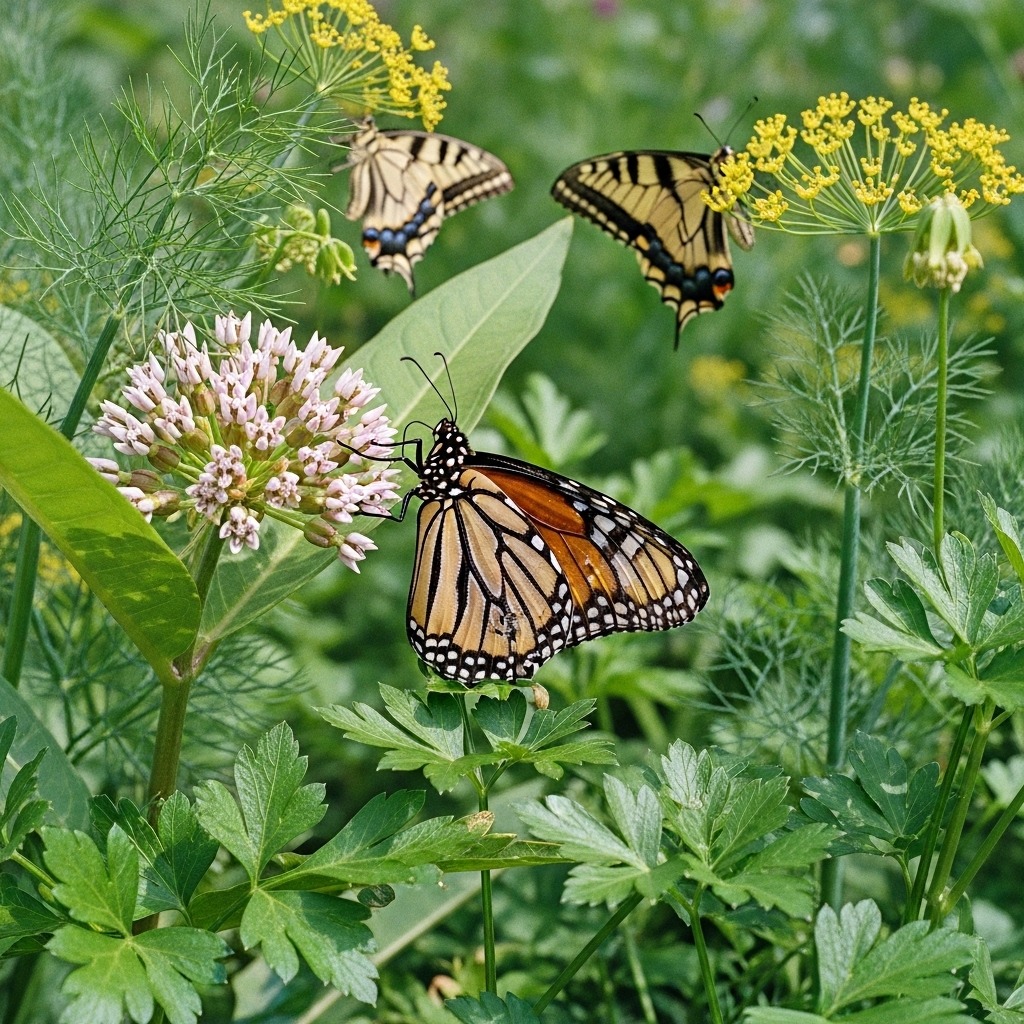
Host plants are specific plants that caterpillars eat and where butterflies lay their eggs. Not all plants can serve this purpose. Each butterfly species has preferred host plants.
For example:
- Monarchs love milkweed.
- Swallowtails often choose parsley or dill.
These plants are vital for the caterpillars’ growth. Without them, butterfly populations would decline.
Why Host Plants Are Essential for Caterpillars
Host plants play a crucial role in the butterfly life cycle. Here’s why they matter:
- Nursery Function: They provide a safe place for caterpillars to grow.
- Nutritional Source: Caterpillars need the leaves of host plants to develop into adult butterflies.
- Population Support: With fewer native plants, butterfly populations have decreased by about 30% in recent years. Planting host plants helps reverse this trend.
To create a butterfly-friendly garden, consider including a mix of native host plants. They’ll attract butterflies and support their life cycles effectively.
Table of Contents
Here’s a quick checklist of popular host plants to include:
- Milkweed (for Monarchs)
- Fennel (for Swallowtails)
- Violets (for Fritillary butterflies)
- Mustard (for various species)
These plants not only help caterpillars but also attract adult butterflies looking for nectar.
If you’re starting from scratch, a Butterfly Garden Seed Kit can be a fantastic way to get going. Check Price on Amazon and find the perfect mix for your garden!
36 Must-Have Host Plants for Butterflies
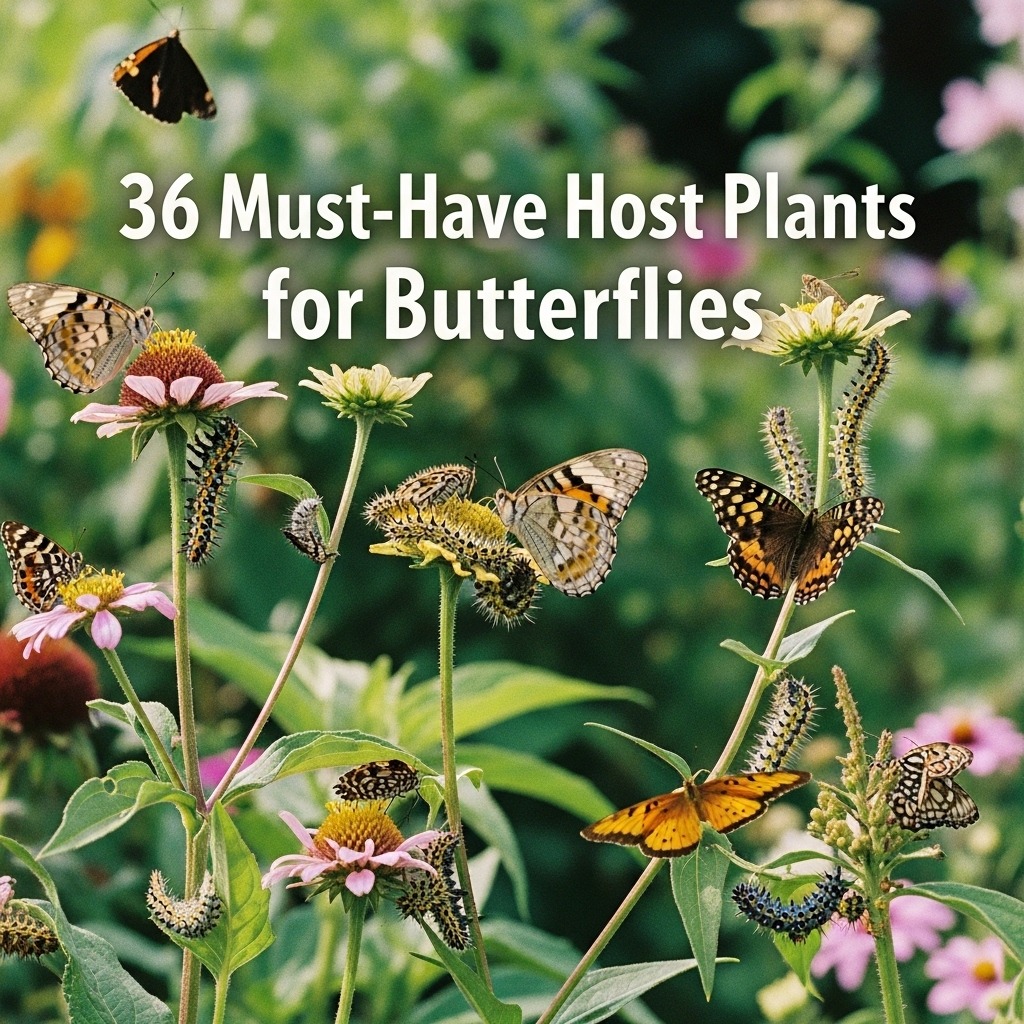
Creating a butterfly garden isn’t just about pretty flowers. It’s also about providing the right plants for caterpillars to thrive. Here’s a handy list of must-have host plants categorized by butterfly species, complete with care tips to keep your garden buzzing with life.
Top Host Plants for Monarch Butterflies
1. Milkweed
- Care: Prefers full sun and well-drained soil. Water regularly but avoid soggy conditions.
- Why: Essential for Monarch caterpillars. They can’t survive without it!
2. Common Milkweed
- Care: Drought-tolerant once established. Thrives in poor soils.
- Why: Attracts both caterpillars and nectar-seeking adults.
3. Swamp Milkweed
- Care: Needs moist soil; perfect for wet areas in the garden.
- Why: Provides a great habitat and food source.
4. Asclepias tuberosa (Butterfly Weed)
- Care: Likes dry, sandy soils and full sun.
- Why: A vibrant addition that’s also a favorite for nectar.
Best Host Plants for Swallowtails
5. Fennel
- Care: Grows best in full sun with well-drained soil. Water moderately.
- Why: Caterpillars of the Swallowtail thrive on this aromatic herb.
6. Parsley
- Care: Requires full sun and moist, rich soil.
- Why: Another tasty treat for Swallowtail caterpillars.
7. Dill
- Care: Prefers full sun and well-drained soil.
- Why: A dual-purpose plant that attracts both caterpillars and adult butterflies.
8. Rue
- Care: Needs full sun and well-drained soil. Drought-resistant once established.
- Why: Essential for the Black Swallowtail lifecycle.
Other Essential Host Plants
9. Violets
- Care: Thrives in partial shade and moist, well-drained soil.
- Why: The go-to for Fritillary butterflies.
10. Mustard
- Care: Grows best in full sun and can tolerate various soil types.
- Why: Supports many butterfly species.
11. Nasturtium
- Care: Prefers full sun and well-drained soil. Water regularly.
- Why: An edible option that also attracts butterflies.
12. Borage
- Care: Requires full sun and well-drained soil. Drought-tolerant.
- Why: Attracts a variety of butterflies and bees.
More Must-Have Host Plants
13. Golden Alexanders
- Care: Thrives in moist, well-drained soil and partial shade.
- Why: Supports many native butterfly species.
14. Wild Celery
- Care: Prefers wet conditions and full sun.
- Why: A host for various butterfly caterpillars.
15. Sweet Bay
- Care: Likes moist, well-drained soils and partial shade.
- Why: Supports the caterpillars of the Spicebush Swallowtail.
16. Caryopteris
- Care: Prefers well-drained soil and full sun.
- Why: Offers nectar and serves as a host for several caterpillars.
And there you have it! These plants will create a bustling habitat for butterflies, ensuring your garden is a lively sanctuary. For those just starting, consider a Butterfly Garden Seed Kit to get a fantastic mix of these essential plants. Check Price on Amazon and jumpstart your butterfly garden today!
Quick Reference List
- Monarch: Milkweed, Common Milkweed, Swamp Milkweed, Butterfly Weed
- Swallowtails: Fennel, Parsley, Dill, Rue
- Other: Violets, Mustard, Nasturtium, Borage, Golden Alexanders, Wild Celery, Sweet Bay, Caryopteris
By incorporating these host plants, you’ll create a butterfly haven in no time!
Native vs. Non-Native Host Plants: What’s Best for Your Garden?
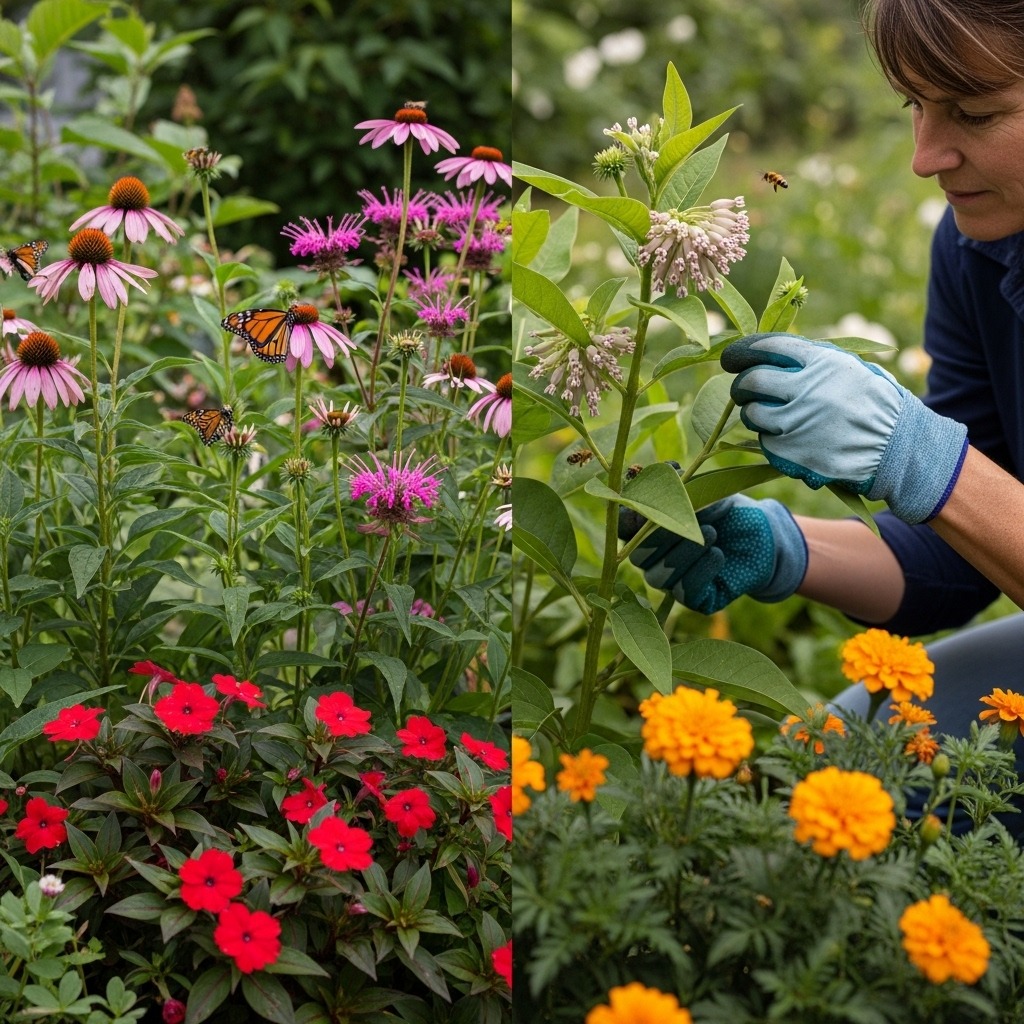
Choosing the right host plants can make or break your butterfly garden. Native and non-native plants each have their perks and pitfalls. Let’s explore the differences.
The Advantages of Native Host Plants
Native plants are the true champions of local ecosystems. Here’s why they shine:
- Adapted to Local Conditions: Native plants thrive in your local climate and soil. They need less water and care once established.
- Support Local Wildlife: These plants provide food and habitat for local caterpillars and butterflies. For instance, milkweed for Monarchs and fennel for Swallowtails.
- Attract More Pollinators: Research shows native plants draw in four times more pollinators compared to non-native species. More butterflies mean a livelier garden!
Potential Issues with Non-Native Species
While non-native plants can look beautiful, they come with risks:
- Invasive Behavior: Some non-natives can take over your garden, choking out beneficial species. Look out for plants like Japanese honeysuckle.
- Less Nutritional Value: Non-natives may not provide the nutrients that local caterpillars need. This can impact butterfly populations.
- Maintenance Needs: Many non-native plants require more water, fertilizers, and pesticides. This can lead to more work and potential harm to the environment.
Regional Planting Considerations
Different regions have unique butterfly species that rely on specific host plants. For example:
- Southeast U.S.: Native milkweed varieties are essential for Monarchs.
- Northwest U.S.: Fennel and parsley are favorites among Swallowtails.
- Northeast U.S.: Asters and goldenrod attract many butterfly species, especially in late summer.
When planning your garden, consider the local species and their native host plants. This will help you create a vibrant, butterfly-friendly environment!
Seasonal Planning: When to Plant Host Plants for Maximum Impact
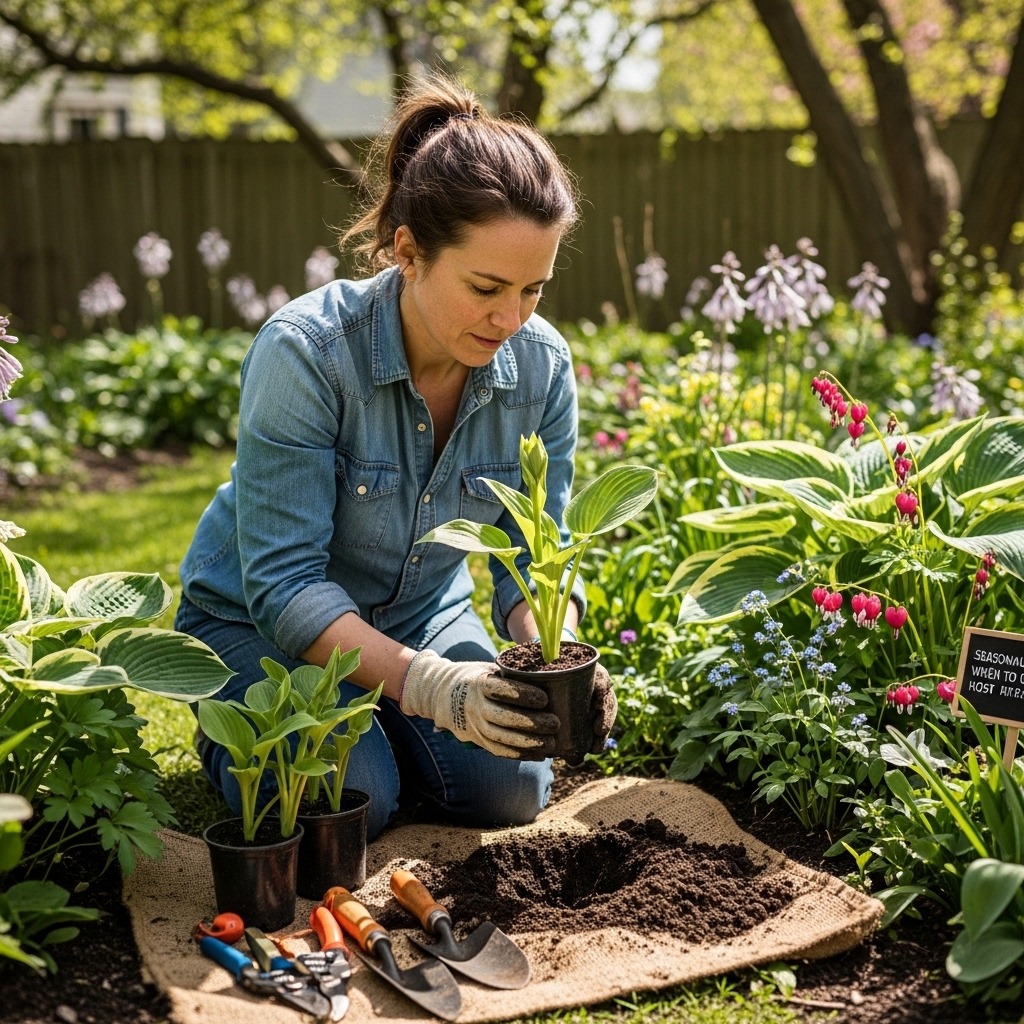
Timing is everything in gardening, especially when attracting butterflies. Understanding when to plant your host plants can make a big difference for caterpillars and the butterflies they become.
Spring Planting for Early Butterflies
Spring is a prime time to get your host plants in the ground. As temperatures rise, butterflies emerge from their winter slumber. Here’s what to keep in mind:
- When to Plant: Aim for planting in early to mid-spring, after the last frost.
- Host Plants to Consider:
- Milkweed: Essential for Monarchs. Plant as soon as the ground is workable.
- Fennel and Dill: Great for Swallowtails. These can be sown directly into the soil.
Fall Planting Strategies for Overwintering
Fall planting can also be beneficial, especially for perennials. These plants will establish roots before winter hits. Here’s how to approach it:
- When to Plant: Plant in late summer to early fall, about 6-8 weeks before the first hard frost.
- Host Plants to Consider:
- Goldenrod: A late-season favorite that supports many butterflies.
- Asters: Another fantastic option for fall blooms, attracting butterflies before winter.
Regional Planting Calendar
Here’s a quick guide to help you decide when to plant based on your region:
| Region | Spring Planting | Fall Planting |
|---|---|---|
| Southeast U.S. | Early March | Late August |
| Northwest U.S. | Late April | Early September |
| Northeast U.S. | Mid-April | Late September |
By planting at the right times, you’ll create a welcoming environment for butterflies and caterpillars alike. Be sure to consider your local climate and the specific needs of the butterflies in your area!
Common Mistakes in Butterfly Gardening and How to Avoid Them
Butterfly gardening is a delightful way to support nature. However, it’s easy to make mistakes, especially when it comes to host plants. Let’s tackle some common pitfalls and how to steer clear of them.
Underestimating the Importance of Host Plants
Host plants are crucial for butterfly life cycles. They provide food for caterpillars and a place for butterflies to lay their eggs. Neglecting to include enough host plants can lead to fewer butterflies in your garden.
Checklist for Successful Host Plant Gardening:
- Include Diverse Host Plants: Aim for at least three different types to attract various butterfly species.
- Choose Native Plants: Native host plants are more likely to thrive and attract local butterflies.
- Research Local Butterflies: Know which butterflies are in your area and what host plants they need.
Ignoring Local Butterfly Species Needs
Every region has its unique butterfly species. Ignoring these specifics can result in a less vibrant garden.
What to Consider:
- Identify Local Species: Use local resources to find out which butterflies are common in your area.
- Match Host Plants to Local Needs: For example, Monarchs thrive on milkweed. Make sure to plant it if you want to see these beautiful butterflies.
- Check Hardiness Zones: Ensure your chosen plants can survive in your climate. A plant that thrives in one state may struggle in another.
Additional Tips for Butterfly-Friendly Gardens
- Avoid Non-Native Host Plants: These can attract pests or fail to support local caterpillars.
- Maintain Your Garden: Regularly check for pests and diseases that could harm your host plants. Healthy plants mean happy butterflies!
- Integrate Nectar Plants: Pair host plants with nectar-rich flowers to create a welcoming environment for adult butterflies.
By keeping these tips in mind, you can create a thriving butterfly garden that supports both caterpillars and adult butterflies. Happy gardening!
Integrating Host Plants into Your Existing Garden
Adding host plants to your butterfly garden can be a breeze! With a few simple strategies, you can enhance your existing setup and attract even more butterflies.
Assessing Your Current Garden
Start by taking a good look at your garden. Identify areas where you can introduce new plants without overcrowding. Consider these factors:
- Sunlight: Most host plants love the sun. Ensure they’ll get enough light.
- Space: Look for gaps where you can add plants without disrupting current growth.
- Soil Quality: Healthy soil is key. Test your soil to make sure it can support new plants.
Selecting the Right Host Plants
Choose host plants that cater to the butterflies in your area. Here’s a quick guide to help you decide:
- Monarchs: Milkweed is a must. It’s the only plant where they lay eggs.
- Swallowtails: Dill, fennel, and parsley are favorites.
- Painted Ladies: They love thistles and mallows.
Remember, mixing native and non-native plants can draw in a variety of butterflies. However, native plants are usually the best choice for supporting local caterpillars.
Step-by-Step Integration
1. Plan Your Layout: Sketch out where you want to place your host plants. Mix them with flowering plants for a vibrant garden.
2. Prepare the Soil: Amend your soil as needed. This might mean adding compost or other organic matter.
3. Plant with Care: When planting, make sure to space the host plants properly. Follow the recommended spacing for each species.
4. Water Wisely: New plants need regular watering until established. Keep the soil moist but not soggy.
5. Monitor and Maintain: Check for pests regularly. Healthy plants will attract butterflies, so keep them in tip-top shape!
By following these steps, you can create a butterfly-friendly sanctuary that supports both caterpillars and adult butterflies. Happy planting!
Pest Management Strategies for Butterfly Gardens
Protecting your host plants is crucial for creating a thriving butterfly garden. Pests can harm both the plants and the caterpillars that depend on them. Here are some effective strategies to keep your garden healthy and happy.
Identifying Common Pests
Knowing your enemies is the first step. Here are some pests that might invade your butterfly garden:
- Aphids: Tiny, soft-bodied insects that suck plant juices.
- Caterpillar-eating wasps: They can decimate caterpillar populations.
- Spider mites: Small but mighty, these pests can cause significant damage.
- Whiteflies: These little guys can weaken plants by feeding on their sap.
Regularly inspect your plants. Early detection makes a big difference!
Natural Pest Control Methods
Opt for organic methods to keep pests at bay without harming your butterflies. Here are some tried-and-true techniques:
- Introduce beneficial insects: Ladybugs and lacewings feast on aphids and other pests.
- Plant companion plants: Marigolds and nasturtiums can deter pests while attracting beneficial insects.
- Neem oil spray: This natural pesticide disrupts the life cycle of pests without affecting butterflies.
- Handpicking: For larger pests, like caterpillars, a simple hand-picking can be effective.
For example, I once noticed a small aphid infestation on my milkweed. I introduced ladybugs, and within days, the aphids were gone, and the ladybugs thrived!
Regular Maintenance Checklist
Keeping your garden healthy involves ongoing care. Here’s a quick checklist:
- Check plants weekly for pests.
- Keep the garden clean by removing debris.
- Ensure good air circulation between plants.
- Water in the morning to avoid mold.
By staying vigilant and using these natural methods, you can create a butterfly-friendly environment that supports both caterpillars and mature butterflies. Happy gardening!
Final Thoughts on Creating a Butterfly-Friendly Habitat
Creating a butterfly garden is more than just planting pretty flowers. It’s about providing a safe haven for butterflies at every stage of their life cycle. By choosing the right host plants, you can help caterpillars thrive and watch butterflies flutter in your garden.
Why Host Plants Matter
Host plants are crucial for butterflies. They serve as the nursery for caterpillars. Here’s why you can’t skip them:
- Egg Laying: Butterflies lay their eggs on specific plants. Without these, there won’t be any caterpillars.
- Caterpillar Food: Young caterpillars need food to grow. Host plants provide the necessary nutrients.
- Supporting Biodiversity: By planting native host plants, you support local ecosystems and help maintain biodiversity.
Must-Have Host Plants for Common Butterflies
Here’s a quick list of some must-have host plants that attract popular butterfly species:
- Milkweed: Essential for monarchs. It’s their go-to for laying eggs and feeding caterpillars.
- Parsley and Dill: Great for swallowtail butterflies. They love munching on these herbs.
- Passionflower: A favorite for the Gulf Fritillary. Its unique vines attract butterflies eager to lay eggs.
- Goldenrod: This wildflower is a nectar source and a host for several species, like the American lady.
Tips for Starting Your Butterfly Garden
Ready to get started? Here are some tips to make your butterfly garden a success:
1. Choose Native Plants: They’re better suited to your local environment and attract local butterflies.
2. Consider Your Zone: Select plants that thrive in your hardiness zone. This ensures they grow well and support butterflies.
3. Mix It Up: Include a variety of host plants to attract different butterfly species.
4. Create a Safe Space: Avoid pesticides, as they can harm butterflies in all life stages.
By following these tips and choosing the right host plants, you can create a vibrant butterfly habitat. Get your hands dirty and start planting today! Happy gardening!
Frequently Asked Questions
These quick answers cover the most common questions about this topic, including key details, practical tips, and common concerns.
What are good host plants for butterflies?
Good host plants are species that caterpillars feed on and that butterflies lay their eggs on. Native plants are especially beneficial because they are adapted to local conditions and support local butterfly populations. Examples include milkweed for Monarchs, fennel and parsley for Swallowtails, and violets for Fritillaries. Choosing the right host plants ensures healthy caterpillar development and a thriving butterfly garden.
What plants should be used in a butterfly garden?
A successful butterfly garden includes both nectar plants for adult butterflies and host plants for caterpillars. Native plants are preferred for their adaptability and support of local species. Incorporate a variety of plants like milkweed, fennel, dill, violets, and goldenrod to attract different butterfly species and provide food at all life stages.
What is a good companion plant for a butterfly bush?
A good companion for a butterfly bush (Buddleja) is a nectar-rich flower like coneflowers or lavender. These plants attract more pollinators and enhance the garden’s appeal. Avoid planting invasive species nearby, and consider native plants that attract specific butterfly species to create a balanced habitat.
Can I release butterflies in October?
Releasing butterflies in October depends on your climate zone. In warmer regions, some butterflies may still be active, but in colder areas, most butterflies are preparing to overwinter or have already completed their life cycle. It’s best to release butterflies during peak activity months in spring and summer for their survival and enjoyment.
How can I attract more butterflies to my garden?
To attract more butterflies, plant a variety of native nectar and host plants, provide shelter and sunny spots, and avoid pesticides. Incorporate milkweed for Monarchs, dill and fennel for Swallowtails, and late-season flowers like goldenrod. Providing continuous blooms from spring through fall encourages butterflies to visit regularly.
What is the best time to plant host plants for butterflies?
Plant host plants in early spring after the last frost or in late summer to early fall, about 6-8 weeks before the first hard frost. This timing allows plants to establish roots before caterpillars arrive and ensures food sources are available when butterflies lay eggs.
How do host plants differ from nectar plants?
Host plants are specific plants that caterpillars feed on and where butterflies lay their eggs. Nectar plants are flowering plants that provide food for adult butterflies. Both are essential for a complete butterfly habitat, but they serve different roles in the butterfly’s life cycle.
What are the benefits of using native plants in a butterfly garden?
Native plants support local butterfly populations better than non-native species. They are adapted to the local climate, require less maintenance, and provide the appropriate food and habitat for caterpillars. Using native plants helps sustain regional biodiversity and pollinator health.