
Coniferous forests are vital ecosystems characterized by cone-bearing trees that thrive in diverse climates. Our mission at Coniferous Forest is to educate and promote the conservation of these magnificent environments, highlighting their ecological importance and the urgent need for sustainable practices.
Understanding Coniferous Forests
Coniferous forests are unique ecosystems dominated by cone-bearing trees. These forests are essential for biodiversity and play a crucial role in our planet’s health. Let’s dive into their characteristics and the types of trees that thrive in these environments.

Characteristics of Coniferous Trees
Coniferous trees have distinct features that help them survive in various climates. Here are some key characteristics:
- Needle-like Leaves: These leaves are designed to minimize water loss. They can withstand harsh weather, especially in cold climates.
- Cones: Instead of flowers, conifers produce cones that protect their seeds. This adaptation is vital for reproduction in challenging environments.
- Evergreen Nature: Most conifers keep their leaves year-round, maintaining their ability to photosynthesize and produce oxygen even in winter.
Types of Coniferous Forests
Coniferous forests can be categorized into different types based on their geographical location and climate. Here are the main types:
- Boreal Forests (Taiga): Found in the northern regions, these forests are characterized by long winters and short summers. Common trees include Spruce, Fir, and Pine.
- Montane Forests: These forests grow in mountainous regions and feature a mix of conifers and deciduous trees. They provide diverse habitats for wildlife.
- Temperate Rainforests: Located in coastal areas, these forests have mild temperatures and high rainfall. Cedar and Douglas Fir are prominent species here.
Global Distribution
Coniferous forests are found across the globe, covering extensive areas. Here’s where you can typically find them:
- North America: The vast boreal forests stretch from Canada to Alaska, home to species like the White Spruce and Eastern White Pine.
- Europe: The Scandinavian countries boast large coniferous forests, primarily featuring Scots Pine and Norway Spruce.
- Asia: Siberia’s taiga is one of the largest coniferous forests, hosting diverse species, including Larch and Siberian Pine.
These forests not only support wildlife but also help regulate the climate by absorbing carbon dioxide. Understanding their characteristics and distribution is key to appreciating their ecological importance.
The Ecological Importance of Coniferous Forests
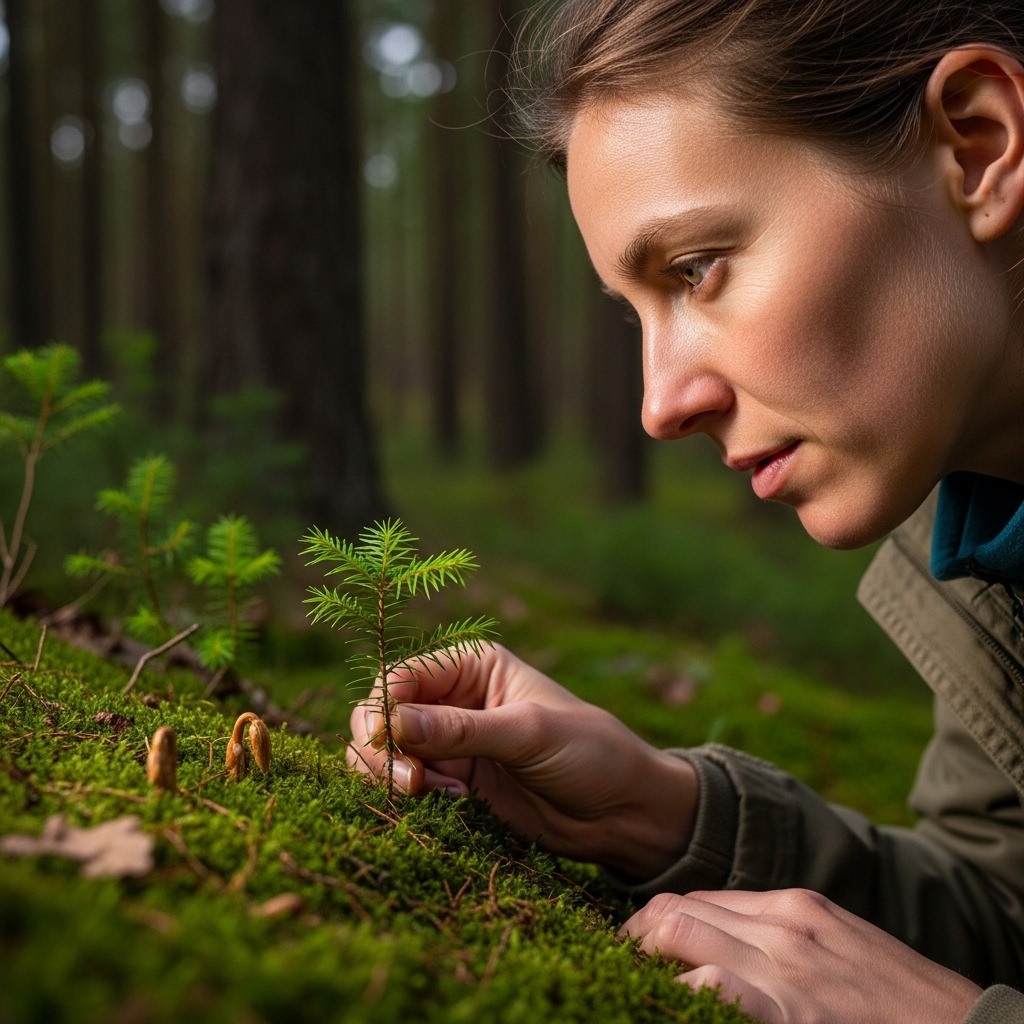
Coniferous forests are essential for maintaining a healthy planet. They play crucial roles in supporting biodiversity, storing carbon, and stabilizing soil. Let’s dive into how these forests contribute to our ecosystem.
Table of Contents
Biodiversity Support
Coniferous forests are home to a variety of plants and animals. The dense foliage provides shelter and food for countless species. Here are some ways they support biodiversity:
- Habitat: Many birds, mammals, insects, and fungi thrive in these forests.
- Food Sources: Conifer seeds are a vital food source for various animals, like squirrels and birds.
- Microhabitats: The forest layers create different habitats, allowing diverse life forms to coexist.
For example, the old-growth coniferous forests in the Pacific Northwest host unique species like the Northern Spotted Owl, which relies on these habitats for survival.
Carbon Sequestration
Coniferous trees are champions at capturing carbon dioxide. They absorb CO2 during photosynthesis, helping to combat climate change. Here’s how they contribute:
- Long Lifespan: Many conifers live for hundreds of years, storing carbon over their lifetimes.
- Rapid Growth: They can grow quickly, especially in young forests, providing immediate carbon capture benefits.
- Soil Carbon: The fallen needles enrich the soil, promoting microbial life that also stores carbon.
To illustrate, a study found that a hectare of mature coniferous forest can store approximately 200 tons of carbon. This makes them vital in our fight against rising greenhouse gases.
Soil Health and Stability
Coniferous forests play a key role in maintaining soil health. Their root systems prevent erosion and improve soil structure. Here’s how they help:
- Erosion Control: The roots hold the soil together, reducing runoff and preventing landslides.
- Nutrient Cycling: Decaying needles and organic matter enrich the soil with nutrients.
- Moisture Retention: The forest canopy reduces evaporation, helping maintain soil moisture levels.
In regions prone to heavy rainfall, coniferous forests can significantly decrease soil erosion rates, protecting waterways from sedimentation.
By understanding the ecological importance of coniferous forests, we can better appreciate our mission to share and protect these natural treasures.
Challenges Facing Coniferous Forests

Coniferous forests are under threat from various human and environmental factors. Understanding these challenges is crucial for our mission to protect these vital ecosystems.
Impact of Climate Change
Climate change significantly affects coniferous forests. Warmer temperatures lead to stress in trees, making them vulnerable to diseases and pests. For instance, the Mountain Pine Beetle thrives in warmer conditions, causing devastating damage to pine forests. As temperatures rise, we see:
- Increased pest infestations
- Longer droughts affecting growth
- Altered precipitation patterns leading to water stress
These changes not only harm the trees but also disrupt the entire ecosystem that relies on them.
Human Activities and Deforestation
Human activities are a significant threat to coniferous forests. Deforestation for agriculture, urban development, and logging reduces habitats for countless species. This loss leads to:
- Decreased biodiversity
- Fragmented ecosystems
- Increased carbon emissions
For example, in many regions, coniferous forests are cleared for farming, leading to soil degradation and loss of wildlife. Sustainable management practices are essential to combat these issues and preserve forest health.
Pests and Diseases
Pests and diseases pose another challenge to coniferous forests. In addition to the Mountain Pine Beetle, numerous other insects and pathogens threaten these trees. Some common issues include:
- Fungal infections that weaken tree health
- Infestations that can kill entire stands of trees
- Spread of invasive species that outcompete native flora
Conservationists emphasize the importance of monitoring and managing these threats. Effective strategies include promoting tree diversity and using integrated pest management practices. By addressing these challenges, we can help sustain the health of coniferous forests for future generations.
Our Mission to Conserve and Educate
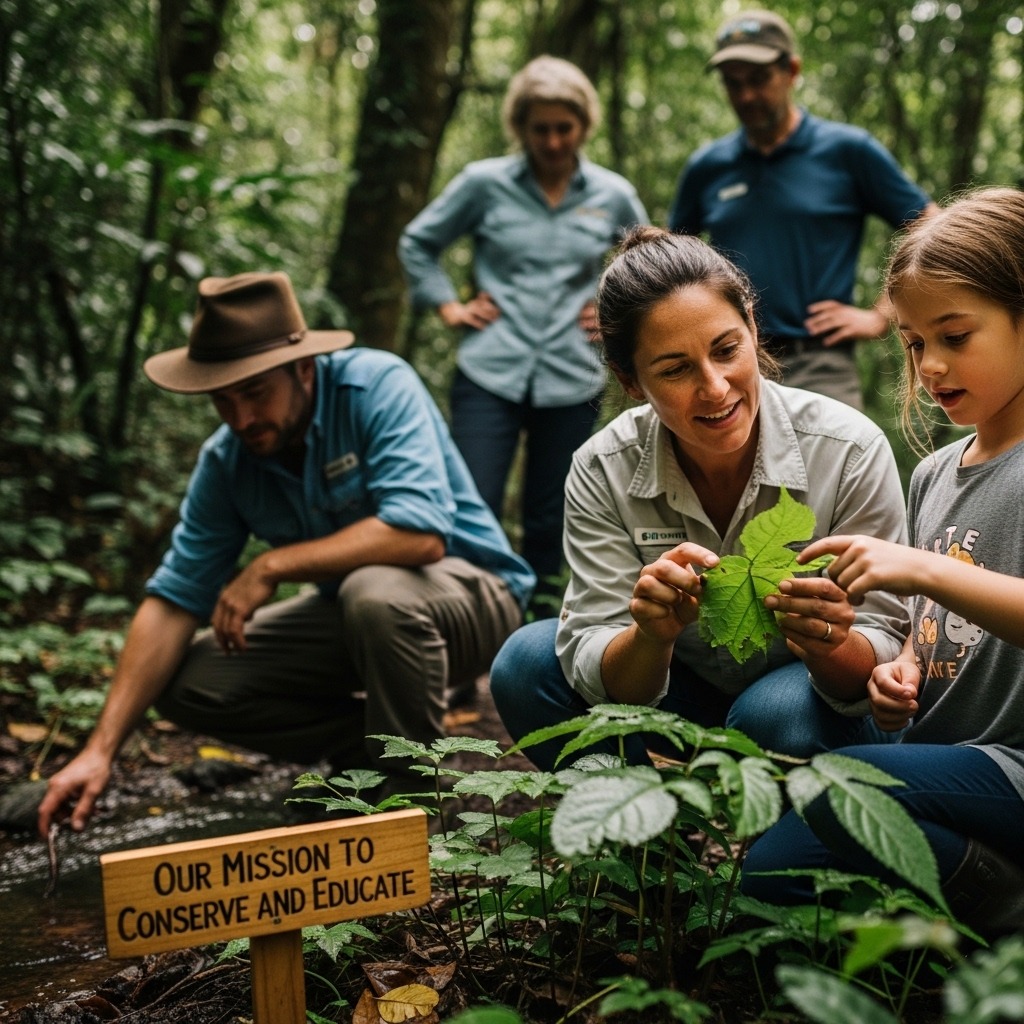
At our organization, we’re passionate about coniferous forests. Our mission is twofold: to share knowledge about these incredible ecosystems and to promote conservation efforts that protect their beauty and biodiversity.
Educational Programs and Workshops
We believe education is key to conservation. That’s why we offer various programs aimed at raising awareness about coniferous forests. Here’s what you can expect:
- Workshops for All Ages: From kids to adults, we host hands-on workshops. Participants learn about tree identification, forest ecology, and the importance of biodiversity.
- Guided Nature Walks: Join us for guided tours through the forest. These walks offer a chance to see conifer species up close and understand their roles in the ecosystem.
- Online Resources: For those who can’t attend in person, we provide online materials. These include videos, articles, and activities to engage learners everywhere.
Community Engagement and Volunteer Opportunities
Community involvement is crucial for successful conservation. We provide several ways for people to get involved:
- Tree Planting Events: Join our community tree-planting days. Volunteers help restore forest areas, and everyone leaves with a sense of accomplishment.
- Citizen Science Projects: Participate in data collection on local conifer species. Your contributions help us track forest health and biodiversity.
- Advocacy Campaigns: Get involved in our advocacy efforts. We mobilize communities to support local conservation policies and raise awareness about environmental issues.
Collaborations with Conservation Organizations
Working together amplifies our impact. We collaborate with various conservation organizations to enhance our efforts:
- Joint Research Initiatives: We partner with universities and research groups. Together, we study the effects of climate change on coniferous forests and develop strategies for resilience.
- Funding and Grants: By collaborating, we access funding opportunities. This support helps us fund educational programs and conservation projects.
- Shared Resources: We exchange knowledge and best practices with other organizations. This collaboration strengthens our conservation strategies.
Through our educational initiatives, community engagement, and partnerships, we aim to inspire a love for coniferous forests. Each small action contributes to a larger cause—protecting these vital ecosystems for future generations.
How You Can Help Coniferous Forests
Want to make a difference? Here are some practical steps you can take to support the health of our coniferous forests. Every little effort counts!
Choosing Sustainable Products
1. Buy Local: Support local businesses that prioritize sustainable practices. This reduces transportation emissions and promotes community health.
2. Eco-Friendly Goods: Look for products made from recycled materials or sustainably sourced wood. Your purchases can help reduce deforestation.
3. Reduce Plastic Use: Opt for reusable bags, bottles, and containers. Less plastic means less pollution in our forests.
Participating in Reforestation Projects
1. Volunteer: Join local tree-planting events. Getting your hands dirty is a fun way to contribute!
2. Donate: Support organizations focused on reforestation. Your contributions can help fund planting initiatives.
3. Spread the Word: Encourage friends and family to get involved. The more, the merrier!
Advocating for Conservation Policies
1. Stay Informed: Educate yourself about local conservation laws. Knowing the rules helps you advocate effectively.
2. Contact Representatives: Reach out to local leaders about forest protection initiatives. Your voice matters!
3. Join Campaigns: Participate in or support campaigns aimed at conserving coniferous forests. Collective action can lead to significant change.
By taking these steps, you can join our mission to share the beauty of coniferous forests and ensure they thrive for generations to come. Together, we can make a real impact!
Frequently Asked Questions
These quick answers cover the most common questions about this topic, including key details, practical tips, and common concerns.
What is the nature of the coniferous forest?
Coniferous forests are ecosystems dominated by cone-bearing trees with needle-like leaves. They thrive in cold, temperate, and sometimes subtropical climates. These forests are characterized by evergreen trees that keep their foliage year-round, allowing photosynthesis even during winter.
Why are coniferous forests important?
Coniferous forests support biodiversity by providing habitat and food for many species. They play a vital role in carbon sequestration, helping to mitigate climate change. Additionally, they stabilize soils, prevent erosion, and influence local climates by regulating temperature and moisture levels.
How do humans impact the coniferous forest?
Humans impact coniferous forests through deforestation, logging, urban development, and agriculture. These activities lead to habitat loss, decreased biodiversity, and increased carbon emissions. Unsustainable practices can also fragment ecosystems, making it harder for species to survive.
What are some interesting facts about conifers?
Conifers include some of the oldest living trees, like the Bristlecone Pine, which can live for thousands of years. They produce seeds in cones, a distinctive feature. Many conifers, such as pines and spruces, are used sustainably for timber, paper, and resins, supporting economies and conservation efforts.
What species are most commonly found in coniferous forests?
Common conifer species include Spruce, Pine, Fir, Larch, and Cedar. Boreal forests often feature Spruce and Pine, while temperate forests may have Douglas Fir and Western Red Cedar. These species are adapted to withstand harsh climates and poor soils.
What threats do coniferous forests face today?
Major threats include climate change, pests like the Mountain Pine Beetle, logging, and land conversion for agriculture or urbanization. Climate change causes droughts and temperature increases that weaken trees and promote pest outbreaks. Deforestation reduces habitat and carbon storage capacity.
How can I support coniferous forest health?
You can support conservation by choosing sustainably sourced wood products, participating in local reforestation projects, and advocating for policies that protect forests. Reducing your carbon footprint and spreading awareness also help preserve these ecosystems.
What is the role of coniferous forests in carbon sequestration?
Coniferous trees absorb carbon dioxide during photosynthesis, storing it in their biomass and soils. Mature forests can store large amounts of carbon over centuries, making them crucial in efforts to reduce greenhouse gases and combat climate change.