
The deer mouse (Peromyscus maniculatus) is a small yet ecologically significant rodent in North America. Known for its adaptability and nocturnal behavior, it plays crucial roles in seed dispersal, soil health, and as a food source for predators.
Table of Contents
Understanding the Deer Mouse’s Ecological Role
Deer mice are tiny powerhouses in their ecosystems. They contribute significantly through seed dispersal, provide food for various predators, and even help keep the soil healthy.
Seed Dispersal: A Vital Contribution
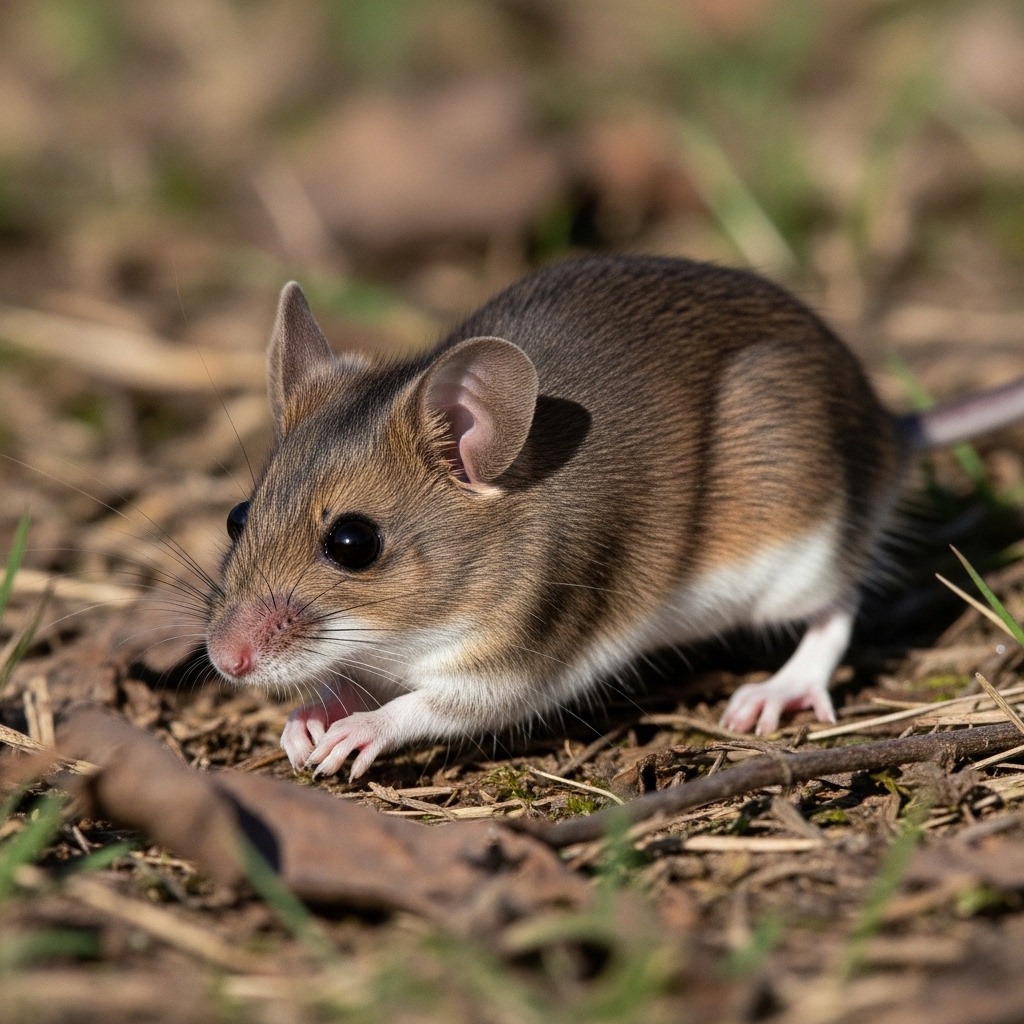
Deer mice play a crucial role in seed dispersal. As they forage for food, they unknowingly transport seeds away from the parent plants. This helps in plant regeneration and promotes biodiversity. Some ecosystems, like grasslands and forests, rely on deer mice to spread seeds of native plants, ensuring a vibrant habitat.
- Example: In the pine forests of North America, deer mice help disperse the seeds of pine trees, aiding in forest regeneration after disturbances like wildfires.
Food Source for Ecosystem Predators
These little critters are a vital food source for many predators. Birds of prey, snakes, and small mammals depend on deer mice to survive. Their presence in the food web supports a healthy ecosystem.
- Predators Include:
- Owls
- Hawks
- Foxes
- Snakes
Soil Aeration and Health
Deer mice contribute to soil health through their digging activities. As they create nests and forage, they aerate the soil. This process enhances nutrient cycling and promotes plant growth. Healthy soil is essential for thriving ecosystems.
- Impact on Soil:
- Increased aeration improves water infiltration.
- Nutrient cycling supports diverse plant life.
By understanding these roles, we see how deer mice are more than just small rodents. They help maintain the balance of their ecosystems, making them truly remarkable animals.
Biological Characteristics of the Deer Mouse
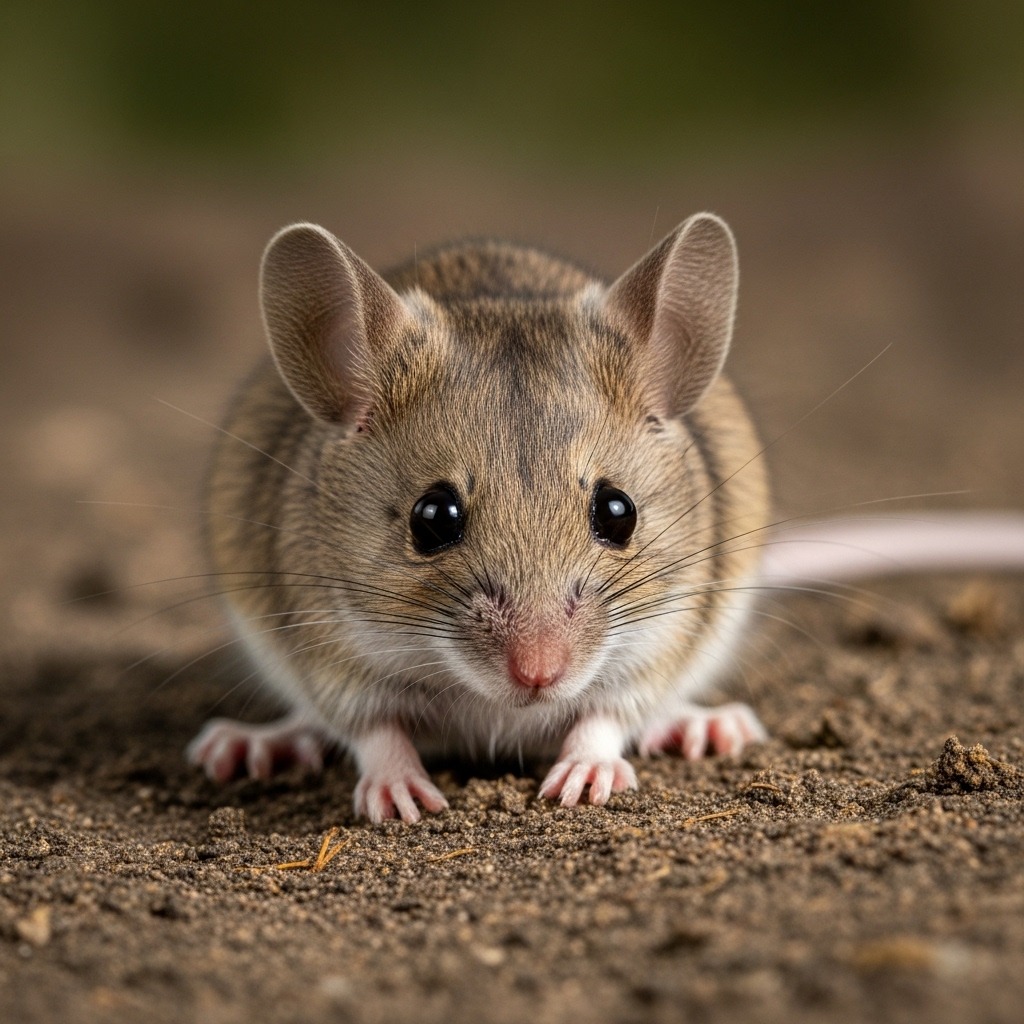
Deer mice are fascinating little creatures. Their unique traits and behaviors make them well-suited for a variety of environments. Let’s dive into their physical characteristics and feeding habits.
Physical Traits and Identification
Deer mice are small, typically measuring about 7 to 10 inches long, including their tail. Here are some key features:
- Fur: They have soft, velvety fur with darker backs and lighter undersides.
- Ears and Eyes: Their large, round ears and big eyes give them a cute appearance.
- Tail: The tail is long and furry, helping them balance as they navigate their habitats.
These traits help differentiate them from common house mice. Deer mice often sport a more varied coloration, making them stand out in the wild.
Diet and Feeding Habits
Deer mice are omnivorous and have a flexible diet. This adaptability allows them to thrive in different habitats. Here’s a glimpse into what they eat:
- Seeds and Nuts: A staple in their diet, especially in forested areas.
- Fruits and Berries: They enjoy these sweet treats when available.
- Insects and Worms: A good source of protein, especially in the summer months.
Different habitats influence their diet. For example, in grasslands, they might rely more on seeds and grasses, while in forests, they may consume more fruits and insects. This adaptability showcases their resourcefulness in finding food.
Adaptability to Various Habitats
Deer mice are found in diverse environments across North America. They can thrive in:
- Forests: Nesting in tree cavities and foraging for seeds.
- Grasslands: Utilizing burrows and hiding in tall grasses.
- Deserts: Finding shelter under rocks and feeding on sparse vegetation.
Their ability to adjust to different habitats contributes to their ecological role. By moving into urban areas, they even help with pest control by consuming insects. This adaptability not only showcases their survival skills but also highlights their importance in various ecosystems.
Habitat and Distribution of Deer Mice
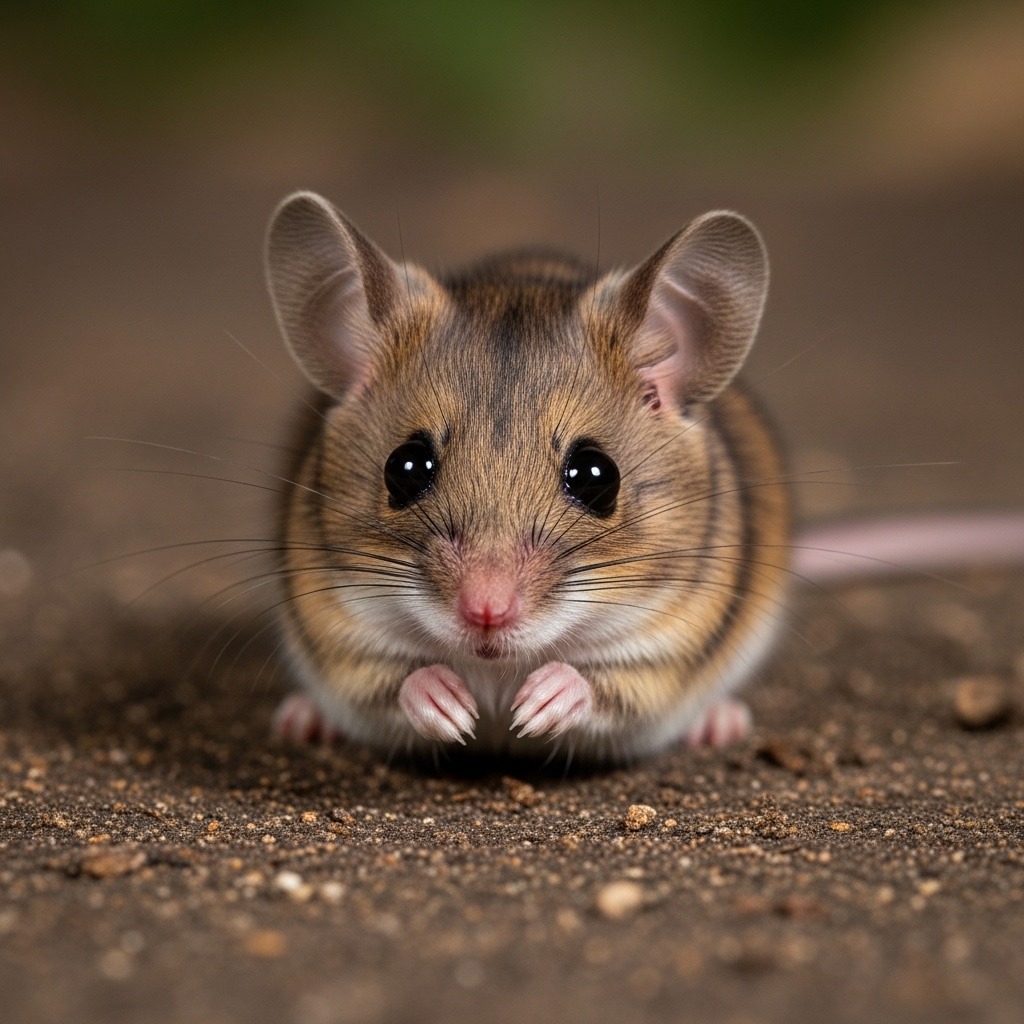
Deer mice are some of the most adaptable rodents in North America. They thrive in various habitats, from forests to urban areas. Let’s explore where they live and how they fit into both natural and human environments.
Geographic Range and Habitat Types
Deer mice have a wide geographic range. They are found across most of North America, from Alaska and Canada down to Mexico. Their habitats include:
- Forests: They thrive in wooded areas, nesting in tree cavities and foraging for seeds.
- Grasslands: Here, they utilize burrows and take cover in tall grasses.
- Deserts: In arid regions, they find shelter under rocks and feed on sparse vegetation.
- Urban Areas: Deer mice have adapted to human environments. They often inhabit gardens, basements, and sheds, seeking food and shelter near humans.
This flexibility allows deer mice to play a crucial ecological role. They help control insect populations and aerate the soil as they dig.
Adaptation to Urban Environments
In cities, deer mice showcase impressive adaptability. They often make nests in hidden spots, such as:
- Basements: Providing warmth and safety from predators.
- Gardens: Access to food and cover.
- Parks: Natural vegetation offers shelter and foraging opportunities.
For instance, in a suburban neighborhood, deer mice might nest in a pile of leaves or an abandoned birdhouse. Their ability to thrive in urban settings highlights their resourcefulness and ecological importance.
Nesting Habits and Locations
Deer mice build cozy nests using various materials. They often create cup-shaped nests made from:
- Plant fibers: Soft and warm.
- Animal fur and feathers: Additional insulation.
- Natural debris: Like leaves and grasses.
Nesting habits vary by environment. In forests, they prefer elevated spots like tree hollows. In deserts, they might nest under rocks or in crevices. This diversity in nesting locations contributes to their survival across different habitats.
In summary, deer mice are remarkable for their ability to adapt and thrive in various environments. Their presence in urban areas not only helps them survive but also enriches local ecosystems.
Reproductive Behavior of Deer Mice
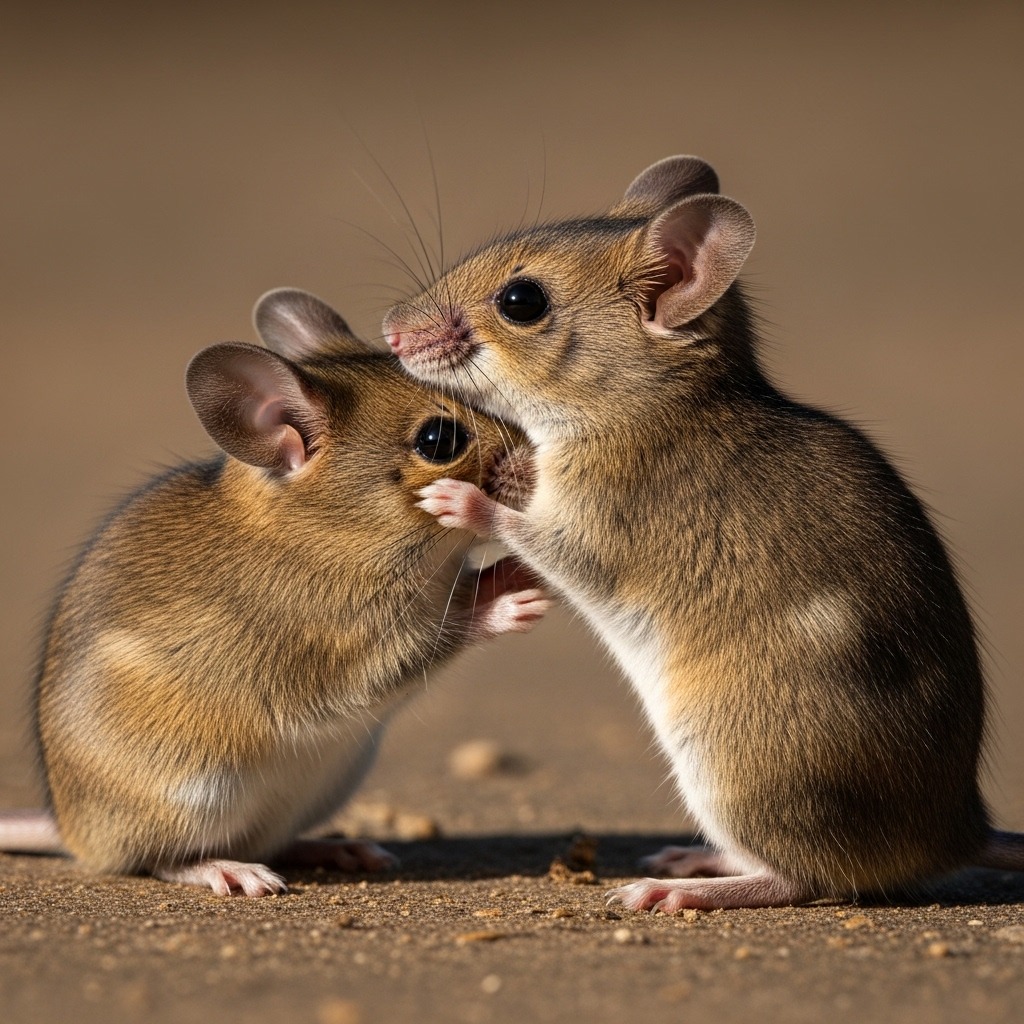
Deer mice have fascinating reproductive habits that are closely tied to their environment. Food availability plays a key role in when and how often they breed.
Breeding Seasons and Mating Patterns
Deer mice can breed throughout the year, but their reproduction peaks when food is plentiful. Here are some key points about their breeding behavior:
- Estrus Cycles: Female deer mice can go into estrus multiple times during the breeding season, with each cycle lasting about five days.
- Multiple Partners: Females may mate with several males, while males often have multiple partners too.
- Nesting: After mating, the female prepares a nest for her young, often with the help of the male.
Care of Young and Parental Roles
Once the pups are born, both parents may be involved in their care. Here’s how they manage:
- Nurturing: The female keeps the pups warm and safe in the nest. The male often helps by bringing food.
- Social Structure: While deer mice are mostly solitary, they can huddle together in cold climates, which sometimes includes both parents and their young.
Factors Influencing Reproductive Success
Several factors can affect how well deer mice reproduce:
- Food Availability: More food leads to more breeding opportunities. In lean times, reproduction may slow down.
- Environmental Conditions: Changes in habitat, like drought or habitat destruction, can impact their ability to find mates and raise young successfully.
For example, researchers have observed that in areas where food sources are abundant, deer mice can produce larger litters and breed more frequently. In contrast, in harsh conditions, their reproduction rates decline, affecting population dynamics.
Understanding these reproductive behaviors helps us appreciate the ecological role of deer mice. They are not just cute little creatures; they play a significant part in their ecosystems by influencing plant health and soil aeration through their foraging and nesting activities.
Deer Mice and Disease Transmission
Deer mice may be small, but they can carry some big health risks. Understanding these risks is crucial for anyone living near their habitats.
Common Diseases Carried by Deer Mice
Deer mice are known carriers of several diseases that can affect humans. The most notable is Hantavirus. This virus can lead to a severe respiratory illness, and in some cases, it can be fatal. Here are a few diseases associated with deer mice:
- Hantavirus Pulmonary Syndrome (HPS): Symptoms may include fever, muscle aches, dizziness, and difficulty breathing.
- Lyme Disease: While more commonly associated with ticks, deer mice can carry the bacteria that cause this disease.
- Salmonella: They can also transmit this bacteria through their droppings, leading to food poisoning.
Risk Factors for Humans
The risk of disease transmission increases in certain situations. Here are key risk factors:
- Proximity to Infested Areas: Living near forests or fields where deer mice thrive can heighten your exposure.
- Poor Sanitation Practices: Not sealing food or waste properly can attract deer mice into homes.
- Contact with Droppings or Urine: Cleaning up without proper protective gear can lead to inhalation or direct contact.
Prevention and Awareness Tips
Staying safe from deer mice-related diseases is all about being proactive. Here are some tips:
- Seal Entry Points: Check for gaps in your home where mice can enter.
- Keep Food Stored Properly: Use airtight containers for grains and other food items.
- Clean Up Carefully: If you find droppings, use gloves and a mask to clean them up. Wet the area first to prevent dust.
- Educate Yourself: Familiarize yourself with the signs of deer mice infestation.
By taking these measures, you can significantly reduce your risk of disease transmission from deer mice.
Conservation Status and Cultural Significance
Deer mice play a vital role in ecosystems, but their conservation status varies. Understanding their cultural significance adds another layer to their importance.
Current Conservation Status
While many deer mouse species are common and widespread, some face threats. Habitat loss and climate change are impacting their populations. Here’s a quick look at their conservation status:
- Common Species: Most deer mice, like the Peromyscus maniculatus, are not endangered.
- Vulnerable Species: Certain species, especially those limited to small areas, are at risk.
- Conservation Efforts: Protecting habitats and studying their populations can help maintain their numbers.
Cultural References and Folklore
Deer mice have appeared in various cultural stories. Indigenous communities often view them with respect. They symbolize adaptability and survival. Here are a few examples:
- Native American Lore: In some tribes, deer mice are seen as messengers. They carry important lessons about nature.
- Folklore: Stories often depict them as clever creatures, navigating challenges with agility.
These cultural ties highlight the importance of deer mice beyond their ecological role.
Importance of Biodiversity
Maintaining deer mouse populations supports biodiversity. They contribute to soil aeration and plant health. By burrowing and nesting, they help disperse seeds and nutrients. This, in turn, benefits other wildlife and plant species.
- Ecosystem Services: Deer mice help sustain healthy ecosystems.
- Research Value: They serve in studies about disease and environmental changes, offering insights into broader ecological impacts.
Understanding their role enriches our appreciation of biodiversity and the interconnectedness of life.
Frequently Asked Questions
These quick answers cover the most common questions about this topic, including key details, practical tips, and common concerns.
What is the role of the deer mouse in the ecosystem?
Deer mice are essential for seed dispersal, helping native plants regenerate by transporting seeds. They also serve as a key food source for predators like owls, hawks, and snakes. Additionally, their digging activities aerate soil, promoting nutrient cycling and plant growth, which supports overall ecosystem health.
What is a tiny deer mouse animal?
A deer mouse is a small rodent, typically 7 to 10 inches long including its tail. It has soft, velvety fur with a darker back and lighter belly, large round ears, and a furry tail. Its size and appearance make it distinguishable from other mice species.
What is the ecological role of rodents?
Rodents, including deer mice, play vital roles in ecosystems. They disperse seeds, aerate soil through digging, and are prey for many predators. Their activities help maintain plant diversity, soil health, and balance within food webs.
Should I worry about deer mice in my home?
Yes, deer mice can enter homes seeking food and shelter, especially in rural or suburban areas. They can cause damage by gnawing on wires and insulation. More importantly, they can transmit diseases like Hantavirus, so it’s wise to prevent entry and control infestations.
How can I identify a deer mouse?
Deer mice have a small, slender body with large eyes and ears. Their fur is soft, with a darker back and a lighter underside. Their long, furry tail is nearly as long as their body. They are often found in natural habitats but can adapt to urban environments.
What diseases can deer mice carry?
Deer mice are known carriers of Hantavirus, which can cause severe respiratory illness in humans. They may also carry bacteria causing Salmonella or transmit parasites like ticks that spread Lyme disease. Proper hygiene and pest control reduce exposure risks.
Where do deer mice typically live?
Deer mice inhabit forests, grasslands, deserts, and even urban areas. They nest in tree cavities, burrows, under rocks, or in human structures like basements and sheds. Their adaptability allows them to thrive in diverse environments across North America.
When is the breeding season for deer mice?
Deer mice can breed year-round, but their reproductive activity peaks when food is plentiful, typically in spring and summer. Females may have multiple litters annually, each with several pups, contributing to their population stability.
How can I prevent deer mice from entering my home?
Seal all gaps and cracks around doors, windows, and foundations. Store food in airtight containers and keep the home clean to eliminate attractants. Use traps or repellents if necessary, and consider professional pest control for persistent issues.
What do deer mice eat?
Deer mice are omnivorous and flexible eaters. They primarily consume seeds, nuts, fruits, and berries, but also eat insects, worms, and small invertebrates. Their diet varies based on habitat and seasonal availability.