
The North American Beaver (Castor canadensis) plays a crucial role in the coniferous forest ecosystem. Known for their remarkable dam-building abilities, these beavers significantly influence their habitats and the species that rely on them. This guide explores their characteristics, behaviors, and ecological importance.
Table of Contents
The Ecological Role of the North American Beaver
The North American Beaver is often called an ecosystem engineer. These busy builders create habitats that support a vast array of wildlife in coniferous forests. Their activities transform landscapes, making them crucial players in maintaining ecological balance.
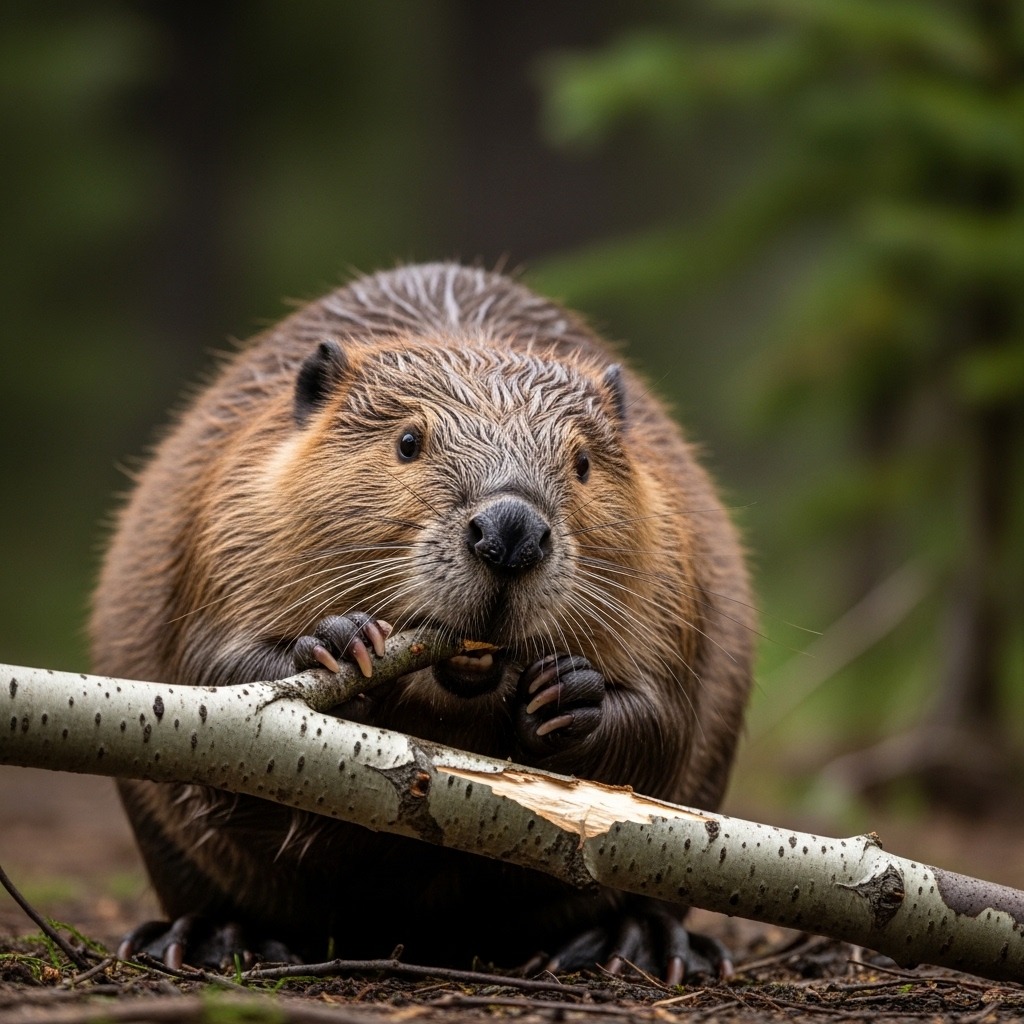
How Beavers Create Habitats
Beavers are masters of construction. They build dams using trees, branches, and mud. These structures create ponds, which serve as new habitats for many species. The ponds slow down water flow, leading to deeper water and wetlands.
- Diversity Boost: Beaver ponds increase plant diversity, attracting various wildlife.
- Shelter Creation: Many animals, like amphibians and fish, find shelter in these water bodies.
- Nutrient Cycling: The submerged plants enrich the water, promoting a healthier ecosystem.
The Impact of Beaver Dams on Biodiversity
Beaver dams have a profound effect on biodiversity. They create new environments for various species.
- Waterfowl: Birds like ducks and herons thrive in areas with beaver ponds.
- Fish Populations: Species such as trout benefit from improved habitat conditions created by beaver activity.
- Land Animals: The shrubs and grasses that grow near beaver ponds attract herbivores like deer and bears.
In one study, beaver ponds were found to support six times the weight of salmonids per acre compared to adjacent streams without beaver activity. This highlights their importance in the food chain.
Water Management and Ecosystem Health
Beavers also play a vital role in water management. Their dams help regulate water flow, especially during heavy rains.
- Flood Control: Beaver ponds can prevent flooding downstream by slowing water movement.
- Groundwater Recharge: They help replenish groundwater supplies, which is essential for forest health.
- Temperature Regulation: The water in beaver ponds stays cooler, benefiting aquatic life during warm months.
In coniferous forests, where water availability can be a challenge, beaver activity is especially important. Their presence can lead to healthier ecosystems, supporting both flora and fauna alike.
Habitat Preferences of North American Beavers
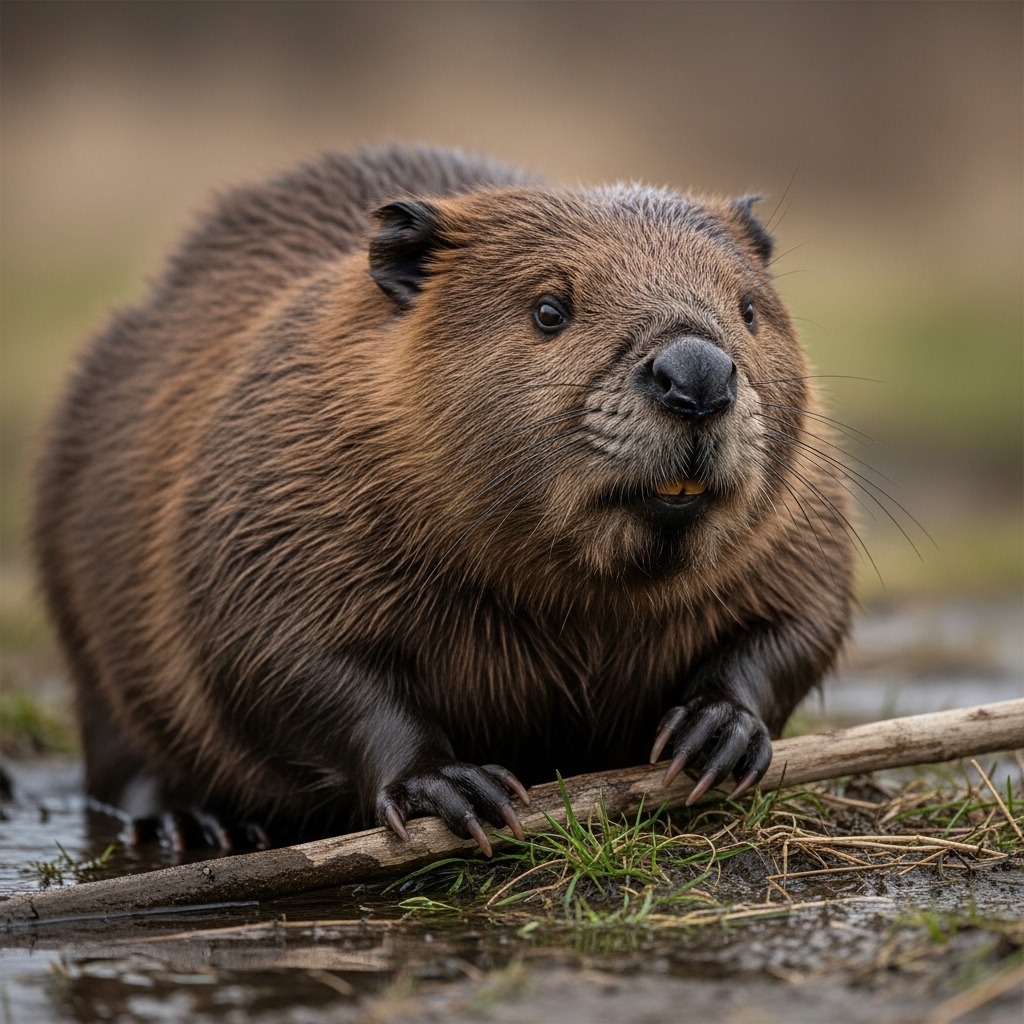
North American Beavers thrive in specific habitats within coniferous forests. They prefer areas that provide ample food, water, and safety. Let’s dive into what makes these habitats suitable for them.
Ideal Conditions for Beaver Habitats
Beavers need the right mix of features to build their homes and thrive. Here are the ideal conditions:
- Stable Water Sources: Beavers prefer ponds, lakes, and slow-moving streams. These water bodies should have stable levels to support their dams.
- Gentle Slopes: A channel gradient of less than 15% is best. Steeper slopes can make it difficult for beavers to transport materials.
- Diverse Vegetation: They need plenty of food sources like willows, aspens, and alders. These trees are essential for both eating and building.
Flora and Fauna Associated with Beaver Dams
Beaver dams create unique ecosystems. These structures attract various plants and animals, enhancing biodiversity. Common flora includes:
- Willows
- Aspens
- Alders
- Red-osier Dogwood
These plants thrive in the moist conditions created by beaver ponds. The dams also provide habitat for fish, birds, and other wildlife. Species like ospreys and great blue herons often benefit from the increased food sources around beaver ponds.
The Role of Water Sources in Habitat Selection
Water is crucial for beavers. It shapes their habitat choices significantly. Here’s what they look for:
- Consistent Water Levels: Beavers avoid areas with drastic water level changes. Fluctuating water can disrupt their homes and food supply.
- Quality Aquatic Vegetation: They prefer areas rich in aquatic plants that support their diet.
- Protection from Predators: Areas with dense vegetation around water bodies provide safety from predators.
Checklist of Plant Species Commonly Found in Beaver Habitats:
- Willows
- Aspens
- Alders
- Red-osier Dogwood
- Various aquatic plants
Understanding these habitat preferences helps us appreciate the North American Beaver’s role in coniferous forests. They not only create homes for themselves but also enrich the entire ecosystem.
Behavioral Traits of the North American Beaver
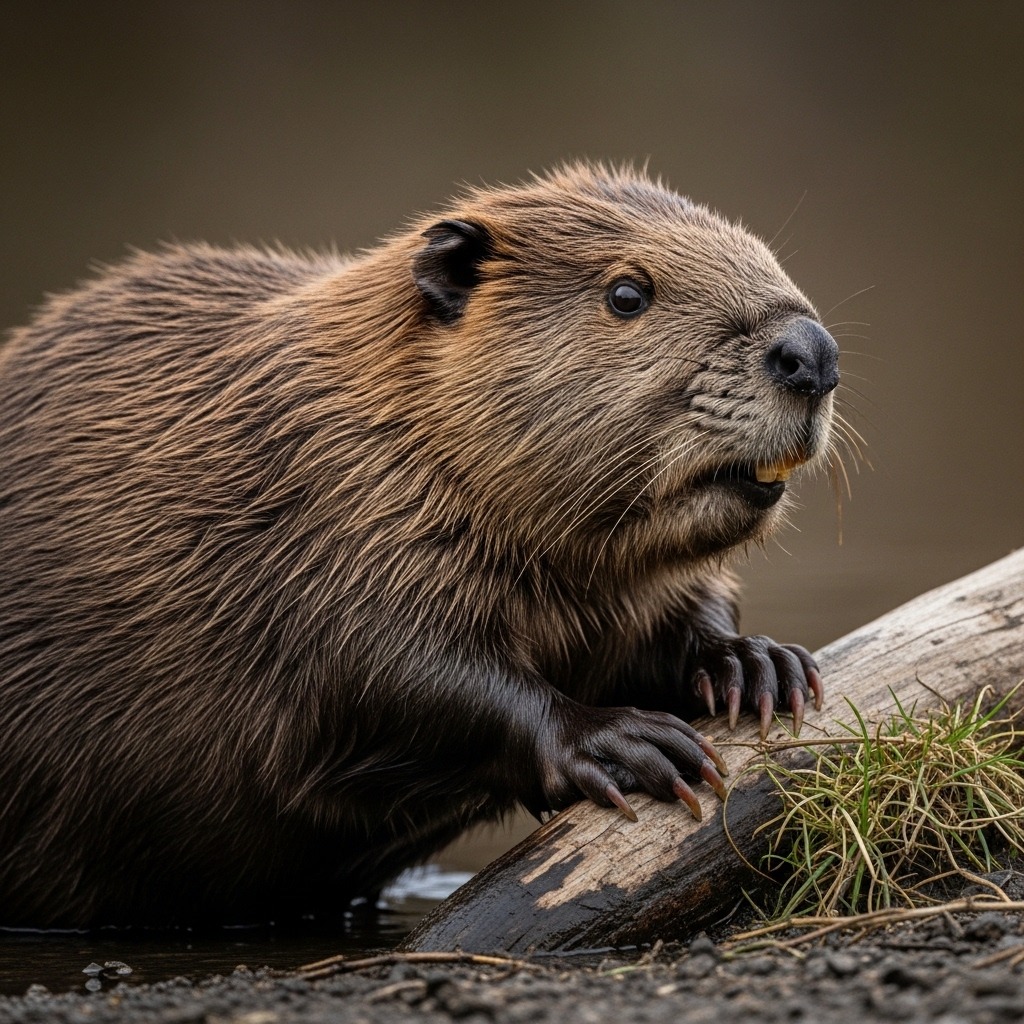
The North American Beaver showcases fascinating social behaviors and routines. Their interactions shape their families and territories, especially in the rich coniferous forests they inhabit.
Social Dynamics in Beaver Families
Beavers are social animals. They live in family groups called colonies. A typical colony consists of a monogamous pair and their offspring. These family units work together to build and maintain dams, which are crucial for their survival.
- Communication: Beavers communicate through vocalizations like growls and whines. They also use scent marking to establish territory.
- Cooperative Work: Family members help each other in gathering materials for dam building and food collection. This teamwork strengthens their bond.
Mating Season and Reproductive Behavior
Mating season for beavers occurs in late winter to early spring. After a gestation period of about 105 days, the female gives birth to 2 to 8 kits.
- Nesting: Kits are born in a lodge, where they stay safe from predators.
- Parental Care: Both parents care for the young. They teach them essential skills like swimming and foraging.
Nocturnal Activities and Territorial Defense
Beavers are primarily nocturnal. They are most active at night, which helps them avoid predators like coyotes and bears.
- Territorial Defense: Beavers defend their territory by marking it with scent. They may also engage in aggressive behavior towards intruders.
- Dam Maintenance: During their nighttime activities, they repair and build dams, ensuring their habitat remains stable.
Wildlife biologists note that beavers’ social structures and behaviors are critical for maintaining their ecosystems. For example, healthy beaver populations can improve water quality and create habitats for various other species.
Dietary Needs of the North American Beaver
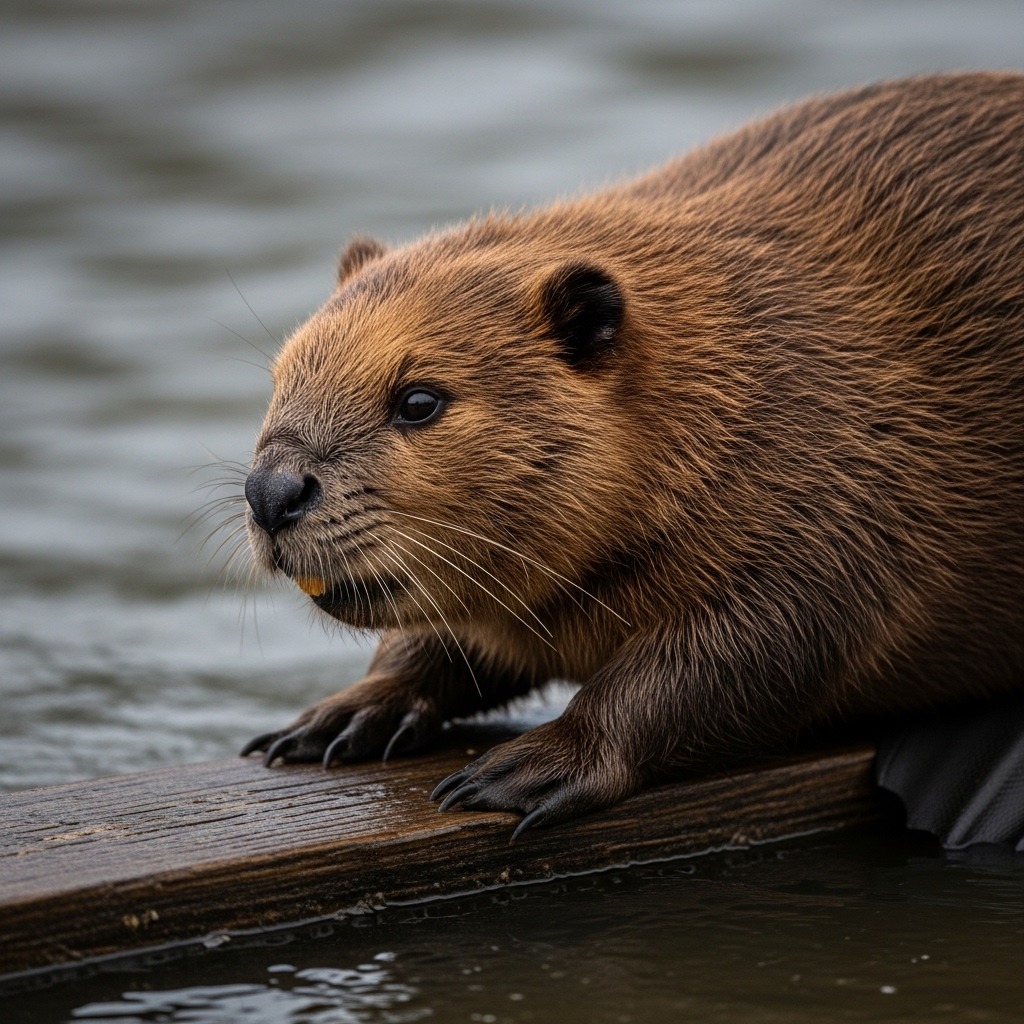
The North American Beaver has specific dietary needs that play a crucial role in its health and the ecosystem. Their diet varies based on the season and the availability of food sources in coniferous forests.
Preferred Food Sources
Beavers are herbivores. They primarily eat:
- Bark and Cambium: Soft inner bark from trees, especially willows and aspens.
- Leaves: Fresh leaves from various trees and shrubs.
- Aquatic Plants: Water lilies and other submerged vegetation.
- Roots and Tubers: They dig for roots in muddy areas.
In coniferous forests, beavers also munch on the bark of conifer trees, such as pine and fir, although they prefer deciduous plants when available.
Seasonal Dietary Changes
Beavers adjust their diet with the seasons.
- Spring and Summer: They enjoy a variety of fresh greens, including tender leaves and herbaceous plants. This is when their caloric needs are highest due to breeding and raising kits.
- Fall: As leaves fall, beavers stock up on woody materials. They gather branches and store them underwater for winter.
- Winter: Their diet mainly consists of stored bark and woody plants. The availability of fresh food drops, so they rely on their cache.
For instance, in regions where there are heavy snowfalls, beavers may have to rely more on stored branches, while in milder areas, they might still find some fresh greens.
The Role of Diet in Beaver Health
Diet plays a significant role in beaver health. A well-balanced diet ensures:
- Strong Teeth: Beavers need to gnaw on wood to keep their teeth from growing too long.
- Reproductive Success: A nutritious diet supports healthy breeding and kit development.
- Ecosystem Impact: Healthy beavers contribute to their environment by maintaining water levels and improving habitats for other species.
In summary, the diet of the North American Beaver is diverse and changes with the seasons, impacting their health and the ecosystem they help shape in coniferous forests.
Conservation Challenges Facing North American Beavers
North American Beavers play a crucial role in their ecosystems, but they face several conservation challenges. Understanding these issues is key to ensuring their survival in coniferous forests.
Major Threats to Beaver Populations
Beavers encounter various threats that impact their numbers. Here are some of the most significant:
- Habitat Loss: Development and logging in coniferous forests reduce the space beavers need to thrive.
- Trapping and Hunting: Although regulated, trapping for fur still poses a risk to their populations.
- Water Pollution: Contaminated water sources can harm beaver health and their habitats.
- Climate Change: Altered weather patterns can affect water availability, impacting beaver activity.
Conservation Efforts and Their Impact
Various conservation strategies have been implemented to protect North American Beavers. Here’s a look at some of these efforts and their effectiveness:
| Conservation Strategy | Effectiveness |
|---|---|
| Habitat Restoration | High – Increases available space |
| Legal Protection | Moderate – Reduces trapping |
| Public Awareness Campaigns | High – Informs communities |
| Water Quality Improvement | Moderate – Enhances habitat health |
For instance, habitat restoration projects have shown success in creating suitable environments for beavers. These efforts help increase their population and improve the overall ecosystem.
How Humans Can Coexist with Beavers
Humans can take steps to live peacefully alongside beavers. Here are some strategies:
- Fencing: Building fences around gardens can protect crops from beaver damage.
- Water Management: Adjusting water levels in ponds can help manage beaver activity.
- Community Education: Teaching locals about beaver benefits promotes coexistence.
By implementing these measures, we can support beaver populations while minimizing conflicts. Together, we can ensure that North American Beavers continue to thrive in their coniferous forest homes.
Frequently Asked Questions
These quick answers cover the most common questions about this topic, including key details, practical tips, and common concerns.
What’s a beaver’s favorite snack?
Beavers primarily eat the bark and cambium layer of trees. Their favorites include willow, aspen, and cottonwood. They also enjoy alder and red-osier dogwood. During winter, they rely on stored bark and woody branches for food.
Where is the North American beaver found?
North American beavers are found throughout Canada and the United States. They inhabit a variety of freshwater environments in coniferous forests, such as ponds, lakes, and slow-moving streams with abundant vegetation.
What do beavers do when happy?
When happy or relaxed, beavers often groom themselves or rest near their lodges and dams. They communicate through vocal sounds like growls and whines, and scent marking helps establish territory and social bonds within colonies.
What animal could be mistaken for a beaver?
The North American beaver can sometimes be confused with muskrats or otters. However, beavers are larger, have a broad, flat tail, and are known for their dam-building. Muskrats are smaller with a more pointed tail, and otters are more slender with a long, streamlined body.
How do beavers influence their ecosystems?
Beavers are ecosystem engineers. Their dam-building creates ponds and wetlands that support diverse species. These habitats improve water quality, increase plant diversity, and provide shelter for fish, birds, and amphibians, boosting overall biodiversity.
What challenges do North American beavers face today?
Beavers face habitat loss from logging and development, water pollution, trapping, and climate change. These threats reduce their living spaces and affect water availability, which can impact their populations and ecological roles.
What is the lifespan of a North American Beaver?
In the wild, beavers typically live around 10 to 12 years. Some can live up to 20 years with favorable conditions. They reach reproductive maturity at about 2 years old, and their lifespan supports their role as ecological engineers.
How do beavers contribute to biodiversity?
By creating ponds and wetlands, beavers provide habitats for many species. Their activities support fish populations, attract waterfowl, and promote plant growth. This increased biodiversity benefits the entire coniferous forest ecosystem.
What are the main threats to North American Beavers?
Key threats include habitat destruction from human activities, trapping for fur, water pollution, and climate change. These factors threaten their populations and the ecological functions they perform in coniferous forests.
How can humans coexist with beavers?
Humans can coexist by installing protective fencing, managing water levels around their habitats, and educating communities about their ecological benefits. These measures help reduce conflicts and support healthy beaver populations.