
Hick’s Yew (Taxus x media ‘Hicksii’) is a hybrid evergreen shrub known for its dense foliage and suitability for hedging. In this guide, we will explore its growth rate, ideal conditions for thriving, common problems, and visual examples to help you understand this remarkable plant.
Understanding Hick’s Yew: An Overview
Hick’s Yew, or Taxus x media ‘Hicksii’, is a hybrid evergreen shrub that’s gained a lot of love in landscaping. Its unique origins and characteristics make it a standout choice for many garden enthusiasts.
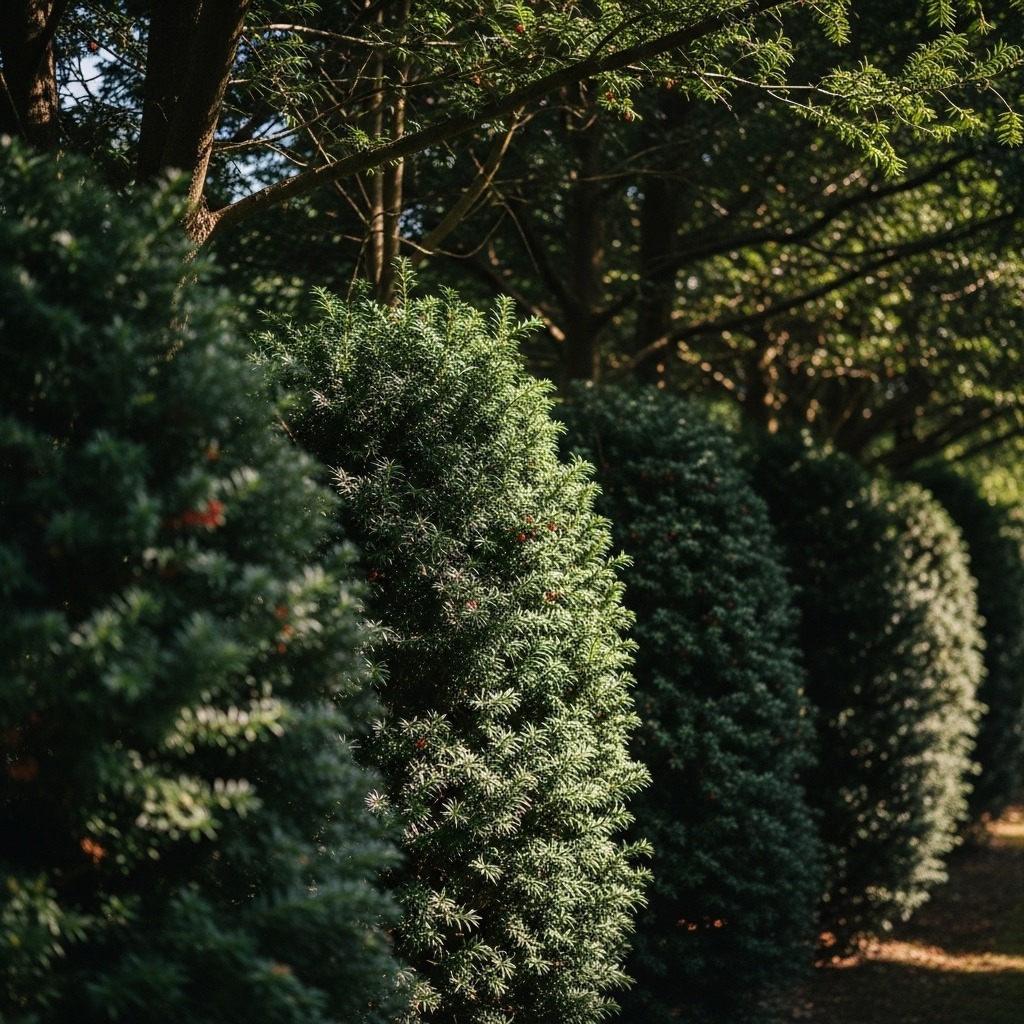
Characteristics of Hick’s Yew
Hick’s Yew is known for its dense, upright growth and striking dark green needles. Here are some key features:
- Evergreen Foliage: Keeps its rich color year-round.
- Height: Can grow up to 10-15 feet tall.
- Width: Typically spreads about 3-5 feet across.
- Growth Rate: Generally considered slow-growing, it may take several years to reach full size.
These characteristics make it ideal for hedges, screens, and formal landscapes.
Hybrid Origins: English and Japanese Yew
Hick’s Yew is a cultivated cross between the English Yew (Taxus baccata) and the Japanese Yew (Taxus cuspidata). This hybridization brings together the best traits of both species.
- English Yew: Known for its hardiness and longevity.
- Japanese Yew: Offers a more compact growth habit.
This combination results in a shrub that’s not only resilient but also visually appealing. The hybrid nature also allows it to adapt well to various conditions, giving gardeners flexibility in their landscape design.
Uses in Landscaping and Hedges
Hick’s Yew shines in landscaping for several reasons:
Table of Contents
- Privacy Screens: Its dense growth makes it perfect for creating privacy barriers.
- Formal Hedges: Ideal for manicured gardens and structured designs.
- Low Maintenance: Once established, it requires minimal care.
When choosing Hick’s Yew for your landscape, consider its ideal growing conditions. It thrives in well-drained soil and partial to full sunlight. This will ensure it grows healthy and strong, providing beauty and privacy for years to come.
Hick’s Yew Growth Rate: What to Expect
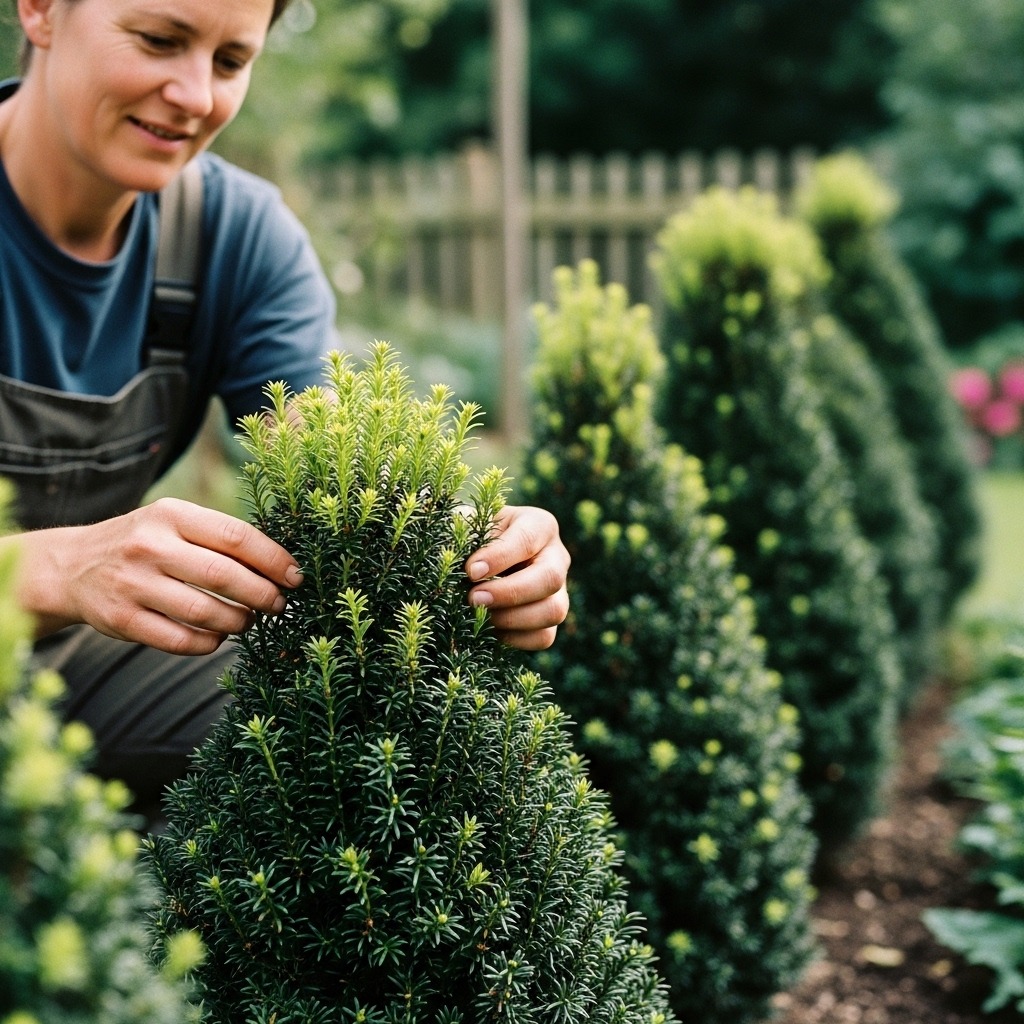
Hick’s Yew is known for its steady, yet slow growth. Understanding its growth rate can help you plan your landscape better.
Average Annual Growth Rate
Hick’s Yew typically grows at a rate of about 4 to 8 inches per year after it’s established. This growth is steady but not rapid. Here’s a quick breakdown:
- Young plants: May show faster growth in the first few years.
- Established shrubs: Generally stick to the 4-8 inch range annually.
- Mature plants: Growth slows even more as they reach their full size.
Factors Influencing Growth Speed
Several factors can impact how quickly your Hick’s Yew grows. Here’s what to keep in mind:
- Soil Quality: Well-drained, rich soil promotes faster growth. Poor or compacted soil can stunt it.
- Sunlight: Hick’s Yew thrives in partial to full sunlight. Too much shade can slow growth.
- Watering: Consistent moisture is key, especially during dry spells. Drought can hinder growth.
- Climate: Warmer climates generally lead to faster growth. Harsh winters can be detrimental.
- Maintenance: Regular pruning and care can keep the plant healthy and encourage growth.
Maturation Timeline and Expectations
Hick’s Yew is a slow grower, but it has a long lifespan and can reach impressive heights. Here’s what to expect as it matures:
- 3-5 years: You’ll see noticeable growth, but it won’t be overwhelming.
- 5-10 years: Expect it to fill out more, reaching a significant size.
- 10+ years: Maturity occurs, and growth will slow considerably.
When planting Hick’s Yew, patience is key. Knowing its growth rate helps you plan your garden layout and set realistic expectations for its development.
Ideal Growing Conditions for Hick’s Yew
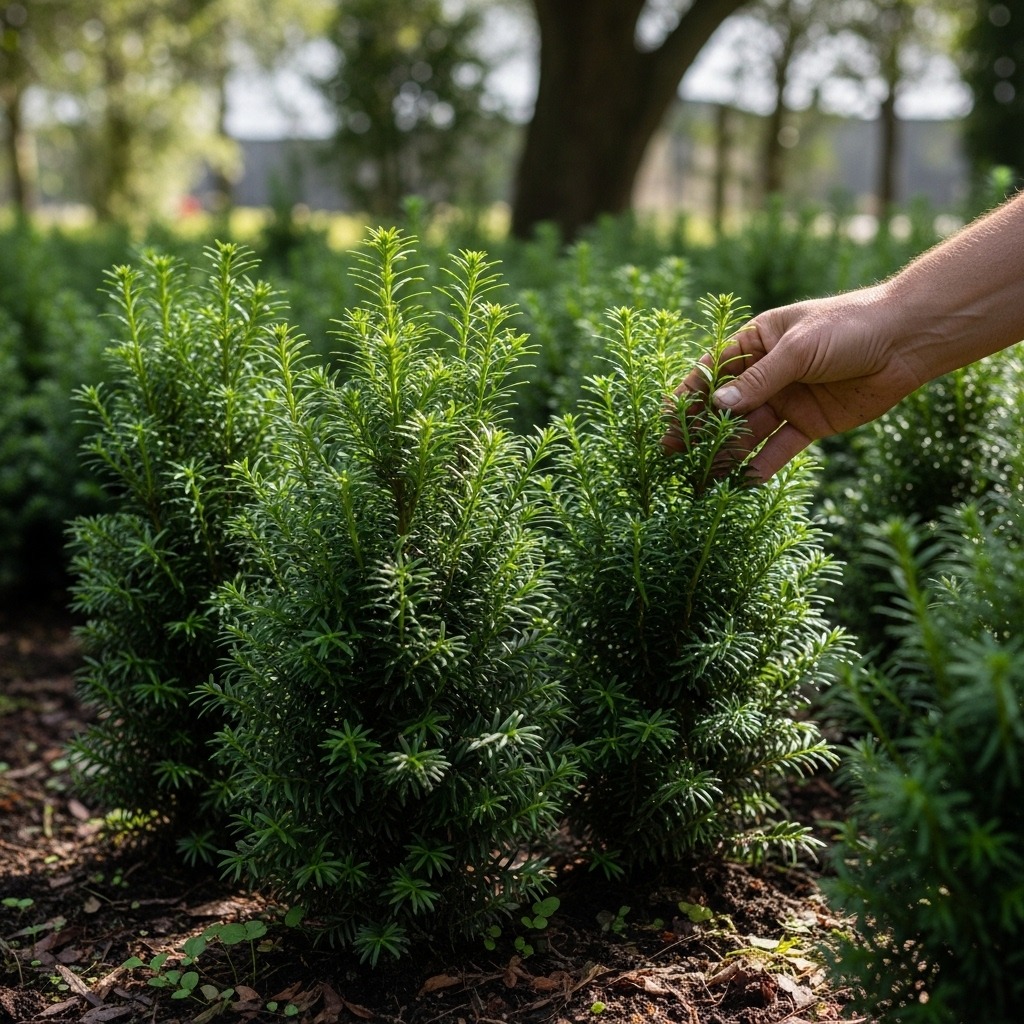
Hick’s Yew is a hardy evergreen that thrives under specific conditions. To help your plant flourish, pay attention to its soil, sunlight, and moisture needs.
Soil Requirements: Types and pH Levels
Hick’s Yew prefers well-draining soil. Here are the key points to consider:
- Soil Type: Loamy or sandy soils work best. They maintain moisture without becoming waterlogged.
- Drainage: Good drainage is crucial. Standing water can lead to root rot.
- pH Level: Aim for slightly acidic to neutral soil, ideally between 6.0 and 7.0. This range promotes optimal nutrient uptake.
Checklist for Soil Preparation:
- Test your soil pH.
- Amend with compost or peat if necessary.
- Ensure drainage by avoiding heavy clay soils.
Sunlight Needs: Full Sun vs. Shade
Hick’s Yew can adapt to different light conditions, but it prefers certain setups:
- Full Sun: Thrives in areas with 6-8 hours of sunlight.
- Partial Shade: Can tolerate some shade but too much will slow its growth.
- Too Much Shade: Avoid planting in deep shade as it can hinder overall development.
Watering and Moisture Management
Keeping the right moisture level is essential for Hick’s Yew’s health:
- Initial Watering: When newly planted, ensure it receives regular watering to establish roots.
- Ongoing Care: Once established, Hick’s Yew is somewhat drought-tolerant, but it still prefers consistent moisture.
- Watering Frequency: Water deeply but infrequently. Check the soil; if the top inch is dry, it’s time to water.
Moisture Management Tips:
- Use mulch to retain moisture and suppress weeds.
- Monitor during dry spells to prevent stress on the plant.
By meeting these conditions, you’ll set your Hick’s Yew up for success!
Common Problems Affecting Hick’s Yew
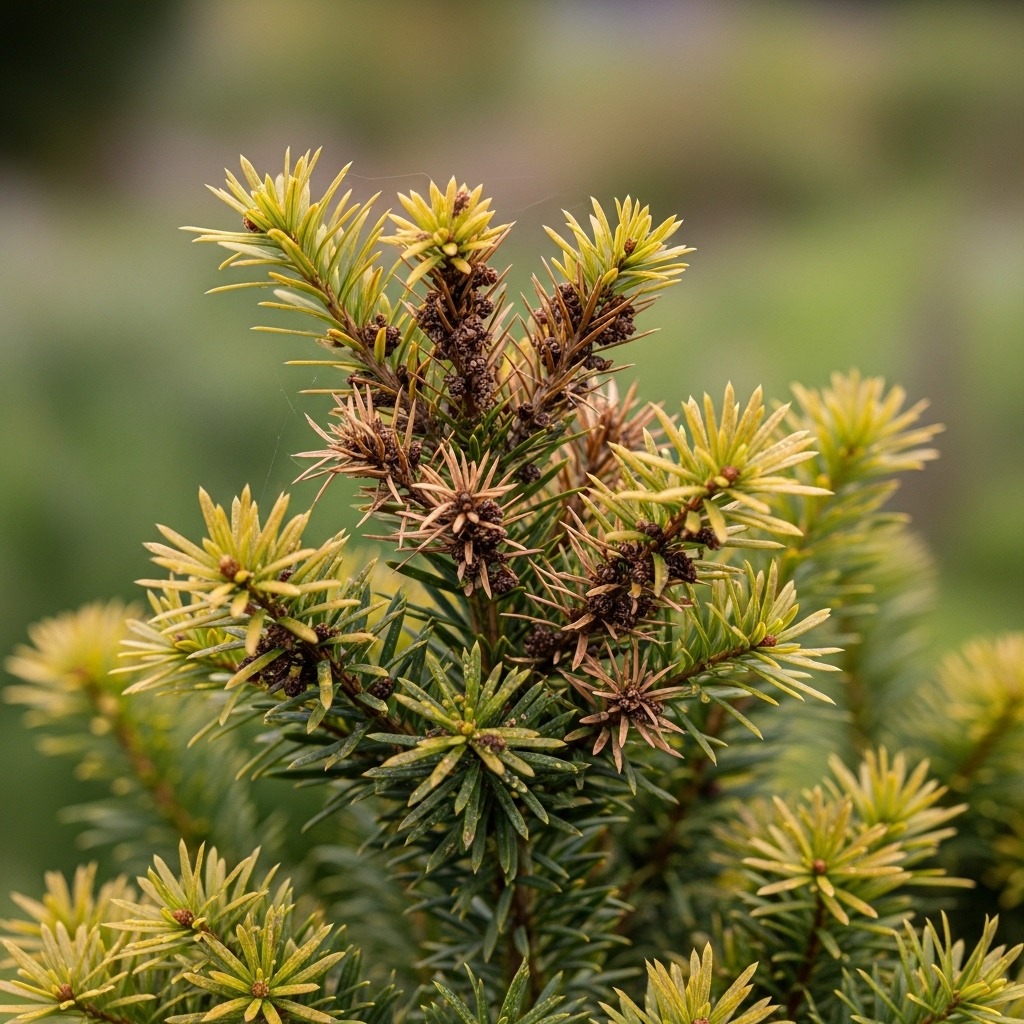
Hick’s Yew is a resilient shrub, but it can face a few challenges. From pests to environmental stressors, understanding these issues is key to keeping your plant healthy and thriving.
Common Pests and How to Manage Them
Hick’s Yew can attract a few pesky critters. Here are some common pests and how to deal with them:
| Pest | Symptoms | Management Techniques |
|---|---|---|
| Spider Mites | Tiny webs on leaves, yellowing | Spray with water or insecticidal soap |
| Scale Insects | Sticky residue, leaf drop | Treat with horticultural oil |
| Aphids | Distorted leaves, sticky sap | Use neem oil or insecticidal soap |
| Bagworms | Brown bags hanging from branches | Handpick or use BT (Bacillus thuringiensis) |
Regular inspections can help catch these pests early. Keep an eye out for any changes in your plant’s appearance.
Diseases: Signs and Treatment
Hick’s Yew is also susceptible to certain diseases. Here’s what to look for:
| Disease | Symptoms | Treatment |
|---|---|---|
| Root Rot | Wilting, yellowing leaves | Improve drainage, avoid overwatering |
| Needle Blight | Brown needles, needle drop | Prune affected areas, improve air circulation |
| Canker | Sunken lesions on stems | Remove infected branches, apply fungicide |
If you notice any signs of disease, act quickly. The sooner you address the problem, the better your chances of saving the plant.
Environmental Stressors: Drought and Winter Issues
Hick’s Yew is generally hardy but can struggle in extreme conditions. Here’s how to help it cope:
- Drought: Ensure consistent moisture during dry spells. Mulch helps retain soil moisture.
- Harsh Winter: Protect your yew from winter burn by wrapping it or providing some shelter from harsh winds.
By understanding and managing these common problems, you can enjoy a healthy and beautiful Hick’s Yew in your landscape!
Visual Guide: Healthy vs. Unhealthy Hick’s Yew
Understanding what a healthy Hick’s Yew looks like can help you catch problems early. Here, we’ll break down the characteristics to look for in both healthy and unhealthy plants.
Healthy Hick’s Yew Characteristics
A thriving Hick’s Yew is a sight to behold. Here’s what to look for:
- Vibrant Color: Healthy leaves are a rich green, showcasing vitality.
- Full Growth: The plant should have a dense, bushy appearance without any bare patches.
- Strong Structure: Sturdy branches that hold their shape well indicate a robust plant.
- New Growth: Look for fresh shoots, especially in spring, which signal good health.
Signs of Stress and Disease
If your Hick’s Yew is struggling, it may show some telltale signs. Watch out for these:
- Discoloration: Yellowing or browning leaves can indicate stress.
- Leaf Drop: A sudden loss of leaves can signal issues with health.
- Wilting: If the plant appears limp, it may need more water or be affected by pests.
- Pest Presence: Check for webs, holes, or visible insects on the foliage.
Comparative Visuals: What to Look For
To help you assess your Hick’s Yew, here’s a quick comparison:
| Characteristic | Healthy Hick’s Yew | Unhealthy Hick’s Yew |
|---|---|---|
| Leaf Color | Rich green | Yellow or brown |
| Growth Shape | Dense and bushy | Sparse or leggy |
| Leaf Texture | Smooth and firm | Brittle or soft |
| New Growth | Plenty of new shoots | Little to no new growth |
Use this guide as a reference when checking your plants. Catching problems early can make all the difference in keeping your Hick’s Yew healthy and thriving!
Comparing Hick’s Yew with Other Yew Varieties
Hick’s Yew stands out among yew varieties for its unique hybrid characteristics. Let’s explore how it compares to other popular yews.
Differences Between Hybrid and Non-Hybrid Yews
Hybrid yews, like Hick’s Yew, combine the best traits of their parent species. Here’s how they differ from non-hybrid varieties:
| Characteristic | Hick’s Yew (Hybrid) | Non-Hybrid Yews (e.g., English Yew) |
|---|---|---|
| Growth Rate | Moderate, up to 1 foot per year | Slower, often less than 1 foot per year |
| Disease Resistance | Generally more resistant | Prone to certain diseases |
| Size | Compact, ideal for small spaces | Can grow taller and wider |
| Leaf Color | Rich green, year-round | Varies, often less vibrant |
Advantages of Hick’s Yew for Landscaping
Hick’s Yew offers several benefits for your garden or landscape:
- Versatile Size: It stays compact, making it perfect for hedges or borders.
- Evergreen Foliage: Provides year-round greenery.
- Low Maintenance: Requires less pruning compared to other varieties.
- Pest Resistance: Less susceptible to common yew pests.
Alternative Yew Varieties for Different Needs
If Hick’s Yew isn’t the right fit, here are some alternatives:
- English Yew: Great for larger spaces; however, it needs more maintenance.
- Japanese Yew: Offers a unique look but can grow larger than Hick’s Yew.
- Dawn Redwood (Metasequoia glyptostroboides): An alternative for those looking for a deciduous option.
Choosing the right yew variety depends on your landscaping needs. Consider factors like space, maintenance level, and desired appearance.
Practical Care Tips for Maintaining Hick’s Yew
Caring for your Hick’s Yew is simple and rewarding. With the right attention, this evergreen beauty can thrive in your garden.
Pruning Techniques for Optimal Growth
Pruning is essential for maintaining the health and shape of your Hick’s Yew. Here’s how to do it right:
- Timing: Prune in late winter or early spring before new growth starts. This helps prevent damage to the plant.
- How to Prune: Remove any dead or damaged branches first. Then, shape the plant by cutting back the outer tips. Aim for a natural form.
- Avoid Over-Pruning: Hick’s Yew can tolerate light pruning. However, avoid cutting back more than one-third of the plant at once.
Fertilization: When and How to Feed
Feeding your Hick’s Yew helps it grow strong and healthy. Here’s your fertilization guide:
- When to Fertilize: Apply fertilizer in early spring as new growth begins.
- Type of Fertilizer: Use a balanced, slow-release fertilizer. Aim for one with equal parts nitrogen, phosphorus, and potassium.
- How Much to Use: Follow package instructions. Typically, around 1 to 2 cups per plant is effective.
Seasonal Maintenance Checklist
Keeping your Hick’s Yew healthy requires regular care. Here’s a handy checklist to follow:
- Spring:
- Prune as needed.
- Apply fertilizer.
- Check for pests and diseases.
- Summer:
- Water regularly, especially during dry spells.
- Mulch around the base to retain moisture.
- Fall:
- Clean up fallen leaves and debris.
- Prepare for winter by checking for any damages.
- Winter:
- Protect from heavy snow loads.
- Avoid walking on the plant to prevent breakage.
Following these practical tips will ensure your Hick’s Yew remains a stunning focal point in your landscape. Happy gardening!
Frequently Asked Questions
These quick answers cover the most common questions about this topic, including key details, practical tips, and common concerns.
What are common Hicks yew problems?
Hick’s Yew can face issues like pests, diseases, and environmental stress. Common pests include spider mites, scale insects, and aphids, which can cause leaf discoloration or sticky residue. Diseases such as root rot and needle blight may lead to yellowing, browning, or leaf drop. Environmental problems like drought stress or winter damage can also weaken the plant. Regular inspections and proper care help prevent and manage these problems.
What are the growing conditions for yews?
Yews thrive in well-drained, slightly acidic to neutral soil with a pH of 6.0 to 7.0. They prefer partial to full sunlight, ideally 6-8 hours of direct light daily. While Hick’s Yew can tolerate some shade, full shade can slow growth and reduce overall health. Consistent watering during dry periods and protection from harsh winter winds help ensure optimal growth.
How quickly do Hicks yews grow?
Hick’s Yew grows at a slow to moderate rate, about 4 to 8 inches per year once established. Young plants may grow slightly faster initially, but growth slows as they mature. It typically takes 3-5 years for the shrub to reach a noticeable size, and 10 or more years to reach full height and width. Patience is key, as the plant offers long-term durability and beauty.
Will Hicks Yew grow in full shade?
Hick’s Yew can tolerate some shade but prefers partial to full sun for optimal growth. In full shade, growth may be significantly slowed, and foliage can become less dense or less vibrant. For best results, plant it where it receives at least 4-6 hours of direct sunlight daily to maintain healthy, lush foliage.
What pests affect Hicks Yew?
Main pests include spider mites, scale insects, and aphids. These pests can cause leaf discoloration, webbing, or sticky residue. Regular inspection and early intervention with insecticidal soap or neem oil can control infestations. Healthy, well-maintained plants are less susceptible to pest problems.
How do I prune my Hicks Yew for optimal growth?
Prune in late winter or early spring before new growth begins. Remove any dead, damaged, or diseased branches first. Shape the shrub by cutting back outer tips to maintain a dense, uniform appearance. Avoid heavy pruning that removes more than one-third of the plant at a time. Proper pruning encourages healthy growth and a tidy form.
What other plants pair well with Hicks Yew?
Hick’s Yew pairs well with low-maintenance shrubs like boxwood, holly, or Japanese pieris. It also complements ornamental grasses or perennials such as hostas and ferns. Combining evergreen and deciduous plants can create year-round interest and contrast in your landscape design.
What are faster-growing alternatives to Hick’s Yew?
If you want quicker privacy screens or hedges, consider plants like Leyland cypress, arborvitae, or privet. These species can grow several feet per year, providing faster coverage. However, they may require more maintenance and are less long-lived compared to Hick’s Yew.
How often should I water my Hick’s Yew?
Water your Hick’s Yew deeply once a week during dry periods, especially in the first year after planting. Adjust frequency based on rainfall and soil moisture. Mulching around the base helps retain soil moisture and reduces watering needs. Avoid overwatering, as soggy soil can cause root rot.