
Choosing the right milkweed to plant is crucial for supporting monarch butterflies and local ecosystems. This guide walks you through essential considerations, including native species, planting tips, and ecological benefits, ensuring you make an informed decision.
Understanding Milkweed and Its Importance
Milkweed is the lifeline for monarch butterflies. These beautiful insects rely on milkweed as their only host plant. When you plant milkweed, you’re not just adding a pretty flower to your garden; you’re supporting an entire ecosystem.
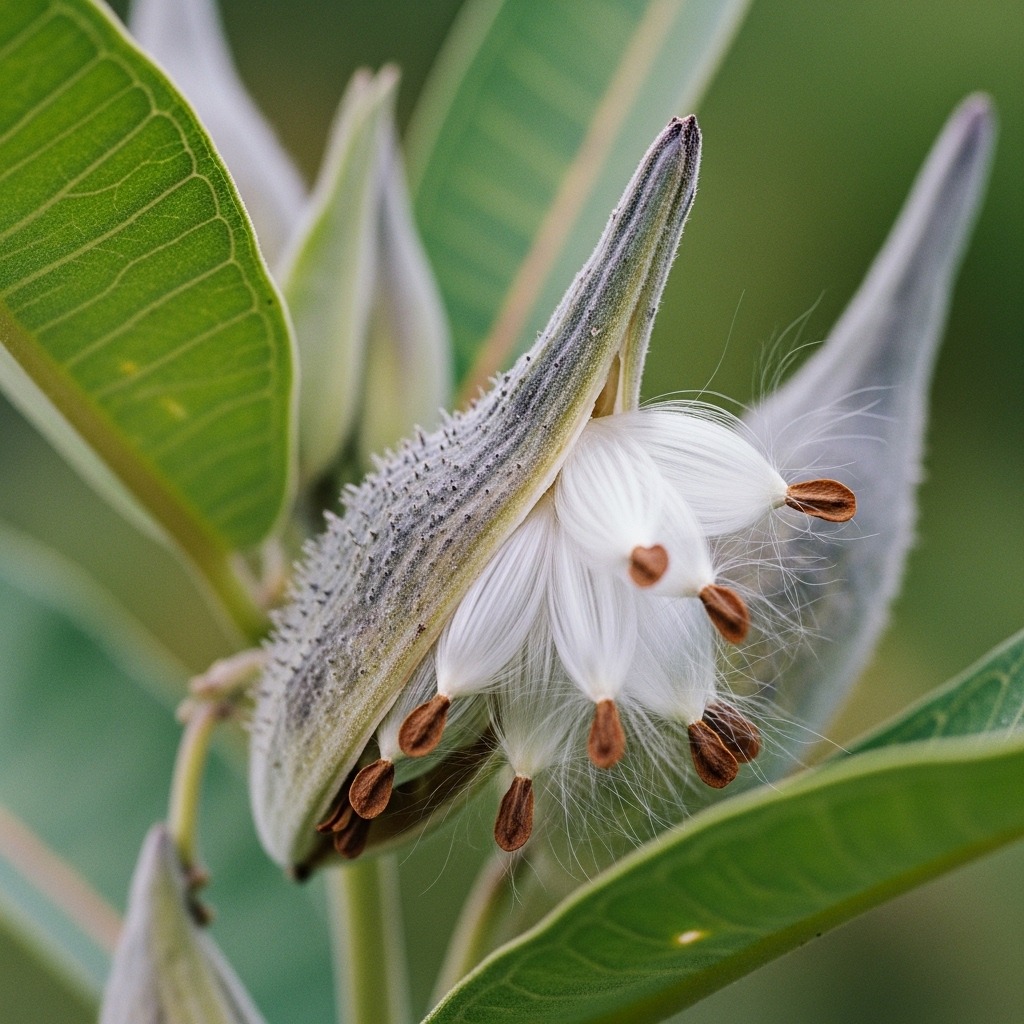
The Role of Milkweed in Monarch Life Cycle
Milkweed plays a crucial role in the life cycle of monarchs. Here’s how it works:
- Caterpillar Stage: Monarch caterpillars feed exclusively on milkweed leaves. These leaves contain toxins that make the caterpillars distasteful to predators.
- Metamorphosis: Once they’ve eaten enough, caterpillars form chrysalises and eventually emerge as butterflies. This process is vital for their survival.
- Nectar Source: Adult monarchs also rely on milkweed flowers for nectar, which fuels their migration.
By planting milkweed, you’re creating a safe haven for both caterpillars and adult butterflies.
Ecological Benefits of Planting Milkweed
Planting milkweed isn’t just about monarchs. It has broader ecological benefits:
- Supports Other Pollinators: Milkweed flowers attract bees, hummingbirds, and other beneficial insects. This boosts local biodiversity.
- Improves Soil Health: Milkweed plants can improve soil quality. Their deep roots help prevent erosion and promote better water absorption.
- Native Species Advantage: Choosing native milkweed species ensures they thrive in your local conditions and support local wildlife.
Choosing the Right Milkweed Species
When selecting milkweed, consider these factors:
- Local Environment: Identify your region’s climate and soil type. Some milkweed varieties prefer dry conditions, while others thrive in wet soil.
- Species Variety: Common milkweed (Asclepias syriaca) is popular, but butterfly weed (Asclepias tuberosa) and swamp milkweed (Asclepias incarnata) are also great choices. Each has unique benefits and growth requirements.
Here’s a quick comparison of some popular milkweed varieties:
Table of Contents
| Milkweed Type | Climate Preference | Height | Flower Color |
|---|---|---|---|
| Common Milkweed | Dry to average | 3-5 feet | Pink to purple |
| Butterfly Weed | Well-drained | 1-3 feet | Bright orange |
| Swamp Milkweed | Moist areas | 3-4 feet | Pink to white |
This simple table can help you decide which milkweed to plant based on your garden’s specific conditions. Remember, the right choice makes all the difference for your local butterflies and overall garden health!
How to Choose the Right Milkweed Species
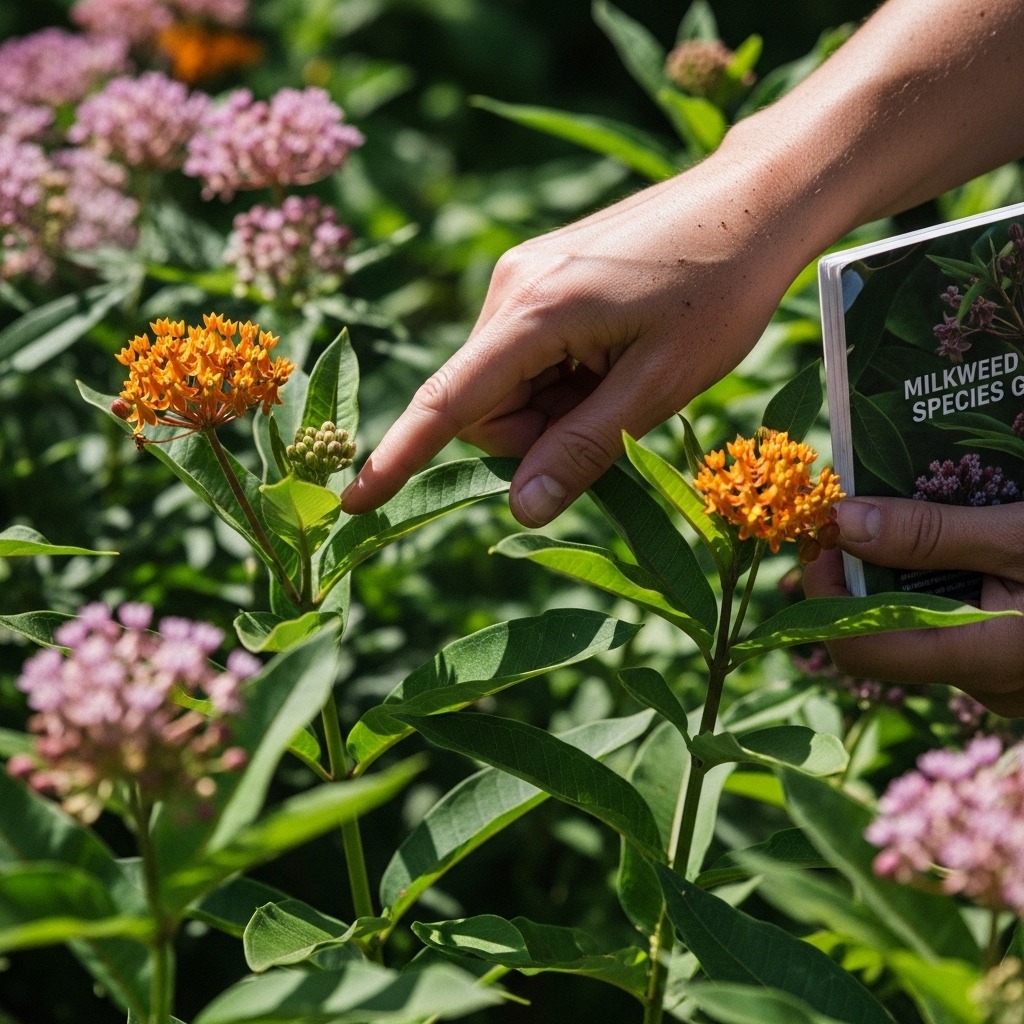
Choosing the right milkweed species is essential for creating a thriving habitat for monarch butterflies and other pollinators. Here are the key factors to consider when selecting milkweed for your garden.
Identifying Native Species for Your Area
Native milkweed species are best for your local ecosystem. They support local wildlife and are adapted to your environment. Here’s how to find the right native types:
- Research Local Varieties: Check which milkweed species are native to your region. This can vary widely across the U.S.
- Consult Local Resources: Use local gardening groups, extension services, or native plant societies for guidance.
- Look for Hardy Options: Choose species that thrive in your USDA hardiness zone.
Assessing Soil and Climate Compatibility
Your garden’s soil and climate play a big role in how well your milkweed will grow. Here’s what to keep in mind:
- Soil Type:
- Dry, Well-Drained: Butterfly Weed (Asclepias tuberosa) loves these conditions.
- Moist Soil: Swamp Milkweed (A. incarnata) prefers consistently moist areas.
- Sun Exposure: Most milkweeds thrive in full sun. Make sure your planting spot gets plenty of light.
- Winter Hardiness: Ensure the species you choose can withstand your local winter temperatures.
Decision Matrix for Selecting Milkweed
To make your choice easier, consider this handy decision matrix:
| Milkweed Type | Soil Preference | Sunlight | Best For |
|---|---|---|---|
| Common Milkweed | Dry to average | Full sun | General pollinator attraction |
| Butterfly Weed | Well-drained | Full sun | Colorful blooms for butterflies |
| Swamp Milkweed | Moist areas | Full sun | Pollinator-friendly wetland areas |
By assessing your local conditions and selecting the right native species, you’ll help create a welcoming space for monarchs and other beneficial insects. Happy planting!
Common Mistakes When Planting Milkweed

Planting milkweed is a great way to support monarch butterflies and local ecosystems. However, many gardeners make mistakes that can harm these important plants. Let’s dive into the common pitfalls, especially focusing on non-native milkweed.
Risks of Planting Non-Native Milkweed
Choosing the wrong type of milkweed can lead to several issues. Non-native species might seem appealing, but they can disrupt local ecosystems. Here are some risks to consider:
- Invasive Behavior: Non-native milkweed species can outcompete local plants. This reduces biodiversity and harms native pollinators.
- Poor Adaptation: These species often struggle to thrive in local conditions. You might end up with weak plants that don’t attract butterflies.
- Limited Benefits: Non-native varieties often fail to provide the same ecological support. Monarchs and other pollinators rely on native species for food and habitat.
How to Ensure You Choose Native Varieties
Selecting the right milkweed means prioritizing native species. Here are some tips to help you make the best choice:
- Research Local Varieties: Look for milkweed species that thrive in your area. Common varieties include Common Milkweed, Butterfly Weed, and Swamp Milkweed.
- Check Soil and Light Needs: Ensure the milkweed matches your garden’s conditions. For example, Swamp Milkweed loves moist areas, while Butterfly Weed prefers well-drained soil.
- Consult Local Experts: Reach out to local gardening clubs or extension services. They can provide insights on the best native species for your region.
By avoiding non-native milkweed and focusing on the right native varieties, you can create a thriving habitat for monarchs and other beneficial insects.
When and How to Plant Milkweed

Timing and technique are key for planting milkweed successfully. With the right approach, you’ll create a welcoming habitat for monarch butterflies and other pollinators.
Ideal Planting Times and Conditions
When you plant milkweed depends on your region. Here’s a quick guide to help you get started:
- Spring Planting: This is the best time for most areas. Aim for late April to early June. The soil is warming up, allowing roots to establish before the heat kicks in.
- Fall Planting: In warmer climates, early fall (September to October) works well. This gives plants time to settle in before winter.
Soil and Light Conditions:
- Most milkweed loves full sun—six to eight hours a day.
- Check your soil type:
- Swamp Milkweed: Thrives in moist, rich soil.
- Butterfly Weed: Prefers well-drained, sandy soil.
Step-by-Step Planting Guide
Follow these steps for a successful planting experience:
1. Choose Your Variety: Select native milkweed types suited for your area (like Common Milkweed or Butterfly Weed).
2. Prepare the Site: Clear the area of weeds and debris. Loosen the soil to improve drainage.
3. Planting Depth: Dig holes about 1-2 inches deeper than the root ball. Space plants 12-36 inches apart, depending on the variety.
4. Watering: Give them a good soak after planting. Keep the soil moist, especially in the first few weeks.
5. Mulch: Add a layer of mulch to help retain moisture and suppress weeds.
Regional Recommendations
Here’s a quick decision framework for choosing milkweed based on local conditions:
- Northeast USA: Common Milkweed (Asclepias Syriaca) thrives here. It’s hardy and supports many pollinators.
- Southeast USA: Butterfly Weed (Asclepias Tuberosa) is perfect for dry, sunny spots.
- Midwest USA: Swamp Milkweed (Asclepias Incarnata) does well in wetter areas, perfect for rain gardens.
- West USA: Showy Milkweed (Asclepias Speciosa) is a great choice for arid regions. It’s drought-tolerant and strikingly beautiful.
By choosing the right milkweed variety and following these planting tips, you’ll help support local ecosystems and enjoy a vibrant garden full of life!
Caring for Milkweed After Planting
Once you’ve chosen the right milkweed and planted it, the real fun begins! Ongoing care is essential to keep your plants thriving and supporting those lovely monarch butterflies. Let’s dive into how to manage watering, soil, and pesky pests.
Watering and Soil Management
Milkweed loves well-drained soil and can be a bit picky about moisture. Here are some key tips:
- Watering:
- Water deeply but infrequently. Wait until the top 1-2 inches of soil feels dry before watering again.
- During hot summers, check soil moisture more often. Milkweed prefers slightly dry conditions over soggy roots.
- Soil Needs:
- Aim for loamy, well-draining soil. This helps develop those deep roots milkweed is known for.
- Test your soil pH. Milkweed thrives in a range of 6.0 to 7.5.
- Fertilization:
- Generally, milkweed doesn’t need much fertilizer. If your soil is poor, a light application of organic compost in spring can help.
Pest Control and Maintenance Tips
Milkweed can attract some pests, but don’t worry! Here’s how to manage them effectively:
- Common Pests:
- Aphids and spider mites are the usual culprits. Keep an eye out for them.
- Natural Predators:
- Encourage ladybugs and lacewings. They love munching on aphids!
- Hand Removal:
- For small infestations, simply wipe pests off with a damp cloth or spray them with water.
- Companion Planting:
- Plant milkweed alongside flowering plants like marigolds or nasturtiums. They can deter pests while attracting beneficial insects.
Checklist for Milkweed Care
- [ ] Check soil moisture regularly.
- [ ] Water deeply when needed.
- [ ] Monitor for pests weekly.
- [ ] Encourage natural predators by planting companion flowers.
- [ ] Fertilize only if necessary.
By following these simple care tips, you’ll create a thriving habitat for pollinators and enjoy a beautiful milkweed garden for years to come!
Frequently Asked Questions
These quick answers cover the most common questions about this topic, including key details, practical tips, and common concerns.
Can I plant milkweed in October?
Planting milkweed in October is generally suitable in milder climates where the ground doesn’t freeze early. In colder regions, it’s better to wait until spring to give the plants time to establish before winter. If you plant in fall, consider mulching heavily to protect roots from freezing. Always check your local frost dates to determine the best planting window.
Which milkweed is the best for monarchs?
Native milkweed species are best for supporting monarch butterflies. Common choices include Common Milkweed (Asclepias syriaca), Swamp Milkweed (Asclepias incarnata), and Butterfly Weed (Asclepias tuberosa). These varieties provide the necessary leaves for caterpillars and nectar for adults. Native species are adapted to your region and promote a healthy ecosystem.
Which milkweed should not be planted?
Avoid planting non-native or invasive milkweed species, such as Tropical Milkweed (Asclepias curassavica) in regions where it can escape cultivation. These can disrupt local ecosystems, promote disease, or outcompete native plants. Always choose native, region-specific milkweed to prevent ecological issues.
How many years does it take for milkweed to flower?
Most milkweed varieties flower within 1 to 3 years after planting. Factors like soil quality, climate, and care influence flowering time. Consistent watering and proper planting conditions help accelerate blooming. Once established, milkweed can produce flowers annually and live for several years.
What are the best soil conditions for milkweed?
Milkweed prefers well-drained soil with a neutral to slightly acidic pH (6.0–7.5). It thrives in loamy, sandy, or gravelly soils. Some species, like Swamp Milkweed, enjoy moist or wet conditions, while others, like Butterfly Weed, tolerate dry, sandy soils. Adjust soil preparation based on your chosen variety.
How do I care for milkweed after planting?
Water newly planted milkweed regularly during the first few weeks to establish roots. Once established, most varieties are drought-tolerant and need minimal watering. Avoid over-fertilizing, as milkweed prefers lean soils. Monitor for pests like aphids and remove them naturally. Mulching helps retain moisture and suppress weeds.
Can milkweed be grown in containers?
Yes, many milkweed species can be grown in containers. Choose a large pot with drainage holes and use well-draining soil. Container-grown milkweed needs regular watering, especially during hot weather. This is a good option for small spaces or urban gardens and helps control invasive tendencies.
What pests affect milkweed plants?
Common pests include aphids, spider mites, and milkweed bugs. These pests can suck sap and weaken plants. Natural predators like ladybugs and lacewings help control infestations. Regular inspection and gentle removal are effective. Avoid using broad-spectrum pesticides that can harm beneficial insects.