
Cold stratifying milkweed seeds is essential for encouraging germination and ensuring healthy plant growth. This step-by-step guide will walk you through the effective methods of cold stratification and how to grow milkweed seeds, optimizing your efforts to support local butterfly populations [1].
Understand Cold Stratification for Milkweed Seeds
Cold stratification is a vital process that mimics winter conditions, preparing milkweed seeds for germination. This technique enhances seed viability and aligns with the natural lifecycle of these important plants.
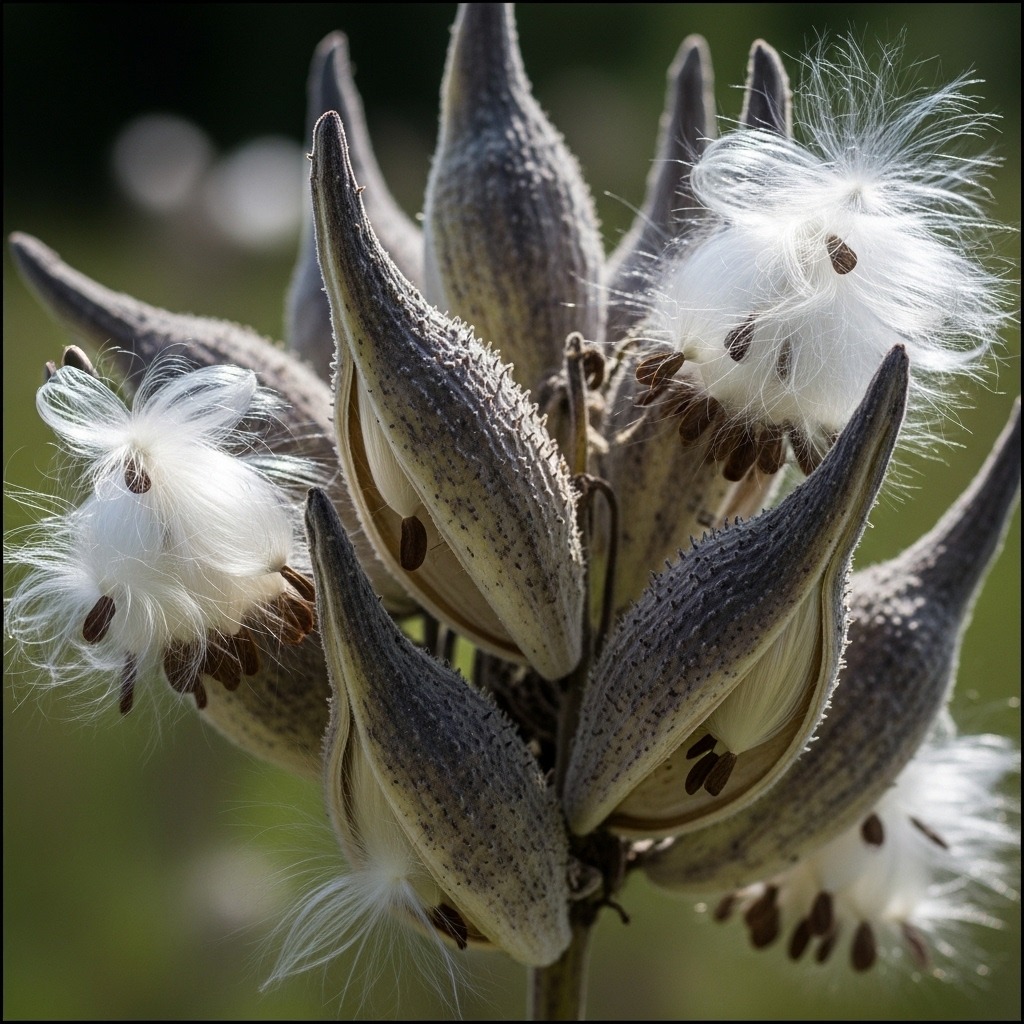
What is Cold Stratification?
Cold stratification involves exposing seeds to cold and moist conditions to break dormancy. During this phase, seeds undergo physiological changes that trigger germination. This is particularly crucial for milkweed seeds, which often have hard seed coats that require this treatment to soften.
Why is Cold Stratification Necessary?
Cold stratification is essential for several reasons:
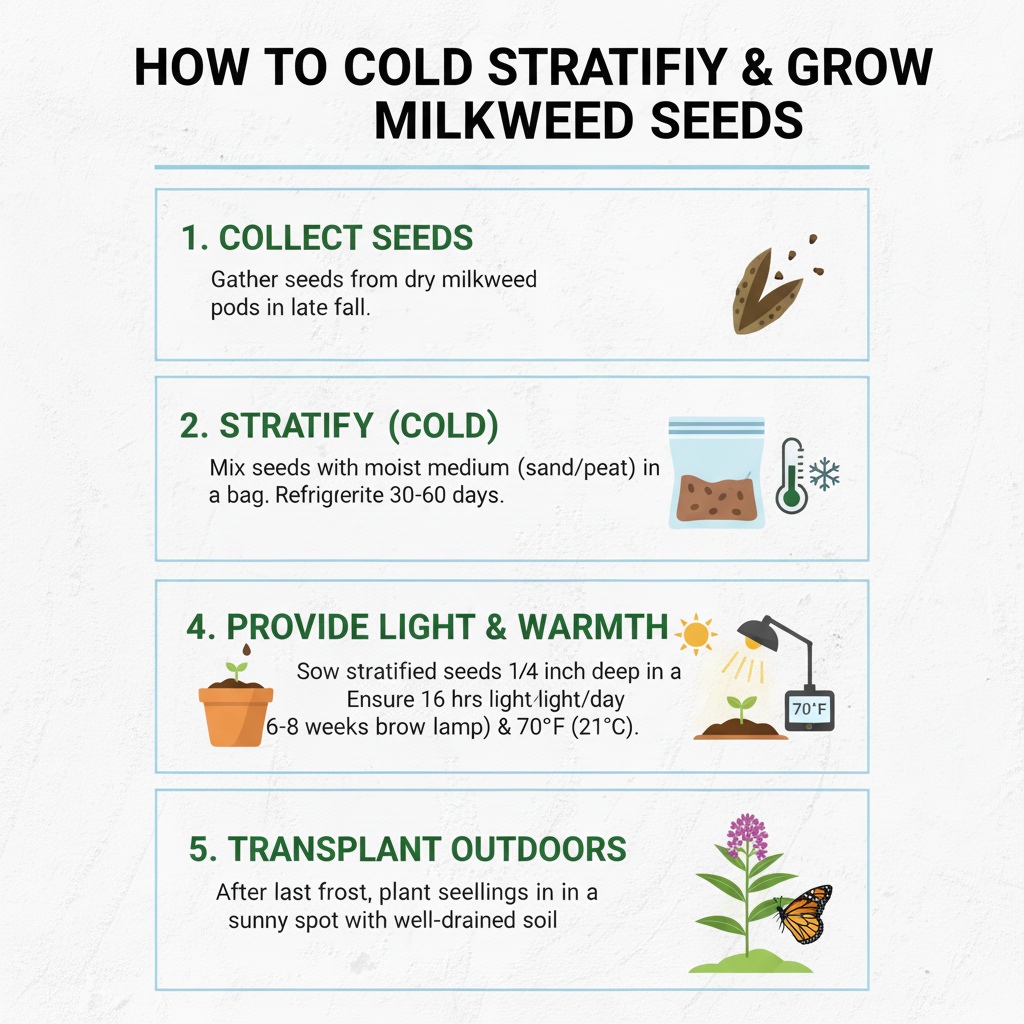
- Mimics Natural Conditions: In nature, milkweed seeds fall to the ground in autumn and remain in cold soil throughout winter. This cold exposure signals the seeds to germinate when temperatures rise in spring [1].
- Improves Germination Rates: Research indicates that seeds subjected to cold stratification exhibit significantly higher germination rates compared to those that are not [3]. For instance, cold moist stratification can boost germination success by as much as 75% in certain milkweed varieties [2].
- Facilitates Seed Viability: The process helps soften hard seed coats, making it easier for seedlings to emerge. Without cold stratification, many seeds may remain dormant indefinitely, unable to sprout when conditions are favorable.
Effective Cold Stratification Techniques
Here are several methods to effectively cold stratify milkweed seeds:
| Method | Description | Effectiveness |
|---|---|---|
| Cold Dry Stratification | Place seeds in a plastic bag in the fridge for 1 month. Soak them in warm water for 24-48 hours before planting. | Moderate |
| Cold Moist Stratification | Combine seeds with moist perlite or paper towels in a plastic bag and refrigerate for 30-60 days. This method is highly effective for hard-coated seeds. | High |
Choosing the right technique depends on your timeline and the specific milkweed species. For instance, thicker-seeded varieties like Asclepias tuberosa often benefit more from cold moist stratification [2].
For gardeners looking to optimize their seed-starting efforts, consider investing in a Seed Starting Kit to provide the ideal conditions for your germinating milkweed seeds.
Table of Contents
Five Effective Methods to Cold Stratify Milkweed Seeds
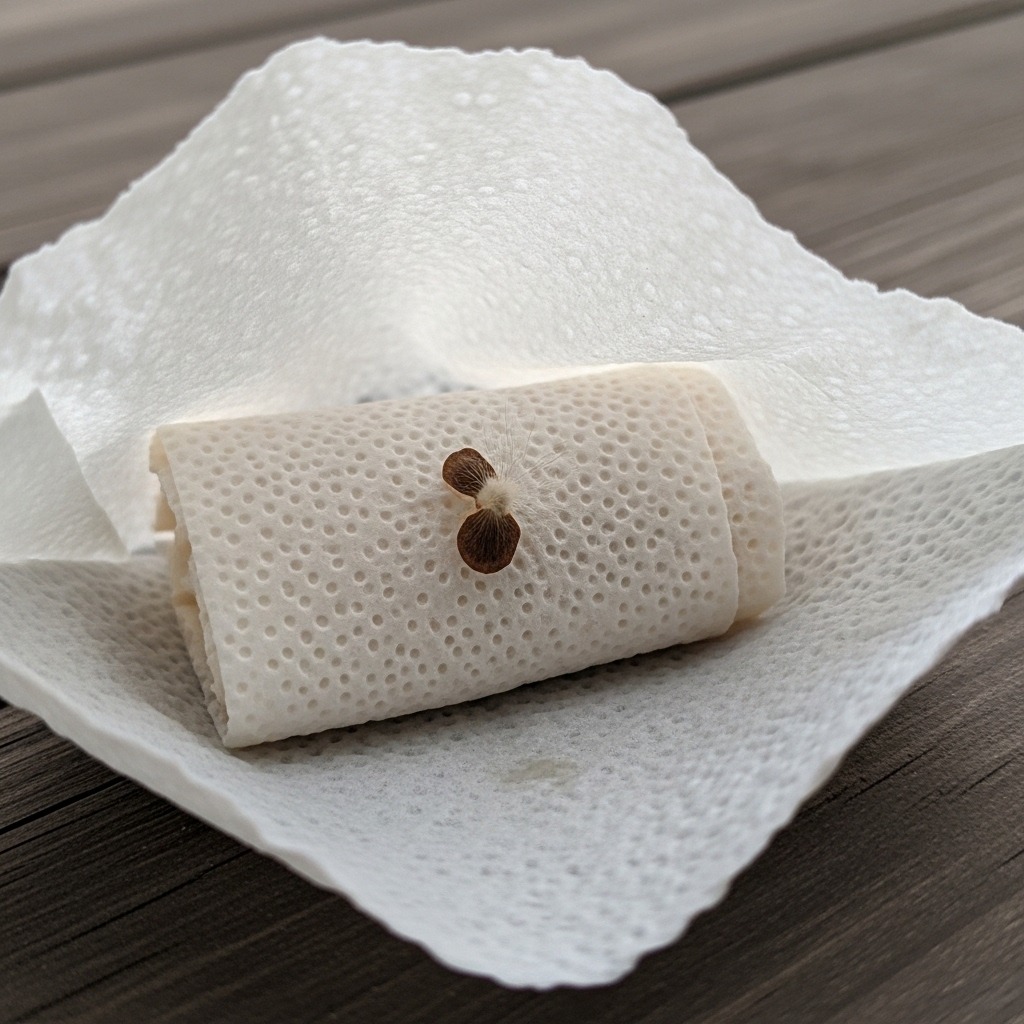
Cold stratification is crucial for breaking the dormancy of milkweed seeds, leading to improved germination rates. Here are five effective methods to cold stratify these seeds, ensuring optimal growth for your garden.
Moist Cold Stratification Using Paper Towels
This method is ideal for maximizing germination rates. It mimics the natural conditions seeds would experience in the wild.
1. Preparation: Soak paper towels in water until they are damp but not dripping.
2. Seed Placement: Spread the milkweed seeds evenly on the wet paper towels, leaving space between them.
3. Enclose: Roll the towels up gently and place them in a plastic bag, sealing it to retain moisture.
4. Refrigeration: Store the bag in the refrigerator for 30 days. This ensures the seeds experience a cold period, essential for breaking dormancy.
5. Post-Stratification: After 30 days, remove the seeds, soak them in warm water for 24 hours, and then sow them in your seed starting medium.
Cold Dry Stratification Techniques
This method is simpler but requires extra care once you’re ready to germinate.
1. Seed Preparation: Place dry milkweed seeds in a paper bag or a breathable container.
2. Refrigerate: Store in the refrigerator for 30 days. This simulates winter conditions [1].
3. Soaking: Before planting, soak the seeds in warm water for 24-48 hours to rehydrate them [1].
4. Sow: Plant the seeds in a soil mix after soaking.
Cold Stratification in Soil or Sand
For those looking to integrate stratification directly into their planting process, this method is effective.
1. Soil Mix Preparation: Mix equal parts of potting soil and sand in a container. This blend retains moisture while providing good drainage.
2. Seed Placement: Scatter the milkweed seeds on the surface of the soil-sand mix.
3. Cover: Lightly cover the seeds with an additional layer of the mixture.
4. Moisture Maintenance: Water the mix lightly to keep it consistently moist but not soggy.
5. Refrigerate: Place the entire container in the refrigerator for 30 days to complete the cold stratification process [1].
Comparison of Germination Success Rates
| Method | Germination Success Rate | Notes |
|---|---|---|
| Moist Cold Stratification | High | Best for all milkweed varieties. |
| Cold Dry Stratification | Moderate | Requires careful soaking before planting. |
| Cold Stratification in Soil | High | Simulates natural conditions effectively. |
Conclusion
Using these techniques, you can effectively cold stratify milkweed seeds, enhancing their germination rates and contributing to the sustainability of butterfly populations. For optimal results, consider investing in a quality Seed Starting Kit to facilitate your seed growth journey.
Timing Your Cold Stratification and Planting
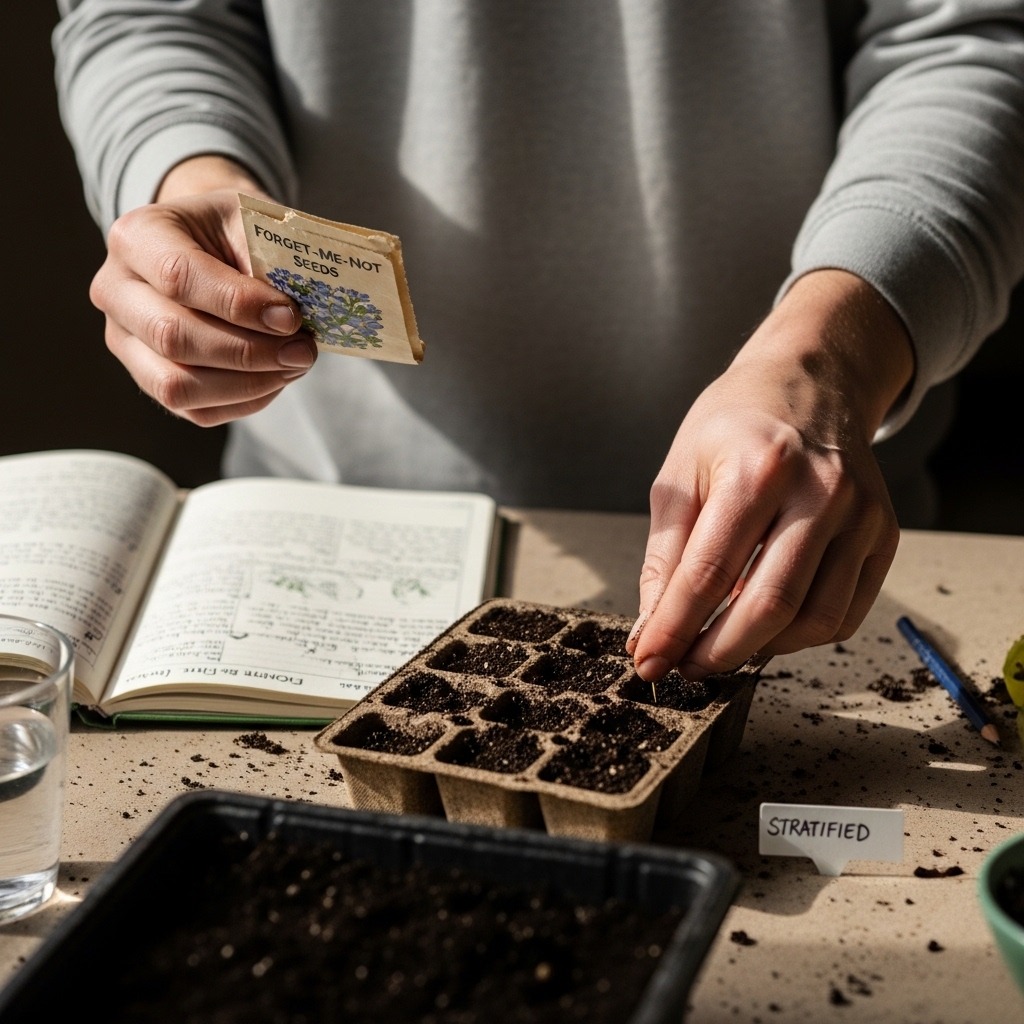
Understanding when to initiate cold stratification is crucial for maximizing germination success in milkweed seeds. The timing varies based on local climate conditions and specific milkweed species.
Optimal Timing for Cold Stratification
Start the cold stratification process approximately 6 to 8 weeks before your last expected frost date. This preparation allows seeds to undergo necessary dormancy-breaking conditions. For example, if your last frost date is around April 15, begin stratification in late February to early March.
- Cold Moist Stratification: Requires 30 days in a refrigerator.
- Cold Dry Stratification: Can also last 30 days but needs soaking before planting.
- Soil Stratification: Plant seeds directly outdoors in fall for natural stratification.
Best Planting Times for Different Milkweed Species
Different milkweed varieties have unique needs. It’s essential to align your planting schedule with their specific requirements:
| Milkweed Variety | Cold Stratification Period | Best Planting Time |
|---|---|---|
| Common Milkweed | 30 days | Late spring (May) |
| Butterfly Weed | 30 days | Mid-spring (April) |
| Swamp Milkweed | 30 days | Early summer (June) |
Considerations for Local Climate Conditions
Local climate significantly impacts the germination process. Assess your regional climate using these guidelines:
- Cooler Climates: Extend stratification duration, as seeds may require longer cold periods.
- Warmer Climates: Shorten stratification; plant seeds earlier in spring to avoid heat stress.
- Humidity Levels: Monitor moisture during stratification to prevent mold growth. Use perlite or vermiculite for added moisture retention without mold risk.
By tailoring your stratification and planting times to both the species and climate, you can significantly enhance your milkweed seed germination rates. For a successful start, consider investing in a quality Seed Starting Kit to streamline the process.
Post-Stratification Care for Milkweed Seedlings
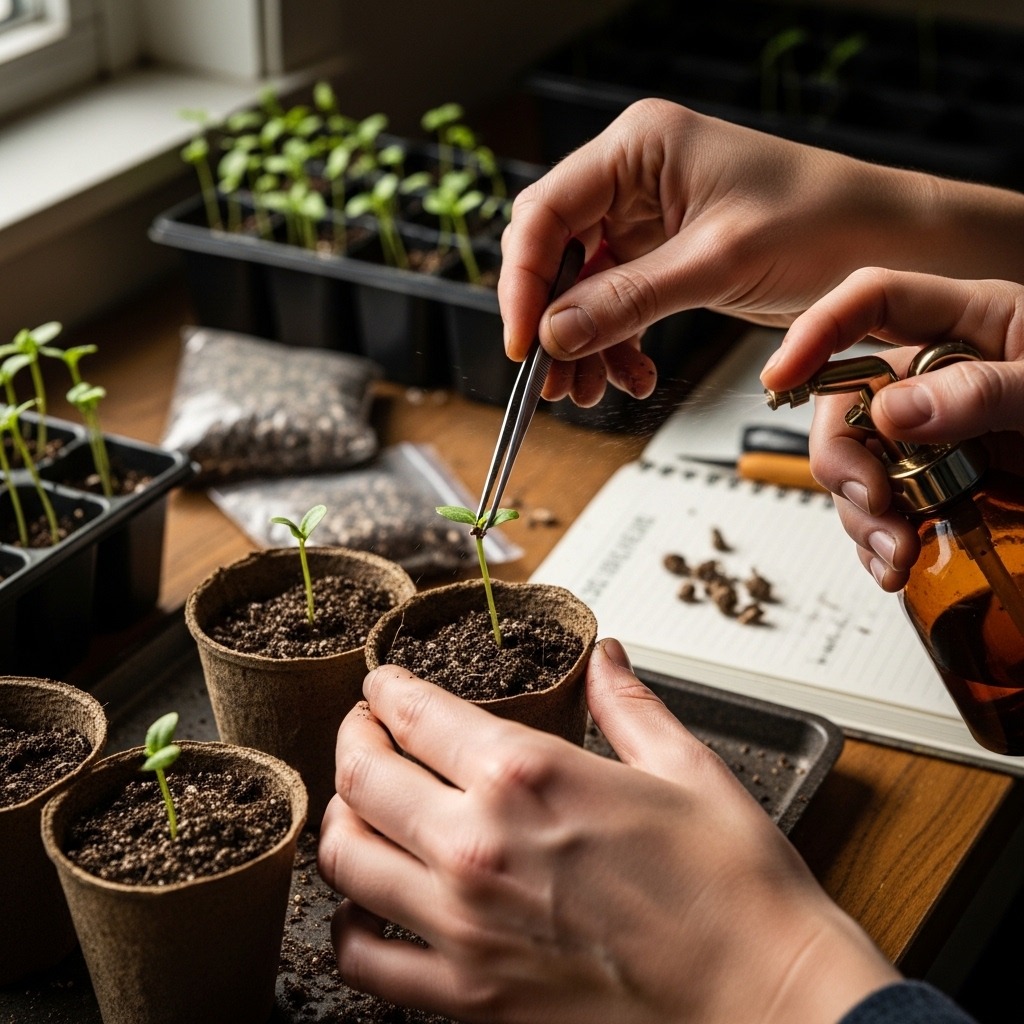
After successfully cold stratifying your milkweed seeds, the next crucial phase is nurturing the seedlings as they emerge. Proper care during this stage significantly influences their growth and vitality.
Initial Care After Germination
Once milkweed seeds germinate, they require specific attention to thrive. Here’s what you need to do:
- Watering: Keep the soil consistently moist but not waterlogged. Overwatering can lead to root rot. Aim for a light watering schedule, allowing the top layer of soil to dry out slightly between waterings.
- Light Requirements: Milkweed seedlings need full sun for optimal growth. Place them in a location that receives at least 6-8 hours of direct sunlight daily. If growing indoors, a grow light can help meet their light needs during cloudy days or winter months [5].
- Temperature: Maintain a warm environment. Ideal temperatures for germination and early growth range from 70°F to 85°F (21°C to 29°C).
Transplanting Seedlings: Best Practices
Transplanting is a pivotal moment in your seedlings’ journey. Follow these best practices to ensure success:
- Timing: Transplant seedlings outdoors only after the last frost date in your area. This timing helps them acclimate to outdoor conditions [8].
- Hardening Off: Gradually expose seedlings to outdoor conditions over a week. Start with a few hours in a sheltered spot, increasing exposure daily. This process minimizes transplant shock.
- Spacing: When transplanting, ensure adequate spacing between plants. This allows for proper airflow and nutrient uptake, promoting healthier growth.
Common Issues and Solutions for Seedling Care
Be aware of potential issues that may arise during seedling care. Here are common problems and solutions:
| Issue | Solution |
|---|---|
| Damping-off Disease | Avoid overwatering and ensure good drainage. Use sterilized soil. |
| Leggy Seedlings | Move seedlings to a brighter location or adjust grow lights. |
| Nutrient Deficiency | Use a diluted, balanced fertilizer after the first true leaves appear. |
| Pest Infestation | Inspect regularly and treat with insecticidal soap if necessary. |
Common Mistakes to Avoid
- Ignoring Soil Conditions: Use well-draining soil to prevent root issues.
- Transplanting Too Early: Wait until seedlings are robust and the threat of frost has passed.
- Neglecting Watering Needs: Regularly check moisture levels, especially in warmer climates.
By following these guidelines, you can foster healthy milkweed seedlings that will thrive in your garden and contribute to butterfly conservation efforts.
Troubleshooting Common Cold Stratification Issues
Cold stratification enhances germination rates for milkweed seeds, but it can present challenges. Understanding these issues is crucial for successful seed sprouting. Here’s how to identify and resolve common problems.
Identifying Dormant Seeds
Dormancy can hinder germination. Seeds that remain hard and unresponsive after stratification likely require more attention. Look for:
- Firmness: If seeds feel excessively hard, they may not have absorbed enough moisture.
- Color: Healthy seeds should appear plump and vibrant. Dull or wrinkled seeds indicate a problem.
If you suspect dormancy, re-evaluate your stratification method. Ensure seeds are adequately moistened and stored at the correct temperature range of 34°F to 41°F (1°C to 5°C) for 30 to 60 days [1].
What to Do if Seeds Don’t Germinate
If your seeds do not germinate after the stratification period, consider these solutions:
- Check Moisture Levels: Seeds need to be moist but not saturated. Too much water can lead to rot. A damp medium such as peat moss or clean sand is ideal for storage.
- Temperature Fluctuations: Ensure consistent cold conditions. Fluctuating temperatures can disrupt the stratification process.
- Soak Before Planting: If using dry stratification, soak seeds in warm water for 24 to 48 hours before planting to improve moisture absorption [7].
Comparing Cold Stratification Success Rates
Different milkweed species have varying stratification needs. Below is a comparison of methods and their effectiveness:
| Milkweed Species | Recommended Method | Success Rate |
|---|---|---|
| Common Milkweed | Cold moist stratification | High |
| Heartleaf Milkweed | Cold moist with perlite | Very High |
| Wooly Pod Milkweed | Cold moist stratification | Moderate |
| Tropical Milkweed | Dry stratification | Low |
This table illustrates that specific methods yield better results for certain species, helping you choose the right approach for your seeds.
Case Studies
One gardener reported a 90% germination rate using cold moist stratification with perlite for Heartleaf Milkweed, while another using dry stratification achieved just 40% for the same species. This highlights the critical role of method selection in successful germination.
Adapting your approach based on these insights will significantly improve your chances of cultivating thriving milkweed plants.
Frequently Asked Questions
These quick answers cover the most common questions about this topic, including key details, practical tips, and common concerns.
Should milkweed seeds be cold stratified?
Yes, most milkweed seeds require cold stratification to break seed dormancy and promote germination. This process mimics winter conditions, signaling the seed to sprout in spring. Without stratification, many seeds may remain dormant indefinitely.
Can I plant milkweed in October?
Planting milkweed in October is possible if you live in a region with mild winters. However, for best results, it’s recommended to start the cold stratification process in late winter or early spring. In colder climates, fall planting allows natural stratification through winter.
What is the best way to germinate milkweed seeds?
The most effective method is cold moist stratification. Soak seeds in water for 24-48 hours, then place them between damp paper towels in a sealed bag in the refrigerator for 30 days. Afterward, sow the seeds in well-draining soil and keep them moist in full sun.
Can I just throw milkweed seeds on the ground?
Yes, in naturalized or wildflower gardens, you can scatter milkweed seeds directly on the ground in fall. This allows seeds to undergo natural stratification over winter, leading to germination in spring. However, for higher germination rates, stratification before planting is recommended.
How long should I cold stratify milkweed seeds?
Typically, 30 to 60 days of cold stratification is recommended. Thinner seeds like Asclepias tuberosa benefit from 30 days, while thicker seeds like Asclepias incarnata may require closer to 60 days for optimal germination.
What temperature is best for cold stratification?
Maintain a temperature between 34°F and 41°F (1°C to 5°C) during stratification. This simulates winter soil conditions and is usually achieved by storing seeds in a refrigerator.
How do I know if my milkweed seeds are viable?
Viable seeds are usually plump, firm, and have a healthy color. To test viability, you can perform a float test: place seeds in water; viable seeds sink, while non-viable ones float. Additionally, germination trials in controlled conditions can confirm viability.
What are the benefits of growing milkweed?
Growing milkweed supports local butterfly populations, especially monarchs, by providing essential nectar and breeding habitat. It is also a native plant that benefits local ecosystems and requires minimal maintenance once established.
What should readers know about visual aids or diagrams illustrating stratification techniques?
Visual diagrams can clarify each stratification method, showing step-by-step processes like preparing seeds, layering, and refrigeration. They help ensure correct technique, especially for beginners, improving germination success.
What should readers know about detailed care instructions for seedlings after germination?
After germination, keep seedlings in full sun with consistently moist soil. Gradually harden them off before transplanting outdoors. Use well-draining soil, avoid overwatering, and protect young plants from pests until established.
References
1. Seed stratification: What seeds require cold treatment
2. Native Milkweed Germination Guide
3. Modeling the Effect of Cold Stratification on Seed Germination …
4. Garden Notes
5. Growing Common Milkweed Plants from Seeds
6. Climate shapes the seed germination niche of temperate …
7. Milkweed Plug Planting Instructions
8. If you plant it, They will come. – UF/IFAS Extension Alachua …
9. Soil Moisture & Corn Seed Depth – Agronomy