
Deadheading milkweed flowers in early summer is essential for promoting healthy growth and supporting monarch butterflies. This practice encourages additional blooms, ensuring a continuous supply of nectar for pollinators. Understanding the correct methods, timing, and ecological importance of deadheading is vital for any gardener.
Table of Contents
Understanding Deadheading and Its Importance
Deadheading milkweed flowers is a key gardening practice that supports both the plant’s health and the ecosystem. By removing spent blooms, you encourage new growth and provide vital resources for monarch butterflies and other pollinators.
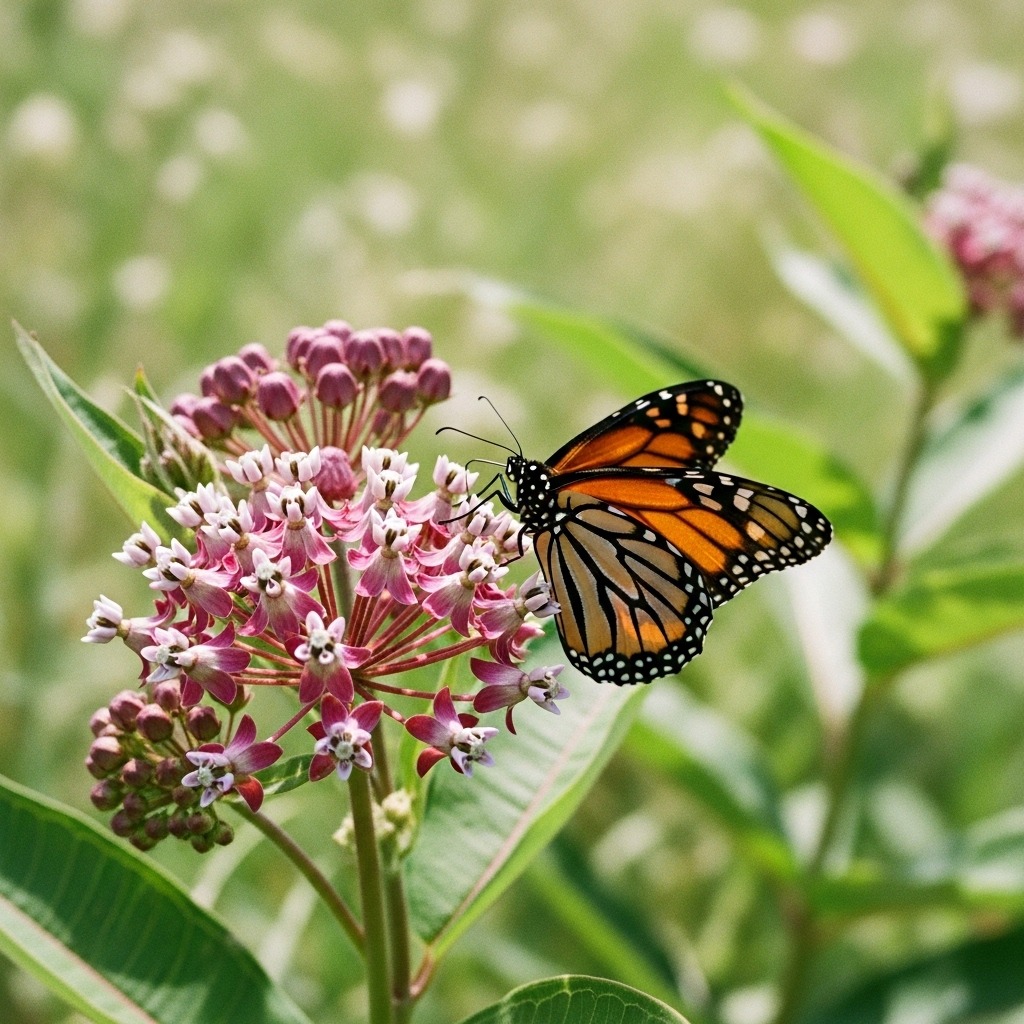
The Role of Milkweed in Monarch Butterfly Life Cycles
Milkweed is the sole host plant for monarch caterpillars. This means that without milkweed, there are no monarchs! When you deadhead, you help ensure that milkweed continues to thrive, which directly influences the population of these beautiful butterflies.
Benefits of Deadheading for Pollinators
- Promotes New Blooms: Deadheading signals milkweed to produce more flowers. This results in a longer blooming period, providing a steady nectar supply for monarchs and other pollinators throughout the summer.
- Controls Plant Spread: For vigorous species like common milkweed, deadheading prevents excessive self-seeding. This keeps your garden tidy and manageable while still benefiting local wildlife.
Impacts of Deadheading on Plant Health
Removing faded flowers helps redirect the plant’s energy. Instead of focusing on seed production, the milkweed can channel its resources into creating new blooms. A well-maintained milkweed plant not only looks better but also supports the local ecosystem more effectively.
For those ready to jump in, using the right tools makes a difference. Invest in Garden Pruning Shears for Deadheading Milkweed for clean cuts and easy handling.
Remember, deadheading is not just about aesthetics. It’s a small act with a big impact on the environment, especially for our precious monarch butterflies.
Best Timing for Deadheading Milkweed Flowers

Timing is everything when it comes to deadheading milkweed. Early to mid-summer is the sweet spot. This is when monarch butterflies are active, and you want to ensure they have plenty of nectar to feed on.
Early Summer: Encouraging New Blooms
In early summer, after your milkweed’s first round of blooms, it’s time to deadhead. Removing spent flowers helps the plant focus its energy on producing new ones. This not only keeps your garden looking fresh but also extends the blooming season. It’s a win-win for both you and the monarchs!
- Deadhead right after the first flowering.
- Look for healthy leaf growth below the blooms.
- Expect a second or even third round of flowers if done correctly.
Timing Considerations for Different Milkweed Species
Different milkweed varieties may have slightly different timelines. Here’s a quick guide:
- Common Milkweed (Asclepias Syriaca): Deadhead in early to mid-summer for the best results.
- Butterfly Weed (Asclepias tuberosa): This blooms a bit later, so aim for mid-summer deadheading.
- Swamp Milkweed (Asclepias incarnata): Best to deadhead in early summer as well.
Make sure you know which type you’re working with to optimize your deadheading strategy.
How to Monitor Monarch Activity for Perfect Timing
Keep an eye out for monarch butterfly activity. Look for adult butterflies or tiny caterpillars on your milkweed. Here’s how to monitor:
- Check your plants weekly in early summer.
- If you spot eggs or caterpillars, hold off on deadheading until they’re ready to move on.
- If the blooms are fading and monarchs are in the area, it’s a good time to cut back.
By aligning your deadheading with monarch activity, you’ll support their life cycle and enjoy more vibrant blooms in your garden!
Step-by-Step Guide: How to Deadhead Milkweed Flowers
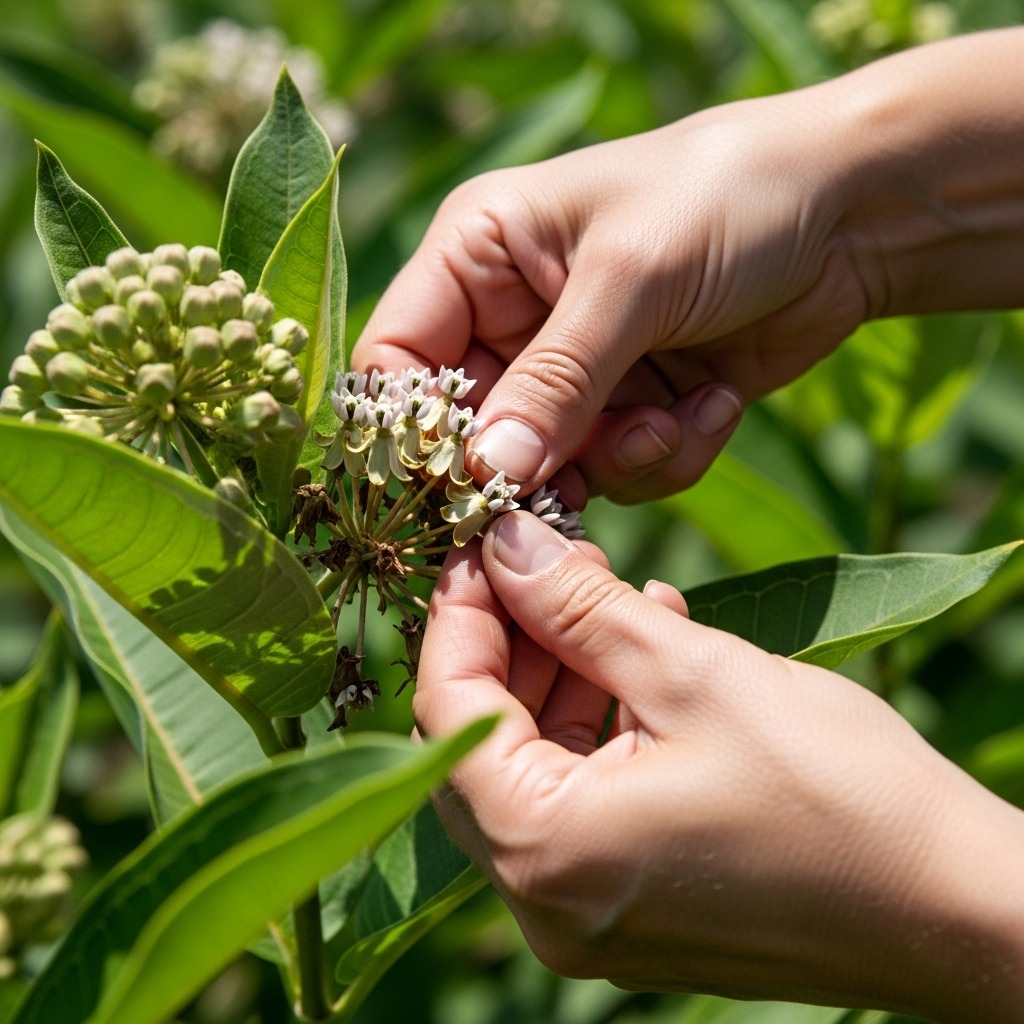
Deadheading milkweed flowers is a great way to keep your garden looking fresh and to support our beloved monarch butterflies. Here’s a simple guide to help you through the process.
Tools Needed for Effective Deadheading
Before you start, gather your tools. You’ll need:
- Garden Pruning Shears: Sharp and clean for precise cuts. Check Price on Amazon.
- Gloves: Protect your hands from the milky sap, which can irritate your skin.
- Trash Bag or Green Waste Bin: For disposing of spent flowers properly.
Step-by-Step Deadheading Process
1. Inspect the Plant: Look for faded flowers or those forming seed pods. Avoid areas with monarch eggs or caterpillars.
2. Make the Cut: Use your pruning shears to snip the flower stems just above a set of leaves. This encourages new growth.
3. Dispose Properly: Place the removed flowers in your trash bag or green waste bin to prevent unwanted seeding.
4. Clean Your Tools: Wipe down your shears with alcohol to keep them clean and free from disease.
Safety Precautions When Handling Milkweed
- Wear Gloves: Always wear gloves when handling milkweed. The sap can be irritating.
- Check for Inhabitants: Before cutting, always inspect for any monarch eggs or tiny caterpillars. If you find them, leave that section alone until they’re ready to move.
- Dispose Carefully: Don’t compost the cuttings if you want to prevent self-seeding. Instead, discard them responsibly.
By following these steps, you’ll not only enhance the beauty of your garden but also create a welcoming environment for monarch butterflies. Happy gardening!
Common Deadheading Mistakes to Avoid

Deadheading milkweed can boost blooms and support monarchs, but mistakes can hinder your efforts. Here are some common pitfalls and how to dodge them.
Common Timing Errors in Deadheading
Timing is key. Cutting too early or late can affect plant health and butterfly activity.
- Early Cuts: If you deadhead too soon, the plant might not have a chance to produce seeds that benefit monarchs later in the season.
- Late Cuts: Cutting too late can reduce the plant’s ability to produce a second bloom, which is crucial for late-season monarchs.
Tip: Aim to deadhead right after the first blooms fade, ideally from late spring to mid-summer. This timing encourages new growth without disrupting the lifecycle of monarchs.
Ignoring the Presence of Monarch Larvae
Always check for monarch eggs or caterpillars before cutting. These little guys rely on milkweed for food.
- Scenario: Imagine you’re ready to deadhead, but you didn’t check first. You cut away a stem with eggs, jeopardizing the next generation of butterflies.
Tip: Spend a few moments inspecting your plants. If you spot larvae, leave those areas alone until they’re ready to move on.
Over-Pruning and Its Effects on Plant Health
Less is often more when it comes to deadheading. Pruning too much can stress the plant.
- Consequences: Over-pruning can lead to fewer blooms and weaken the plant’s overall health. Plus, it might limit nectar availability for pollinators.
Tip: Focus on removing only the faded flowers. Leave enough foliage to support new growth and maintain the plant’s vigor.
Quick Checklist for Successful Deadheading
- Inspect First: Always look for eggs or caterpillars.
- Mind the Timing: Deadhead after the first bloom for best results.
- Prune Wisely: Remove only faded flowers, preserving healthy leaves.
By keeping these tips in mind, you can help your milkweed thrive while supporting the beautiful monarch butterflies!
Alternatives to Milkweed for Supporting Monarchs
While milkweed is essential for monarch butterflies, there are other plants that can also provide valuable support. Adding diversity to your garden can create a thriving habitat for various pollinators.
Best Alternative Plants for Butterfly Gardens
Consider incorporating these nectar-rich plants. They attract butterflies and other pollinators, enhancing your garden’s biodiversity:
- Coneflower (Echinacea): Blooms from June to September. Great for bees and butterflies.
- Black-eyed Susan (Rudbeckia): Flowering from June to October. A magnet for various pollinators.
- Butterfly Bush (Buddleia): Blooms from summer to fall. Known for attracting a wide range of butterflies.
- Lantana: Flowers from spring until frost. Its vibrant colors draw in butterflies and hummingbirds.
Integrating Non-Milkweed Plants into Your Garden
Mixing non-milkweed plants with milkweed can create a more dynamic ecosystem. Here are a few tips on how to do it:
- Layering: Plant taller species like coneflowers behind shorter ones like black-eyed Susans. This creates visual interest and provides shelter.
- Group Planting: Plant in clusters rather than single specimens. This makes it easier for pollinators to find food sources.
- Plan for Bloom Times: Select plants with staggered bloom times to ensure a continuous food supply for butterflies.
Benefits of Plant Diversity for Pollinator Health
Diverse gardens benefit not just monarchs but all pollinators. Here’s why:
- Extended Nectar Supply: Different plants bloom at various times, providing food throughout the growing season.
- Increased Habitat: A variety of plants offers shelter and breeding grounds for different species.
- Resilience Against Pests: A diverse ecosystem can naturally manage pest populations, reducing the need for chemical interventions.
Comparison Chart of Nectar-Producing Plants
| Plant Name | Bloom Time | Attracts |
|---|---|---|
| Coneflower | June – September | Bees, Butterflies |
| Black-eyed Susan | June – October | Bees, Butterflies |
| Butterfly Bush | Summer – Fall | Butterflies |
| Lantana | Spring – Frost | Hummingbirds, Butterflies |
Integrating these plants into your garden not only supports monarchs but also creates a rich environment for all pollinators. Embrace diversity, and watch your garden thrive!
Fall Maintenance for Milkweed Plants
As summer fades, it’s time to think about how to care for your milkweed. Proper fall maintenance keeps your plants healthy and helps support the monarch butterflies.
When to Cut Back Milkweed in the Fall
In the fall, you should consider cutting back your milkweed. Aim to do this after the first frost. This timing ensures that the plant has completed its growing cycle. For perennial varieties, cut the stalks back to about 6 inches from the ground. This helps keep the garden tidy and encourages new growth in the spring.
Importance of Leaving Seed Pods
Leaving seed pods on your milkweed is crucial for supporting monarch butterflies. These pods provide food and habitat for the next generation of butterflies. By allowing them to mature, you help ensure that there’s plenty of milkweed for caterpillars. This natural reseeding is vital for sustaining the butterfly population.
Preparing Milkweed for Winter
Get your milkweed ready for winter with these simple steps:
- Remove dead leaves and debris: This helps prevent pests and diseases.
- Mulch around the base: A layer of mulch protects the roots from freezing temperatures.
- Monitor for pests: Check for signs of pests like aphids. If you find any, deal with them before they become a problem in spring.
Seasonal Checklist for Fall Maintenance:
- Cut back milkweed after the first frost.
- Leave seed pods intact.
- Clean up debris and mulch the base.
- Check for pests and manage them.
Follow these steps to ensure your milkweed thrives and continues to attract those beautiful monarchs come spring!
Frequently Asked Questions
These quick answers cover the most common questions about this topic, including key details, practical tips, and common concerns.
Should milkweed be cut down in the fall?
Yes, milkweed should be cut back after the first frost in fall. This helps prevent disease and prepares the plant for winter. Leave seed pods intact to support monarch caterpillars and allow natural reseeding. Cutting back also keeps your garden tidy and promotes healthy growth in spring.
What are common deadheading mistakes?
Common mistakes include deadheading too early or too late, which can reduce bloom production or disrupt monarch activity. Also, pruning too aggressively can weaken the plant. Always check for eggs or caterpillars before cutting, and remove only faded flowers to support ongoing blooms and butterfly habitat.
Should I deadhead milkweed flowers?
Yes, deadheading encourages new blooms, extends the flowering period, and supports pollinators like monarch butterflies. It also helps control self-seeding in vigorous species. Timing is key—deadhead after the first flush of flowers to promote continuous nectar supply.
What not to plant next to milkweed?
Avoid planting aggressive or invasive plants that may compete with milkweed for nutrients and space. Also, steer clear of plants that attract pests harmful to milkweed, such as certain weeds or non-native species. Choose native, pollinator-friendly plants to complement your milkweed.
How does deadheading affect butterfly populations?
Deadheading promotes continuous blooming, providing a steady nectar source for adult monarchs and other pollinators. It also helps maintain healthy milkweed plants, ensuring they remain available for monarch caterpillars. Proper deadheading supports the entire butterfly lifecycle.
What tools are best for deadheading milkweed?
Sharp garden pruning shears or scissors are ideal for clean cuts. Use gloves to protect your hands from the milky sap, which can irritate skin. Keeping tools clean prevents disease spread between plants.
When is the best time to prune milkweed?
The best time to prune milkweed is in early to mid-summer after the first wave of blooms. For fall maintenance, cut back after the first frost, leaving seed pods intact. Timing ensures healthy growth and supports monarch conservation efforts.
How can I attract more monarch butterflies to my garden?
Plant a variety of milkweed species and nectar plants that bloom throughout the season. Avoid pesticides, and provide shelter and water sources. Deadhead regularly to encourage continuous nectar supply and monitor for monarch eggs and caterpillars to support their lifecycle.