
The Ivory Silk Japanese lilac tree offers stunning creamy white blooms and low maintenance requirements, but it has drawbacks like limited fall color and susceptibility to pests and diseases.
The Ivory Silk Japanese lilac tree is a popular choice for gardeners seeking both beauty and ease of care. This guide explores its pros and cons, helping you decide if it’s the right fit for your landscape.
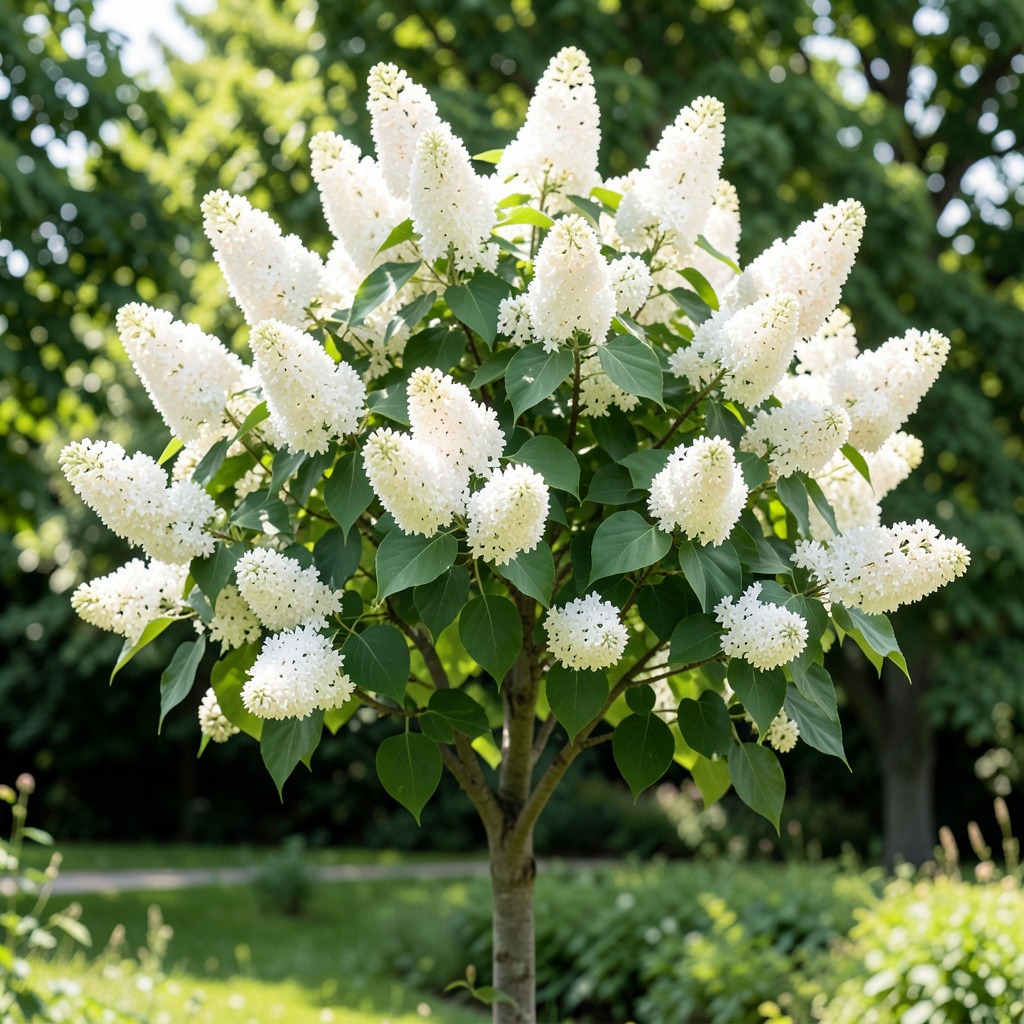
Overview of the Ivory Silk Japanese Lilac Tree
The Ivory Silk Japanese lilac tree is a striking ornamental tree known for its creamy white flowers and low maintenance requirements. This deciduous tree can enhance any landscape with its unique beauty and adaptability.
Key Characteristics
- Scientific Name: Syringa reticulata ‘Ivory Silk’
- Height: Typically reaches 20 to 30 feet.
- Spread: Grows up to 15 feet wide.
- Flowers: Produces large clusters of fragrant ivory-white blooms in late spring to early summer.
- Leaves: Dark green and glossy on top, pale green underneath.
These characteristics make the Ivory Silk Japanese lilac tree a visually appealing choice for many gardeners. Its elegant flowers create a stunning display, while the tree’s structure provides a graceful silhouette.
Growth Habit and Size
The Ivory Silk Japanese lilac tree exhibits an upright growth habit when young, transitioning to a rounded shape as it matures. This makes it suitable for both small and large garden spaces. It thrives in full sun and prefers well-draining, moderately moist soil.
Growth Requirements:
- Sunlight: Full sun is essential for optimal flowering.
- Soil: Adapts to various soil types, including alkaline and clay but requires good drainage.
- Water: Moderately drought-tolerant once established but needs regular watering during dry spells.
When planting, consider the tree’s mature size to avoid overcrowding with other plants. It works well as a focal point in gardens or as part of a privacy screen along property lines.
Pros of the Ivory Silk Japanese Lilac Tree
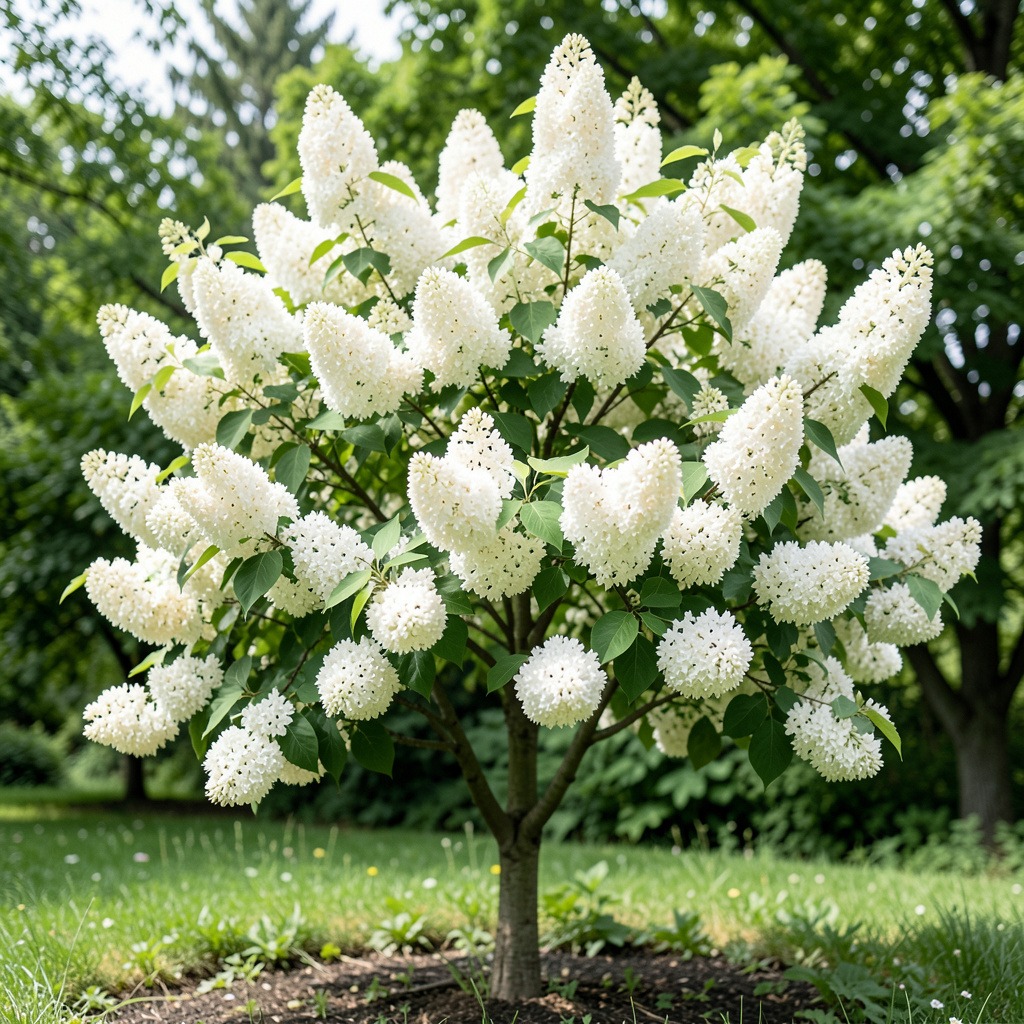
The Ivory Silk Japanese lilac tree offers numerous advantages that make it an appealing choice for gardeners. Its aesthetic beauty, low maintenance requirements, and environmental benefits are standout features.
Table of Contents
Beautiful Creamy White Blooms
One of the most striking attributes of the Ivory Silk Japanese lilac tree is its stunning floral display. The creamy white blooms appear in late spring to early summer, creating a captivating spectacle. These flowers have a delicate appearance, resembling small pea blossoms, and can transform any garden into a picturesque landscape.
- Aesthetic Appeal: The tree’s elegant flowers provide a lovely contrast against its dark green foliage, enhancing visual interest.
- Fragrance: While the blooms are not heavily scented, they still add a pleasant hint of fragrance to the surrounding area, attracting pollinators like bees and butterflies.
Low Maintenance Requirements
The Ivory Silk lilac tree is celebrated for its low maintenance needs. Once established, it requires minimal care, making it suitable for busy gardeners.
- Drought Tolerance: This tree is moderately drought-tolerant, which means it can survive with less frequent watering once its roots are established.
- Minimal Pruning: Pruning is needed only to maintain its shape and promote healthy growth. Homeowners can enjoy its beauty without extensive upkeep, making it ideal for those who prefer a hands-off approach.
Environmental Benefits
Planting an Ivory Silk Japanese lilac tree can also contribute positively to the environment. It supports local wildlife and enhances the ecosystem in various ways.
- Pollinator Attraction: The tree’s blooms attract beneficial insects, which play a crucial role in pollination and overall garden health.
- Urban Adaptability: Its ability to thrive in urban settings, even tolerating poor soil conditions and road salt, makes it a valuable addition to city landscapes. Homeowners have reported that planting this tree not only beautified their yards but also improved the local air quality by providing shade and oxygen.
Example: A homeowner in a suburban area noted that their Ivory Silk lilac tree became a focal point of their front yard, garnering compliments from neighbors during blooming season. This tree not only elevated the aesthetic of their property but also contributed to local biodiversity by attracting various pollinators.
The Ivory Silk Japanese lilac tree stands out for its beauty, ease of care, and environmental contributions, making it an excellent choice for any garden.
Cons of the Ivory Silk Japanese Lilac Tree
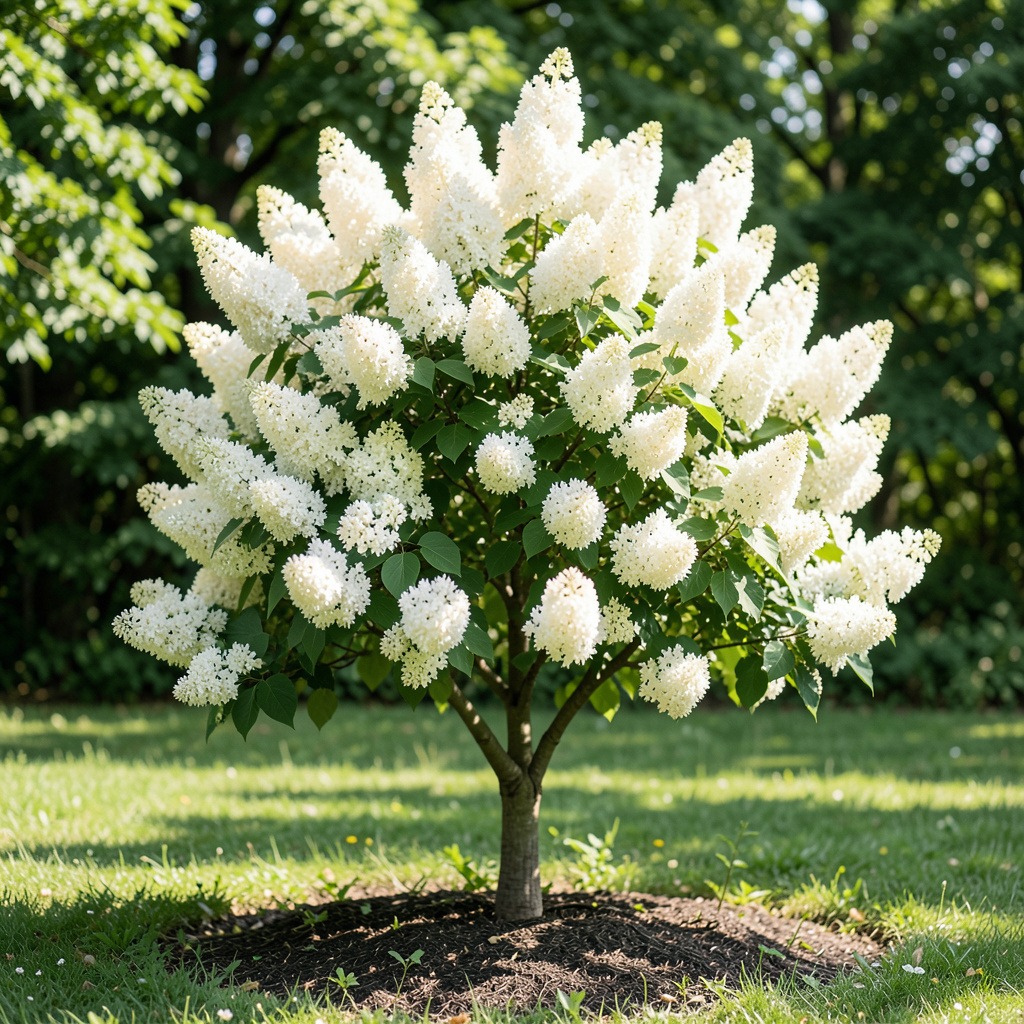
While the Ivory Silk Japanese lilac tree boasts numerous advantages, it also presents certain drawbacks. Understanding these cons can assist gardeners in making informed decisions.
Limited Fall Color
One notable limitation of the Ivory Silk Japanese lilac tree is its lack of vibrant fall foliage. Unlike many other trees that display brilliant autumn colors, the Ivory Silk typically exhibits only subtle yellowing of leaves. This can result in a less visually appealing landscape as the seasons change.
- Comparison with Other Varieties: In contrast, traditional lilac varieties often showcase rich fall hues, adding to their seasonal interest. If vibrant fall color is a priority for your garden, consider alternative options.
Susceptibility to Pests and Diseases
The Ivory Silk Japanese lilac tree, while generally resilient, is susceptible to certain pests and diseases. Common issues include:
- Lilac Borer: This pest can tunnel into the trunk, weakening the tree and causing wilting. Regular monitoring for signs of infestations is crucial.
- Bacterial Blight: Particularly during wet weather, this condition can affect the tree, leading to leaf spots or wilting.
Checklist for Pest and Disease Management:
- Inspect the tree regularly for signs of pests or disease.
- Prune away damaged or infected branches promptly to prevent the spread.
- Maintain proper watering practices to keep the tree healthy and stress-free.
Growth Limitations
The growth habit of the Ivory Silk Japanese lilac tree can also pose challenges. While it typically reaches heights of 20 to 30 feet, its growth can be slower than expected in less-than-ideal conditions.
- Ideal Conditions: Full sun and well-drained soil are essential for optimal growth. However, if planted in shaded or poorly drained areas, the tree may struggle to thrive.
Decision Rule: Before planting, assess your site conditions. Ensure adequate sunlight and drainage to promote healthy growth. If your landscape is prone to excessive shade or moisture, consider alternative tree varieties that are more adaptable.
Care and Maintenance of the Ivory Silk Japanese Lilac Tree
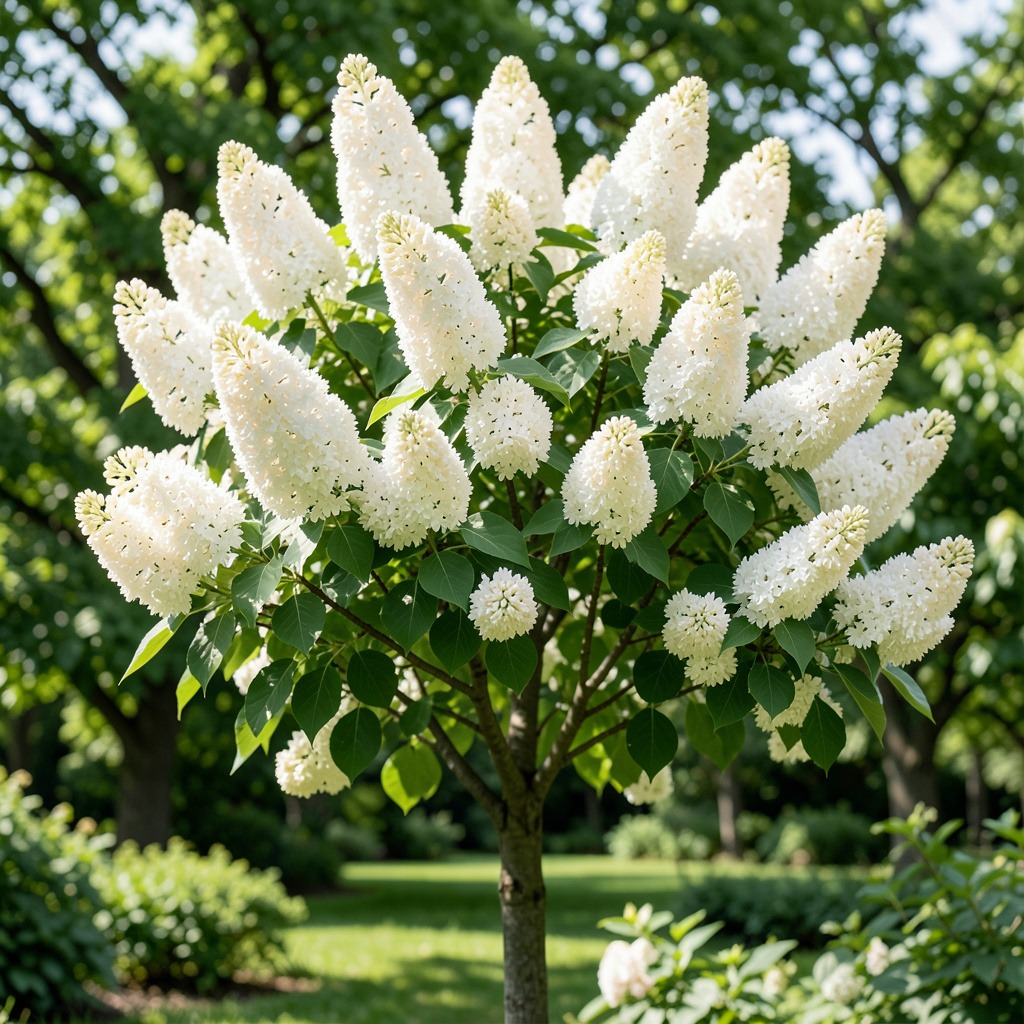
Proper care and maintenance are essential for the health and longevity of the Ivory Silk Japanese lilac tree. Understanding its soil requirements, watering needs, and pruning techniques will help ensure a thriving specimen in your landscape.
Soil and Watering Needs
The Ivory Silk Japanese lilac tree thrives best in well-drained soil. Here are the key requirements:
- Soil Type: Prefers neutral to slightly alkaline soil. It can tolerate sandy and clay soils but requires good drainage.
- Watering:
- Regular watering is necessary, especially during the first two growing seasons.
- Newly planted trees should receive about one gallon of water per week for each inch of trunk diameter.
- Once established, the tree is somewhat drought-tolerant but should still be watered during prolonged dry spells.
Pruning Tips for Healthy Growth
Pruning is vital to maintain the shape and health of the Ivory Silk Japanese lilac tree. Follow these guidelines:
- Timing: Prune in late winter or early spring before new growth begins. This promotes healthy blooms and maintains the tree’s shape.
- Technique:
- Remove about one-third of the largest stems to encourage new growth.
- Trim away any dead, damaged, or diseased branches.
- For multi-stem trees, remove suckers at the base to maintain a clean appearance.
Encouraging Blooms
To promote abundant flowering, adhere to the following practices:
- Sunlight: Ensure the tree is planted in full sun for optimal blooming. Limited sunlight can reduce flower production.
- Fertilization: Apply a slow-release fertilizer formulated for flowering trees in early spring to support growth and blooming.
- Deadheading: Remove spent flowers after blooming to encourage further growth and potential reblooming.
Example Scenario: If you plant your Ivory Silk Japanese lilac tree in a sunny spot with well-drained soil and follow these care guidelines, you can expect vibrant blooms each spring, enhancing your garden’s aesthetic appeal.
By focusing on these care aspects, gardeners can enjoy the beauty of the Ivory Silk Japanese lilac tree while minimizing potential issues related to its maintenance.
Comparing the Ivory Silk Japanese Lilac Tree with Other Lilac Varieties
The Ivory Silk Japanese lilac tree offers unique characteristics that set it apart from other popular lilac varieties. Understanding these differences can help gardeners make informed planting decisions.
Visual Differences
- Ivory Silk Japanese Lilac Tree: Features large, creamy white flowers in dense panicles. The blooms are relatively fragrance-free but create a stunning visual impact.
- Common Lilac (Syringa vulgaris): Known for its fragrant purple or white flowers. Blooms are smaller and more fragrant than those of the Ivory Silk.
- Chinese Lilac (Syringa x chinensis): Displays smaller, lighter blooms and has a more open growth habit compared to the Ivory Silk.
Growth and Care Comparison
| Feature | Ivory Silk Japanese Lilac Tree | Common Lilac | Chinese Lilac |
|---|---|---|---|
| Height | 20-30 feet | 6-15 feet | 10-15 feet |
| Spread | 15 feet | 6-12 feet | 8-10 feet |
| Flowering Period | Late spring to early summer | Spring | Late spring |
| Fragrance | Minimal | Strong | Moderate |
| Maintenance | Low | Moderate to high | Low to moderate |
| Pest Susceptibility | Resistant | Susceptible to powdery mildew | Susceptible to aphids |
Decision Framework for Selecting Lilac
When choosing among lilac varieties, consider the following factors:
1. Aesthetic Preference: If you prioritize fragrance and traditional lilac colors, common lilacs may be preferable. For a unique, elegant appearance, choose the Ivory Silk.
2. Space Availability: Assess your planting area. Ivory Silk’s larger size may fit well in expansive gardens, while smaller varieties suit limited spaces.
3. Maintenance Commitment: If low-maintenance is crucial, the Ivory Silk and Chinese lilac are excellent choices. Common lilacs require more care and attention.
By comparing these attributes, gardeners can determine the best lilac variety for their specific needs, ensuring a beautiful and manageable addition to their landscape.
Final Thoughts on the Ivory Silk Japanese Lilac Tree
The Ivory Silk Japanese Lilac Tree offers a beautiful option for gardeners seeking elegance with low maintenance. However, understanding its pros and cons is crucial for making an informed planting decision.
Key Benefits
- Aesthetic Appeal: The creamy white blooms provide a stunning display in late spring to early summer, enhancing any landscape.
- Low Maintenance: Once established, it requires minimal care, making it suitable for busy gardeners.
- Environmental Benefits: This tree attracts pollinators, contributing positively to local ecosystems.
Considerations Before Planting
- Growth Requirements: Ensure your planting site meets the tree’s needs for full sun and well-draining soil.
- Pest and Disease Management: While generally resistant, be vigilant about pests like borers and diseases like bacterial blight.
- Space and Size: The tree can grow to 20-30 feet tall, so consider spacing in your landscape design.
Decision Framework for Planting
When selecting the Ivory Silk Japanese Lilac Tree, consider the following:
1. Landscape Size: Larger gardens benefit from its height and spread, while smaller spaces may require more compact options.
2. Climate Conditions: It thrives in USDA zones 3-6; ensure it fits your local climate.
3. Maintenance Goals: Choose this tree if you prefer low-maintenance options but are prepared to monitor for occasional pests and diseases.
By weighing these factors, gardeners can effectively integrate the Ivory Silk Japanese Lilac Tree into their landscape, enhancing beauty while ensuring its health and longevity.
Frequently Asked Questions
These quick answers cover the most common questions about this topic, including key details, practical tips, and common concerns.
What are the downsides of having Japanese lilac trees?
The primary downsides of the Ivory Silk Japanese lilac tree include limited fall color and susceptibility to certain pests and diseases. Unlike many trees that showcase vibrant autumn hues, the Ivory Silk typically displays only subtle yellowing of leaves in the fall. Additionally, it can be affected by pests like the lilac borer and diseases such as bacterial blight, which can weaken the tree and affect its overall health.
How fast do Ivory Silk Japanese lilac trees grow?
Ivory Silk Japanese lilac trees generally grow at a moderate rate, reaching heights of 20 to 30 feet over several years. Under ideal conditions—full sun and well-draining soil—they can grow about 1 to 2 feet per year. However, growth may slow in less-than-ideal conditions, such as shaded areas or poor soil.
Where should you not plant lilac bushes?
Avoid planting Ivory Silk Japanese lilac trees in areas with heavy shade or poorly drained soil. These conditions can hinder their growth and flowering potential. Additionally, steer clear of locations near competing root systems from larger trees or structures that may limit sunlight and moisture.
Does the Ivory Silk Japanese tree lilac smell good?
The Ivory Silk Japanese lilac tree has minimal fragrance compared to traditional lilacs. While its creamy white blooms are visually stunning, they do not produce the strong scent typically associated with other lilac varieties. This makes it a great choice for those who prefer a less fragrant option in their garden.
What are the pros and cons of planting an Ivory Silk Japanese Lilac tree?
Pros include its beautiful creamy white blooms, low maintenance requirements, and environmental benefits such as attracting pollinators. However, cons consist of limited fall color and susceptibility to pests and diseases. Weighing these factors will help you decide if this tree suits your garden.
What pests are common with Ivory Silk Japanese lilac trees?
Common pests include the lilac borer, which can weaken the tree by tunneling into the trunk, and aphids, which feed on the leaves. Regular monitoring and early intervention are crucial. Implementing pest management strategies, such as removing infested branches and applying appropriate insecticides, can help maintain tree health.
How do I encourage more blooms on my Ivory Silk lilac tree?
To encourage more blooms, ensure the tree receives full sun and consider applying a slow-release fertilizer in early spring. Regular deadheading—removing spent flowers—can also promote further growth and potential reblooming. Pruning in late winter or early spring helps maintain shape and encourages healthy new growth.
What should readers know about specific pest management strategies?
Effective pest management for the Ivory Silk Japanese lilac tree includes regular inspections for signs of infestations, such as wilting or discoloration. Pruning away damaged or infected branches can help prevent the spread of pests and diseases. Additionally, using organic insecticides or introducing beneficial insects can provide natural pest control while keeping your tree healthy.