
Japanese Cedar, scientifically known as Cryptomeria japonica, is a significant conifer native to Japan and parts of China. This guide covers essential facts about its growth, distribution, and a variety of cultivars, making it a valuable resource for gardeners and enthusiasts alike.
Table of Contents
Understanding Japanese Cedar: Overview and Characteristics
Japanese Cedar, or Cryptomeria japonica, boasts unique botanical features that set it apart from other conifers. Let’s dive into its classification, physical traits, and some standout characteristics.
Botanical Classification and Naming
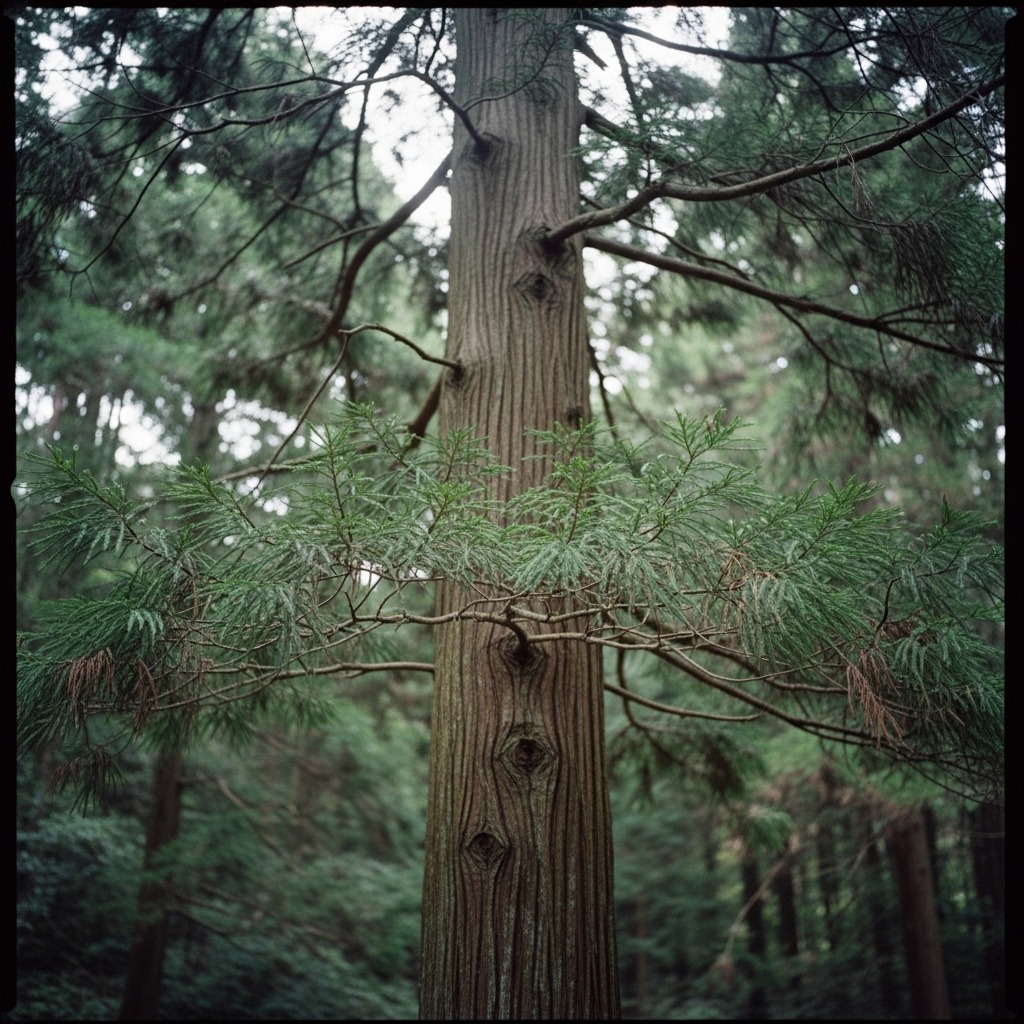
Japanese Cedar belongs to the Cupressaceae family. Its scientific name is Cryptomeria japonica. While it’s commonly called cedar, it’s essential to note that it’s not a true cedar. This distinction helps avoid confusion with other cedar species, like those in the Cedrus genus.
Physical Attributes of Cryptomeria japonica
Japanese Cedar is an evergreen tree that can grow impressively tall. Here are some key physical traits:
- Height: Typically reaches 50 to 70 feet, but can exceed this in the wild.
- Leaves: The leaves are needle-like, measuring up to 1 inch long. Young trees have slender, pointed leaves that transition to broader, flatter ones as they mature.
- Bark: The bark is striking, with a reddish-brown hue that peels in long strips, adding visual interest.
- Cones: The cones are small, round, and mature at about ¾ inch across.
These characteristics make Japanese Cedar visually appealing and easy to identify.
Unique Features of Japanese Cedar
What makes Japanese Cedar stand out? Here are some unique features:
- Adaptability: While it thrives in moist, well-drained soils, it can tolerate different conditions with proper care.
- Cultural Significance: As Japan’s national tree, it holds a special place in Japanese culture and landscaping.
- Aromatic Foliage: The tree emits a pleasant scent, especially when the leaves are crushed, adding an olfactory element to its charm.
Comparison with Other Conifers
When comparing Japanese Cedar to other conifers, a few aspects shine:
- Growth Habit: Unlike many conifers, Japanese Cedar has a straight trunk and can grow tall, making it a great focal point in gardens.
- Foliage Texture: Its softer, often fuzzy foliage sets it apart from the more rigid leaves of pines or spruces.
By understanding these botanical characteristics, you can appreciate the beauty and versatility of Japanese Cedar in landscaping and gardening.
Distribution of Japanese Cedar: Native and Introduced Regions
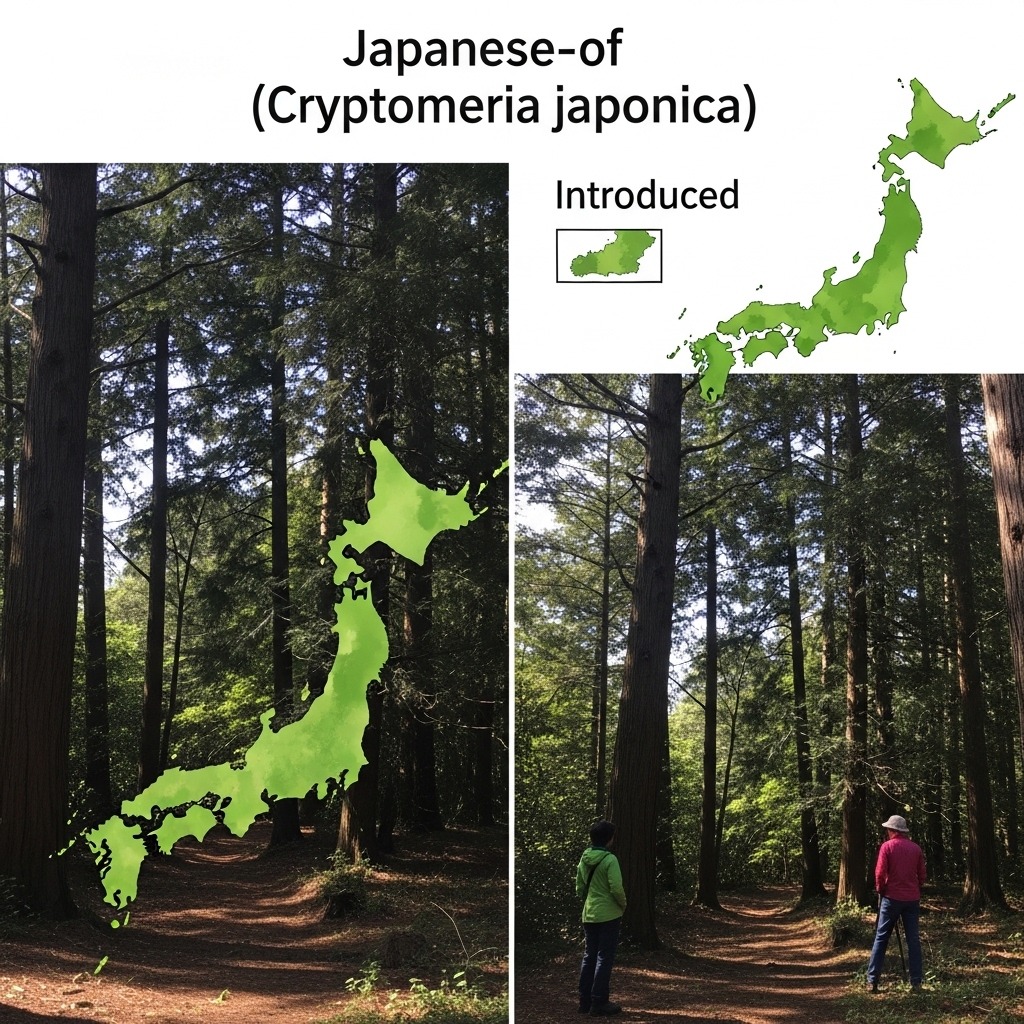
Japanese Cedar, or Cryptomeria japonica, has a fascinating distribution story. This tree is native to Japan but has found its way to various other regions due to its adaptability and aesthetic appeal.
Native Regions of Cryptomeria japonica
Japanese Cedar thrives in its native habitat, which includes:
- Central and Southern Japan: Here, it grows in forests and is considered a national symbol.
- Moist, mountainous areas: Preferring well-drained, acidic soil, it flourishes in regions with ample rainfall.
The tree can reach impressive heights, often growing between 50 to 70 feet tall, showcasing its grandeur in the landscape.
Introduced Areas and Cultivation Success
While Cryptomeria japonica is most at home in Japan, it has been successfully introduced to other regions. Notable areas include:
- United States: Particularly in the Pacific Northwest, where the climate mimics that of its native habitat.
- Azores: Cultivated for wood production, it has adapted well to the local conditions.
- Parts of China: Though disputed, it has been planted extensively here as well.
These regions have embraced Japanese Cedar for its beauty and versatility in landscaping.
Environmental Requirements for Optimal Growth
To thrive, Japanese Cedar needs specific environmental conditions:
- Soil: Prefers moist, rich, well-drained, and acidic soil (pH 5.5 to 7.0).
- Light: Grows best in full sun, though it can tolerate some shade.
- Watering: Requires moderate water, especially during dry spells.
Understanding these conditions can help you create an ideal setting for Japanese Cedar in your garden or landscape.
Visual Aids
Consider utilizing a map to show the natural range of Japanese Cedar and highlight areas where it has been introduced. This visual representation can enhance understanding and appreciation of this magnificent tree’s distribution.
Cultivars of Japanese Cedar: Varieties and Their Uses
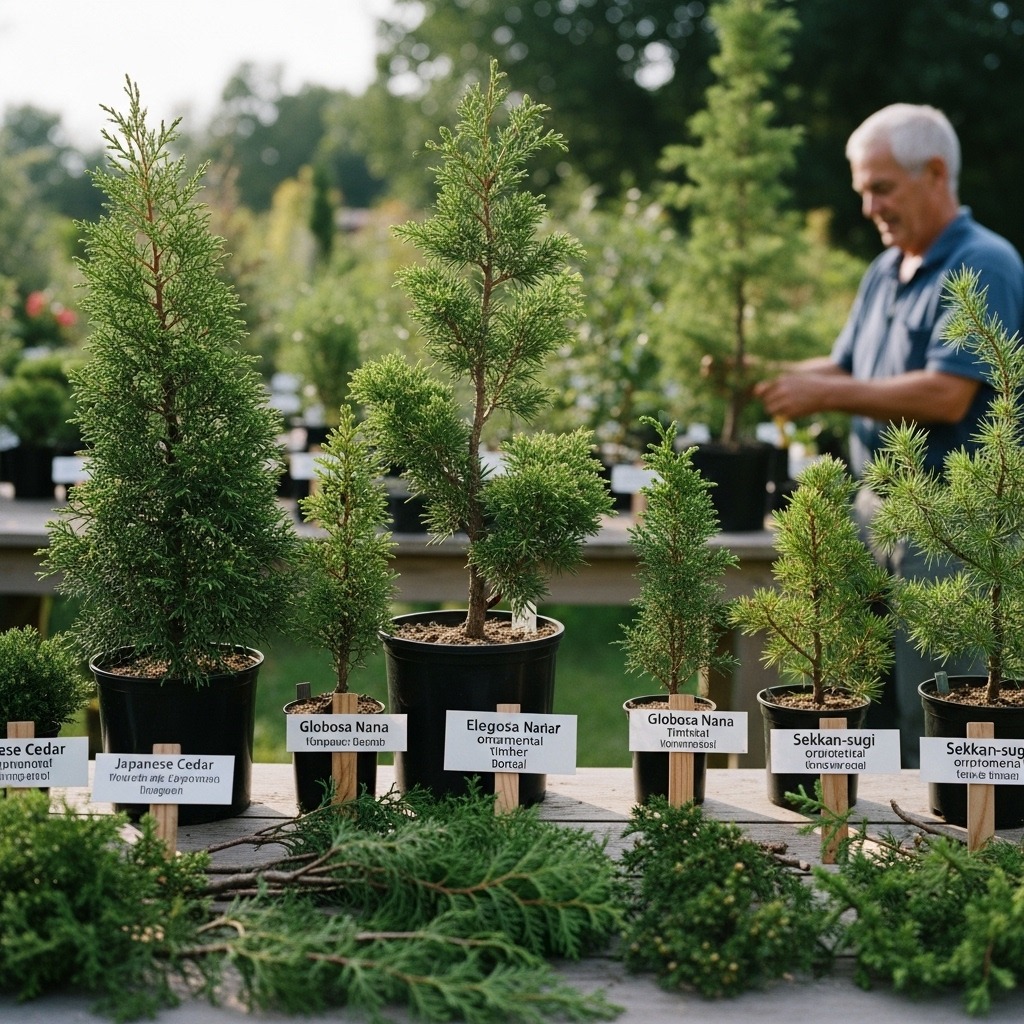
Japanese Cedar offers a variety of cultivars, each with unique features and uses. Choosing the right cultivar can enhance your landscape and meet specific gardening needs.
Popular Cultivars of Cryptomeria japonica
Here’s a quick look at some popular cultivars:
- ‘Elegans’: Known as Plume Cedar, this dwarf variety grows 3 to 6 feet tall and features bronzy-red foliage in winter.
- ‘Sekkan-sugi’: The Golden Japanese Cedar, reaching about 25 feet, is famous for its vibrant golden-yellow foliage.
- ‘Rein’s Dense Jade’: A dense, pyramid-shaped tree that also grows around 25 feet tall, perfect for creating a lush backdrop.
- ‘Black Dragon’: This compact cultivar only grows to about 5 feet and is great for smaller spaces.
- ‘Koshyi’: A very dwarf option, perfect for tight spots or container gardening.
Features and Growth Habits of Each Cultivar
Each cultivar has distinct characteristics and growth habits. Here’s what you need to know:
- ‘Elegans’: Slow-growing with a soft texture, ideal for small gardens.
- ‘Sekkan-sugi’: Fast-growing and can handle full sun, making it suitable for open spaces.
- ‘Rein’s Dense Jade’: Maintains a compact form, perfect for narrow gardens or as a focal point.
- ‘Black Dragon’: Features dense, dark green foliage, excellent for foundation planting.
- ‘Koshyi’: Very slow-growing, this one thrives in rock gardens or as a unique container plant.
Choosing the Right Cultivar for Your Landscape
Selecting the right cultivar involves considering both the environment and your aesthetic goals. Here’s a handy checklist:
1. Space Availability: Determine how much room you have. Larger varieties need space to grow tall and wide.
2. Sunlight Exposure: Ensure your chosen cultivar matches the light conditions of your garden. Most prefer full sun.
3. Soil Type: Check if your soil is acidic and well-drained. Some cultivars are more adaptable than others.
4. Purpose: Decide if you want a screen, focal point, or foundation planting. This will guide your selection.
For example, if you’re looking for a compact option for a small yard, ‘Black Dragon’ or ‘Koshyi’ are excellent choices. For a larger space, consider ‘Sekkan-sugi’ or ‘Rein’s Dense Jade’ for their impressive height and visual impact.
By matching the cultivar to your landscape needs, you can create a beautiful, thriving garden with Japanese Cedar.
Cultural and Historical Significance of Japanese Cedar
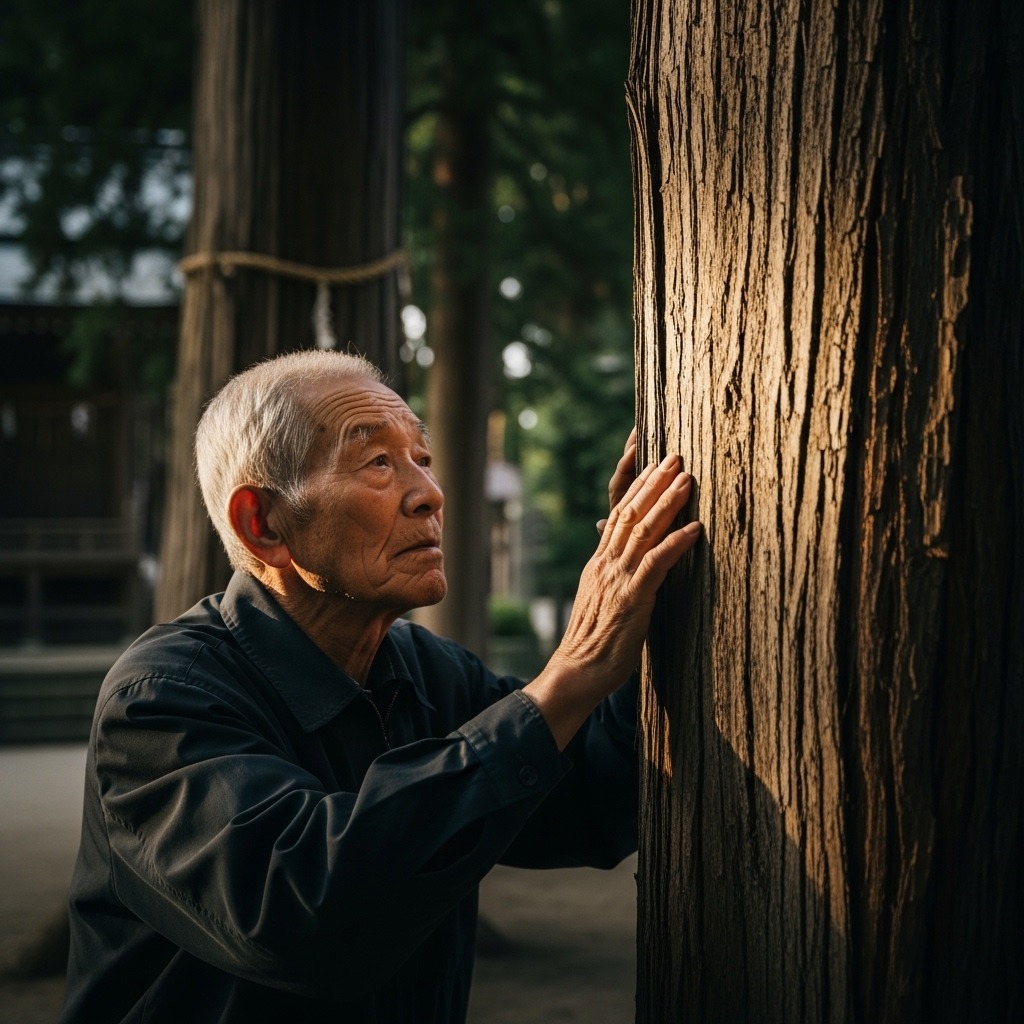
Japanese Cedar, or Cryptomeria japonica, holds a special place in Japanese culture and history. This tree is not just a beautiful addition to gardens; it has deep roots in tradition and craftsmanship.
Historical Context of Japanese Cedar in Japan
Japanese Cedar has been cherished for centuries. It is often referred to as the “national tree of Japan.” Historically, it has been used in various structures, including temples and shrines, thanks to its durability and resistance to decay.
- Traditional Buildings: Many historic buildings, like the famous Ise Shrine, are constructed from Japanese Cedar. Its wood is valued for its strength and beautiful grain.
- Timber Industry: The tree plays a significant role in Japan’s timber industry. Its wood is lightweight yet sturdy, making it a top choice for carpentry.
Cultural Symbolism and Uses
Beyond construction, Japanese Cedar symbolizes longevity and resilience. It is a common motif in Japanese art and literature, embodying the spirit of nature.
- Craftsmanship: Artisans use its wood to create fine furniture, sculptures, and decorative items. The wood’s attractive aroma and texture make it ideal for traditional crafts.
- Ceremonial Uses: In some regions, the tree is featured in rituals and festivals, representing prosperity and good fortune.
Modern Applications in Crafts and Construction
Today, Japanese Cedar continues to be popular in various crafts and building projects. Its unique properties make it a sought-after material.
- Sustainable Building: With an increasing focus on sustainability, Japanese Cedar is favored for eco-friendly construction. It grows quickly and can be harvested responsibly.
- Home Décor: You can find modern applications in home décor, like cedar chests and flooring, which showcase its beauty while providing natural resistance to pests and moisture.
Example: Traditional Craft Using Japanese Cedar
One fascinating example of traditional craftsmanship is the making of “Hinoki” baths. While technically from a different species, the principles apply to Japanese Cedar as well. These baths are valued for their soothing properties and pleasant scent. Craftsmen often choose Japanese Cedar for similar projects, highlighting its cultural significance and craftsmanship.
Understanding the rich history and cultural importance of Japanese Cedar can deepen our appreciation for this remarkable tree. It’s not just a plant; it’s a symbol of Japan’s heritage and artistry.
Care and Maintenance of Japanese Cedar: Best Practices
Taking care of Japanese Cedar (Cryptomeria) is pretty straightforward if you know what it needs. This tree thrives in the right conditions, so let’s dive into the best practices for soil, sunlight, and watering.
Soil and Water Requirements
Japanese Cedar loves rich, well-drained soil. Here’s what you need to ensure your tree thrives:
- Soil Type: Use acidic soil with a pH of 5.5 to 7.0.
- Drainage: Ensure it’s well-drained to prevent root rot.
- Watering: Keep the soil consistently moist, especially during dry spells. Water deeply rather than frequently to encourage deep root growth.
Checklist for Soil and Water:
- Test soil pH before planting.
- Amend with organic matter if needed.
- Water thoroughly every week, more in dry periods.
Sunlight and Growth Conditions
Japanese Cedar prefers full sun but can tolerate partial shade. Here’s how to set it up for success:
- Sunlight: Aim for at least 6 hours of direct sunlight daily.
- Temperature: Thrives in USDA zones 6b to 9b. Protect it from harsh winter winds.
- Spacing: Allow plenty of space for taller varieties to reach their full height without crowding.
Tip: If planting in a hotter climate, consider a location with afternoon shade to protect from intense sun.
Pest and Disease Management Strategies
Like any plant, Japanese Cedar can face pests and diseases. Here’s how to keep it healthy:
- Common Pests: Watch for scale insects and spider mites. These can be managed with insecticidal soap.
- Diseases: Be mindful of Seiridium canker and root rot. Ensure proper drainage to prevent these issues.
- Monitoring: Regularly check for signs of distress, like discoloration or wilting.
Pest Management Checklist:
- Inspect foliage monthly for pests.
- Apply treatments at the first sign of trouble.
- Maintain good air circulation around the tree.
By following these guidelines, you’ll help your Japanese Cedar grow strong and beautiful. Whether you’re planting it as a statement piece or a background tree, proper care will make all the difference!
Common Pests and Diseases Affecting Japanese Cedar
Japanese Cedar, or Cryptomeria japonica, can be prone to certain pests and diseases. Understanding these issues is key to keeping your tree healthy and flourishing.
Common Pests of Cryptomeria japonica
Japanese Cedar can attract a few common pests. Here are the main culprits:
- Scale Insects: Small, often unnoticed pests that suck sap from the tree.
- Spider Mites: Tiny arachnids that can cause leaf discoloration and webbing.
- Aphids: Soft-bodied insects that can weaken the tree by feeding on its sap.
Management Tips:
- Use insecticidal soap or neem oil at the first sign of infestation.
- Regularly inspect foliage, especially in spring and fall.
Diseases and Their Symptoms
Japanese Cedar is susceptible to a couple of notable diseases. Knowing the symptoms can help you act quickly.
- Seiridium Canker: This disease causes dark, sunken lesions on the branches. Affected areas may die back.
- Root Rot: Poor drainage can lead to this fungal disease. Signs include yellowing leaves and stunted growth.
Symptoms to Watch For:
- Wilting or drooping foliage.
- Discoloration or dieback of branches.
Prevention and Treatment Options
Preventing pests and diseases is often easier than dealing with them after they strike. Here’s how to keep your Japanese Cedar thriving:
- Soil Management: Ensure well-draining soil to prevent root rot. If your soil retains too much moisture, consider amending it with sand or organic matter.
- Watering Practices: Water deeply but infrequently to encourage strong root growth. Avoid overhead watering to minimize fungal issues.
- Regular Monitoring: Check your tree monthly for pests or symptoms of disease. Early detection is critical for effective treatment.
Checklist for Healthy Trees:
- Inspect trees monthly.
- Maintain good air circulation.
- Apply appropriate treatments promptly.
By following these guidelines, you can help protect your Japanese Cedar from pests and diseases, ensuring it remains a stunning part of your landscape!
Designing with Japanese Cedar: Landscape Applications
Japanese Cedar (Cryptomeria) is a stunning choice for your landscape design. Its unique shape and rich color can enhance various settings, from gardens to public parks. Let’s explore how to make the most of this beautiful tree!
Using Japanese Cedar in Different Landscape Settings
Japanese Cedar works well in many environments. Here’s how you can use it:
- As a focal point: Plant a taller cultivar, like ‘Sekkan-sugi’, in the center of a garden bed. Its golden foliage will draw the eye.
- In hedges: Use ‘Rein’s Dense Jade’ for a lush green privacy screen. Its dense growth makes it perfect for creating boundaries.
- Along pathways: Dwarf varieties, like ‘Koshyi’, can line walkways. Their smaller size keeps paths feeling open while adding charm.
Design Tips for Optimal Aesthetic Appeal
To maximize the visual impact of Japanese Cedar, keep these tips in mind:
- Group plantings: Cluster different cultivars together for a layered look. Mix taller varieties with shorter ones for depth.
- Consider seasons: Choose cultivars with varying colors and textures to ensure year-round interest. For example, ‘Elegans’ offers a beautiful bronzy-red in winter.
- Play with shapes: Use the natural pyramidal form of Japanese Cedar to contrast against more rounded plants. This adds visual intrigue to your landscape.
Case Studies of Successful Landscape Designs
Here are a couple of real-world examples showcasing the versatility of Japanese Cedar:
1. Zen Garden: A local Zen garden incorporated a combination of ‘Sekkan-sugi’ and ‘Rein’s Dense Jade’. The contrasting heights and colors created a peaceful atmosphere, perfect for meditation.
2. Urban Park: An urban park used ‘Koshyi’ to frame a walking path. The dwarf size kept sightlines clear while providing lush greenery. Visitors loved the cozy feel it added to the space.
Using Japanese Cedar thoughtfully can elevate your landscape design. Whether you want a tranquil retreat or an eye-catching focal point, this tree has you covered!
Frequently Asked Questions
These quick answers cover the most common questions about this topic, including key details, practical tips, and common concerns.
What is the best soil for Japanese Cedar?
Japanese Cedar prefers moist, well-drained, acidic soil with a pH between 5.5 and 7.0. Rich, loamy soil that retains some moisture but drains well promotes healthy growth. Amend heavy clay or sandy soils with organic matter to improve fertility and drainage.
How tall does Japanese Cedar grow?
In optimal conditions, Japanese Cedar can reach heights of 50 to 70 feet. Some cultivated varieties may stay smaller, especially dwarf cultivars, which grow only a few feet tall. The growth rate varies by cultivar and environmental factors.
What are the most popular cultivars of Cryptomeria japonica?
Popular cultivars include ‘Elegans’ (dwarf with bronzy-red winter foliage), ‘Sekkan-sugi’ (vibrant golden-yellow), ‘Rein’s Dense Jade’ (dense, pyramid-shaped green), ‘Black Dragon’ (dark green, compact), and ‘Koshyi’ (very dwarf, perfect for containers).
Can Japanese Cedar be grown in containers?
Yes, dwarf cultivars like ‘Black Dragon’ and ‘Koshyi’ are suitable for containers. They require well-drained, acidic soil and regular watering. Container-grown Japanese Ceders are ideal for small gardens or patios and can be moved to protect from harsh weather.
What are the signs of disease in Japanese Cedar?
Signs include discolored or wilting foliage, sunken dark lesions on branches (Seiridium canker), and dieback of parts of the tree. Yellowing or browning needles can indicate root rot or pest issues. Early detection allows for better management.
What should I know about detailed growth conditions for specific cultivars?
Each cultivar has unique needs. Dwarf varieties prefer partial shade and compact soil, while larger types thrive in full sun with ample space. Check the cultivar’s mature size, growth rate, and preferred environment to ensure healthy development.
What should I know about pest and disease management strategies?
Regular inspection is key. Use insecticidal soap for pests like scale and mites. Ensure good air circulation and avoid overwatering to prevent fungal diseases like root rot and cankers. Prompt treatment at early signs keeps trees healthy.
What should I know about timber production details?
Japanese Cedar wood, known as Hinoki, is valued for its durability, light weight, and aromatic qualities. It has historically been used in construction, furniture, and crafts. Sustainable harvesting practices help maintain healthy forests and timber supply.